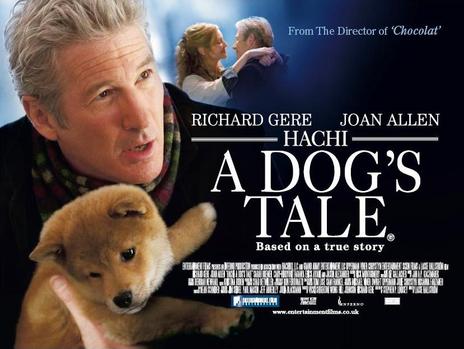
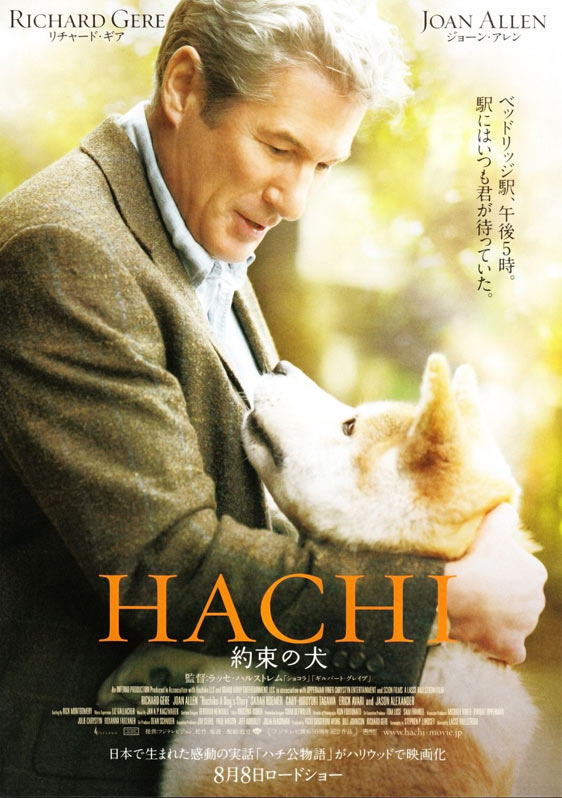
Review: Films Inspired By Japan – Hachi: A Dog’s Tale (2009)

As Tokyo Fox is slowly running short of films ‘set’ in Japan to review, it’s time to start a new series analysing those movies inspired by Japan that have been set in other countries, most commonly the USA. Having been to the new Hachiko statue at the University Of Tokyo recently, the Akita dog was very much on the brain so I guess this Lasse Hallström-directed re-make is the perfect place to start. 

WARNING: Contains spoilers!

This tale of loyalty and devotion starts off in the present with kids doing presentations in class on the subject of their hero. Amid a few sniggers of laughter, one boy tells his classmates that his hero is Hachiko and from thereon the mysterious story of how the dog ended up on a plane from Japan to Boston (USA) unfolds on screen. Thankfully, the kids presentation is done off screen and the story of Hachi is not narrated.

Based on the 1987 Japanese language movie (which in turn was based on a real story) this movie, starring Richard Gere, took the story to a far bigger audience so these days the influx of tourists to Tokyo already know the backstory behind the statue outside Shibuya station which does appear briefly at the end of this movie.

Richard Gere is of course no stranger to movies about Japan having made a guest appearance in the Akira Kurosawa directed movie ‘Rhapsody In August‘ (1991) and here he plays Professor Parker Wilson, the guy who takes the stray dog home with the intention of returning it to its owner. However, that never happens for one reason or another and before you know it many years have passed and the bond between owner and dog is very tight.
indiefilmpage - HACHI foto2  yRDUgstcd8YtcSuBAHbadTga9F7

Hachi‘ is an extremely simple movie but one where you’re captivated from start to finish and to his credit, Hallström just lets it run along at a nice pace. Anyone with half a heart is moved by this story and it shows the bond that can develop between owner and dog which is perhaps most prevalent in one scene where Joan Allen’s character looks out of the window and sees her husband playing with the dog and the love and affection he gives it. Gere comes across as heart warming and credible in his role especially the scenes involving teaching the dog to run and fetch.

Animals, particularly dogs, are very precious (sometimes too cherished!) to people in Japan and nowhere is that more noticeable than with the story of Hachiko. Of course all Japanese people know about this story but for other nationalities it’s important to note that this is not quite the family movie they may expect!

This 93 minute movie is a lovely break from the more typical modern-day fast paced, action packed films and is instead a tender story of friendship, love and loyalty. However, it’s not like that all the way through as in the second half of the narrative it seems like the scriptwriters stumbled around a bit regarding how to deal with the transition following Parker’s sudden heart attack and how Hachi is discarded with so easily and quickly by his family in the wake of that tragedy.

“We want you to stay here with us but if you have to go thats ok too” are the words uttered by Parker’s daughter as she just gives up on Hachi and sets him free to choose his destiny. Would anyone really ever be so heartless?! I guess this had to be done though to give us the story of Hachi continuing to wait for his master at the station each night (did he know to just wait on weekdays only? Every single day?!) for the next nine years.

When watching this 2009 film I never fail to well-up inside and love the film all the more for there’s no false over-the-top sentimentality. I enjoyed the dog-cam more than I thought I would as it allows the viewer to see the view of the world around Hachi. It’s not quite the perfect film but such a touching one and I don’t think it really matters that the support cast were so under-used (as some have suggested) as most viewers are only interested in Richard Gere’s character and his relationship with his beloved Japanese Akita dog.
hachiko  Unknown

Tokyo Fox Rating 8/10
Posted in Japan Life, Review: Films Inspired By Japan | Tagged , , , , , , , | 14 Comments

TF Top 10……Alternative Temples And Shrines In Tokyo

“I’m not really a temple or shrine kind of person” is a phrase I’ve heard a fair few times over the years I’ve been living in Japan. No doubt I’ve occasionally uttered those words myself but over time I’ve racked up a fair few visits to these places of buddhist and shinto worship.

Most tourists have always traditionally gone to the famous ones like Asakusa Senso-ji, Meiji Shrine and the controversial Yasukuni Shrine but with more and more visitors arriving in Japan there is a higher demand to get off the tourist trail a bit more and seek out some different temples and shrines, ones with perhaps a stronger interest or connection that they can relate to such as appearances in movies or music videos or just their novelty and quirkiness.

Here, in no particular order, are the Tokyo Fox top 10……alternative temples and  shrines in Tokyo.

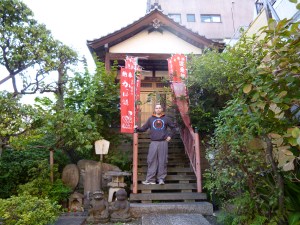
1. Jougan-ji Temple @ Honcho 2-26, Nakano-ku.

30Oct2009 040  P1010239

Scarlett Johansson went here in the rain for the briefest of scenes in ‘Lost In Translation‘ (2003) More details here

2. Kappa-derra Temple @ 3-7-2 Matsugaya, Taito-ku.

P1010741  P1010739

If you’ve ever had kappamaki in a sushi restaurant then you may be interested to learn that the sushi roll gets it’s name due to cucumbers being the favourite food of the bipedal, turtle-like aquatic goblins who, according to folklore, have been known to grab children crossing bridges and drown them. This temple was built to appease the many kappa creatures in the area and the altar even has offerings of the long green vegetable. More details here

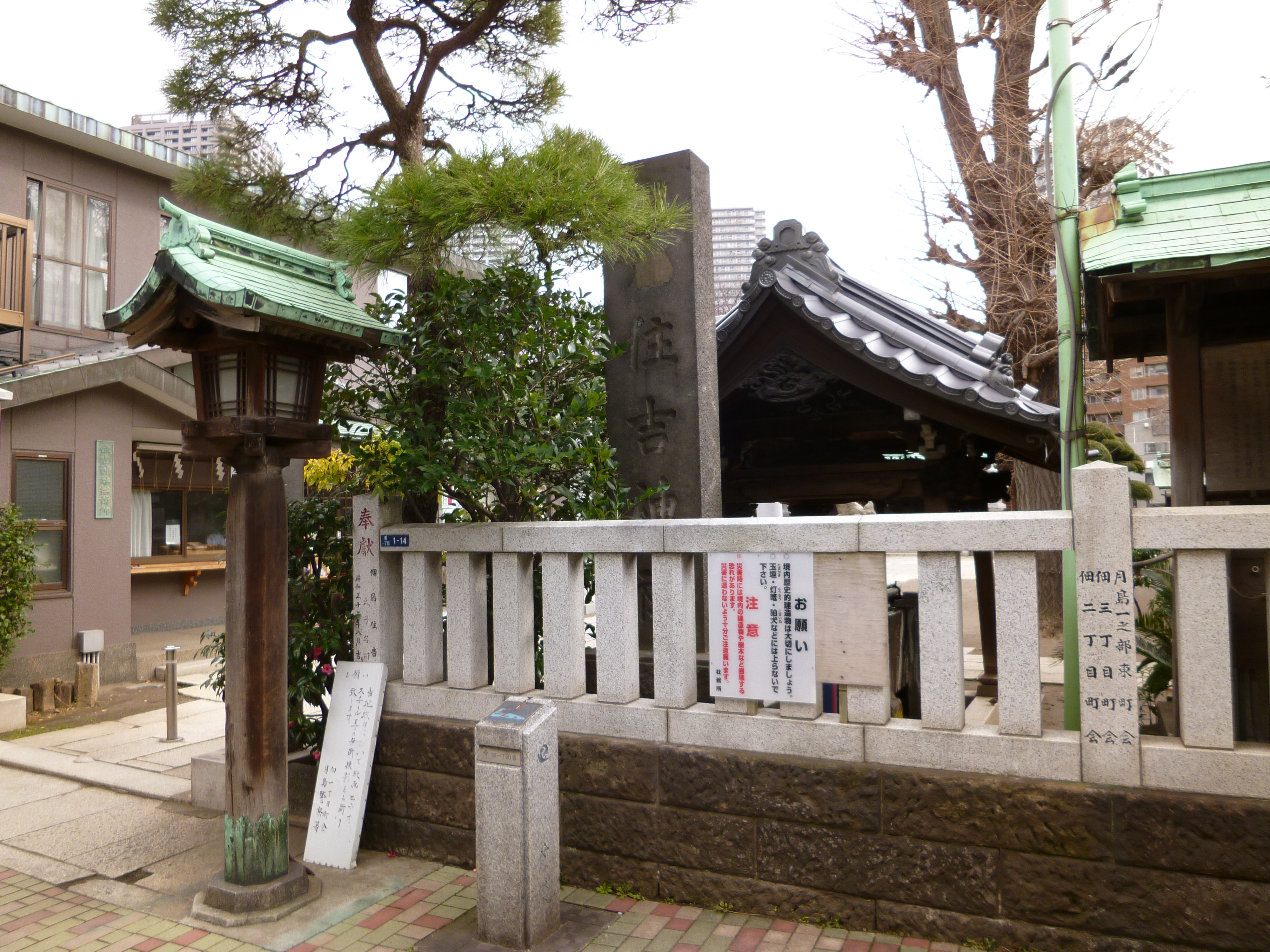
3. Sumiyoshi Jinja shrine @ 1-1-14 Tsukuda, Chuo-ku.

P1010125  P1010119

This shrine was used in the ridiculously silly low budget sequel ‘The Toxic Avenger Part II‘ (1989) and comes alive once every three years for its festival held on the first weekend of August. An enormous gate covered in copper plate welcomes you to the Shinto deity of fishermen and ocean travellers and is protected by foxes. More details here

4. Asakusabashi Temple @ 1-29-11 Asakusabashi, Taito-ku.

Screen Shot 2012-07-02 at 12.24.37  P1010253

American indie band The Killers descended on this place for the filming of their 2007 hit ‘Read My Mind‘. More details here

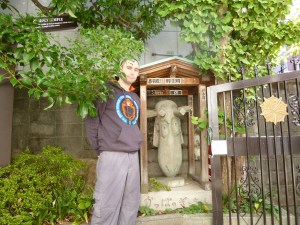
5. Shinryō-ji temple @ 2-7-25 Minami Shinagawa, Shinagawa-ku.

P1030393  P1030364

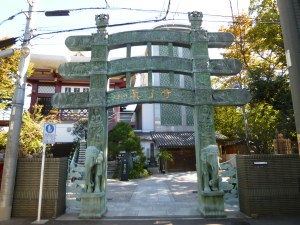
Small unusual shrine with a very beautiful Indian/hindu looking elephant gate which is counted as a Tangible Cultural Property of Shinagawa Ward…not that I have any idea what that means exactly!! More details here

6. Mimeguri Jinja Shrine @ 2-5-17 Mukojima, Sumida-ku.

DSCN0048  DSCN0045

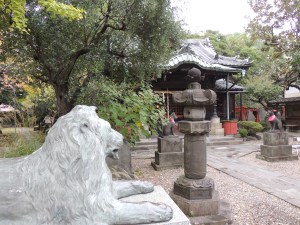
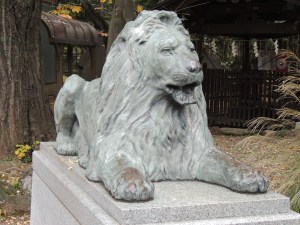
How on earth did the one of these lions find its way from Trafalgar Square to this small shrine via Ikebukuro? More details here

7. Wakamiya Hachimangu Shrine @ 2-13−16 Daishi Ekimae, Kawasaki-ku.

C*ck A Load Of This - Kanamara Matsuri 2010  P1040283
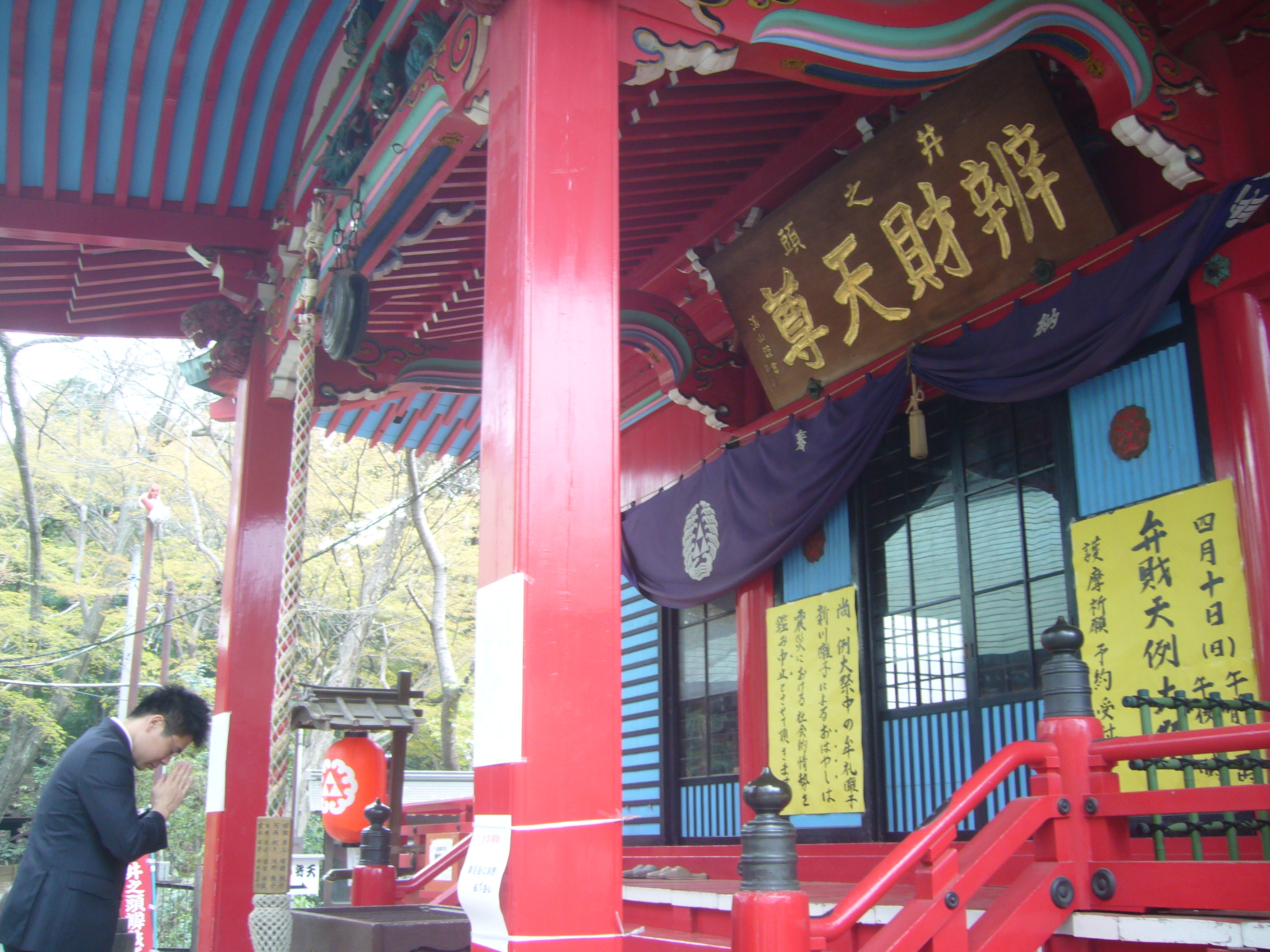
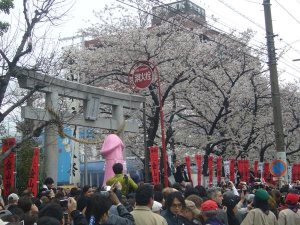
Not technically in Tokyo but as it’s only a 15 minute train ride from Shinagawa it’s close enough to be included and let’s face it, the quirky nature of it merits its inclusion in this list. The best time to visit is undoubtedly the first Sunday each April when the cherry blossoms are in full bloom and the erm, portable phallic shrines are standing upright! More details here

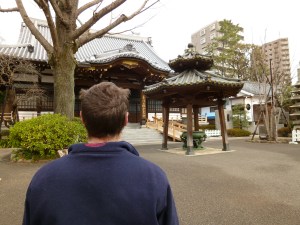
8. Zojoji Temple @ 4-7-35 Shibakoen, Minato-ku.

P1020462  P1020465

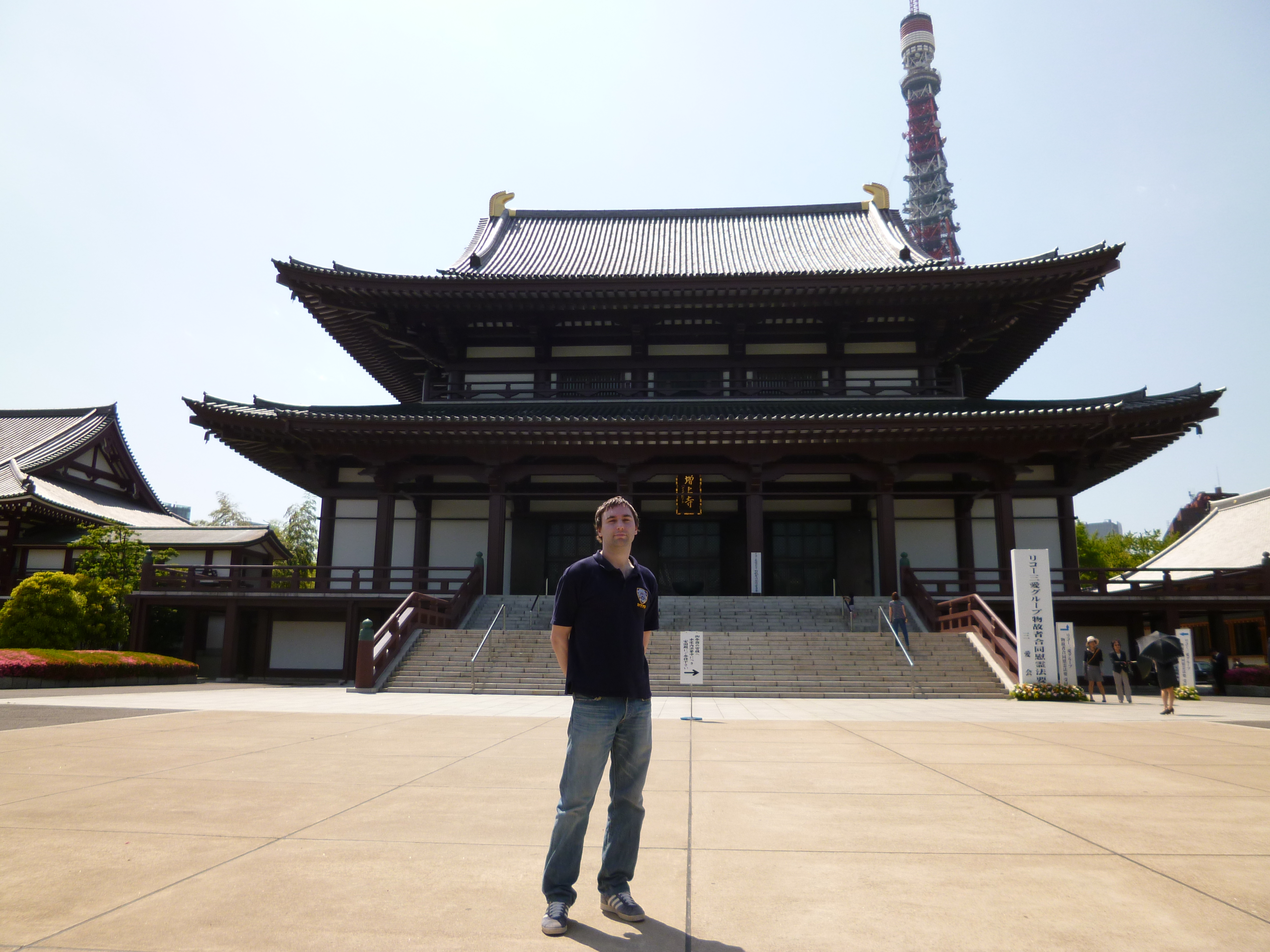
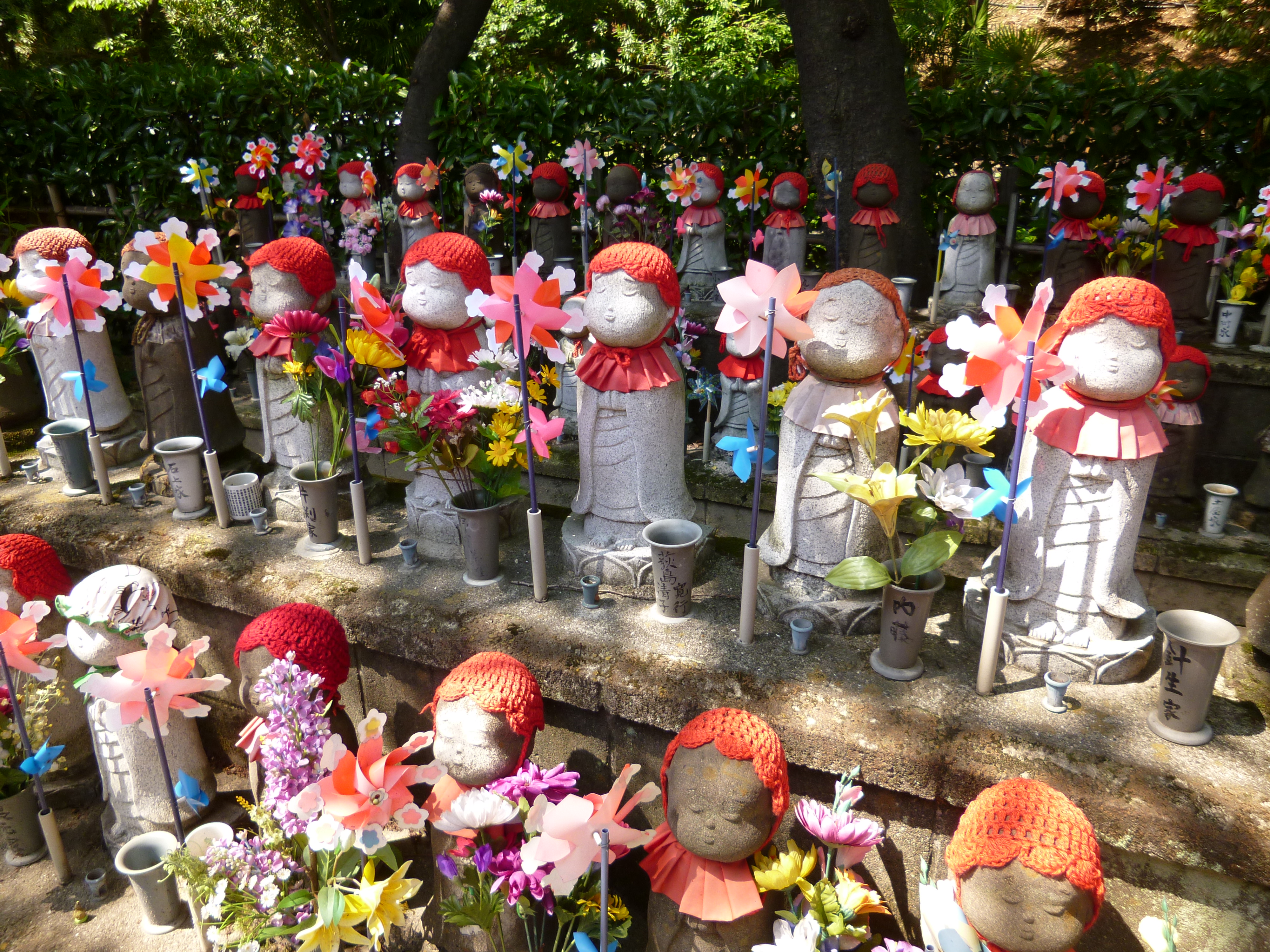
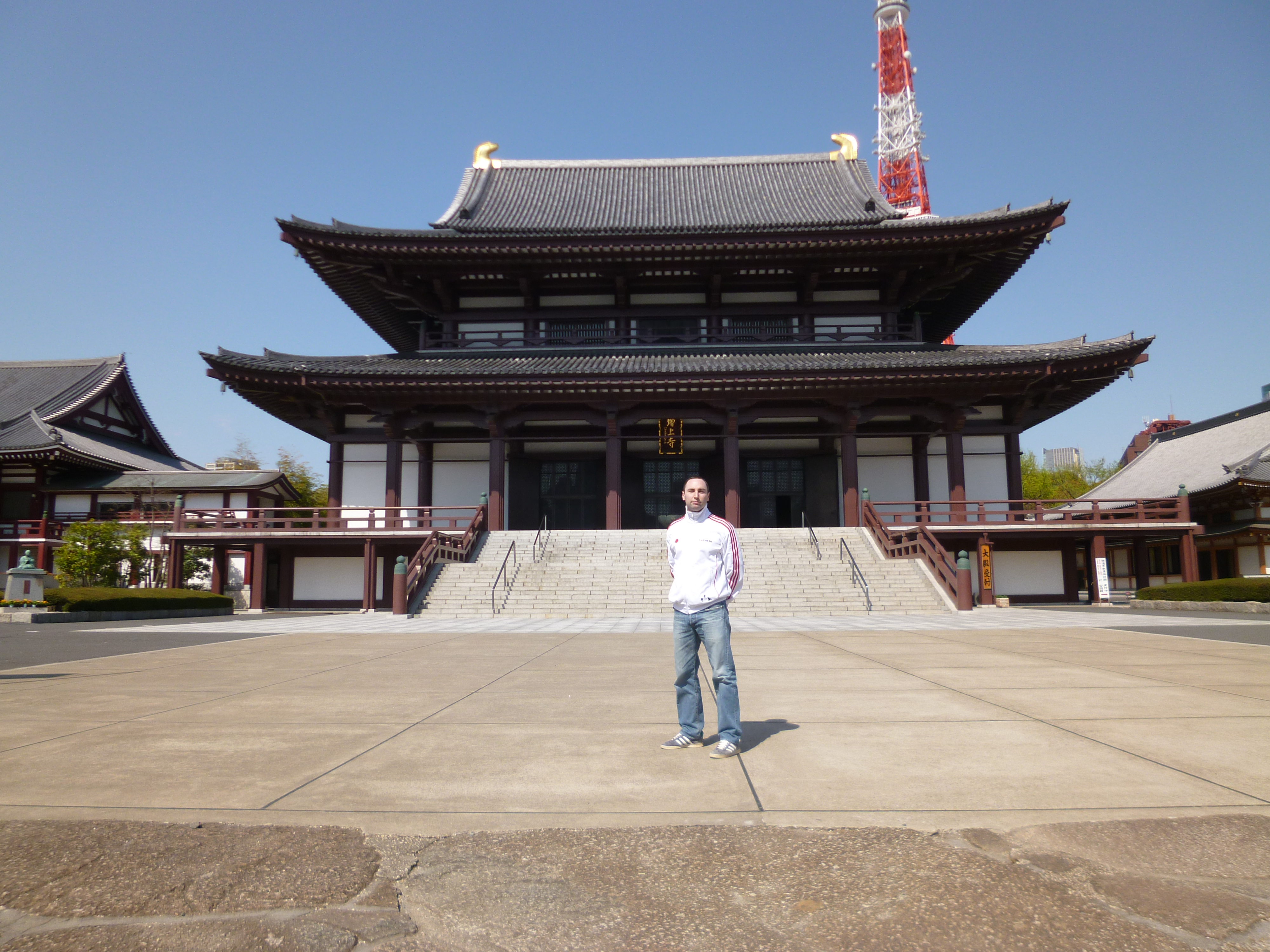
Perhaps the most famous one in this list and increasingly more popular due to its appearance during a funeral scene in ‘The Wolverine‘ (2013). Way before Hugh Jackman and co turned up there, the Steven Seagal movie ‘Into The Sun‘ (2005)  also featured this place which is famed for its rows of little statues holding windmills. More details here

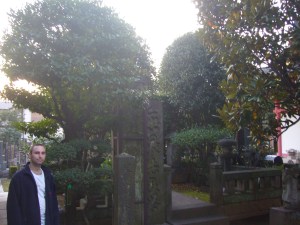
9. Zenpukuji Temple @ 1-6-21 Moto Azabu, Minato-ku.

P1030021  P1030050
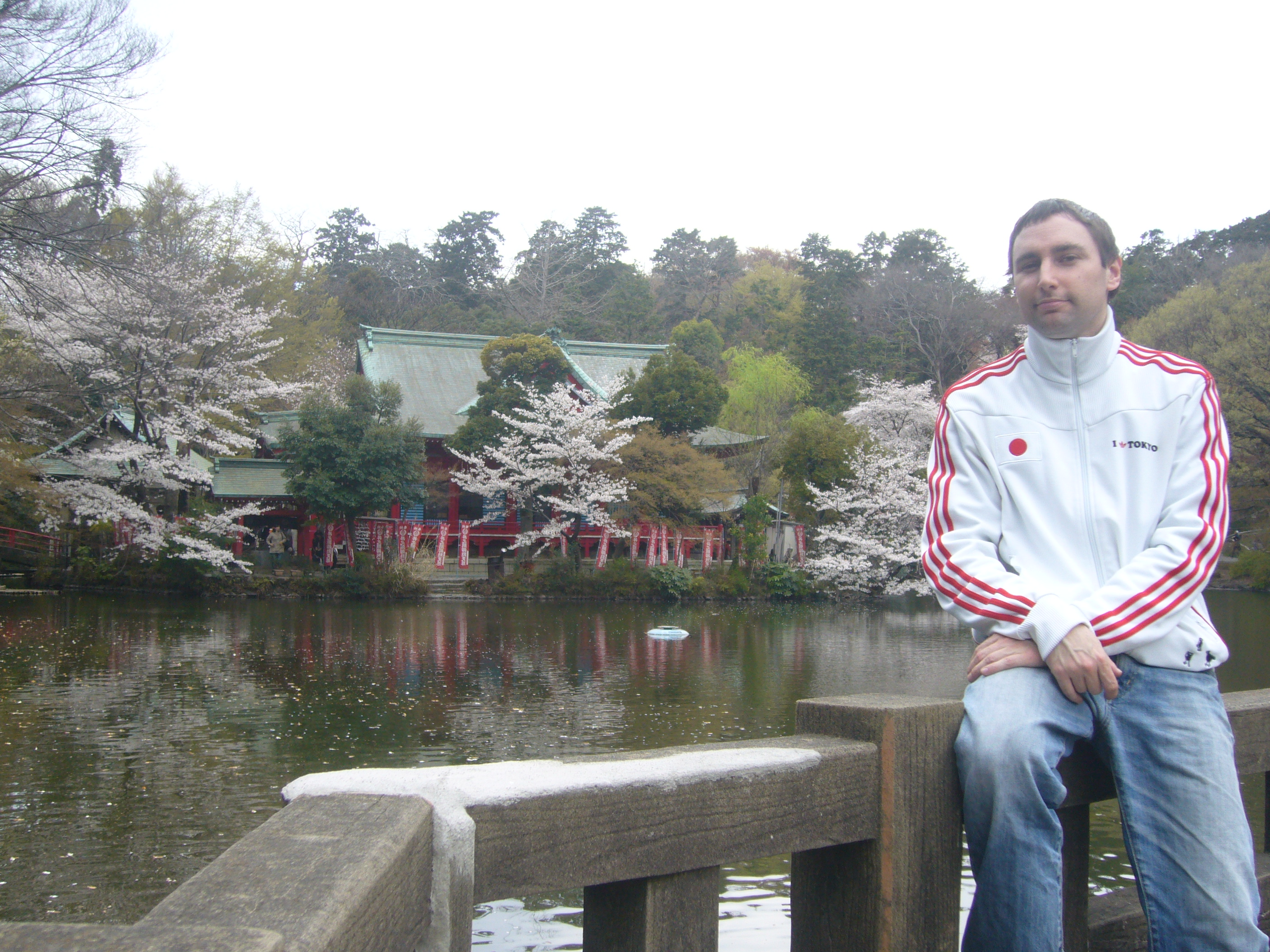
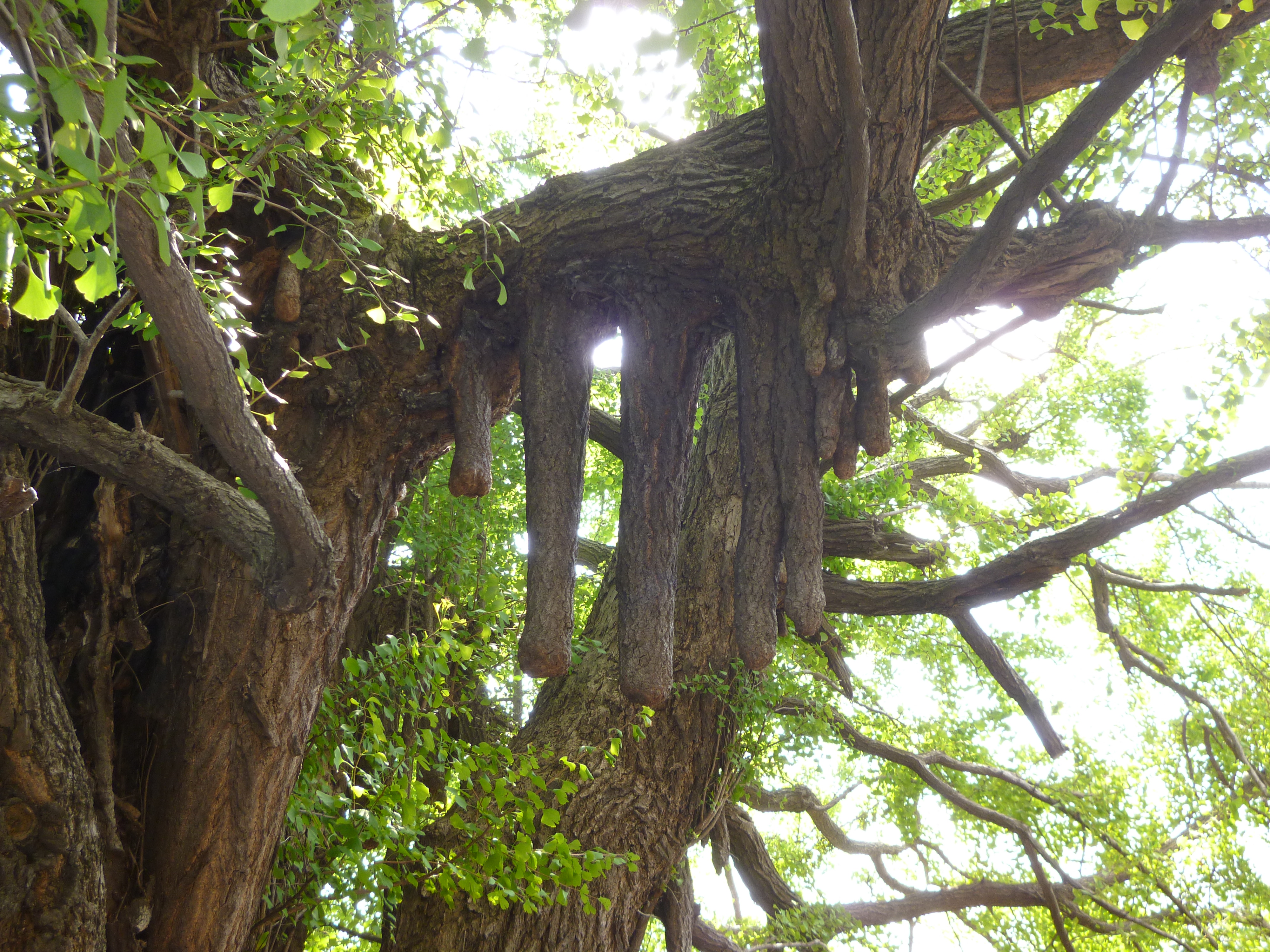
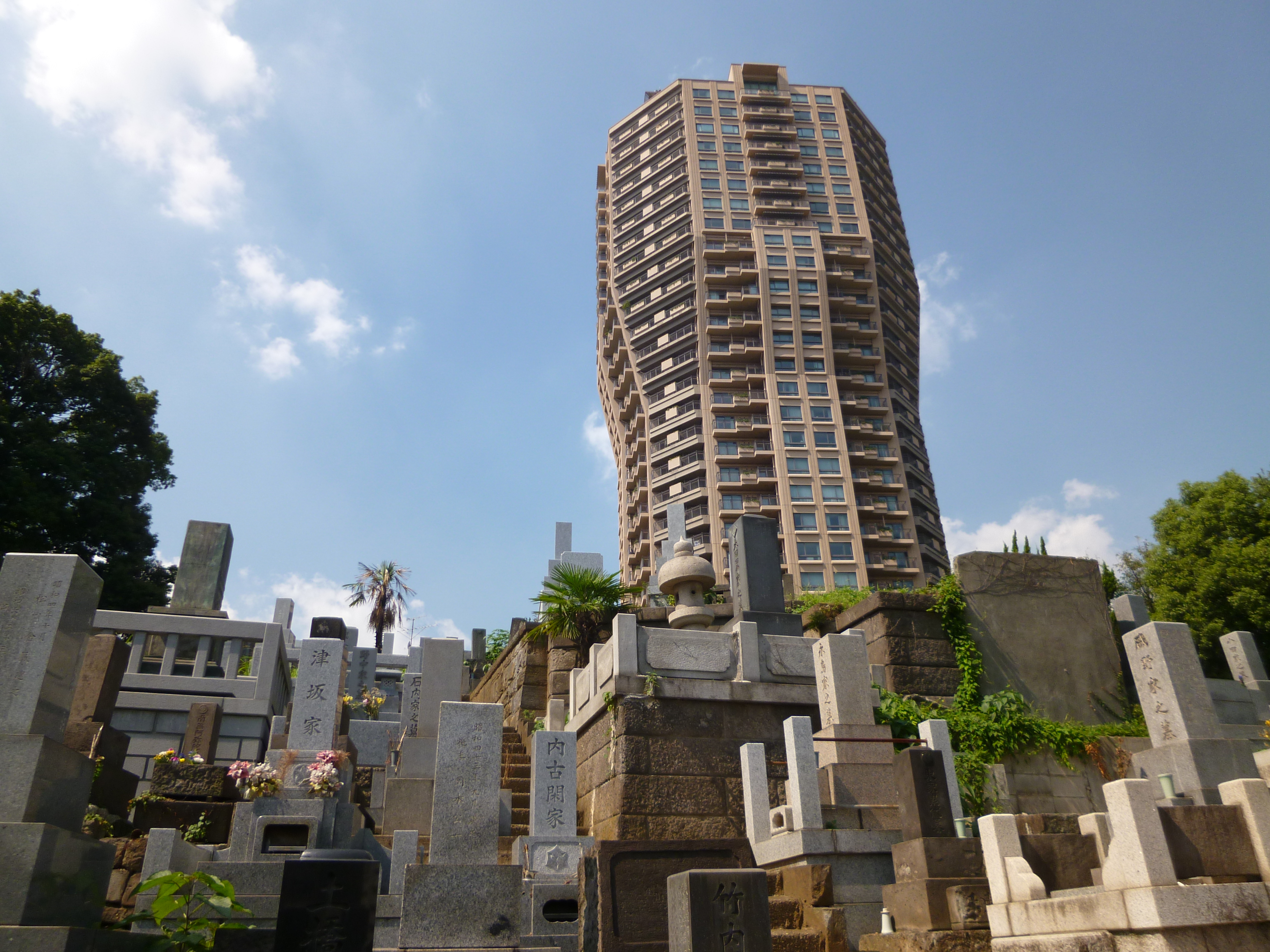
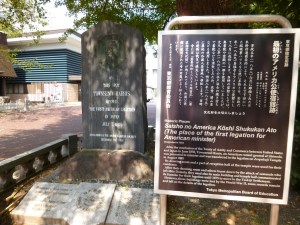
The John Wayne movie ‘The Barbarian & The Geisha‘ (1958) brought the name of Townsend Harris to my attention and there is a monument within these temple grounds dedicated to the first Consul General to the Empire of Japan in 1856. This place also houses the oldest ginkgo tree in Tokyo (800+ years old) with a girth of 10m and the grave of the man on the 10,000 yen note is also in the adjoining cemetery. More details here 

10. Shibamata Taishakuten @ 7-10-3 Shibamata, Katsushika.

P1010097  P1010100

Sample the more traditional side of Edo period Japan and get into all things Tora-san related in this town where the temple is the showpiece feature. For the uninitiated, Shibamata is the home to the ‘Otoko Wa Tsurai Yo‘ (It’s tough being a man) series which were made between 1969 and 1995. More details here

Bonus: Shomyouji Temple @ 212 Kanazawacho, Kanazawa-ku.

P1020556  P1020568

A bit further afield this one but worthy of mention for it’s part in the video for the classic Manic Street Preachers song ‘Motorcycle Emptiness‘ (1992) More details here

Honourable Mentions: 

Miyamisu Mitake Shrine, 1-12-7 Shibuya, Shibuya-ku. More details here 

Sengakuji Temple, 2-11-1 Takanawa, Minato-ku. More details here

Posted in Hentai, Japan Filming Locations, Japan Life, Movie Locations, Music, Quirky Japan, Tokyo Daytripper: | Tagged , , , , , , , , | 9 Comments

TF Flashback: San Diego (2002)

As much as I loved my time in New York city in 2012, it is still California on the west coast which I have the most affection for as that was where I first entered the country in 2002 before returning nine years later for a road trip through the state as well as Nevada, Texas and New Mexico.

Before entering America back in 2002 at the tail-end of my world backpacking trails I was told by many to go to San Francisco or San Diego rather than stay in  L.A. Money and time restraints meant that the latter was a far more realistic option and so as my trip was coming to an end I took a three night break from the sprawling suburbs of L.A. and headed down close to San Diego where I experienced some great hospitality from a local stranger.

Thanks to the journal that I kept at the time it is now possible to recall the events of that experience.

On May 1st, 2002, I paid $23 for the 127 mile return trip on the Greyhound bus (where I saw a motorcyclist fall or get knocked off his bike though he thankfully seemed ok and got back on) where on arrival I rang Ocean Beach International hostel who had a free taxi pick-up. $16 per night was the cost of my 6-bed dorm where someone had previously left behind a breakfast bar, crisps, fruit and cash! The money was mostly one cent coins but at a time when I was desperate for money, a few nickels, dimes and quarters too totalling up to a few dollars was most welcome!

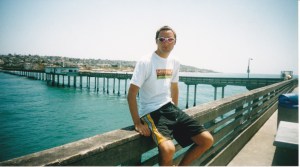
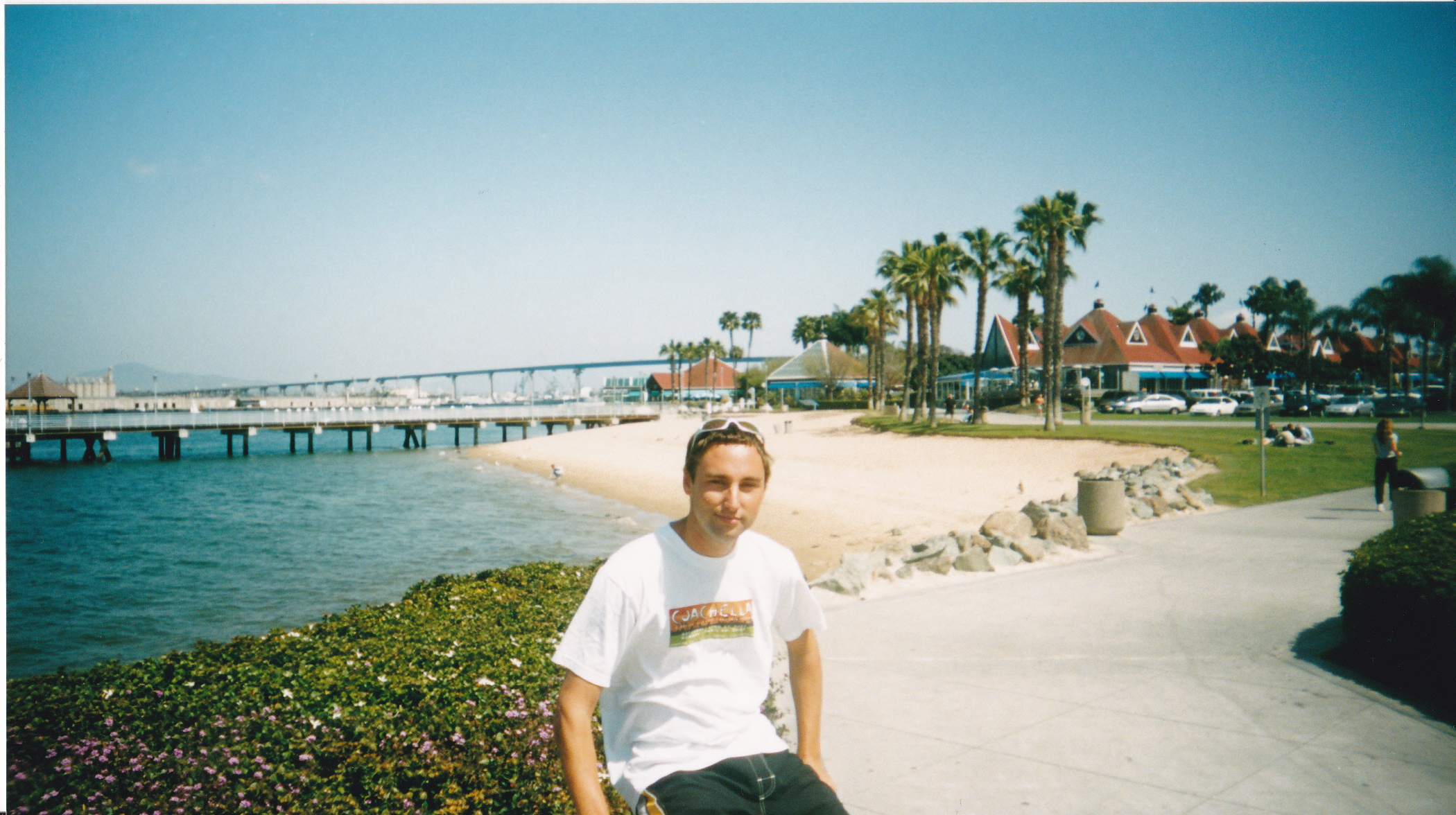
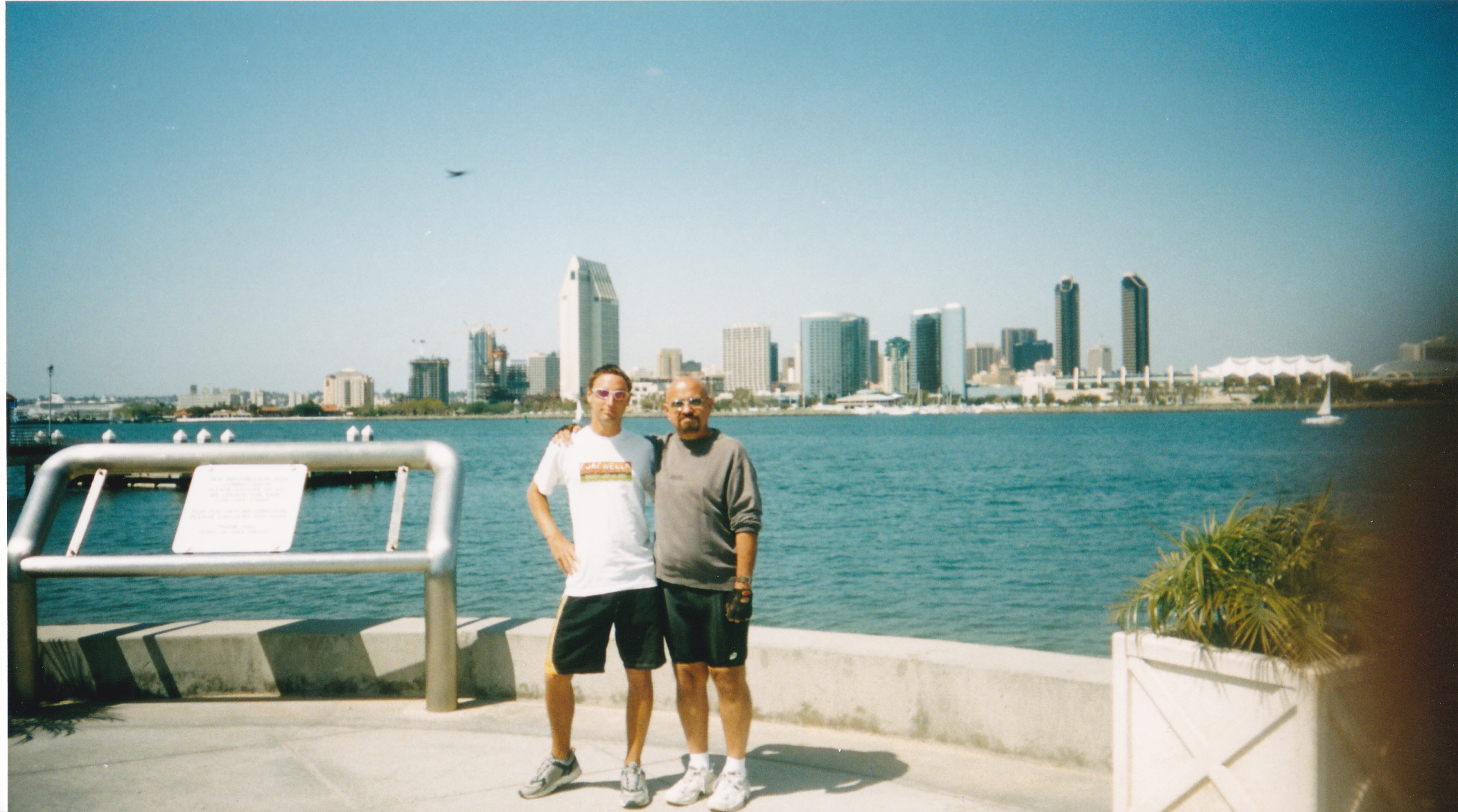
The following morning I went for a walk on the very long Ocean Beach Pier (below) which proved to be a major turning point in what would have probably been a very average day. I got talking to a bald guy called Dennis having asked him to take my picture and before I knew it I’d agreed to let him drive me to Coronado Island.

SanDiego1  SanDiego2

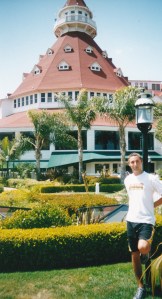
This popular wealthy island of stately Victorian homes was accessed by the two-mile San Diego-Coronado Bay Bridge (such a snappy name!) which was toll free for all those not driving alone which may have explained why he was keen to give me a lift there! The islands best known feature is the eye-catching Hotel del Coronado (above) which is a beautiful fine example of Victorian architecture.

SanDiego3  SanDiego4

The other half of the island is the US Naval Air station that we drove by on the way to the ferry terminal which provided some decent views across the water of the city. Expecting to be dropped off back at Ocean Beach, Dennis suggested driving on towards Balboa Park which was fine by me but the fact that he touched my knee a couple of times when saying that I was such good company had me slightly worried and a part of me was still a little suspicious! I needn’t have been though and at the park we took the free park tram around some of the 1,400 acre site viewing the many museums and the San Diego Zoo which are all located in the park.

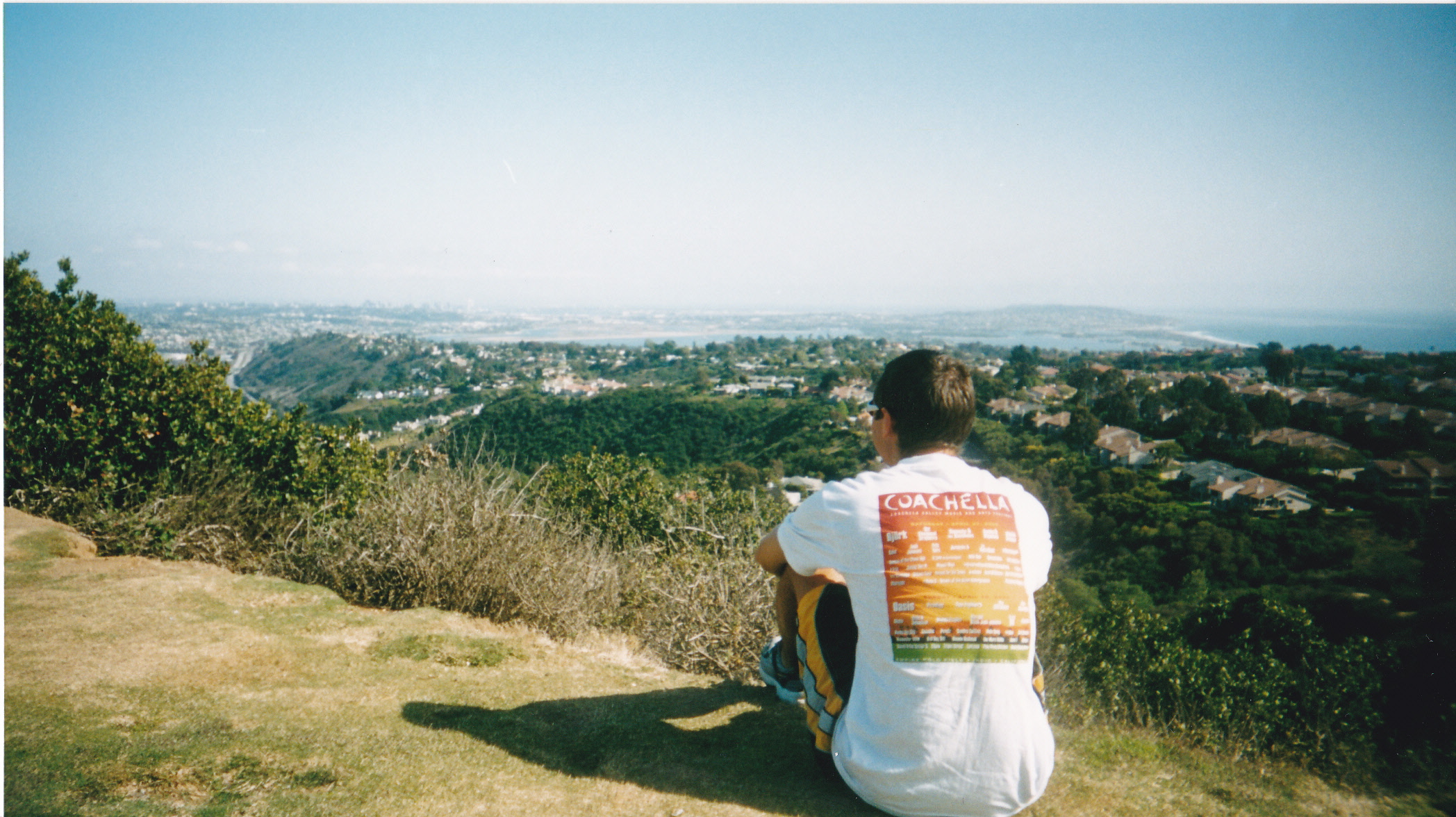
I was then treated to a ‘Jack In The Box‘ drive-thru burger and and milkshake which again left me wondering what he wanted in return! Dennis’ tour of his beloved home city continued on up to Mount Soledad (below) which had 360 degree views of San Diego county from the mountains to the Pacific Ocean.

SanDiego5  SanDiego6

We then continued on to the rich persons playground that is La Jolla (San Diego’s own version of L.A.’s Beverley Hills) where we went to the Cove Seal Colony (above) and saw dozens and dozens of seals surfaced on the beach which was considerably more than at Kaikoura in New Zealand and therefore smellier too!!

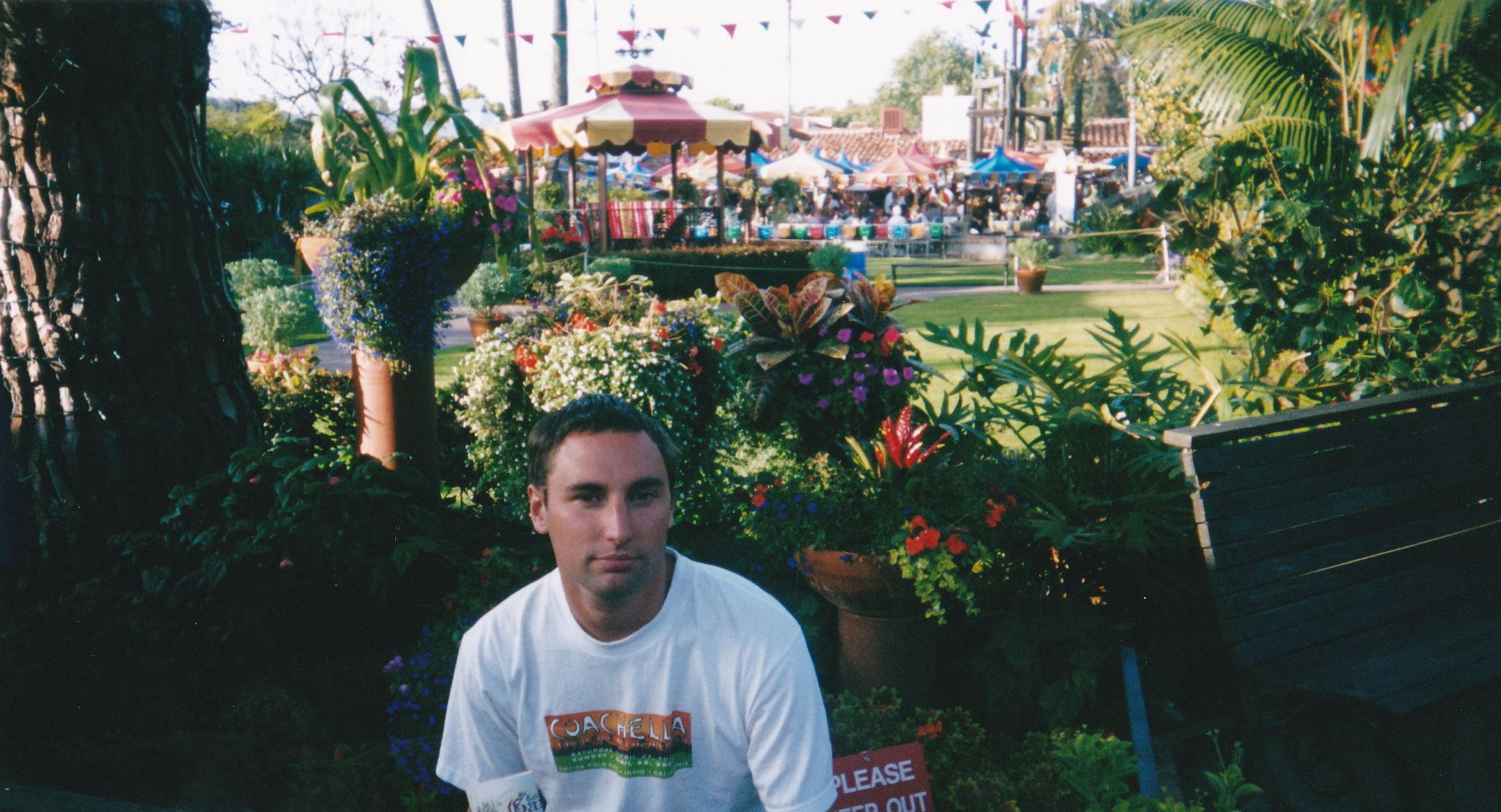
Next, we drove by the Pacific, Mission and Ocean beaches before arriving in Old Town San Diego which was basically a restored area of Victorian homes, shops, museums and patio restaurants including Bazaar del Mundo; a Spanish-style plaza (below) featuring craft shops, sun-splashed gardens, spirited mariachi groups (singing, instrument playing entertainers) and Mexican restaurants amid a swirl of colour which even I found quite enchanting.

SanDiego7  SanDiego8

In finishing off the remainder of San Diego’s sights, Dennis drove me through the Gaslamp Quarter (trendy downtown area full of nightclubs, chic restaurants and coffee houses) and by Shelter Island near Seaworld before dropping me off near where we met at Ocean Beach.

SanDiego9

Dennis gave me his phone number and offered to take me to the Mexican border town of Tijuana the following day if I rang him. I did call but it was a bit late and he had already gone out so I left a message thanking him so much. I felt very, very lucky to have bumped into such a good bloke who was all too willing to show me the city he lived in.

Posted in Nth American Travel | Tagged , , , , , , , , | 2 Comments

On The Trail Of John Rain (雨) Part VIII – Tokyo

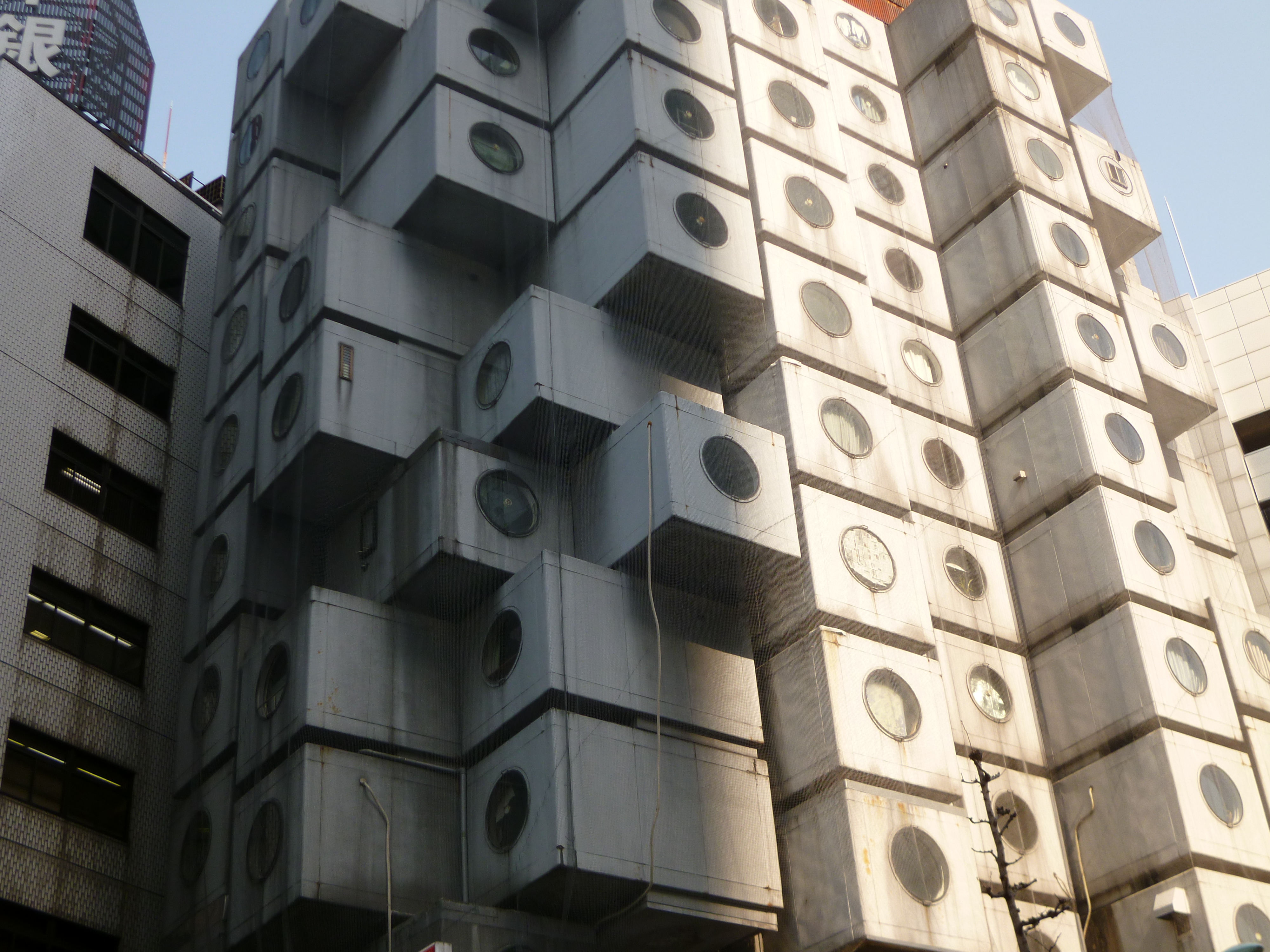
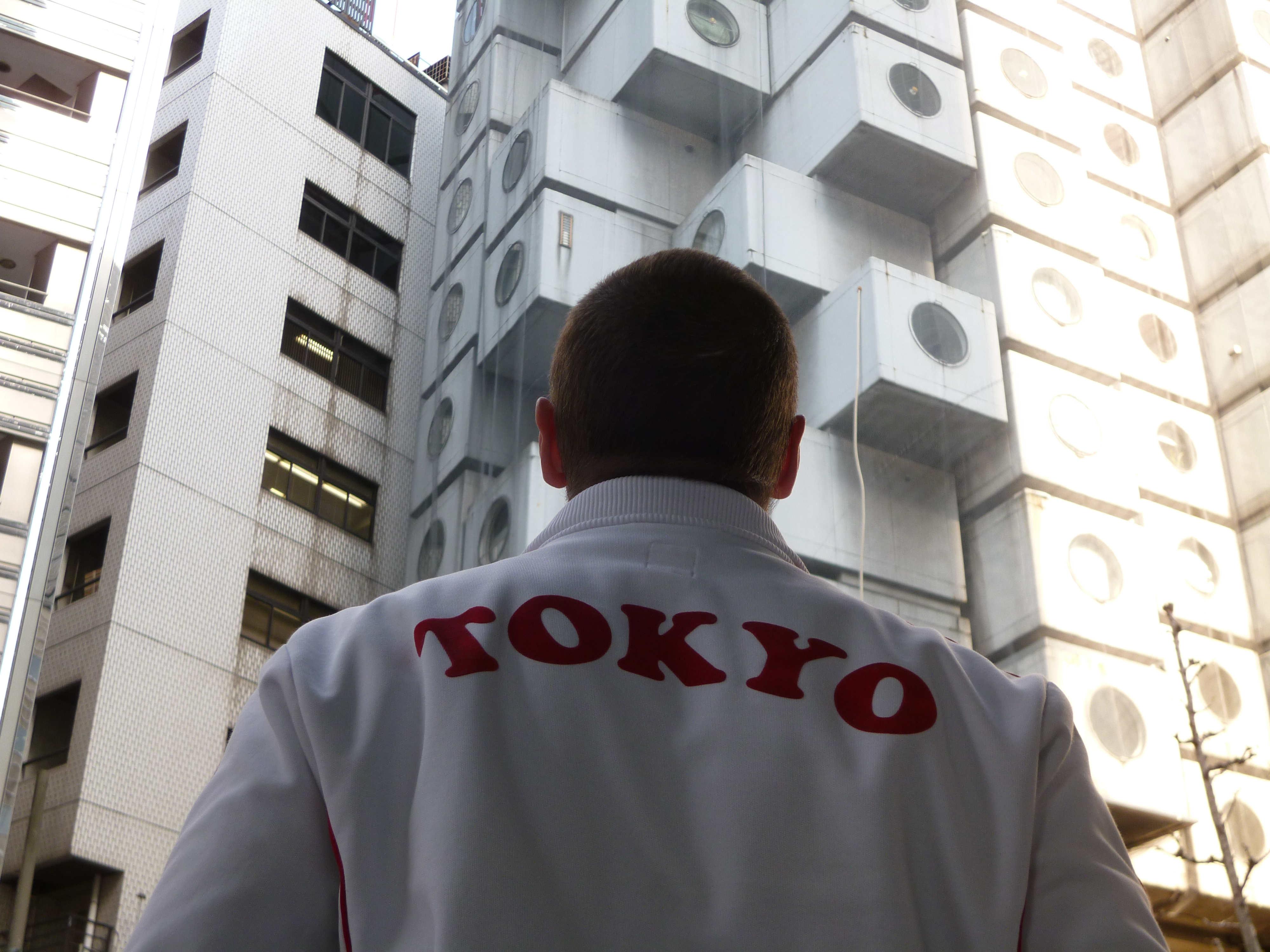
The Tokyo trail of Barry Eisler’s fictional assassin continues (* Spoilers are included below, you have been warned!) and next up is the Nakagin Capsule Tower (page 125 & 130) in Ginza. This architectural wonder has featured a few times on Tokyo Fox in recent times as it featured in a BBC documentary and also doubled up as a “Nagasaki” love hotel in ‘The Wolverine‘ (2013).

It was built in 1972, the year when this Rain story takes place, and was claimed to be the tower of the future whereas these days it is a bit of a vacant rust bucket described in the novel as “a monument to an ideal that was promised but never came to be” though its still popular with photographers wanting to capture its interesting architecture. The building (below) is a fine example of Tokyo modern architecture and now you can actually stay there.

P1040355  P1040357

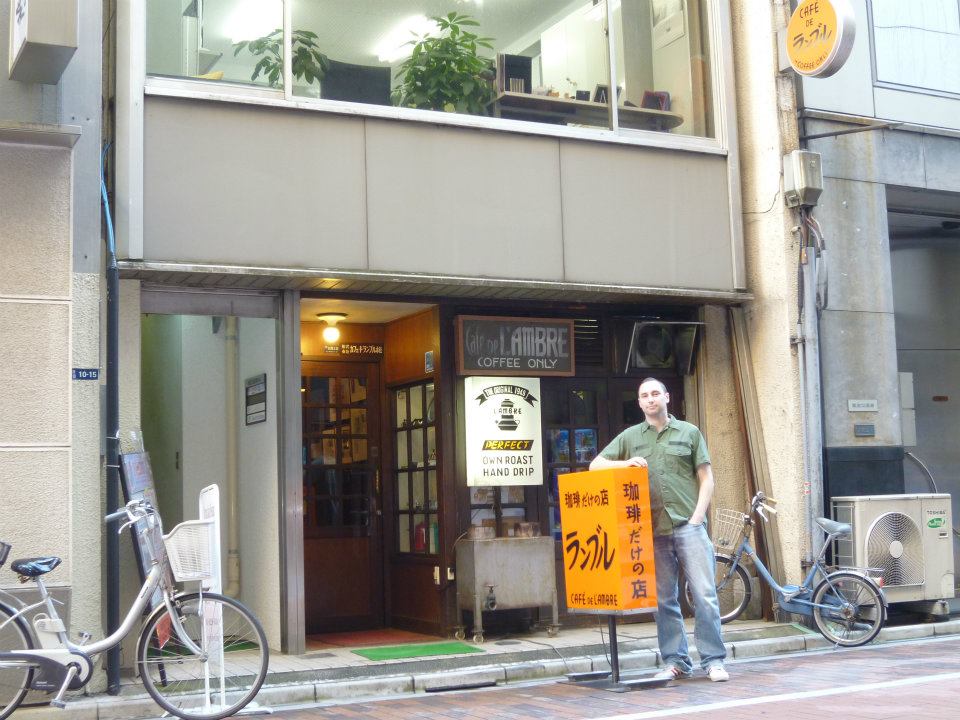
Cafe de l’ambre (below, page 131 & 133) is no stranger to Eisler as he also included it in ‘The Detachment‘ (2012) albeit a very brief reference at the start of the novel which saw John Rain and Ben Treven join forces. In ‘Graveyard Of Memories‘ McGraw leaves an envelope of information taped to the underside of one of the counter seats.

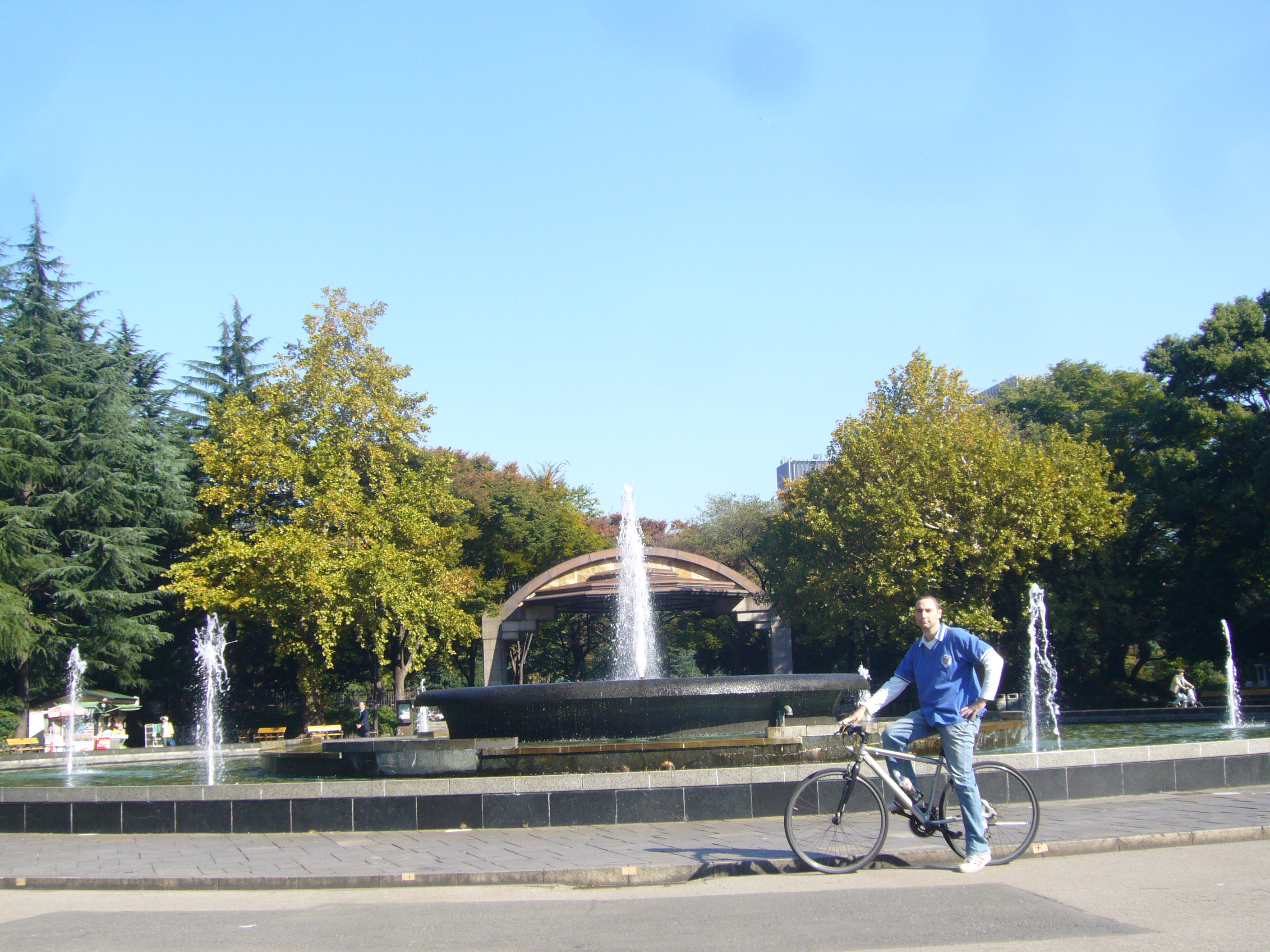
395226_10151276040785613_1905965329_n  TokyoTop25 Nov 2010 064

As for Hibiya Park (above, page 136), Rain sits on a bench there and reads some files about Fukumoto which were left for him by McGraw at the aforementioned Cafe de l’ambre.

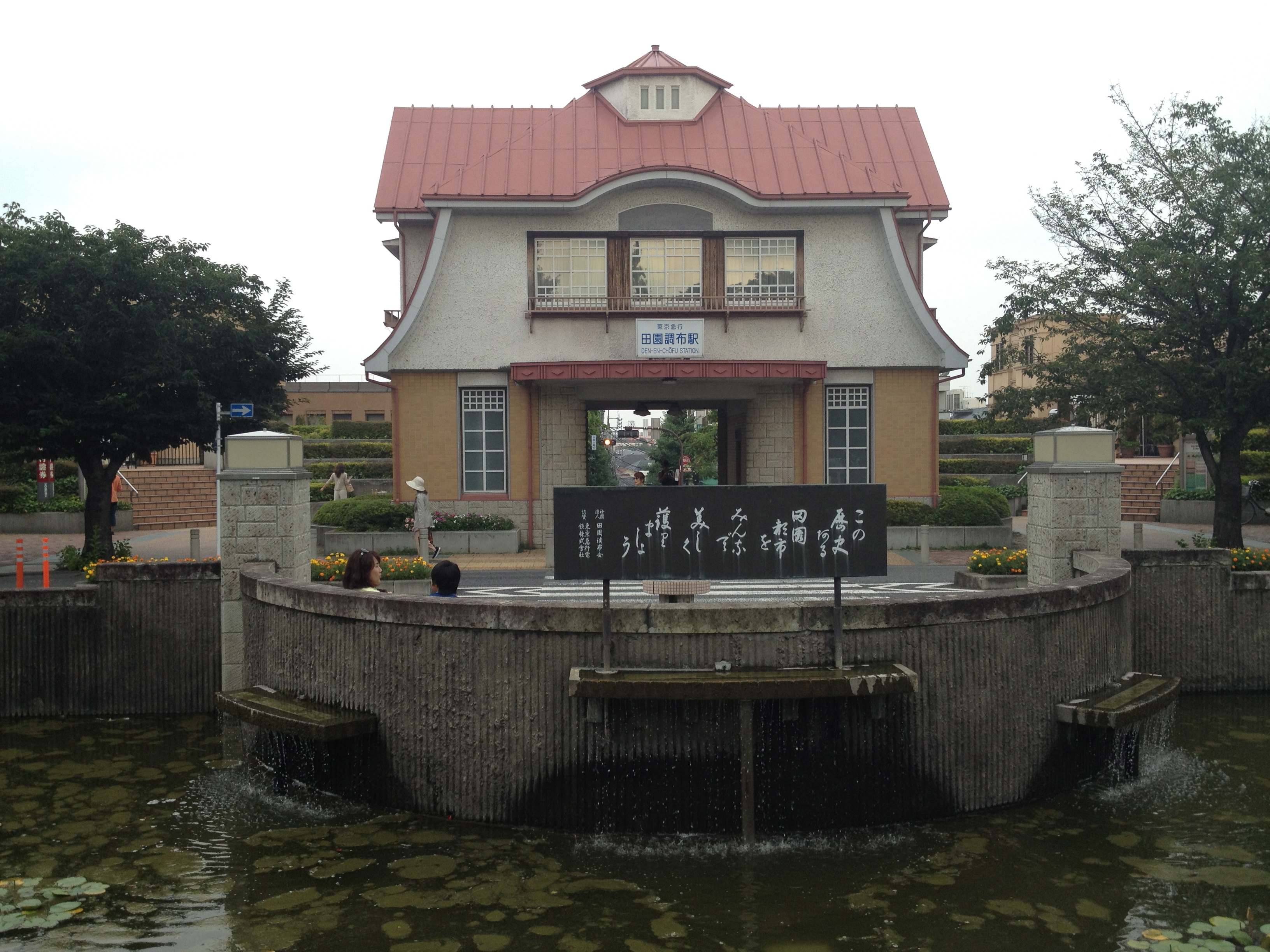
The prestigious garden suburb of Denenchofu (page 137) in Ota-ku is where Fukumoto resides and where Raim rides to to find his impressive house in this expensive neighbourhood. The picture below is not Fukumoto’s residence but the station which is the symbol of this Ota-ku neighbourhood.

IMG_4948  IMG_4953

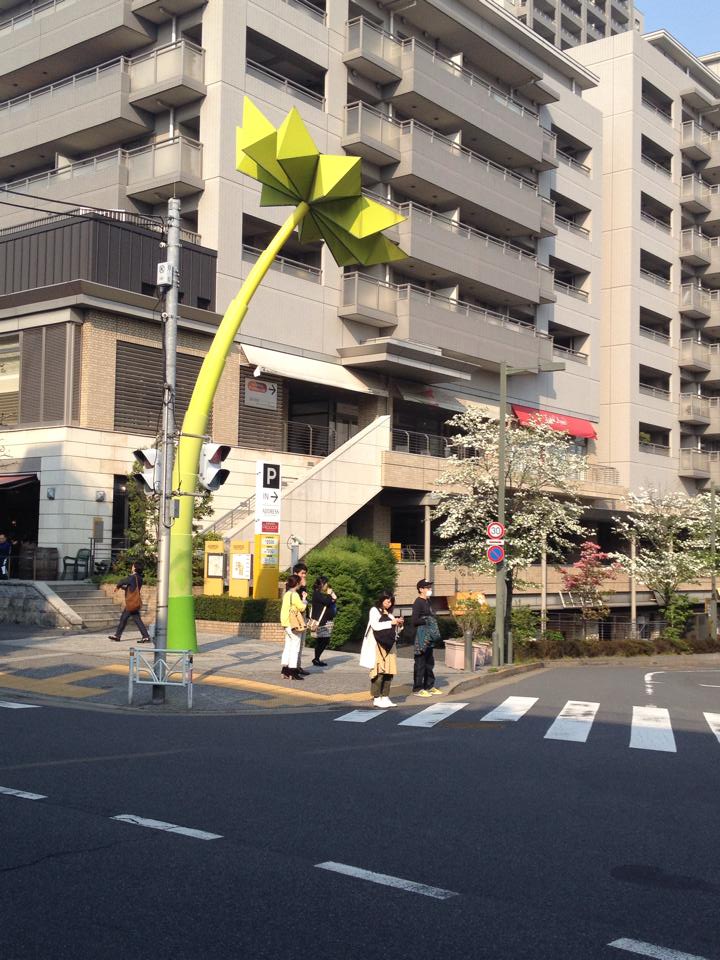
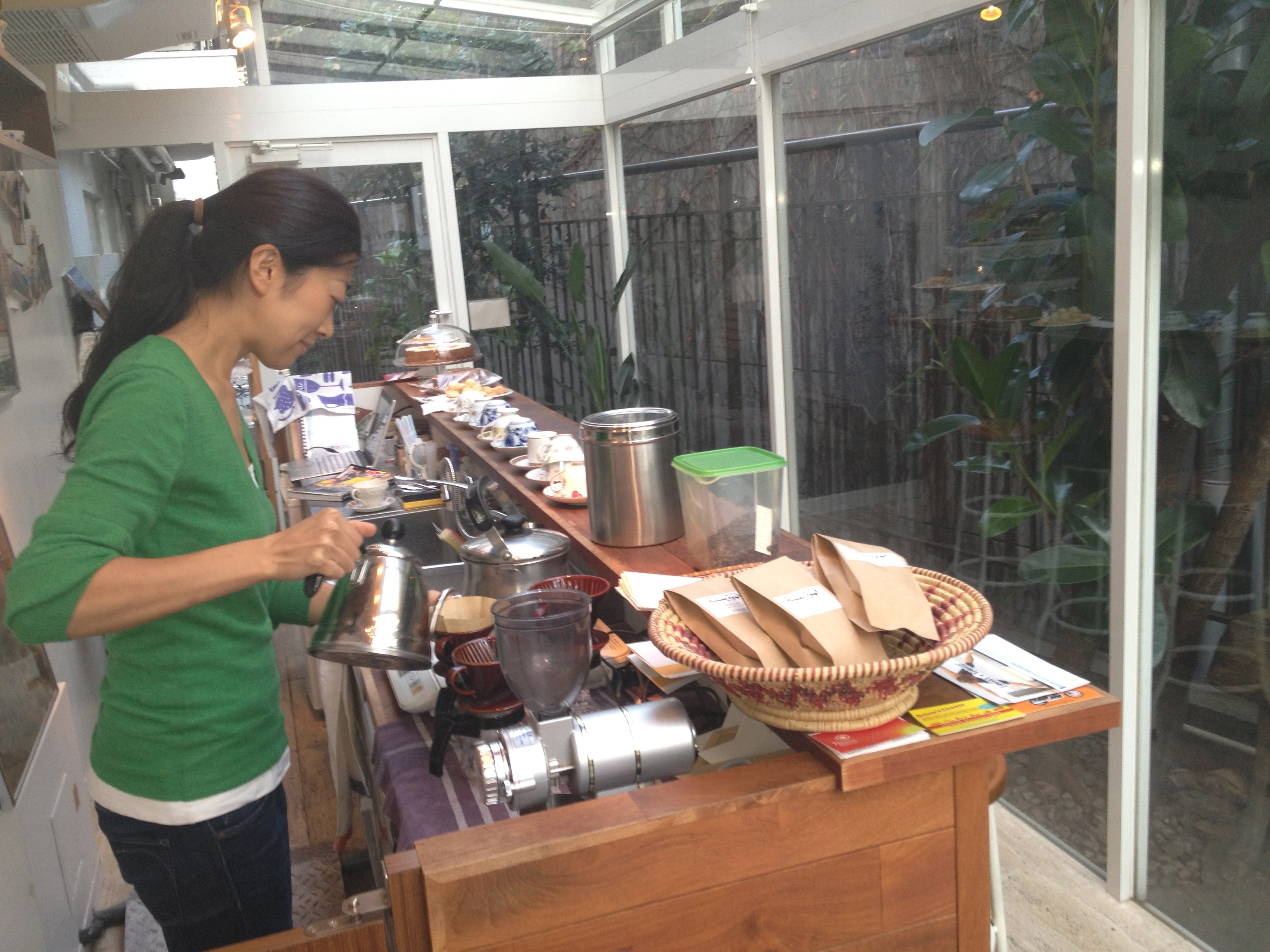
The arty Daikanyama (page 140) district of Tokyo is mentioned briefly but again no exact location is mentioned. Not sure what to add picture-wise so this giant sunflower (below) will suffice though no doubt it was not around in the early 1970’s when this story takes place. Just down the road from the sunflower is Mocha Coffee which is the kind of independent coffee shop I can imagine someone like John Rain frequenting when he’s in Tokyo. Rain follows the lady exiting Fukumoto’s house (in her yellow Porsche) to Daikanyama where she enters one of the clothes boutiques which the area is famous for.

10264308_10154057324710613_1590963829537584760_n  IMG_1227

Benzaiten Shrine in Inokashira Park (below, page 150 & 189) pretty much marks the end of the Kanda-gawa River which I cycled the length of back in April 2011. McGraw tells Rain to meet him at this “out of the way” shrine described as “a fusion of Chinese, Indian and Japanese styles.”
April 2011 141  April 2011 159

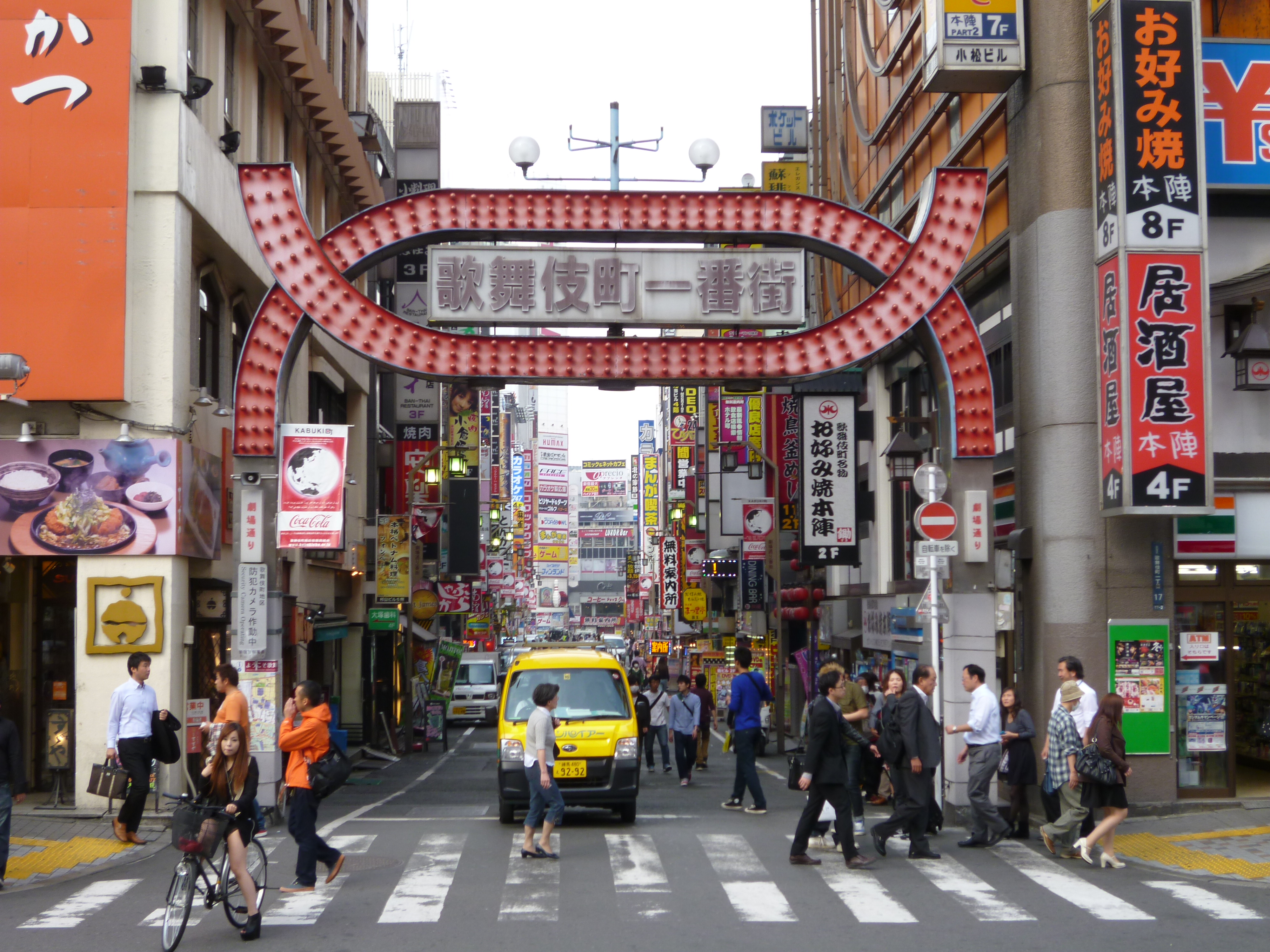
Kabukicho (below) is the slightly less salacious side of Shinjuku and Taro Club (page 151) is where Rain takes Midori to see some jazz musician. That club was a figment of Eisler’s imagination within the neon heart of darkness.

Oct 2011 058  16Nov2009 003

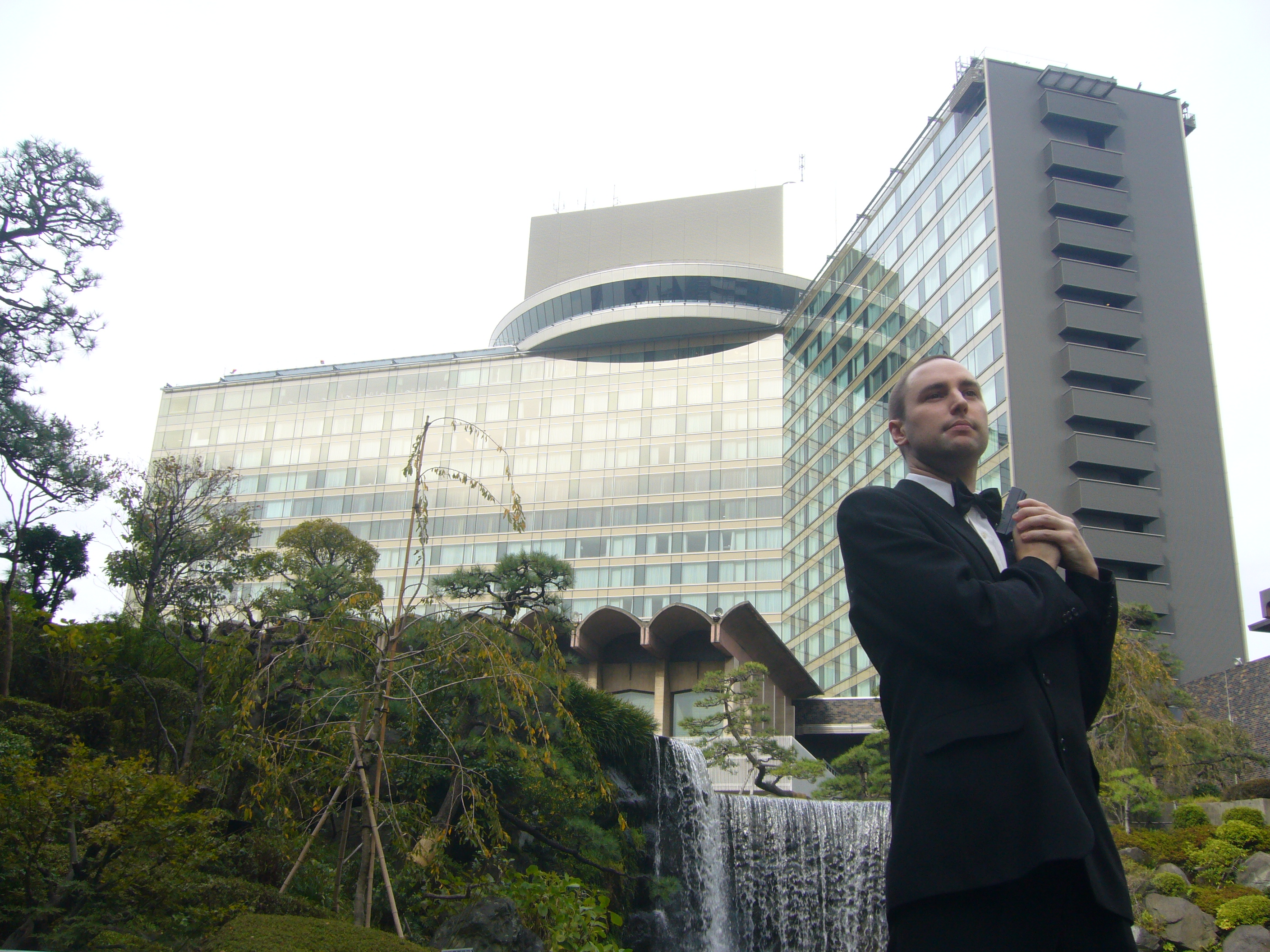
The New Otani Hotel at 4-1 Kioi-cho in Chiyoda-ku already has its place in popular culture due to its appearance in the 5th James Bond movie ‘You Only Live Twice(1967) where it was used as the Osato Chemicals exterior. In terms of Rain locales, its lobby (page 191 & 213) is where McGraw tells Rain that Miyamoto will be waiting for him. When they meet they enjoy tea in the lounge overlooking the garden above.

In 2013 I wrote all about Zenpuku-ji (page 215) having been there after watching ‘The Barbarian And The Geisha‘ (1958) where an under-par John Wayne played the role of Townsend Harris who became the first Consul General to the Empire of Japan three years after it had opened up in 1853. The temple (below) is at 1-6-21 Moto Azabu and it has a monument in the centre dedicated to Harris. As for Rain, he goes here on his motorbike to collect his thoughts and reflect honestly whilst being the “sole living trespasser in a sanctum of the dead”

P1030033  P1030028

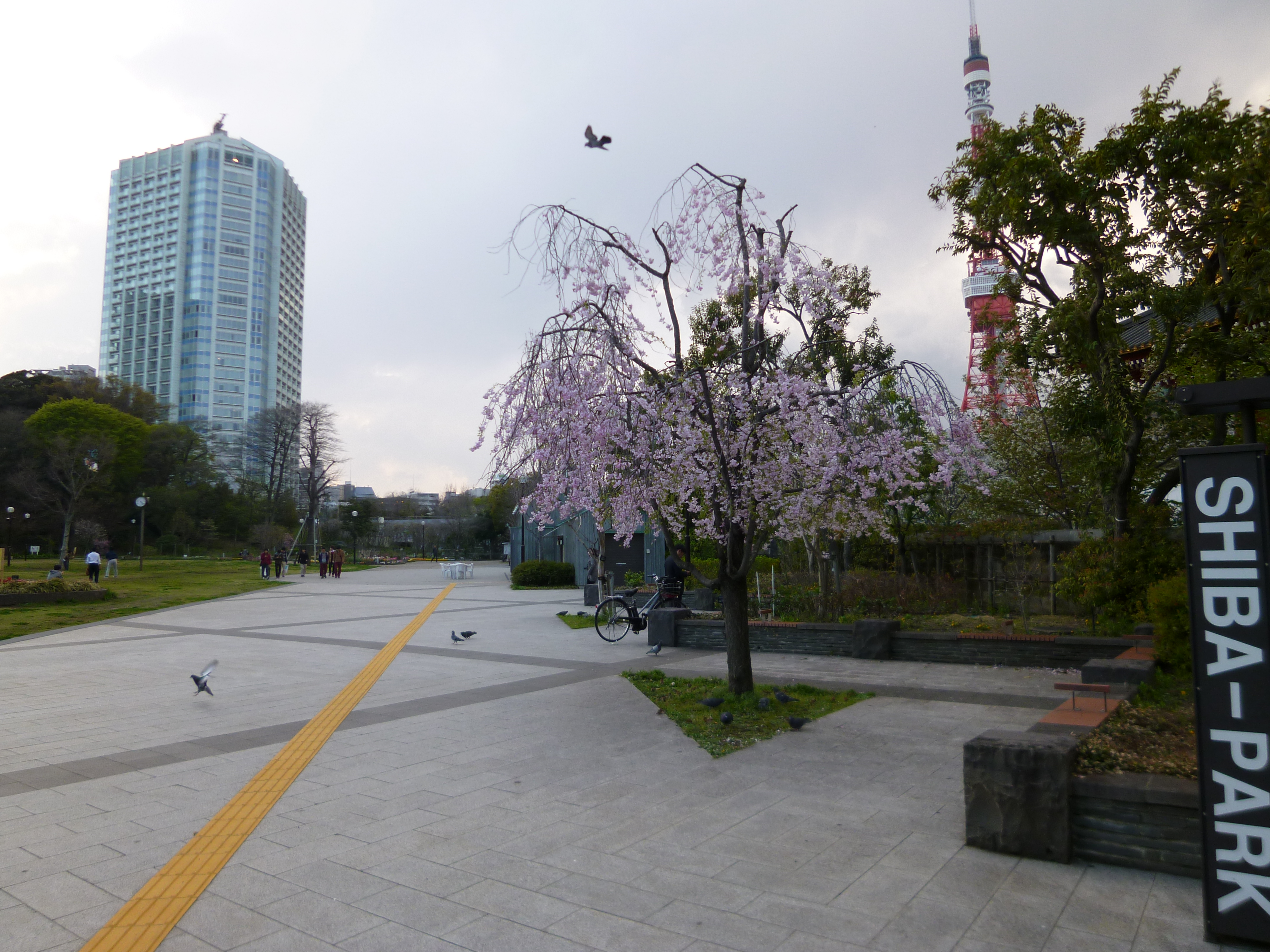
Shiba-koen and Zojoji Temple (below, page 273) stand side-by-side in the foreground of Tokyo Tower and Rain takes a woman here in the wake of some action. I said earlier that spoilers are included here but as this happens towards the end of the book I had better not reveal too many details.

P1040274  P1040303

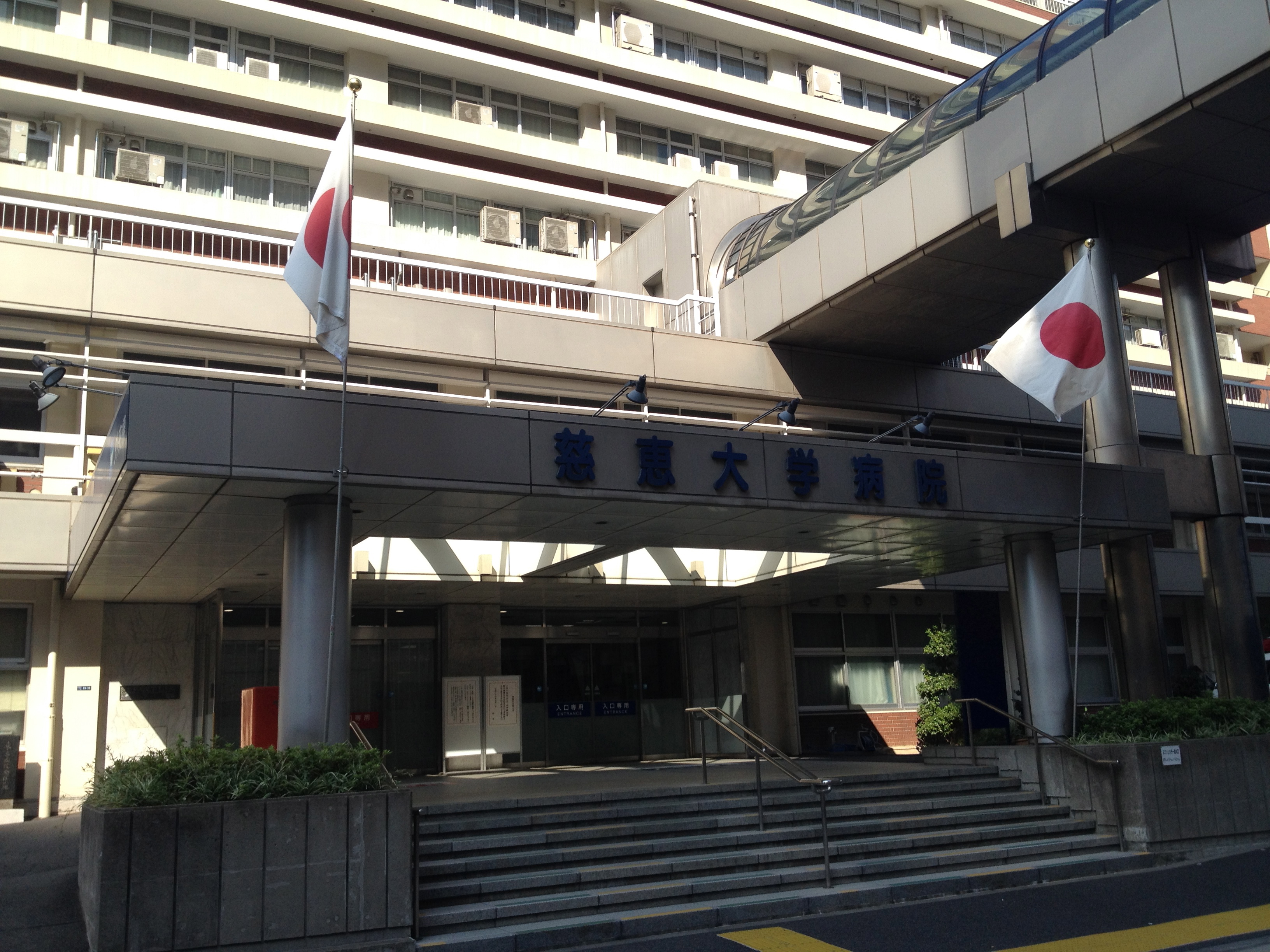
Jikei Hospital (below, page 290) in Nishi Shimbashi possesses the morgue where a couple of unfortunate casualties are taken as the story unfolds.

IMG_5451

Other ‘Graveyard Of Memories‘ location articles can be seen here and here.

For other John Rain entries please click on the following:

Rain Fall Film      Rain Fall Film Review      Prelude      Part I      Part II      Part III         Part IV     Part V     Part VI     Part VII

Posted in Books, Cycling | Tagged , , , , , , , , | 11 Comments

On The Trail Of John Rain (雨) Part VII – Tokyo

In the last part of this series, Tokyo Fox brought you all the east Tokyo locations featured in the 2014 John Rain thriller ‘Graveyard Of Memories‘ which were shot in the space of a day spent cycling around the city.

Catch up on that here if you haven’t already seen it before continuing with this two-part feature which includes the remaining locations cobbled together from photos taken at each place in the past with some new shots thrown in for good measure too. Unlike that previous entry, these are in the order of what they appear in the book. * Spoilers are included below, you have been warned!

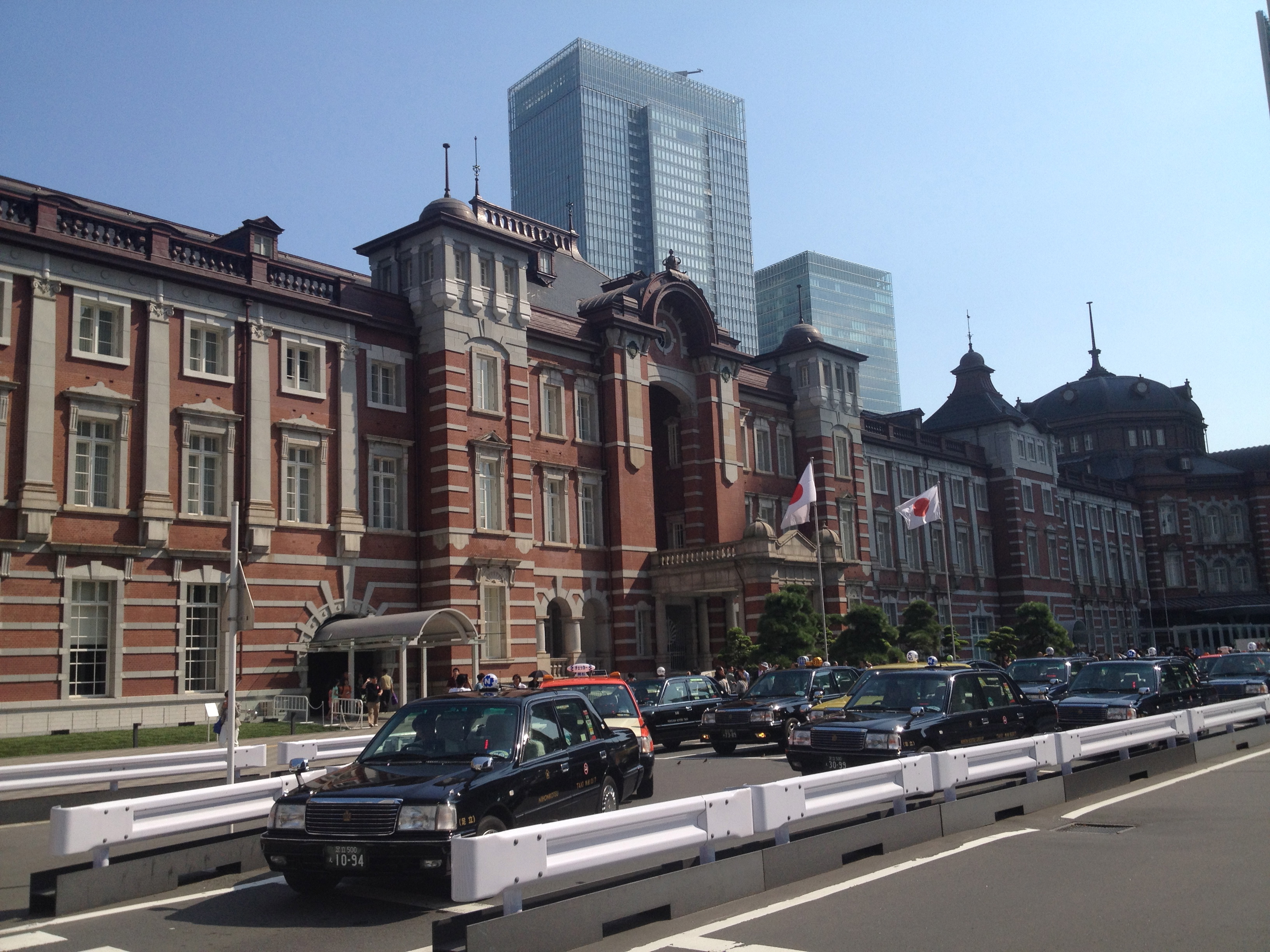
First up is Tokyo station (below, page 8) where Rain disembarks following a very short journey from Okachimachi in the wake of his altercation with three guys at Ameyokou in Ueno.

IMG_5441  IMG_6932

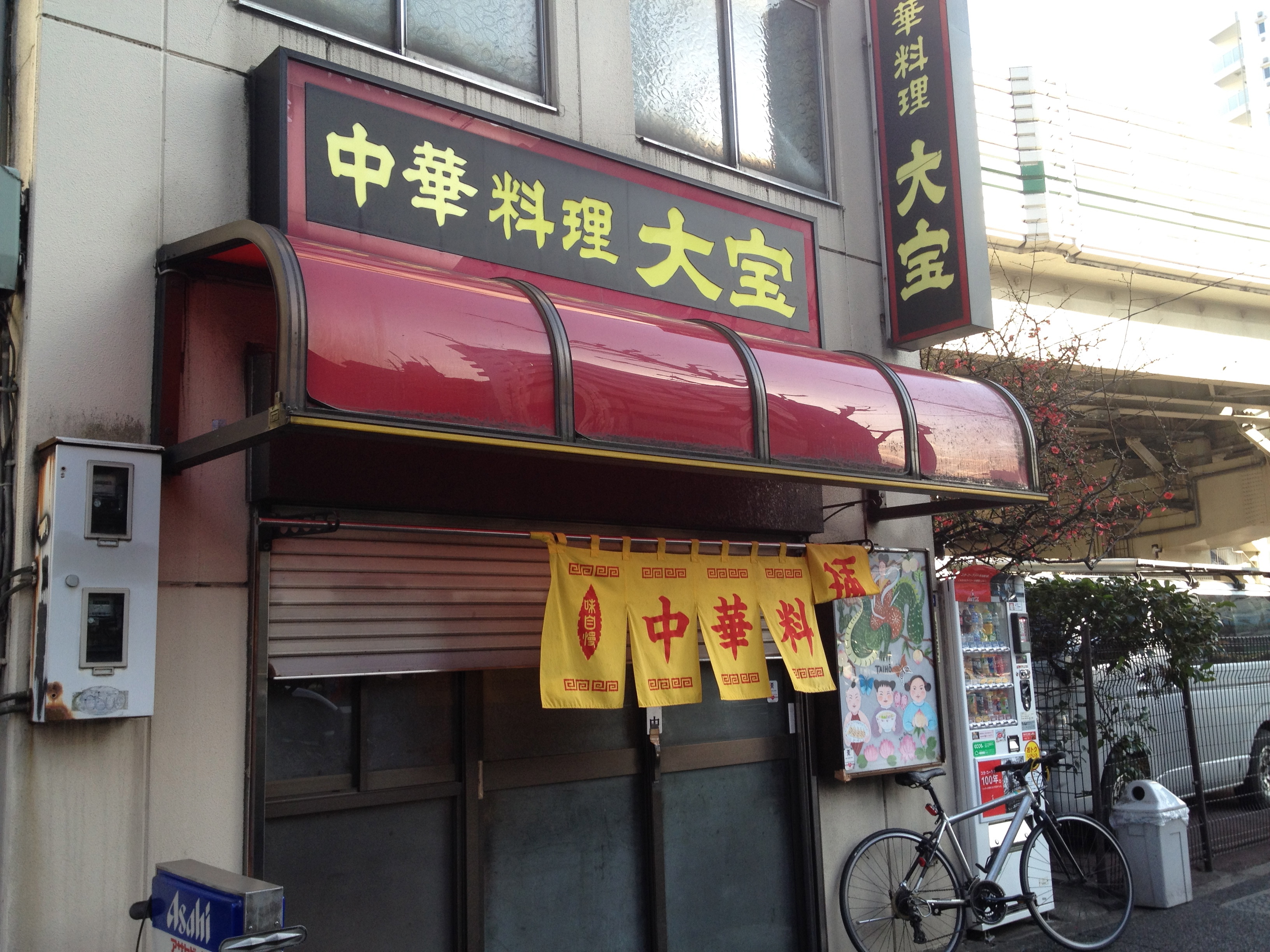
McGraw and Rain meet at Taiho Chuka Ryori at 2-7-23 Minami Azabu (above, page 36). The opening hours of this place are very limited and needless to say that when I turned up for lunch one afternoon recently it was closed. A shame as I wanted to try tanmen; a light soy sauce based broth composing chicken stock, simmered vegetables and spices.

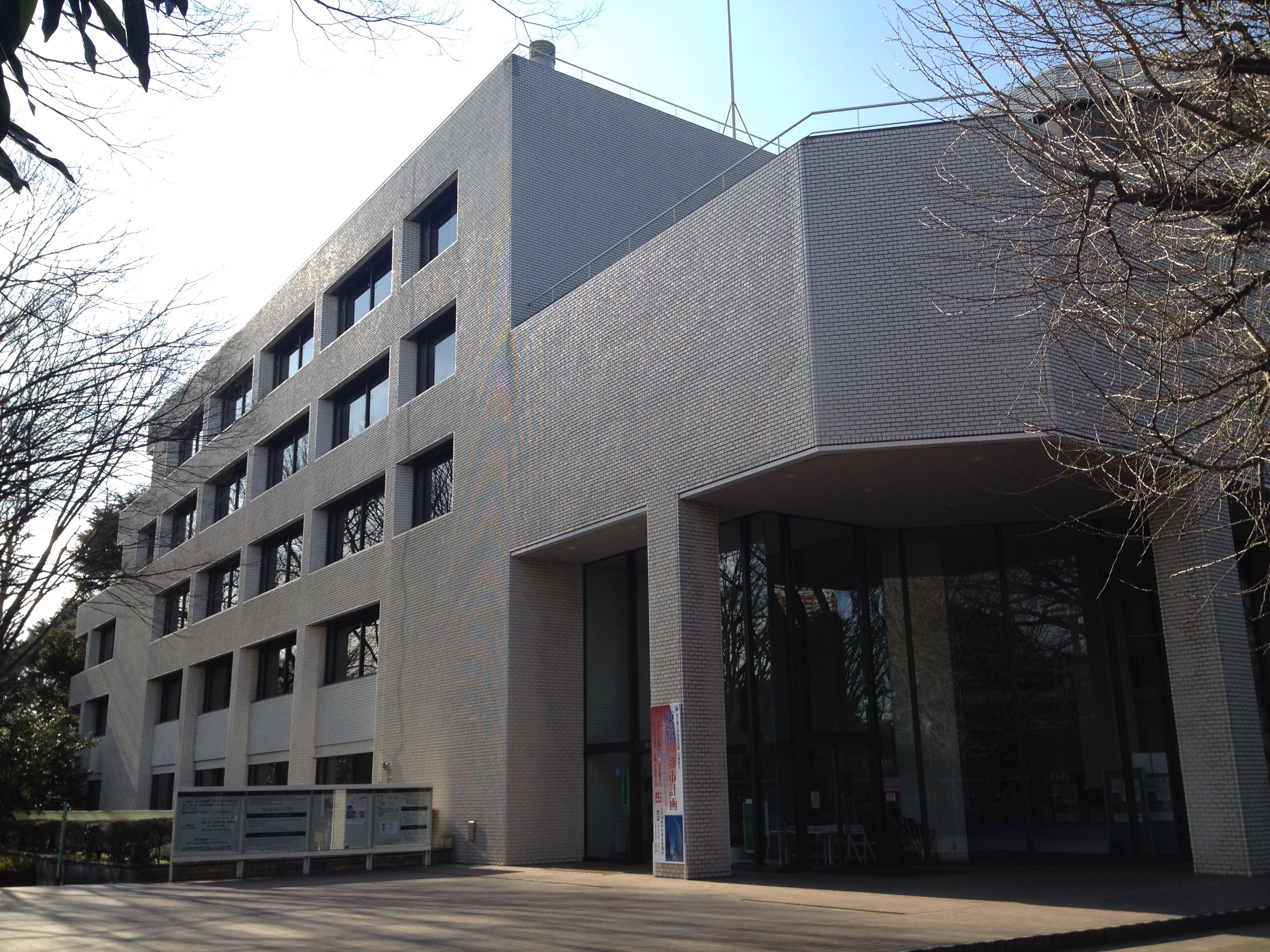
Tokyo Metropolitan Library (below, page 37 & 106) 5-7-13 Minami Azabu is a place which Rain spent many afternoon in reading, particularly old medical and engineering tomes on the effects of electricity on the body.

IMG_6929  Yamanote Crawl23Oct2009 114

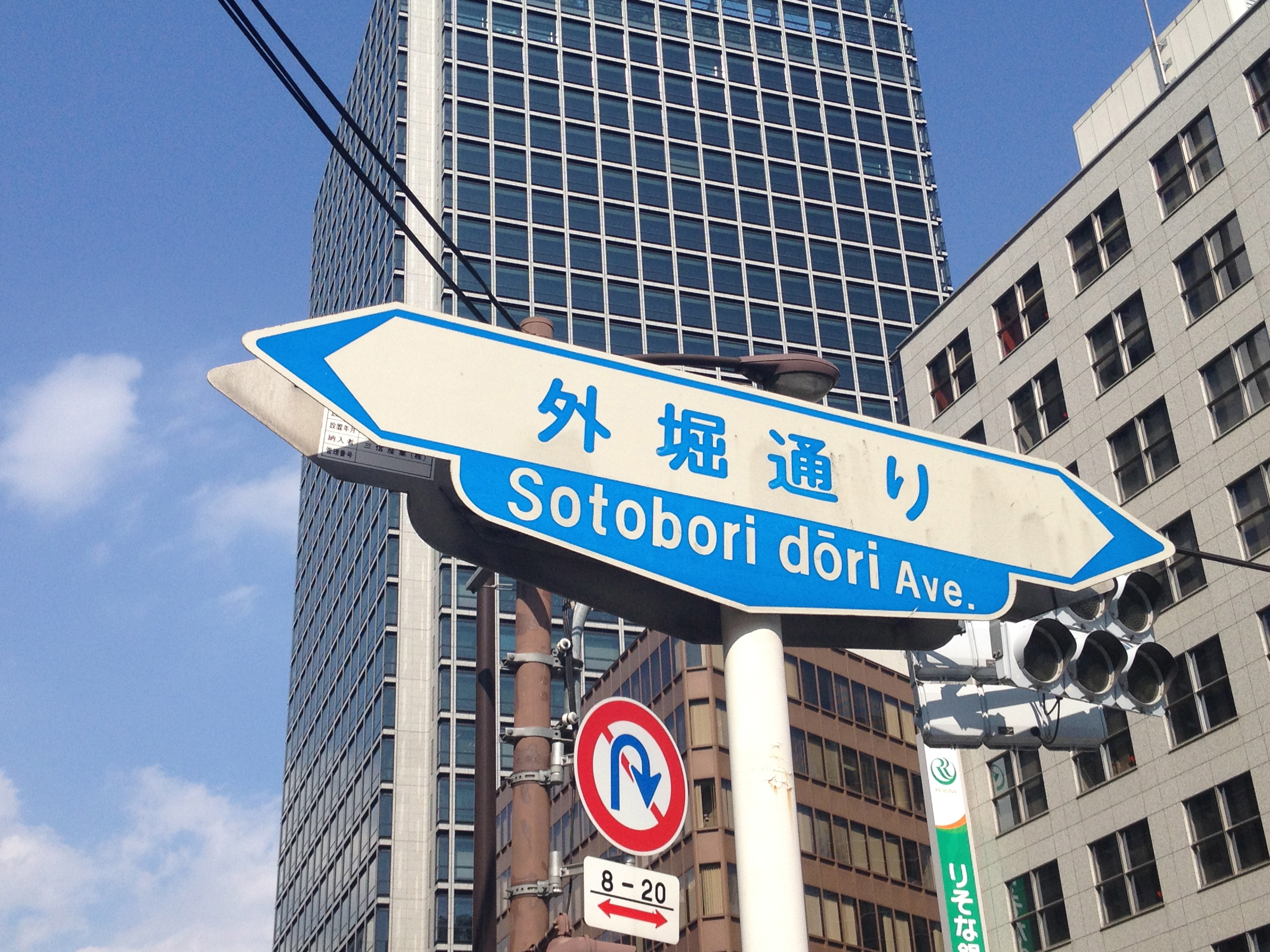
Business district Shinbashi (above, page 59) is in the south-east of the city and is where Rain calls Miyamoto to change their meeting place to the lobby of the Taiyo Bank on Sotobori-dori. My location hunting has a limit and there is no way I’m gonna look for a bank on this long stretch of road but a sign of the road (below) is included nonetheless.

IMG_5444  IMG_5443

The unremarkable structure that is the Kasumigaseki Building (above, page 60) has Rain reflecting on how Tokyo was changing at an accelerating rate back in the early 1970’s when this prequel story is set and when the 30 storey building was briefly Japan’s tallest building.

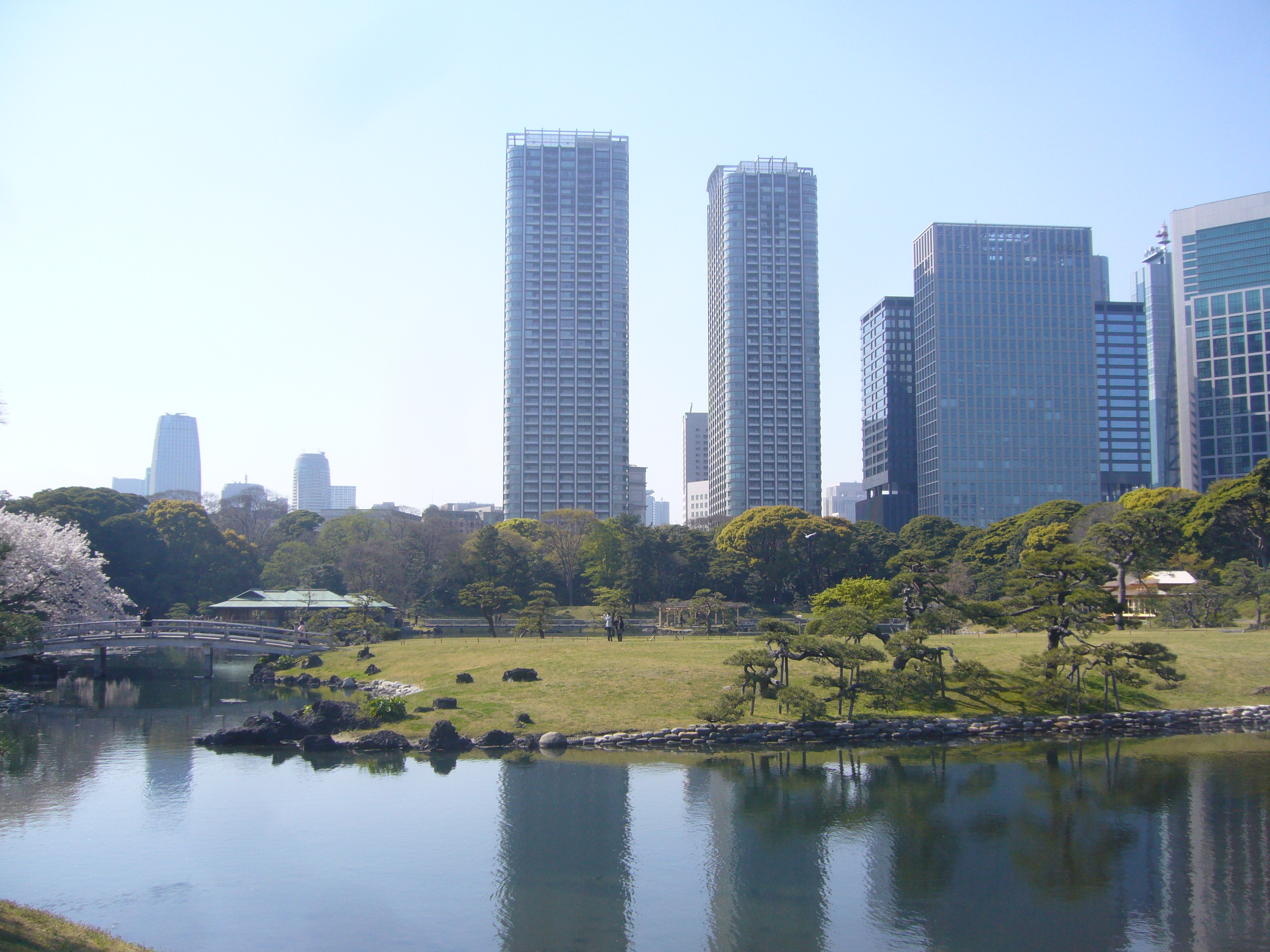
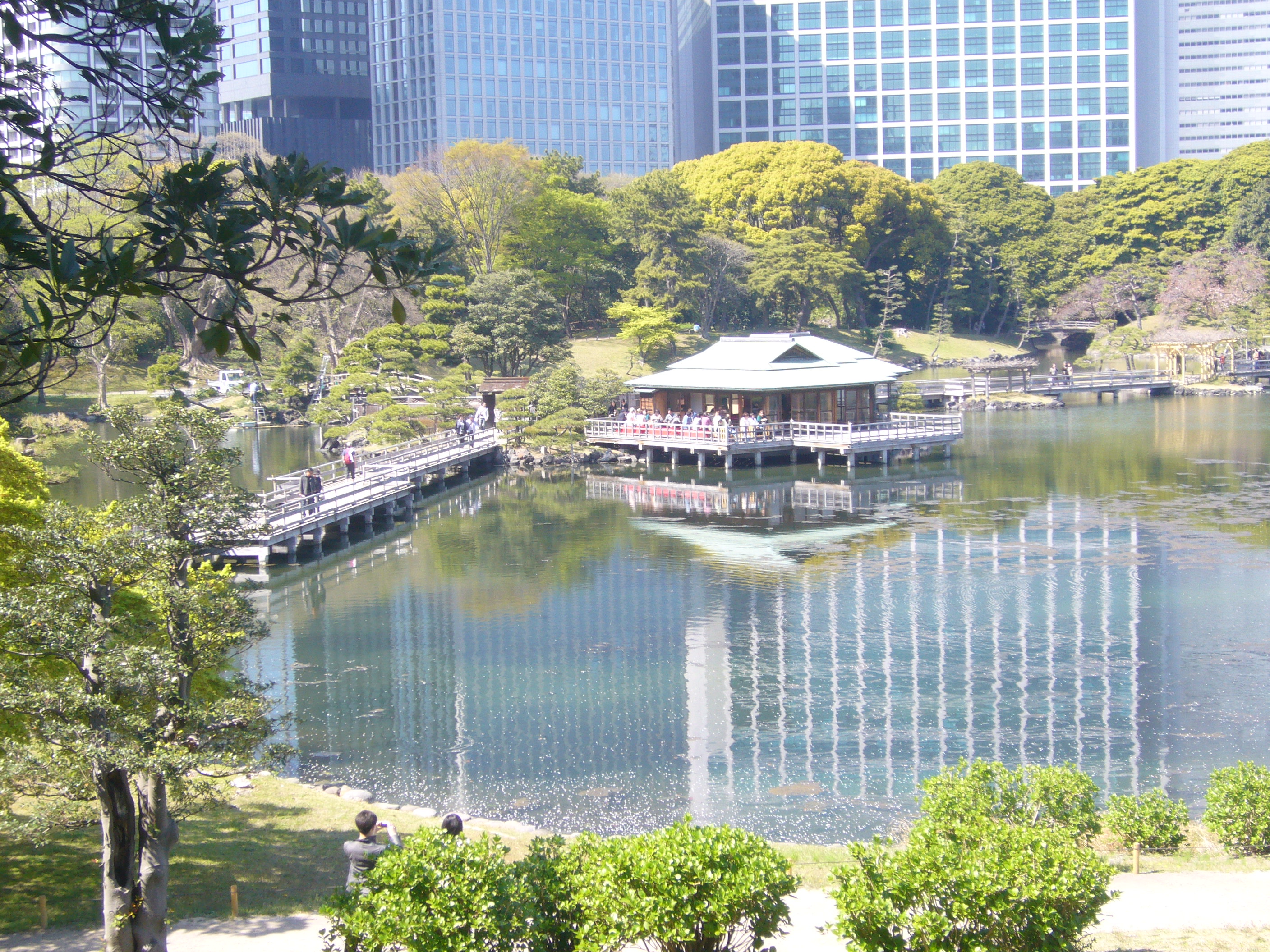
Hamarikyu Gardens (below, page 61) is where Miyamoto, over a cup of tea at the Nakajima Teahouse near Otsutai Bridge, offers Rain a life-changing “one-time only opportunity with generous cash bonus attached.”

Hamarikyu Gardens Apr 2011 106  Hamarikyu Gardens Apr 2011 028

Rain reminisces about his mother enjoying Zoshigaya Cemetery (below, page 69) during cherry blossom season after going there for a meeting with McGraw.

P1040964

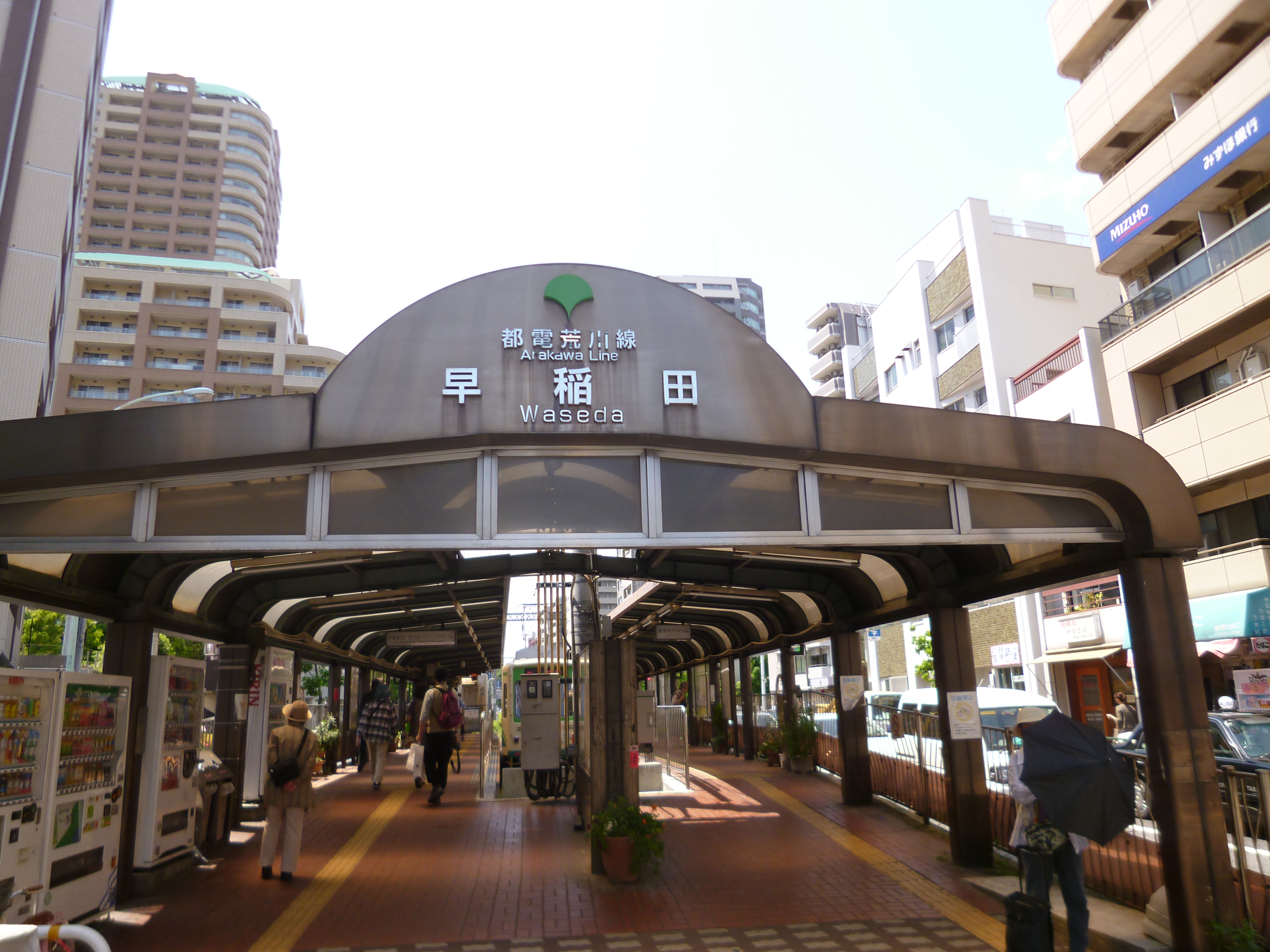
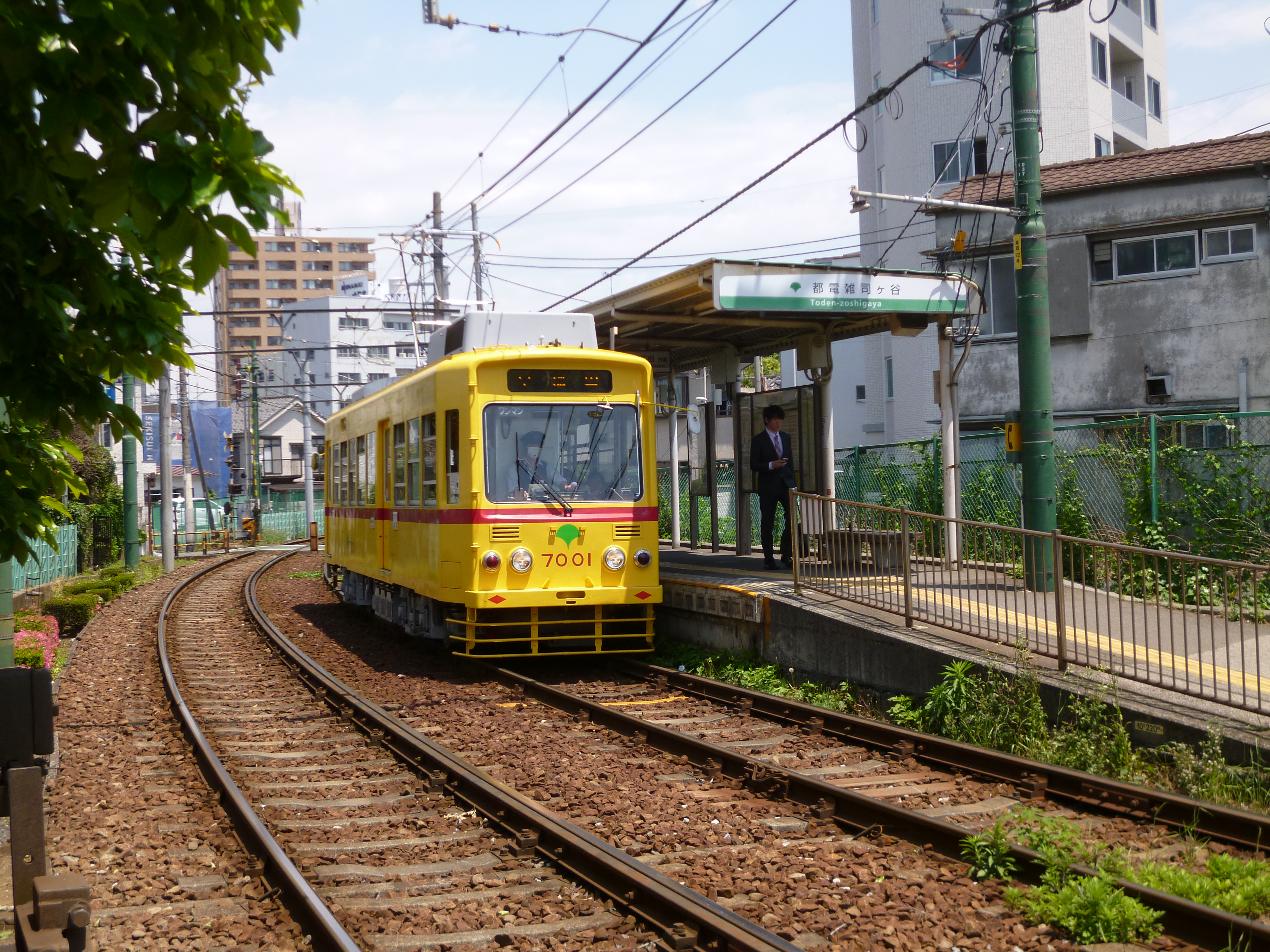
Taking precautions as always, Rain rides his motorcycle to Waseda Station (below) where he then takes the Arakawa Line (one of Tokyo’s last surviving tram lines) to Zoshigaya (below, page 70) station and subsequently the aforementioned cemetery nearby.

P1040980  P1040960

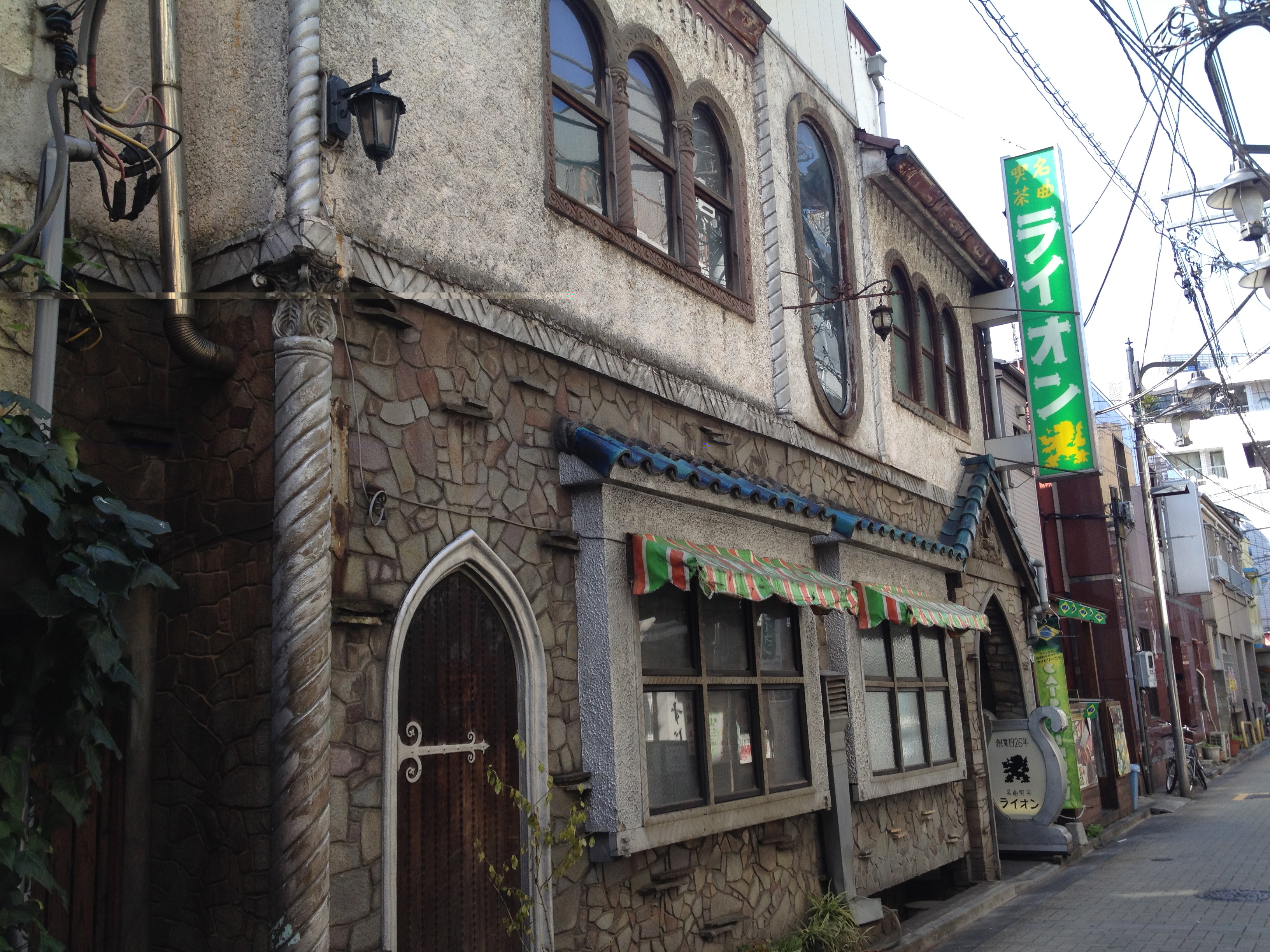
Shibuya Lion (below, page 73) is the coffee shop at 2-19-13 Dogenzaka where McGraw sends Rain to collect an envelope taped to the bottom of a certain seat. The place is quite unique with no-one talking and unlike the rest of modern Japan, no-one is using mobile phones as there is a sign on the door saying “no mobiles”.

IMG_6981

Located on the Ginza line, Gaienemae station (page 79, 102, 107) is a couple of stops away from Shibuya and the underside of the first seat right in the corner is where Rain tells Miyamoto to tape an envelope of information and cash in US dollars. This bench (below) is on the Shibuya-bound platform close to the number three entrance.

IMG_4378  IMG_4809

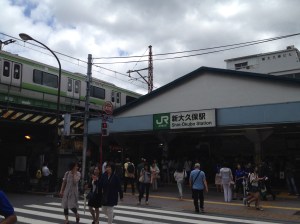
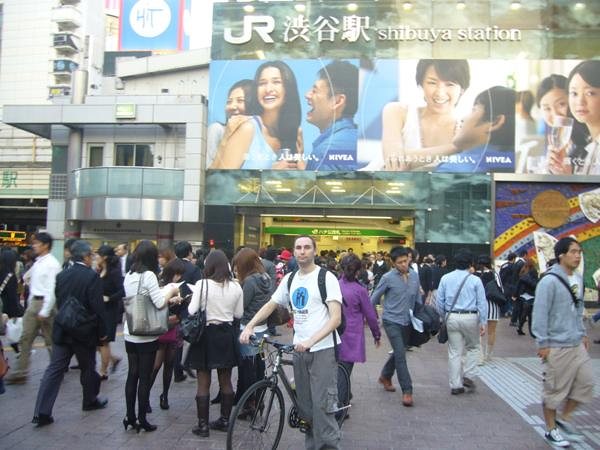
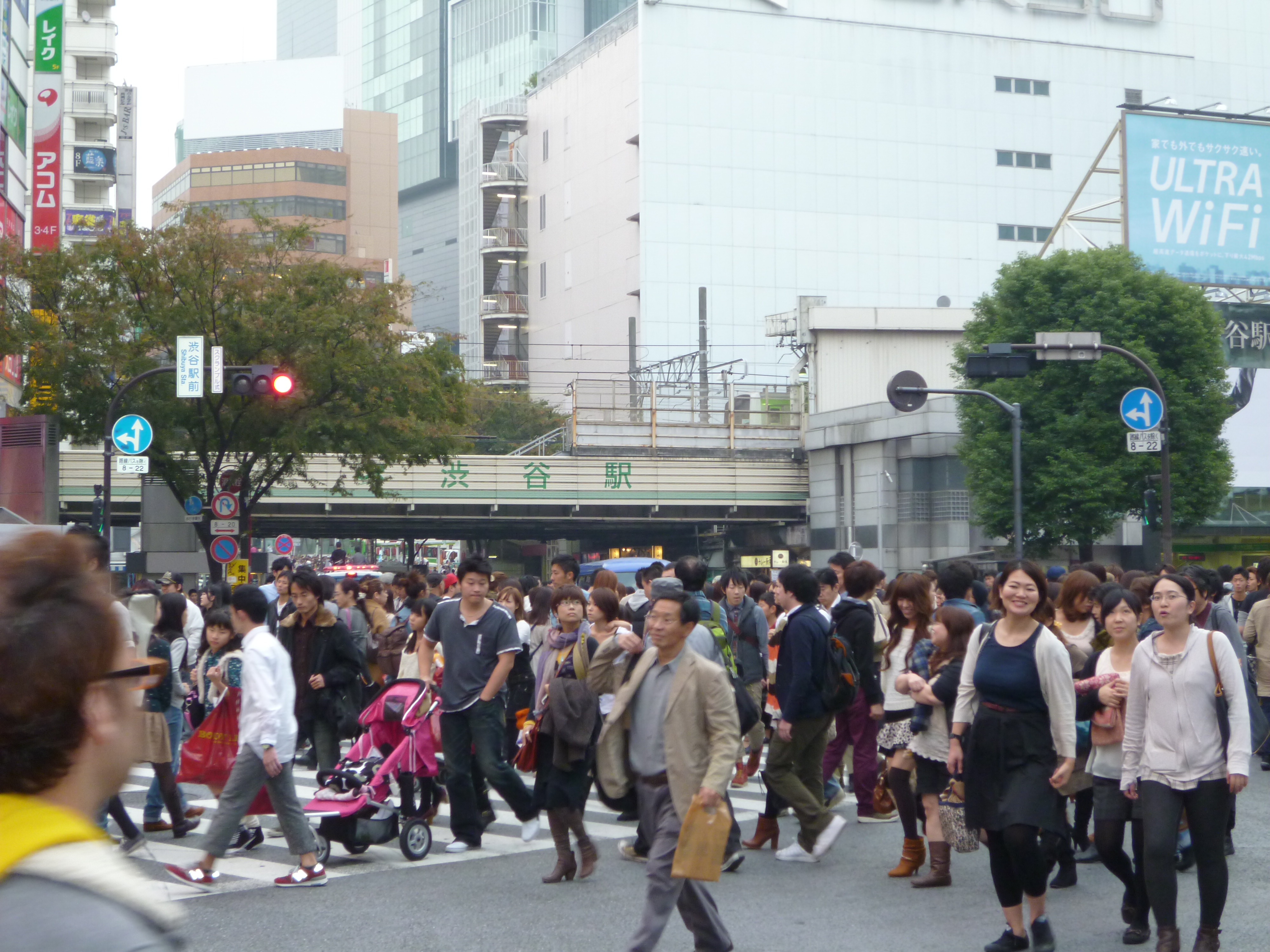
Shin Okubo station (above, page 88) is the gateway to Korea-town and a kilometre or so from there is where Rain goes to a shop to learn how to pick locks. Four stops away from Shin Okubo on the Yamanote Line is Shibuya station (below, page 107) which is very much on the beaten track and famed for its scramble crossing whereby hundreds and hundreds of pedestrians cross the roads in all directions every three minutes. It’s featured in so many TV shows and films about Tokyo and has a small part to play in ‘Graveyard Of Memories‘ as it’s where Rain boards the train on the Ginza Line.

Cycling The Yamanote Line  november 2011 002

On The Trail Of John Rain continues in Pt VIII. Read it here.

For other John Rain entries please click on the following:

Rain Fall Film      Rain Fall Film Review      Prelude      Part I      Part II      Part III         Part IV     Part V     Part VI

Posted in Books, Cycling | Tagged , , , , , , , , | 7 Comments

Music Videos Filmed In Japan #6 Avril Lavigne – ‘Hello Kitty’ (2014)

When Avril Lavigne burst onto the scene in the early 2000’s I have to say that I warmed to the Canadian singer-songwriter quite quickly and, though not my usual music taste, she did come up with some cracking tunes like ‘Complicated‘ and ‘I’m With You‘ which sounded good on the radio.

Fast forward a decade or so and you have ‘Hello Kitty‘!! People have accused the video of being racist and whatever but in my opinion it’s main crime is that it is an absolutely awful song!! Truly terrible and quite possibly one of the worst songs ever! Oh and for the record, the accusations of racism are pathetic and wide of the mark.

As always with music videos the action comes thick and fast with all the footage edited together and interspersed throughout its 3:16 duration. It was filmed in March 2014 off the back of her Asian tour and wrapped in 12 hours.

IMG_7073  IMG_7071

Miyahsita Park (above) at 1-15-9 Shibuya was where all the homeless people of the area converged a few years back but it’s gone through a slight rejuvenation since then and Avril and the four identical looking dancers in the background (the idea of the Japanese director before anyone plays the racism card!) stood on the bridge behind the climbing area and between the two futsal (similar to 5-a-side football) pitches. The trains travel over the bridge in their background and the yellow logo of Tower Records is clearly visible beyond that.

Screen Shot 2015-03-20 at 19.03.54  Screen Shot 2015-03-20 at 19.14.05  IMG_7065  IMG_7068  Screen Shot 2015-03-20 at 19.13.30  IMG_7072

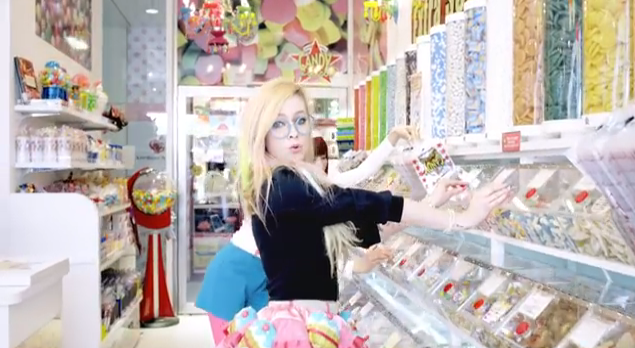
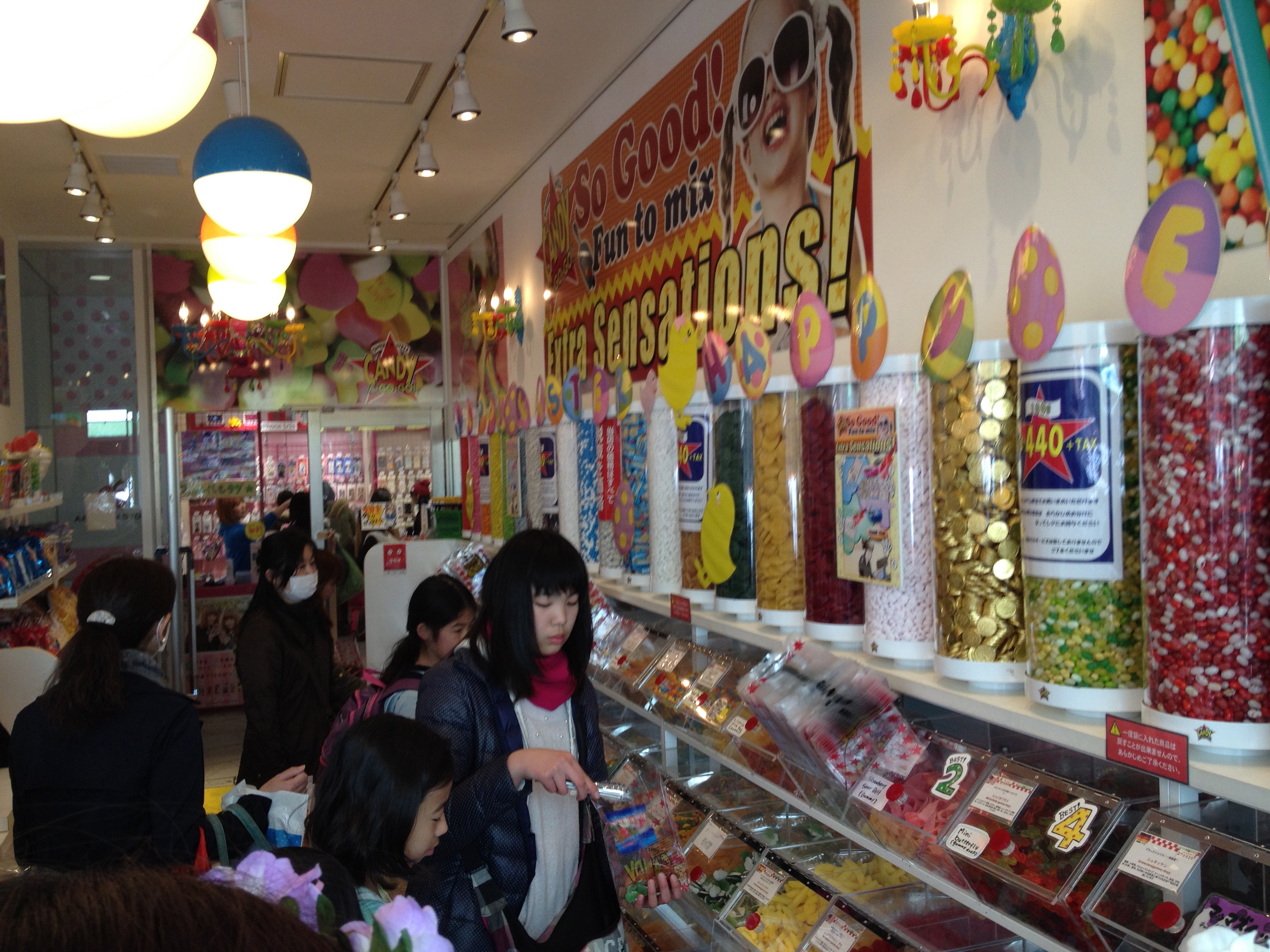
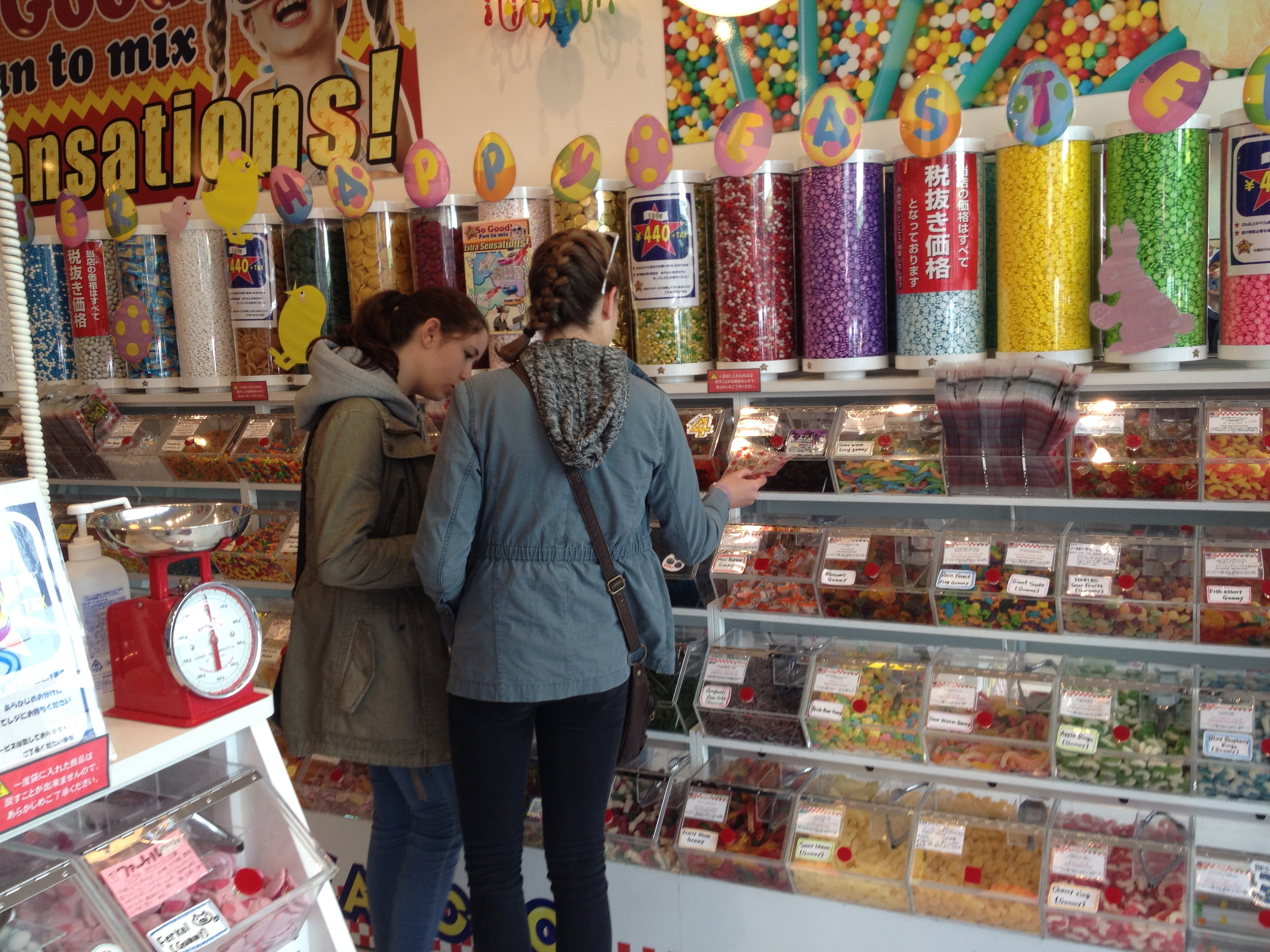
Candy-a-go-go (1-7-1 Jingumae, Shibuya-ku) on Takeshita-dori in Harajuku is situated on the lower half of the street on the right assuming you’re walking down the street from JR Harajuku station.

IMG_7050  IMG_7055

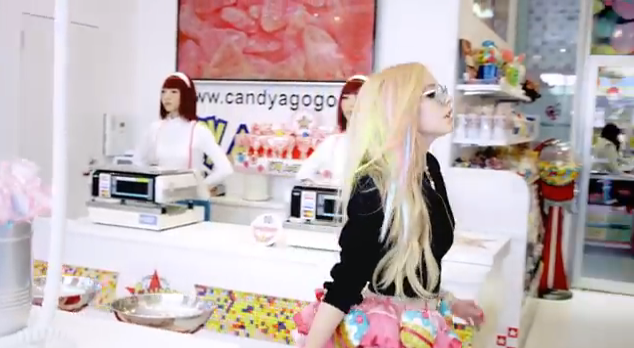
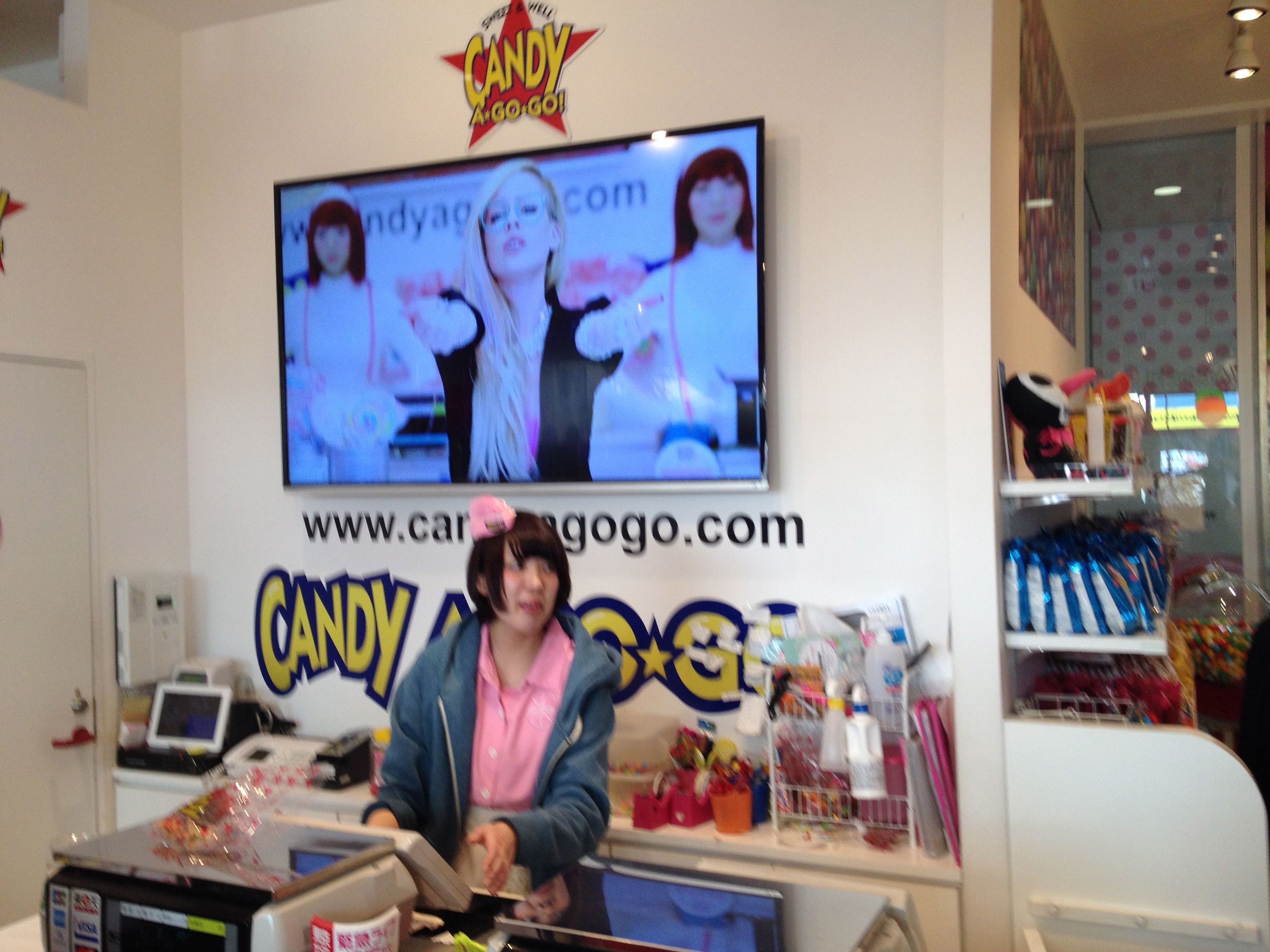
Needless to say that this popular shopping street is always jam-packed with young girls and tourists alike and trying to get any clear shots in this American-style candy store (below) is not easy! The music video for this song is even played on the TV screens behind the sales assistants.

Screen Shot 2015-03-20 at 19.05.36  Screen Shot 2015-03-20 at 19.06.12  IMG_7056  IMG_7058  Screen Shot 2015-03-20 at 19.06.43  Screen Shot 2015-03-25 at 21.49.24  IMG_7053  IMG_7054

The sake and sushi scenes (below) could quite frankly have been filmed anywhere and quite possibly not even in a restaurant.

Screen Shot 2015-03-20 at 19.10.20  Screen Shot 2015-03-20 at 19.10.47

The black and white Harajuku backstreet scenes feature the Ralph Lauren store (4-25-15 Jingumae, Shibuya-ku) to the left of Avril (below) and this shopping lane is the third street on your left going towards Omotesando after the Meiji-dori and Omotesando-dori junction.

Screen Shot 2015-03-20 at 19.11.19  Screen Shot 2015-03-20 at 19.11.00  IMG_7130  IMG_7128

You can see the ‘TF Top 10……Music Videos Filmed in Japan’ here

Posted in Japan Filming Locations, Music | Tagged , , , , , , , | 9 Comments

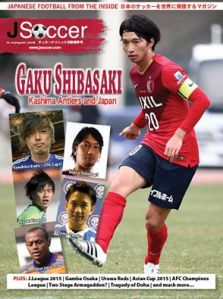
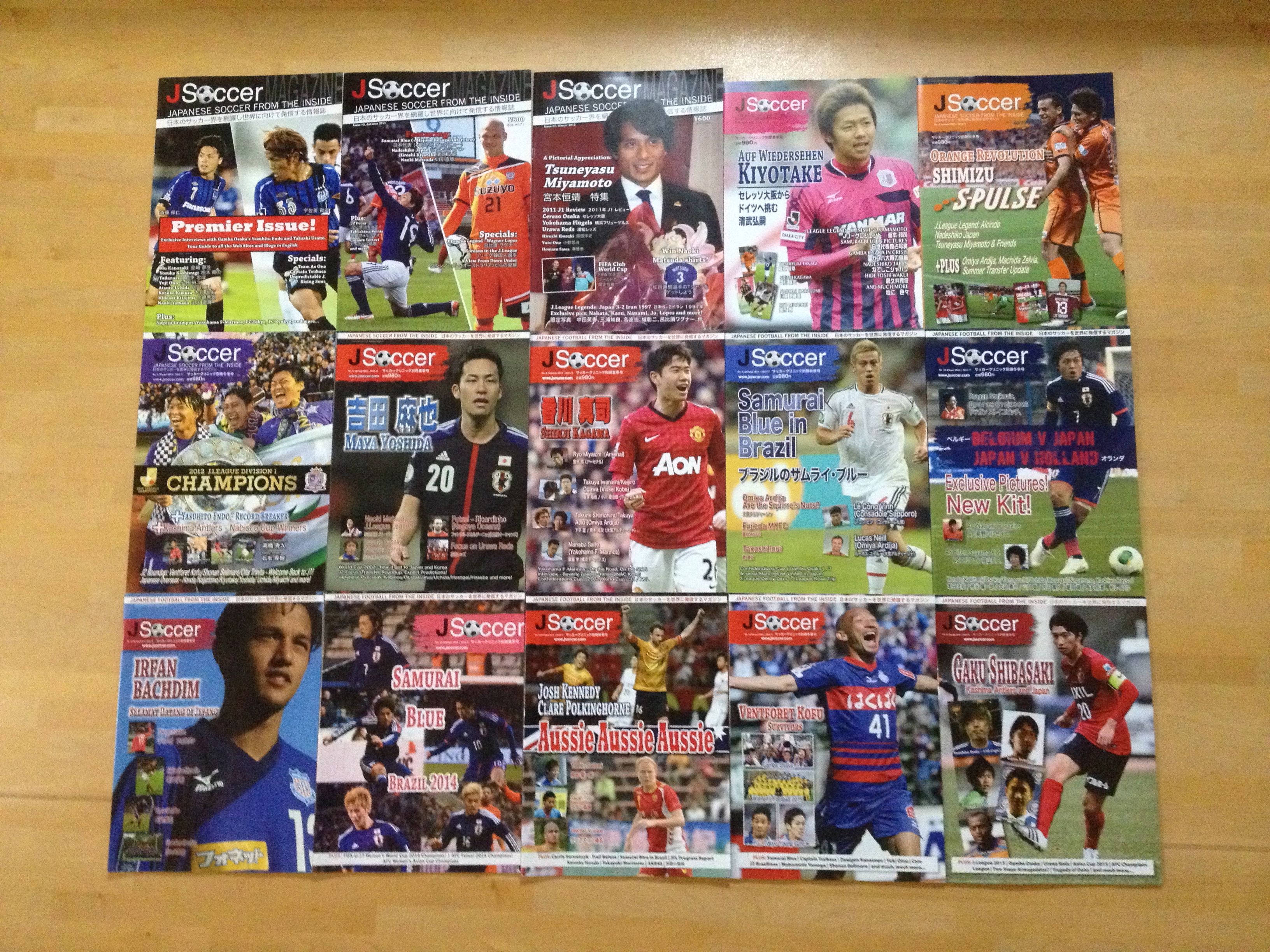
Tragedy Of Doha Article Featured In Latest J-Soccer Magazine

Despite an inadequate knowledge of the beautiful game in Japan, a certain Tokyo Fox has managed to once again contribute a couple of pieces to the latest copy of J-Soccer magazine (issue #15) which went on sale last week.

11048664_938104292878166_6027075645031149441_n  10649511_10152228670396650_6091170996414446912_n

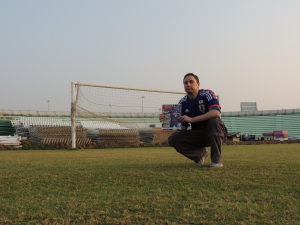
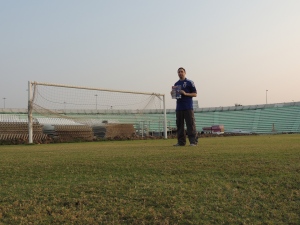
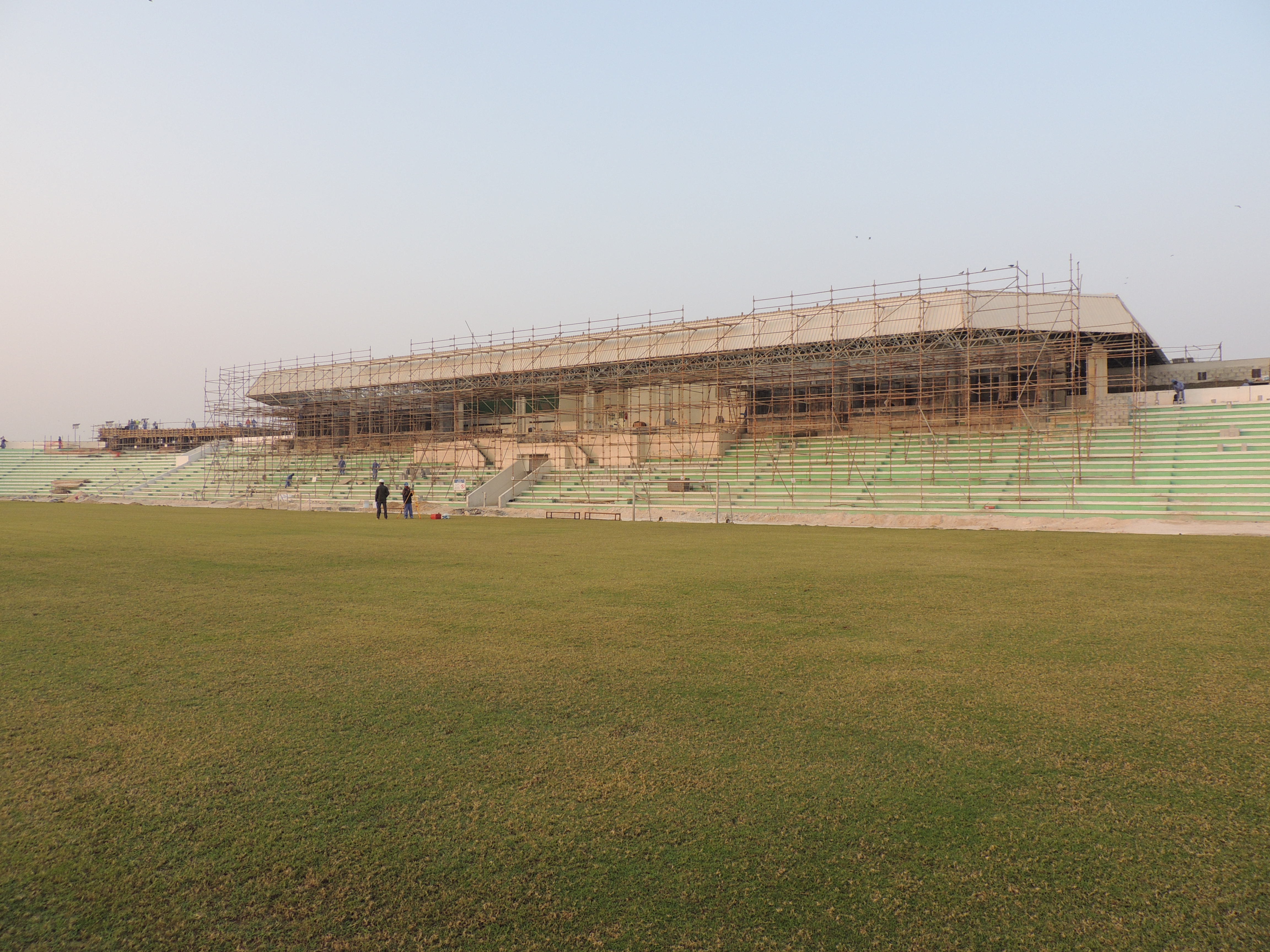
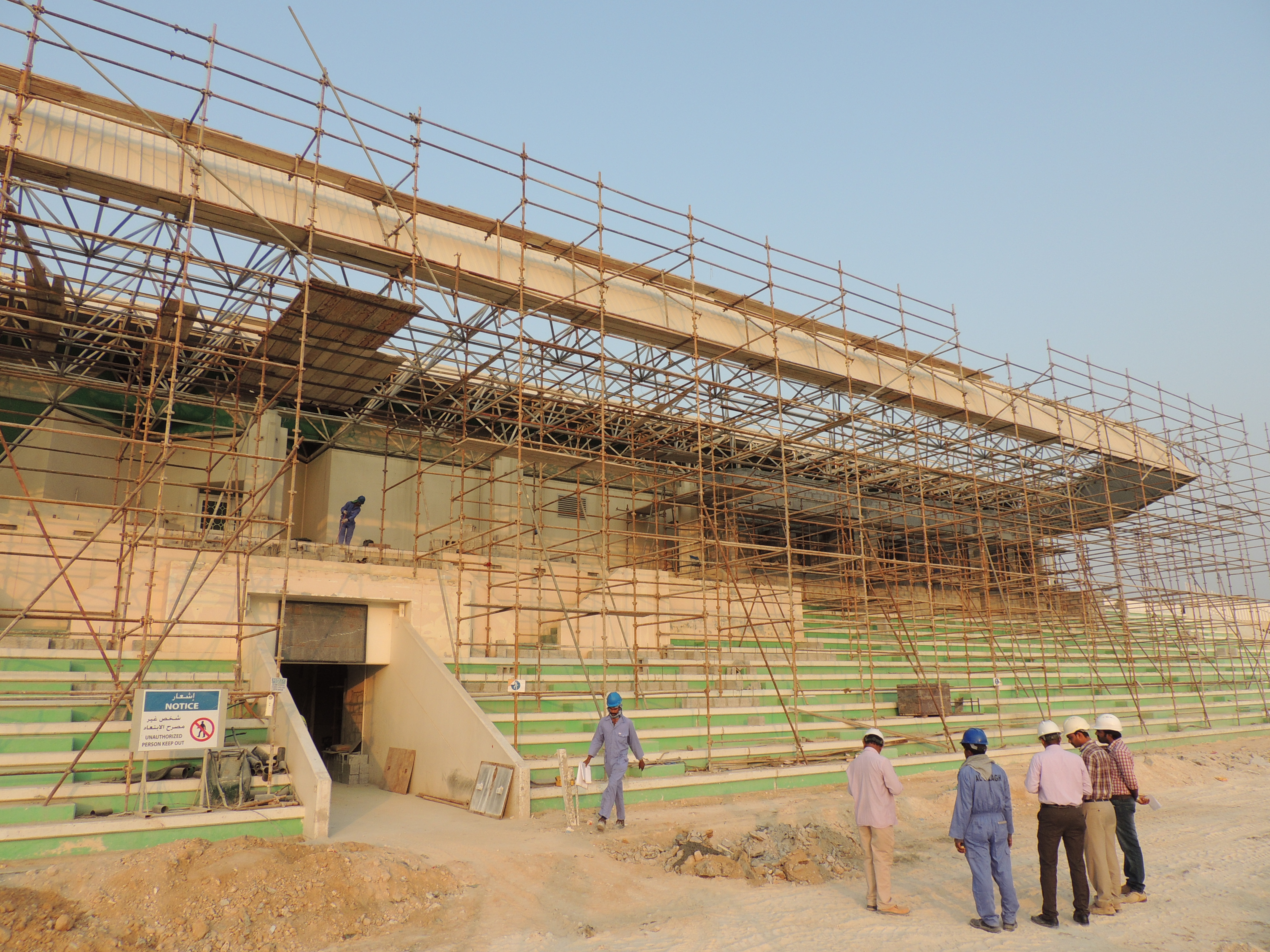
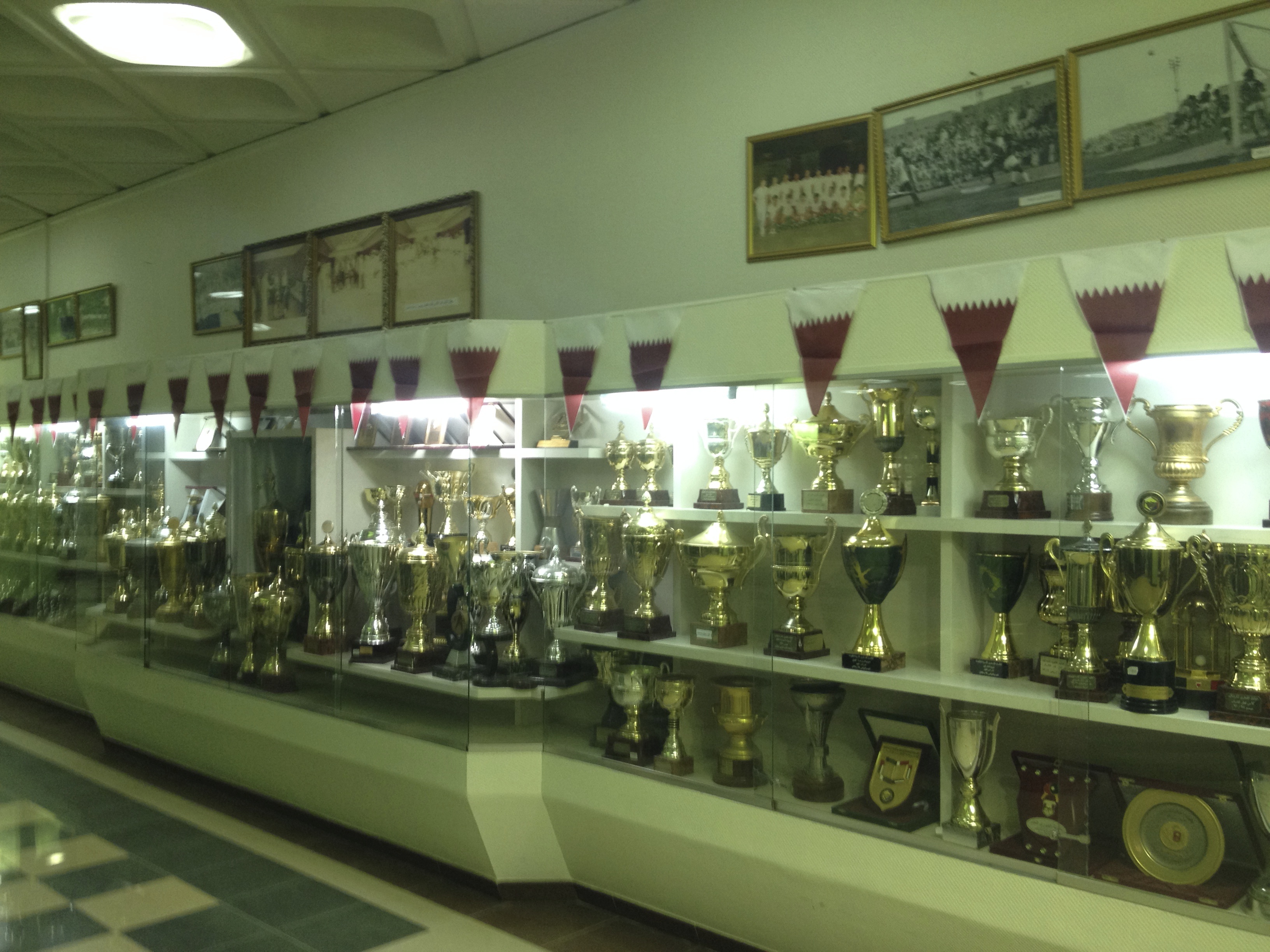
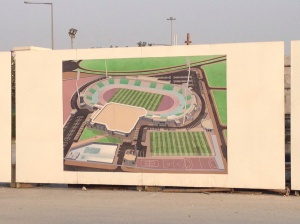
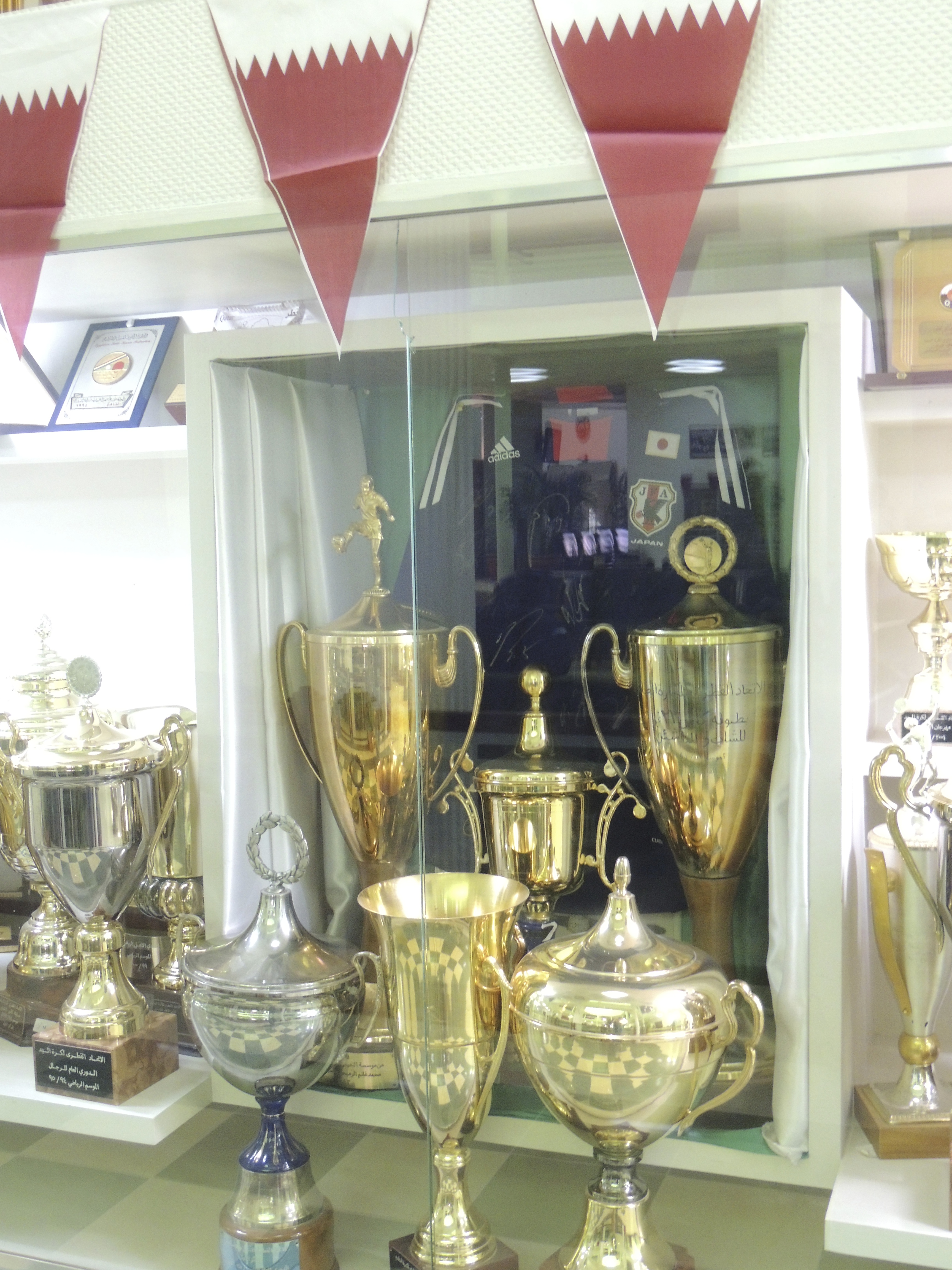
When I knew I was going to be in Qatar, thoughts turned to this crumbling old stadium and I thought it could make an interesting article for J-Soccer magazine. Thankfully issue #14 arrived in my mailbox the day before I left Japan last Christmas which was a relief as I wanted to be photographed at the Al-Ahli Stadium (formerly known as Hamad Bin Khlifa Stadium) with a copy of the latest issue in my possession. Also, in my bag ready for some quick photo-shooting was my Samurai Blue shirt which I put on for a couple of pictures (below) of me clutching the magazine.

DSCN0131  DSCN0130

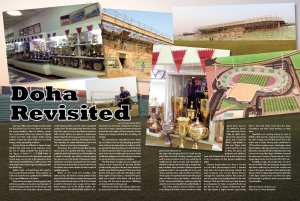
On my return from Qatar I informed the editor of my intention to write about the “Agony of Doha” (ドーハの悲劇 Dōha no higeki) which some newer fans of football in Japan may still be unaware of. He said he’d put something together to accompany it regarding the whereabout of the 11 starters and two substitutes who played on that fateful day in 1993. Anyway, that all appears with my part titled “Doha Revisited” and this time it’s made it onto the cover in the preview of the content at the foot of the page.

JSoccer#15 Doha Revisited  IMG_7040

This follows hot on the heels of the last time I wrote something for the magazine back in September. That was about the Japan World Cup Museum and a review of Japan’s World Cup showing in Brazil last Summer. As I mentioned on here in September I am keen to contribute to this publication but lack of knowledge about the J-League could be a hinderance so I will have to stick to things like museums and stadiums. What will come next I don’t know! Maybe another trip to the Nissan Stadium in Yokohama for a tour of the stadium and its World Cup connections could be in order but other than that I am fairly limited!!

DSCN0121  DSCN0132  IMG_6347  IMG_6352  DSCN0137  IMG_6915

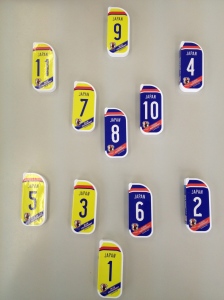
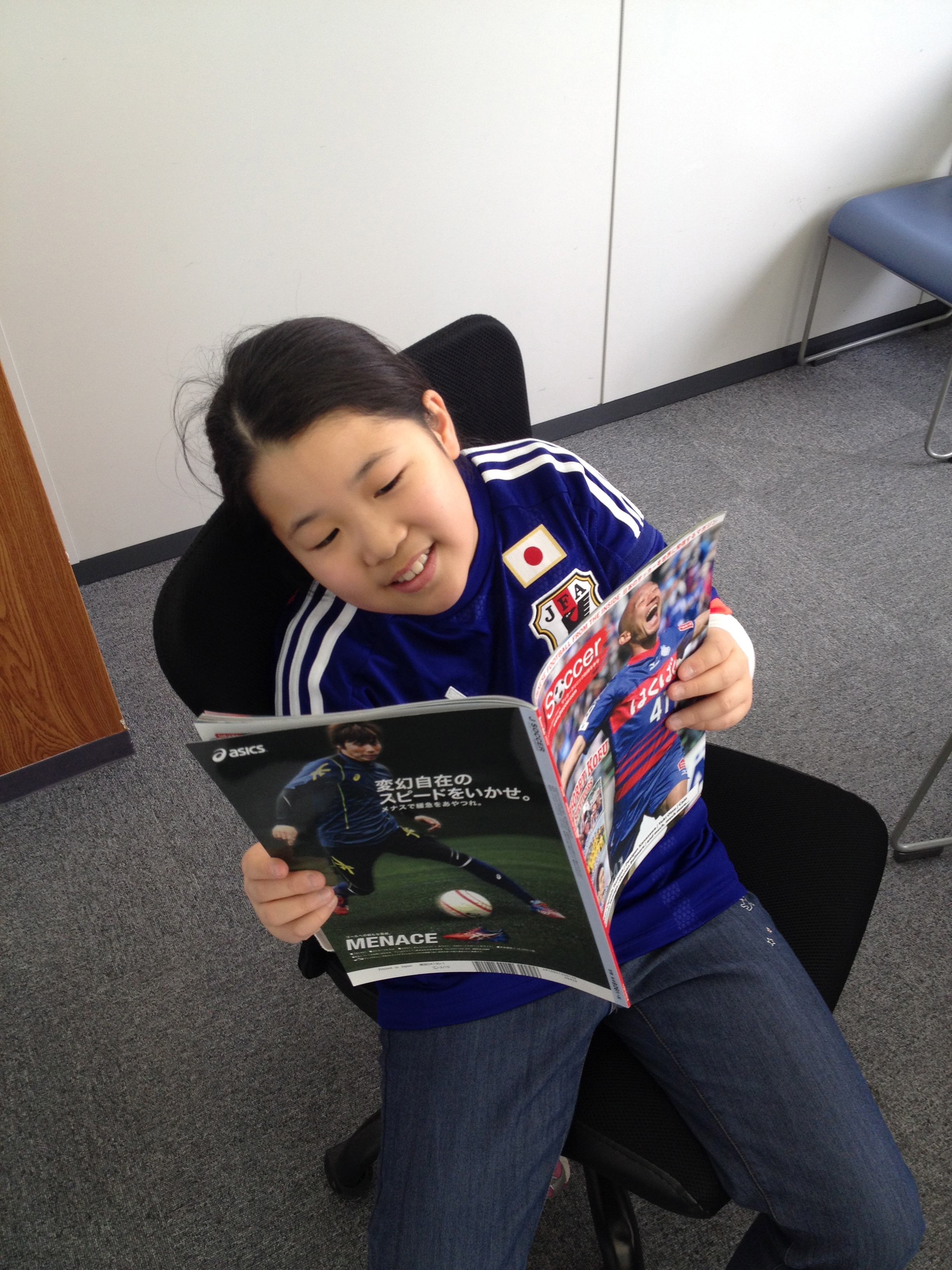
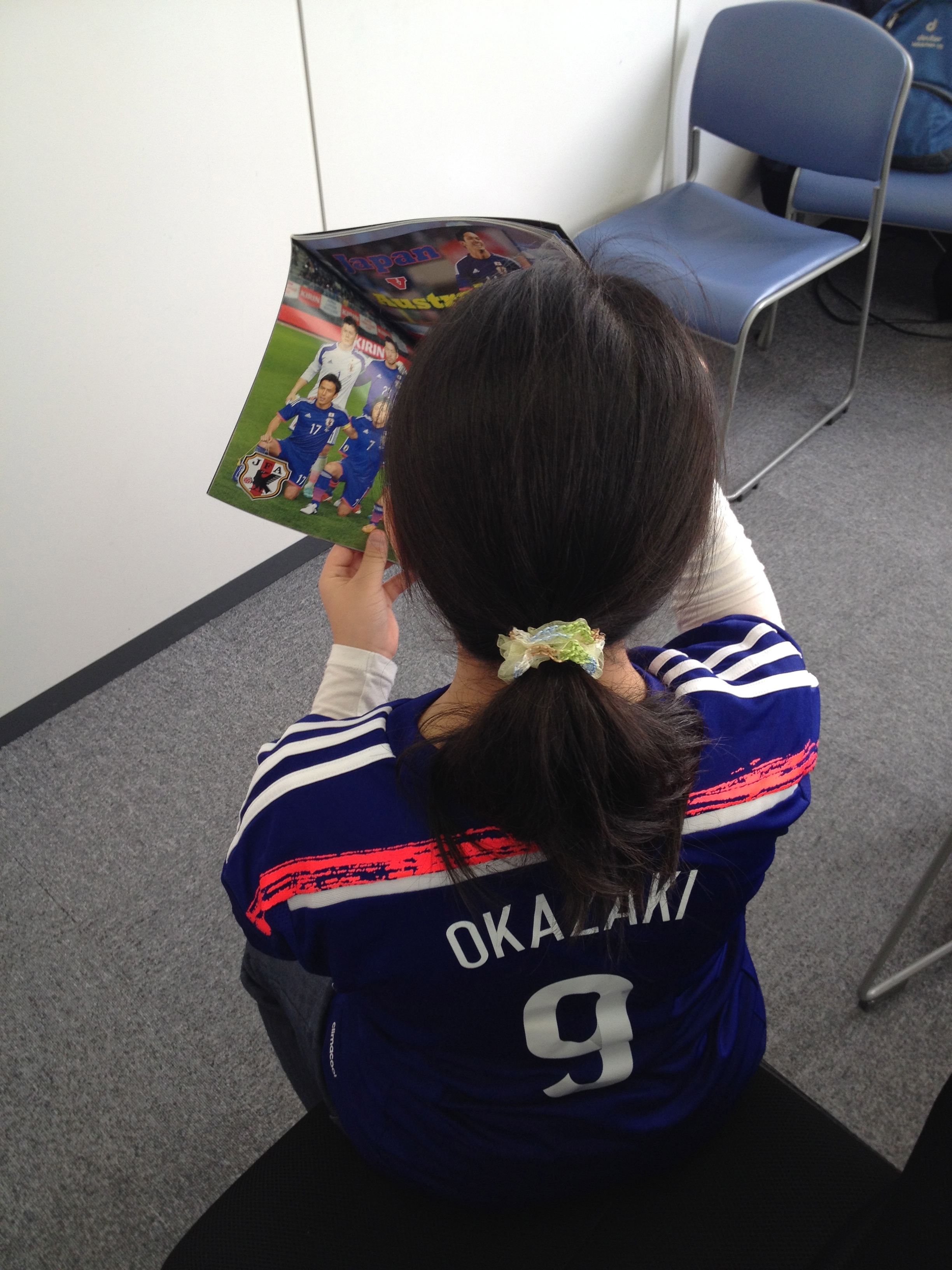
The other contribution is a minor one and involves a 10 year old girl I teach every weekend. She often talks to me about football, particularly the national team, and she likes to predict the line-up and formation for each upcoming game. Around the time that the Japanese striker Shinji Okazaki was being linked with a move to Leicester City she said she had the Japan shirt with his name and number on the back so I said I’d like to see it. The following week she wore it and I just happened to have the latest J-Soccer magazine with me which she had a quick look through. She saw the ‘Look At Me’ page which is your typical photo page of readers being photographed with the magazine in all kinds of places. I said that if she wanted I could use all my might and persuasive power to get her in a future issue by taking a photo of her reading the magazine. She agreed and the rest is history!

IMG_6784  IMG_6785

JSoccer magazine is available in print or as a Pay-What-You-Want PDF from jsoccer.com

You can read ‘Doha Revisited’ in full here

Posted in Japan Life, Middle East Travel, Sport | Tagged , , , , , , , | 5 Comments

New Hachikō Statue In Tokyo

A new Hachikō statue was unveiled at the University of Tokyo in Bunkyo-ku very recently but unlike the statue outside Shibuya station, this one also features his master. Professor Hidesaburo Ueno was a professor of agricultural engineering at the University for over two decades hence its location.

DSCN0423  DSCN0412

The statue resembles the rejoice and excitement the two had when they were reunited each time and the love and affection people have could not be missed when Continue reading

Posted in Japan Life | Tagged , , , , , , | 22 Comments

London Filming Locations: Die Another Day (2002)

This much derided 007 movie marked the 40th anniversary of the franchise and includes references to each of the 19 Bond films which preceded it. Having watched it again for this feature I don’t actually mind it as much as I previously thought. Sure there are some ridiculous gimmicks and too much computer imagery but the first half is pretty good.

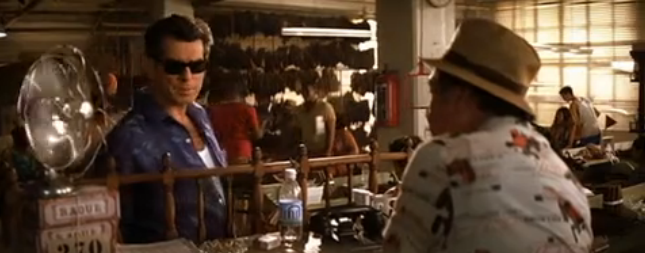
As mentioned in the ‘15 fake Bond filming locations‘ article, Aldershot’s (UK) military training area was used in part (along with the backlot at Pinewood) to replicate the world’s most repressive country North Korea for the opening sequence. Furthermore, Havana was also faked with Cadiz in Spain filling in for Cuba’s capital but “Raoul”; the cigar factory where Bond goes searching for Zao was actually shot inside Simpson House (below) in Hackney, North London. It can be found at 92 Stoke Newington Road and Dalston Kingsland London Overground Station is an easy and very direct 8 minute walk away.

Screen Shot 2015-03-20 at 13.25.35  Christmas trip 2011-2012 377

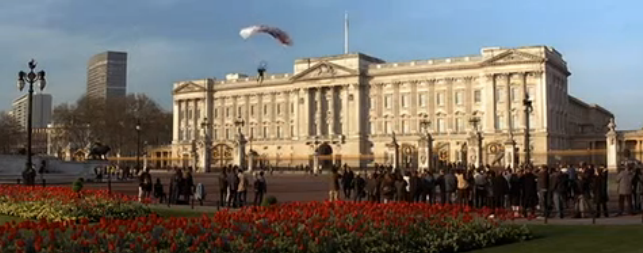
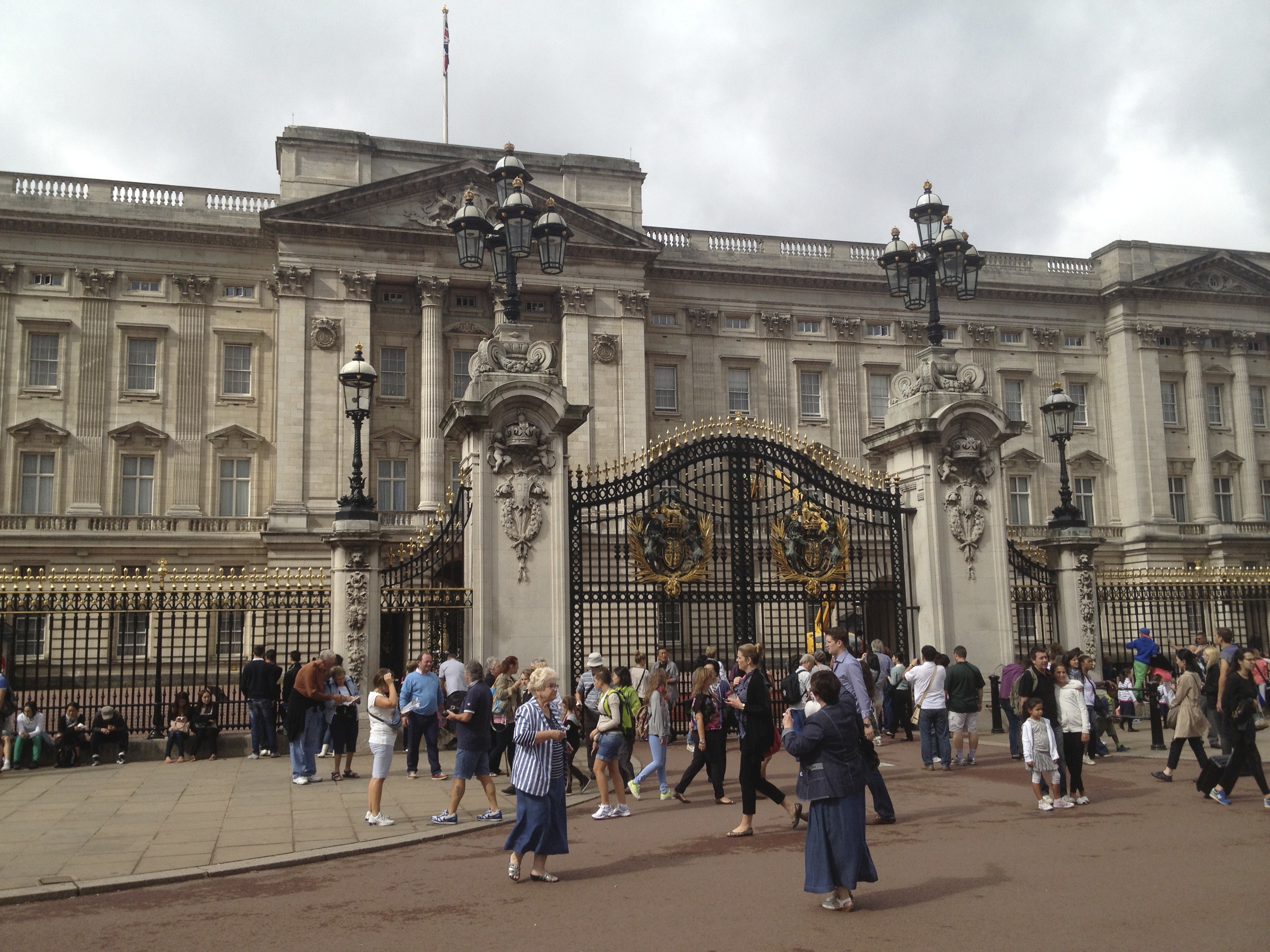
To the soundtrack of ‘London Calling‘ by The Clash, British entrepreneur Gustav Graves (Tobey Stephens) arrives in style landing outside Buckingham Palace (below) on 50 minutes via Union Jack parachute in a nod to the pre-titles opener in ‘The Spy Who Loved Me‘ (1977).

Screen Shot 2015-03-20 at 13.20.22 IMG_2964

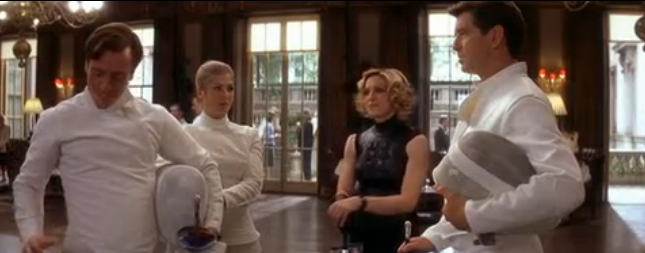
The attention then turns to “Blades Club” (52 minutes) a.k.a. the Reform Club (below) at 104 Pall Mall where Madonna introduces Bond to Gustav Graves before they duel. Just before the sword fight Graves says “Diamonds are forever. But life isn’t” which is an obvious reference to the 1971 Bond movie. The same place was also used in Quantum Of Solace’ (2008) as a government office.

Screen Shot 2015-03-20 at 17.29.07  Dec2010-Jan2011 057

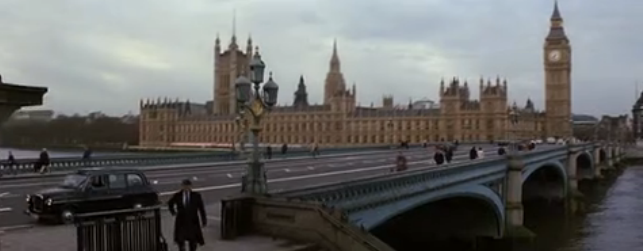
Westminster and Big Ben (below) stand in the distance (60 minutes) across the River Thames.

Screen Shot 2015-03-20 at 16.56.29 P1020762

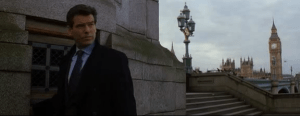
Beneath Westminster Bridge (below) is the entrance to the fictitious Vauxhall Cross Underground station which is actually nothing more than a caretakers hut.

Screen Shot 2013-06-14 at 19.15.07 Dec2010-Jan2011 194

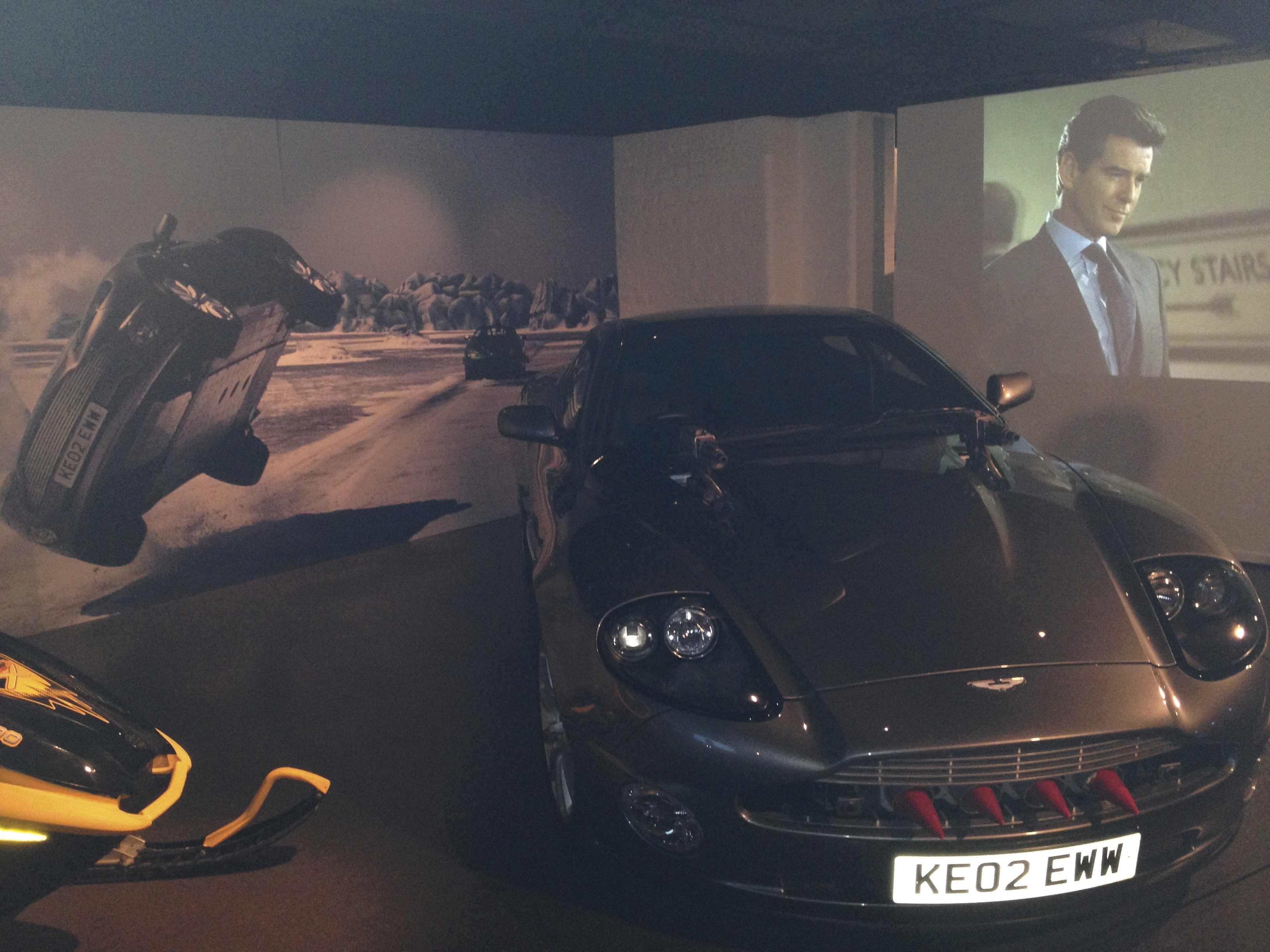
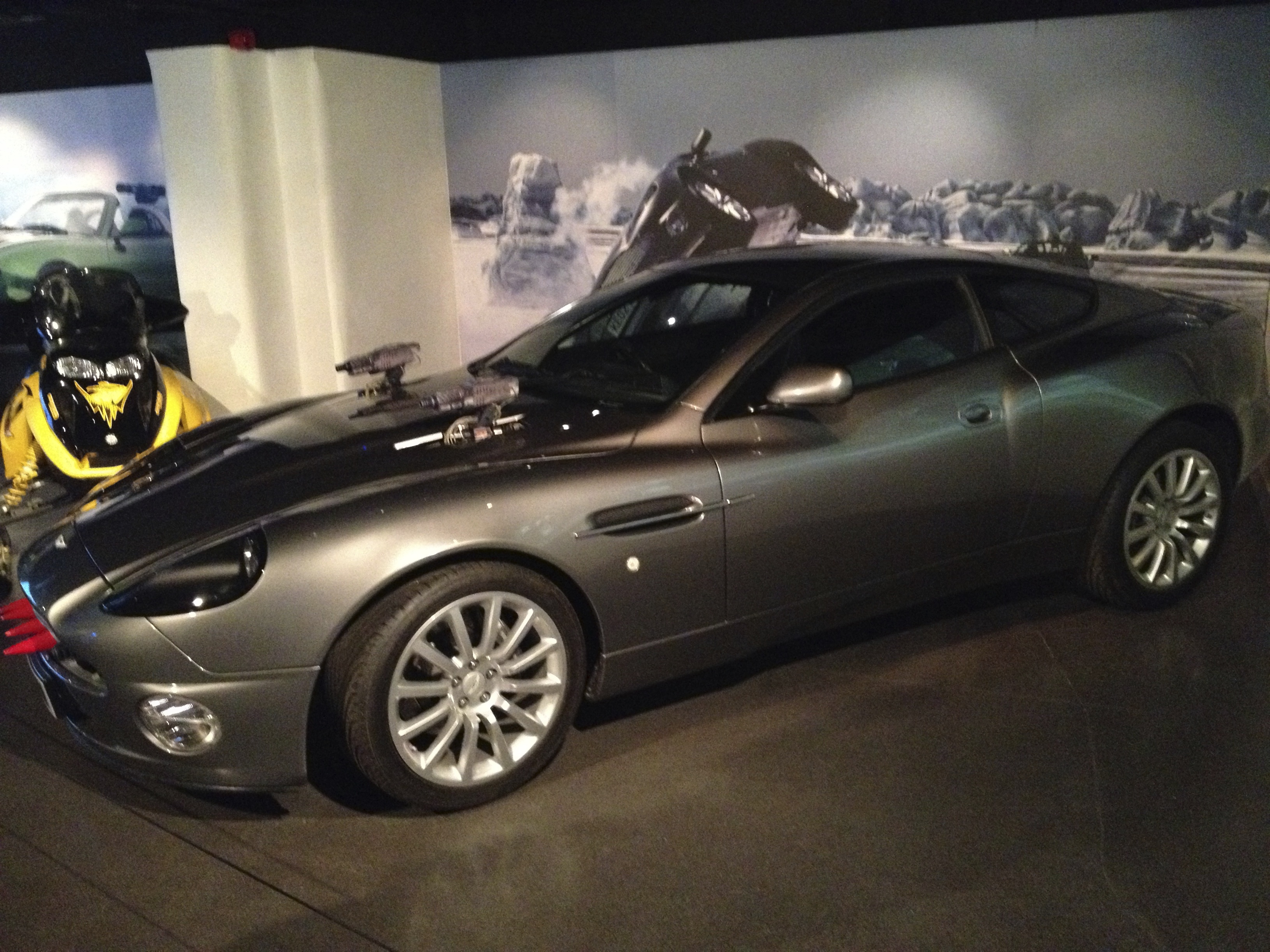
It’s at this fictional station that Q presents Bond with the Aston Martin V12 Vanquish; the infamous car possessing a rather silly gimmick – the ability to effectively become invisible at the push of a button. It could be seen at the ‘Bond In Motion’ exhibition in London which was open last year.

IMG_5211 IMG_5249

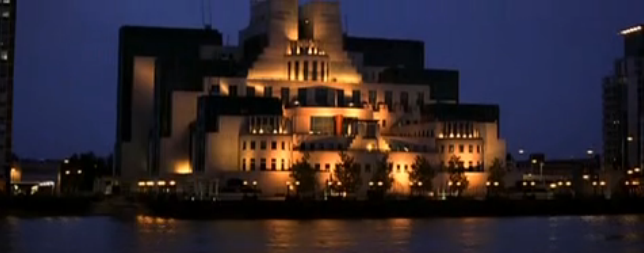
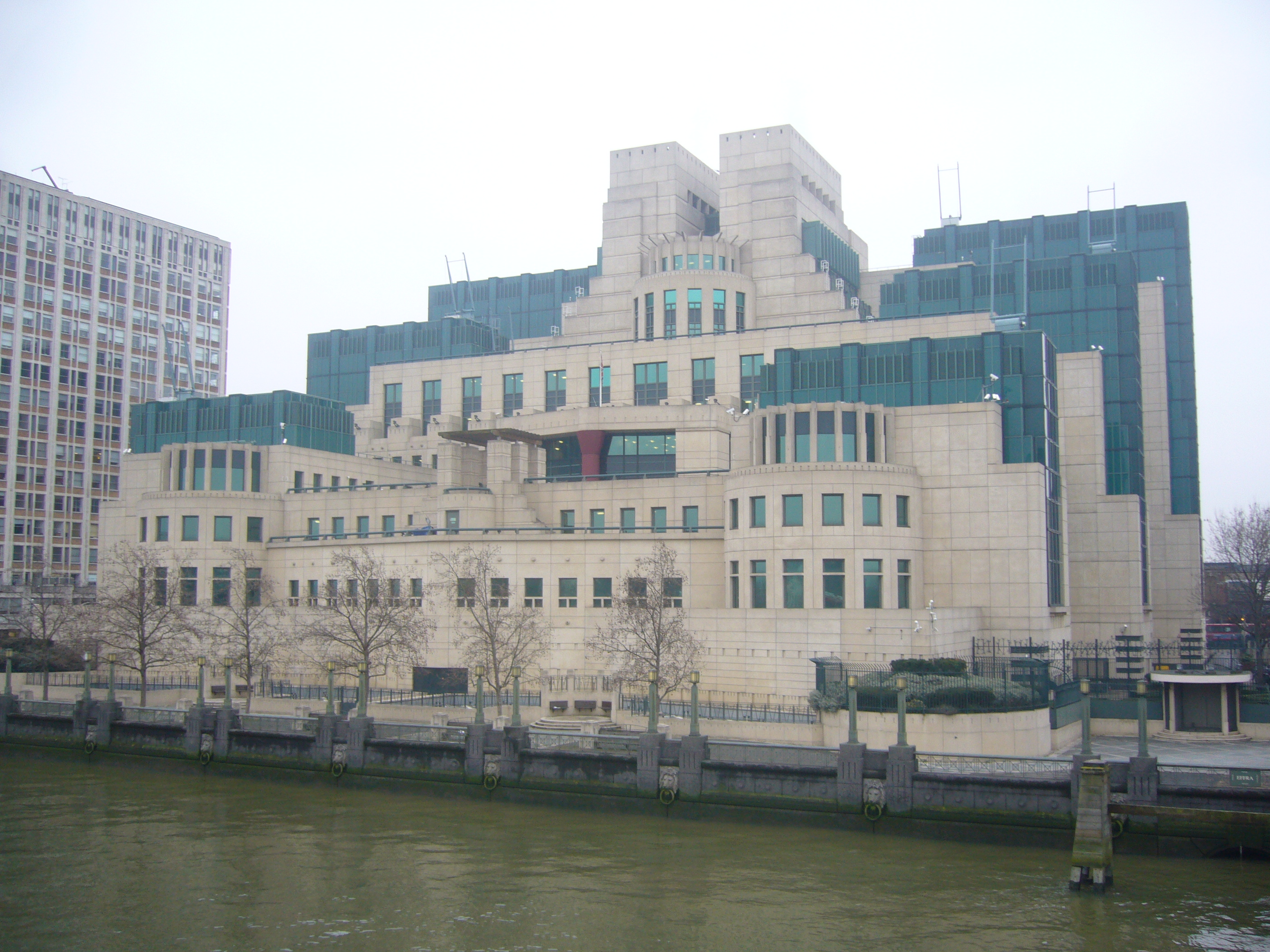
A 20 minute walk along the river (from Westminster Bridge) takes you to the MI6 building at 85 Albert Embankment (below) which appears on 63 minutes and then again on 125 minutes. It also featured in ‘The World Is Not Enough‘ (1999) and ‘Skyfall‘ (2012).

Screen Shot 2015-03-20 at 13.15.45 Dec2010-Jan2011 187

Bonus: Hong Kong island appears as Bond escapes captivity, jumps into the Harbour and emerges at the Hong Kong Yacht Club (27 mins) which is located on the north side of the island. However, this was not all it seemed as it wasn’t Kowloon that could be seen in the background but Hong Kong island itself. Obviously this was all faked on a movie set and furthermore the shaggily unshaven 007 turns up at the Royal Rubyeon Hotel which doesn’t exist at all.

hk13  IMG_0537

For other London filming locations click on the links below:

Star Wars Episode I: The Phantom Menace    Trainspotting    Mission: Impossible    Lara Croft Tomb Raider    The Bourne Ultimatum   Harry Potter & The Philosophers Stone   James Bond    About A Boy    Quadrophenia    Bridget Jones’s Diary    Goodnight Sweetheart    Lock, Stock & Two Smoking Barrels    Basic Instinct 2    Batman Begins/The Dark Knight    The Italian Job    Snatch    Rom-Com Special    Skyfall    Notting Hill    The World Is Not Enough     Paddington    Star Wars Episode I: The Phantom Menace (Re-Visited)    Entrapment    Sliding Doors    Eyes Wide Shut     Four Weddings & A Funeral

Posted in James Bond, London Film Locations | Tagged , , , , , , , , | 12 Comments

Tsukuda – Going Beyond Tsukiji

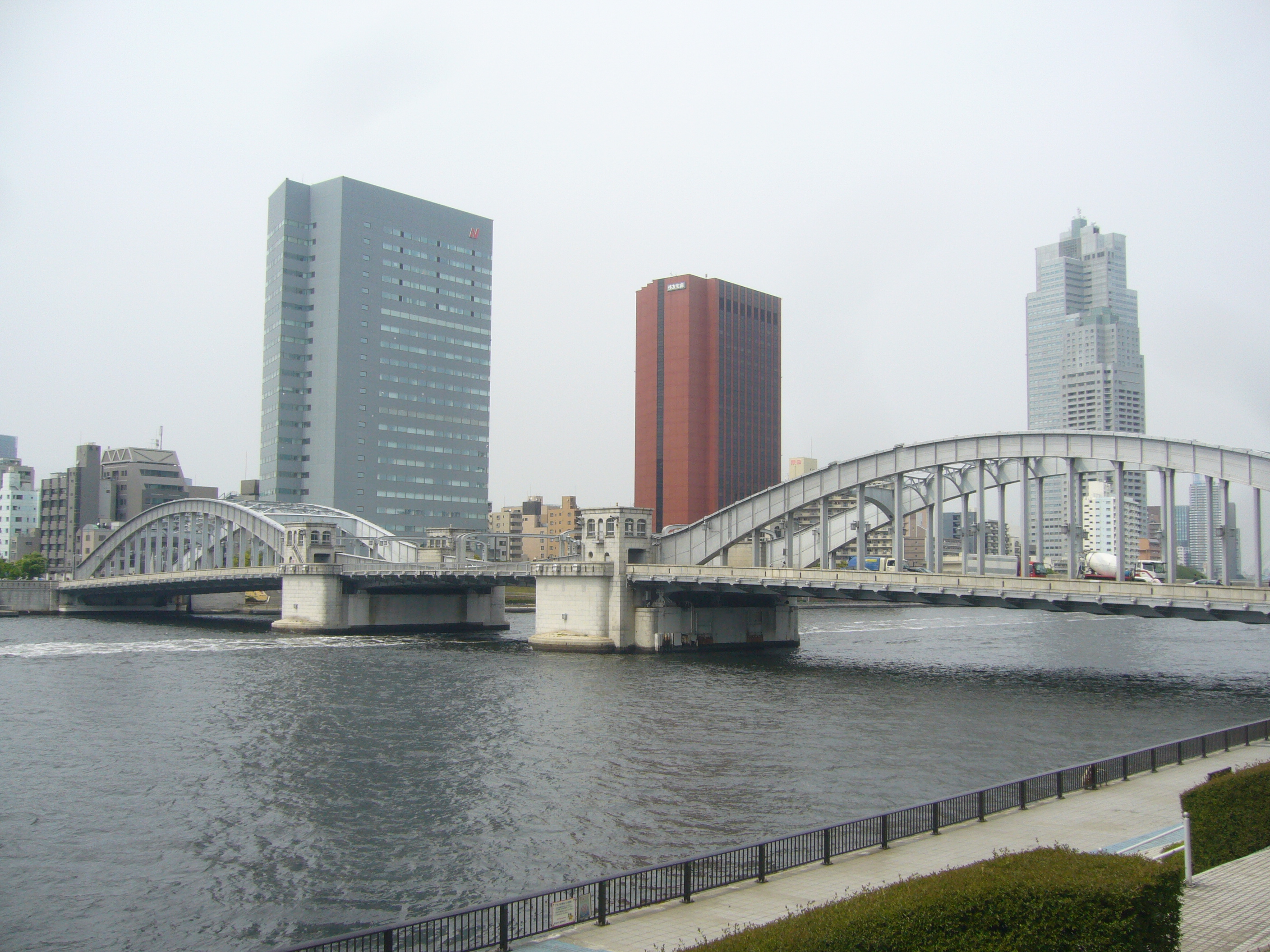
Living very much in the shadows of its close neighbours Tsukiji and Tsukishima, the town of Tsukuda is not exactly on the map when it comes to tourism. However, it can make a pleasant half day trip for anyone wanting to extend their morning tour of Tsukiji fish market or just simply to get away from the well-worn touristy places in Tokyo. It was a windy day when we went there by bicycle crossing the Kachidoki Bridge which was ripped up and spat out by Godzilla in the 1954 original.

April 2011 044  April 2011 036

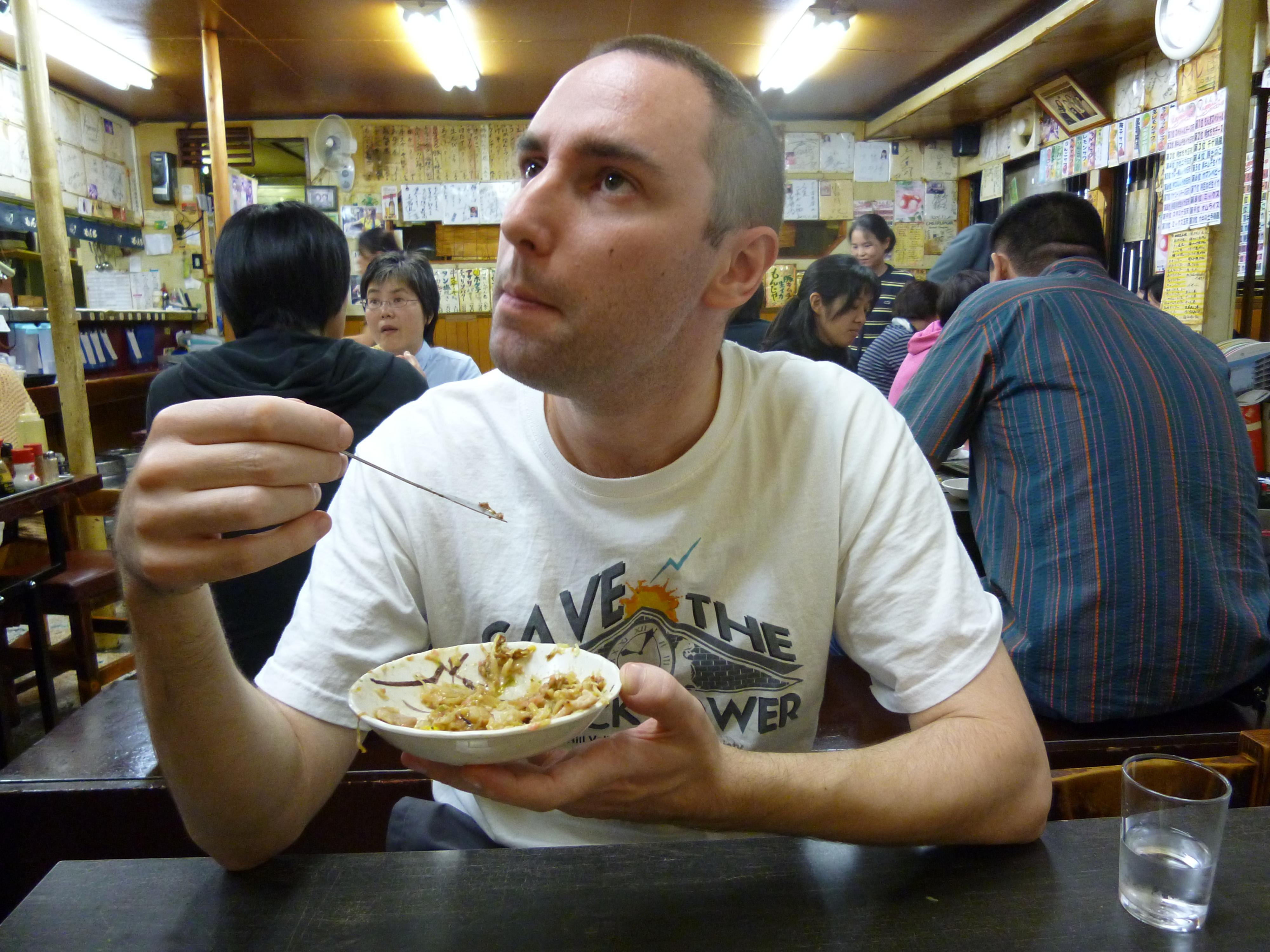
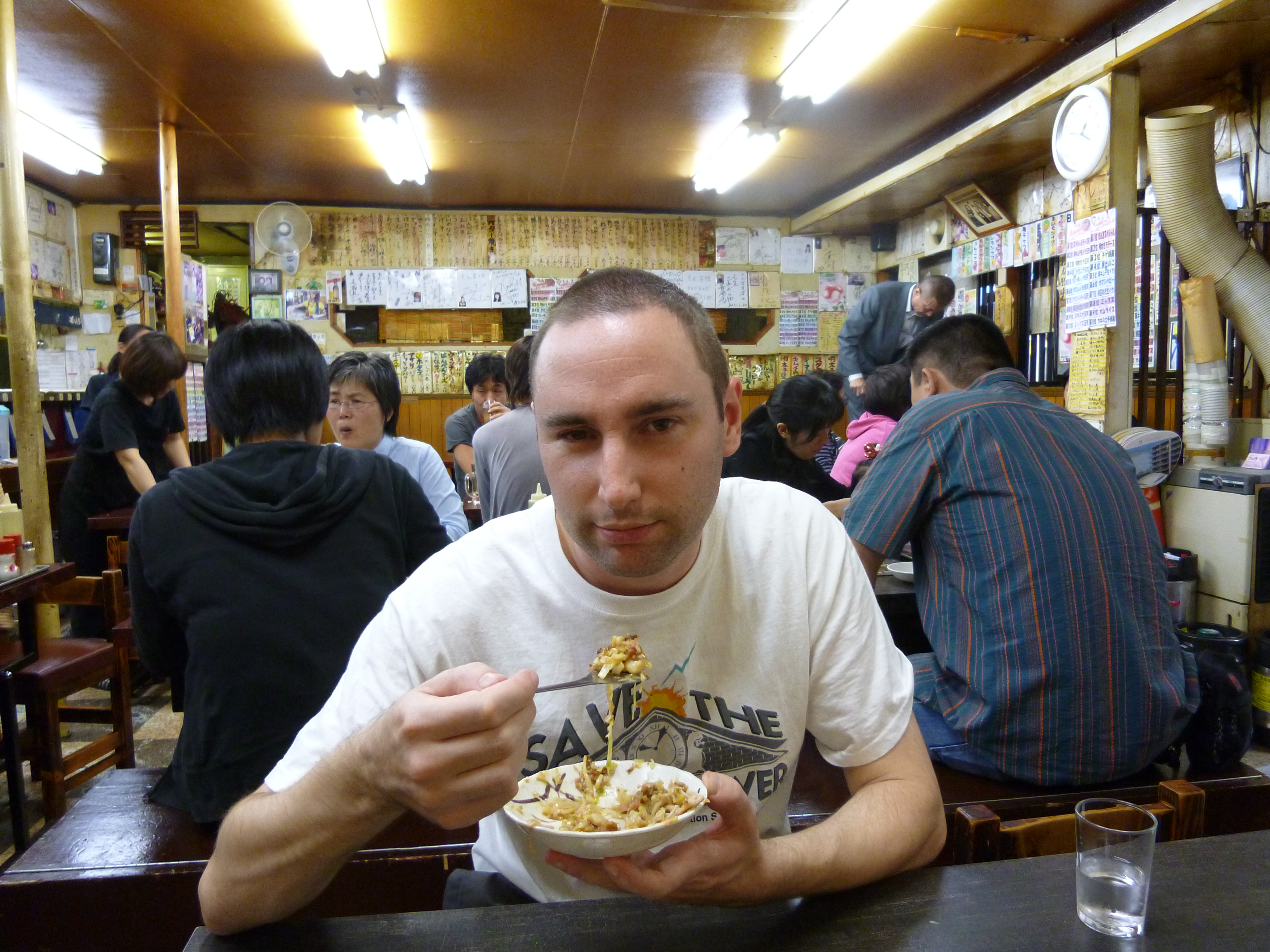
Arriving in Tsukishima we stopped to sample some of the areas most famous dish; Monjayaki, at ‘Monkichi‘ (3-8-10 Tsukishima) which was a very busy place where pictures of Japanese celebrities don the walls giving recognition of their visit. With our stomach’s full on the mix of pan fried batter and finely chopped ingredients we headed over into Tsukuda.

P1010868  P1010862

This sleepy little area is situated on reclaimed land and was formerly a small fisherman’s village over 300 years ago when 33 fishermen left their homes in Osaka and moved to Edo (the former name of Tokyo) to introduce the latest fishing methods at a time when Osaka was more developed than Edo. Tsukuda was the name of their village and thats how this place in Chuo-ku got its name.

Japan may be considered to be a bit of an isolated country and likewise Tsukuda has always been a bit secluded from the rest of the capital which means its been left relatively unspoiled and is one of very few places in Tokyo which still offer glimpses of the city in a bygone era. Our first stop was the rustic, wooden building of Tenyasu (1-3-14 Tsukuda) which is the oldest of three tsukudani (seafood boiled in sauce) boutiques in the area.

P1010144

The shop is open between 9am – 6pm and has been open for over 170 years and actually features, as does much of Tsukuda, in the ridiculously silly low budget movie ‘The Toxic Avenger Part II‘ (1989) where Japanese food critic Go Nagai makes a cameo appearance in a mock TV interview where he says the food has magical powers and can attract beautiful women and before you know it the Toxic Avengers latest antagonist is hit over the head by a fish moments after her clothes all fell off and she stumbles into the interviewers lap and he thinks god has answered his call to meet a pretty lady. The only ladies we saw there were the steady stream of middle-aged housewives making special trips to pick up the long-lasting speciality that can be bought by measure. There are over a dozen different types of tsukudani ranging from 350 yen to 1200 yen for 100 grams.

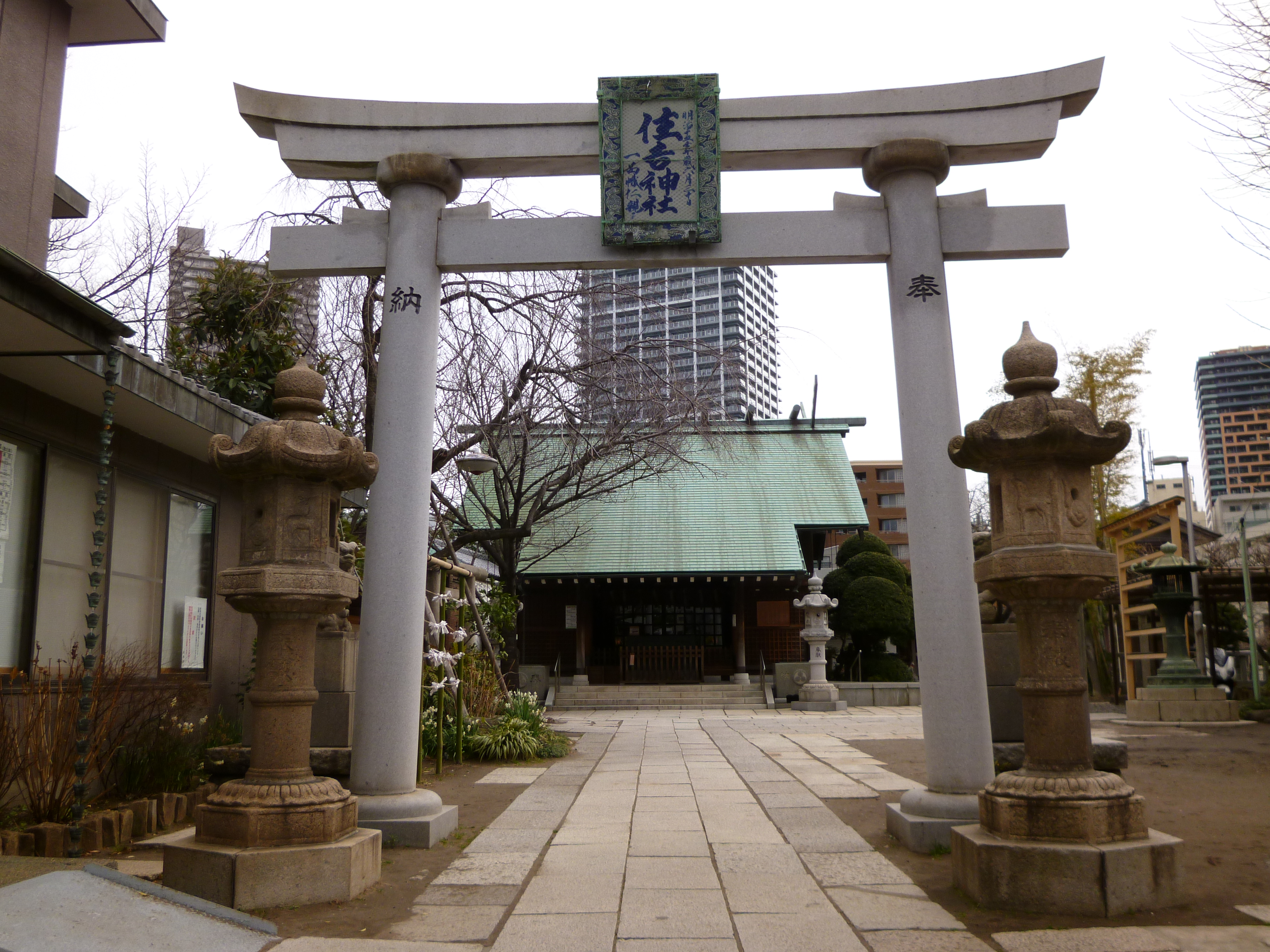
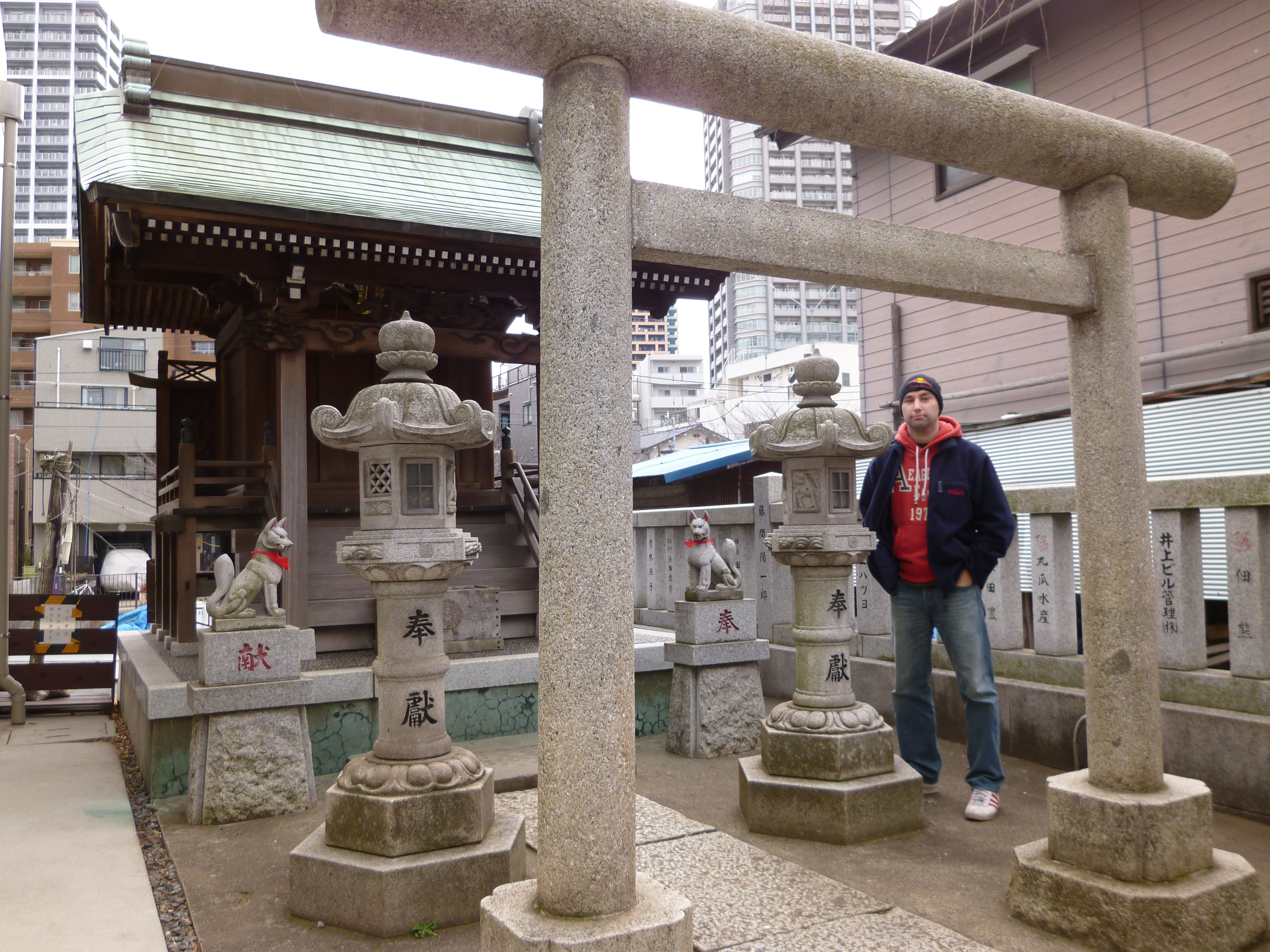
The next stop was Sumiyoshi-jinja Shrine (1-1-14 Tsukuda) which is situated among the towns quiet back streets featuring rows of old wooden houses. Once every three years though the place comes alive for its festival held on the first weekend of August. An enormous gate covered in copper plate welcomes you to the Shinto deity of fishermen and ocean travellers and is protected by foxes.

P1010120  P1010113

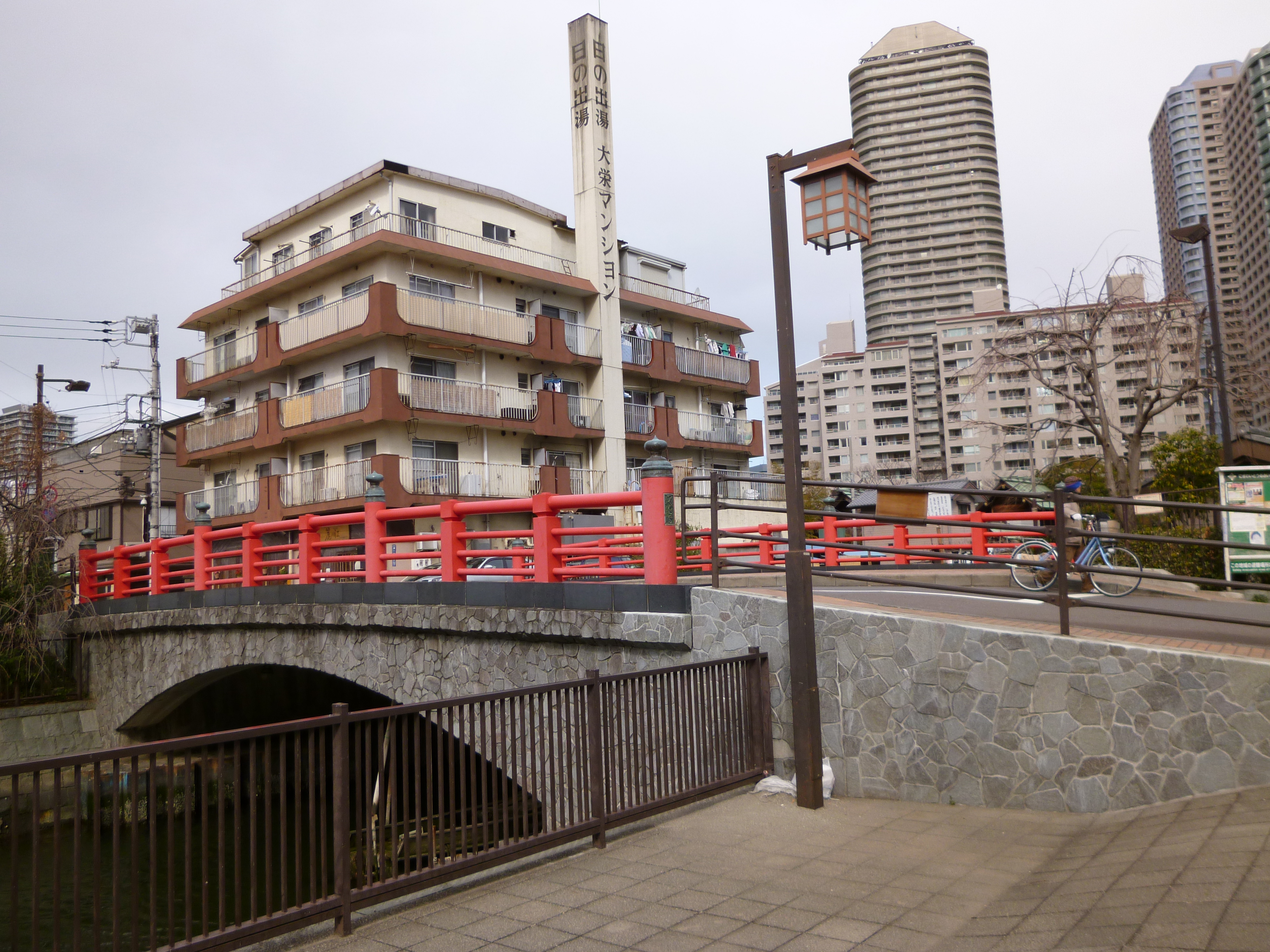
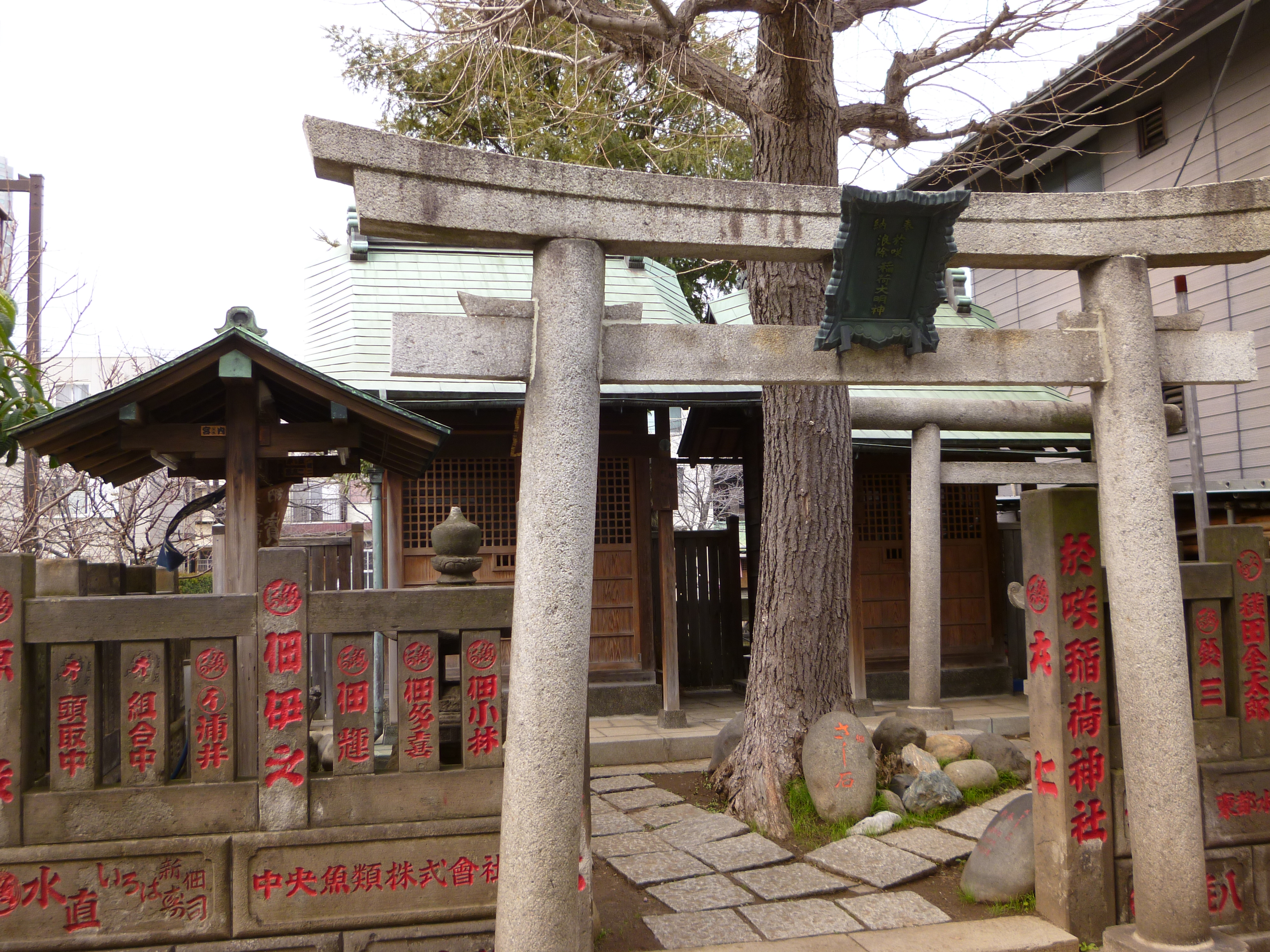
The striking red Tsukudakobashi bridge is just round the corner from the shrine and is an area of boat moorings and decrepit fishermen’s dwellings. There is even a half submerged boat in the canal and its banks are lined with nagaya – long wooden structures divided into independent houses separated by narrow alleys  – which date from the Edo period and Tsukuda is among only a handful of places in Tokyo where you can still see such row houses. How long they’ll be around for is uncertain as they’re considered to be something of a fire hazard these days. Tsukuda Namiyoke Shrine is back by the canal and was built to pray for the safety of fishermen. This small shrine has stones lying around its tree which are used in strength competitions.

P1010109  P1010141

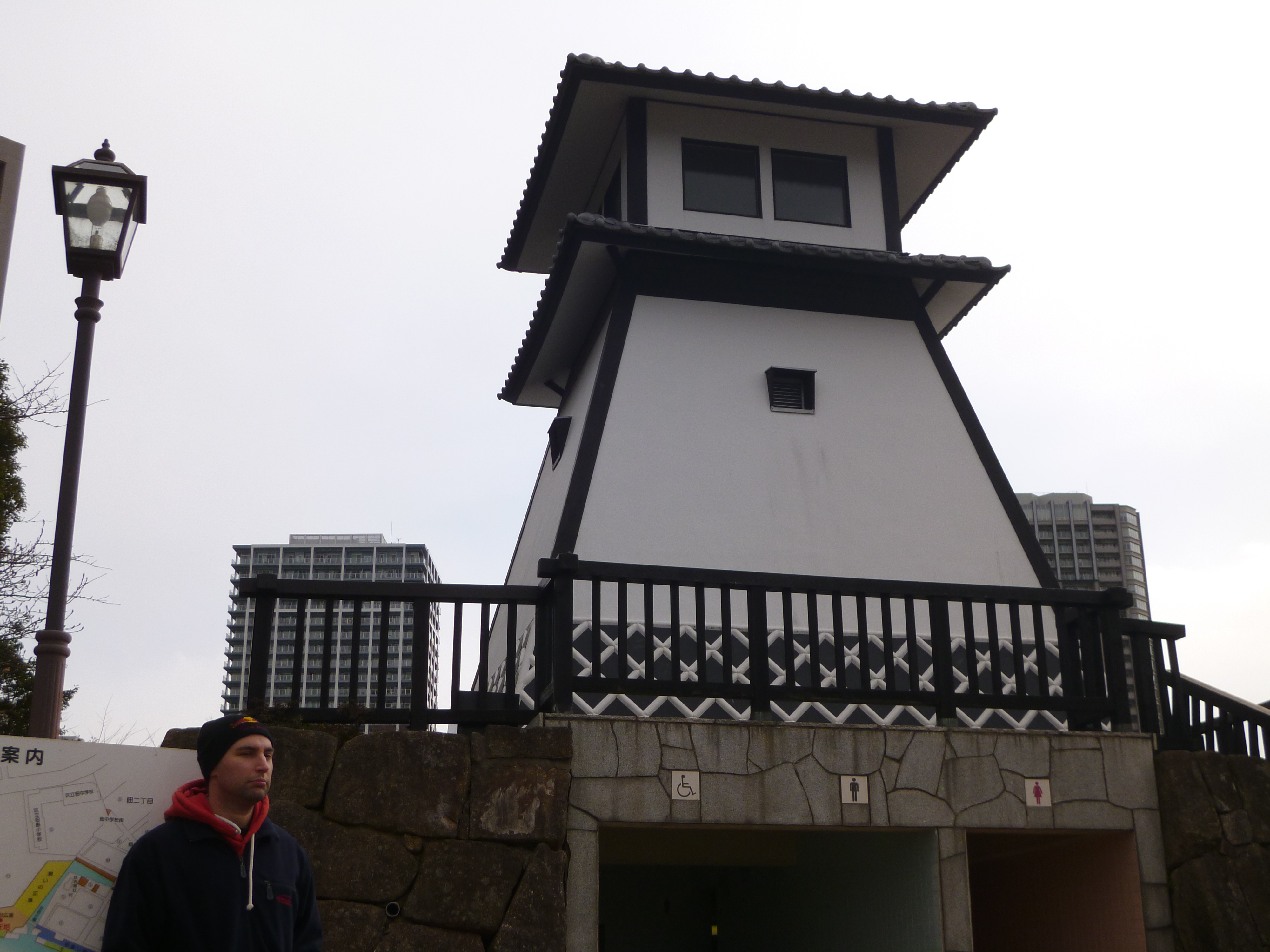
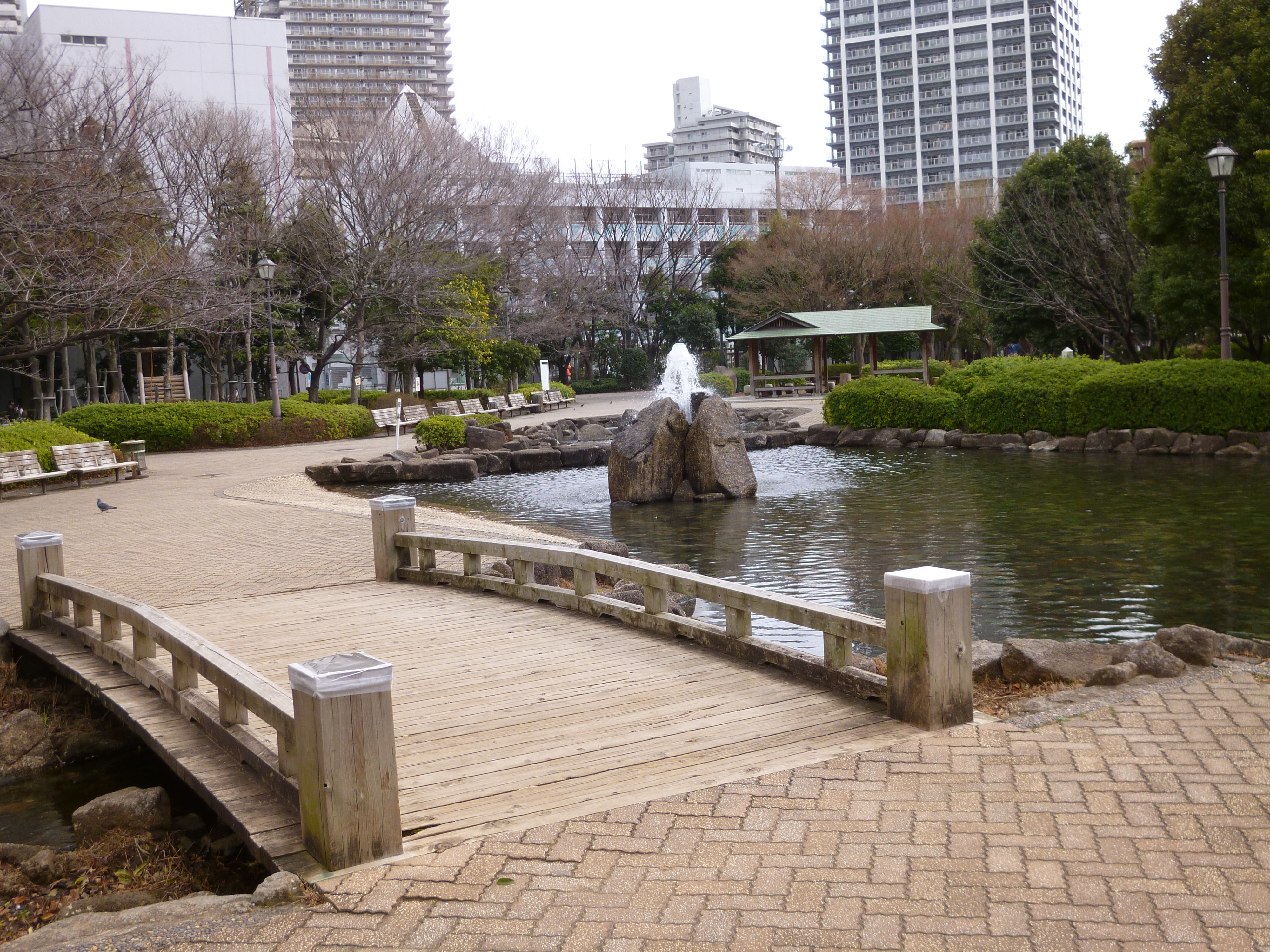
On the riverfront near the floodgates is the memorial tower which is a replica of the 1866 hexagonal designed lighthouse although its prime use these days seems to be as  toilets!! This landmark can be reached by ambling through the pleasant Tsukuda-koen; a pond and fountain as the centrepiece surrounded by bricked paths and many park benches.

P1010133  P1010134  P1010136  P1010135

Walking over the Tsukuda Ohashi Bridge will take you in the direction of Ginza district but before the bridge was built in 1964 the residents of Tsukuda had to rely on ferries.

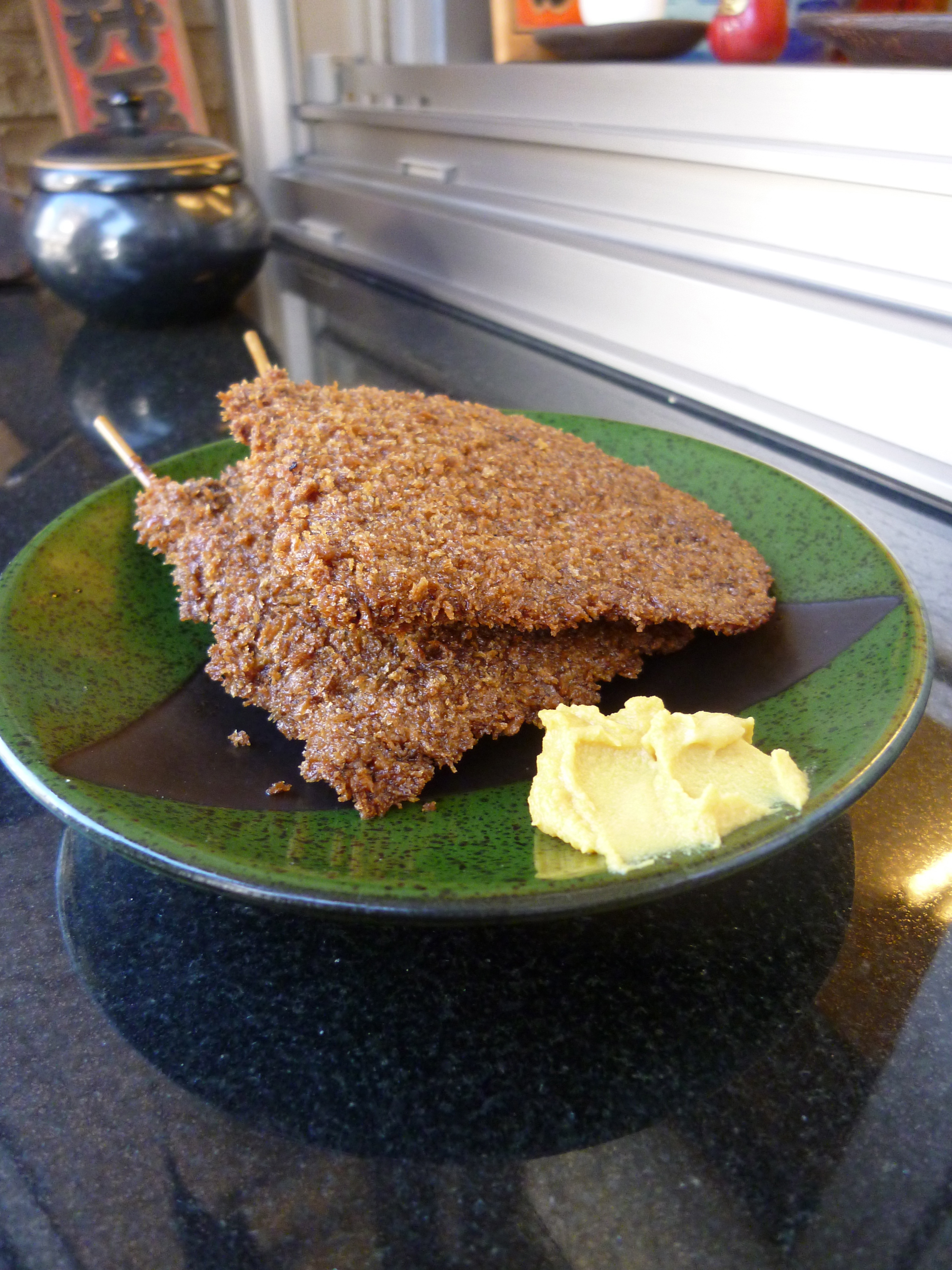
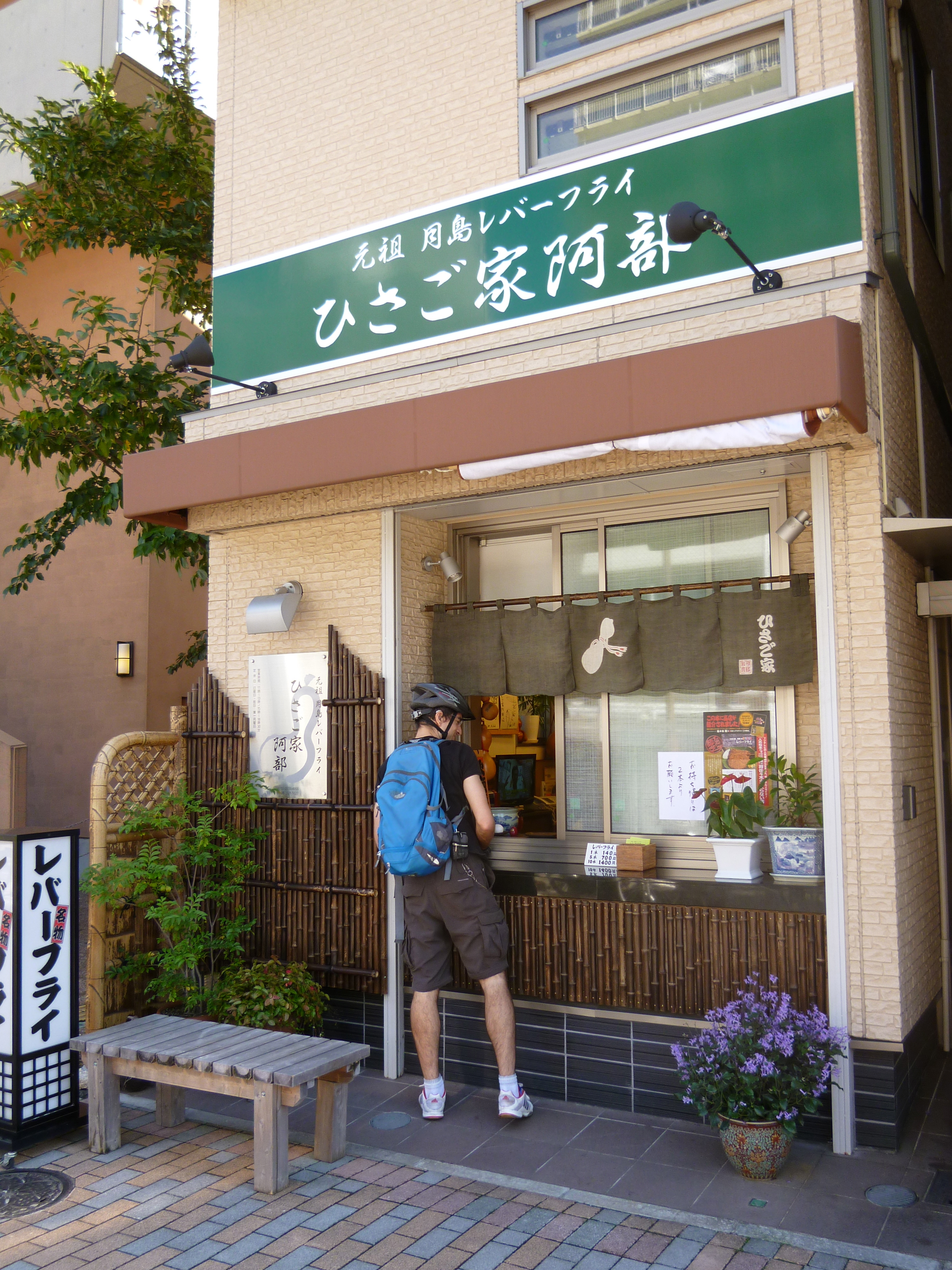
The other option for exiting Tsukuda is to head to Tsukishima station but not before you’ve stopped for one more snack. Hisagoya Abe (3-1-12 Tsukuda) is a tiny place selling delicious takeaway liver katsu (140 yen) at its window and its well worth crossing the highway to sample this liver cutlet at a shop which was founded in 1949 although it has moved locations in that time.

P1010849  P1010847

Tsukuda can be reached via Tsukishima station on the Yurakucho and Toei Oedo lines.

* This article was originally written for publication in a local magazine and is actually the sum of a few individual trips to the area rather than one cycling adventure as it seems like here. Hence, the different clothes I’m wearing!

Posted in Cycling, Films, Food & Drink, Japan Life | Tagged , , , , , , , , , | 1 Comment