Kyushu Trip 2014 Pt IV: Kumamoto Castle

Over the years in Japan I’ve racked up a number of castles on my visits and the one in Kumamoto is certainly up there as one of the most impressive. Kumamoto Castle is considered one of the three premier castles in Japan, along with Matsumoto Castle and Himeji CastleDue to its appearances in the likes of ‘You Only Live Twice‘ (1967) and Akira Kurosawa’s ‘Kagemusha‘ (1980) the one in Himeji is likely to always be my personal favourite but Kumamoto is a close second thanks to the beautiful scenery surrounding this modern reproduction. It also has its own part in movie history as the legendary Kurosawa filmed a lot of the King Lear inspired ‘Ran‘ (1985) in Kumamoto prefecture including its castle in the city of the same name. 

Yet again it was another early start as we took a couple of bullet train rides from Nagasaki to Kumamoto station via Tosu. Like Hachiko waiting to meet its master in Shibuya all those years ago, Momiji (the family dog) was standing by to meet us at our destination alongside my girlfriends parents of course!

P1040691  P1040696

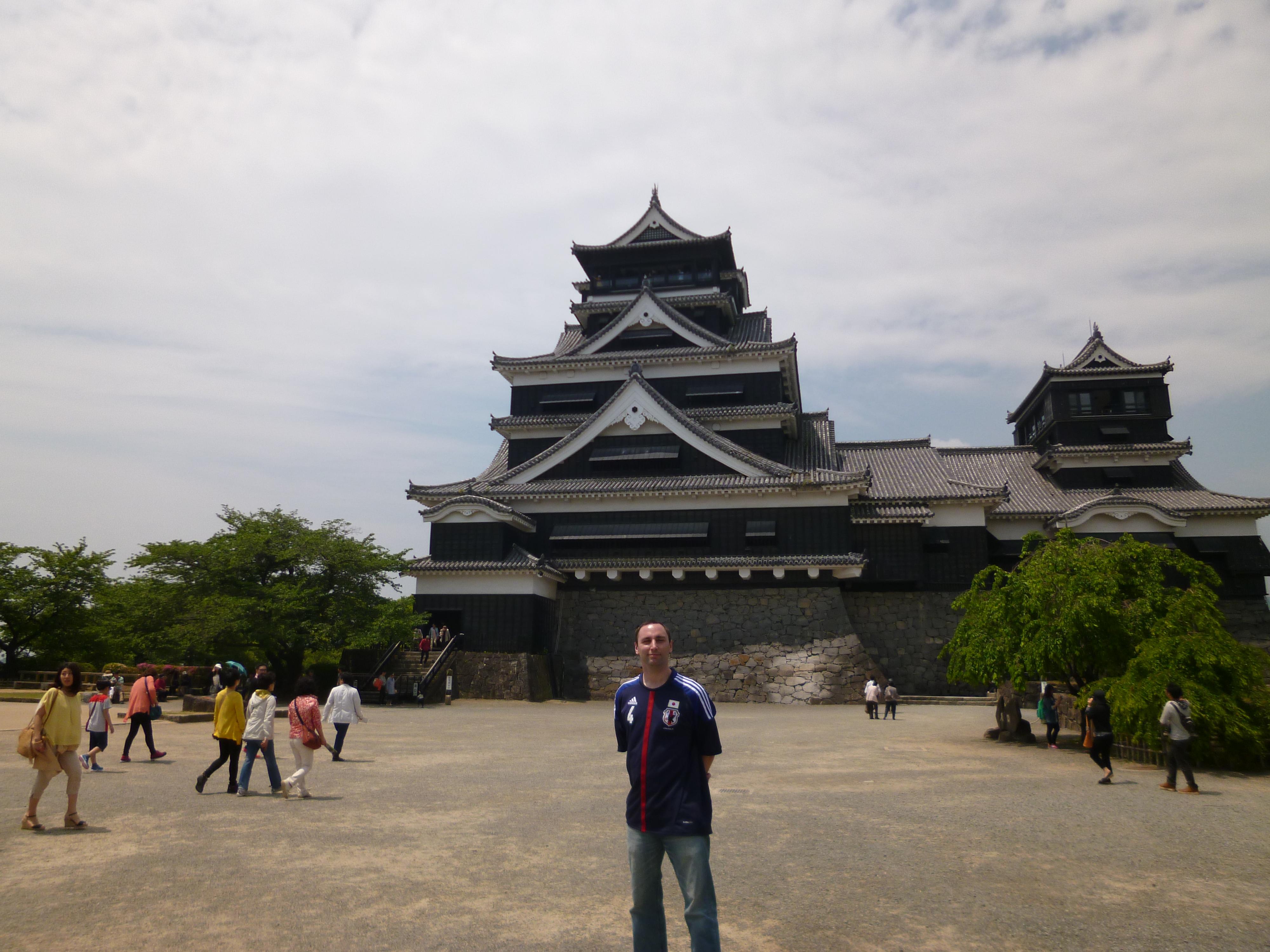
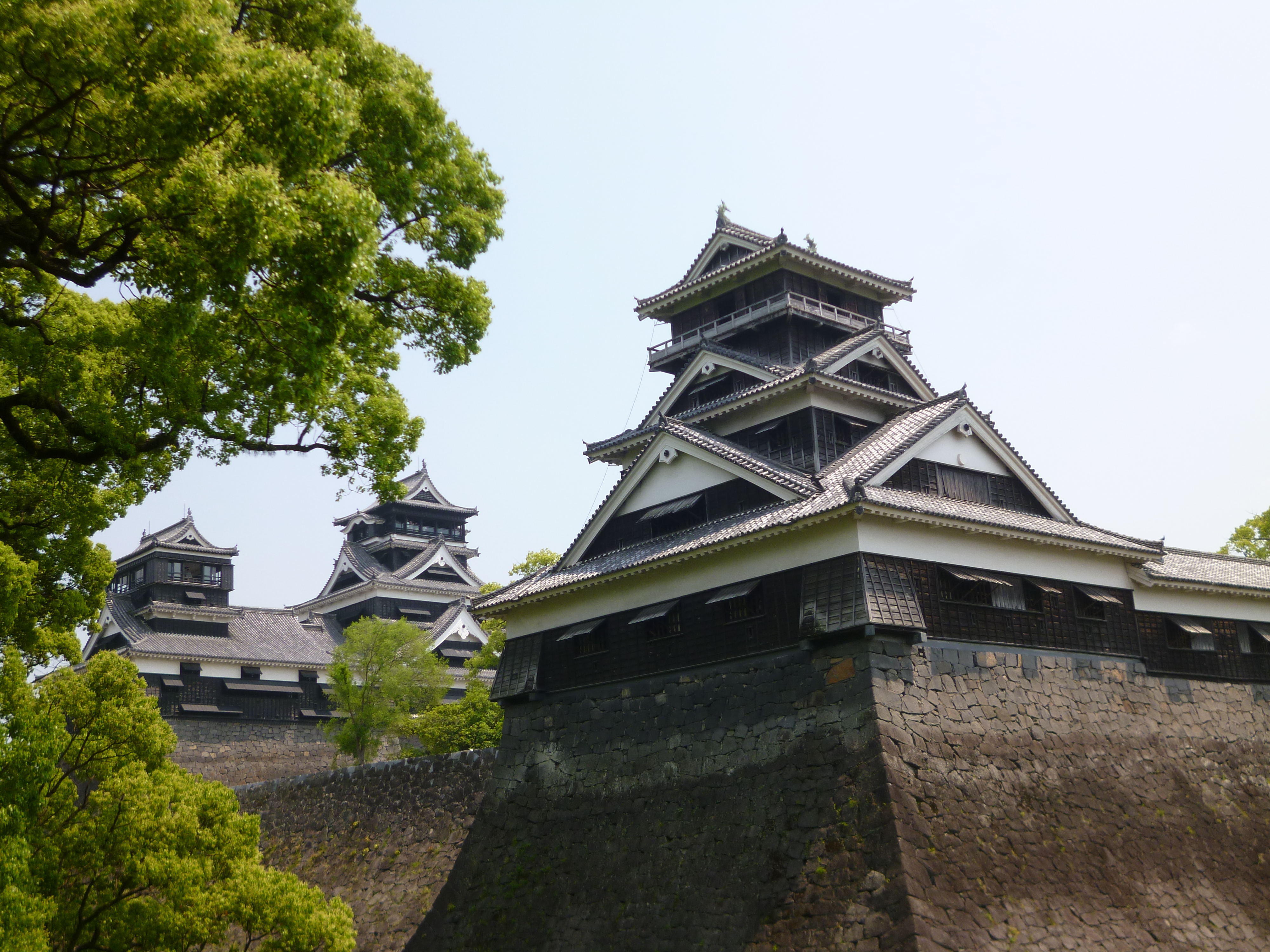
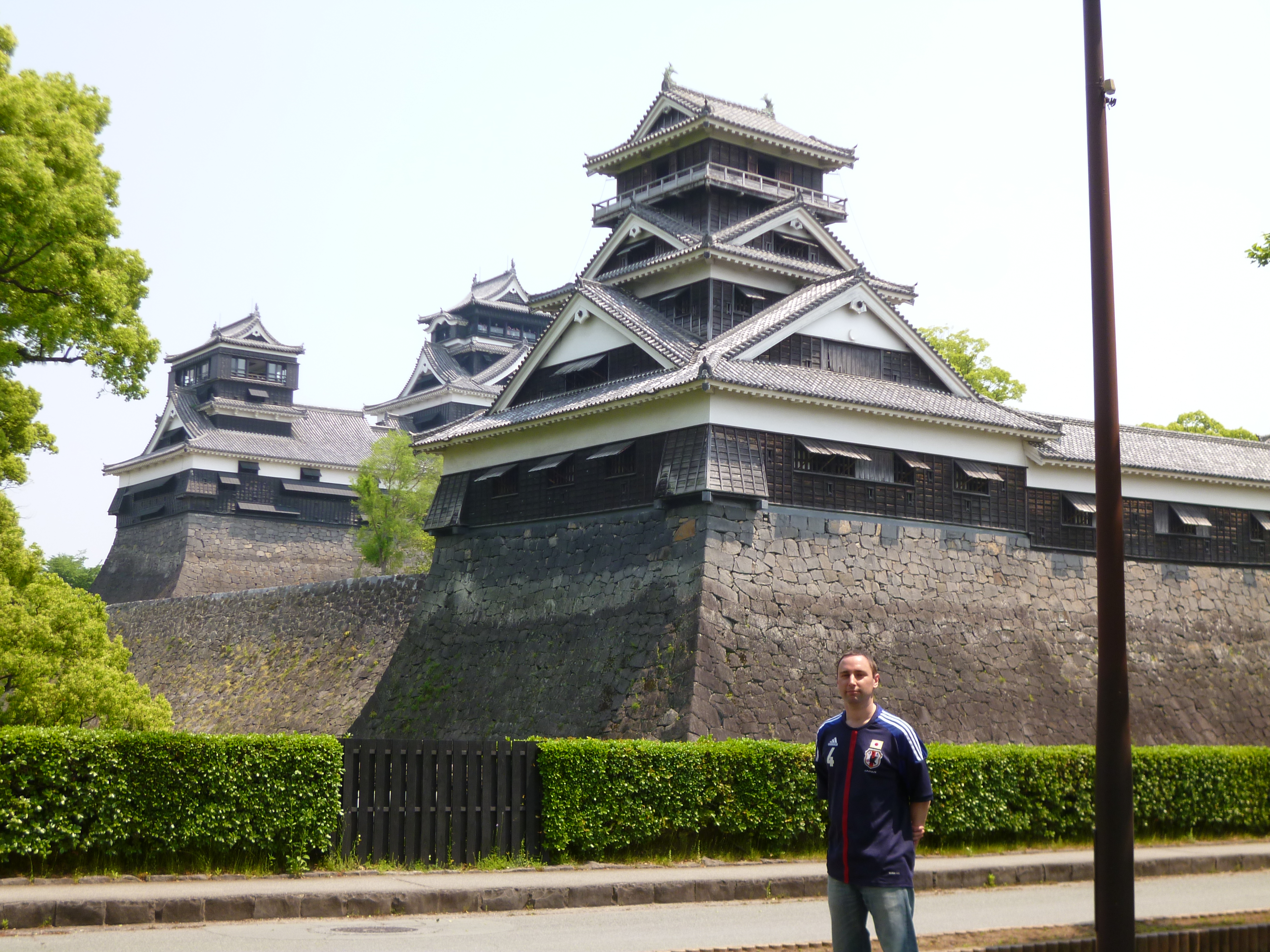
It was to only be a brief stop in Kumamoto to see the vast castle area which dominates the city. The outer area is free for all to roam around but it’s 500 yen to enter the inner area that hosts the main towers which were rebuilt in 1960. The largest tower stands about 30 metres tall (on top of the stone wall) and is a six-storied one whilst the smaller one next to it has four stories.
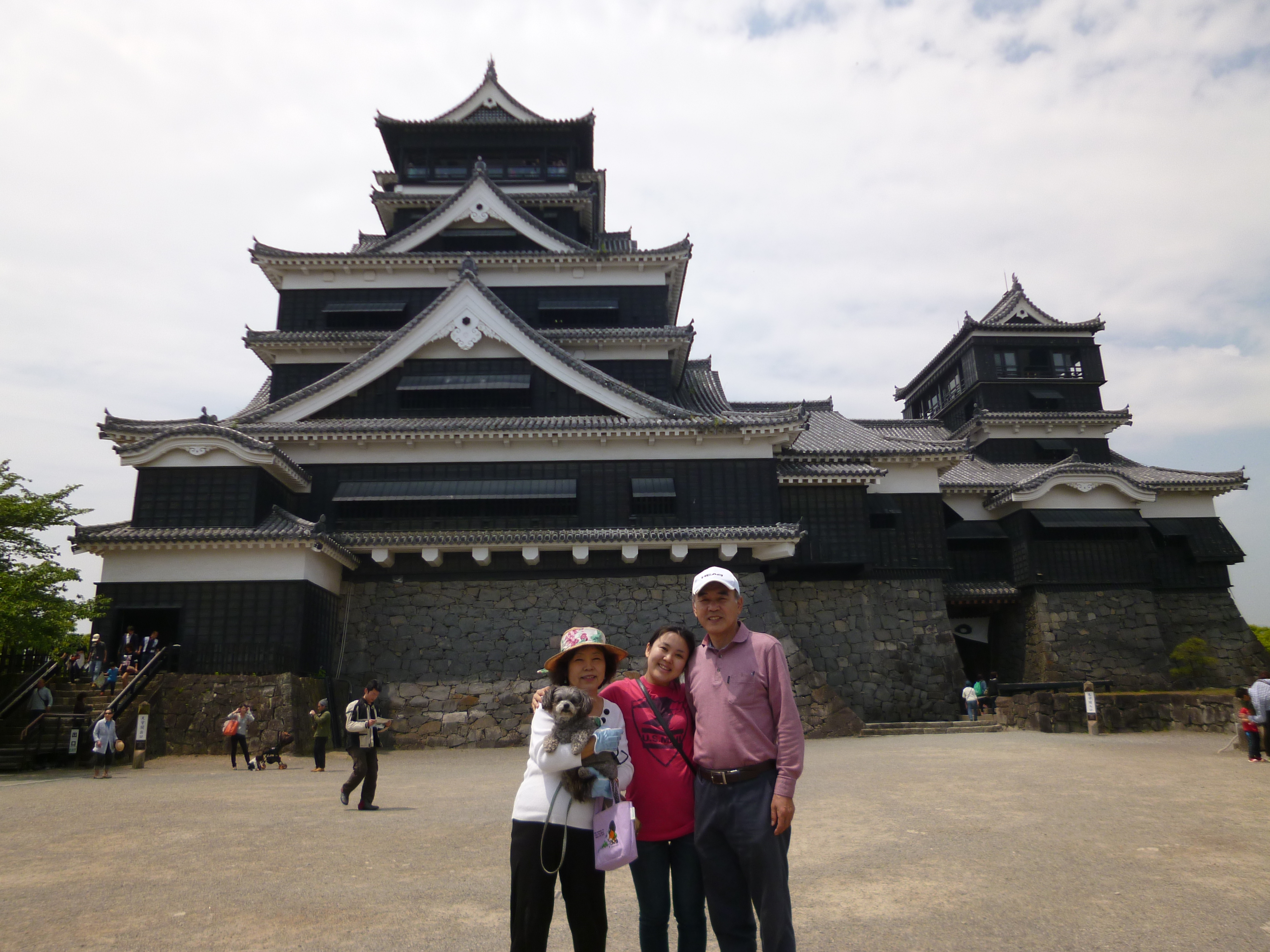
P1040697  P1040700  P1040703  P1040708  P1040713  P1040712

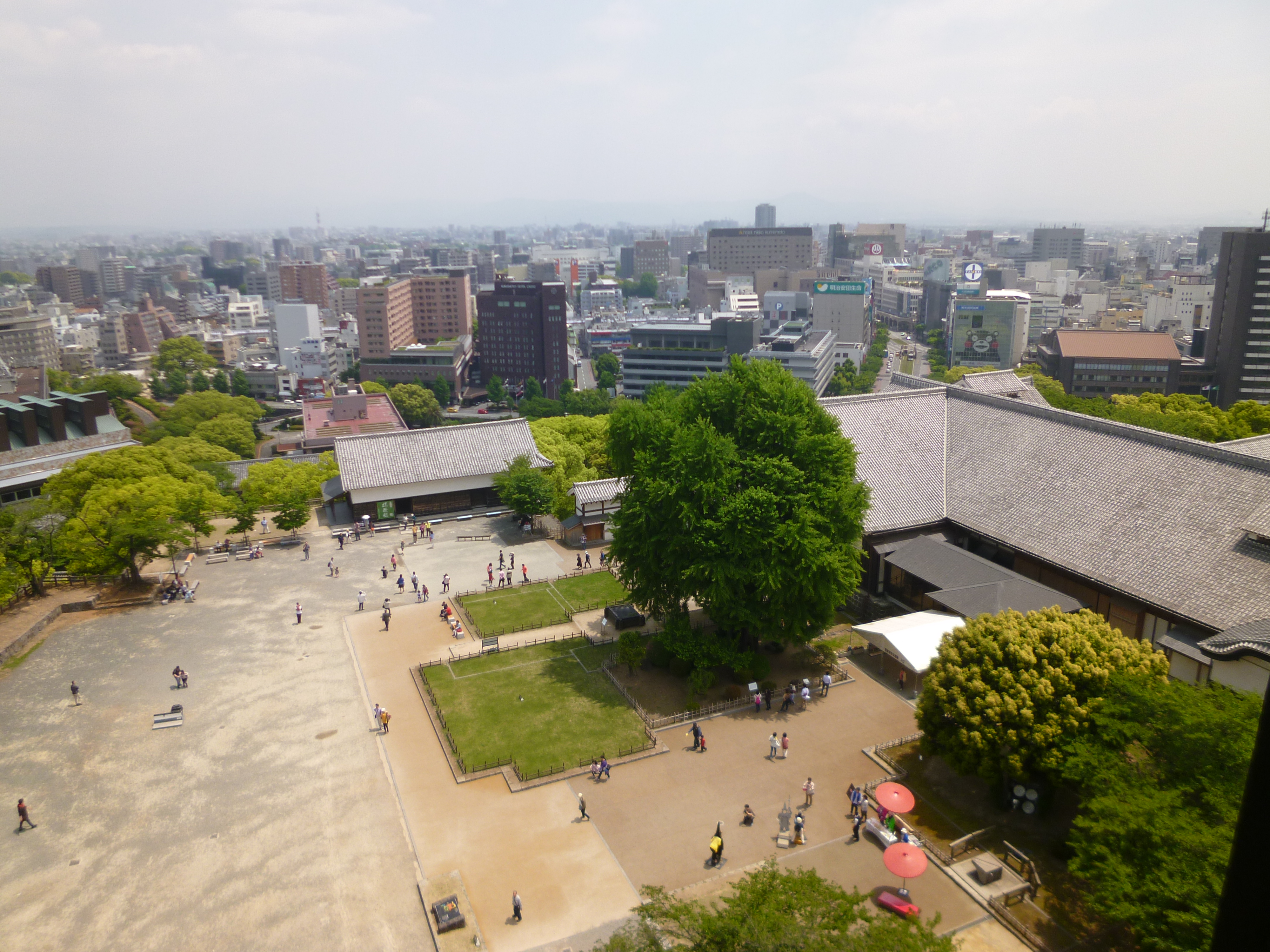
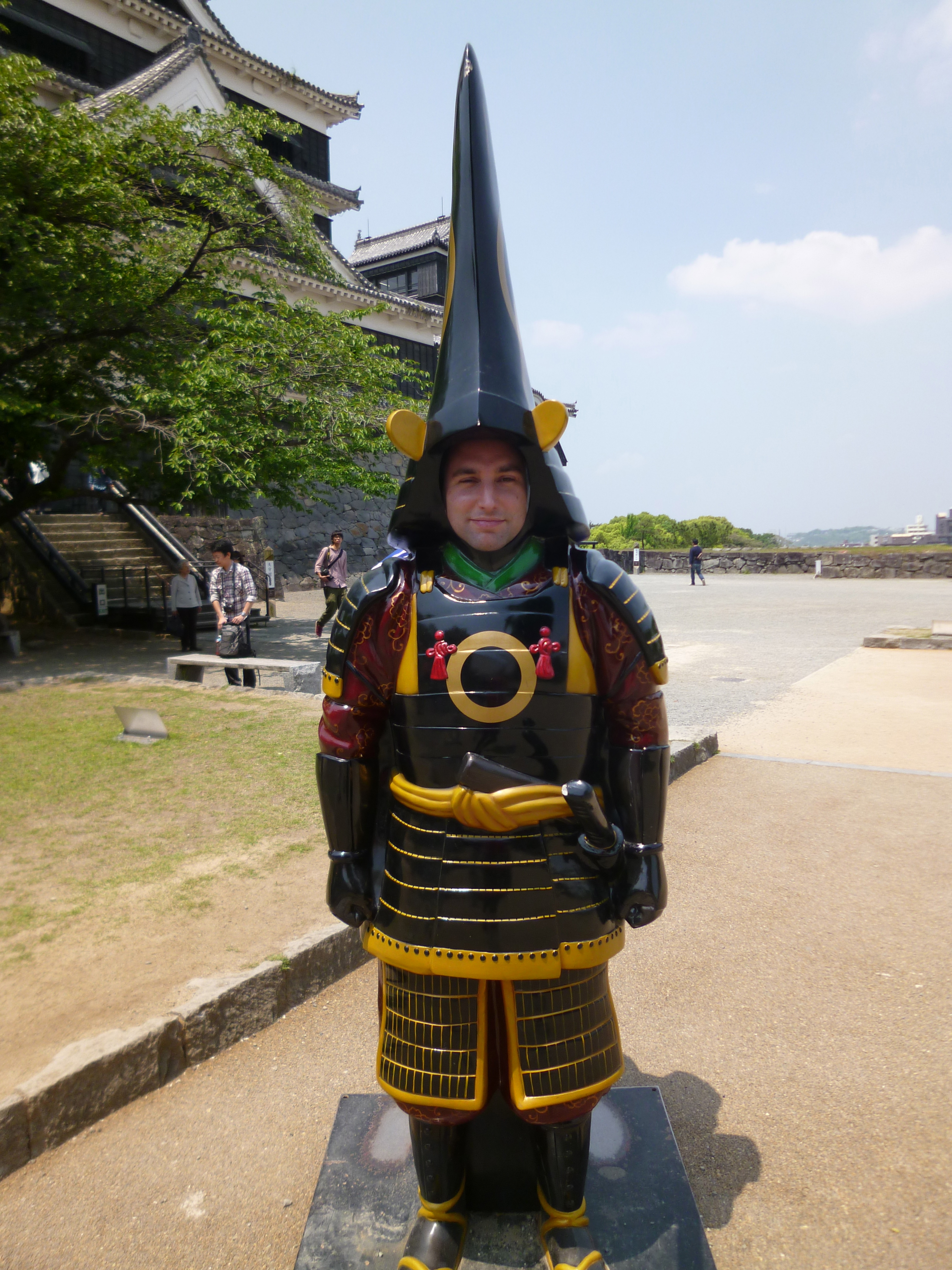
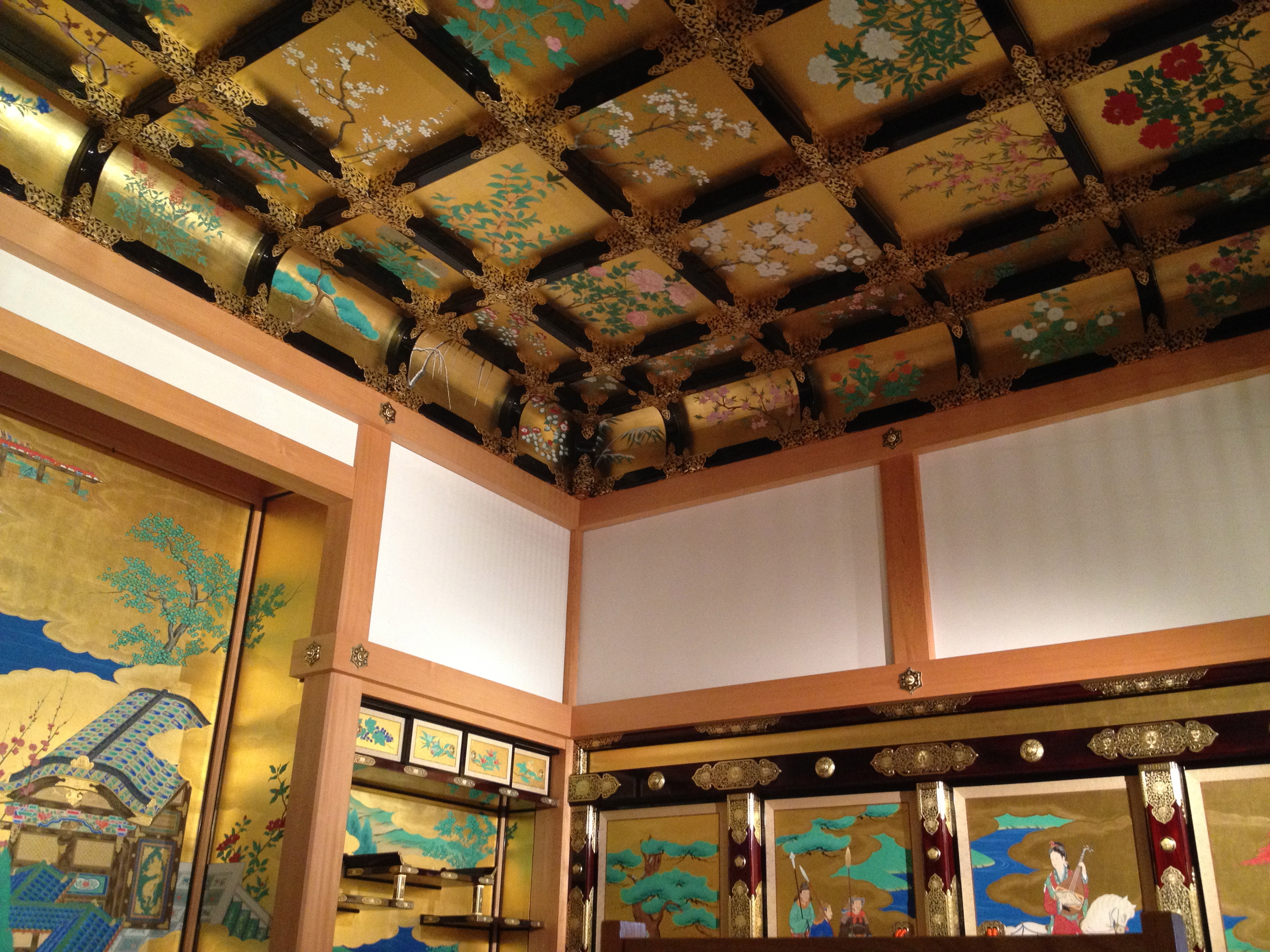
After a couple of cheesy photo shots outside the castle we went inside Hon-maru Goten Grand Hall which is a reconstruction of the original palace’s living quarters that were destroyed during the Seinan Civil War of 1877.

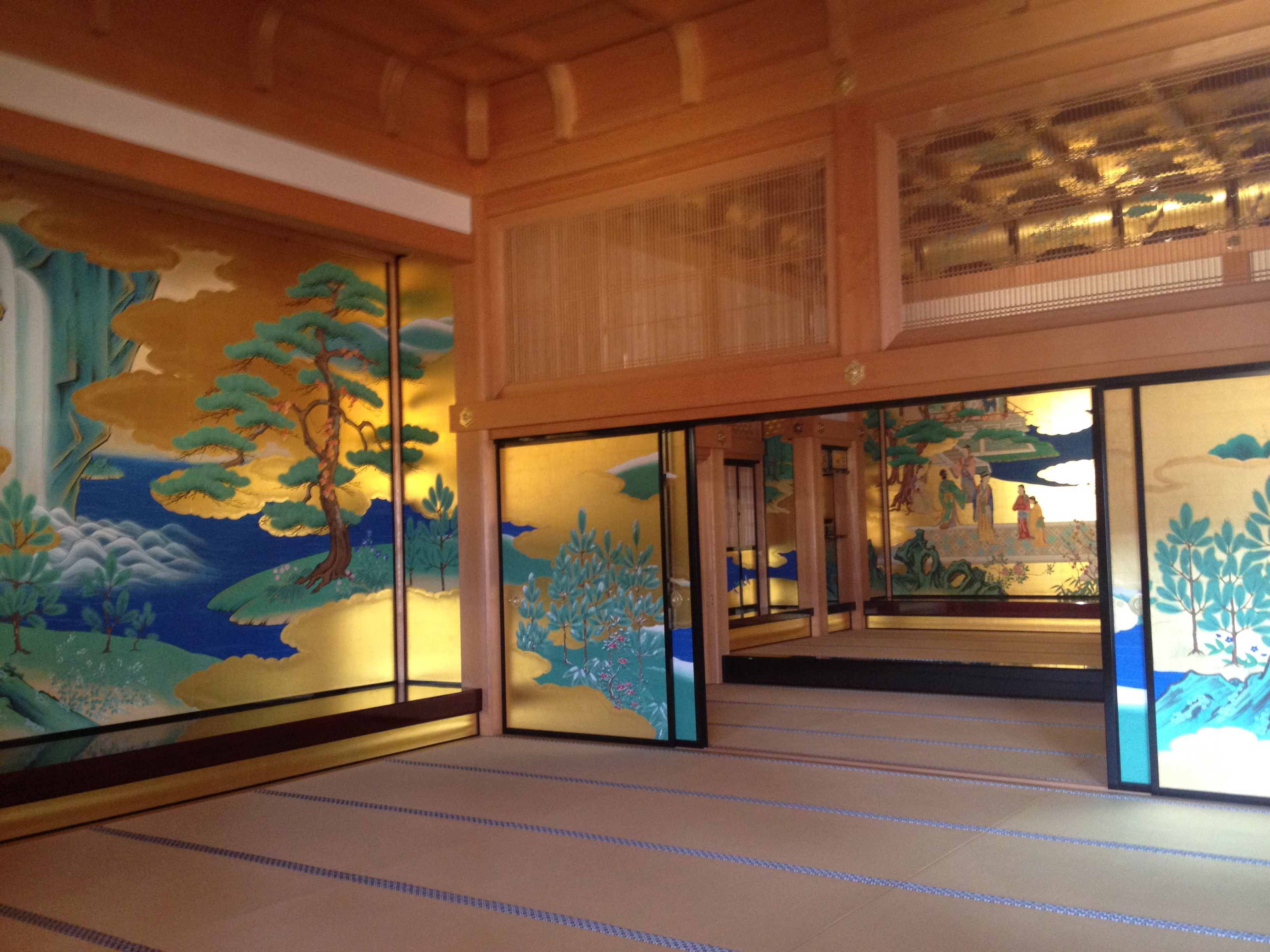
P1040714  IMG_4525  IMG_4526  P1040723

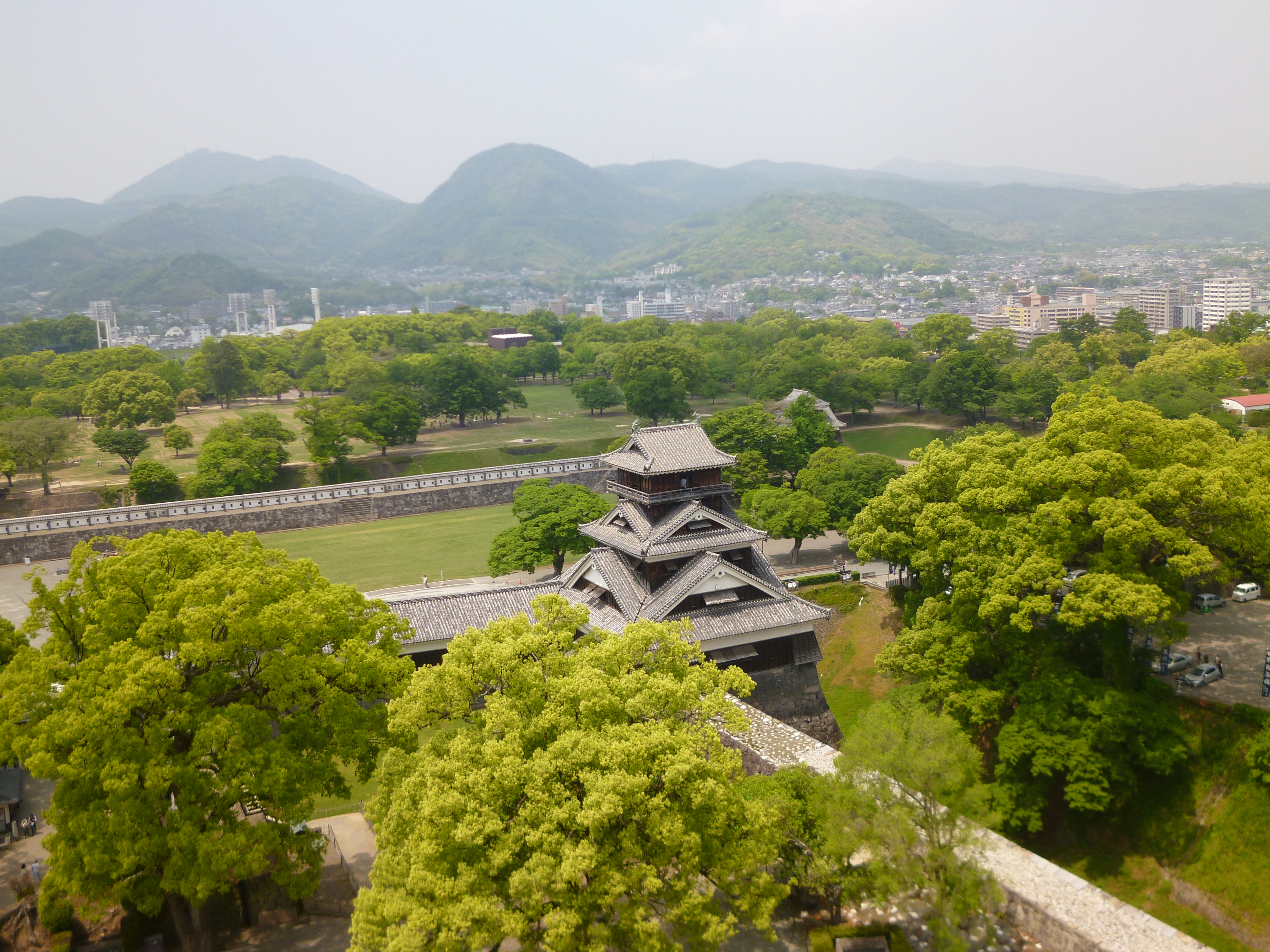
The 5-storied Uto Turret however is a survivor of that siege and dates back to the period of the castle’s construction. We ascended the steps of this place and were yet again rewarded with some pretty awesome views of the main tower and the mountains in the distance of some beautiful green countryside.
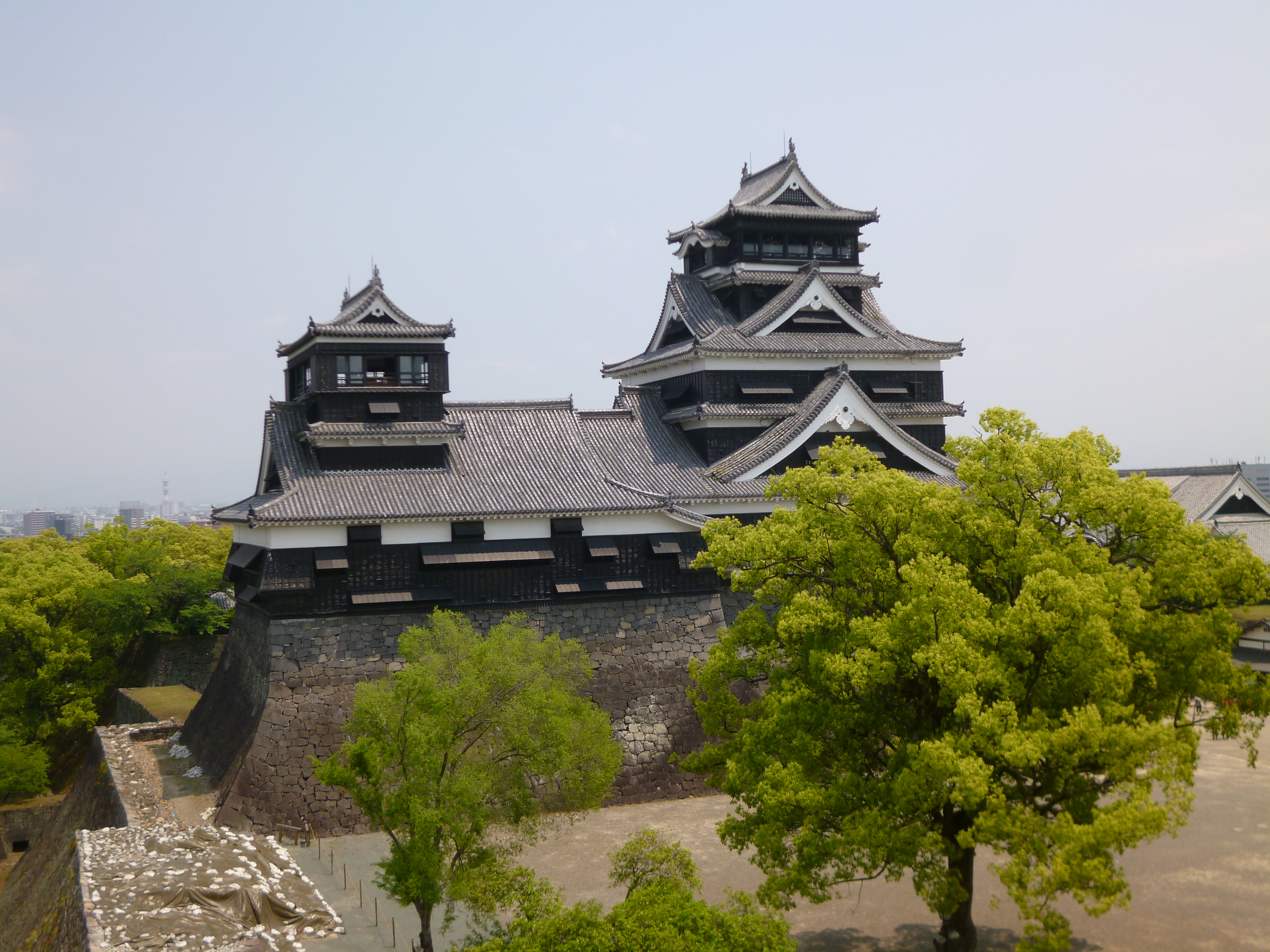
P1040720  P1040721

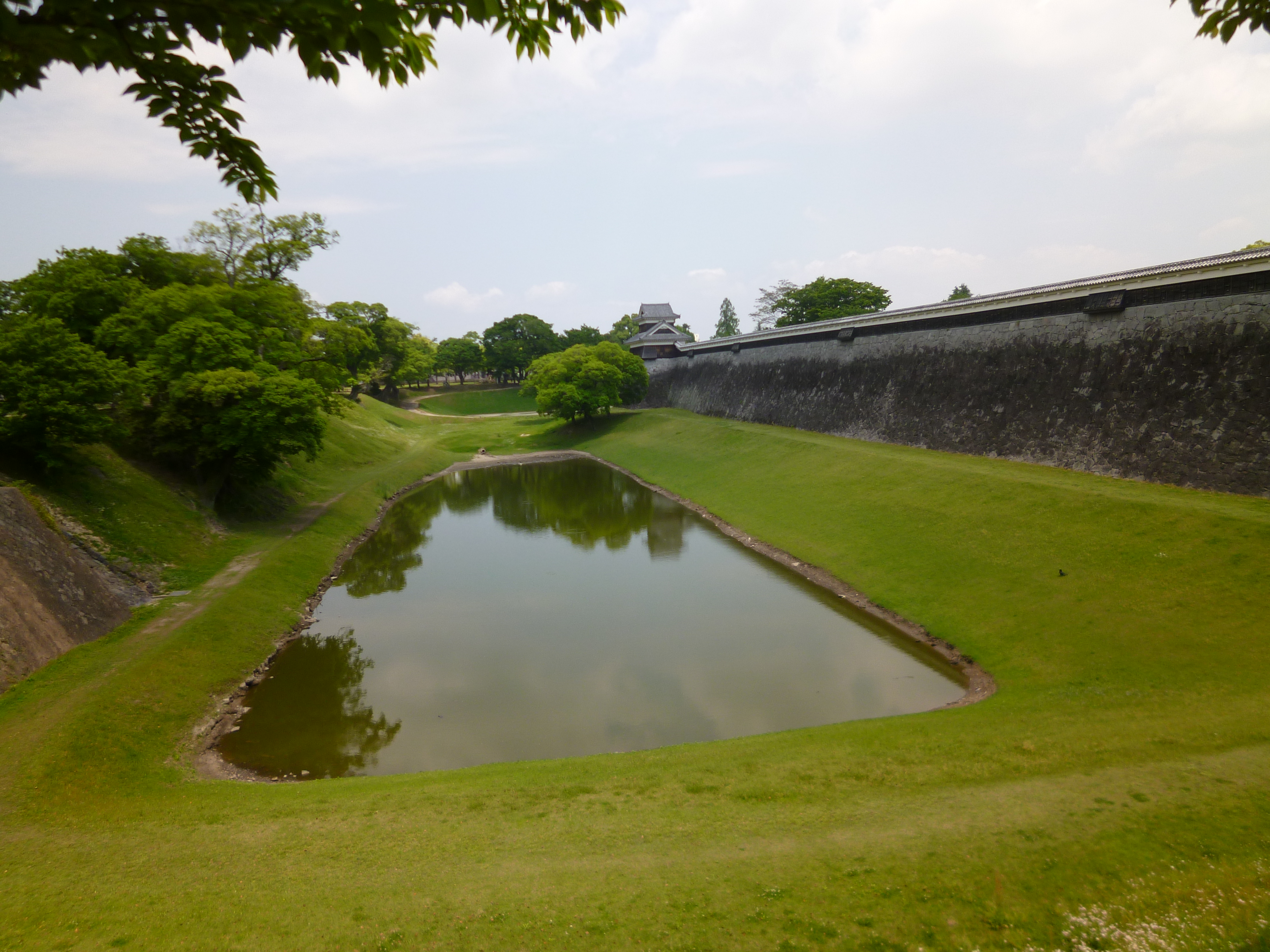
The signature of this castle is its steep curved stone walls which were designed to prevent attackers from penetrating the castle. It was constructed in 1607 and was designed by Kato Kiyomasa; a very knowledgable feudal lord who ruled the area. It seemed like my prospective father-in-law had a lot of respect and admiration for the experienced Kiyomasa as he proudly told me of how these fortifications are highly regarded for their strategic effectiveness.
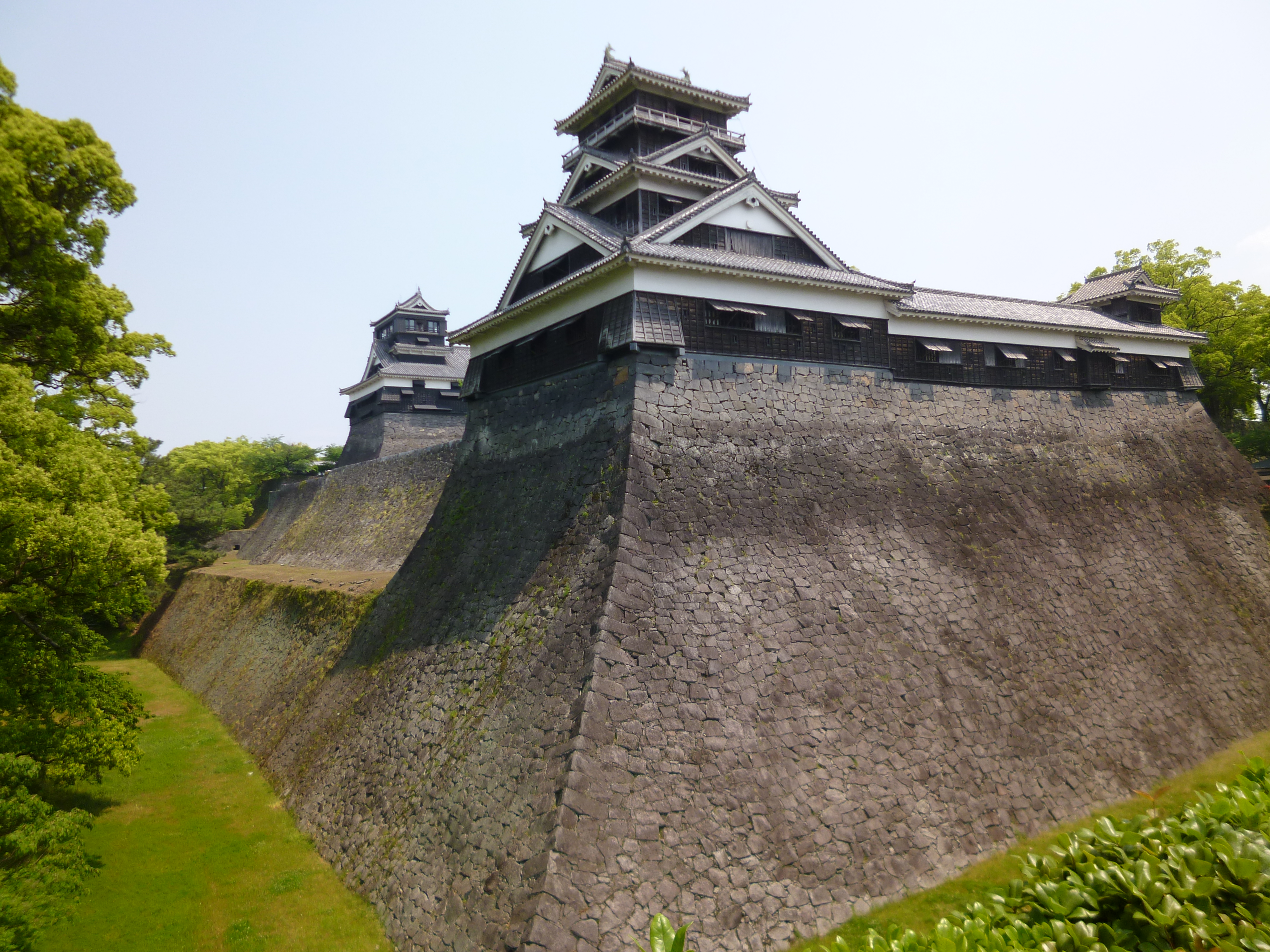
P1040724  P1040726  P1040728  P1040688

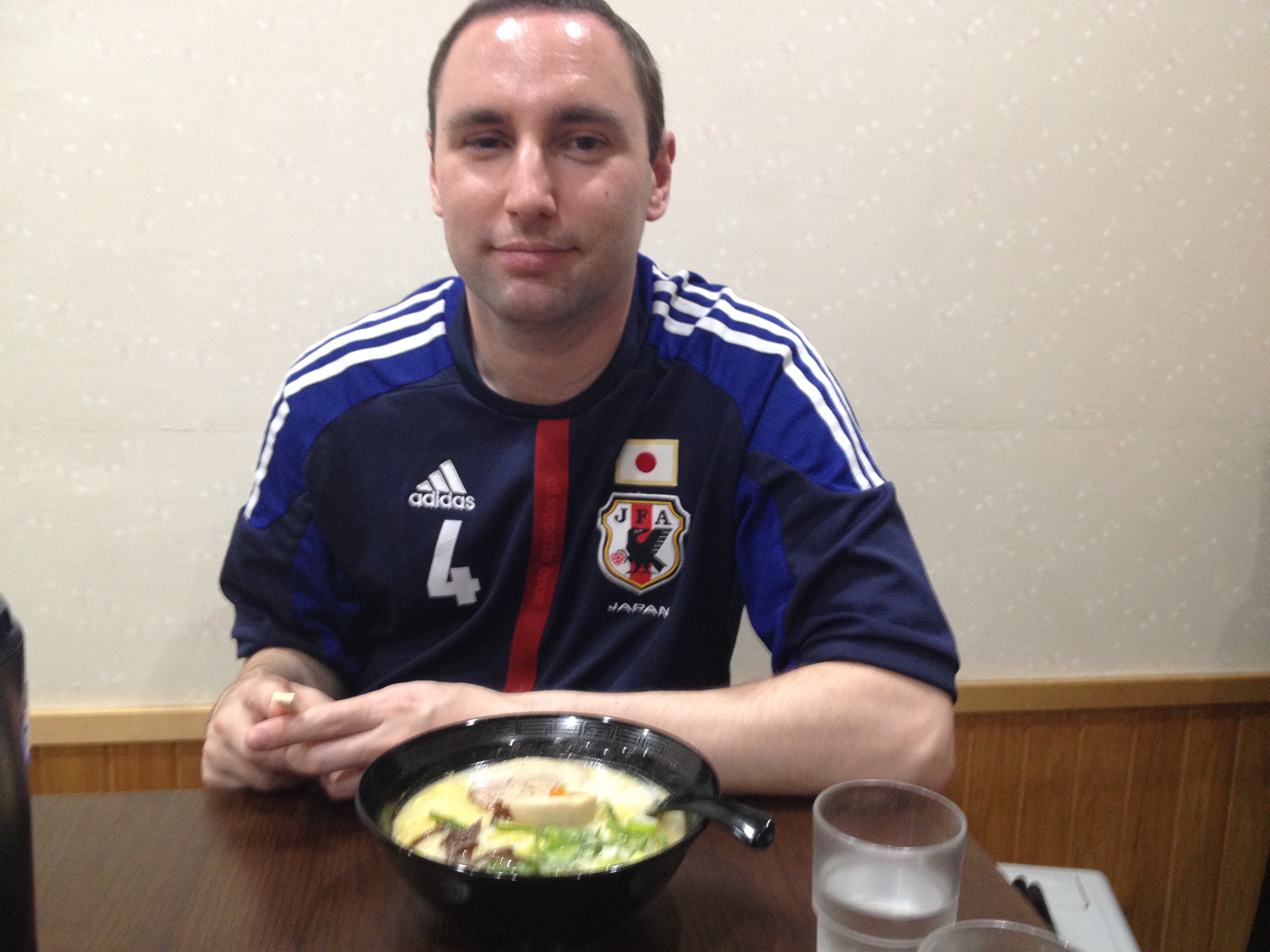
There was just enough time to sample a local dish by way of Kumamoto ramen at a local restaurant. There are of course many types of ramen all over Japan and this particular one is a variation of tonkotsu ramen with decidedly thicker noodles and a soup that was a bit more mild and lighter than its usual sort. After that it was time to move on to our next destination in Kyushu.

IMG_4530  IMG_4531

Posted in Japan Travel | Tagged , , , , , , , , | 3 Comments

Kyushu Trip 2014 Pt III: Day Trip To Gunkanjima a.k.a. Battleship Island

Ever since I saw some haikyo websites a fair few years ago giving details about this island I have wanted to go there and see it for myself. That dream finally came true in Nagasaki on the first day of this month when I treated my girlfriend to a trip to Gunkanjima a.k.a. Battleship Island as its appearance resembles the warship Tosa due to its surrounding sea walls and multi-storey concrete buildings.

P1040636  P1040631

This place was brought to the mass attention of the public when it featured in the most recent 007 film ‘Skyfall‘ (2012) but as Tokyo Fox explained in this article from last year it was sadly all faked on a Continue reading

Posted in James Bond, Japan Travel | Tagged , , , , , , , , | 14 Comments

Kyushu Trip 2014 Pt II: Old Nagasaki Prison & South Nagasaki City Area

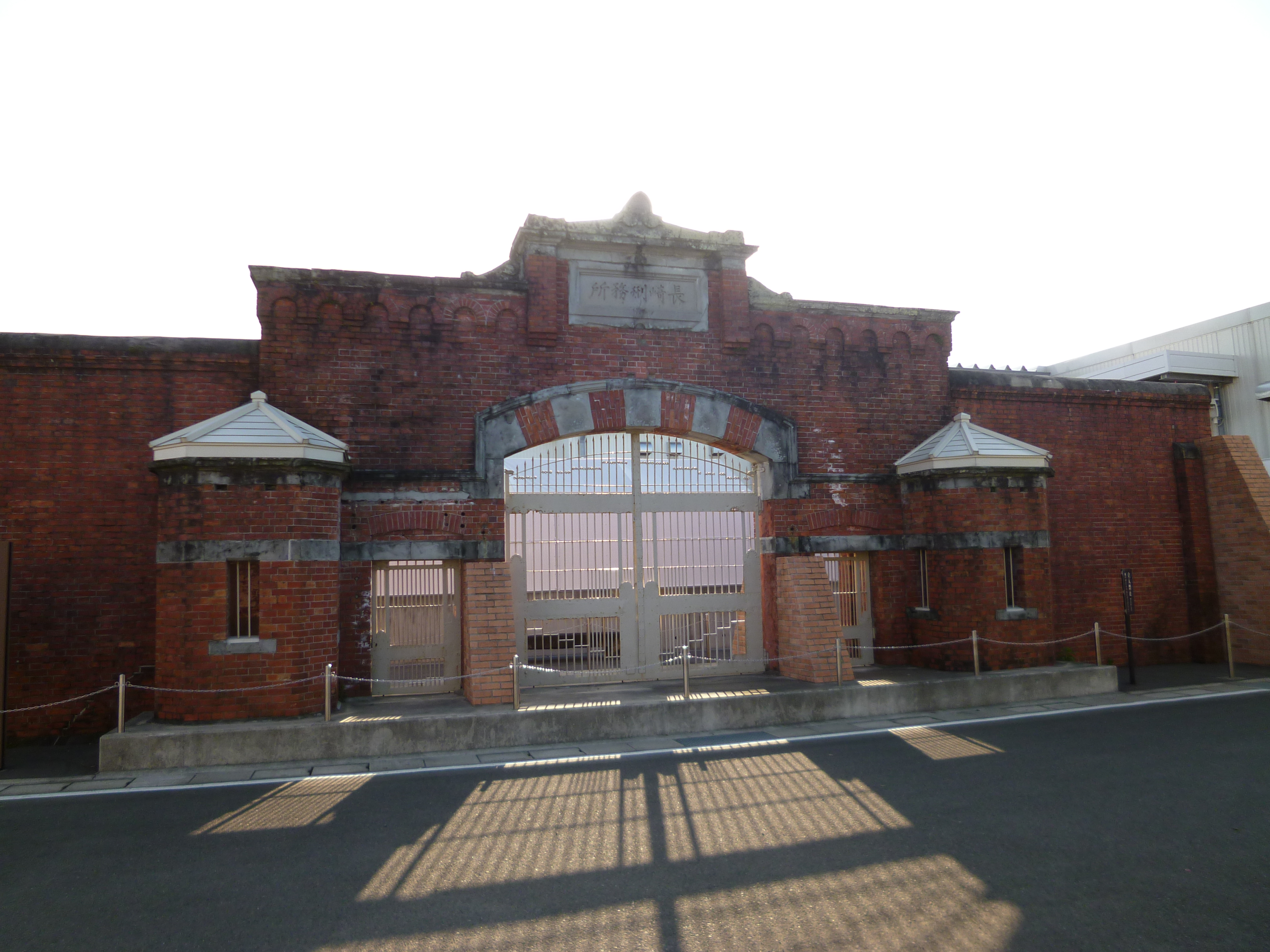
A few months ago I came across some very interesting pictures online of the old Nagasaki Prison which really caught my attention and made me want to visit the abandoned ruins on some kind of haikyo adventure. The prison in question is a 10 minute walk away from Hon-Isahaya station and during the afternoon on our second day I left my girlfriend behind to seek out the place. From JR Nagasaki station it took about 30 minutes to get to Isahaya station where I changed to the Shimabara Railway Line to go to Hon-Isahaya which was only three minutes from there and the first stop on the line. What I failed to do beforehand was read the articles on the place properly as I didn’t realise till earlier in the day that, apart from its front gate, it was knocked down in 2007! However, I was still intrigued enough to make the effort to check out what remained.

P1040680  P1040685  IMG_4514  IMG_4515

It was a long round trip due to having a long wait at Isahaya station on the return journey and in all honesty probably not worth it but I am glad that I did it and found out rather than not knowing! At the gate there are a couple of boards detailing a little about the history and geography of the old prison. Details of how to get there are at the bottom of this page.

P1040679  P1040687

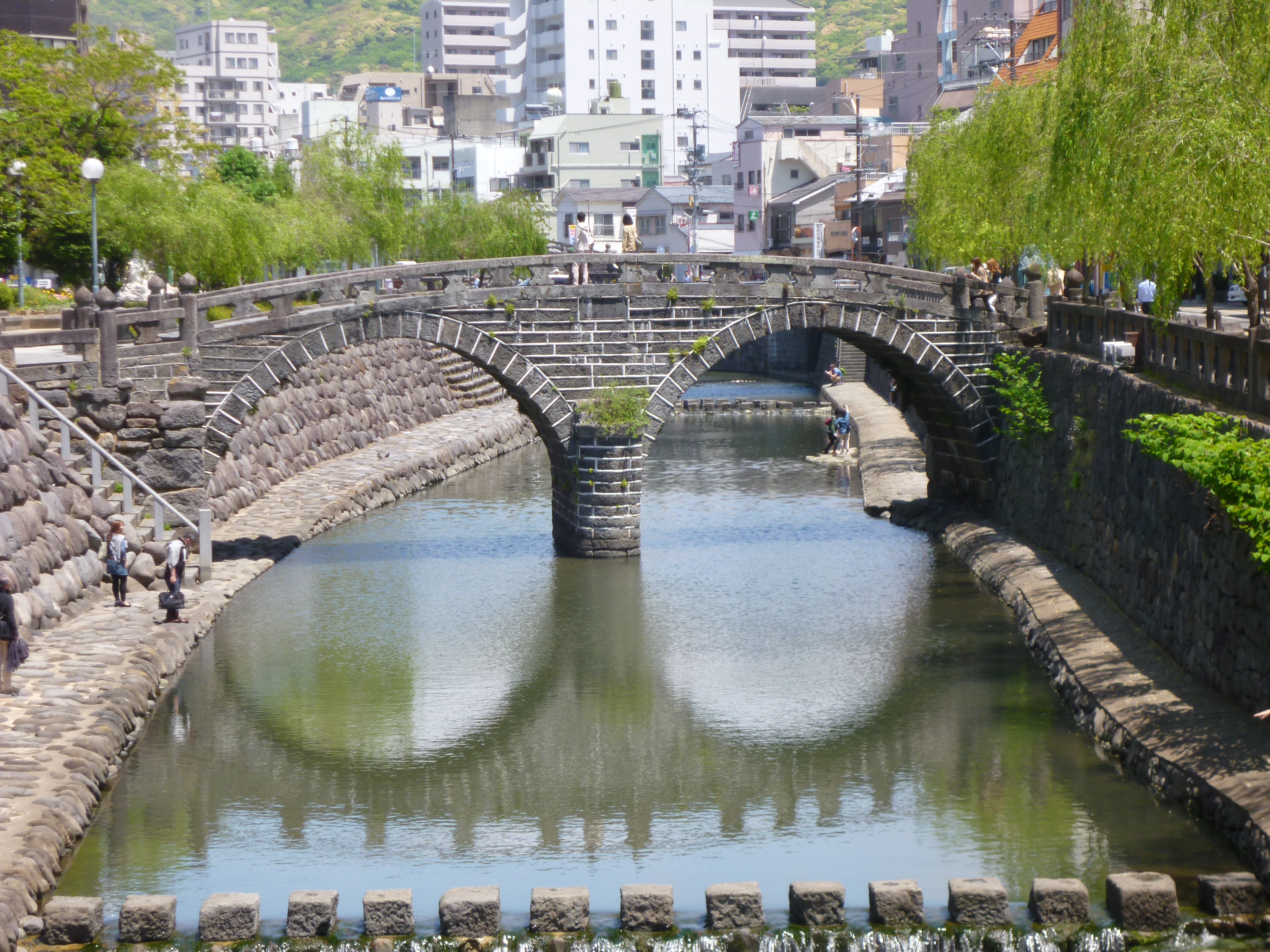
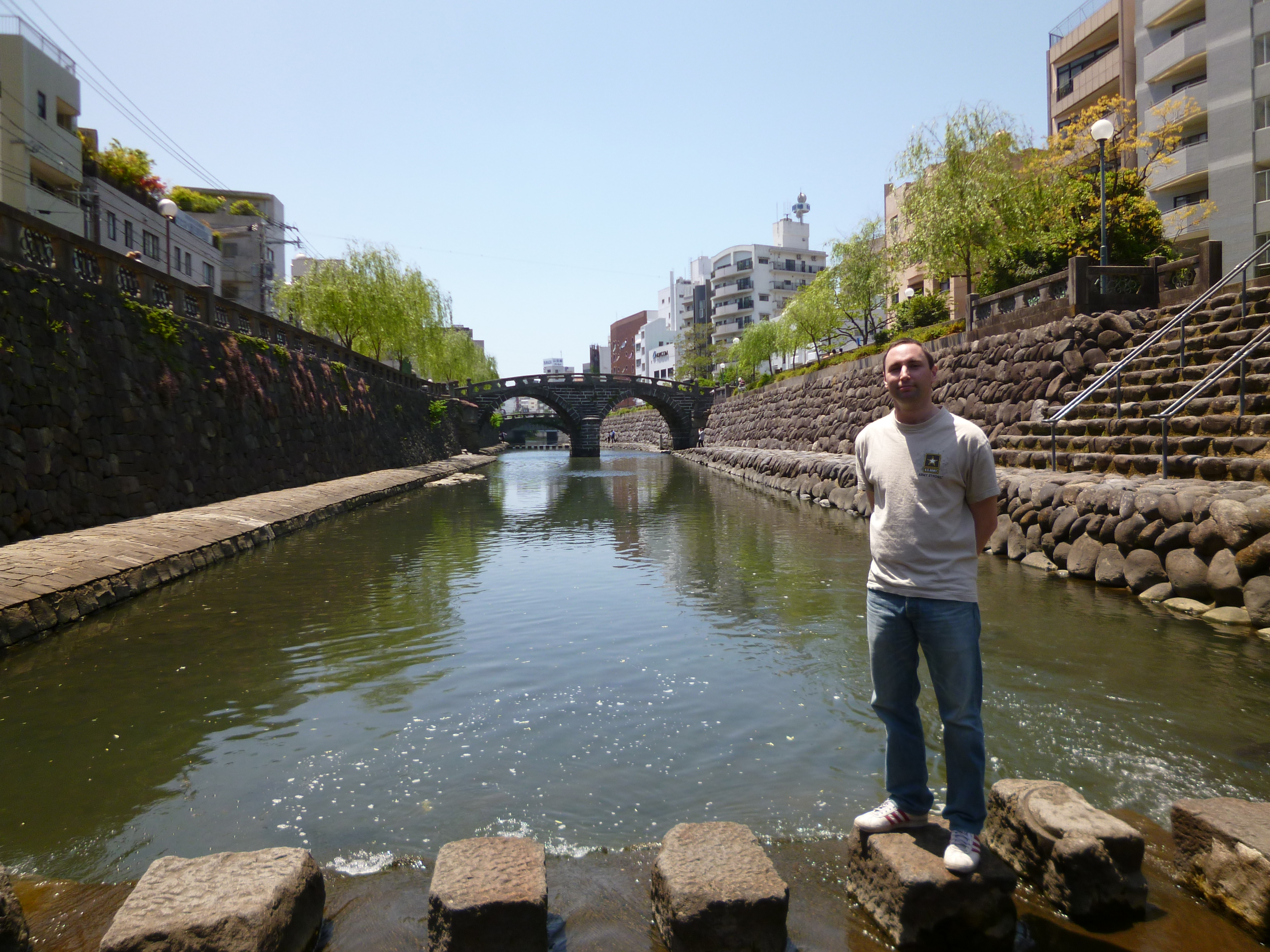
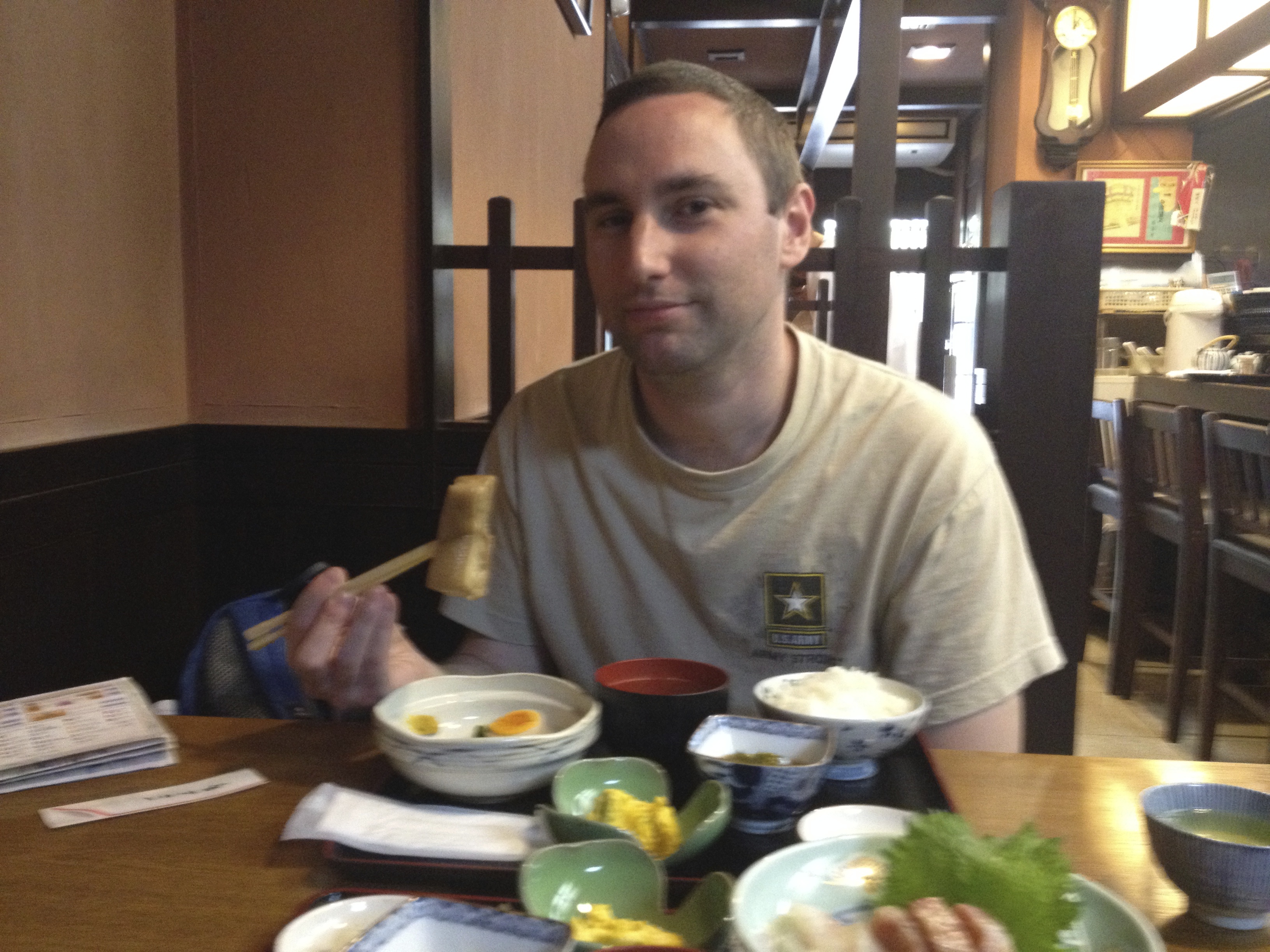
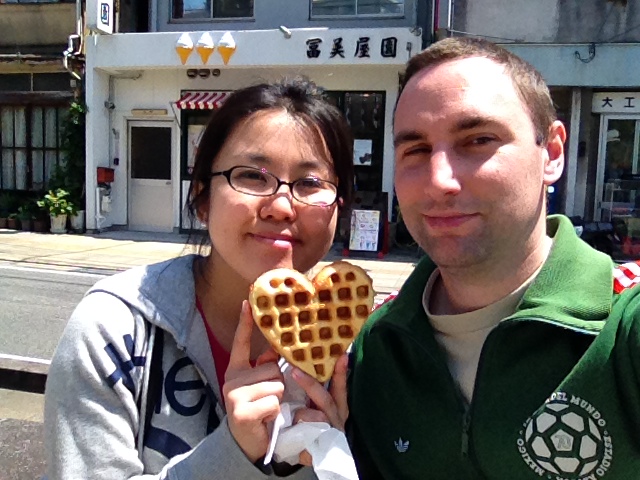
Earlier that afternoon we had gone to Megane-bashi a.k.a. spectacles bridge due to the shape made by the arches in the reflected waters. We had lunch right by the bridge at a traditional place serving up teishoku followed by a heart-shaped waffle at a nearby place which resulted in the cheesy shot seen below!

P1040650  P1040656  P1040655  IMG_4502  IMG_4506  IMG_4507

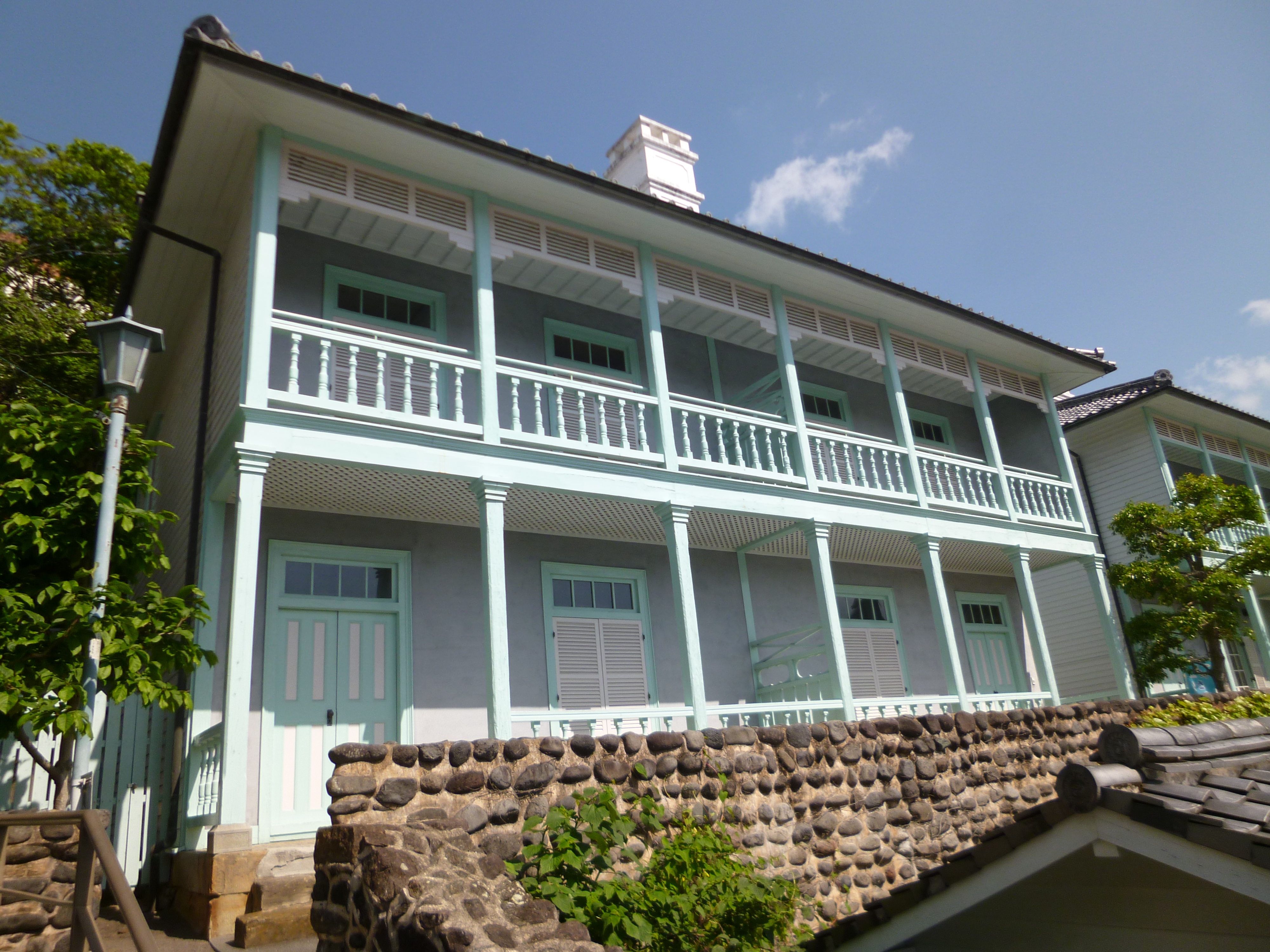
We then took another tram to the Glover Garden area but we didn’t go in the actual gardens. I’m sure they’re absolutely wonderful, and Glover may have played a huge part in modernising Japan, but we didn’t wanna spend the time or money (600 yen entry) looking around western-style houses and gardens when there were a few of the former on the nearby Dutch Slope area. Besides, western-houses aren’t exactly exciting for a western man like me to see when he’s in Asia!

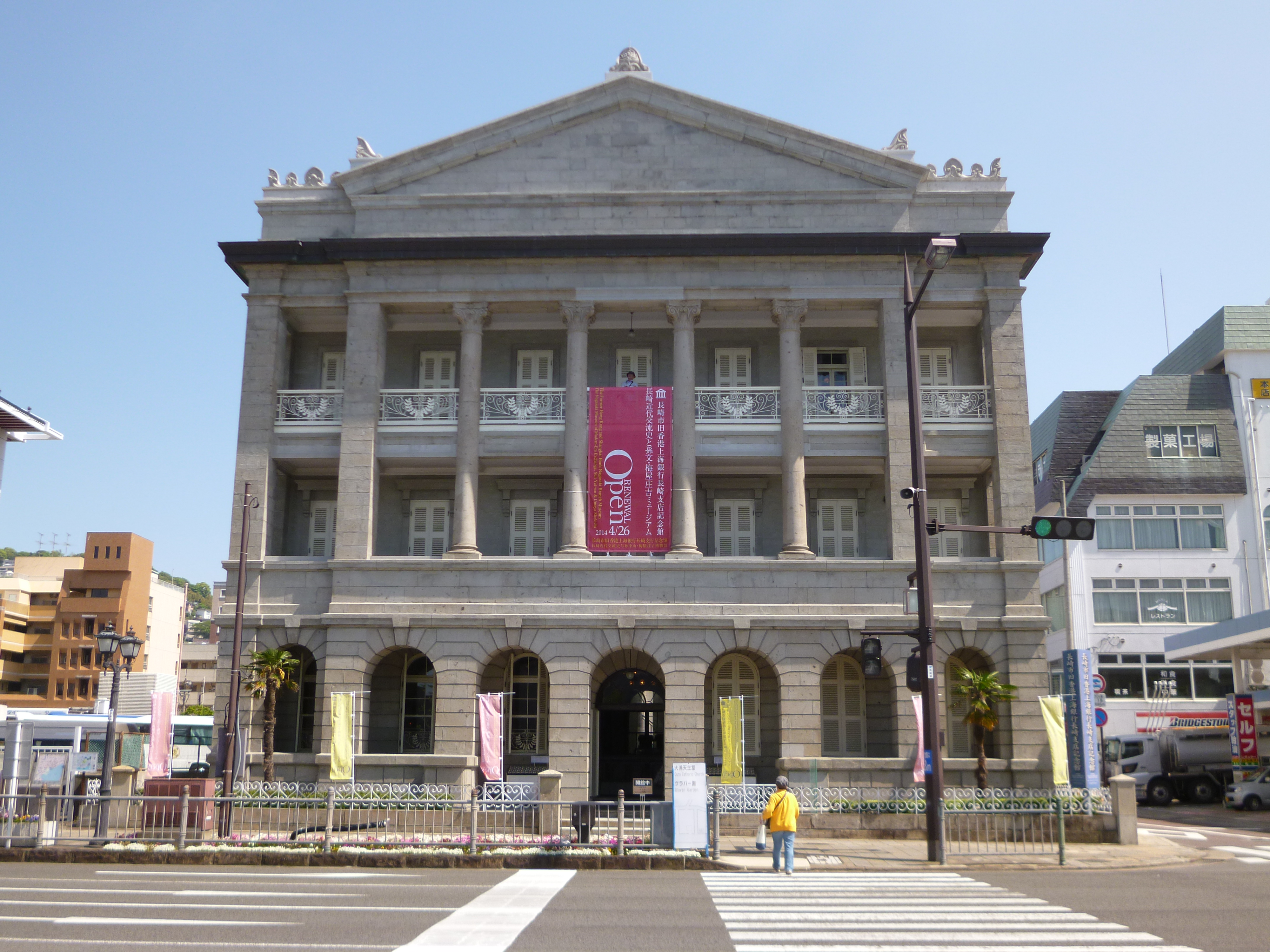
Beneath Glover Garden is Oura Catholic Cathedral which is Japan’s oldest remaining gothic-style wooden church. Nagasaki has an interesting history that goes beyond its bombing and that is its principal links to the west, particularly Portugal and Holland, with the former playing a major part in opening Japan up to Christianity (as well as firearms) which then got banned with 26 foreign priests and Japanese converts crucified in 1597. The religion continued to be practised in secret until it was made legal again at the end of the 19th century. This church (below) is dedicated to those 26 Christians. The former HSBC Nagasaki Branch Museum (below) was located at the bottom of the hill and is an interesting looking building.

P1040662  P1040664

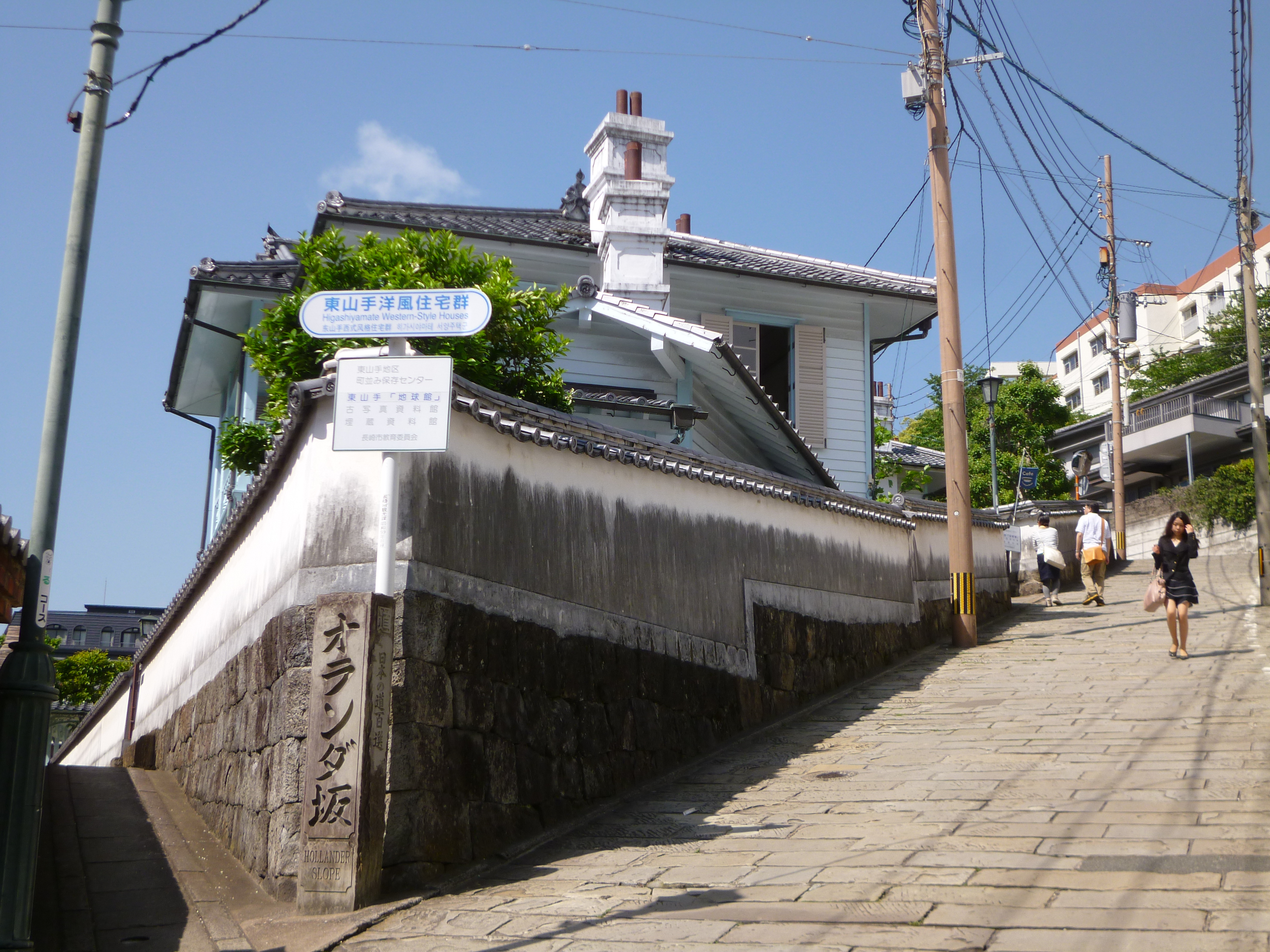
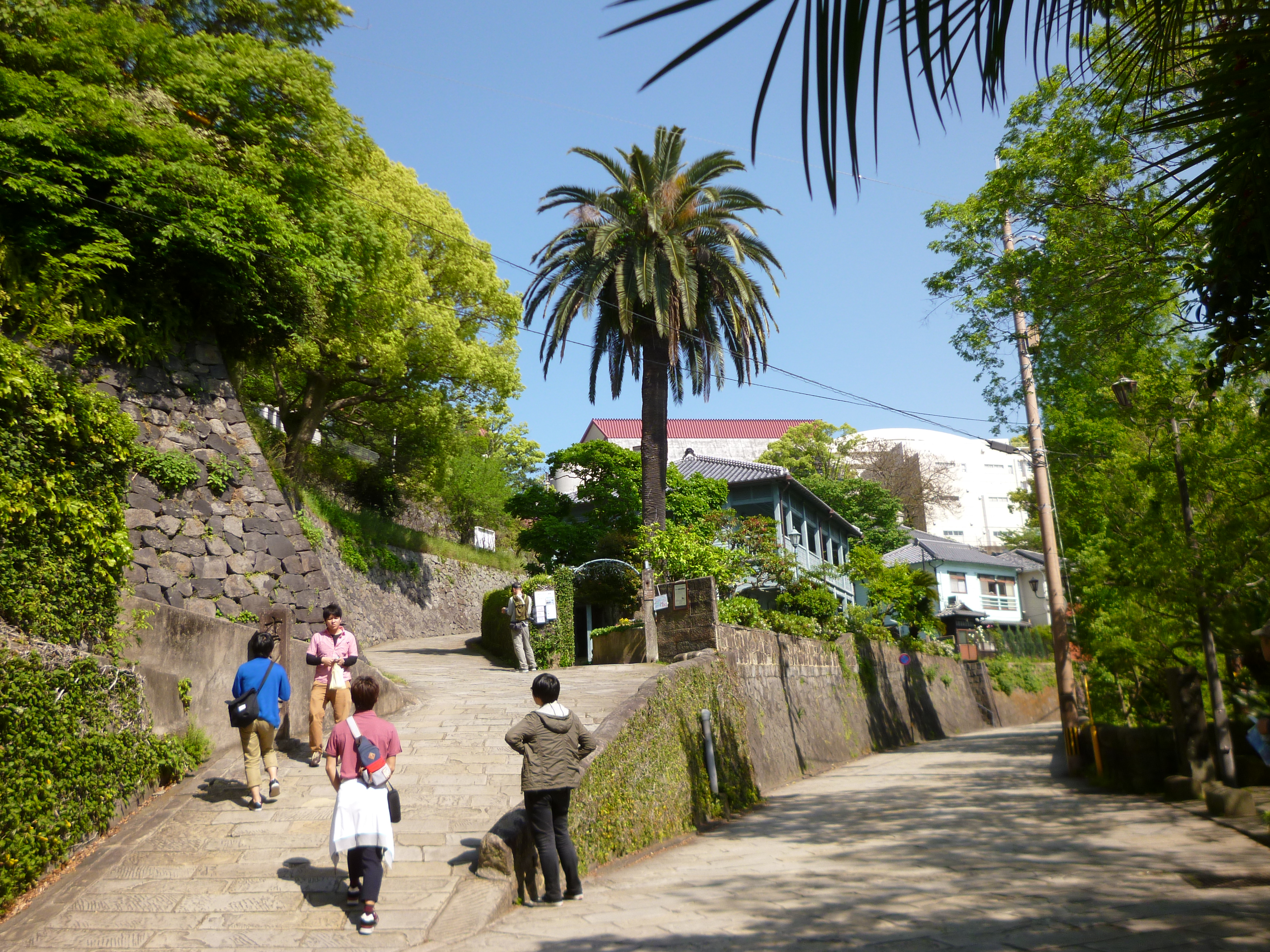
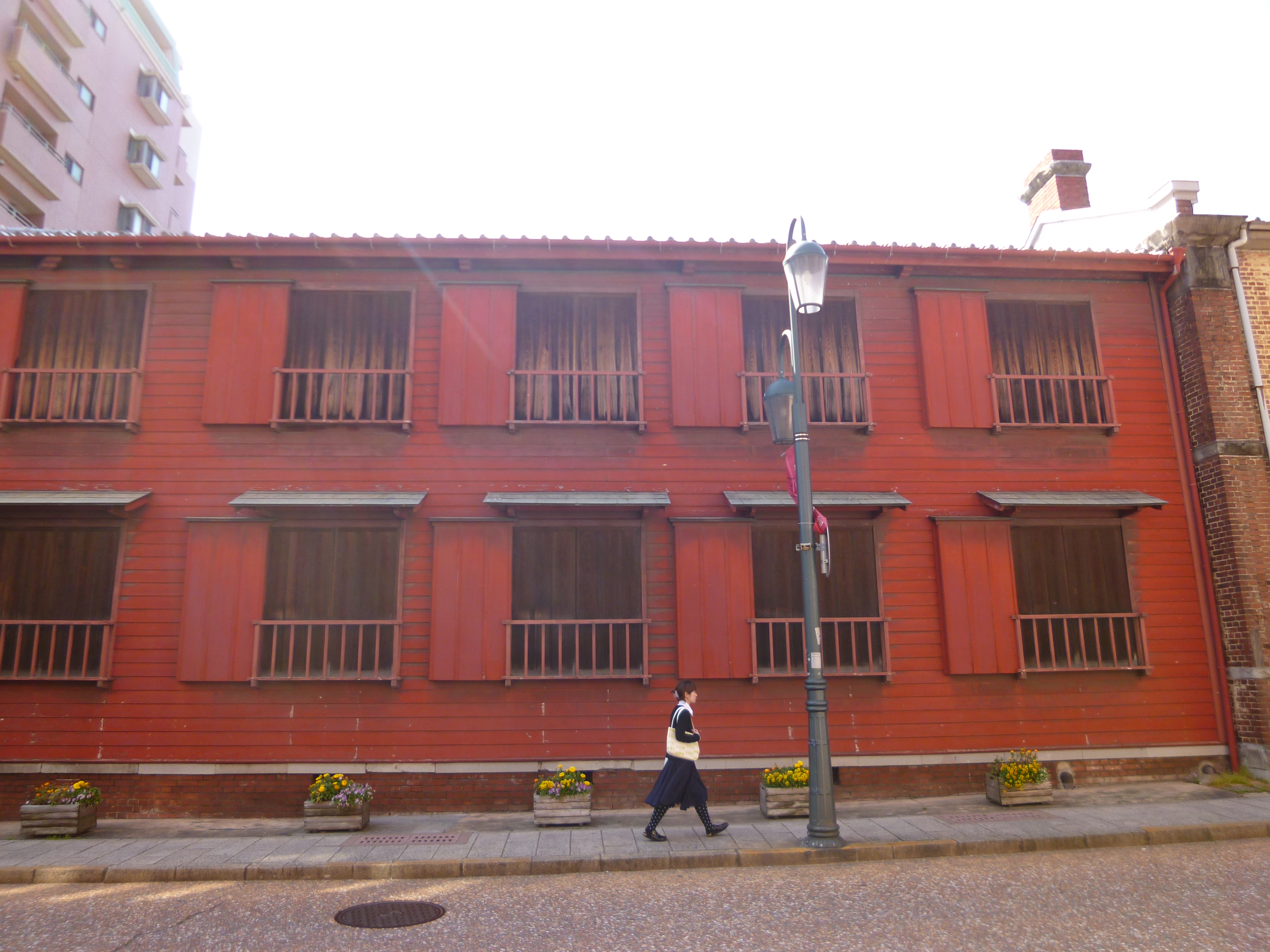
Hollander (Dutch) Slope (below) was intended to be the final part of our walking tour. Not so much of a slope but a gentle incline with a few western-style homes lining it amid a setting not too often seen in Japan. More interesting for me was the old rusty orange/brown coloured building just round the corner which used to be the British embassy.

P1040665  P1040668  P1040671  P1040677

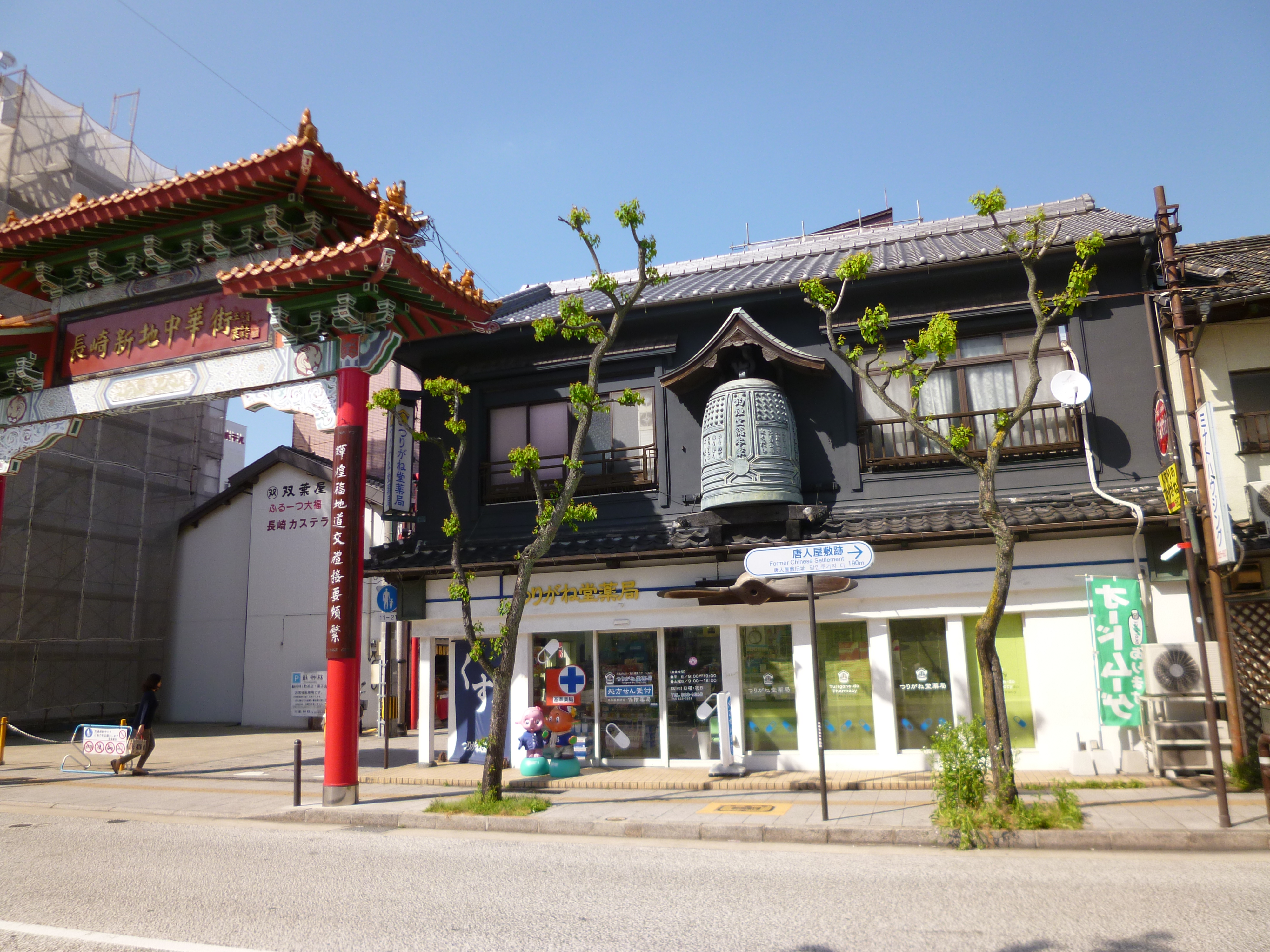
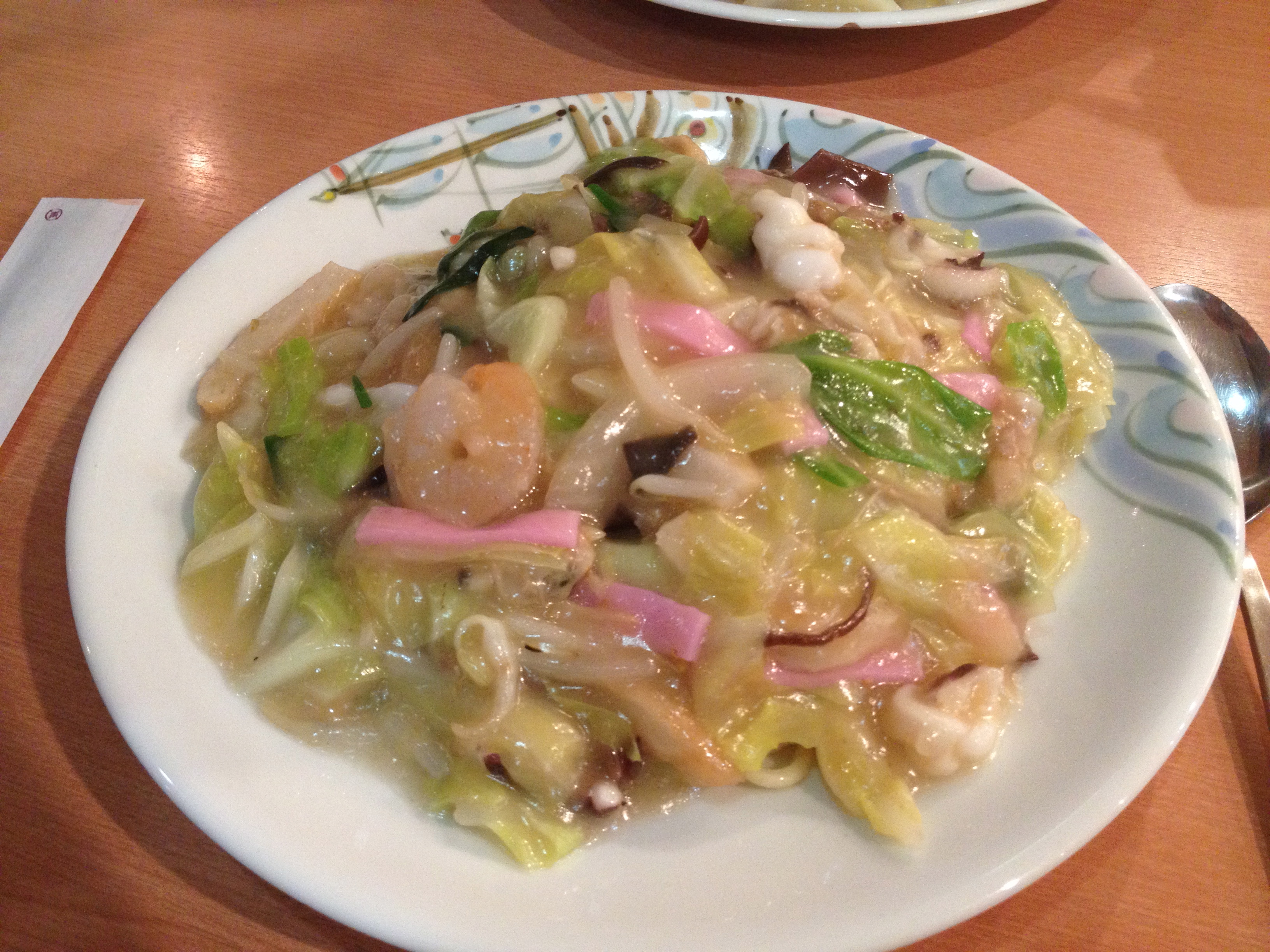
As it was quite close by we decided to continue on and had a quick wander through Shinchi Chinatown which was basically just one street and later on that evening we had another Nagasaki speciality; sara-udon (literally ‘plate noodles) which in this instance was chanpon noodles (as opposed to the more common thinner crispy noodles) with a topping of fried cabbage, bean sprouts, squid, prawns, pork and so on.

P1040678  IMG_4517

How to get to old Nagasaki Prison: Exit the station and turn right following the road for a couple of minutes. You then turn right at the point where there’s a shopping arcade going the opposite way on the left. Walk up the road for about five minutes and turn right when you see a sign for MaxValu supermarket. Hidden away behind the supermarket is the Old Prison gate and nothing much else!

Posted in Japan Travel | Tagged , , , , , , , | 5 Comments

Kyushu Trip 2014 Pt I: Nagasaki (Urakami Area)

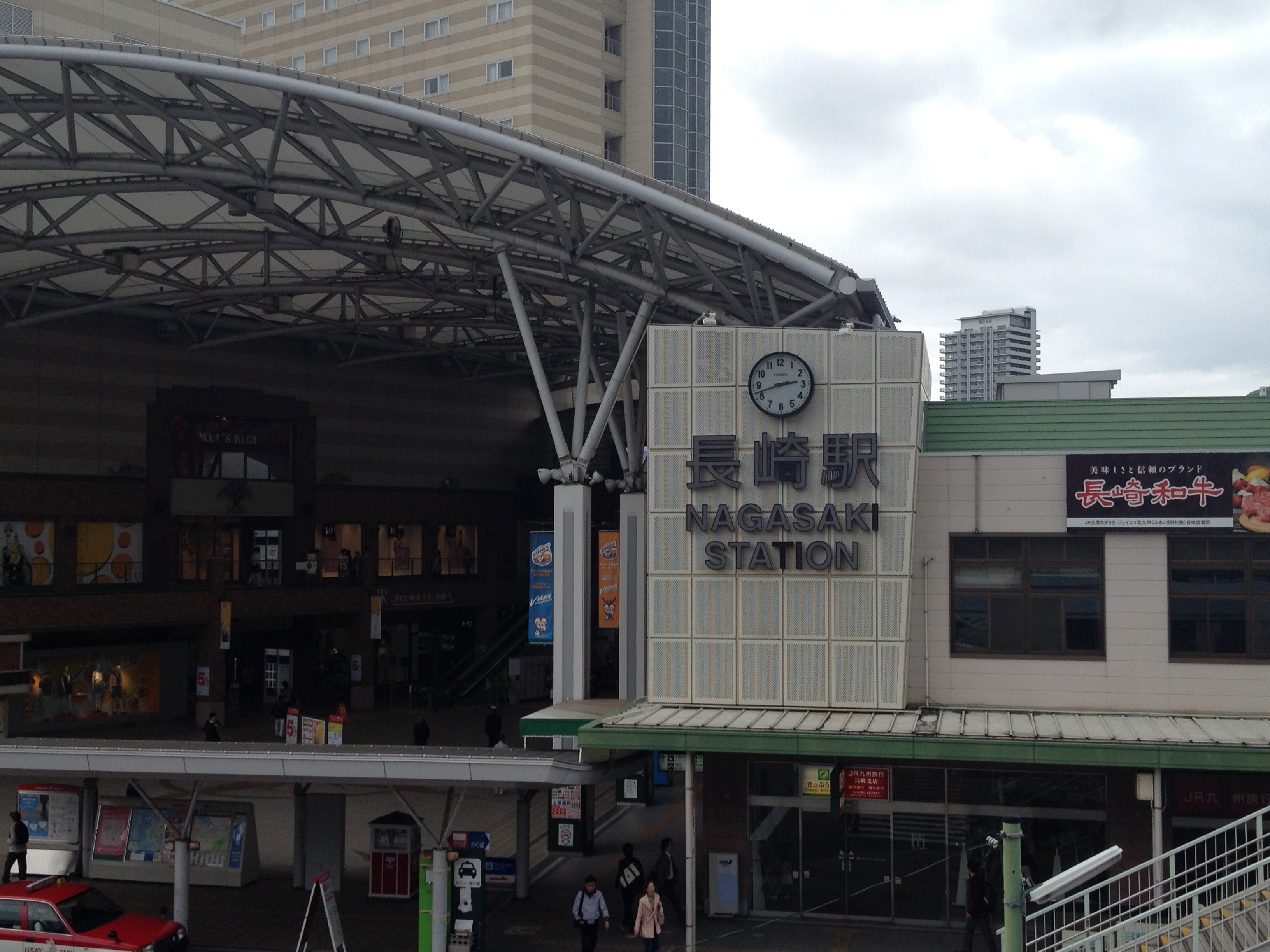
When thinking of Nagasaki first thoughts sadly but inevitably turn to the atomic bomb that was dropped on the place on August 9th, 1945. The ideal place to start our Kyushu adventure then was in Urukami; the hypocentre of the explosion which was a grave reminder of the past. First things first though and some food at Nagasaki station which the area is famed for. Kakuni manjyu is basically a bun with a very fatty chunk of cooked pork inside it and was so delicious that I went back for a second one despite its price being a little steep at 360 yen a pop.

IMG_4472  IMG_4470

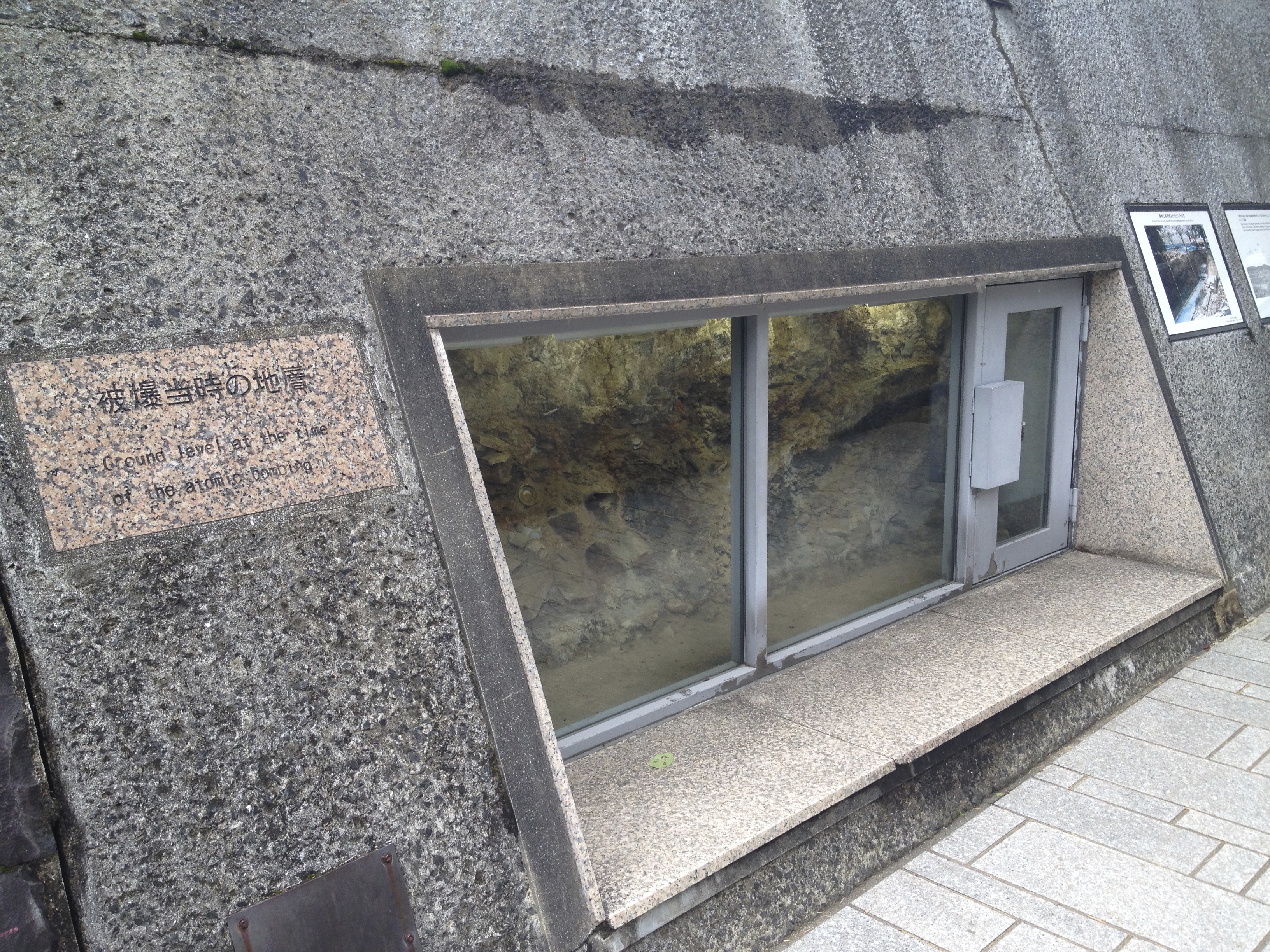
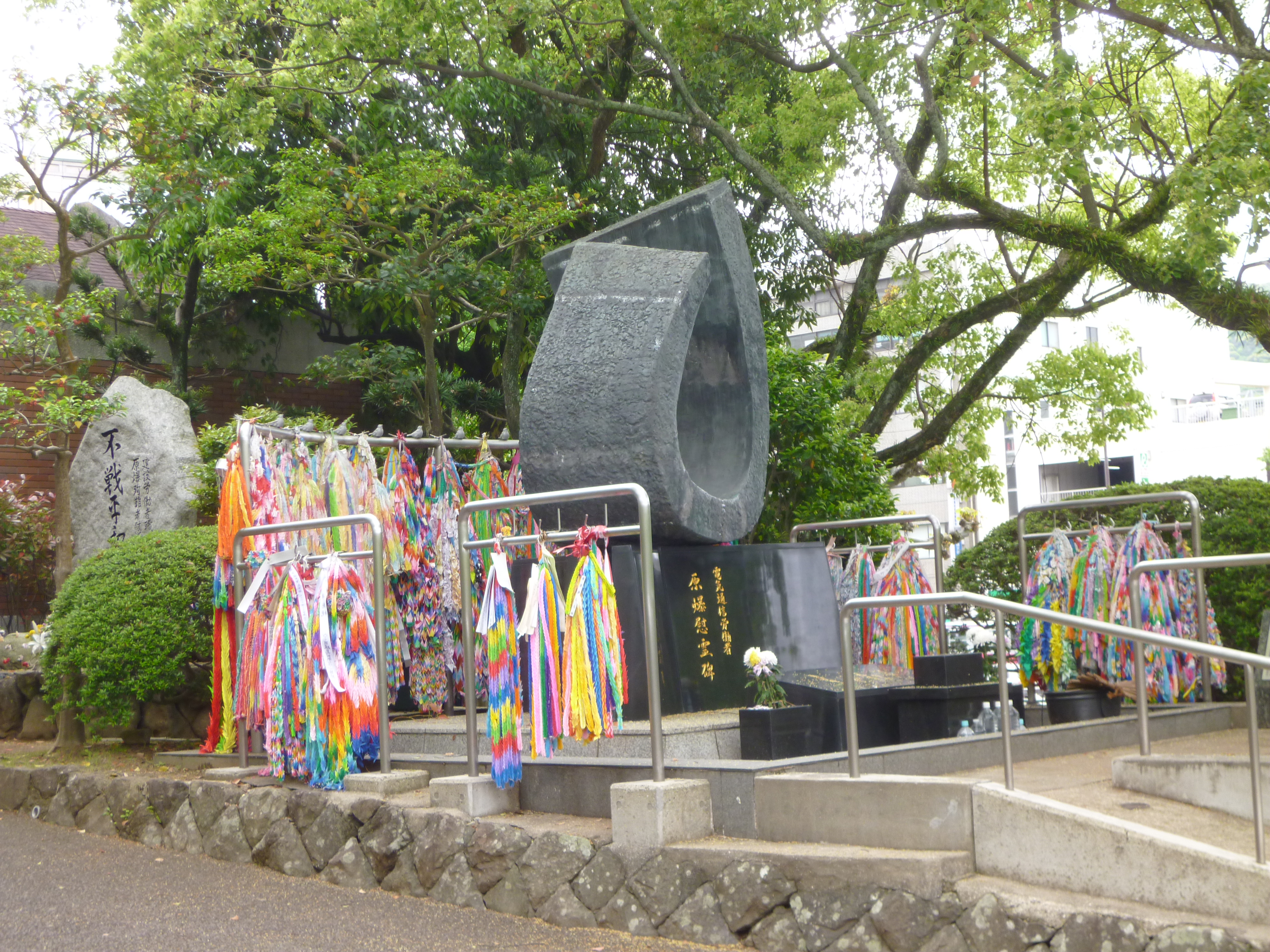
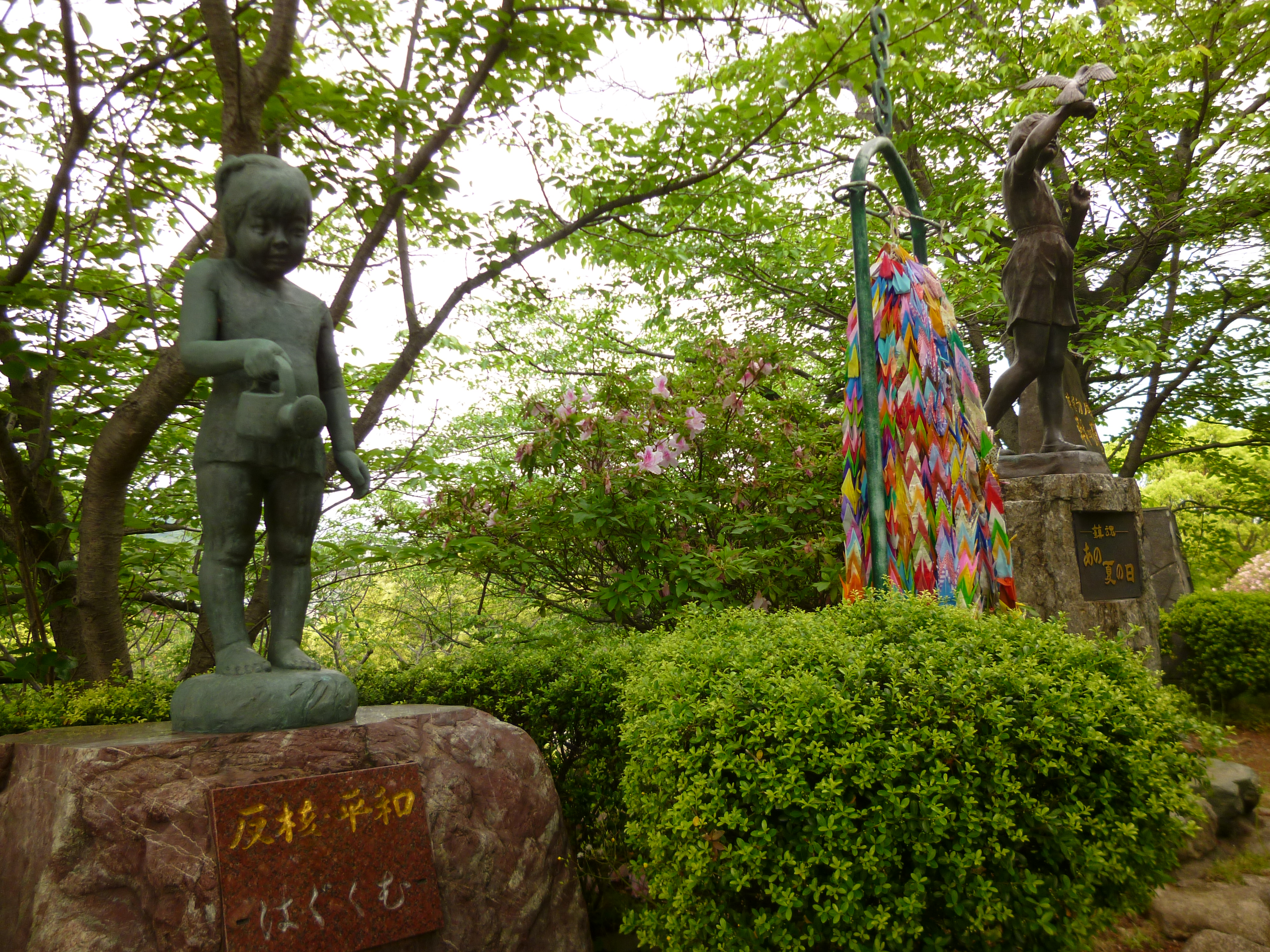
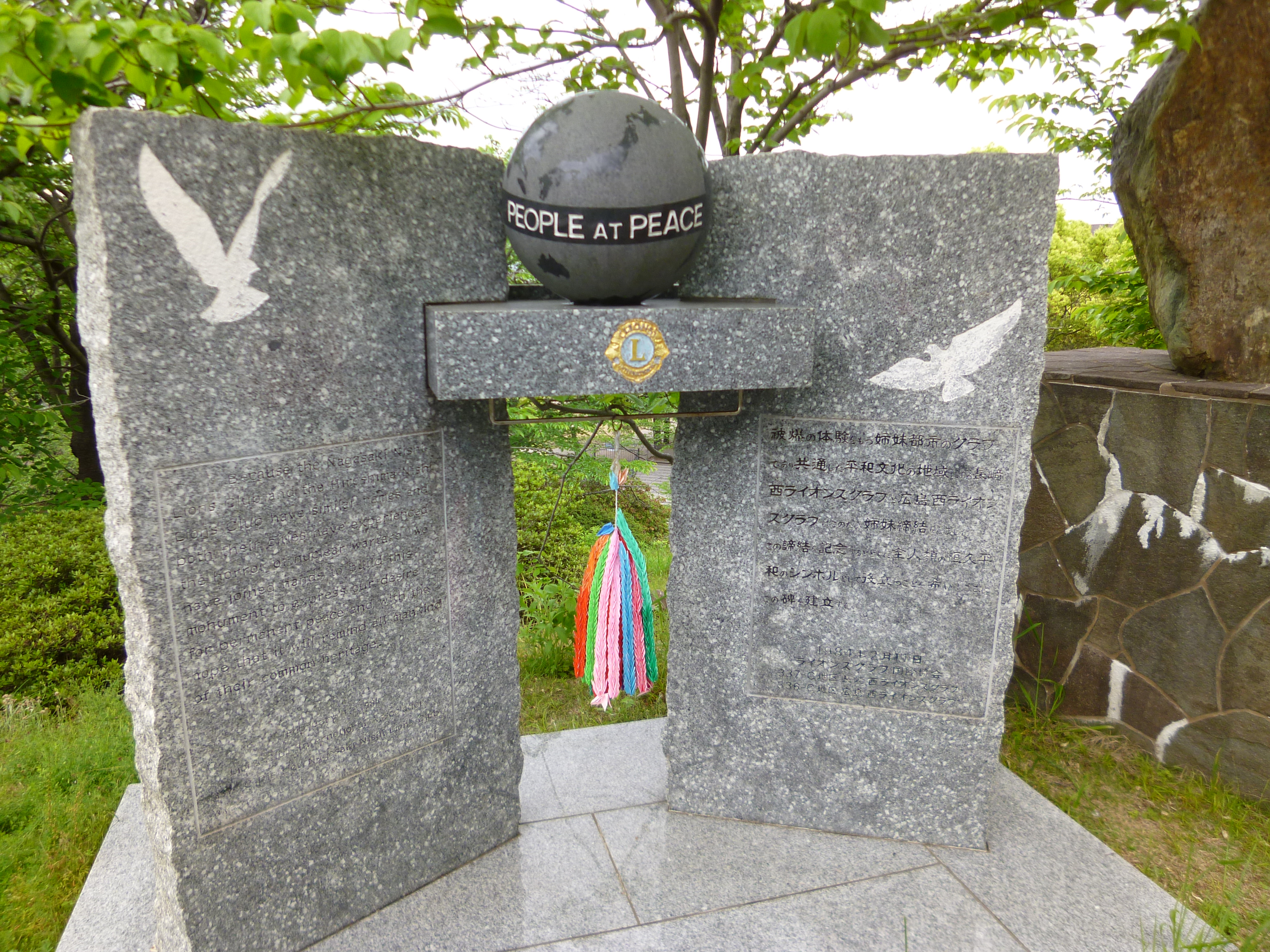
With full stomachs we took the tram up to Matsuyama-Machi beginning at the Hypocentre Park which is the point where the atomic bomb exploded at an altitude of 500m. There are a few bomb-blasted relics, monuments, paper cranes and so on in the spacious concrete park situated alongside the Urakami River.

IMG_4473  P1040482

Its probably quite sad that the events at the start of last years movie, ‘The Wolverine‘  (where Logan is held in a Japanese POW camp near Nagasaki and protects an officer named Yashida from the blast) heightened my interest in learning more details of the city’s destruction and loss of human life. What is perhaps more surprising is that Japan’s 15 years of military aggression prior to 1945 is actually referred to and there is even an apology on a plaque to the thousands of Korean labourers who also lost their lives.

P1040484  P1040485

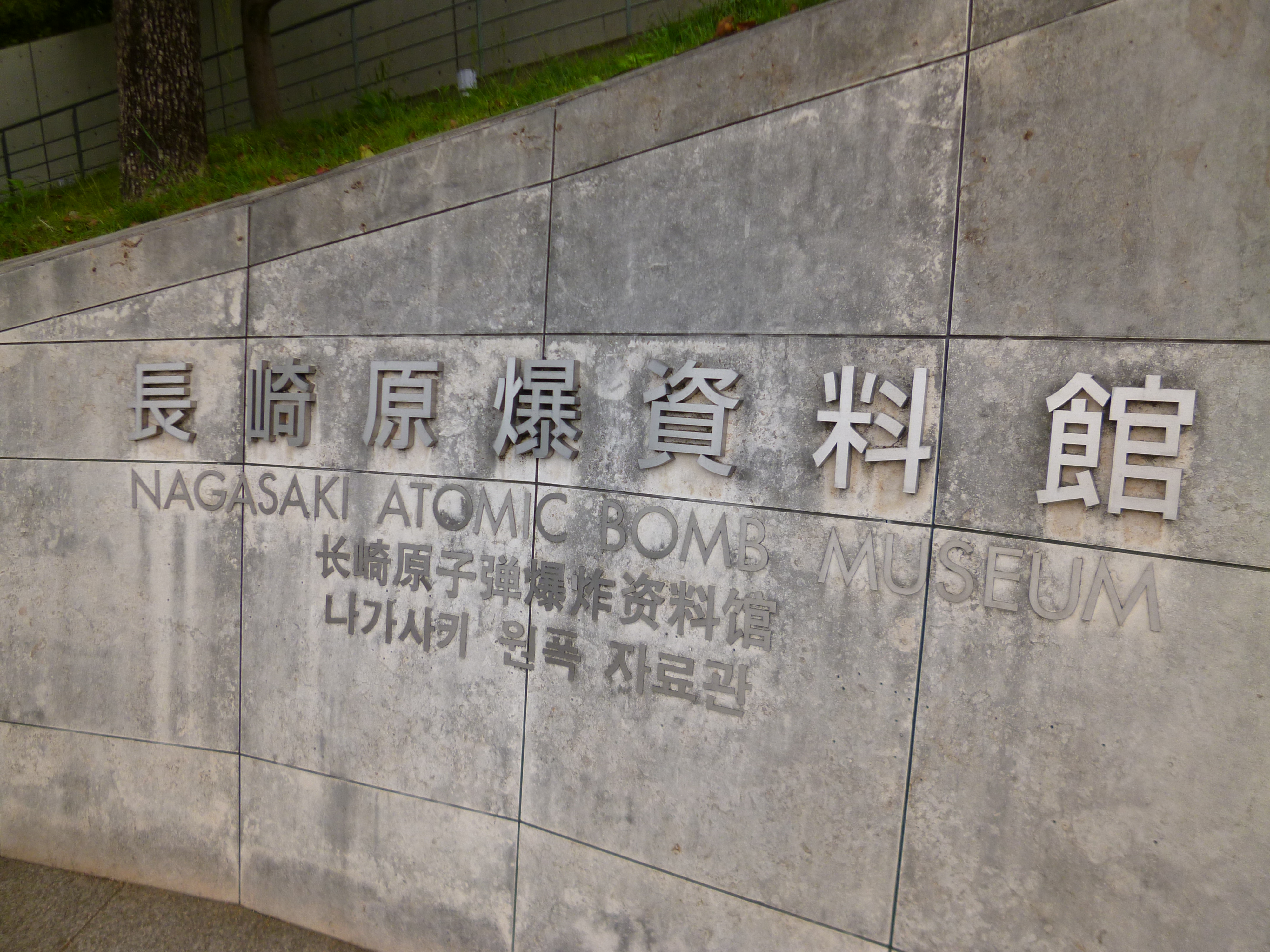
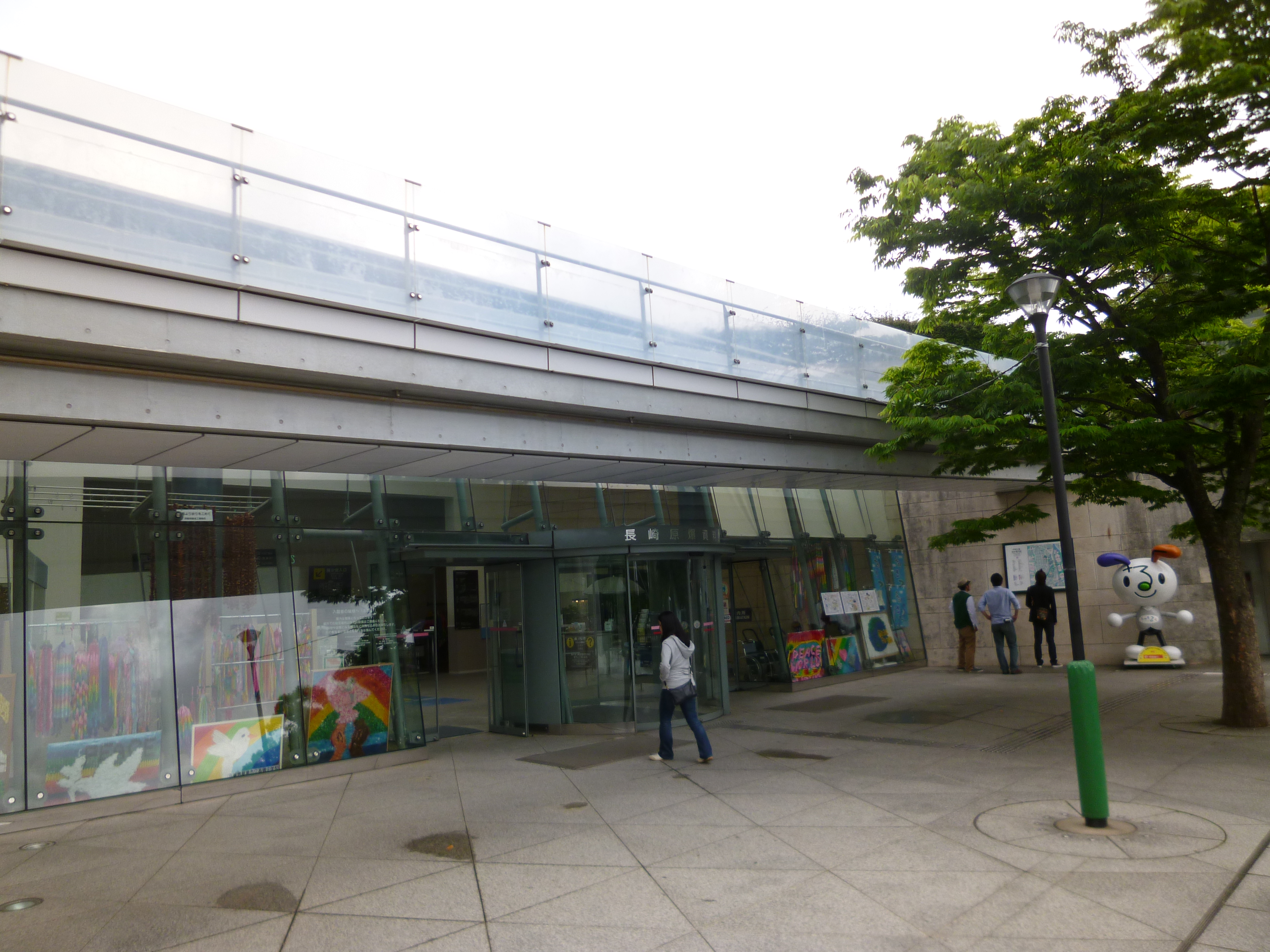
The Nagasaki Atomic Bomb Museum (below) was next and, like the one in Hiroshima (which we visited a year ago), was a chilling reminder at times of how atomic bombing can cause such devastation. Some of the relics, informative materials and photographs depicting the tragedy were fascinating viewing for me albeit a bit depressing of course.

P1040486  P1040487

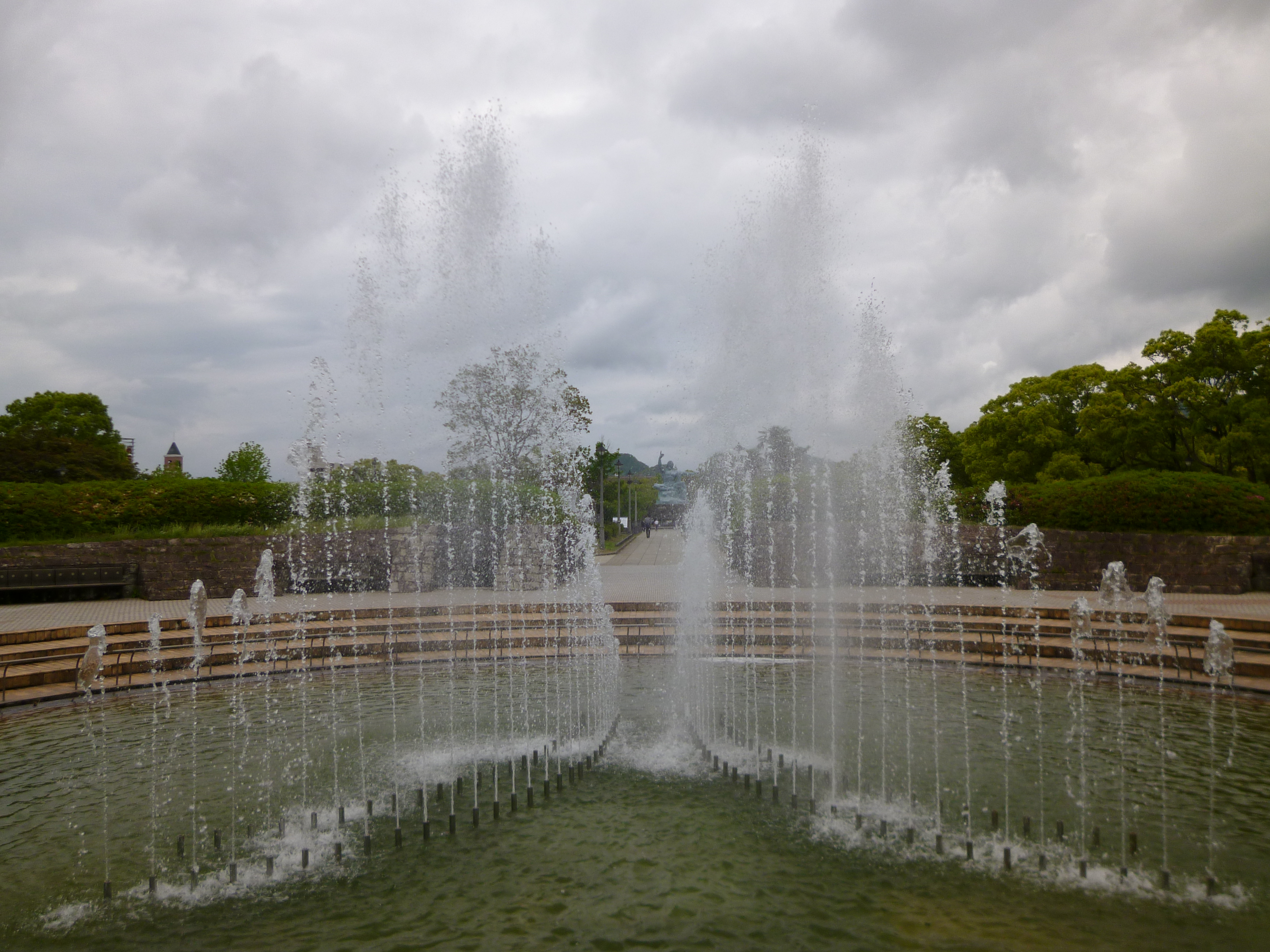
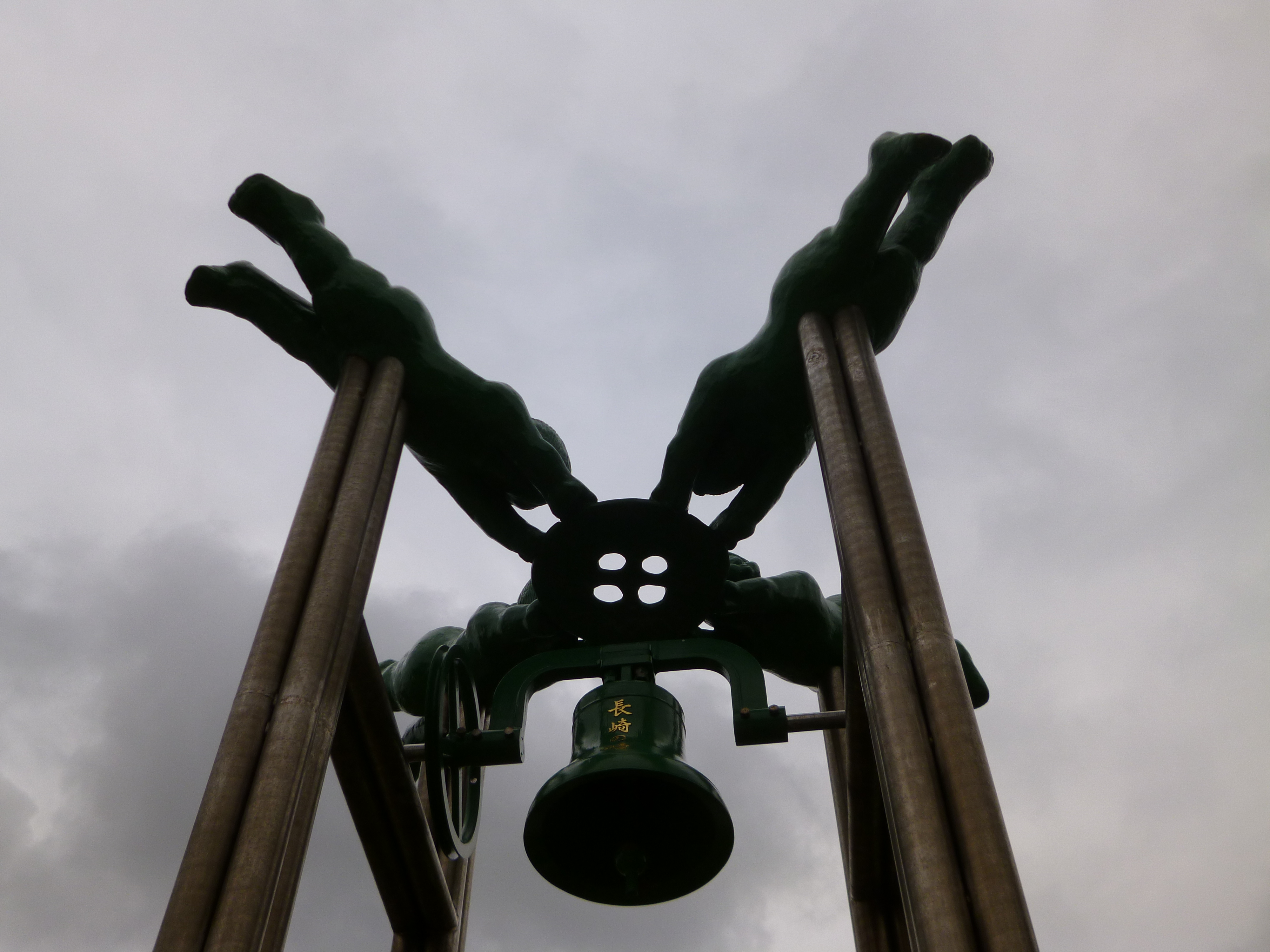
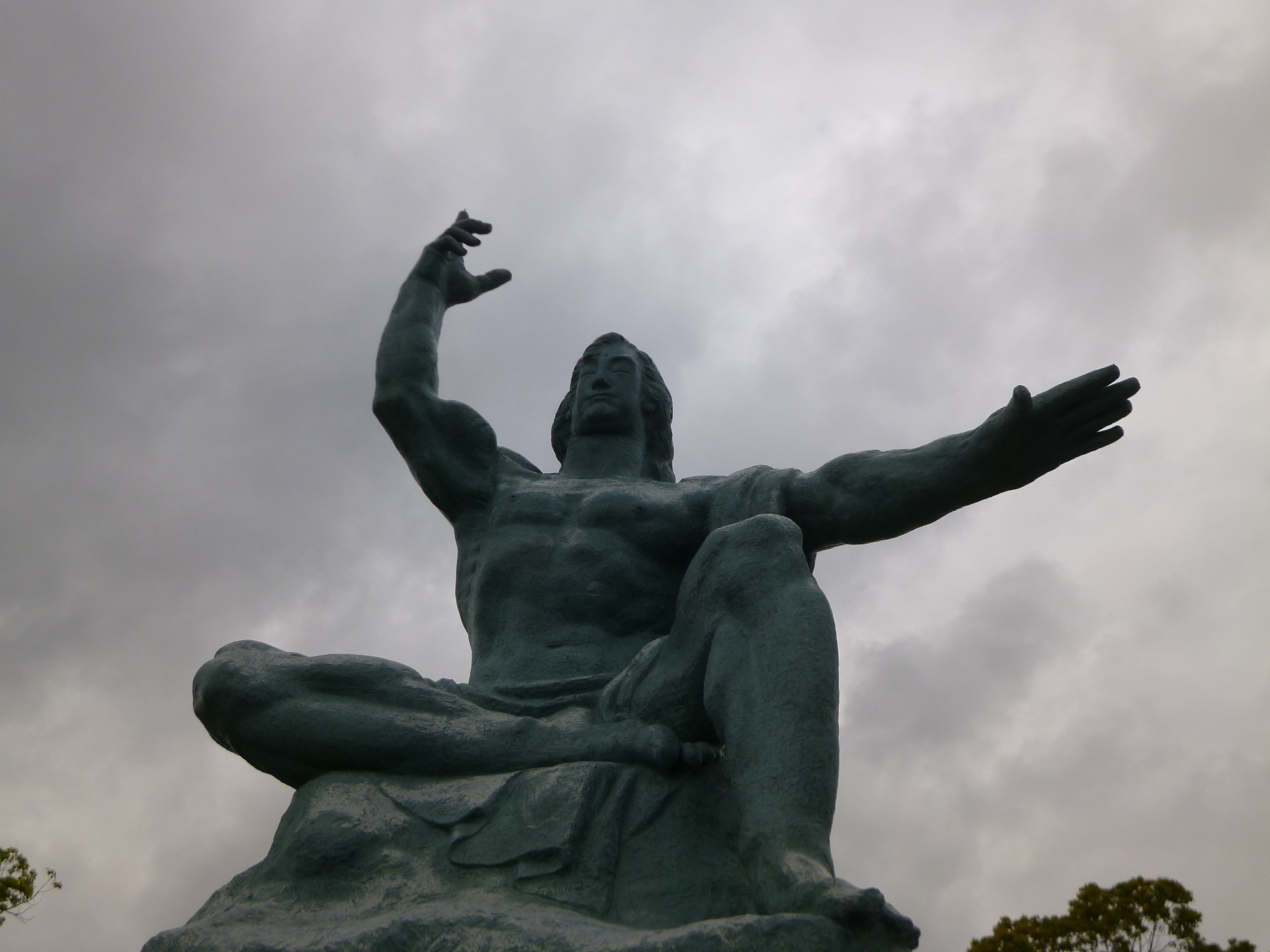
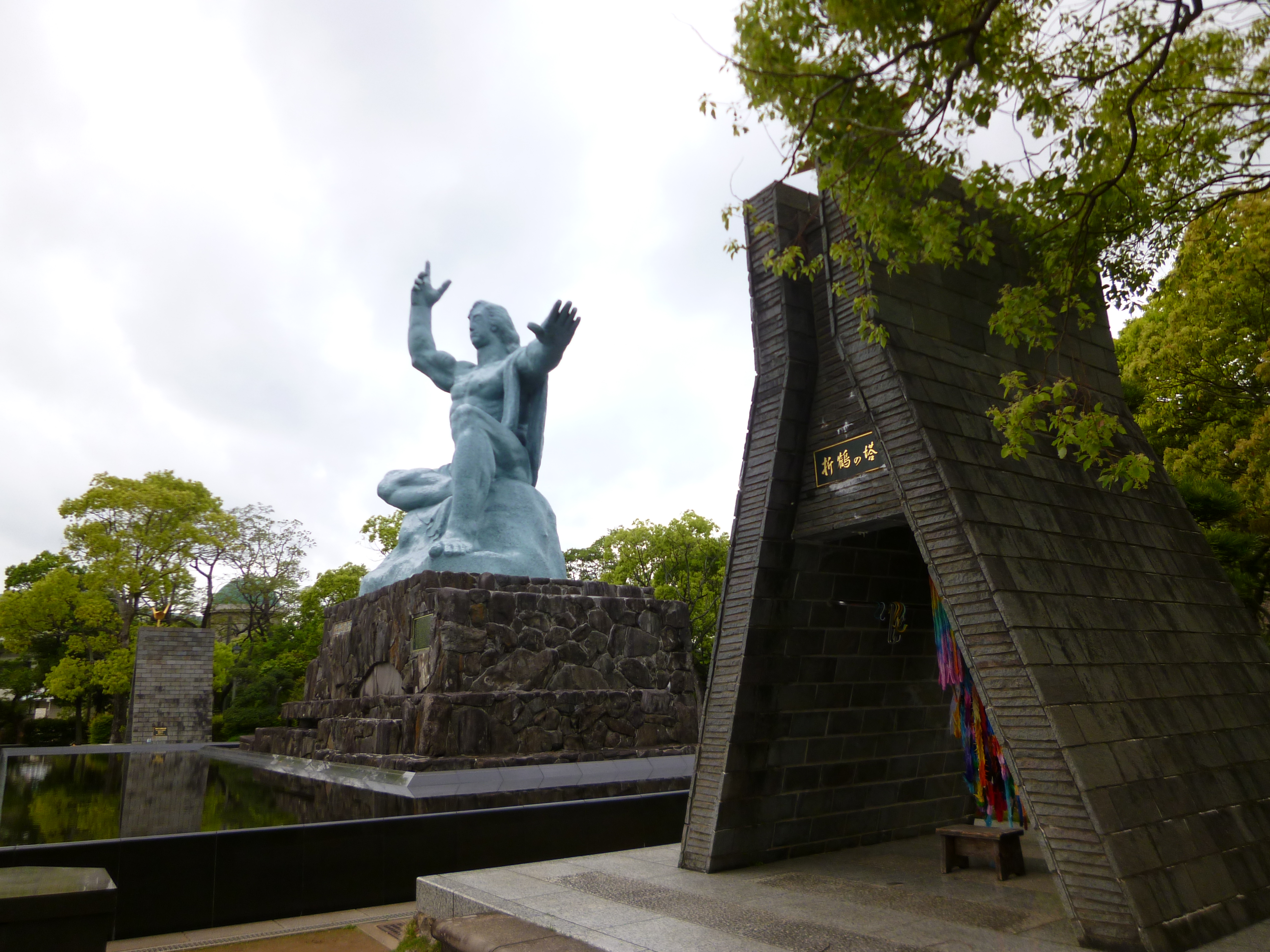
The Peace Park (below) is a short walk from the museum and has the Fountain of Peace (shaped like a dove’s wings) and the Peace Statue with its flat outstretched left hand symbolising eternal peace. The right hand points to the sky to represent nuclear threat.

P1040493  P1040494  P1040498  P1040499

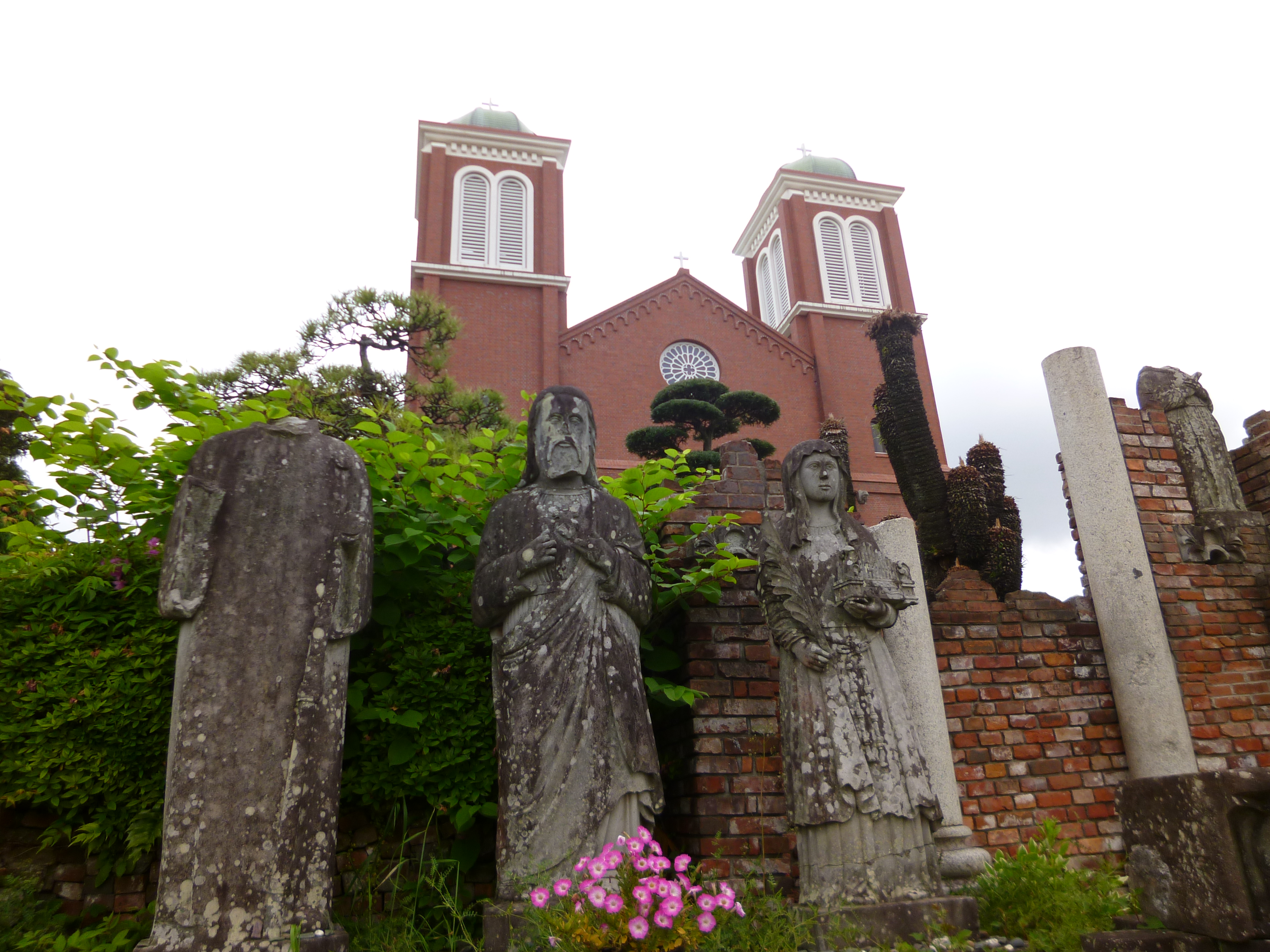
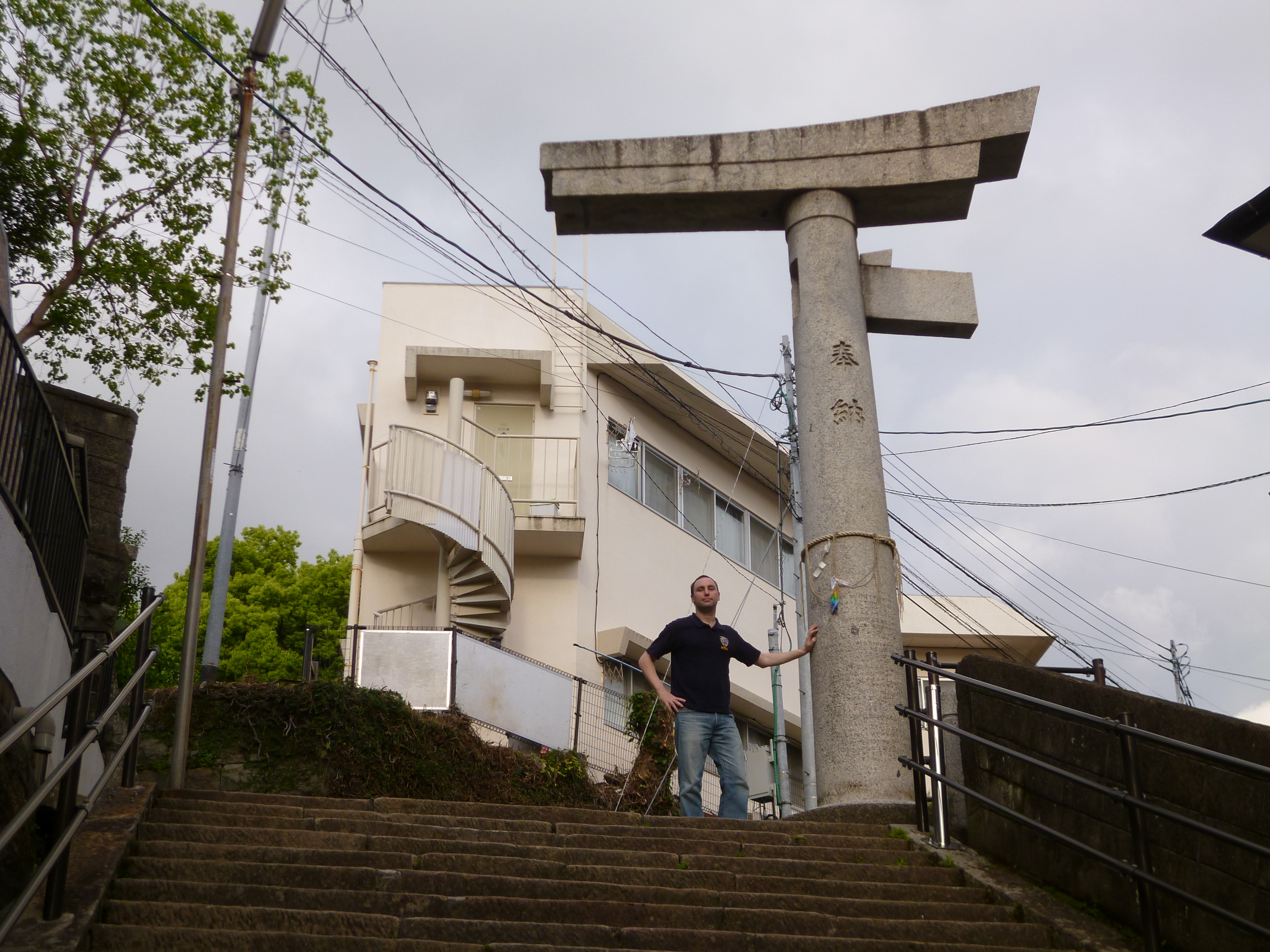
From there we walked on to a couple of spots which were basically just photo stops. First up was Urakami Cathedral (below) which is a replica of the original that was of course destroyed by the bomb at 11.02am on that fateful day in 1945.

P1040500  P1040503

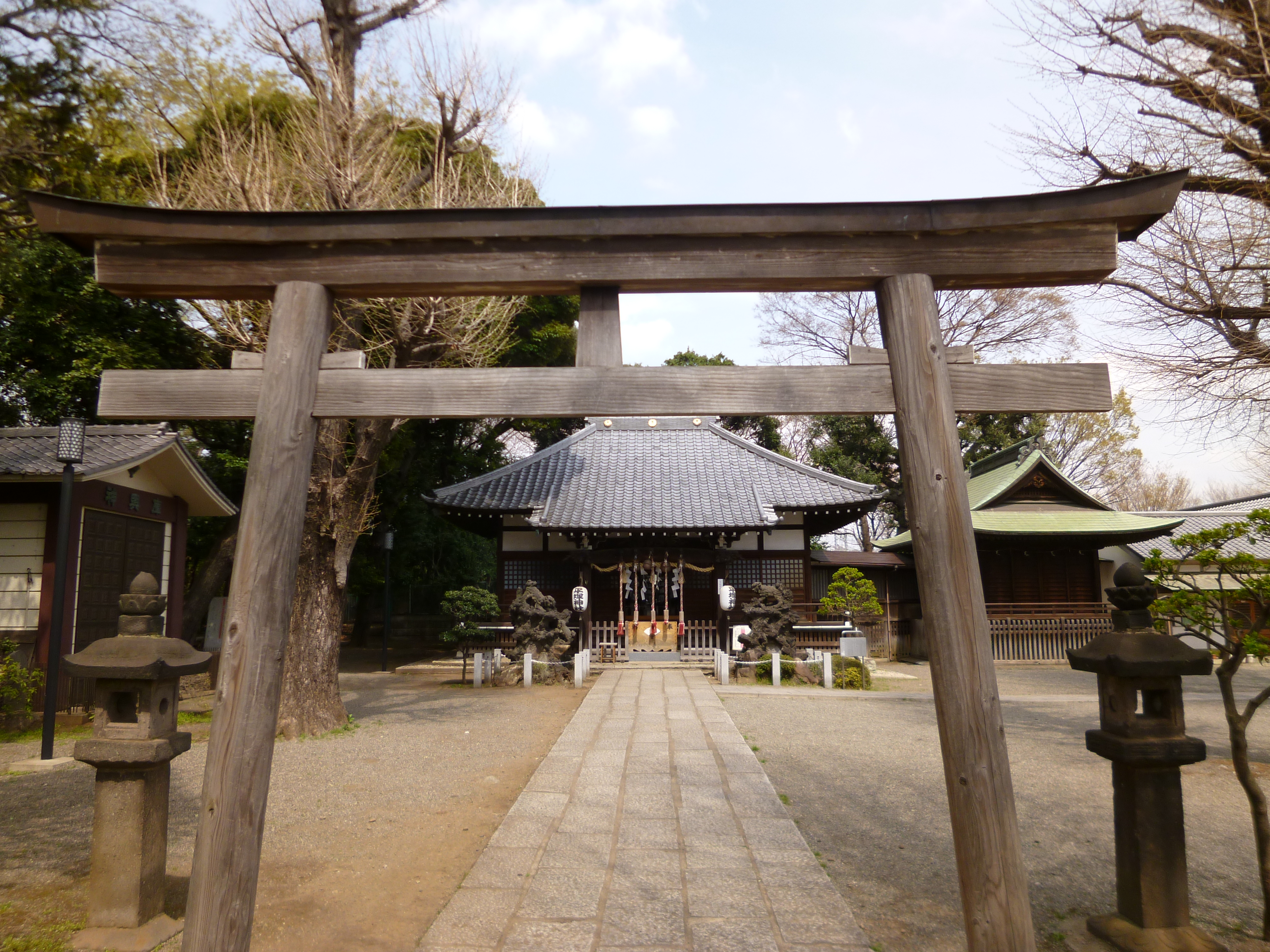
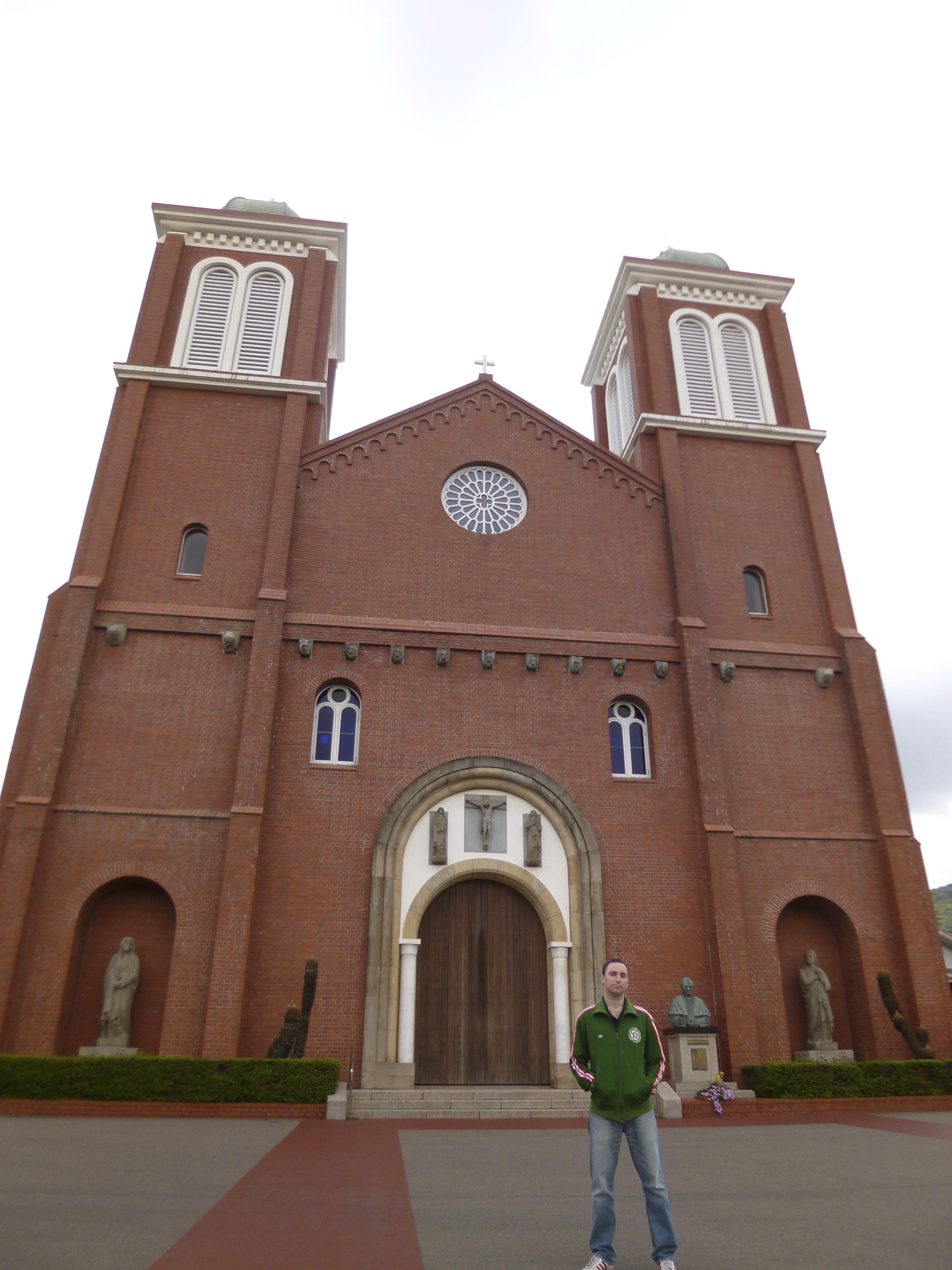
A 15 minute walk down the road is Sanno-jinja Shrine (below) which is more commonly known as one-legged torii (gate) following the loss of its other one during the blast.

P1040518  P1040514

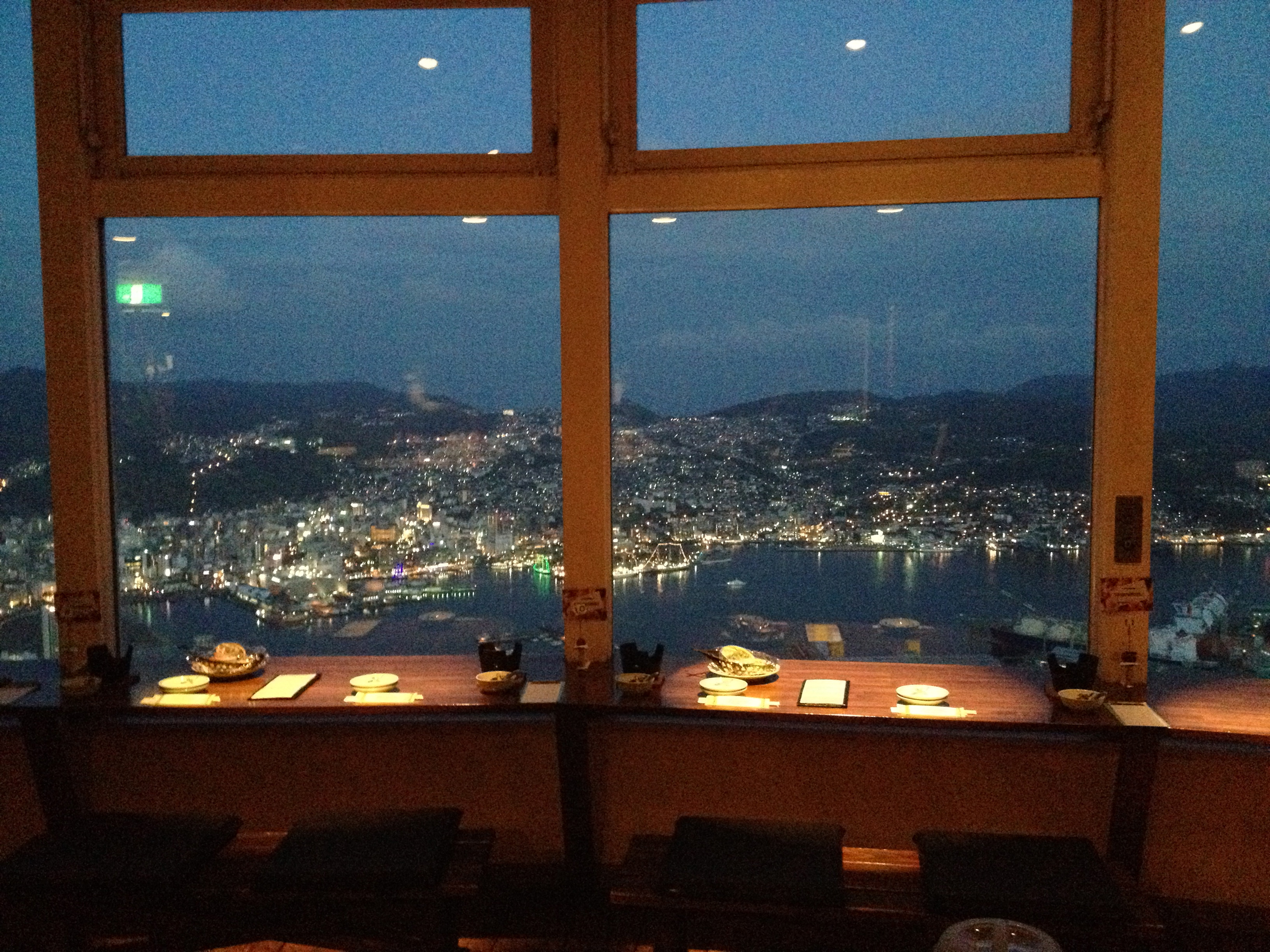
In my mind I thought doing all the aforementioned sights in one afternoon following an early flight that morning would be enough. However, as sunset was an hour later than I thought (7pm in Nagasaki) we decided to do one final sight whilst in the vicinity. We took the ropeway up to Mt Inasa observation platform for a view (below) which is considered to be one of the three best night views in the world.

P1040525  P1040527  P1040536  P1040533

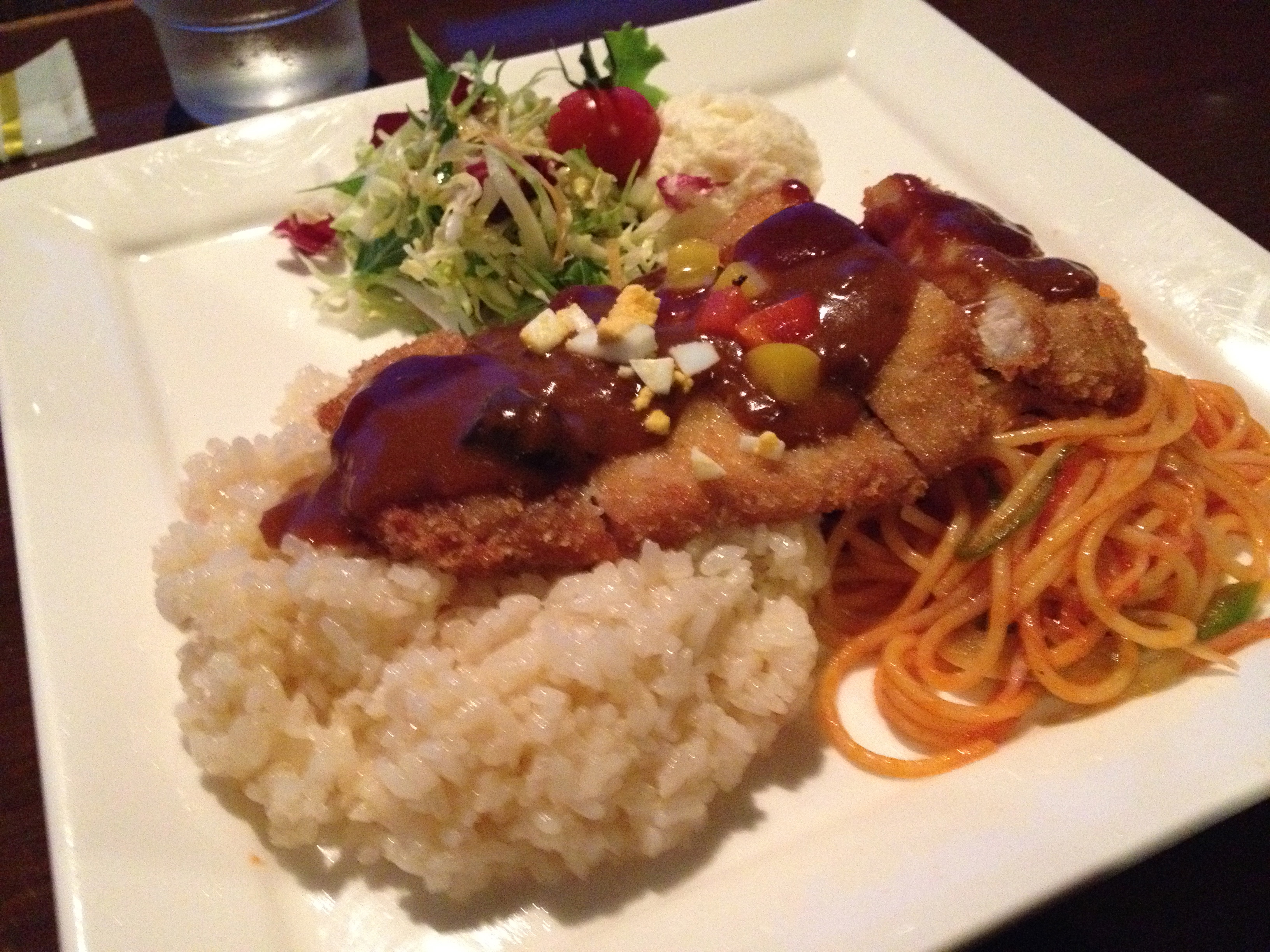
Whilst up there I thought it might be nice to enjoy the view from the restaurant with its amazing views. The prices were fairly reasonable too so we had a couple of similar Nagasaki food dishes; beef steak turkey rice (Nagasaki beef steak, pilaff, spaghetti and salad) and turkey rice (pork cutlet, pilaff , spaghetti and salad) of which the latter is pictured below.

IMG_4484  IMG_4478

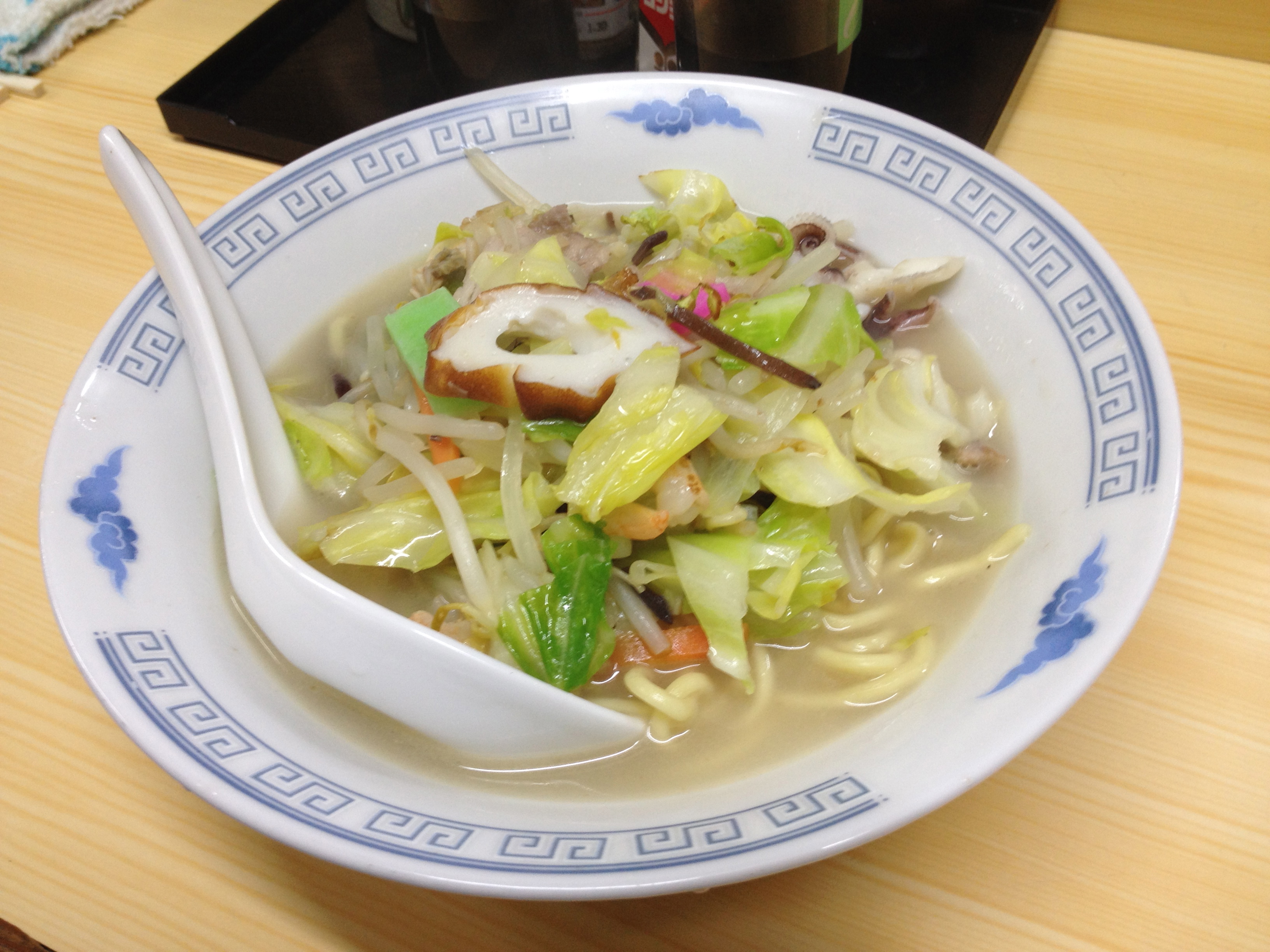
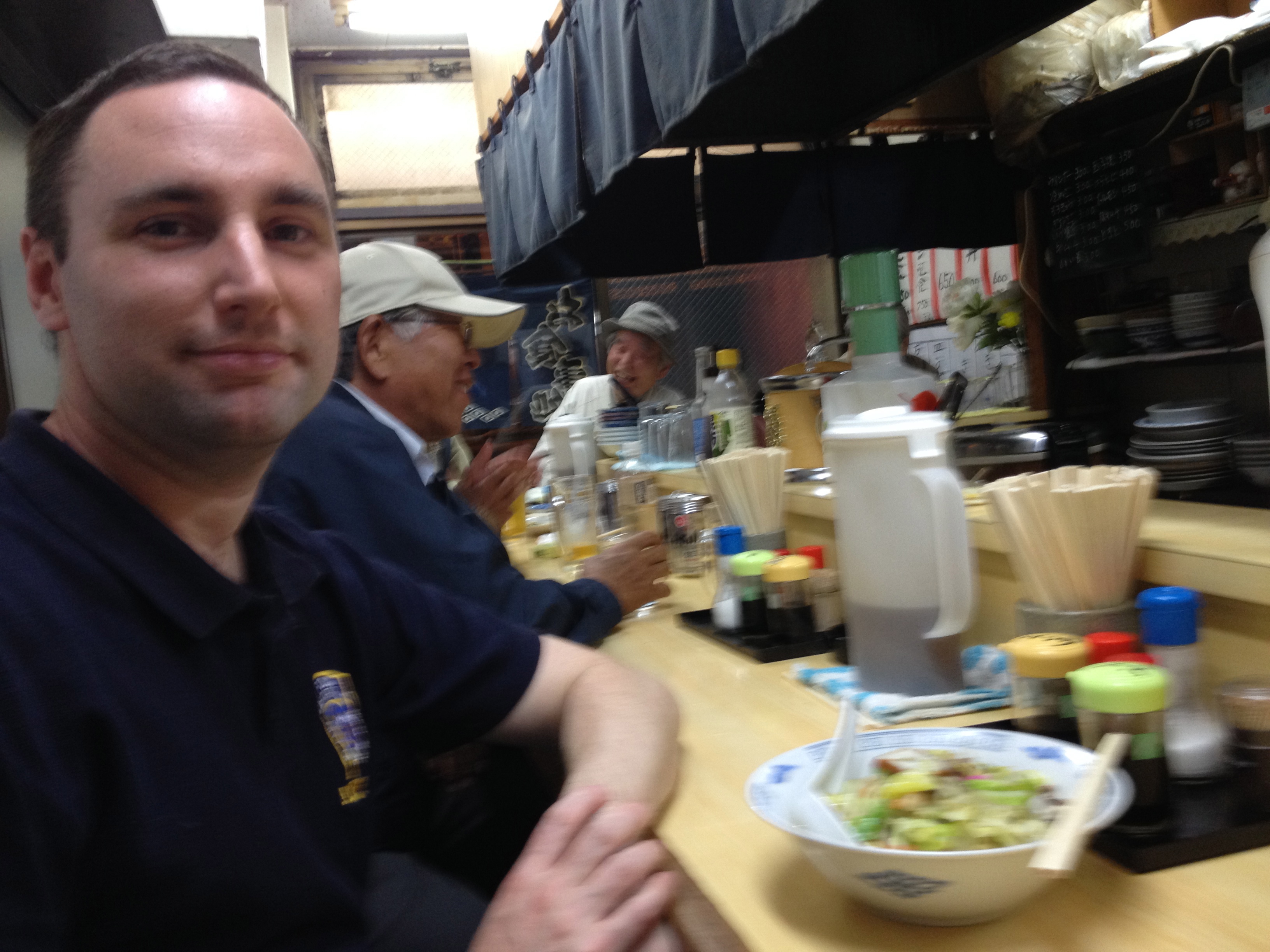
That wasn’t the end of the local cuisine for us though as we popped into a very local place near our hotel and had chanpon (below) which is perhaps the most famous of Nagasaki’s dishes.

IMG_4487  IMG_4488

Champon is the local ramen speciality consisting of octopus, squid, kamaboko (white and pink fish-based patty), pork and vegetables in a white, salt-based broth. It only cost us 600 yen each and was the perfect way to fill up for the night and cross off another must-do item from our list.

Posted in Japan Travel | Tagged , , , , , , , | 10 Comments

Review: Films Set In Japan – Godzilla (1954)

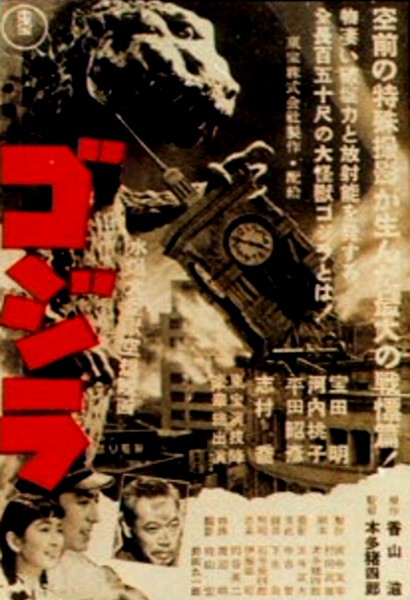
With the latest incarnation of Godzilla getting nearer it seems a fitting time to go back 60 years and take a closer look at the original Japanese movie which launched the iconic monster onto our screens. Released nine years after the U.S. dropped the atomic bomb on Hiroshima and Nagasaki the opportunity was seized to use this radioactive lizard from beneath Tokyo Bay to serve as a symbol for the horrors of nuclear holocaust.

Godzilla has come and gone in many guises but nothing can get close to beating this original black and white Toho Studios version which, as an English speaker, needs to be watched with subtitles for maximum impact of the Japanese perspective. There’s no messing about from the offset and it’s straight into the action with fear and panic hitting Japan as an “underwater volcanic eruption” happens in the sea causing some fishing boats to capsize near Odo Island.

A research team led by Dr Yamane head to this pacific island off the Izu Peninsula; a fictitious isle with the scenes actually filmed around Toba city at the entrance to Ise-Shima National Park on the Shima peninsula. On discovering huge radiation emitting reptilian footprints in the sand, rumours abound that it must be Godzilla to which a woman replies saying its just a legend. Little did she know how true her words would become as Godzilla morphed into a worldwide cultural icon.

The gigantic amphibious bipedal dinosaur lives in caverns under the sea and comes ashore to prey on humans when it can’t find fish in the sea and many young virgin girls were sacrificed to appease his hunger and keep him from coming ashore. However, hydrogen bomb tests disturbed its peace and so it looked for a safer place which happened to be Shinagawa and Ginza!!

Affected by the radiation, it managed to gain an unbelievable destructive power and strength as well as white-hot atomic breath; an archetype which followed in the form of many on-screen monsters both good and bad with perhaps the worst featuring in  Monster‘ (2008). Two Zillo Beast episodes in ‘Star Wars: The Clone Wars‘ (S02E18/19) played homage to what the Japanese call ‘Gojira‘.

Dr Yamane senses that atomic testing is behind Godzilla’s emergence and he (and he only!) thinks that it should be isolated and studied. The eye-patch wearing Dr Serizawa and his oxygen destroyer are key to sending Godzilla back to the depths of the ocean. He  is arranged to be married to Emiko, but she is in love with some naval officer and it’s this love triangle which is pivotal in the monster plot.

I think I’ve been quite critical in the past about this film but on watching it again for this feature I have actually grown much fonder of it. It’s duration is an ideal length (90 minutes) and it’s quite a dramatic film with all the monster movie elements we now take for granted; a fire-breathing creature, stormy oceans, tanks and officers, mad scientists, frantic decision making, government officials, flames, fleeing citizens running for their lives and buildings being toppled. Of course, it was just three metre high miniature set pieces that were used to replicate the capital city whilst a man wearing a heavy rubber suit stomped all over them. Having most of Godzilla’s scenes at night probably helped make it a bit more convincing. I think, given the age of the film and its budget, the effects are pretty good and the sequence where Godzilla goes on the rampage in Tokyo is still superb both technically and artistically,with a genuine sense of dread. The residents run for their life, as they do throughout, which has parallels to the real life horror and devastation in Japan by way of atomic bombings, tsunami and earthquakes.

gojira-japanese-b2_style_c-1954  Unknown  gojira-japanese-b2_style_e-1954

‘Godzilla’ rightfully deserves to be called a classic despite the ending which is perhaps one of the most blatant examples of not-quite finishing a movie and leaving it open to a sequel as Dr Yamane stands aboard a ship and says “I don’t think that was the only Godzilla. If they keep experimenting with deadly weapons….another Godzilla may appear…somewhere in the world!” The perfect way to set up the potential of another movie and what do you know but only half a year later there was another one by the name of ‘Godzilla Raids Again‘ (1955) and the series limped on for an incredible 26 more Toho-made films as well as four American productions including the forthcoming one directed by British filmmaker Gareth Edwards.

If you thought Tokyo Fox was running out of films ‘set’ in Japan to review then using the original Godzilla film (a Japanese production of course but included in this series due to its huge impact on the Western world) opens up the possibility of extending it for another few years with reviews of the never-ending dross churned out in this franchise.

Tokyo Fox Rating 7/10

Posted in Review: Films Set In Japan | Tagged , , , , , , , , | 10 Comments

Tokyo Daytripper: Walking From Garden To Garden In Komagome

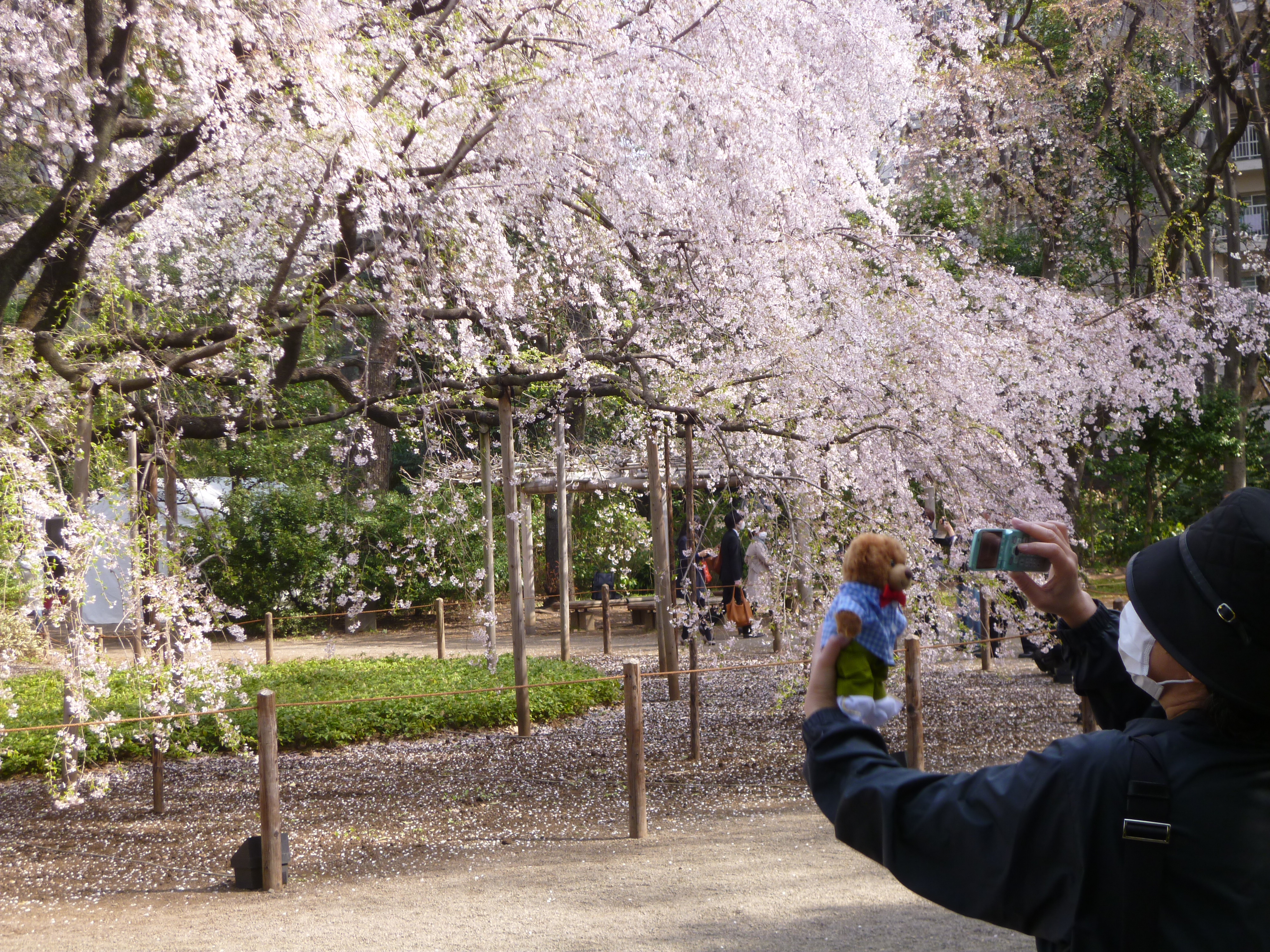
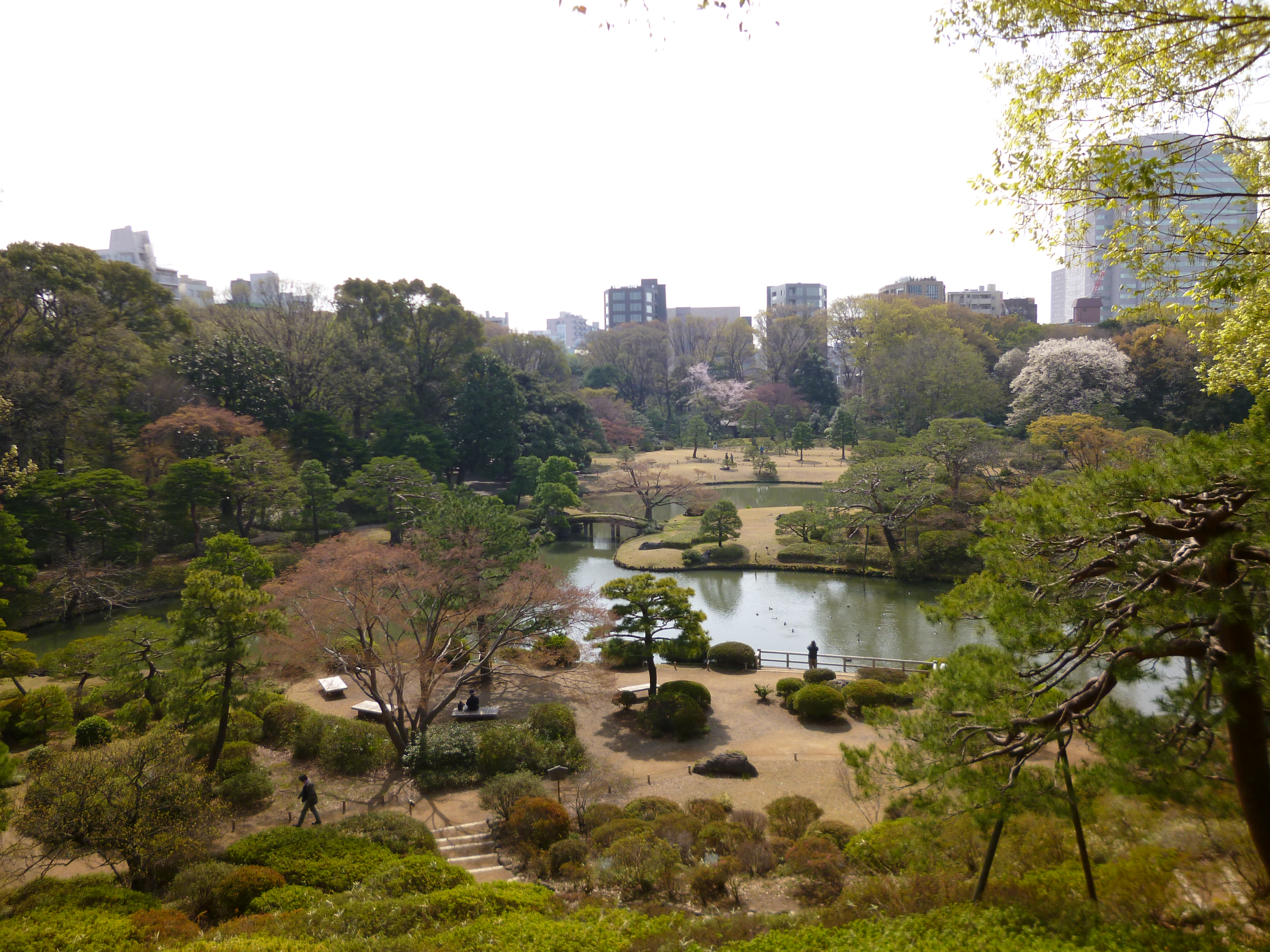
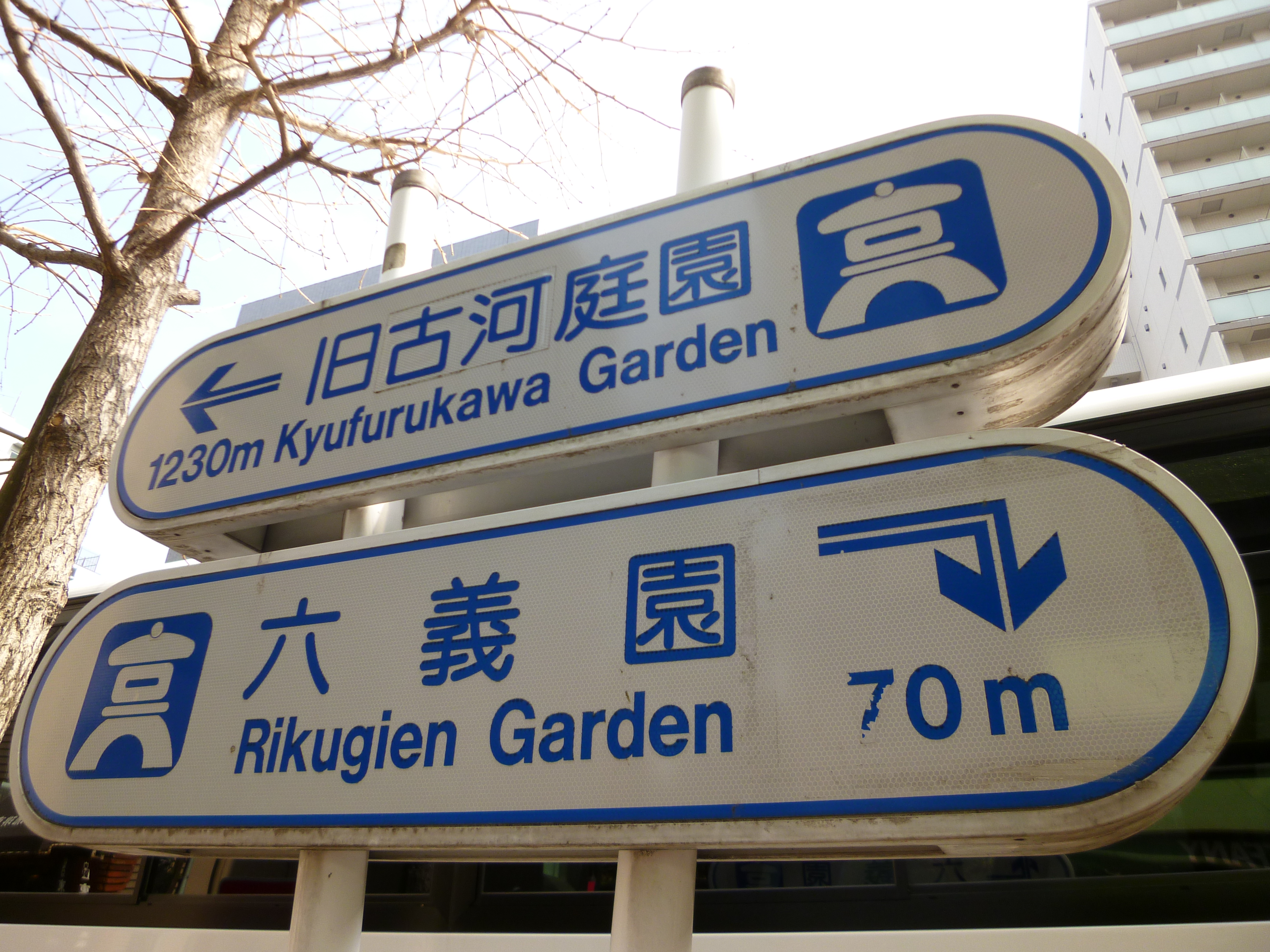
When I went to Rikugien last month that wasn’t the only place I went to in Komagome as another garden of note in the vicinity is Kyu-Furukawa. As it was a lovely Spring morning I decided to walk from garden to garden taking in a few of the sights in between and near to the two places. I arrived on the JR Yamanote line but should you arrive by Metro then exit 2 on the Namboku Line is right next to Rikugien. Armed with my copy of ‘Tokyo Adventures: Glimpses Of The City In Bygone Eras‘ by Tae Moriyama* my adventure started just after 9am at Rikugien (below) gardens and you can read all about that part in more details here.

P1040104  P1040113

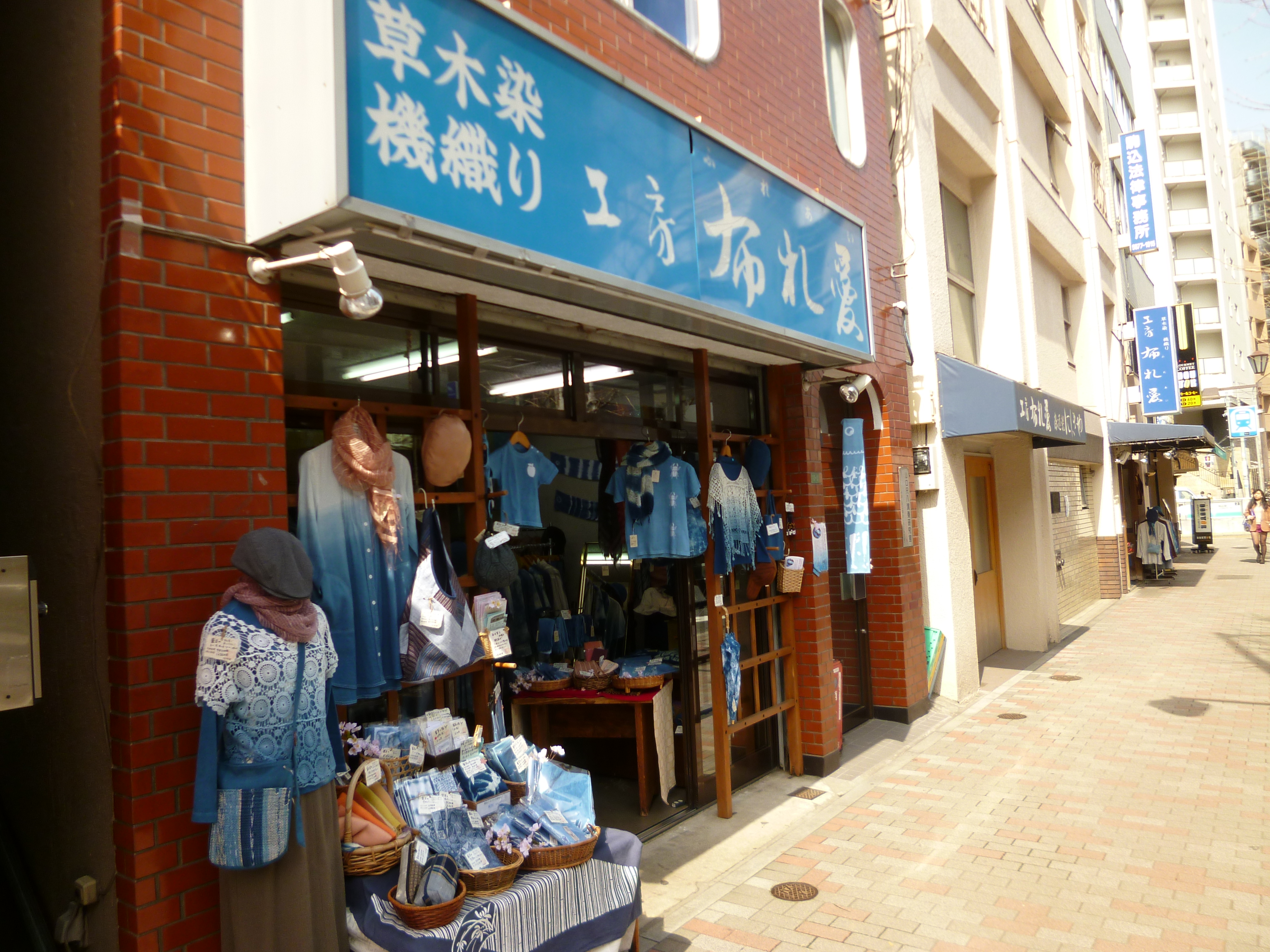
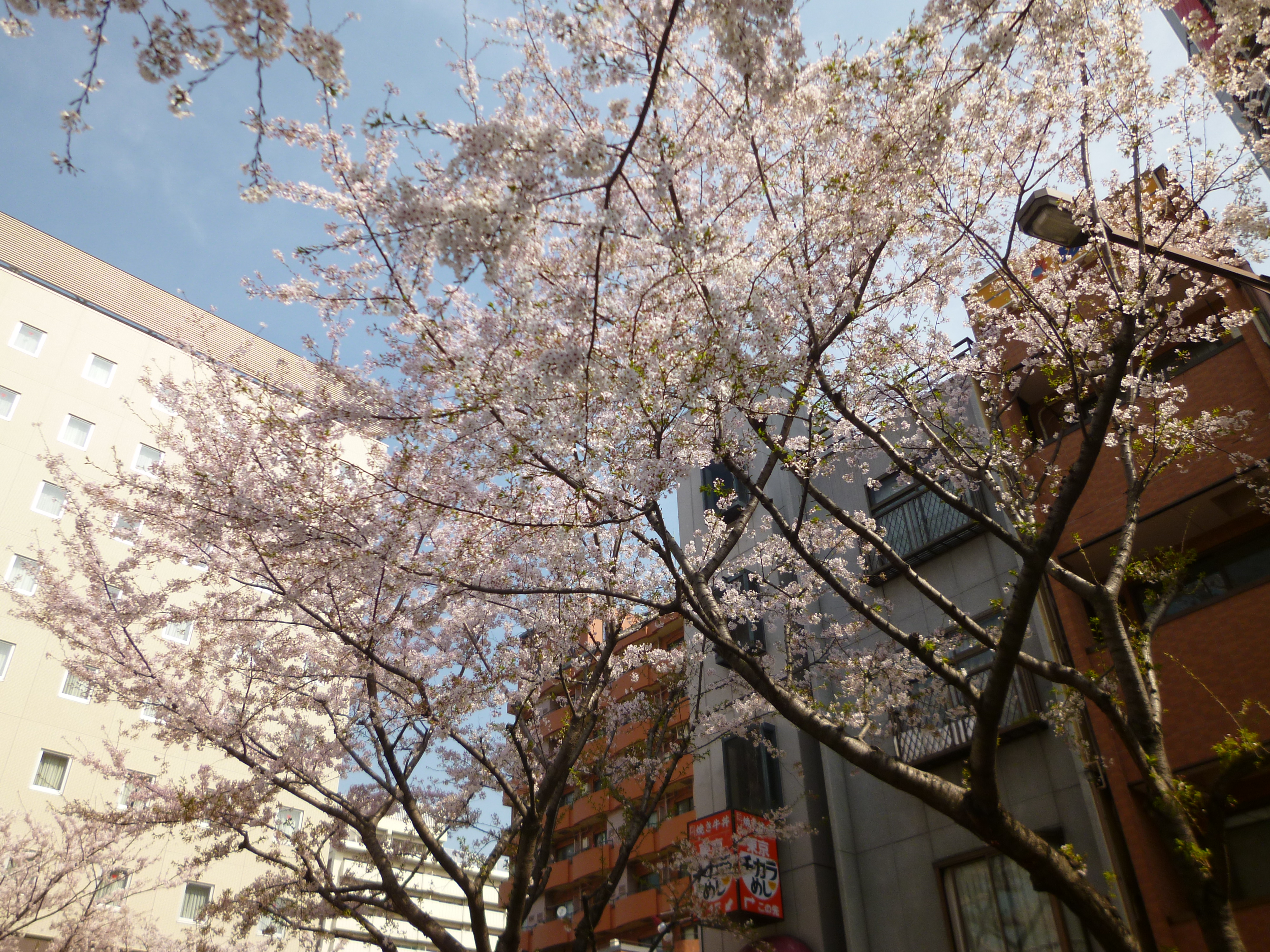
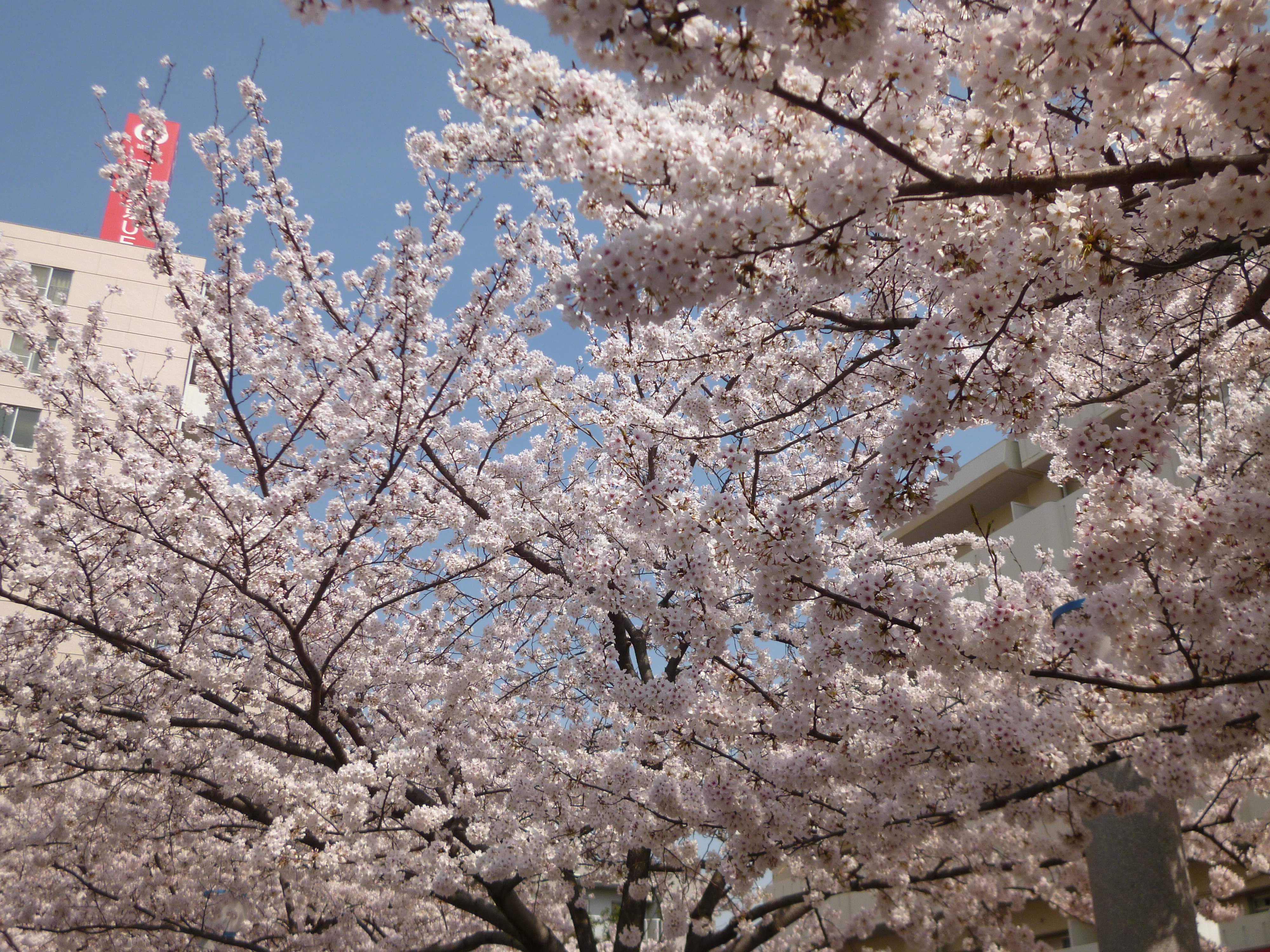
There wasn’t too much to view on the return journey between those gardens and the JR station apart from a tie-dyed shop and the sakura trees just outside the station.

P1040140  P1040142  P1040144  P1040147

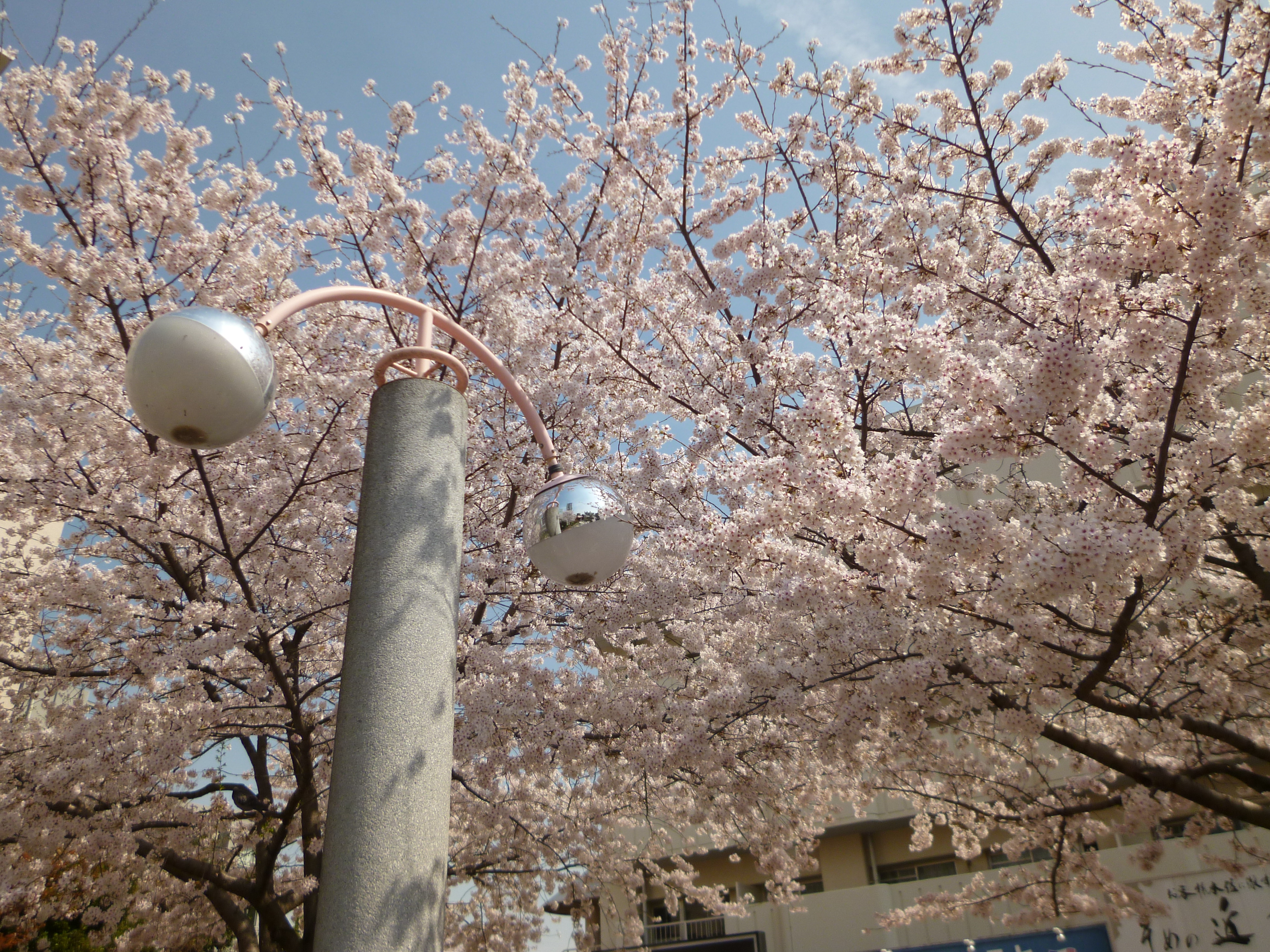
Just beyond the station on the other side is Somei-Yoshino-Sakura memorial park (below) which is a typical Japanese concrete area of no particular note but with the sakura on the trees it was particularly nice when I was there.

P1040149  P1040148

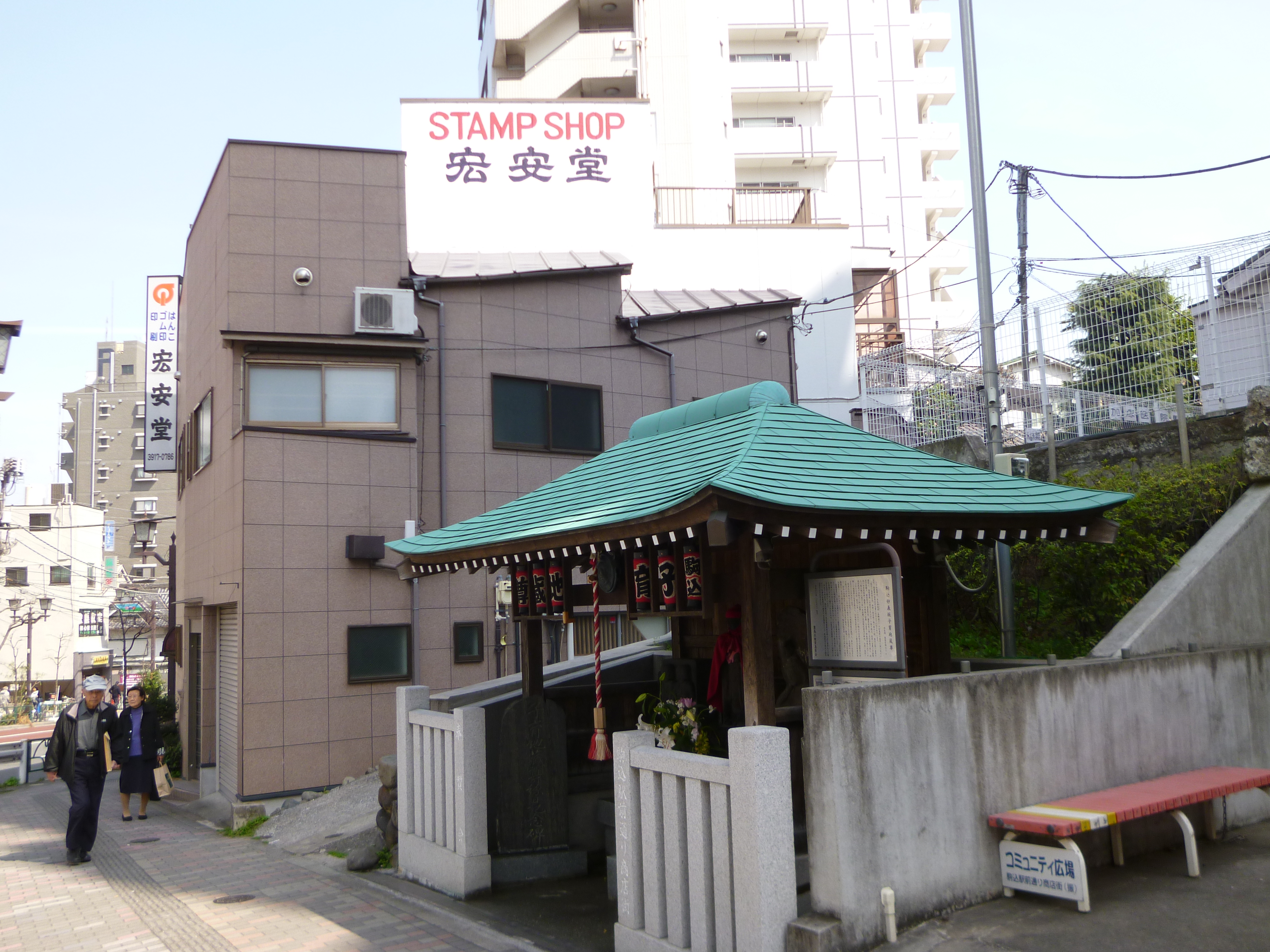
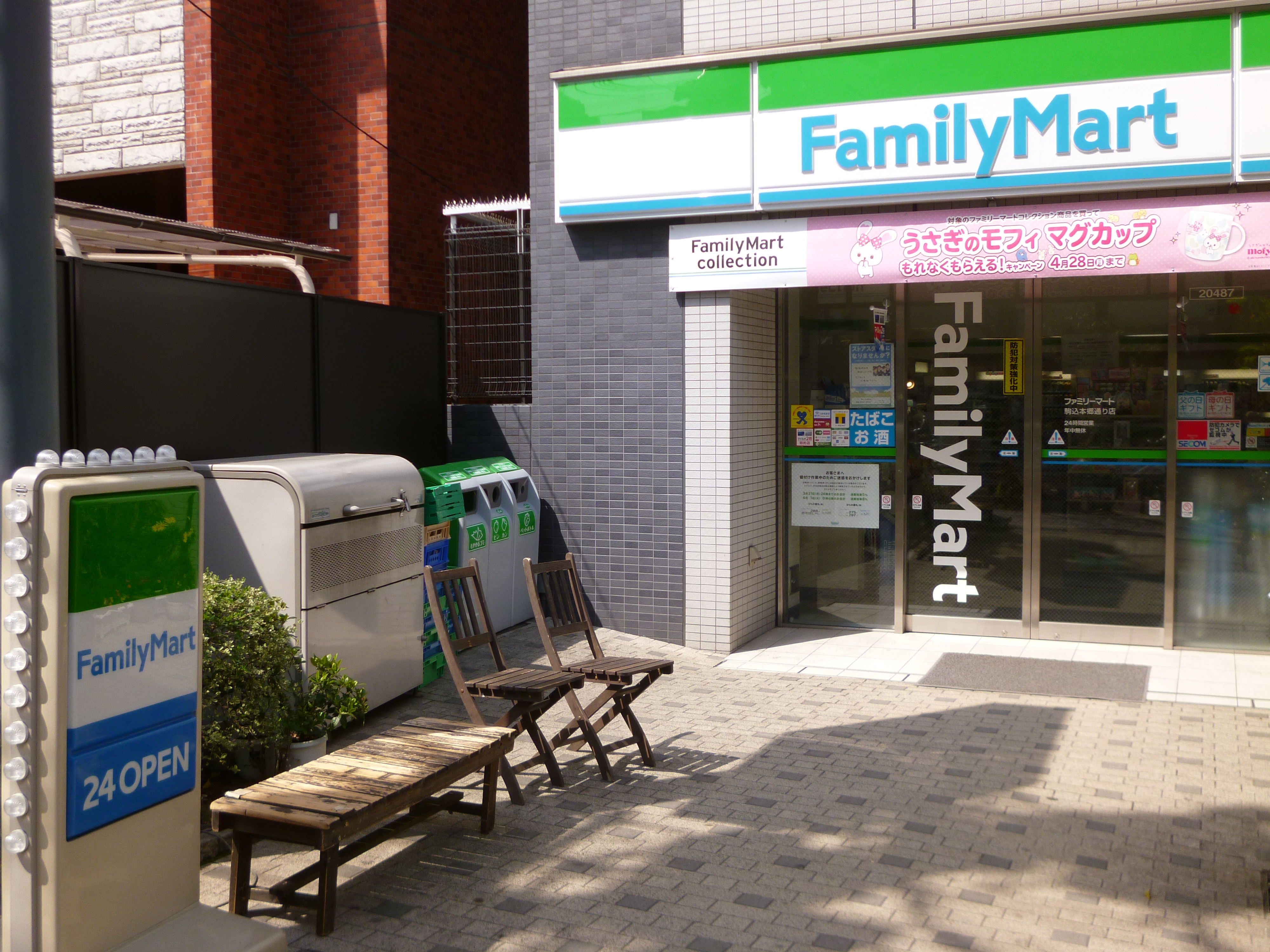
As you continue up the road you’ll come across a small shrine on your right (in the foreground of a stamp shop) and a Family Mart convenience store (below) on your left which you may not think is too exciting but I was quite surprised to see a few seats outside which rare in a city where there really is a lack of public seating around.

P1040150  P1040153

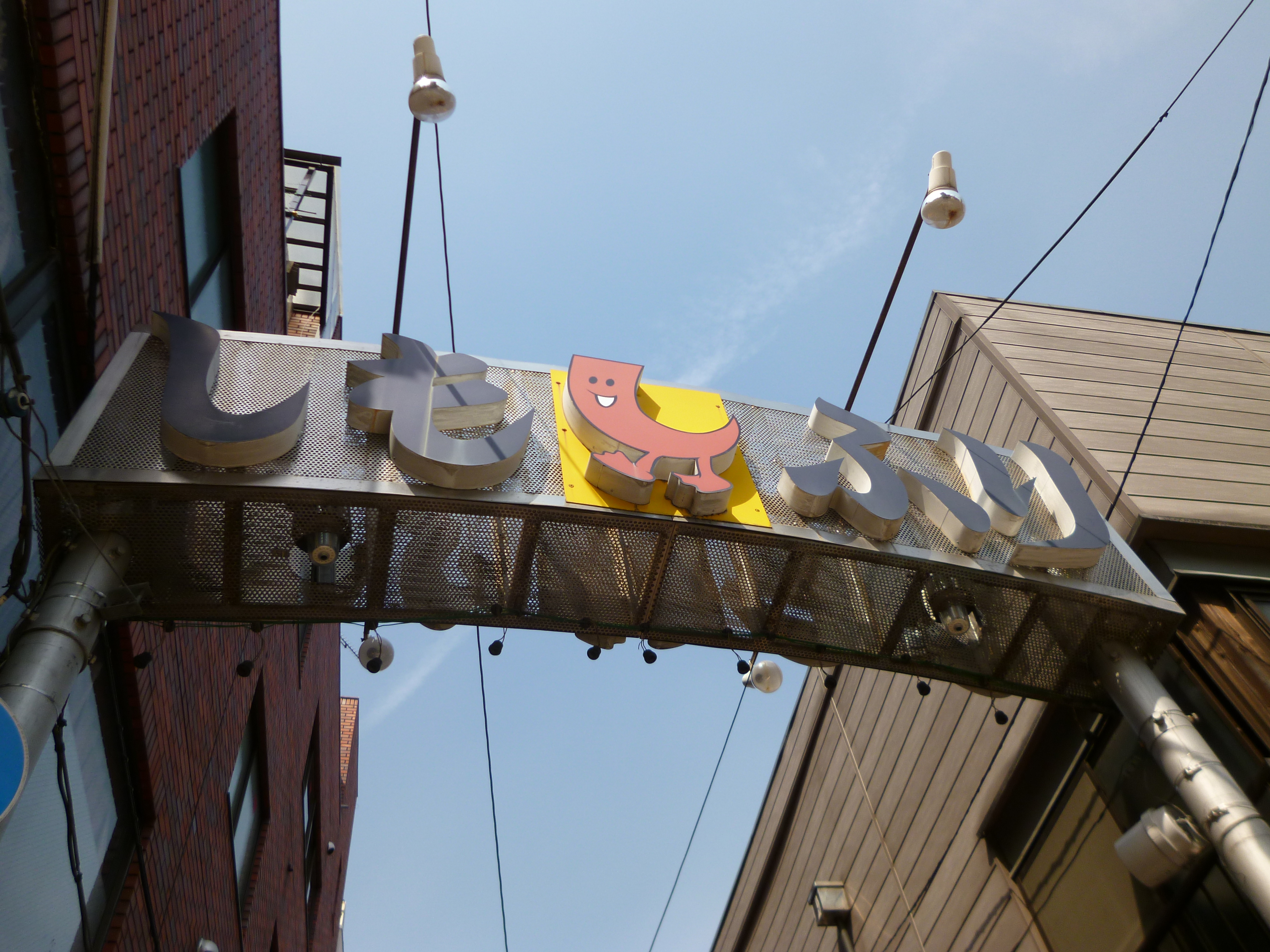
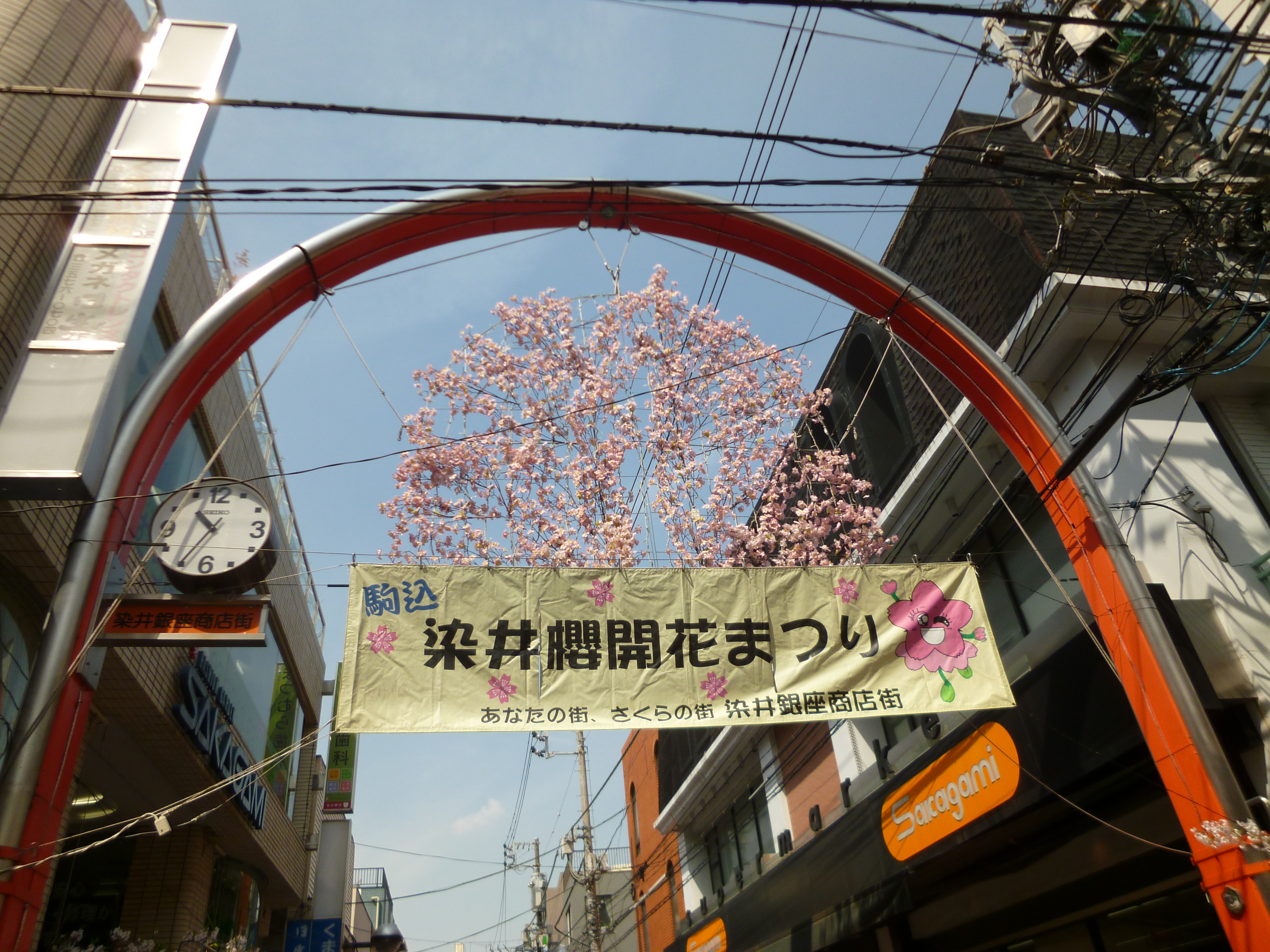
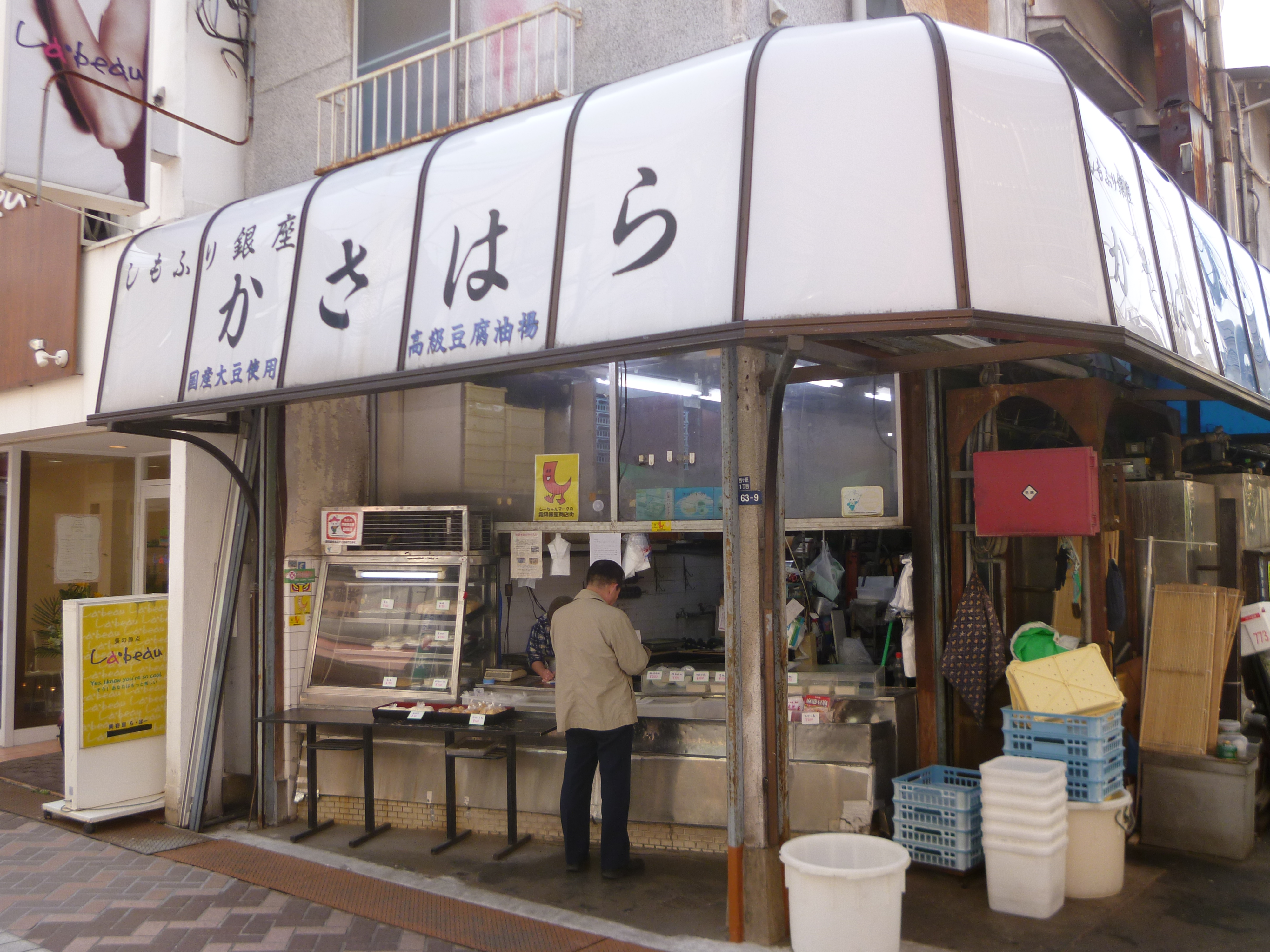
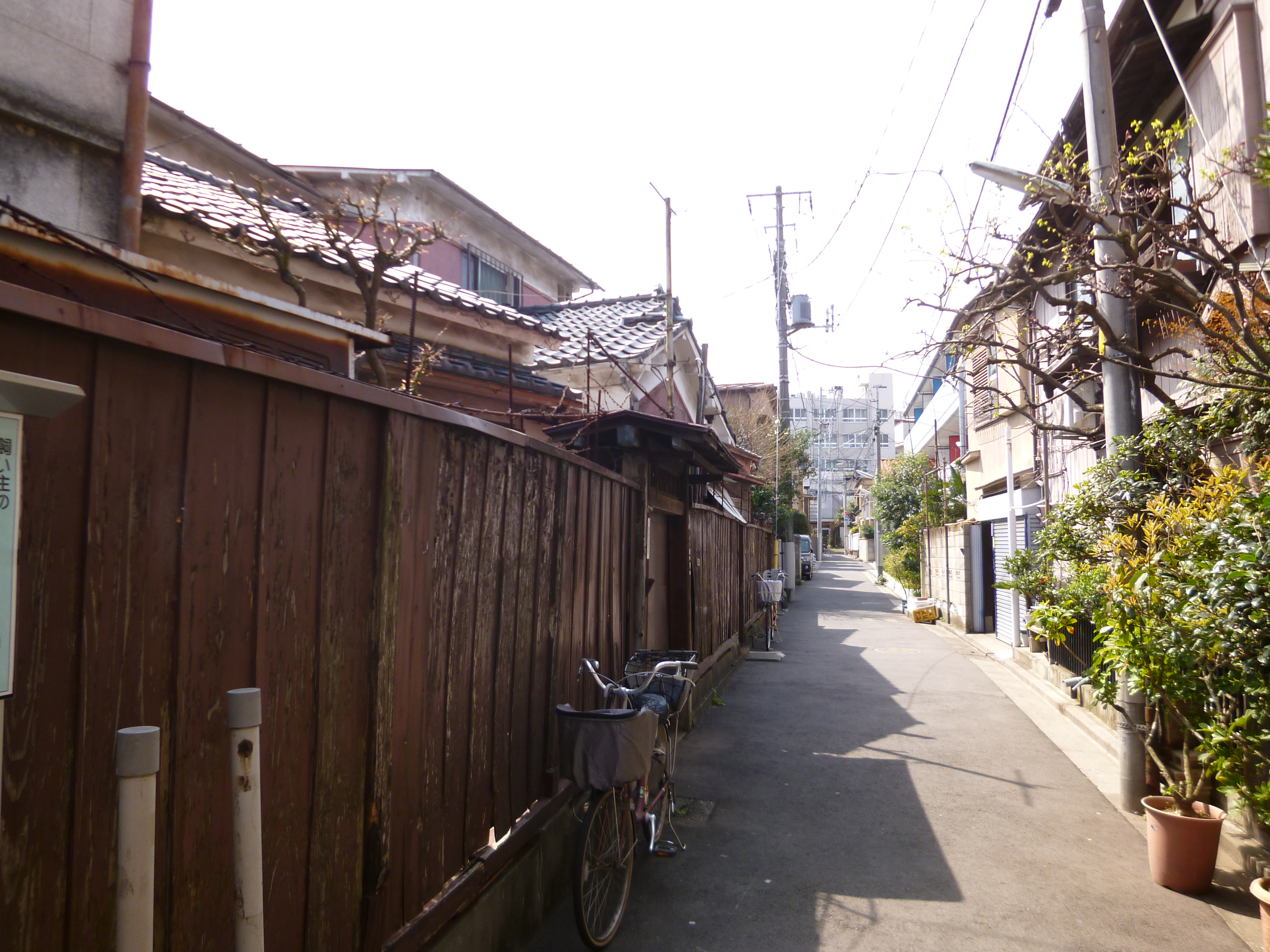
It’s a short walk up the main road from there to Shimofuri pedestrian shopping street (below) which is on your left. This street is typical of Tokyo’s shitamachi (lower town) district and has a few local food shops selling things like tempura, croquettes and hand-made tofu.
P1040156  P1040166  P1040165  P1040157

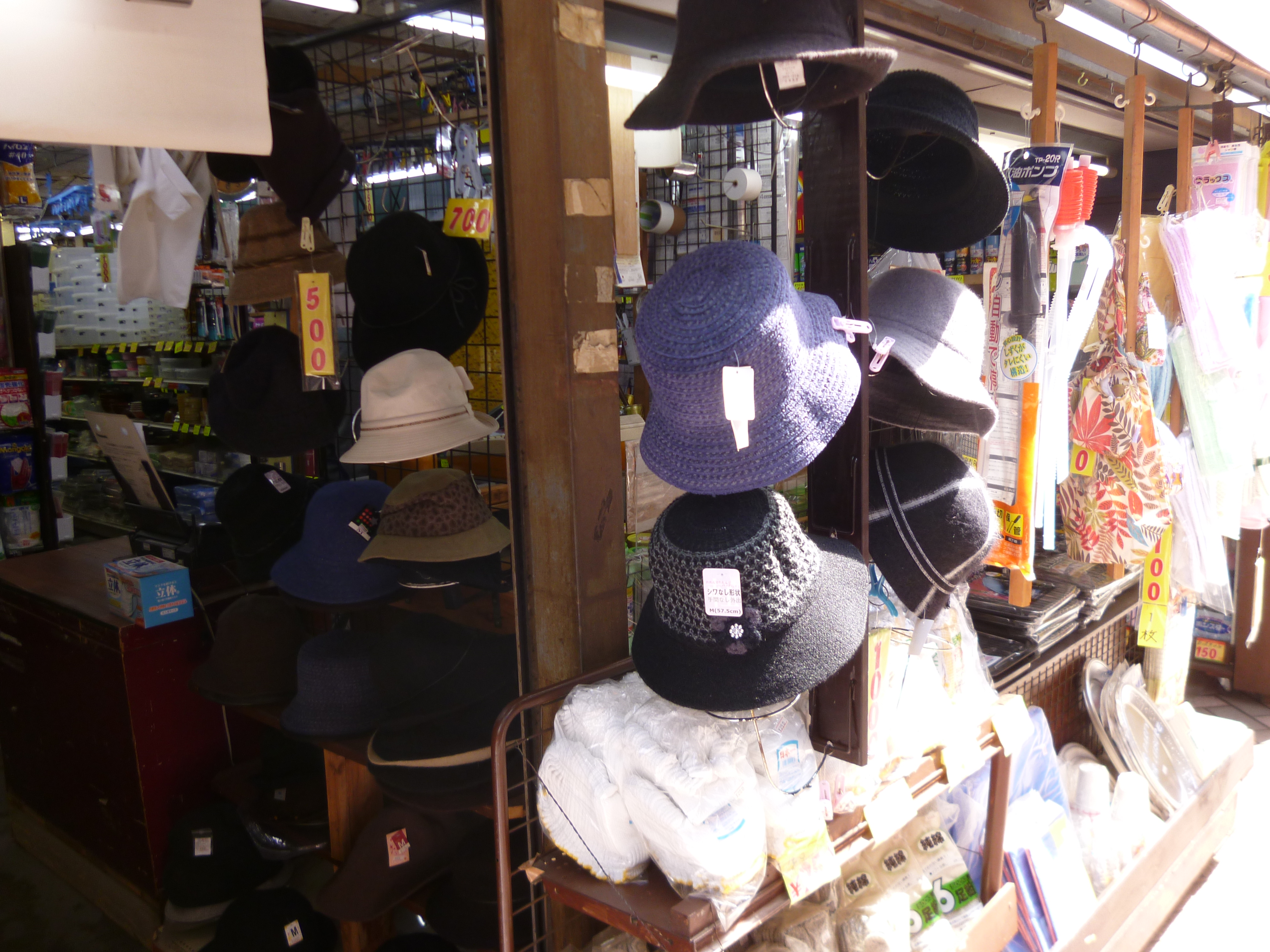
Komagome is only one stop from Sugamo station which is nicknamed “old persons Harajuku” and it seems like there’s traces of that extending here as the street is lined with shops catering for the more mature people such as clothing shops selling the bucket hats favoured by that generation of person!

P1040158  P1040159

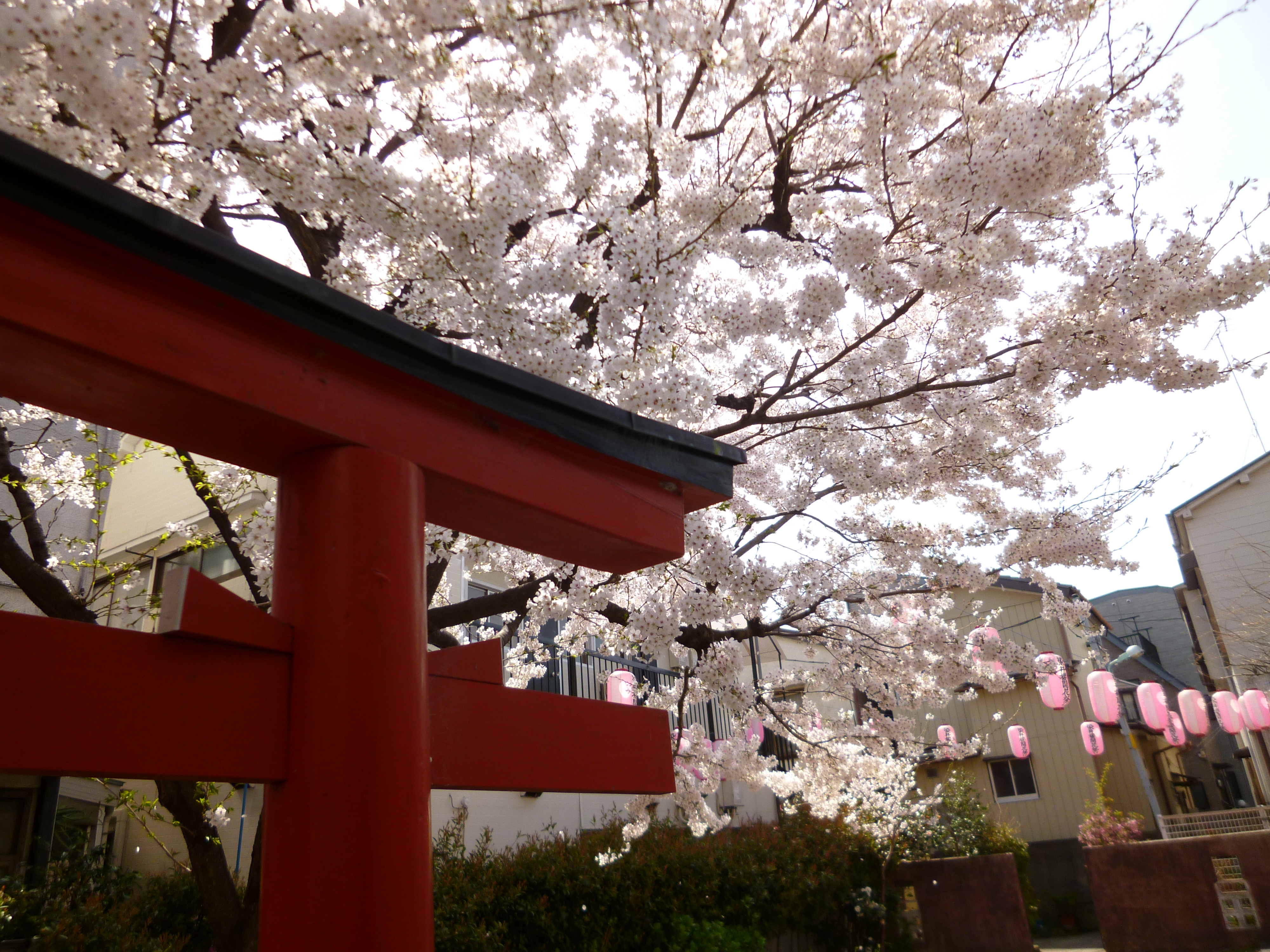
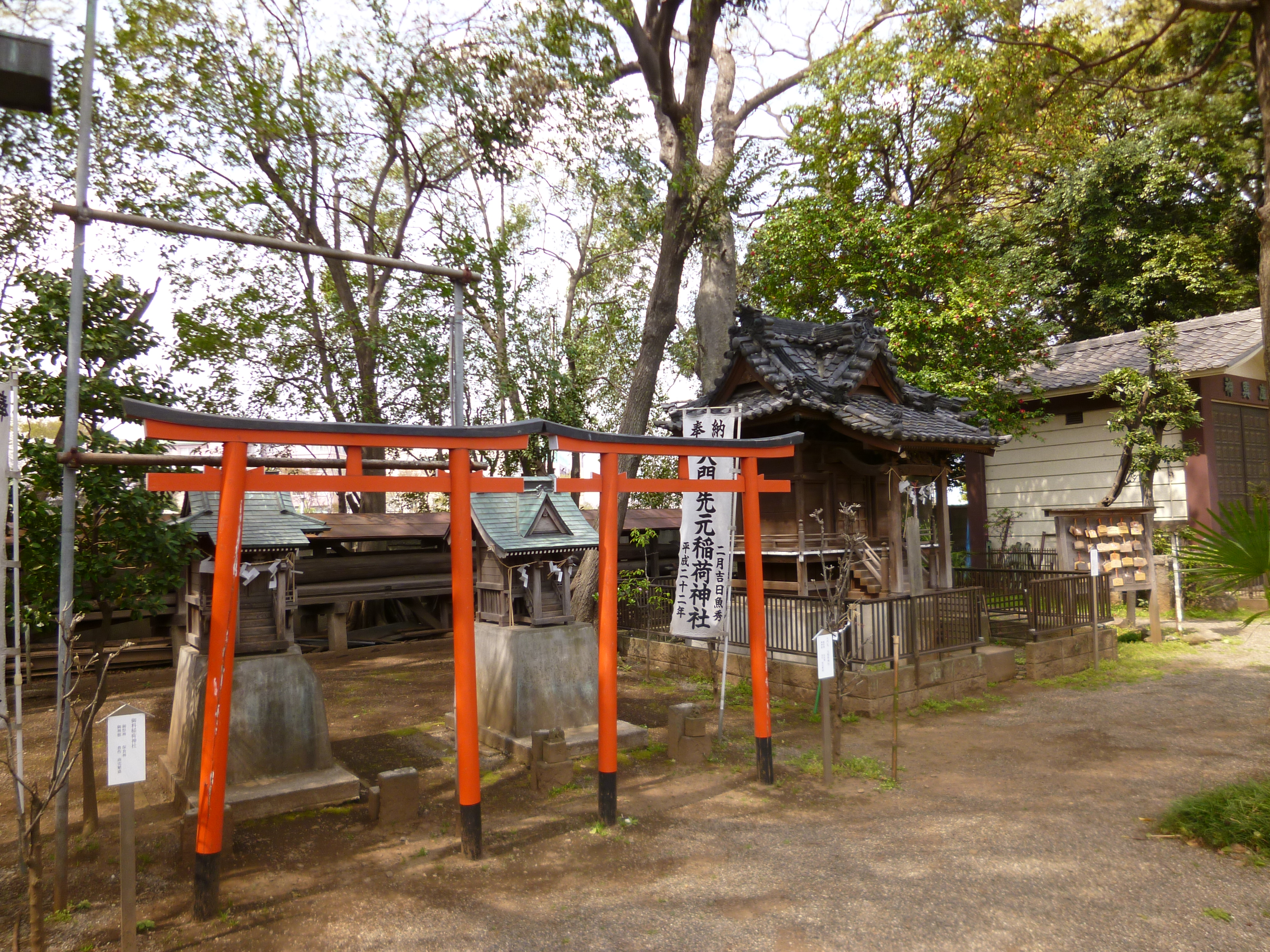
As you wander on past a few old buildings and narrow side streets you will come to a tiny shrine on your left which is dominated by a beautiful cherry tree standing alone in the middle of an open space with a small torii gate and shrine in the vicinity.
P1040170  P1040171

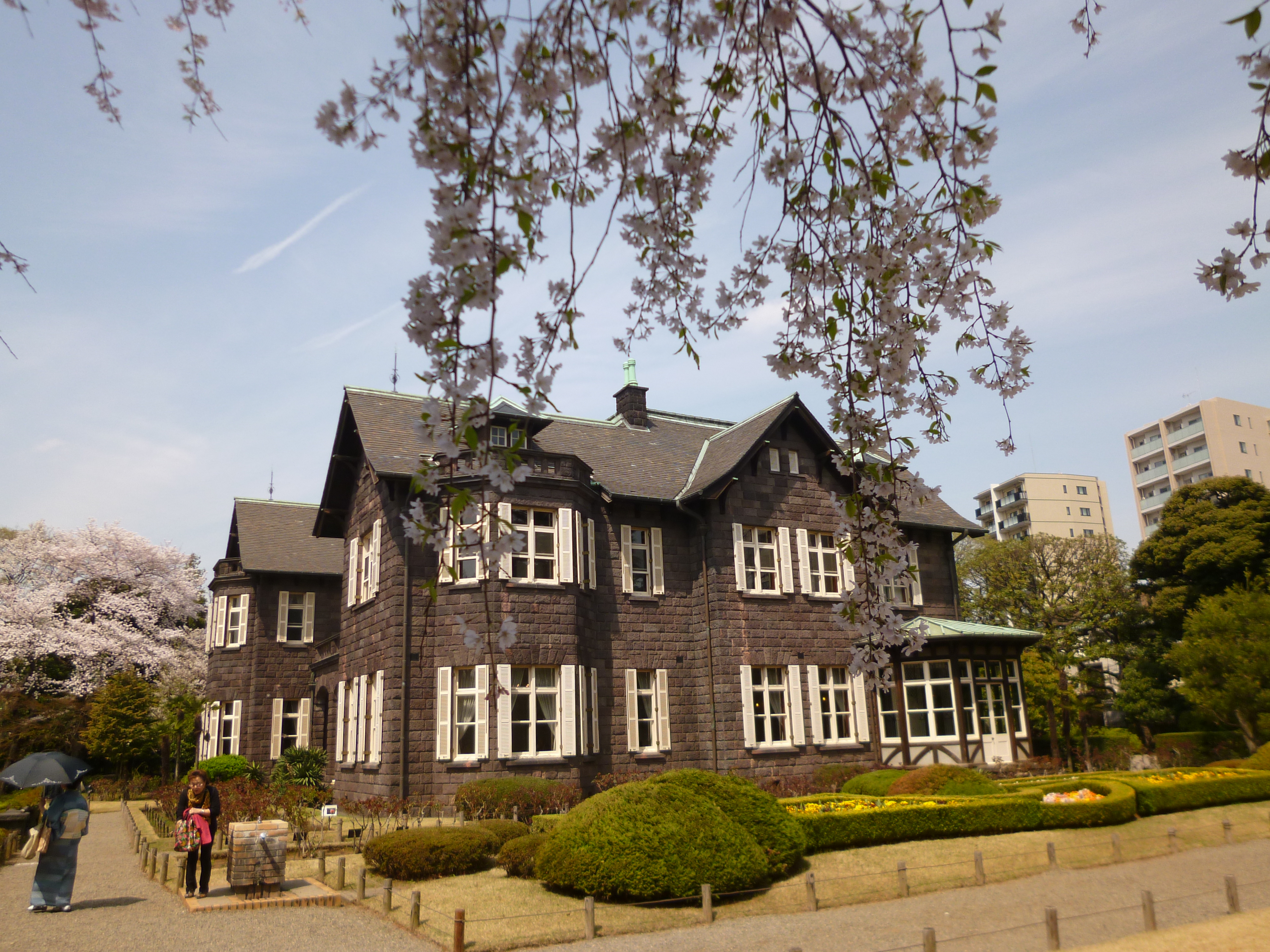
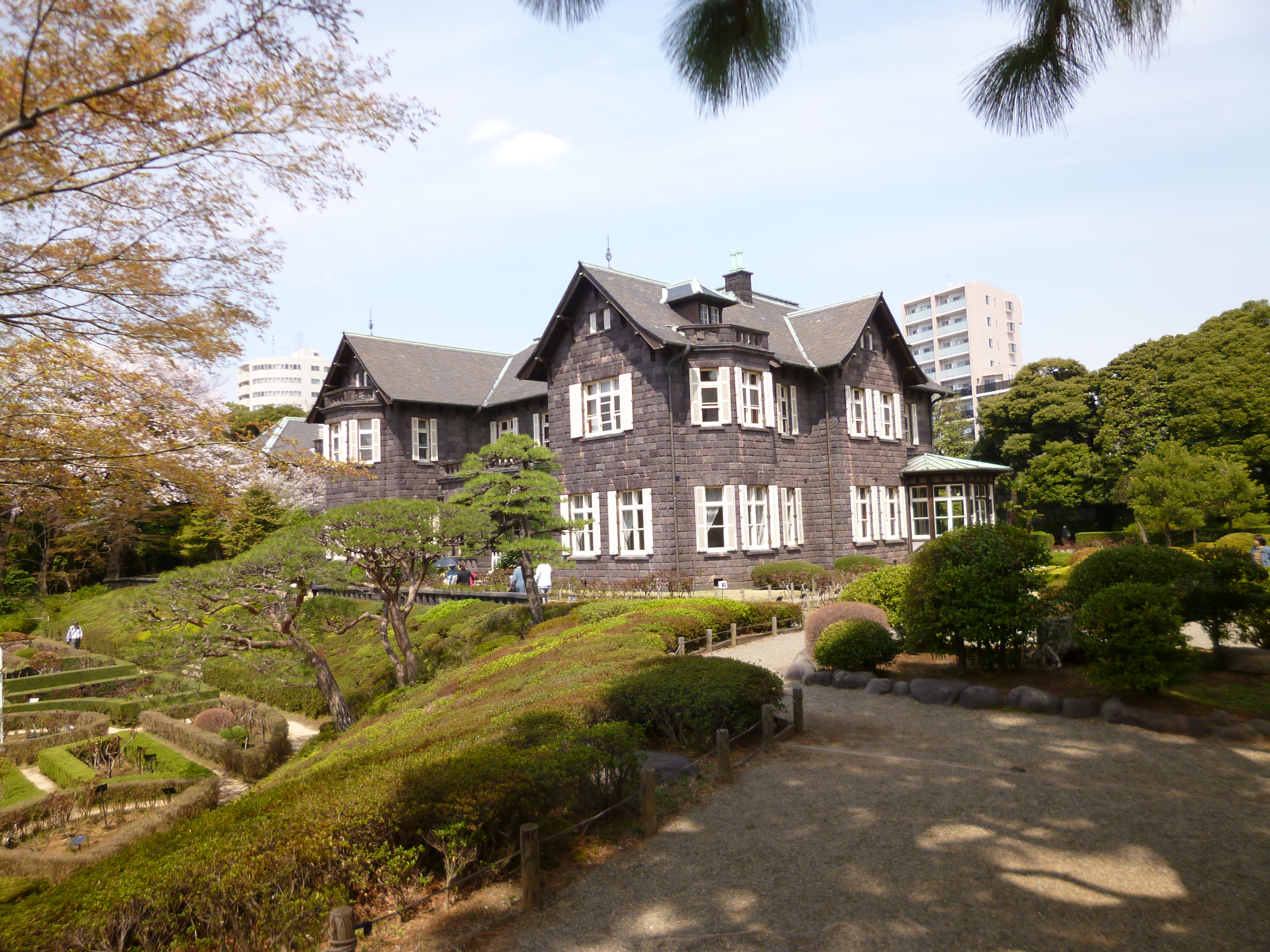
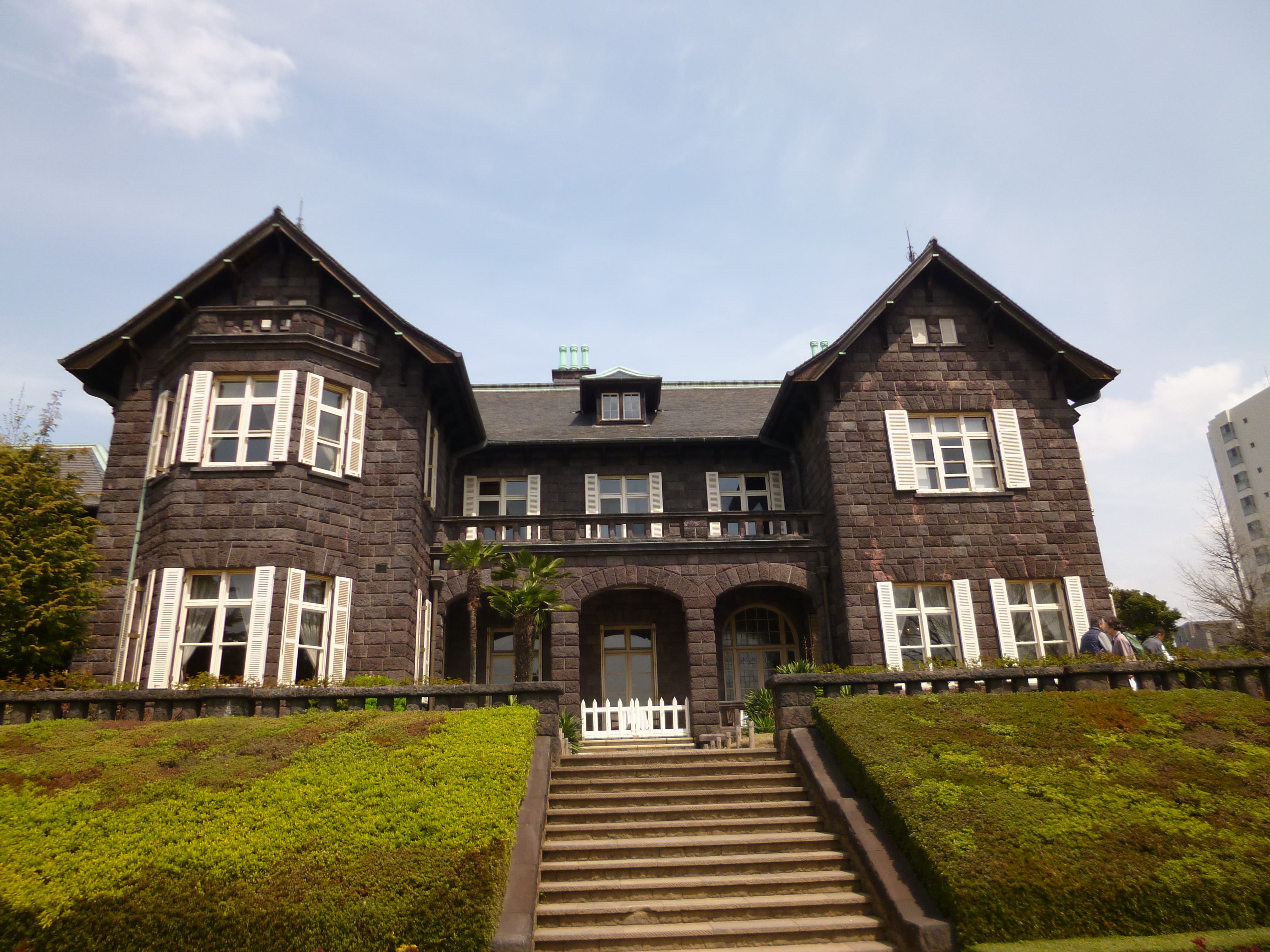
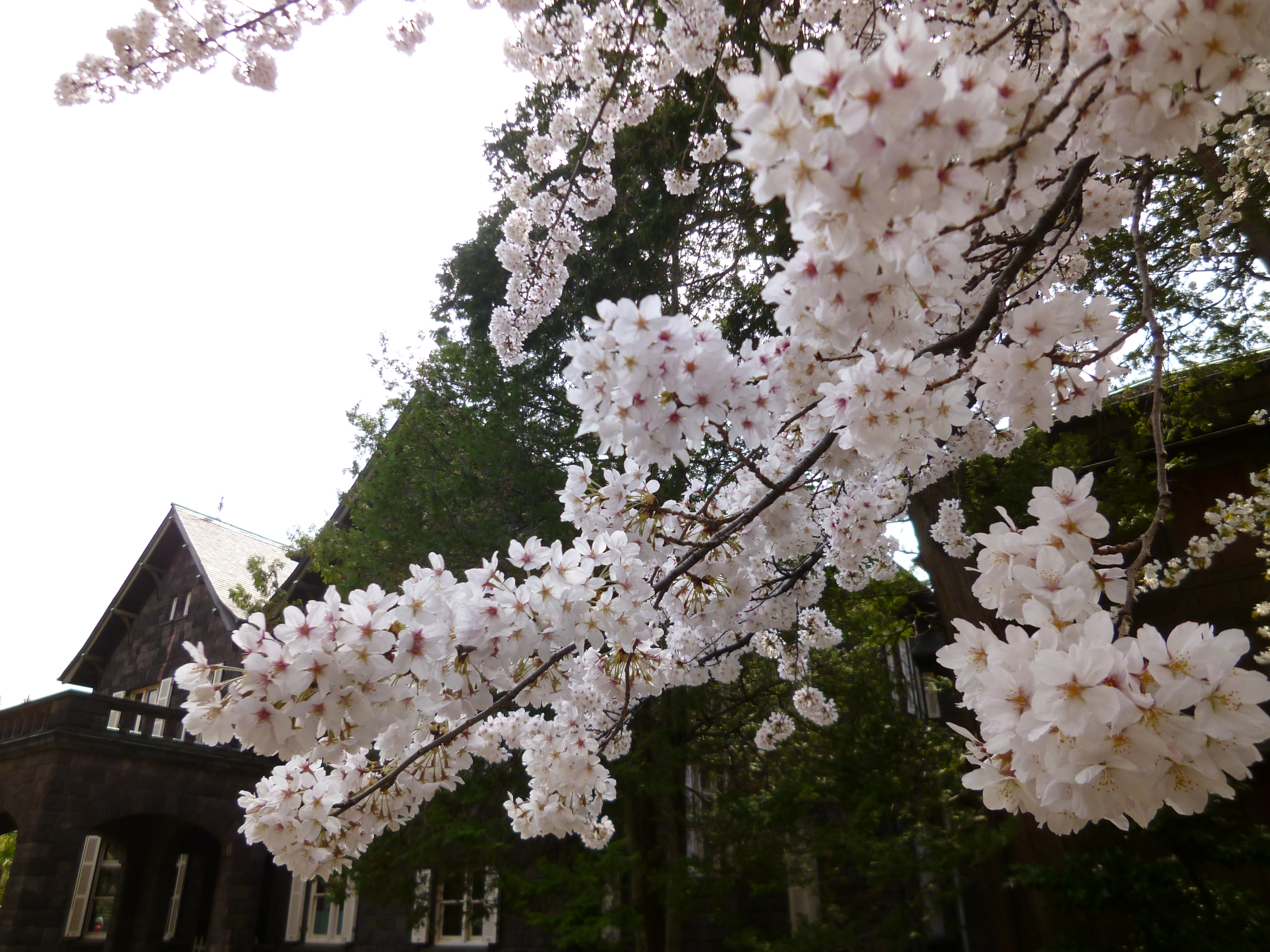
The sun was shining beautifully by the time I finally arrived at Kyu-Furukawa Gardens (9am – 4.30pm, 150 yen entry) which are quite unique in that they’re a mix of Western and Eastern styles sitting next to each other but not interfering with one another. The stone made western style residence looks like a medieval British manor house and stands proud on top of a plateau, with the rose and azalea gardens beneath them. The building doubles up as the Otani Art Museum, and with an advanced booking, it is possible to see the interior of the mansion.

P1040173  P1040174  P1040193  P1040196

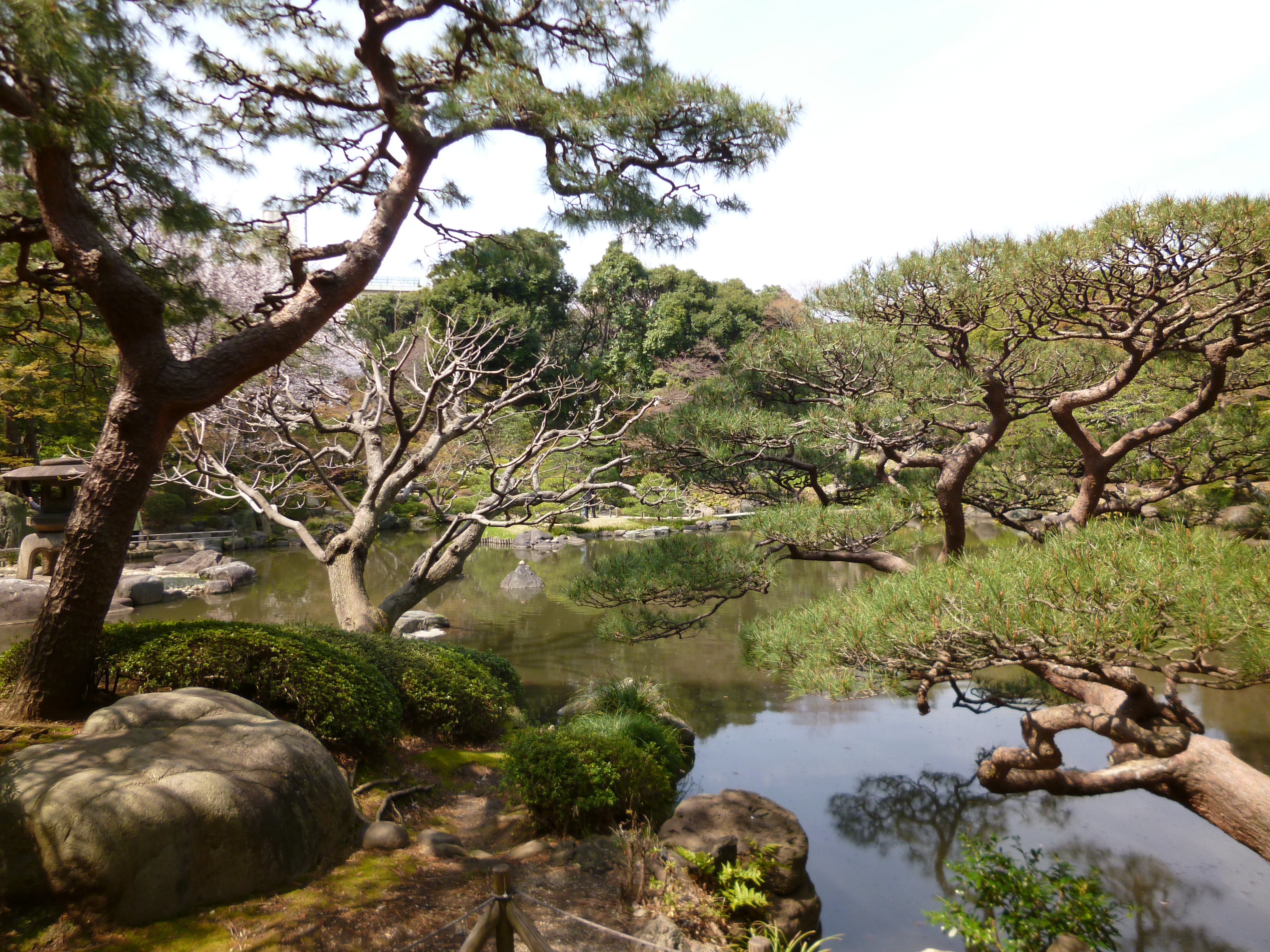
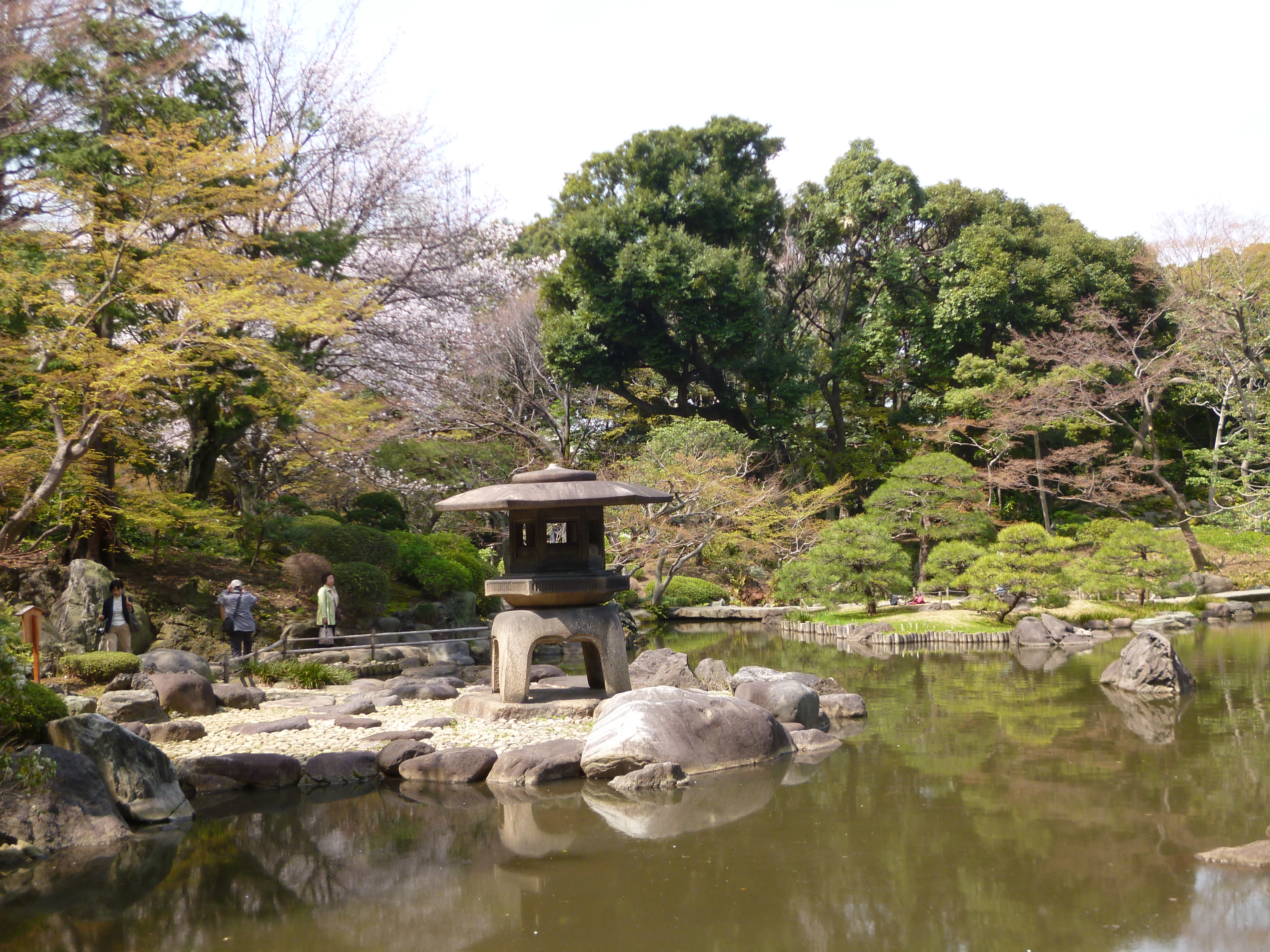
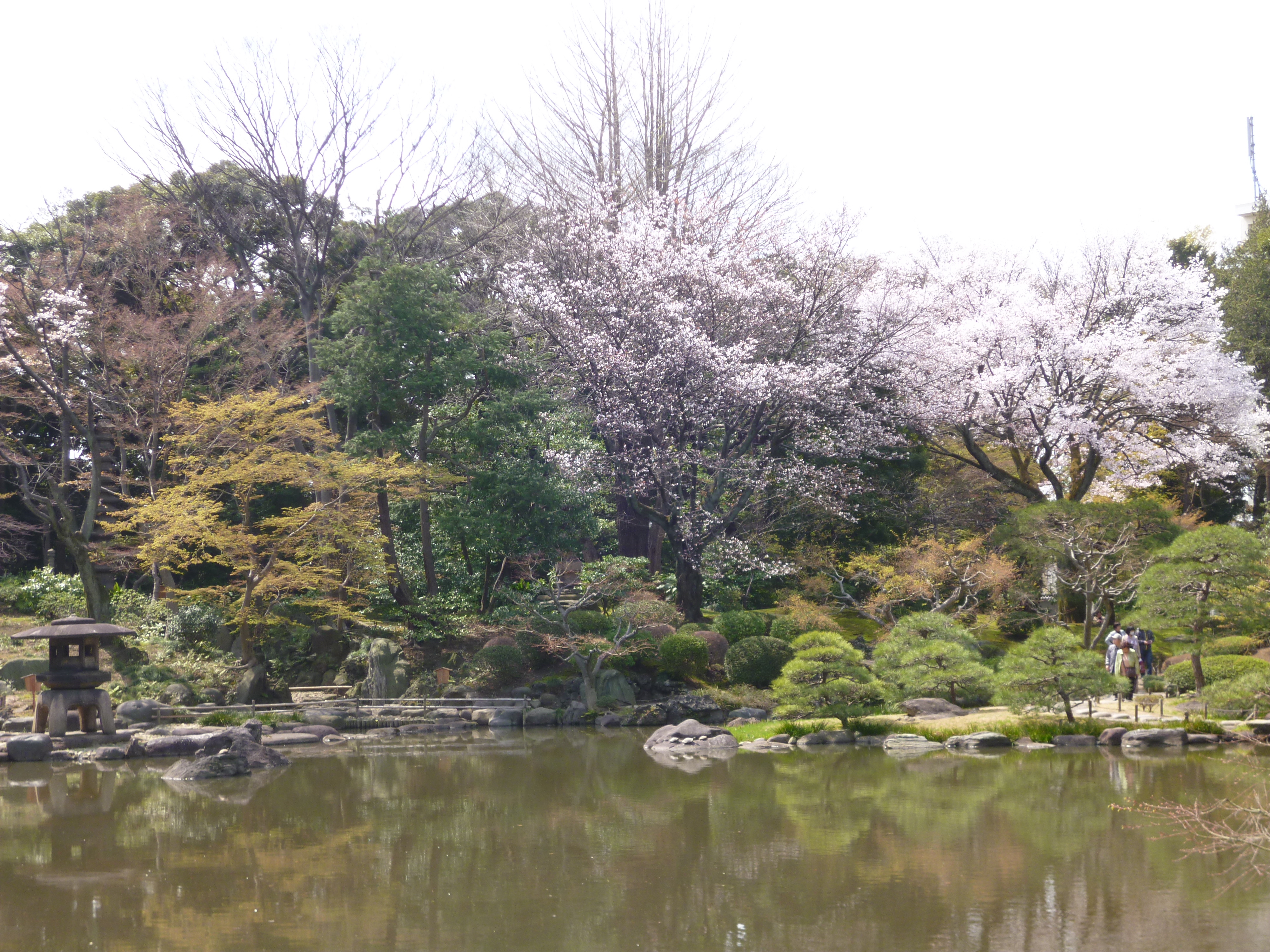
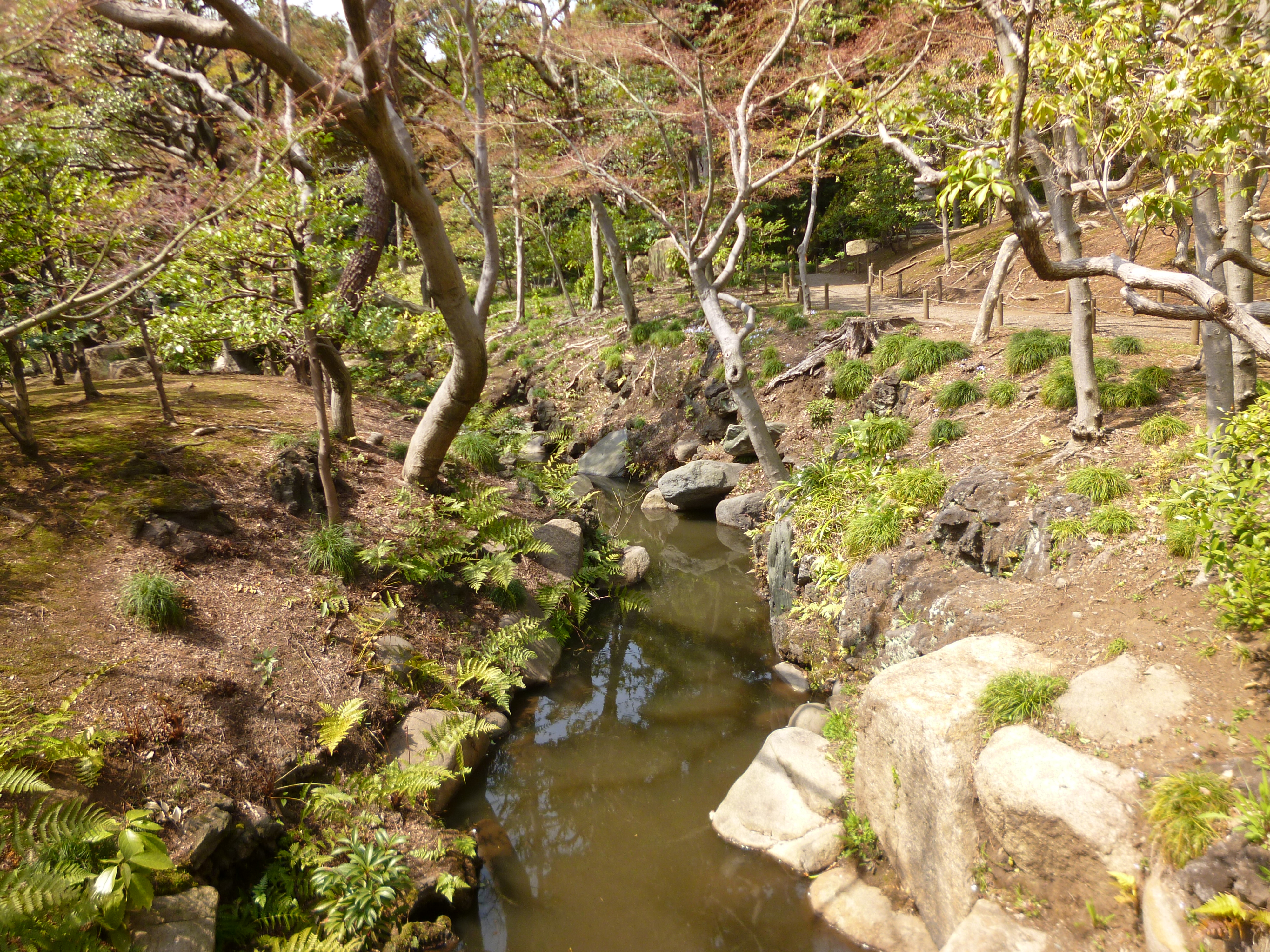
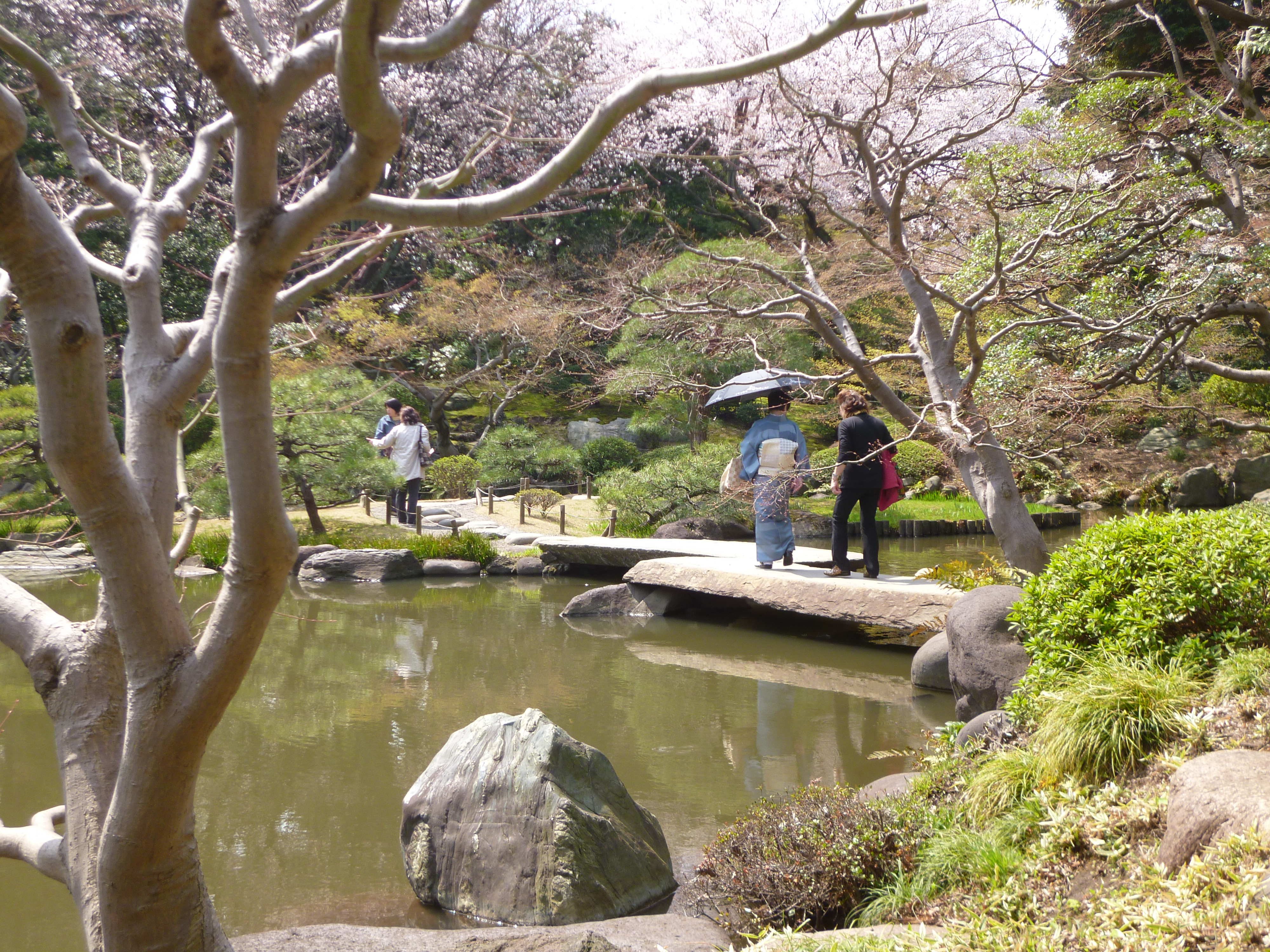
Beyond the azaleas is the Japanese-style garden with its focal points being Shinji-ike (pond), a 10 metre waterfall, a large stone yukimi-toro (lantern), a mountain stream and a small traditional tea-ceremony house. The best thing about this place was the low number of visitors whilst I was there which was during peak cherry blossom season remember! I didn’t know it at the time but you can buy a combination ticket which allows entry to both Kyu-Furukawa and Rikugien for 400 yen. It only saves 50 yen on the individual prices but if you know you’re going to both then you may as well buy it.

P1040184  P1040183  P1040186  P1040187   P1040190  P1040177

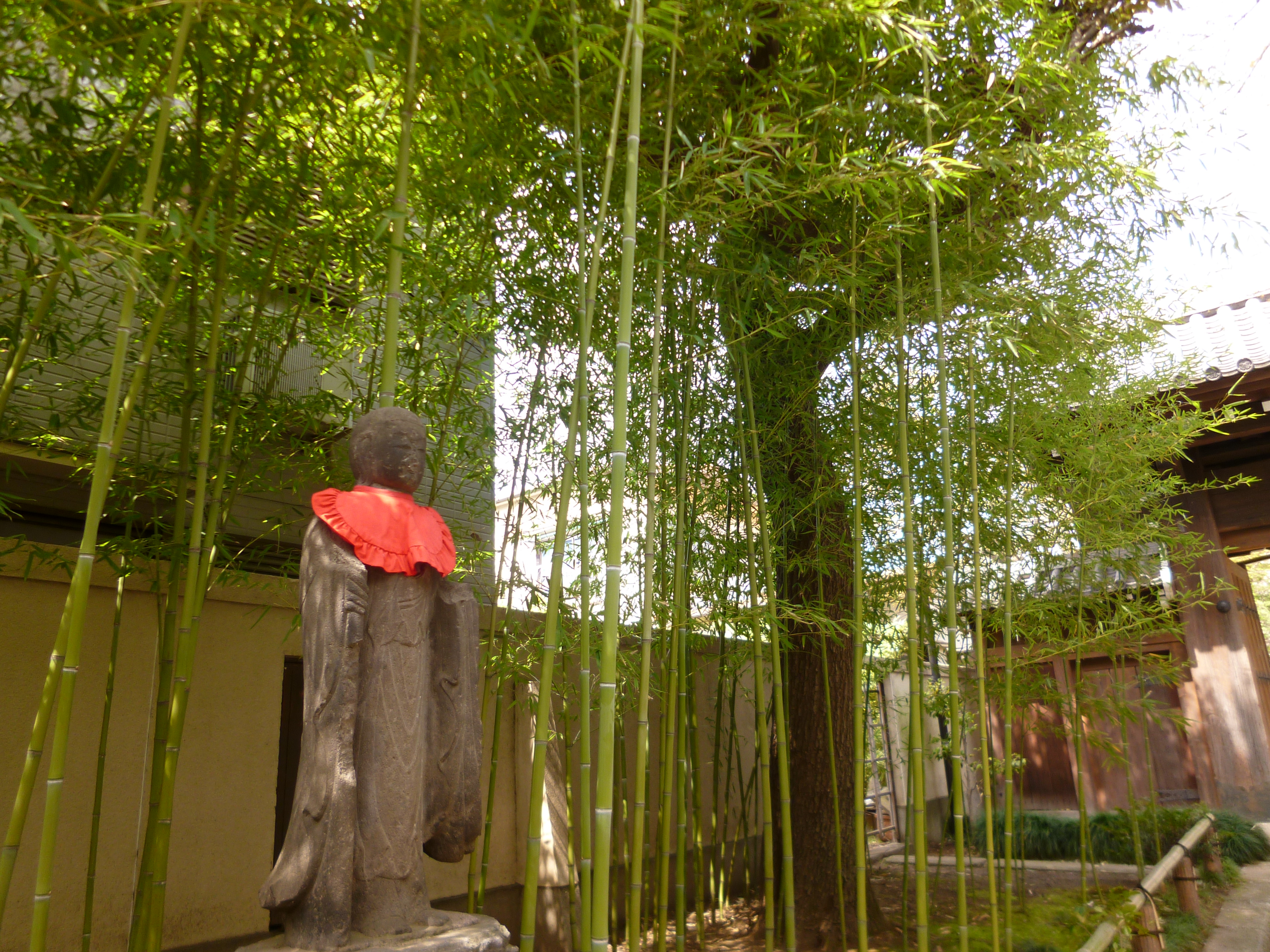
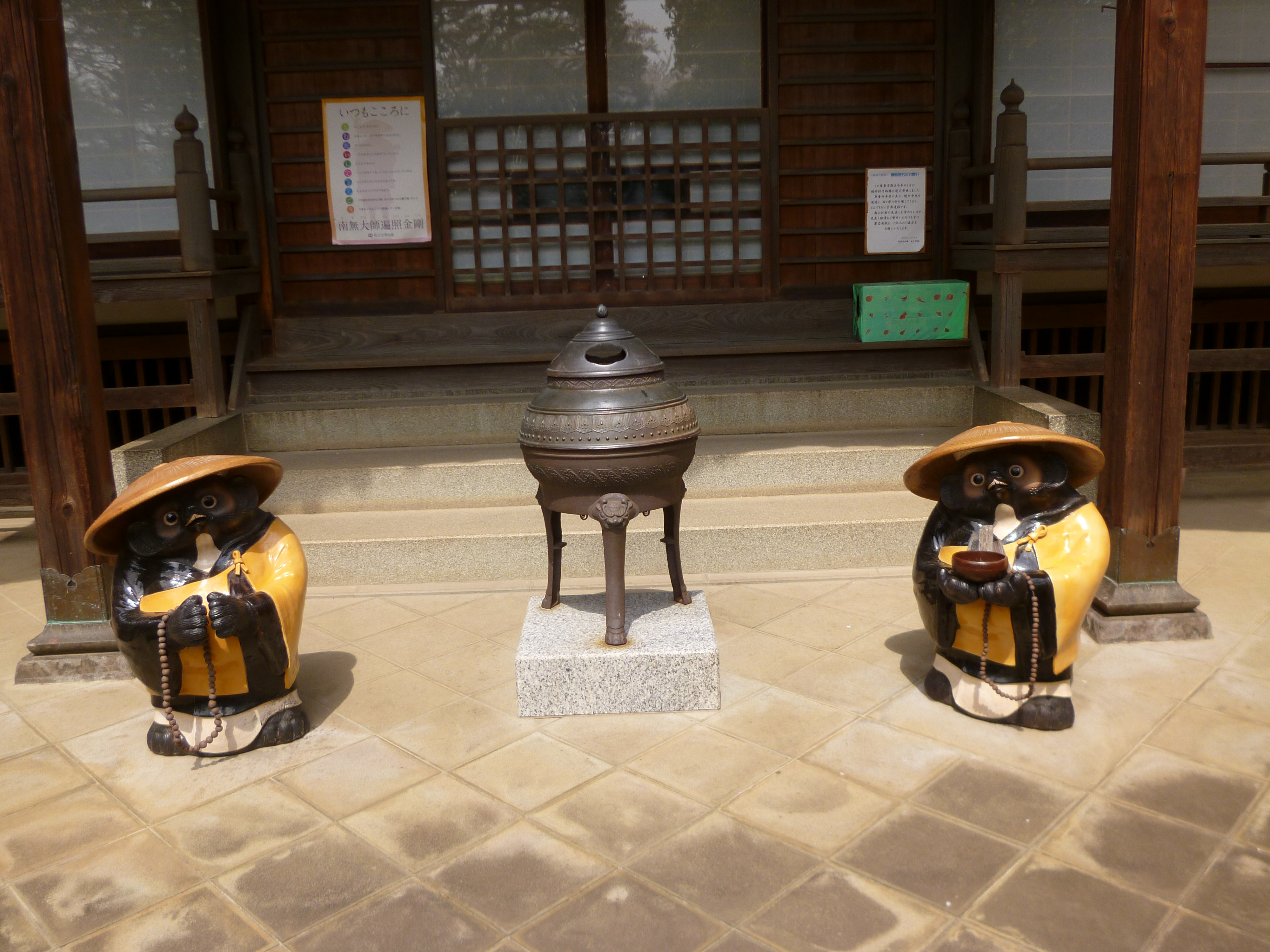
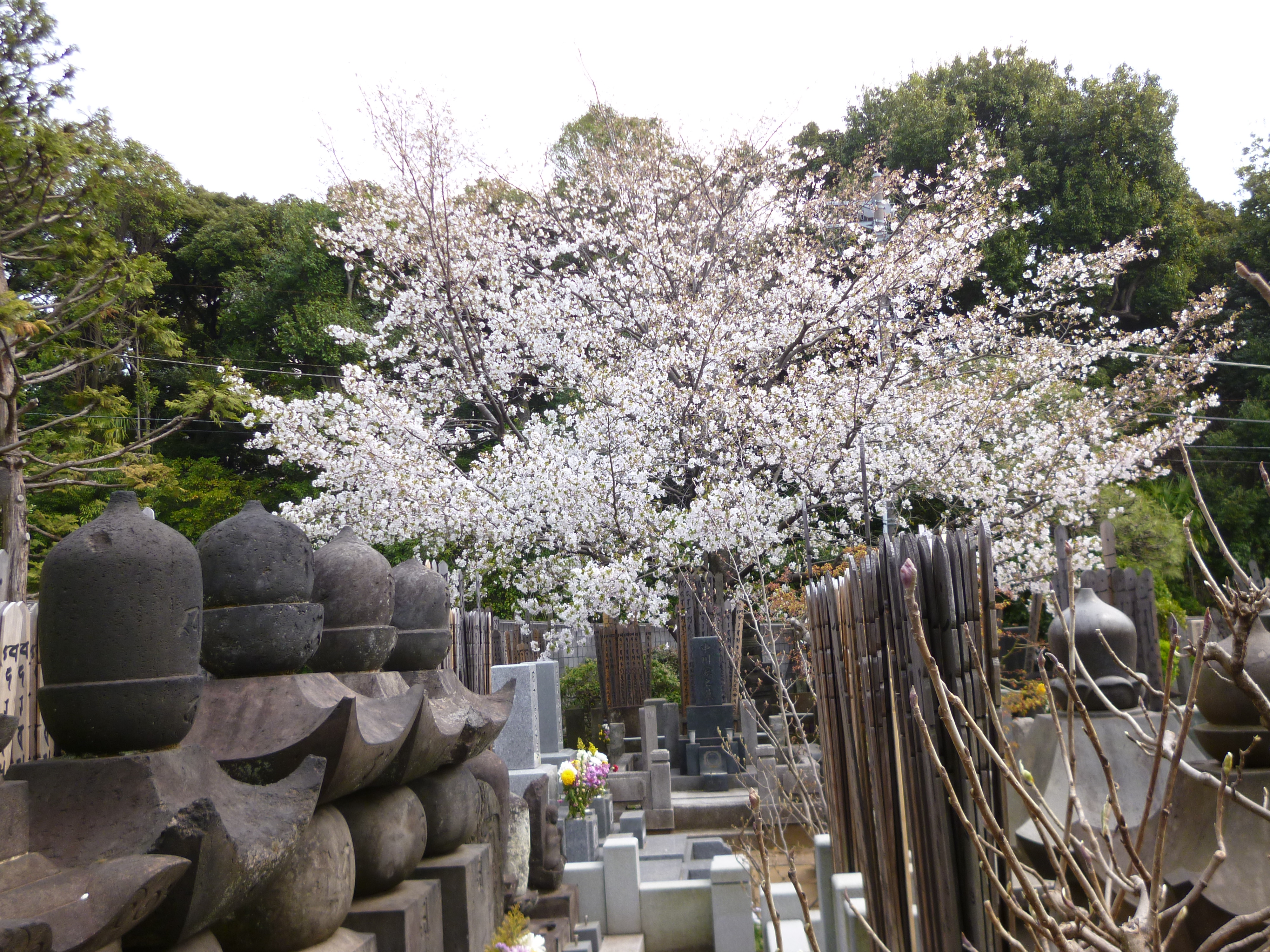
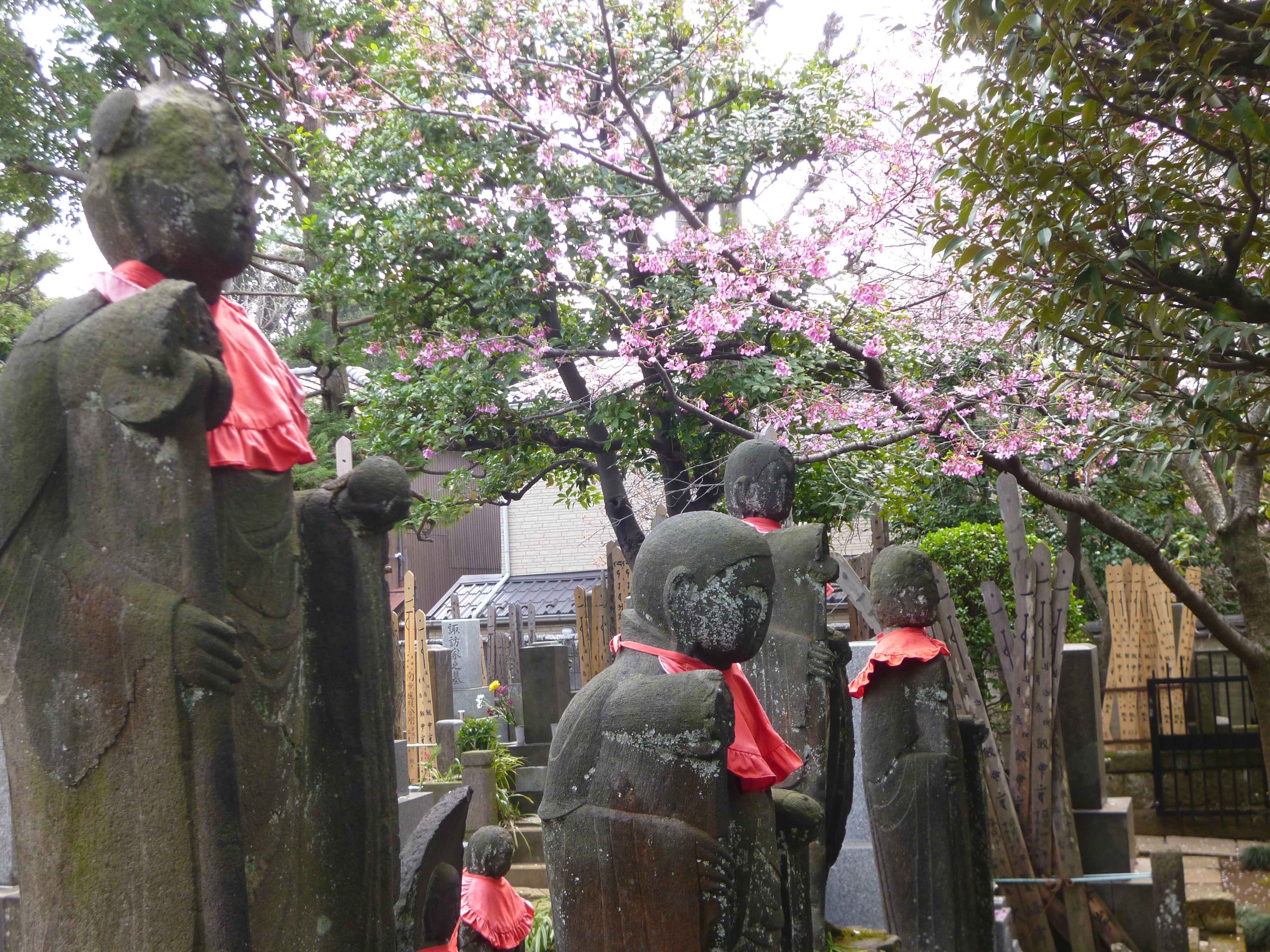
After Kyu-Furukawa gardens there was still time for a couple of quick stops before I had to get to work. Just round the corner and tucked away amid a few quiet back alleys is the little known Muryo-ji Temple (below) which is a tranquil place full of bamboo groves, jizo statues,   Japanese racoon dogs (tanuki) as well as some flowers and a touch of cherry blossom.

P1040197  P1040205  P1040209  P1040210

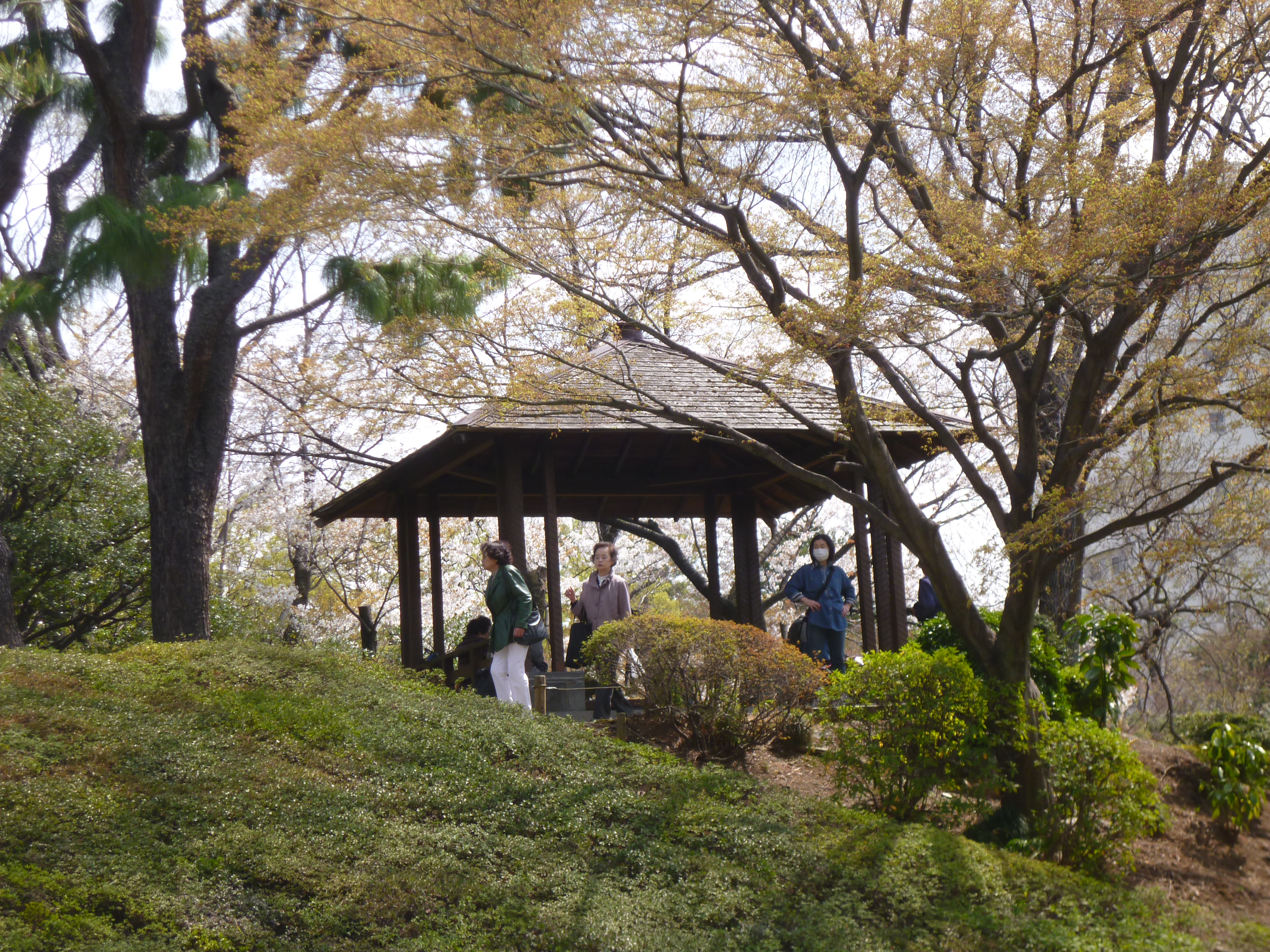
Hiratsuka-jinja Shrine (below) was the final port of call en-route to Kami-Nakazato station. It is situated on a plateau overlooking the surrounding area and is the former site of Hiratsuka Castle. Nothing much to look at in all honesty but as you can cut through this place it’d be rude not to drop in on your way to the station.

P1040215  P1040216

* The book from where I got the idea for this walking tour

Posted in Tokyo Daytripper: | Tagged , , , , , , , , | 8 Comments

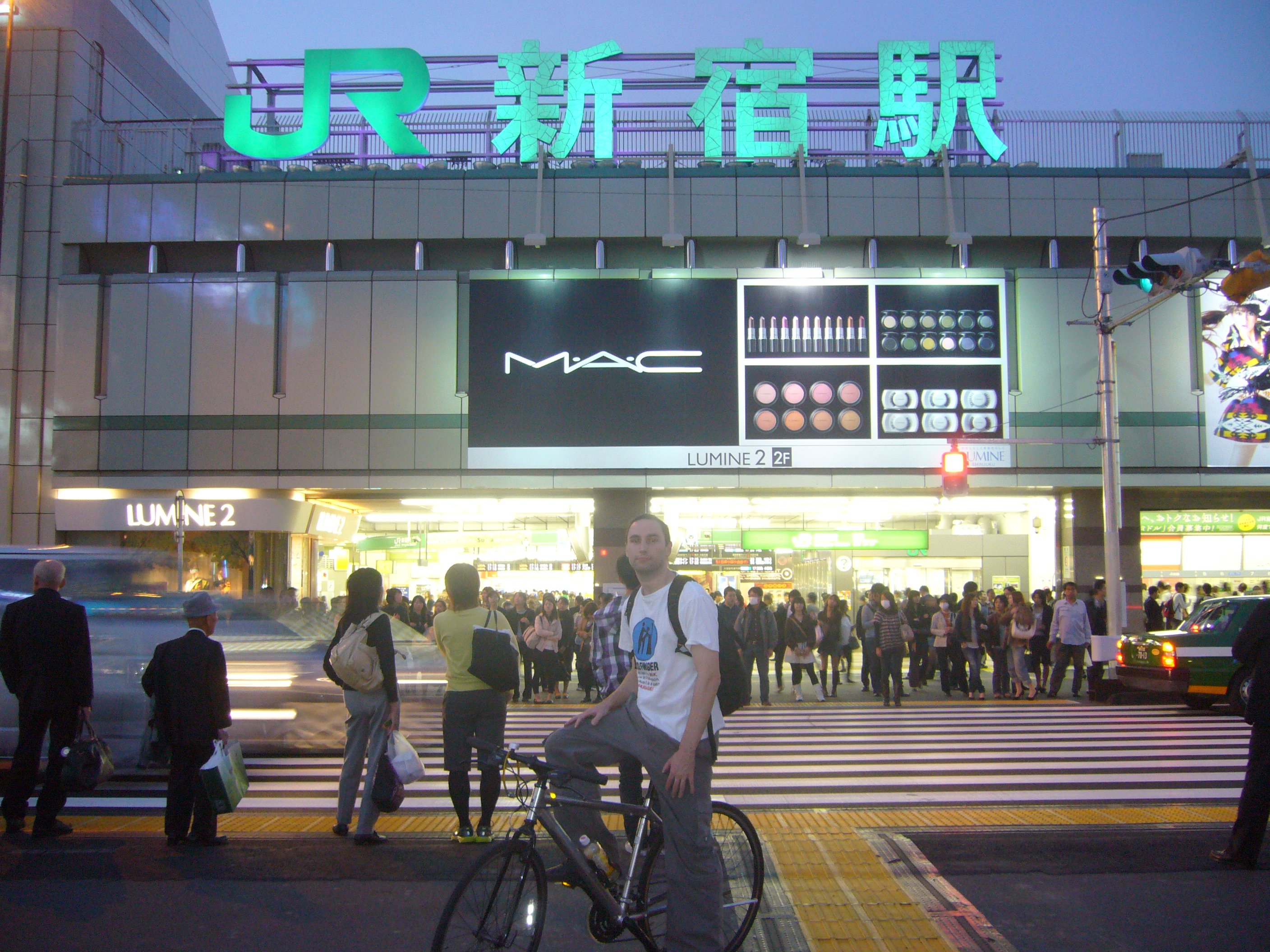
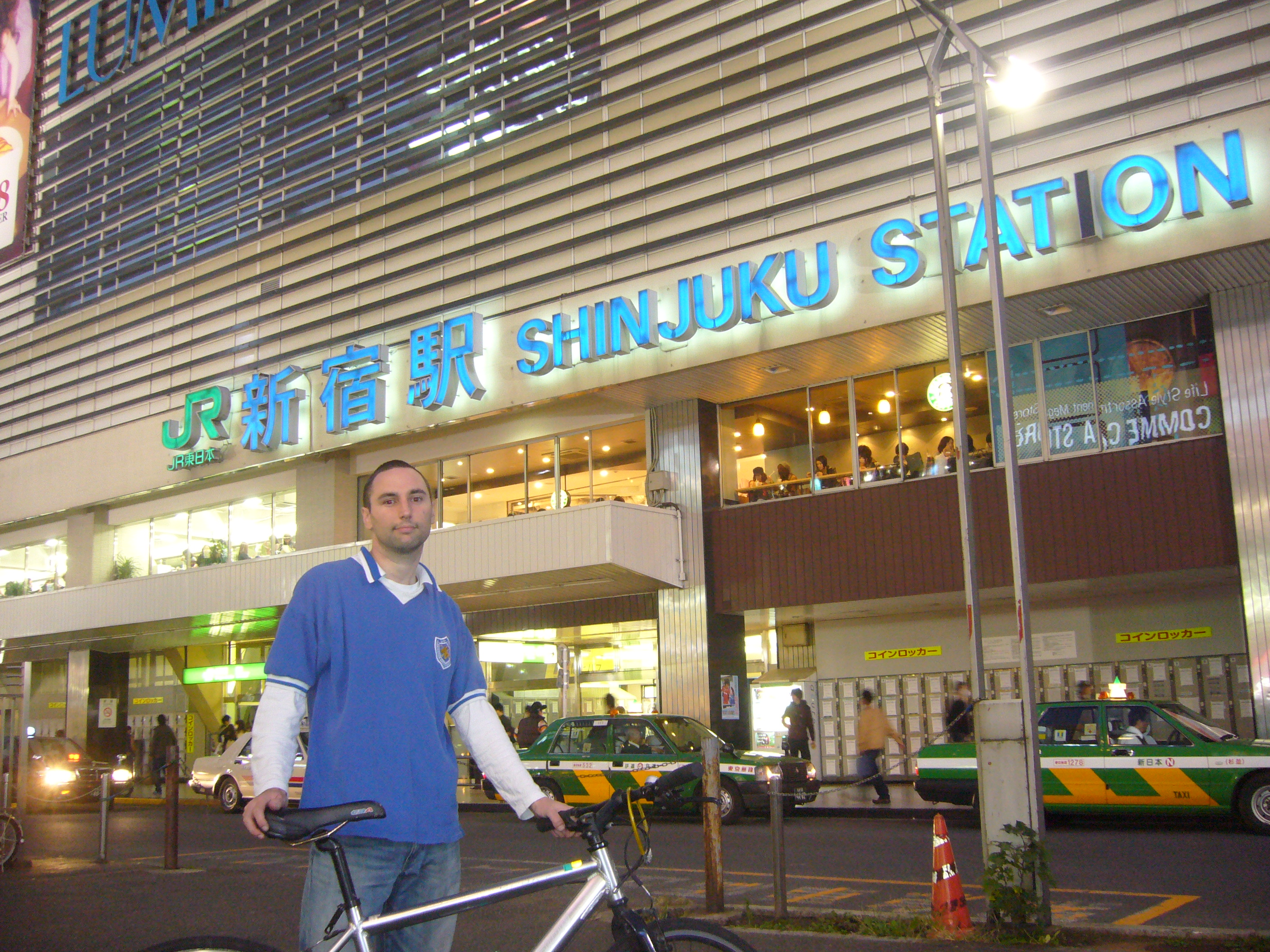
World’s Busiest Train Station: Shinjuku

Information was released last year detailing the worlds busiest train stations and Japan pretty much monopolised the top 50 list with only five of them not in this country. It’s not until the number 24 position that a non-Japanese station appears by way of Paris’ Gare du Nord! Of course it’s a little uncertain how the data was calculated and how accurate it is as India’s stations are not represented in the chart despite reportedly handling millions of passengers every day.

It was no surprise really that the top spot was held by Shinjuku station and last year there was a documentary on Channel Five in the UK detailing 24 hours in the life of this station. It aired just a couple of days before we took a trip back to England last August. I tried to find it online when I returned to Japan but was unsuccessful and inevitably I forgot all about it. However, my memory was jogged slightly by having a guest to guide round Tokyo recently and when I mentioned the station being the worlds busiest one I went a step further a few days later and found it online.

You can watch it here.

This 45 minute programme offered a fascinating insight into something that I, like millions of others, probably just take for granted. Tokyo is of course a mega sized metropolis and at its heart is this station which is like no other. The narrator bombards the viewer with a barrage of incredible statistics. Three million people pass through at rush hour and a train arrives every three seconds on one of 35 platforms. At peak times there are only two minutes between trains on the same line. 4000 people get off. each train and another 4000 then get on in order to keep everything on track. 25,000 trains go through the overground and underground platforms at Shinjuku every day.

The guards only have 30 seconds to load each train and there have of course been some very famous images over the years of brute force pretty much being used to fill the carriages with the commuters squeezed in like sardines in a can. In fact, the trains have double the numbers they were designed to take and I’m so thankful that I only have to ride in such conditions a couple of times a year!

It’s 1.38am at the station as the documentary begins and its all empty and quiet but not for long!! As some expert says “Shinjuku never really closes, it just sleeps” and no sooner has the last train and all its drunken revellers left, and its time for the cleaners to work their magic and clean the place which is the size of 6o football pitches. Only a few hours later and the working day begins again and believe it or not many staff members sleep at the station and even have a special alarm clock; an automatically inflating, rising bed that lifts the sleepers head!

“Only perfection will do” is the staff philosophy and their discipline, dedication and teamwork is second to none. A few seconds late is late in Japan and one guy even says that being late is stealing time from people. Commuters seem to rely (almost too much) on the trains getting them to work exactly on time in a country where people just aren’t late for work. This means that everyone has no choice but to pile on to the trains with the aforementioned guards giving them a helping hand at times. There is supposedly no time to wait for the next train and slow boarding can cause delays which lead to a dangerous numbers of people congregating on the platforms. It’s a situation which can spiral out of control very quickly if the trains don’t run like clock work.

Yamanote Crawl23Oct2009 162  TokyoTop25 Nov 2010 160

If it wasn’t difficult enough just maintaining an efficient and reliable service at the best of times then think what its like when you throw into the equation the likes of earthquakes, typhoons, terrorist attacks, suicides and drunken revellers. The greatest fear is total shutdown which, despite the constant relentless pressure, rarely ever happens but of course on the 11th May 2011 that is exactly what happened and that date showed that Tokyo finds it very difficult to function without Shinjuku station.

I’ve seen this mammoth-sized station in a different light since viewing this programme and can appreciate the grand-ness of the place and its dedicated workers. The select few which featured in this documentary showed that there is hardly any time to draw breath as dozens of people pounce on these almost-robotic workers to ask questions galore as soon as they appear on the scene in the parts which are open to the public. It really is crazy and the staff need to know the station inside-out as well as the Shinjuku area which tourists and locals alike enquire about.

Posted in Japan Life, TV Shows | Tagged , , , , , , , | 34 Comments

Tokyo Daytripper: Top 10 Day Trips Beyond Kanagawa, Saitama & Chiba

Unlike the surrounding area’s of Saitama, Kanagawa and Chiba, these day trips from Tokyo are proper full-on journeys and do include a fair bit of travel but with an early start they are all very do-able within daylight hours. However, when you’ve only got one day spare you don’t have too much choice! So following the success of Tokyo Fox‘s Top 10 day trips in KanagawaSaitama and Chiba it’s time to move on beyond those prefectures! Here then, in no particular order, is the list featuring a mix of famous sights and some hidden gems too.

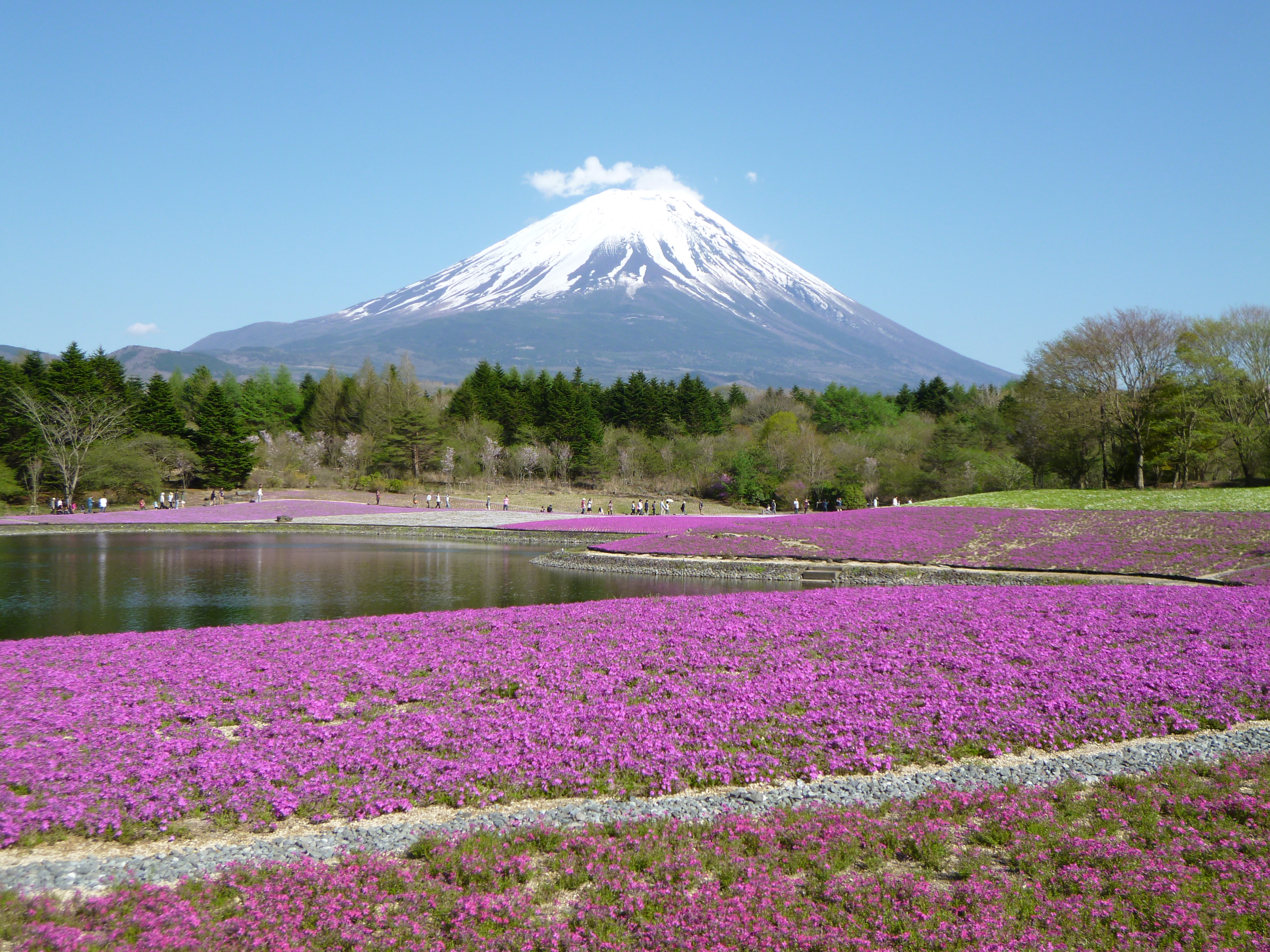
1. Fuji Shibazakura, Yamanashi-ken – A spectacular picture postcard-type view (below) of a stunningly beautiful pink carpet in the foreground of the iconic mountain. More details here

P1050171

2. Nikko, Tochigi-ken – UNESCO World Heritage listed Toshogu Shrine (below) deservedly takes the main plaudits along with a few other shrines and temples but don’t forget about the surrounding natural beauty too. More details here Continue reading

Posted in Japan Travel, Tokyo Daytripper: | Tagged , , , , , , , , , , | 16 Comments

Kameido Tenjin Shrine Wisteria Festival

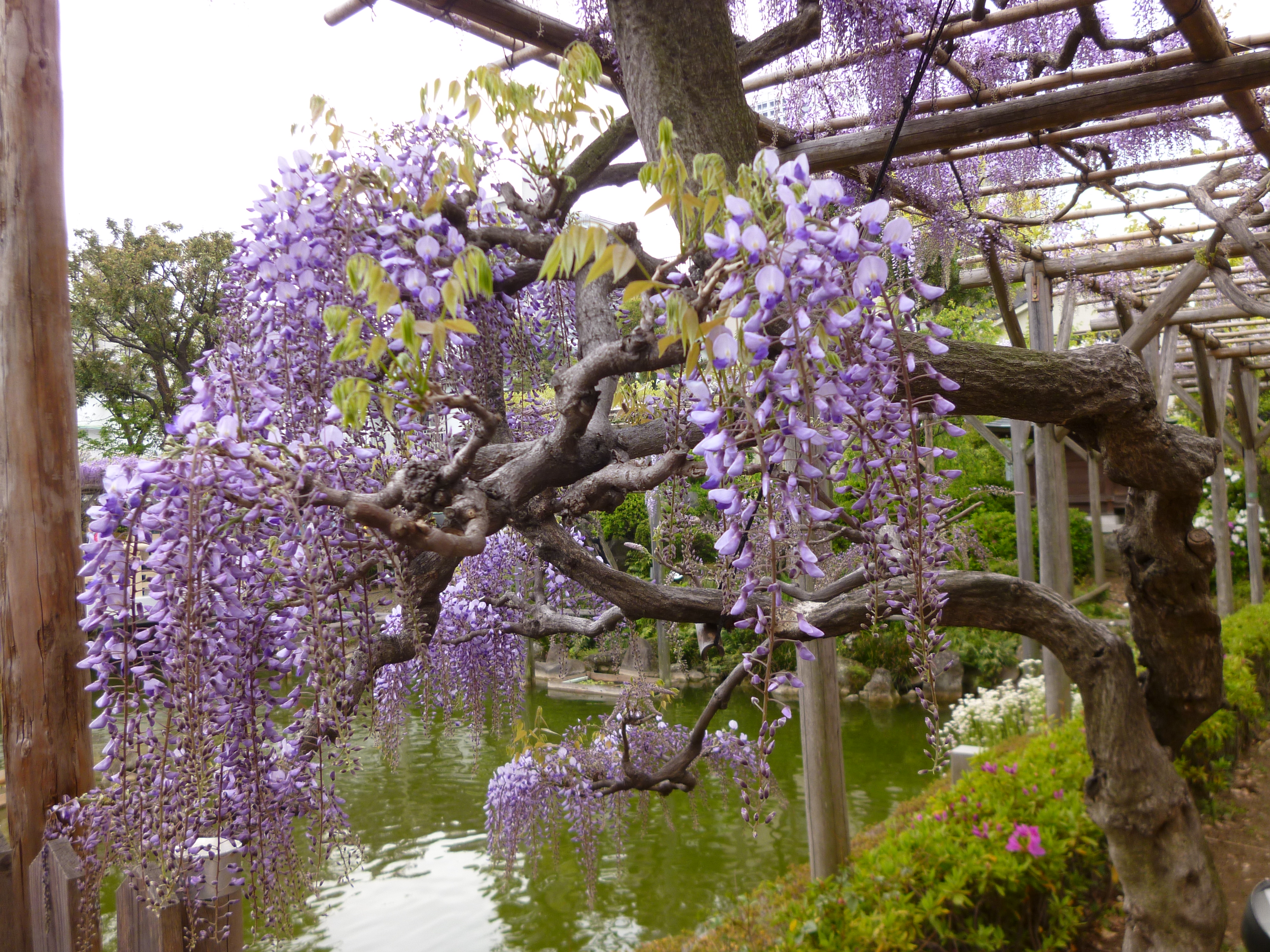
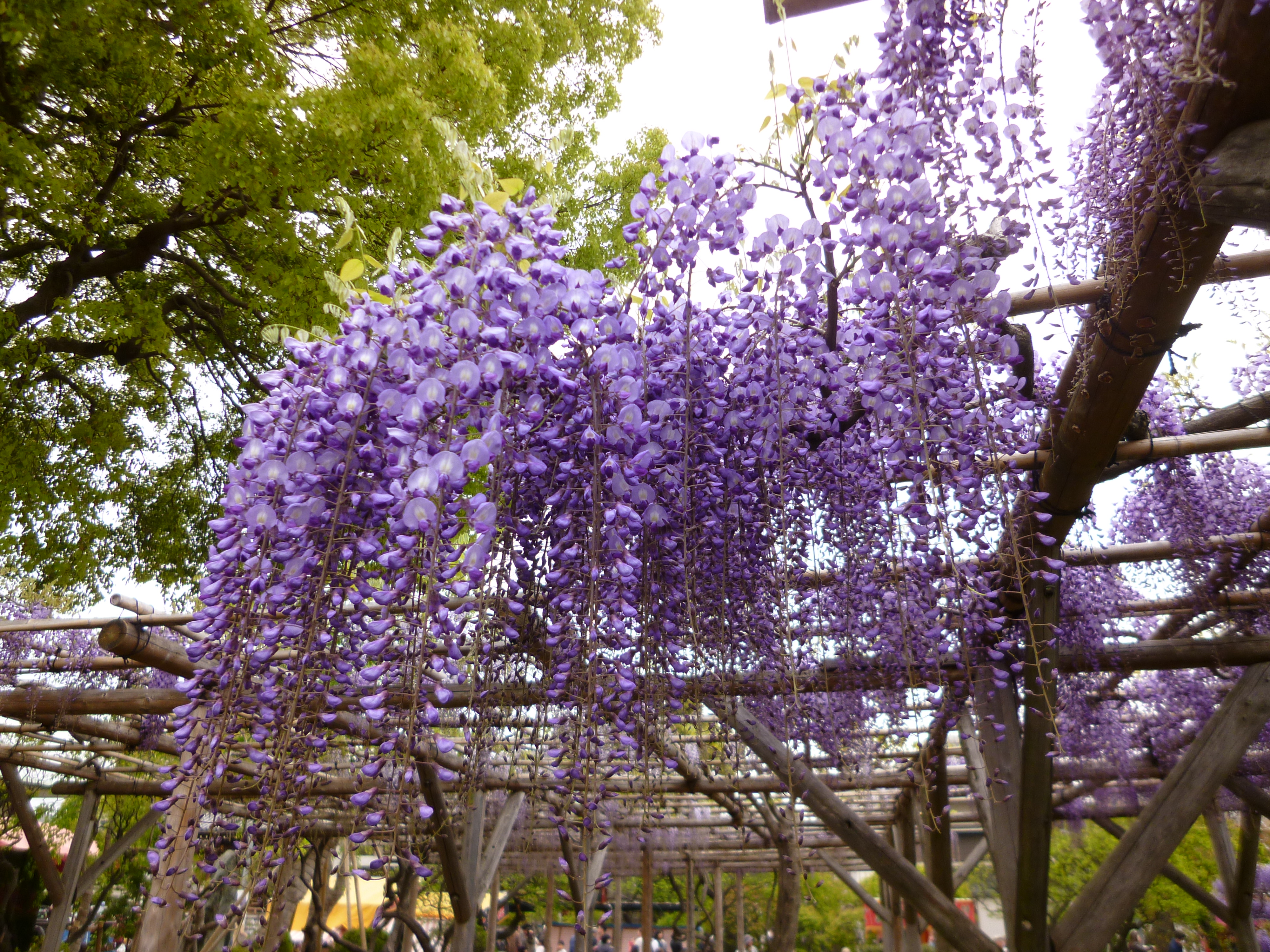
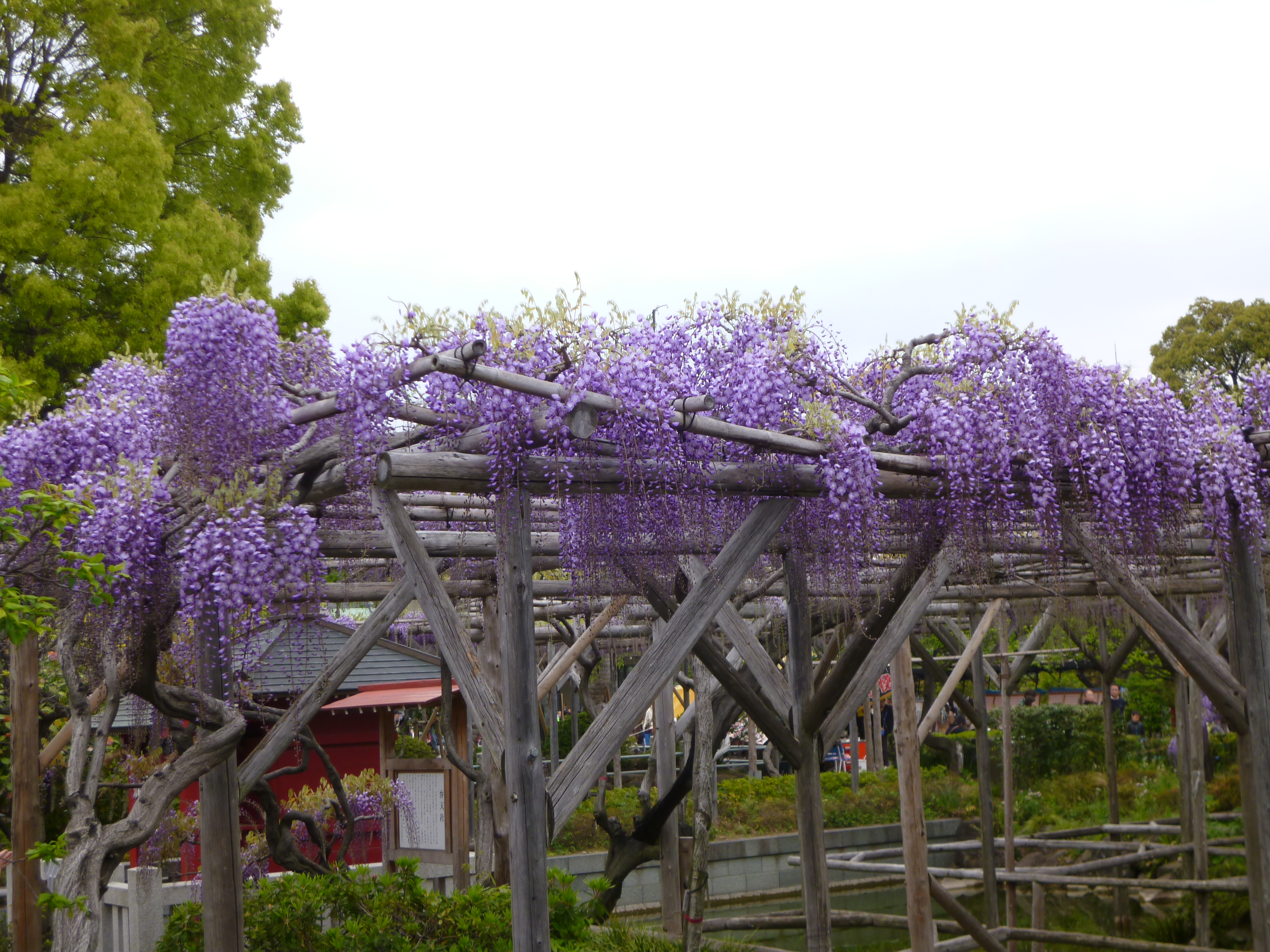
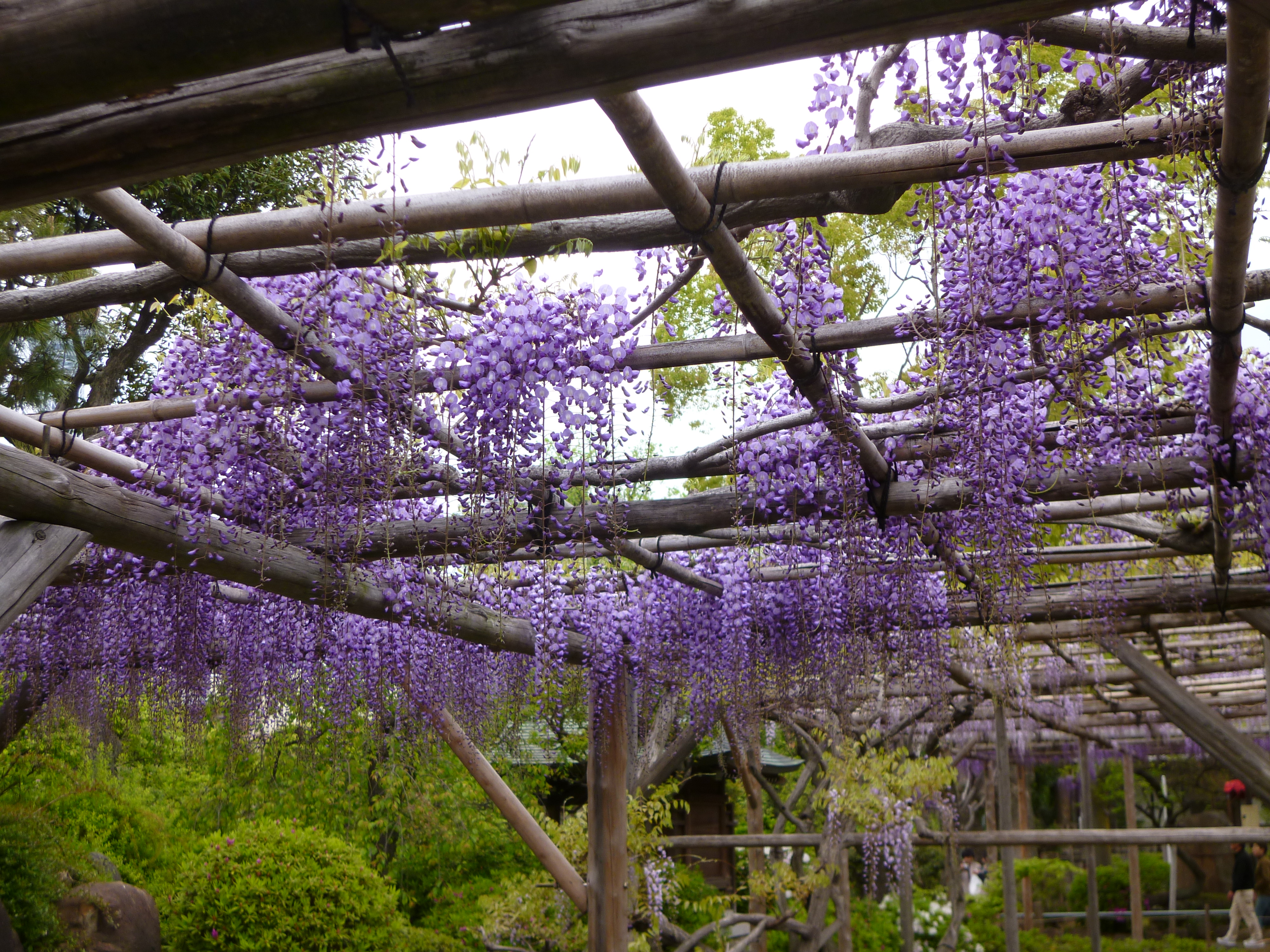
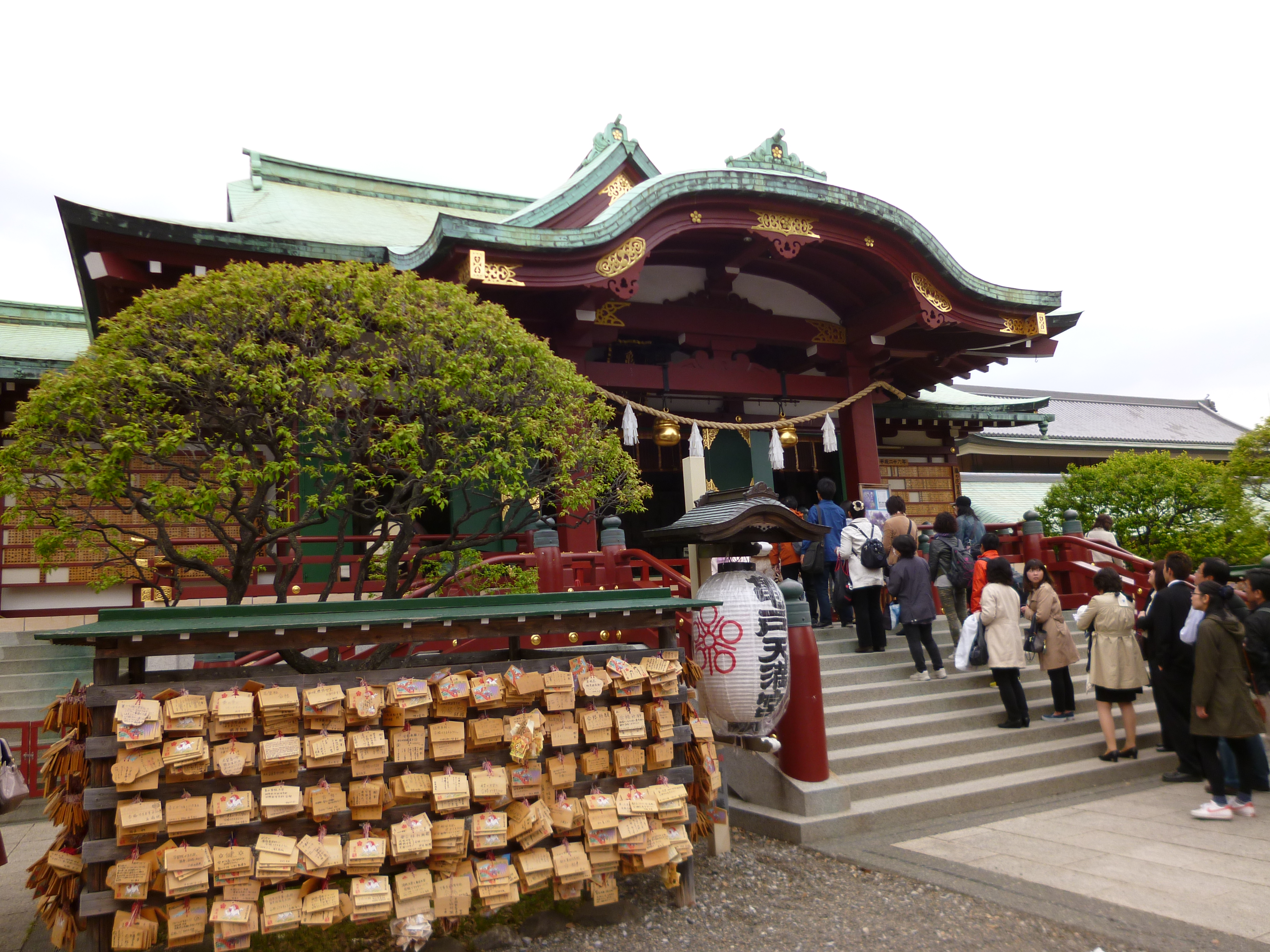
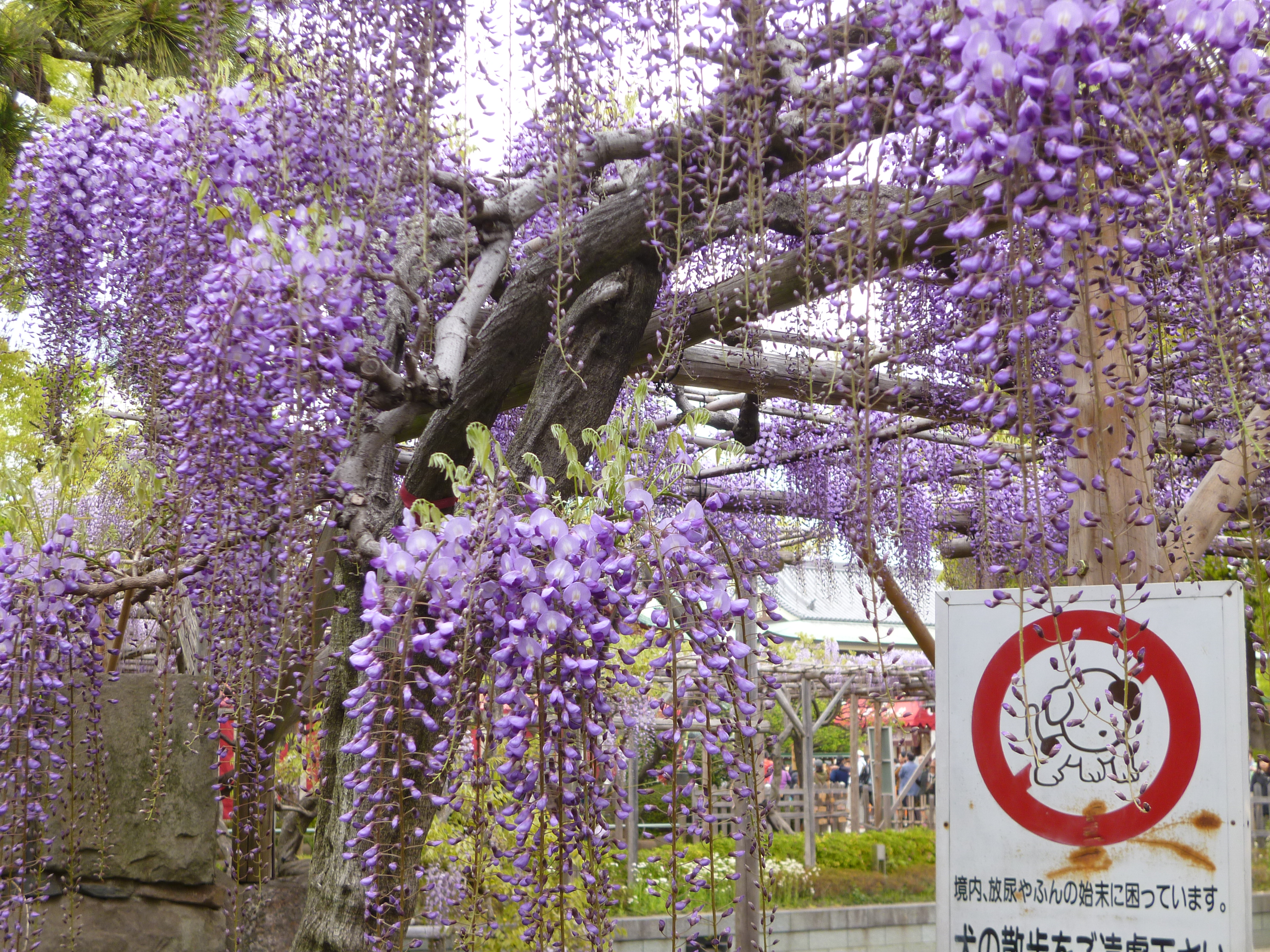
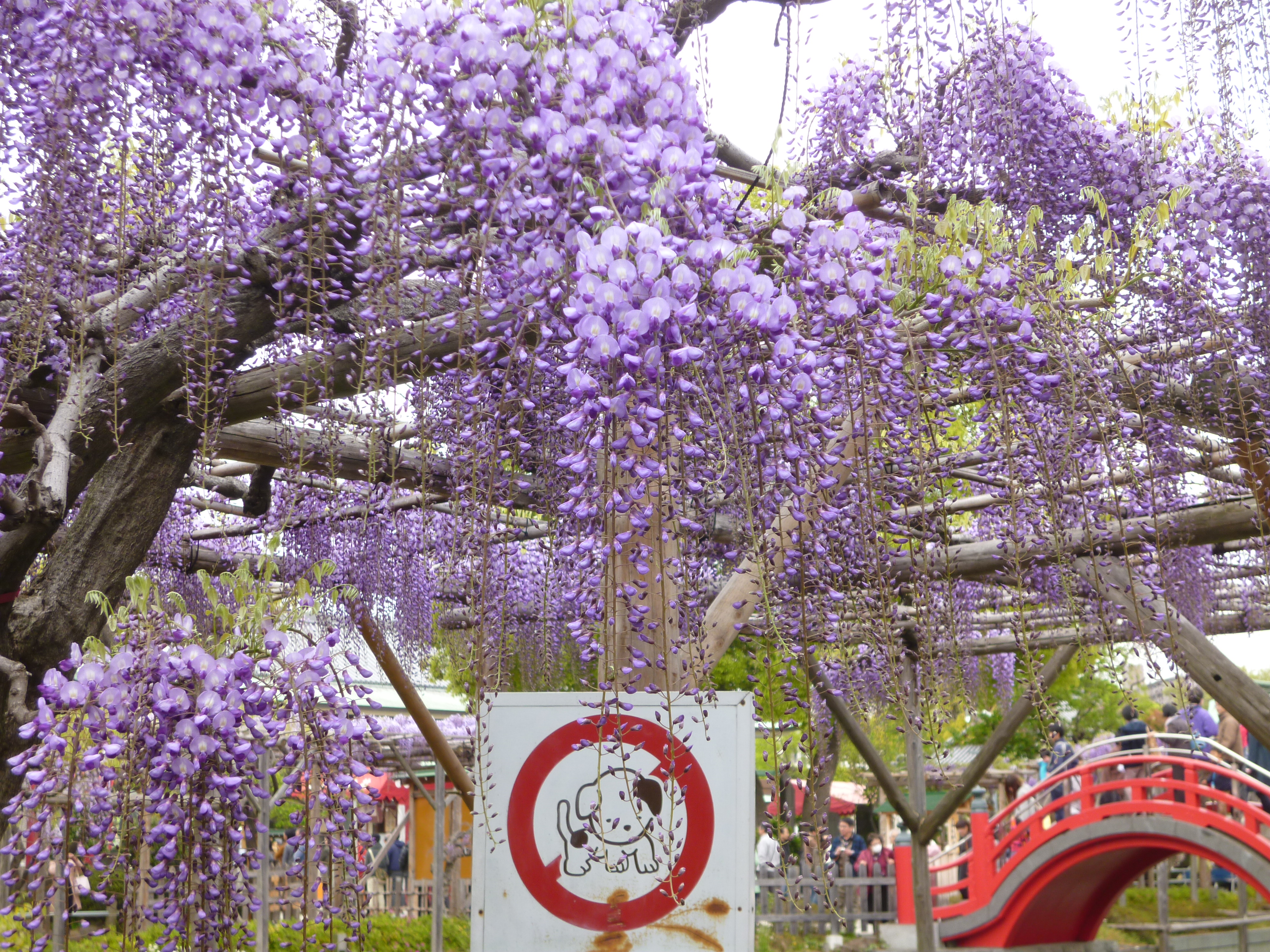
Wisteria flowers can be seen in full bloom between the end of April and the start of May in Tokyo and the best place to see them is Kameido Tenjin Shrine which hosts a Fuji Matsuri (Wisteria Festival) with a selection of food stalls and nighttime illuminations. Kameido is about 30 minutes east of the Tokyo Fox global operations centre on the Sobu line and so we headed off there last Sunday afternoon hoping to see some of the lovely lavender-coloured flowers in bloom.

P1040425  P1040431

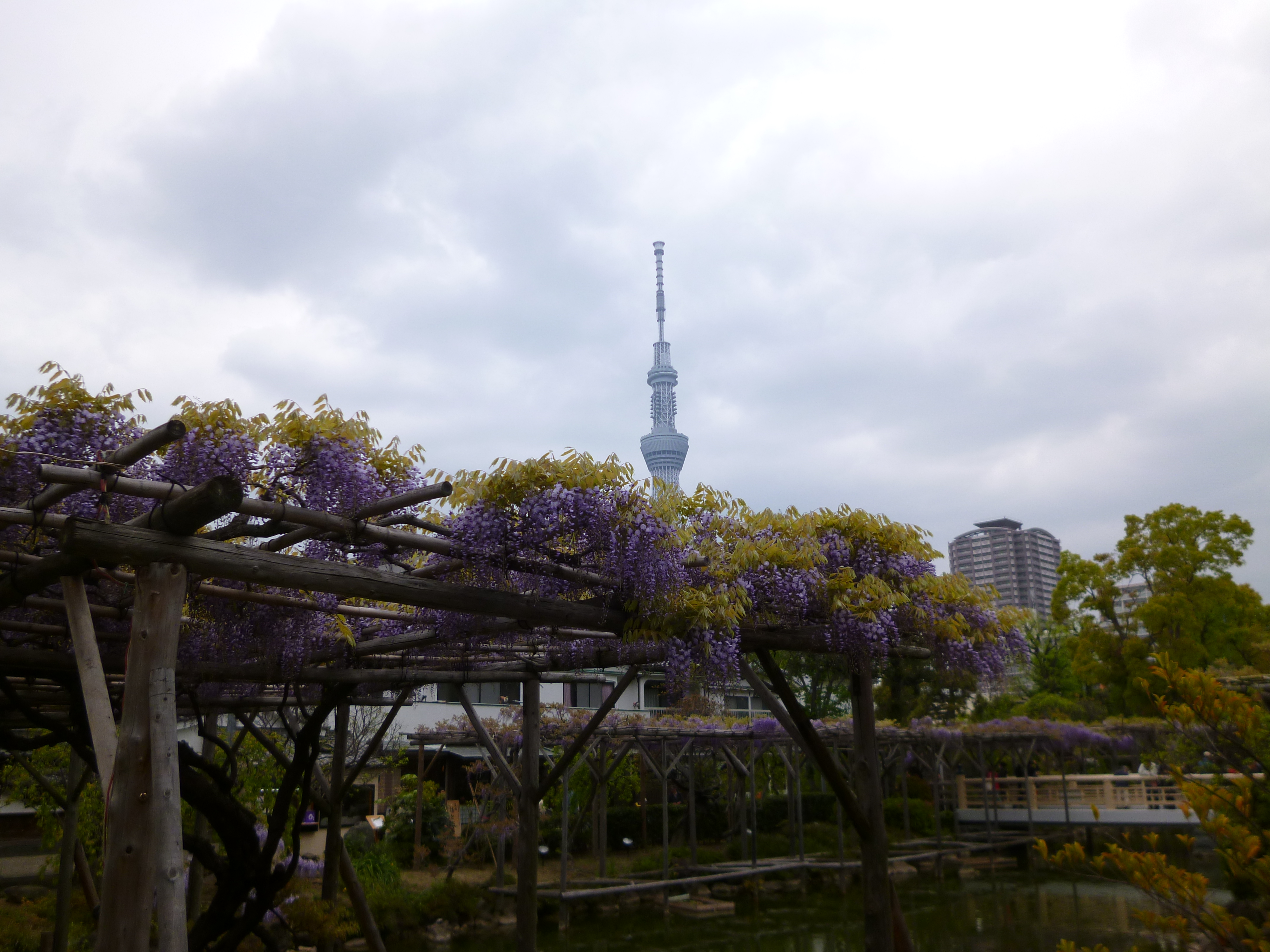
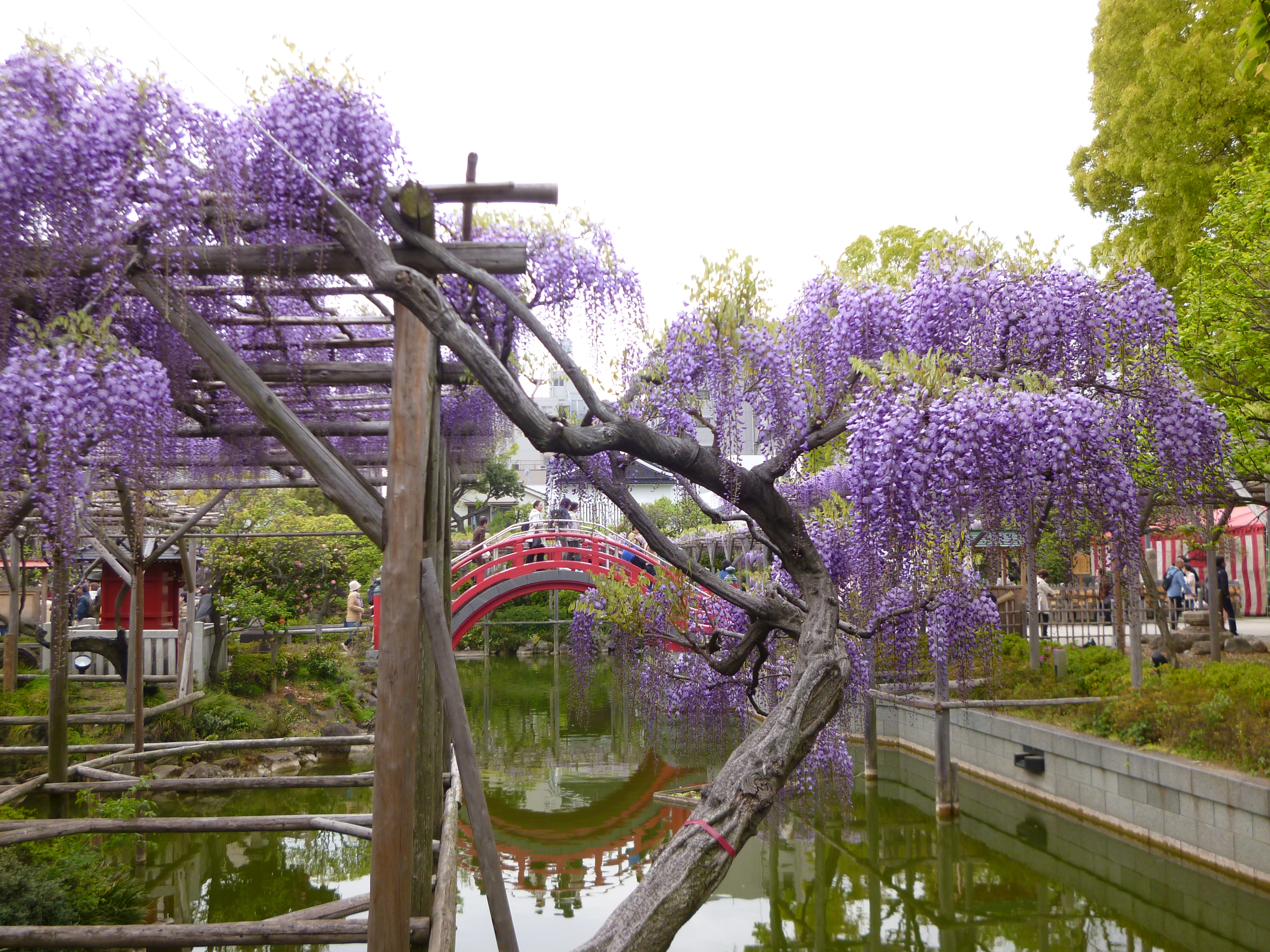
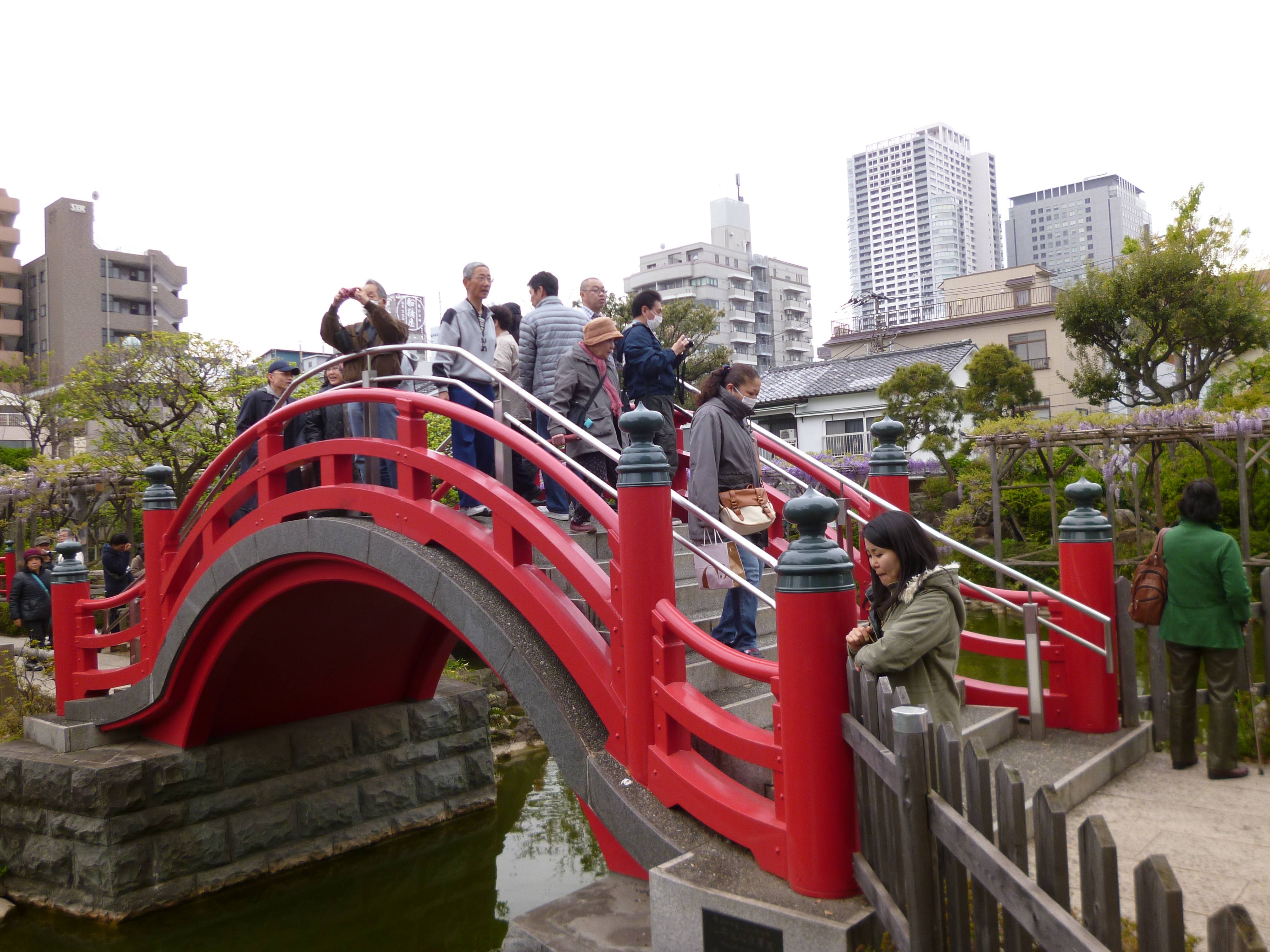
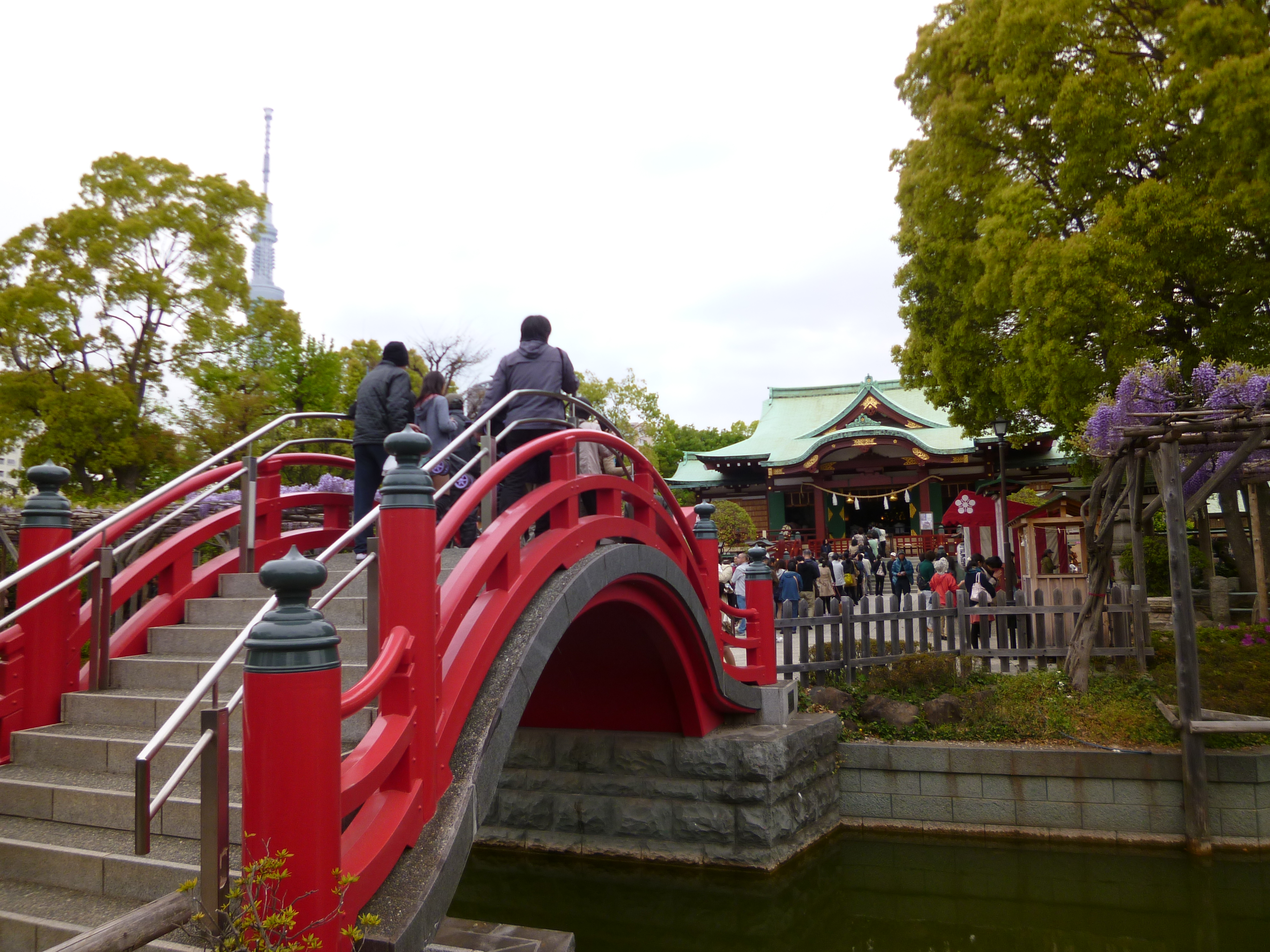
The 634 metre high Tokyo Sky Tree looms in the background of the shrine and adds to the beautiful setting where the purple flowers reflect in the ponds water, which is quite unique. These wonderful wisteria flowers were planted during the Edo period and are pretty legendary due to their fairly common appearance in many ukiyoe (colour prints) and other works of art.

P1040430  P1040432  P1040433  P1040435

With the cherry blossoms recently having passed through Tokyo and the pink carpeted Fujishibazakura soon on the horizon, this is the best time of the year for seeing some of these flowers at their blooming best! (Very) keen Tokyo Fox readers will of course remember that Kameido Tenjin Shrine featured a couple of years ago in the “Ten shrines of Tokyo” cycling venture. On that day, this particular shrine featured in the middle of the  challenge and typically was where it started to rain but no such weather problems on this  occasion, not that it was amazing weather either!

P1040441  P1040450

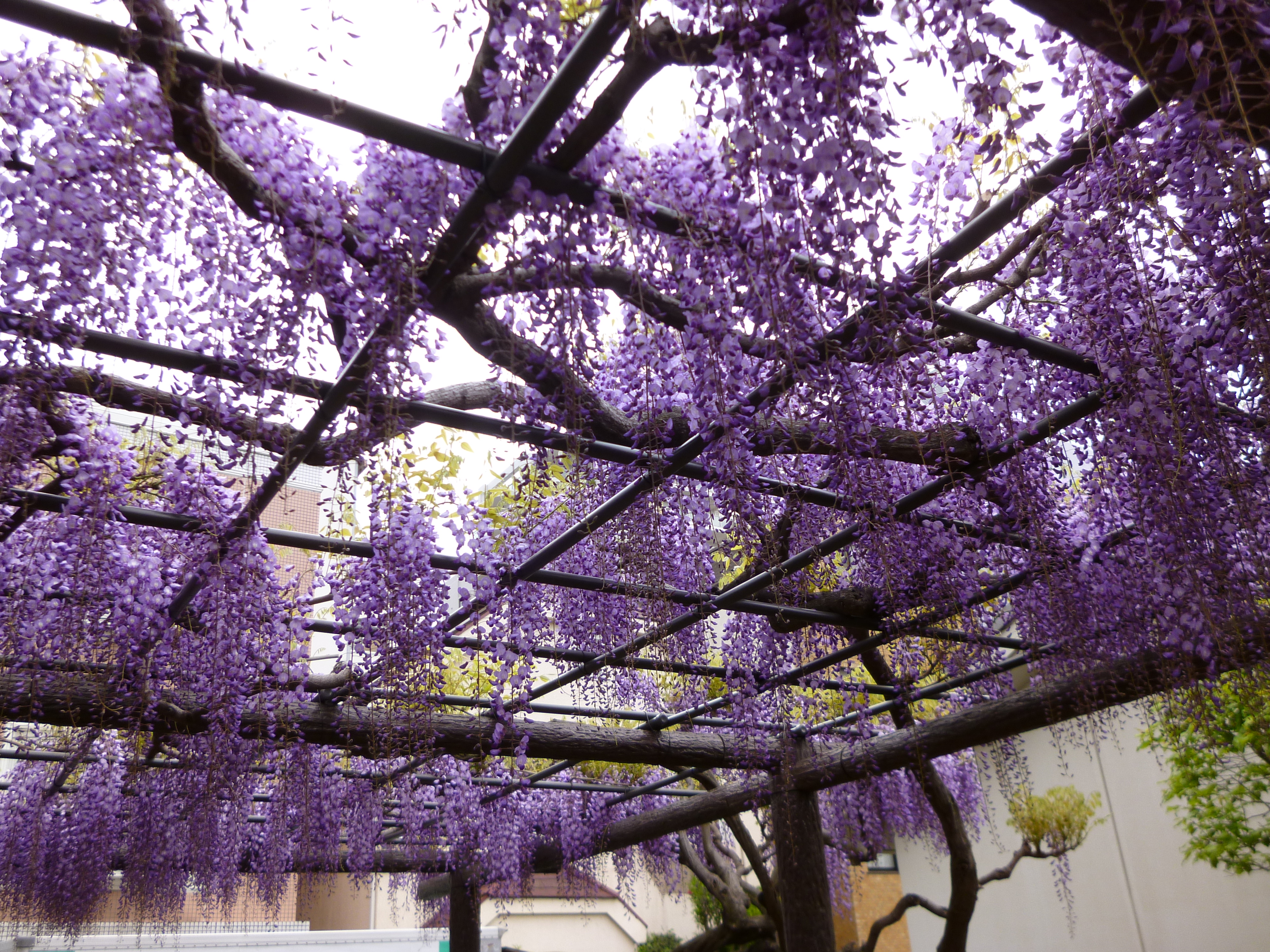
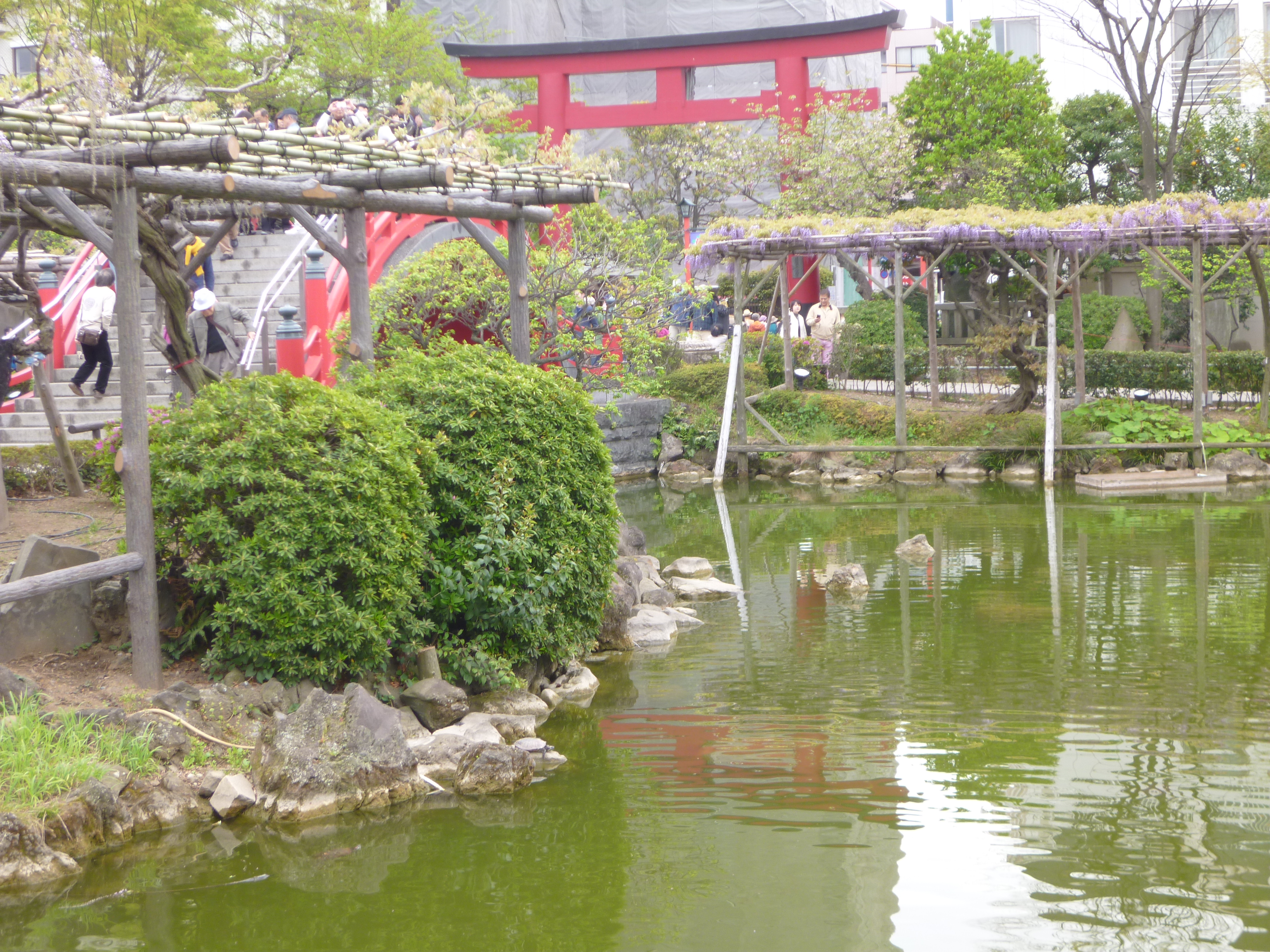
Cloudy conditions this time around and a bit more time to actually take in the atmosphere of the place which of course didn’t take happen too much on that previous visit due to time constraints. Comprising of several bunches, the flowers can be seen dangling from wisteria trellises and are quite a sight to behold…if you can get beyond the fact that the place is packed full of people.

P1040455  P1040457  P1040458  P1040423

It’s generally me who chooses the destinations on our days off together but it was my girlfriend who actually suggested this place and very grateful I was as I had no knowledge of such an event but was very keen once she’d shown me a picture or two from previous years. Hopefully it’s not a one-off and she can come up with some other new interesting places to visit in the forthcoming months!

P1040436  P1040444  P1040448  P1040453

How to get there: Kameido Tenjin Shrine is a 15 minute walk from the North Exits of either Kameido or Kinshicho stations which are both on the Sobu Line. The address is 3-6-1 Kameido, Koto-ku.
Posted in Japan Travel | Tagged , , , , , , , | 4 Comments

Tom Daley Goes Global – Japan

Having seen the opening episode on Thailand I have to admit I wasn’t expecting too much excitement in episode 2 in Japan. Both episodes were mildly interesting for me but I imagine they weren’t too captivating for whoever was tuning in on ITV2 to see them……..if they wanted to see in-depth travel-related matter! However, if they just wanted to see some mindless entertainment and a very pleasant, mild mannered and humble young man experience a bit of actual living then this was the perfect showcase for it!
You can watch the episode here on YouTube

Not much really happened in either the Thailand or Japan episodes and Tom didn’t really have too many words of wisdom to add to the pictures we saw. Of course he’s been training to dive since a very young age so hasn’t had the kind of normal life that most people have had. He’s never been backpacking so this style of travel is all new to him and he can’t be blamed for taking up the opportunity to make this series as ITV continue to do their best to promote him as a TV personality. He wasn’t alone though as he had best friend Sophie with him for support. Of course they’re not an item given Daly’s announcement back in December last year that he was in a relationship with a man. Who knows what everyone was thinking last Summer though when it was filmed!

Beforehand I was expecting yet another typical UK television programme following the same old tired format and while its not wildly different or life-changing at least this programme did feature a few things I’ve not seen on TV in the past and amazingly the ‘Turning Japanese‘ song never featured once!!

Kumamoto appears in the final half which took me greatly surprise, and as we’re going there next month I was delighted to see some scenes of a place I know very little about. Tom and Sophie went there to join in with a lantern festival where Tom held the mikoshi (portable shrine) during a parade which to be fair wasn’t particularly interesting to watch and almost makes you realise why producers crave the crazy stuff most of the time.

Screen Shot 2014-04-20 at 10.49.48  Screen Shot 2014-04-20 at 10.50.53

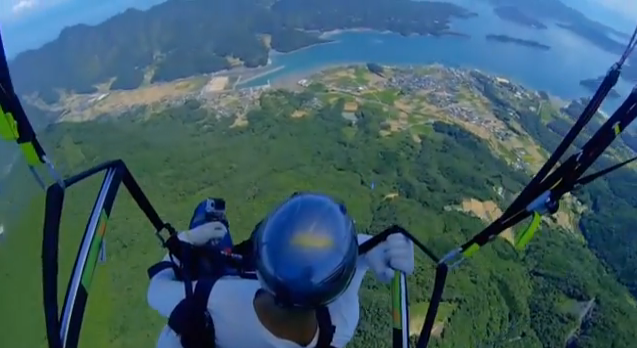
In episode one we had tension supposedly building up ahead of Tom’s big charity skydive in Bangkok and the threat of whether he would or wouldn’t be able to do it due to the quite dramatic thunderstorms. What symmetry in this Japan episode then as a very similar situation occurred at Mount Kuratake (originally intended to be at Mount Aso but changed due to the weather) with his paragliding venture. Can’t say I was on the edge of my seat! With a bungy jump coming up in New Zealand for episode 3 this series is perhaps closer to Jack Osbourne’s ‘Adrenaline Junkie series than his sister Kelly’s ‘Turning Japanese‘ one, both of which were also on ITV2!

Screen Shot 2014-04-20 at 11.10.58  Screen Shot 2014-04-20 at 11.11.40

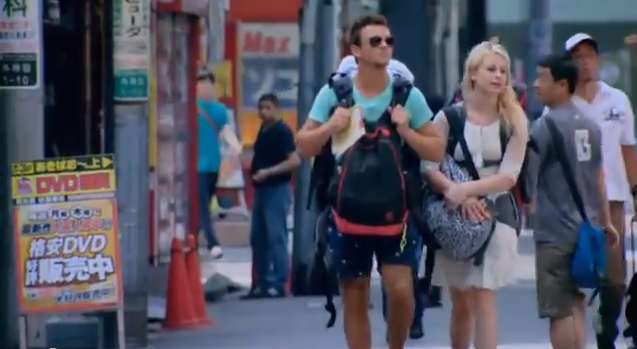
Long before that, the pair arrived in Tokyo and started off in the electric town of Akihabara where they spent the night at a manga cafe. These places are everywhere in Tokyo and used as hotels by some people who want cheap shelter for the night….and some wi-fi action. There are also usually manga comics galore, video games, drinks, snacks and communal bathrooms but there are no beds! This seemed to bemuse Tom and his trusted companion who seemed to think they were staying at some kind of hostel. It’s basically just a place to crash for the night and once realised they start to embrace the idea a bit more.

Screen Shot 2014-04-20 at 09.39.04  Screen Shot 2014-04-20 at 09.53.18

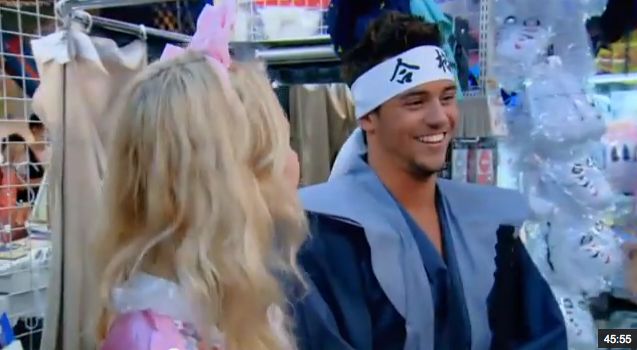
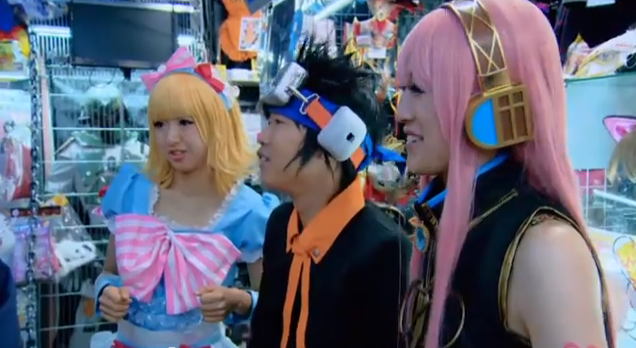
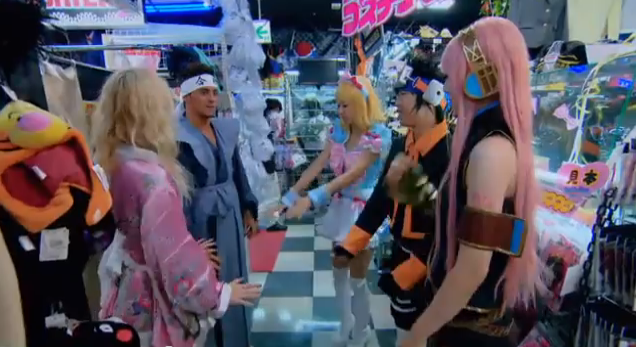
What followed thereafter was more of the usual tried and tested formula of portraying the whacky side of Tokyo as they did some cosplay and karaoke supposedly with some people they just met. Actually there were quite a few obviously set-up situations throughout which were made to appear like they were just chance encounters.

Screen Shot 2014-04-20 at 10.01.48  Screen Shot 2014-04-20 at 10.01.35  Screen Shot 2014-04-20 at 09.57.10  Screen Shot 2014-04-20 at 10.01.05  Screen Shot 2014-04-20 at 10.04.44  Screen Shot 2014-04-20 at 10.06.20

I really ought to make a Bingo game of stereotypical Japan references on UK TV (sushi, robots, toilets, sumo, maid cafes, sumo etc) for viewers to play whilst watching these shows and this one included the ubiquitous mention of bullet trains and geisha!

Screen Shot 2014-04-20 at 10.09.53  Screen Shot 2014-04-20 at 10.10.26

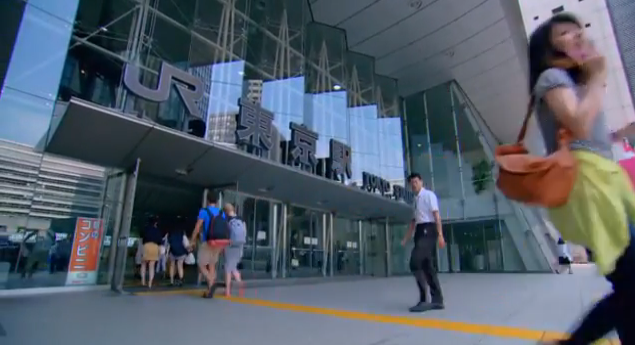
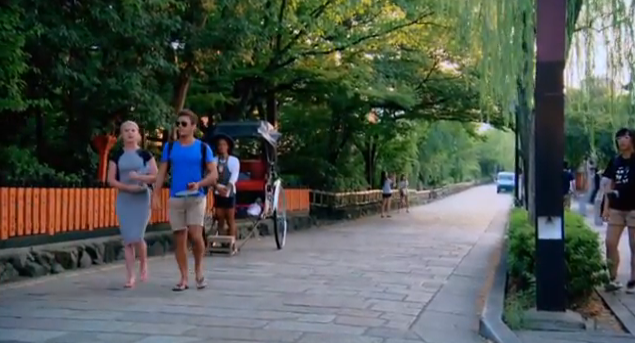
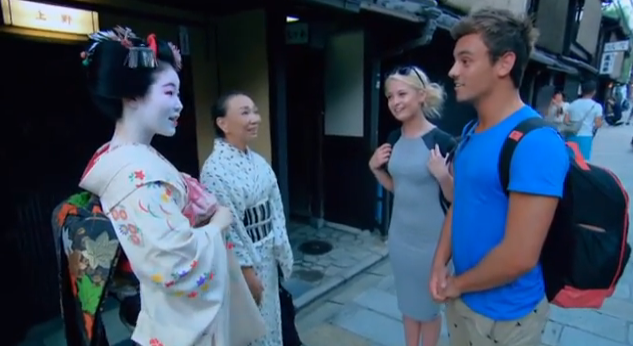
Tom and Sophie take the former from Tokyo station to the Gion district of Kyoto where they meet a maiko and get invited to a teahouse for some traditional food and a dance.

Screen Shot 2014-04-20 at 10.13.24  Screen Shot 2014-04-20 at 10.15.21  Screen Shot 2014-04-20 at 10.18.35  Screen Shot 2014-04-20 at 10.02.29

Tom Daley is of course a bit of a British icon and for someone who is only 19 he has a wise head on such young shoulders. He’s nothing but likeable and it’s not his fault that the programme comes across, in terms of content, as being a little grey at times. It’s just that its yet more typically tacky fodder from ITV2 where little thought has really gone into the show beyond the “oh lets just send this popular young celebrity to some far flung places and see what happens” type attitude.

Posted in Japan Life, TV Shows | Tagged , , , , , , , , | 6 Comments