Dining Out: Tsuki No Sabaku (Jordan)

One of the most common questions I get asked (usually in broken or bad English!) is what’s the best country I’ve ever visited and it’s kind of impossible to answer as how can one really truthfully compare two fairly random countries. Of course you can only talk about your own holiday experiences and one of the best ones I had was back in June 2011 when I went to Jordan for my first taste of the Middle East. The mix of breathtaking sights, world wonders, helpful locals and travelling companions made it a trip to live long in the memory.

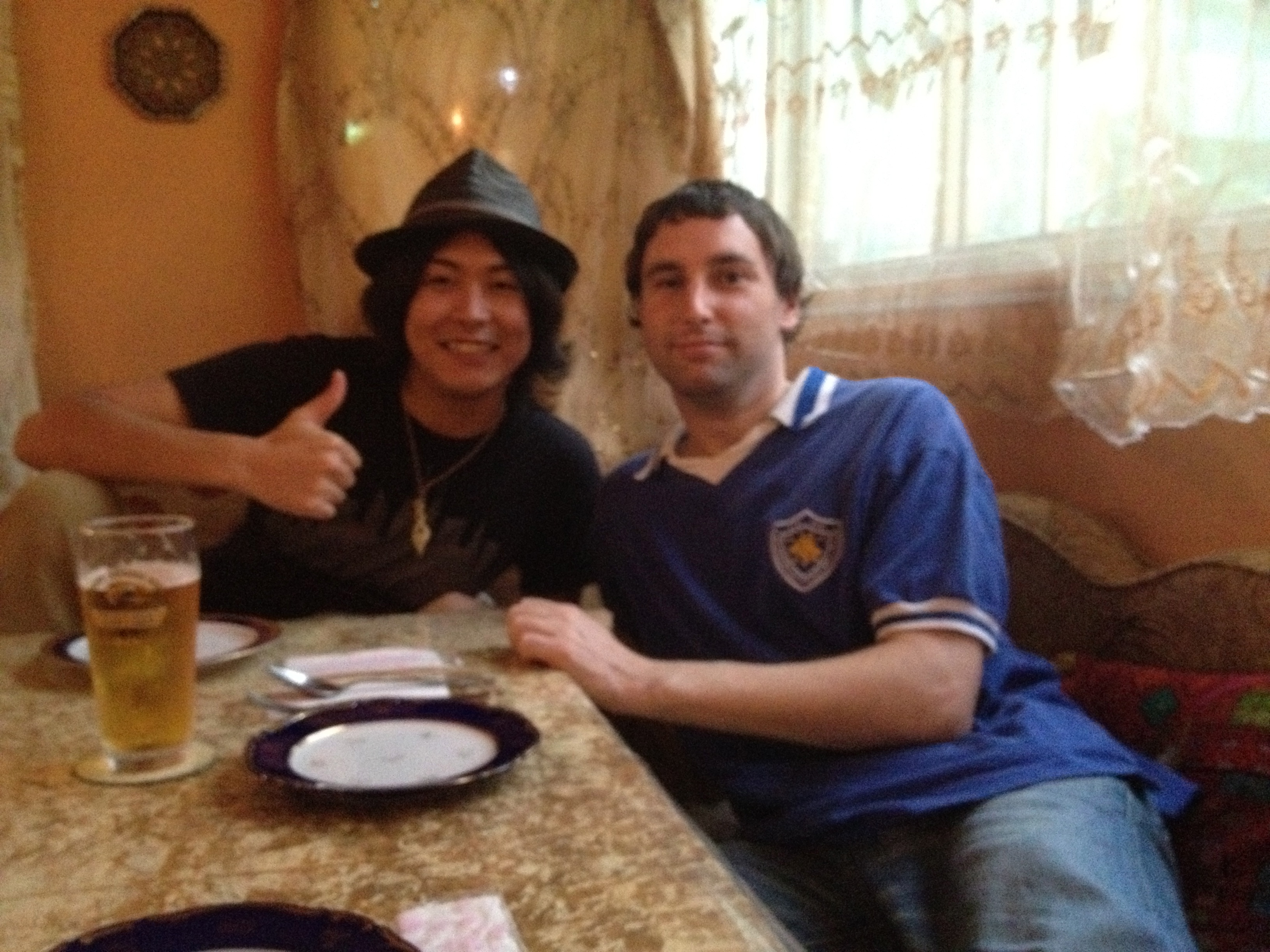
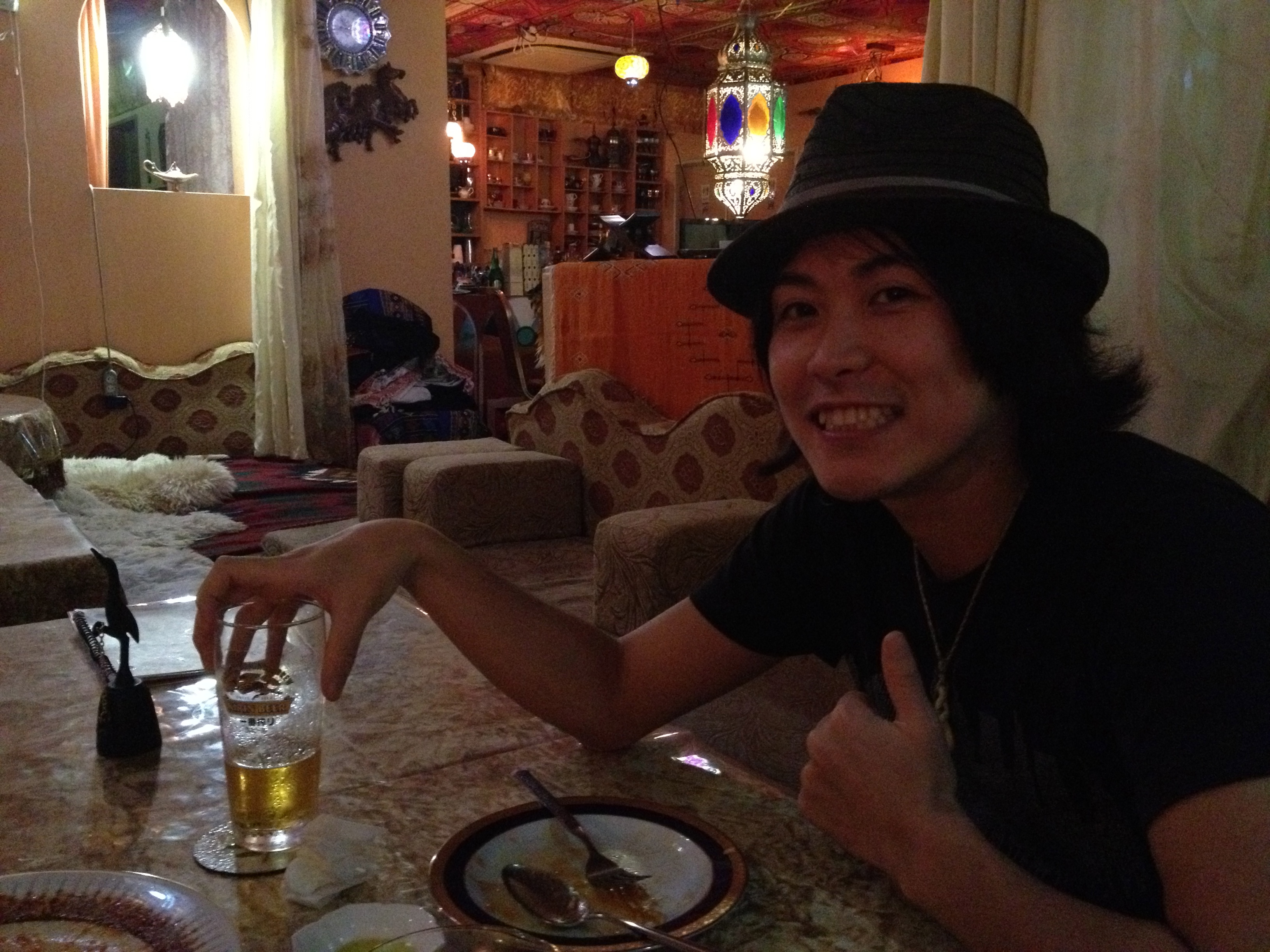
One of the Japanese people I met on that trip, whilst in the capital city of Amman, was Kimihisa who I have kept in touch with ever since. We even managed to meet up again in New York last August and for many months we have been planning to go to this Jordanian restaurant in Ikebukuro. We finally got round to going there the other week to taste what we didn’t really taste in Jordan itself!

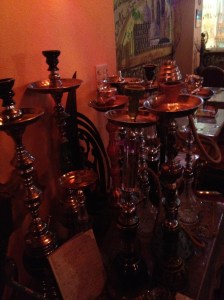
IMG_2267  IMG_2287

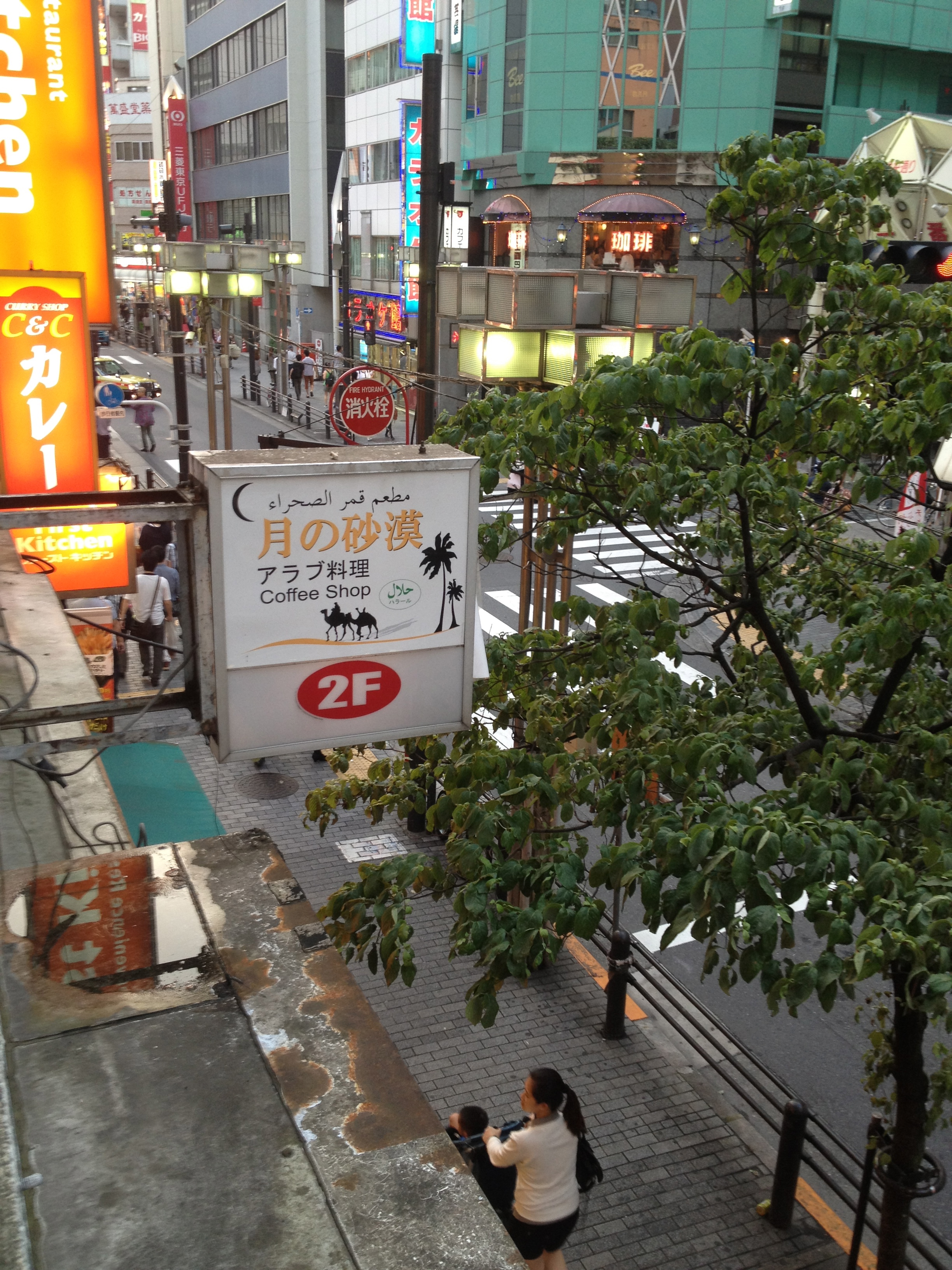
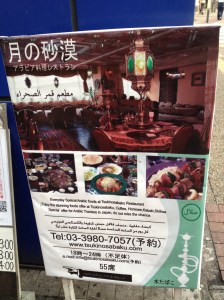
Tsuki No Sabuki (月の砂漠) is less than a minute away from the west exit of JR Ikebukuro station. The address is 1-26-5 Higashi Ikebukuro and it’s on the second floor but be aware that the entrance is up some stairs on a dark and dirty street round the back next to a porn dvd shop!

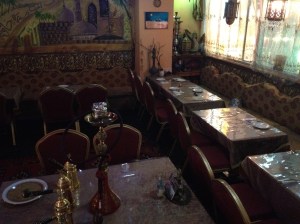
IMG_2288  IMG_2289

When I went to the restaurant a couple of days before to book a table it was a Friday evening and was quite a thriving place with a steady stream of customers trickling in. Glad to have made a reservation, we turned up on a Sunday evening and typically we were the only customers there……all night!!

IMG_2291  IMG_2294

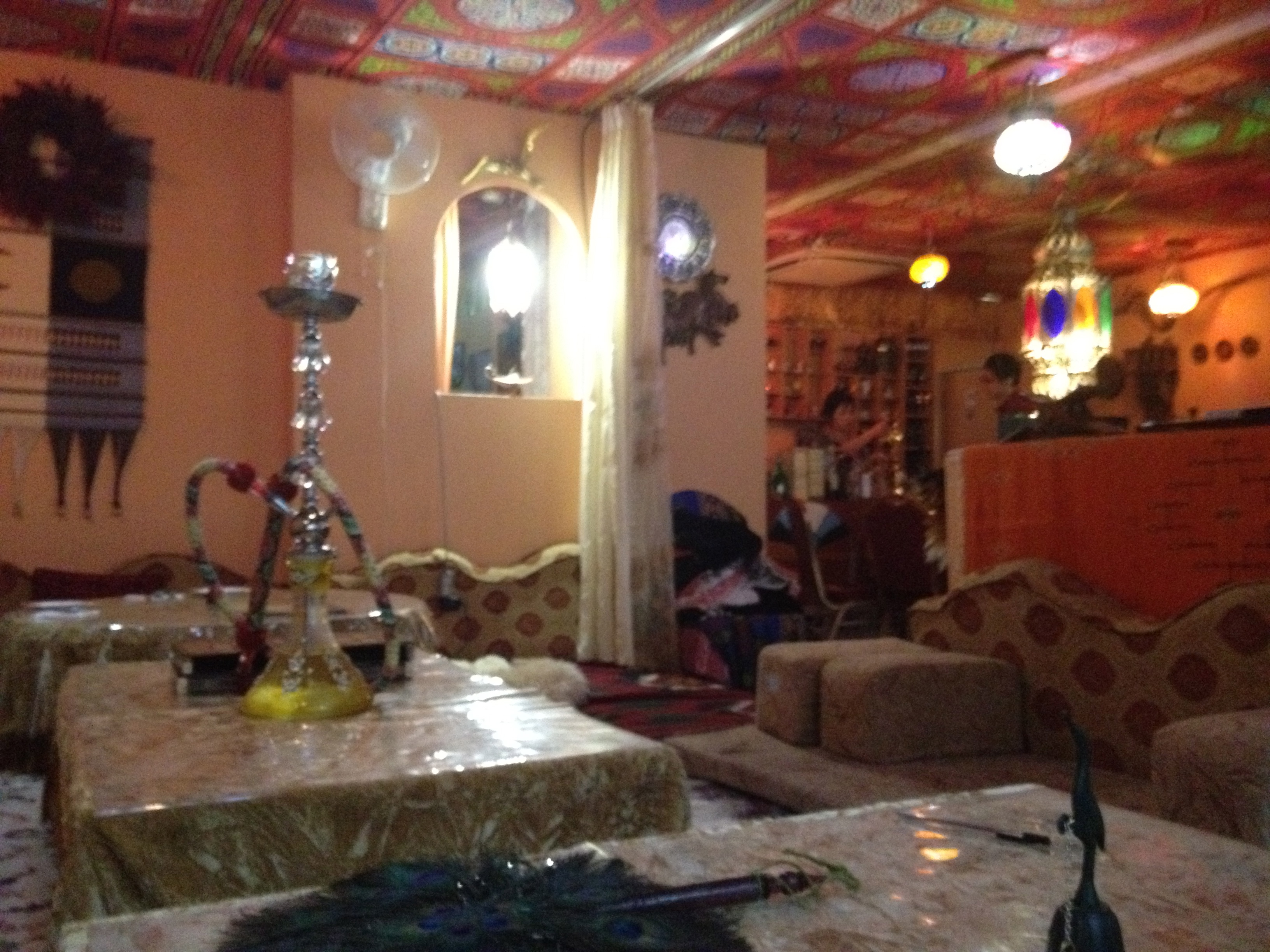
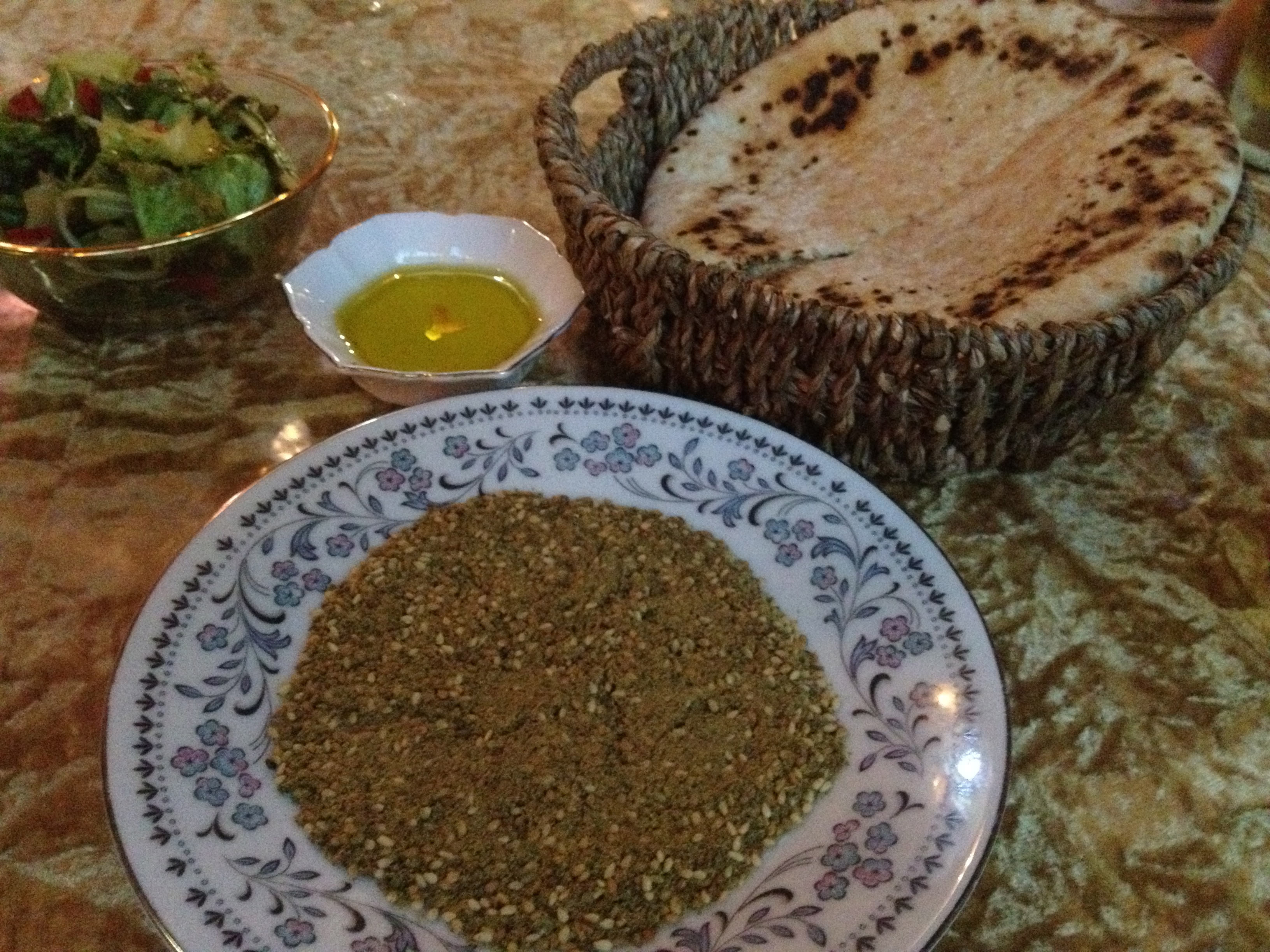
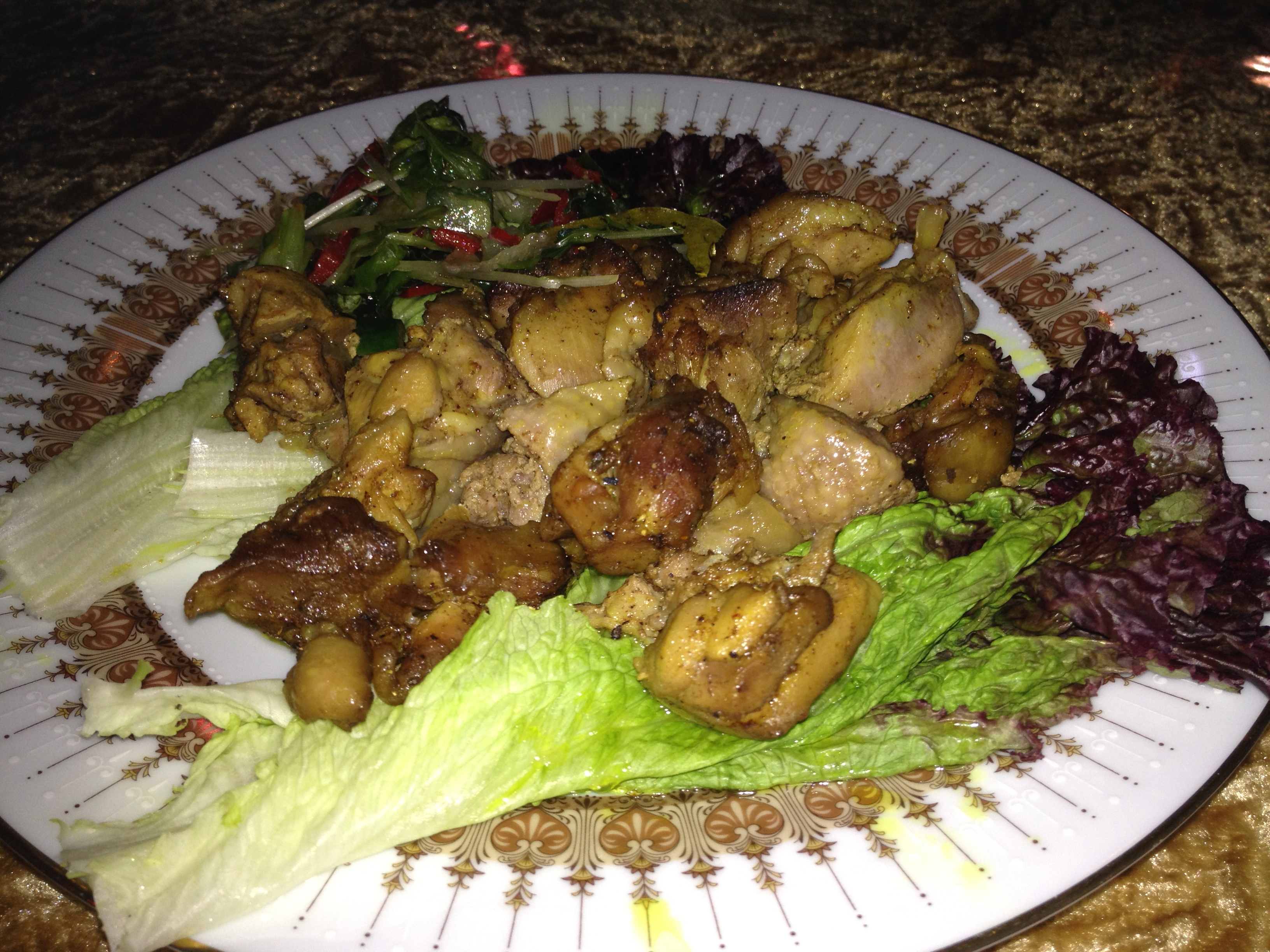
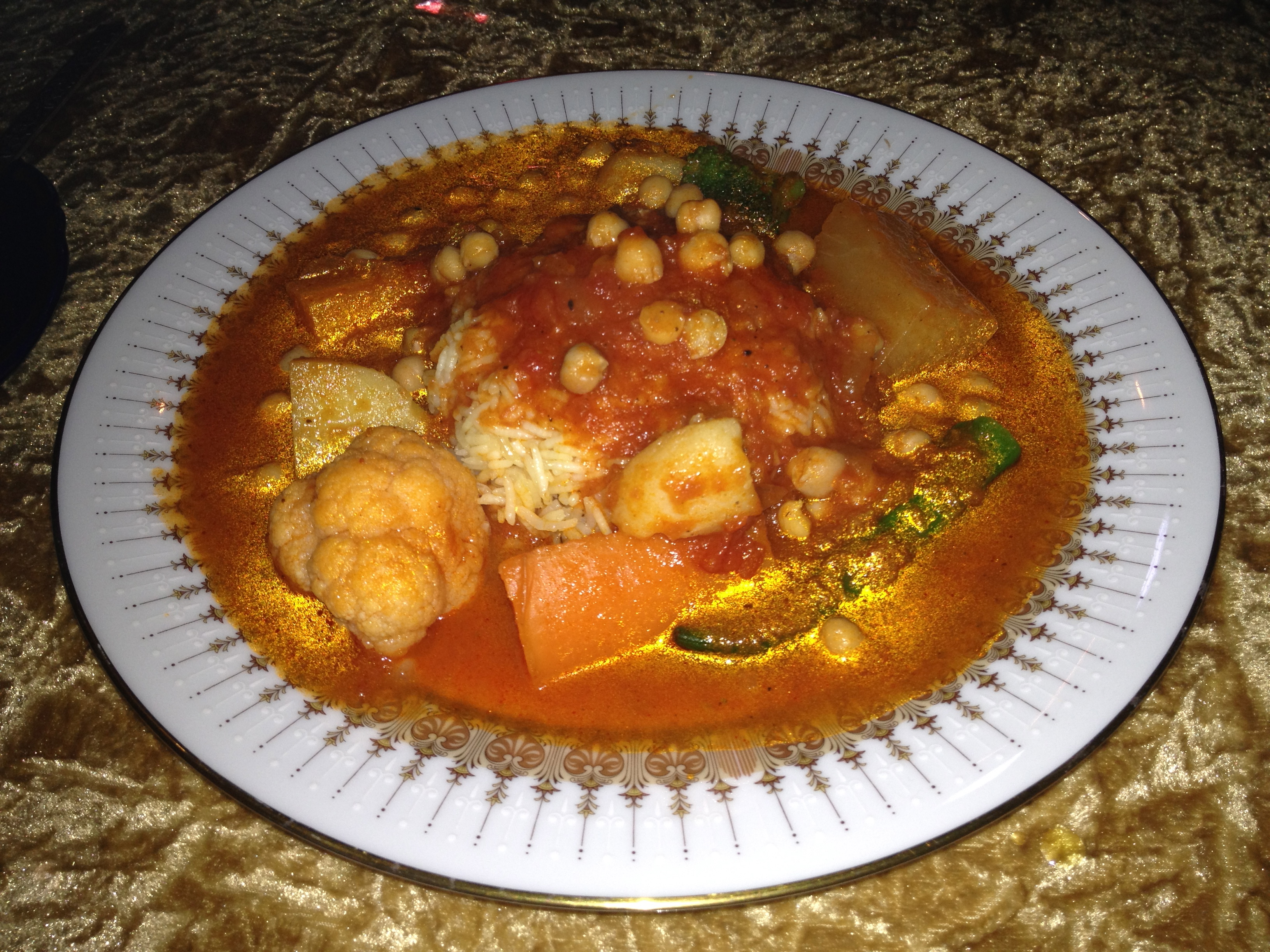
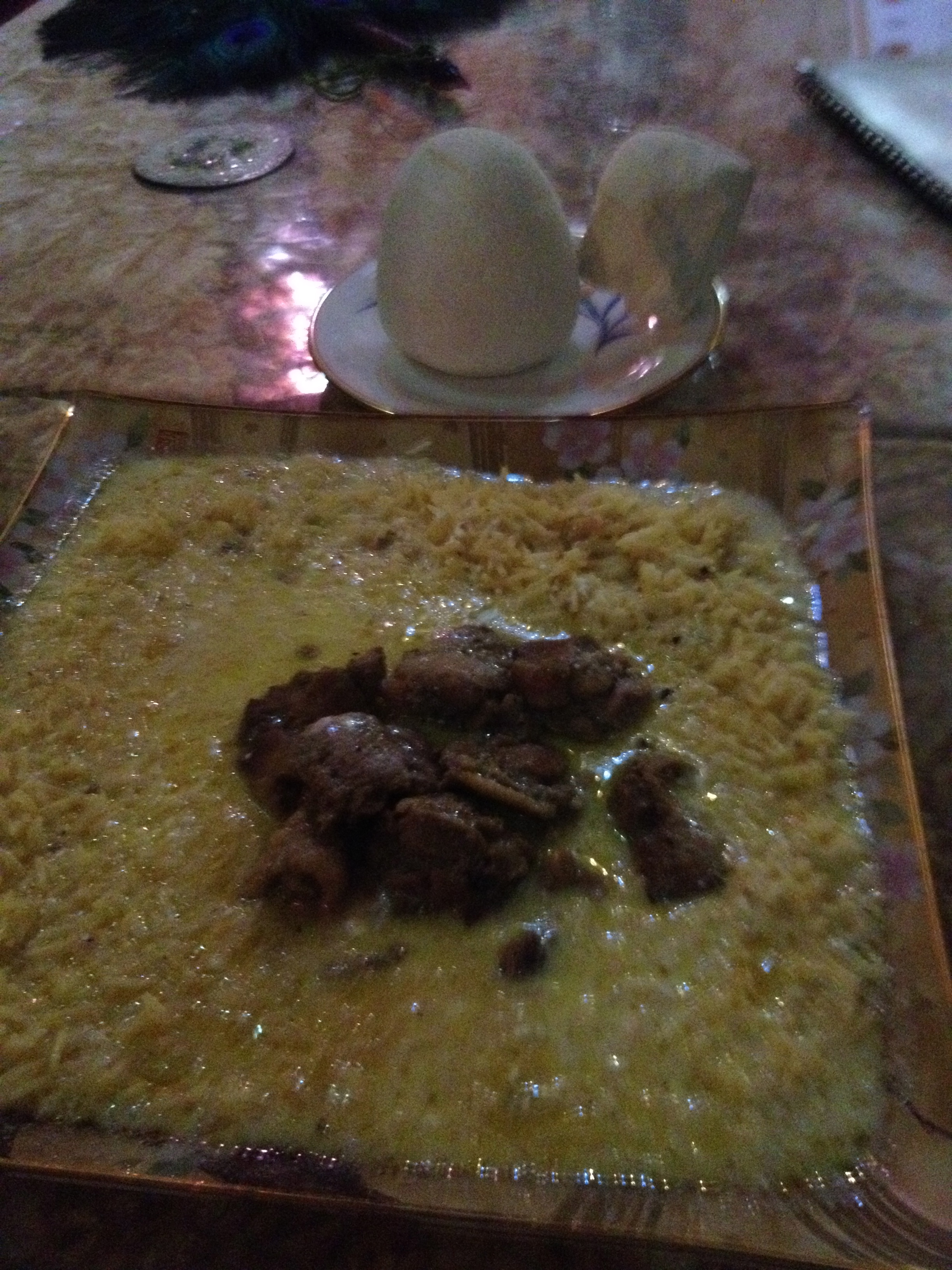
We were a tad disappointed at first that it wasn’t full of Jordan dishes but instead was more like general Middle Eastern cuisine. We ordered the ‘Tsuki No Sabaku Course’ (2500 yen) and a couple of other dishes such as couscous and Jordan mansaf which was basically a yoghurt rice combination and though a bit pricey (1800 yen) it was of great quantity and the taste was pretty awesome. This ethnic food was  all washed down with a few beers; my first for over five weeks!

IMG_2295  IMG_2298  IMG_2305  IMG_2307  IMG_2306

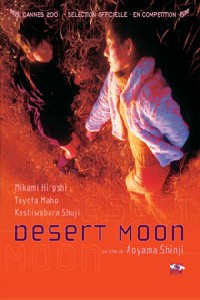
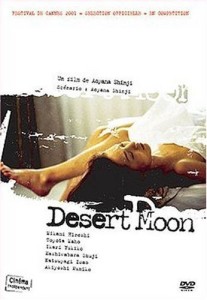
Tsuki No Sabuki (月の砂漠) has been in Tokyo since 2009 and means Desert Moon. There is a song of the same name and it’s also a 2001 Japanese film (see the posters below) focusing on the conflict between work and family commitments in modern Japan. I’m not sure which one the restaurant takes its name from.

tsuki_no_sabaku_2001  tsuki-no-sabaku-2001-poster-207x300  images

Posted in Food & Drink, Middle East Travel | Tagged , , , , , , , | Leave a comment

English Made In Japan Pt II

It was in the news this last week that a 71 year old Japanese guy is suing NHK for mental distress caused by an excessive use of words borrowed from English. His complaint was that he couldn’t understand his own language at times due to the national broadcaster preferring to use words such as trouble (toraburu) and risk (risuku) rather than the Japanese equivalent.

In a way I can sympathise with him as this bastardisation of the English language just seems relentless in Japan with an endless amount of words being used in weird and wonderful ways. All the words are changed to fit the Japanese phonic structure and with a Japanese accent they can often sound very removed from their English originals.

Similarly to these loan English words there are also many English words ‘made in Japan’ that are not entirely incomprehensible but are likely to require a moment’s thought on the part of the listener. Way back in 2007 I wrote an article called ‘English Made In Japan Pt I‘ and so here in true Tokyo Fox fashion is the follow-up. It’s been six years in the making!!

Lost Time (rosuto taimu) – In a way this actually makes more sense than injury time as it is time that has been ‘lost’ during the game due to substitutions, ball going out of play and injuries too.

Middle Shoot (midoru shuto) – Not quite as bizarre as how it sounds. In Japan a long shot is considered to be a very long shot as in from, say 40 yards out or the half way line but middle shoot is a shot from the middle of the half which is anything from 20-40 yards out.

Heading Shoot (hedingu shuto) – The term for a goal scored with the head.

Baby Car (bebii kaa– Again this kind of makes sense as what the Japanese call baby car refers to a pram/push-chair/stroller which is of course a vehicle to carry babies.

Claim (kurehmu– Japanese are not exactly famed for making complaints but when they do they “make a claim.”

Key Holder (kii horudaa) – Or as we prefer to say, keyring or keychain.

Consent (konsento– You’re not being asked for permission of something when this word is used but the Japanese speaker is referring to the plug socket in the wall. How this one came about I have no idea!

Mugcup (magu kappu– This gets confusing as cup often means glass in Japan and mugcup is what you’d drink a cup of tea or coffee from.

Free Size (furii saizu) – One size fits all.

Free Pass (furii paasu) – It’s certainly not what I first thought but just means an all-day pass at a theme park for example.

Cooler (kuuraa) – Is it a refrigerator or an air conditioner? It’s the latter but this one can cause confusion depending on where in the world you are.

One Piece (wan piisu) Such a common error in English lessons. They mean dress.

Royal Milk Tea (ro-yaru miruku chi)- Supposedly referring to tea consumed in Britain. It is a specific type of tea combined with milk and sugar. I usually correct this by just saying its known simply as tea!

Starting Member (sutaatingu menba) – Founder of a company.

Y-Shirt (Y shatsu) – A business shirt coming (presumably) from the ‘Y’ sound in the word white which is the traditional coloured shirt worn by office workers.

Love Call (rabu koru) – You’d probably guess this is what is known as English as a booty call but its actually just a term for screaming at a celebrity you love.

Other such examples include: after care; ball pen; bargain sale; camping car; catch ball; Salaryman/OL; gasoline stand; potato fry; morning call; (hotel) front; SF; guard man; note perso-con; order made; jet coaster; take out; coin laundry; game center; decoration cake. There are hundreds more words out there and for a far more comprehensive list please check out this link which will explain any of the above words you don’t know.

Posted in English Teaching | Tagged , , | 2 Comments

Review: Films Set In Japan – The Bushido Blade (1981)

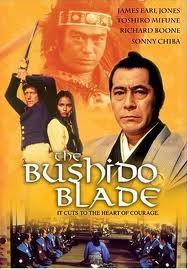
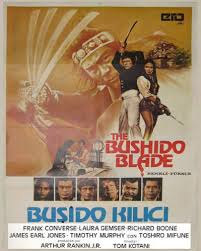
An all-star cast turned up for this fictional sideline to a key incident in both American and Japanese history but ultimately they were let down by a poor script as well as a lack of direction, choreography and editing.

The story centres around a treaty which Commodore Matthew Perry came to Japan to get signed by the Shogun in 1854. He brought American technology with him and in return the Shogun wanted to send a national treasure back to the American President as a gift. From that exchange we have our film title! The Bushido Blade is a sword representing the Samurai code and all that Japan holds dear.

Anyway, this ceremonial sword is stolen by a group of rebels led by Lord Yamato (played by Tetsuru Tamba who was Tiger Tanaka in 1967’s Bond film ‘You Only Live Twice‘) who are against the modernisation of Japan and want to keep it’s isolationist policy. The Shogun then refuse to sign the treaty until the sword has been recovered.

images-1  MPW-59909  images

Three American sailors are despatched in pursuit of the blade where they come across Prince Ido (played by Sonny Chiba who appeared in ‘Kill Bill: Volume I’) and a number of prisoners led by a shipwrecked captain played by a much under-used James Earl Jones. They amazingly encounter Japanese people (such as the guy from ‘Conan The Barbarian‘) who seem to speak English which is highly unlikely in 1854 Japan when the country was completely closed off.

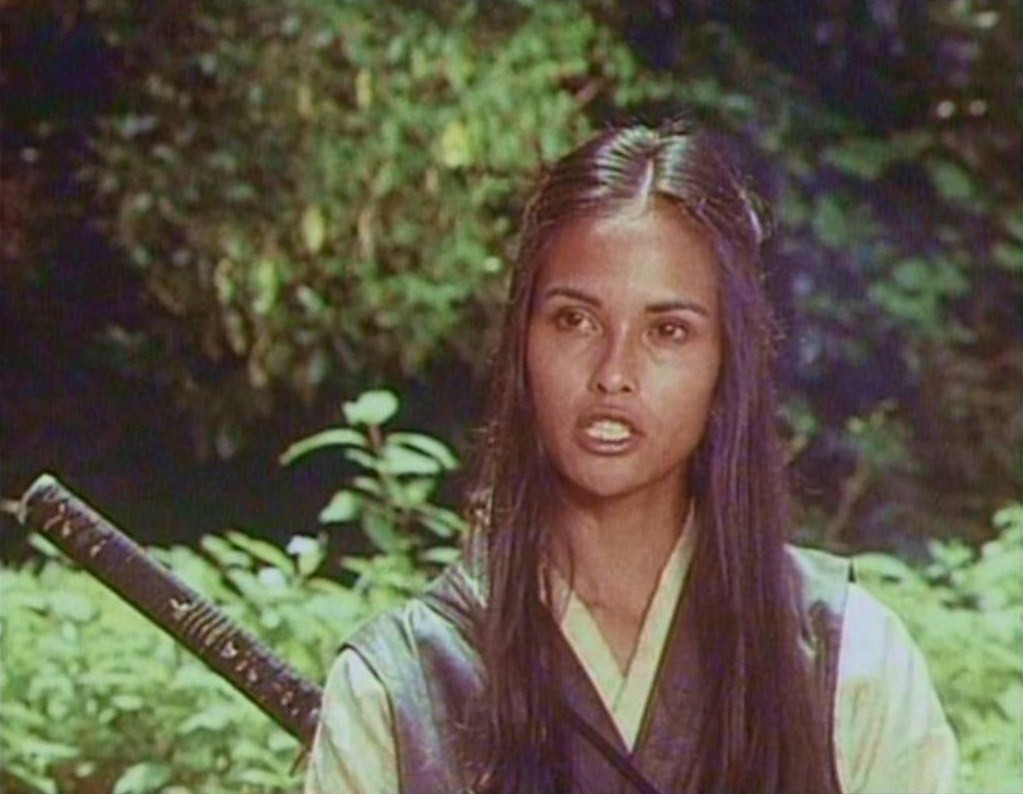
There are numerous encounters with a variety of Japanese women in the countryside including a half-Japanese, English-speaking Samurai lady called Tomoe (played by Laura Gemser of ‘Emmanuelle‘ fame). She may have provided some good eye candy (and take her clothes off!) but I found many of her scenes to be unintentionally funny at times. When she’s accused of not appearing to look Japanese she defends herself with some poorly delivered line about her father being a foreigner, her mother from a respected samurai family and that she was born in a traders compound in Nagasaki. As for the Japanese actresses they didn’t even get any substantial lines including the woman who played Yuki who was a half important character.

Picture21  images-2

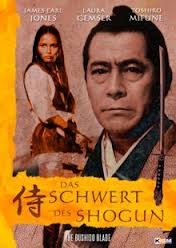
When I purchased this dvd online a couple of years ago I didn’t realise I would be getting a German-language copy. After some nervy moments at the start I was relieved to be able to switch the language to English not that it really mattered too much in the end given the poor dialogue the actors were given to work with. Furthermore, when they weren’t reading badly scripted lines the actors were doing other “filler” activities like a rather silly pointless scene in the middle of the movie at a shrine where there’s a sumo match involving one of the burly sailors taking on a sumo wrestler in one of the film’s needless comical detours.

Overall, the premise of the story and the cast involved promised way more than what we got in this low budget film which was an average film at best and may only be of interest to Japan buffs and samurai fans. The storyline is easy to follow, the film is short but there are many unanswered questions like how on earth it was stolen in the first place. Surely a legendary blade would be better guarded! Would the Shogun really send it to America? Did any of this really matter since ultimately the treaty was signed with the blade not present thereby meaning that the 80 minutes adventure preceding it was entirely void and pointless?!!

Tokyo Fox Rating 4/10

Posted in Review: Films Set In Japan | Tagged , , , , , , , , | 3 Comments

Dining Out: A Big Japanese M-eel At Last!

A common gripe amongst foreigners living in Japan is that the portions just aren’t big enough. Sure, the fast food chains come up with the occasional mega sized special but short of eating 20 dishes at the kaiten-zushi (conveyor belt sushi) there’s very little out there by way of Japanese food (size-wise) to satisfy the larger western appetite.

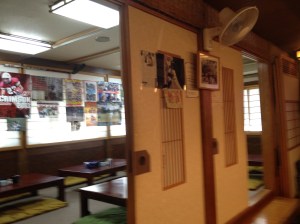
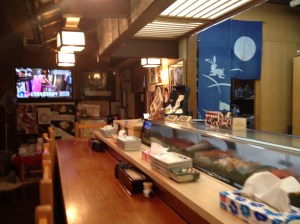
One such place in Tokyo though that serves up very generous portions is ‘Fukugawa Tsuribine’ which is located just a few minutes away on the east side of JR Kunitachi  station (Higashi 1-15-18 2F) which is about 25 minutes west of Shinjuku. This tempura restaurant is closed on Sundays but is open for lunch at 11.30am – 2pm and dinner between 5pm and 9pm.

Whilst in the vicinity recently (for something that will appear on this site in the coming weeks) I thought I’d stop off at this place on my way home to try the giant sea eel which I had read about on the excellent RocketNews24 website only a few days earlier.

IMG_2349  IMG_2350

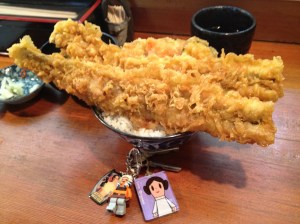
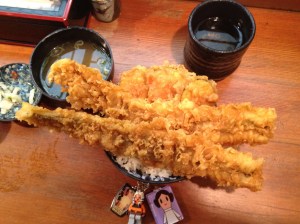
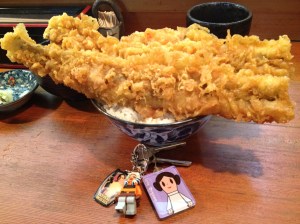
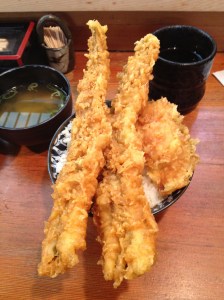
For 1100 yen you can get a whopping 穴子どん (anago-don) which is basically tempura saltwater eel served on a bed of rice, in a bowl This place is quite low-key in that its on the second floor and has a very non-descript sign outside with no picture menu or fashionable English phrases which so many other restaurants use. As I nervously opened the door I was greeted by a couple of friendly girls, who took me to a counter seat once I’d confirmed that it was the right place and that they did sell big anago-don.

A bowl of tofu, small salad and a cup of tea was presented to me as I gave my order and when it arrived a few minutes later I wasn’t disappointed. The anago was so ridiculously huge that it couldn’t even really fit in the bowl. Instead, it was draped across the top of it with another four pieces of vegetable tempura thrown in for good measure!

IMG_2344  IMG_2345

After my increasingly common habit of photographing the meal (done for your benefit!), which I did for a couple of minutes, I tucked into the beast and it sure took a while to even get to the rice! The tempura’s coating was a lovely golden brown colour and it had a nice crunchy taste which, together with its sauce, was so satisfying for this hungry foreigner.

IMG_2346  IMG_2347

In the end I had to hang my head in shame as my greed got the better of me and I just had to give up. I could have ploughed on but decided to call it quits as it was too much to handle.

Posted in Food & Drink, Quirky Japan | Tagged , , , , , , | 1 Comment

Meet Tokyo’s……Train Passengers

So here it is then! A sequel to a popular article from SIX years ago! Back in April 2007 I published an article on here about the various characters to be found in Japanese fast food restaurants. After I recently, and rather randomly tweeted a link to that article I was on the train going to work and realised that a similar thing could be applied to the types of person seen on the trains in Tokyo.

First impressions are that all seem efficient and orderly, and it mostly is with the majority either reading, sleeping, playing with their keitai (mobile phone) or just staring into nothingness. However, on closer inspection, as you ride the trains more and more, you start to notice the strange actions of a few individuals including some exclusive-to-Japan behaviour. These people have even prompted the Tokyo Metro to advertise for better standards from its commuters via a pretty bizarre poster campaign over the last five years or so. Here are some of the characters…

Seat Switcher – One of the most common sights is seeing someone shuffle along or even switch sides when the prestigious end seat becomes available.

Seat Hogger – This particular person certainly likes to spread their wings…or rather their legs so that they take up more than the allocated seat space. In a similar vein, anyone who takes up two seats, without being a fat b*stard, is annoying and deserves to be scrutinised in a poster campaign. Oh, thats already been done has it?!!

Standing Sleeper – Self explanatory really but this species is fairly common due to the overcrowding on Tokyo’s trains. They fall asleep like a prisoner hanging on a cross.

Preening Queen – The difference between when this girl gets on and off the train is astounding! She spends the whole journey “putting on her face” and has the skill to continue putting on her eye-liner despite the odd bump and jump here and there.

Home Station Bypasser – So engrossed in their game are they that they don’t even notice that they have missed their intended stop…which is quite a feat in a city with continuous announcements.

Sports Team – You’re sitting on a quiet and fairly empty train and then the doors open and on step the whole Japanese high school sports team with their bags tossed on the floor.

Porn Magazine Reader – In what other country can you get away with reading what basically looks like a porn magazine with either a real model with big boobs or an animated girl with big boobs on the front in some suggestive pose?!!

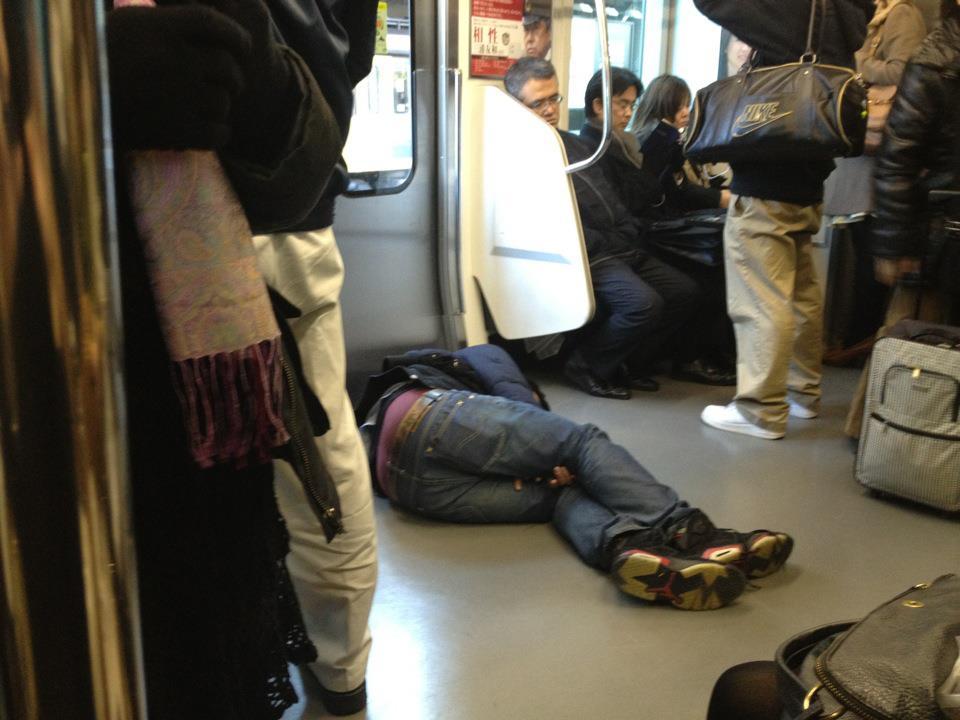
Drunken Sleeper – Quite possibly the most interesting specimen and the one that attracts the most attention. Us foreigners are particularly fascinated by them and there are even photographic websites out there showing westerners the strange positions and places that drunken Japanese can sleep in.

421030_10151303228925613_1356326086_n  Female-only-carriage-on-T-001

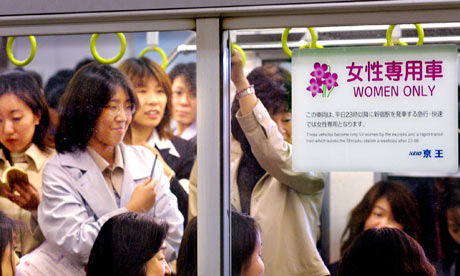
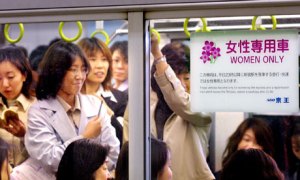
Hand Wanderer – Never seen it myself but this pervert (痴漢) is seemingly a fairly common problem for Japanese women and girls. There are even ‘women-only’ carriages on some trains at certain times of the day as a result.

Door Hogger – For some reason, there are certain types who almost want to sniff the doors as the train moves along. This person is ready to burst through the doors as soon as they open. The need to exit first is so important to them that they get off the train at each stop and go to the back of the line on each platform so that they can board last and thus have their position in front of the doors.

Pretend Sleeper – The best way to deal with the possibility of being confronted by a more needy person wanting your seat is of course to just close your eyes and shut it all out. This is a very common sight in the priority seats.

Keitai Whisperer – I’ve always wondered how the person on the other end of the phone can even here these peoples whispers into their mobile phones. In true Japanese fashion, their hand is covering their mouth in an attempt to hide the fact that they are speaking when they shouldn’t be. Instead it just attracts more attention to it!

Studying Schoolgirl – Her intentions are good but whilst studying that essential Eiken exercise she falls asleep. Whilst enjoying a bit of shut-eye the pages of the book turn a few further on or back but she doesn’t seem to realise this on waking up and just continues on obviously not taking in any of what she’s reading.

Beer Guzzler – Often a fairly harmless character but there are a few ojisan who just wanna have a drink of beer on the train no matter what time of day it is.

Newspaper Reader – Confined space. Broadsheet newspaper. The two just don’t mix well. Reading is fine but maybe the reader should have to commit to that one page only during their journey.

Big Backpack Person – With space so limited this person really isn’t a welcome sight. They seem to be determined to keep their backpack on (even if they sit down!) which just gets in the way knocking a few other passengers about a bit in the process.

Diving Salaryman – Whether its diving onto the train as the doors are closing or waking up at his station and stumbling out of the door in time he always seems to make it.

Noise Leakage Lad – The kind of guy (maybe!) probably has their earplugs in from the moment they wake to the time when they go to sleep and probably without speaking to anyone all day.

Lonely Foreigner – The natives sometimes just don’t wanna sit next to the strange foreigner and when they do its often the last choice! You could take it to heart or you could just think of the extra bit of room you’ve got for yourself.

Falling Sleeper – Are they gonna fall to the left or the right? How long is it gonna be until they fall again? Will the person next to them give them a shove? Will they move away? This character is always a fun one to observe.

Posted in Hentai, Japan Life, Quirky Japan | Tagged , , , , , | 2 Comments

Gunkanjima In Skyfall: Real Or Fake?

In the 2012 movie ‘Skyfall’, James Bond (Daniel Craig) is seen cruising on a boat (below) with the exotic-looking Sévérine (Bérénice Marlohe) to an abandoned island. Bond is taken prisoner by the crew and delivered to the antagonist Raoul Silva, who is a former MI6 officer that has turned to cyberterrorism having orchestrated the attacks on MI6. We’re led to believe this island is off the coast of Macau but in reality it is actually in the south-west of Japan. Or is it?

Screen Shot 2013-05-19 at 17.15.34  Screen Shot 2013-05-19 at 17.15.51

Gunkanjima (formerly known as Hashima) is a small island located about 20 kilometers from Continue reading

Posted in James Bond, Japan Filming Locations, Japan Travel, Movie Locations | Tagged , , , , , | 10 Comments

Tokyo Daytripper: The Yokohama Temple Which Featured In A Manic Street Preachers Video

I was absolutely delighted to visit this tranquil, little temple in Yokohama recently and that was of course mainly down to the fact that it once featured in a Manic Street Preachers video (read about that here) back in the early 1990’s. Naturally, you do not need to be a fan of the Welsh band to enjoy these temple grounds!

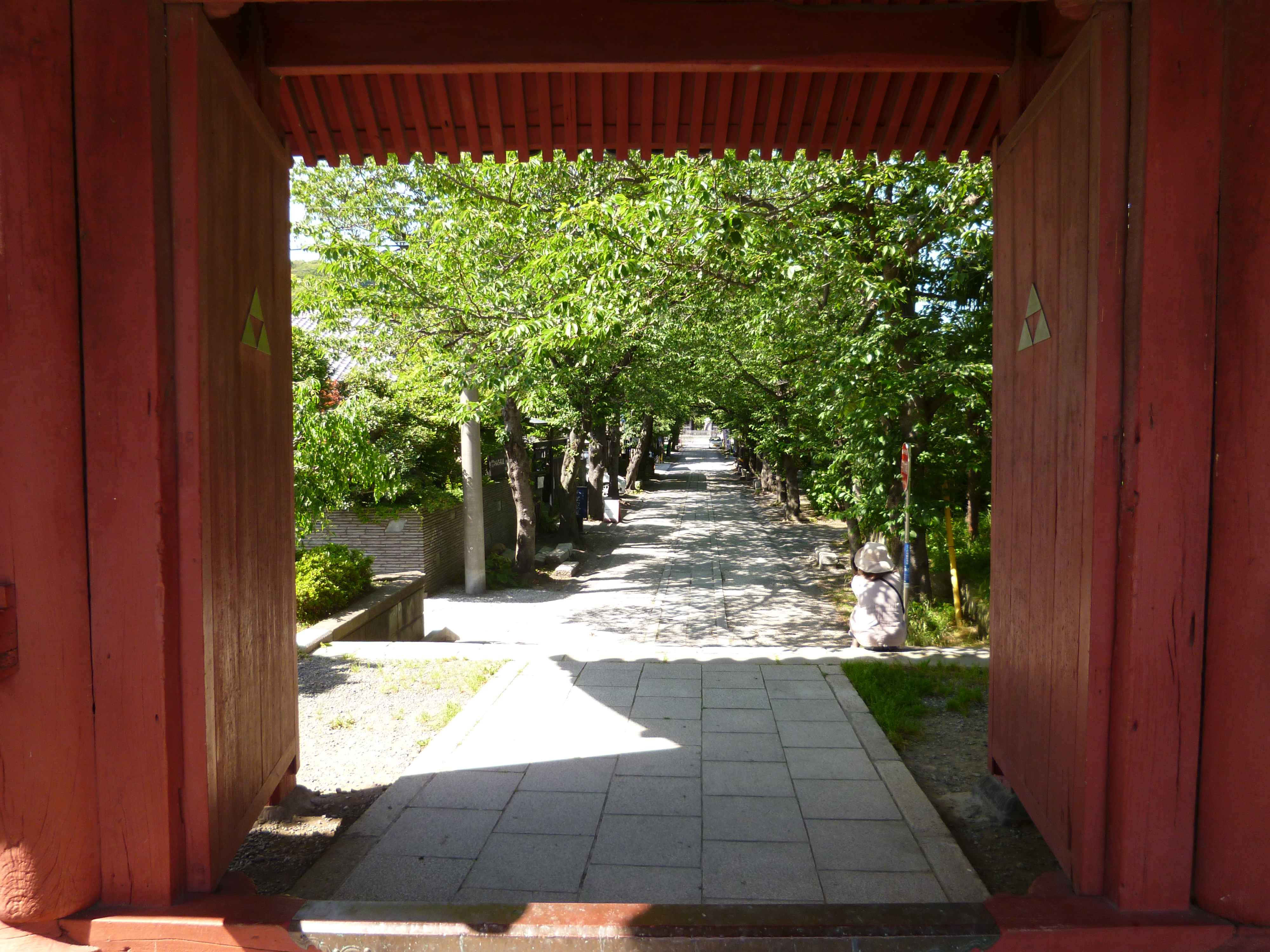
In order to get to this place by public transport you need to take the east exit of Keikyu Kanazawa Bunkyo station and its a ten minute walk from there. There is a map outside the station and a couple of signs along the route. On arrival you come across a kind of outer gate entrance which then takes you down a long path leading to the real entrance.
P1020540  P1020541

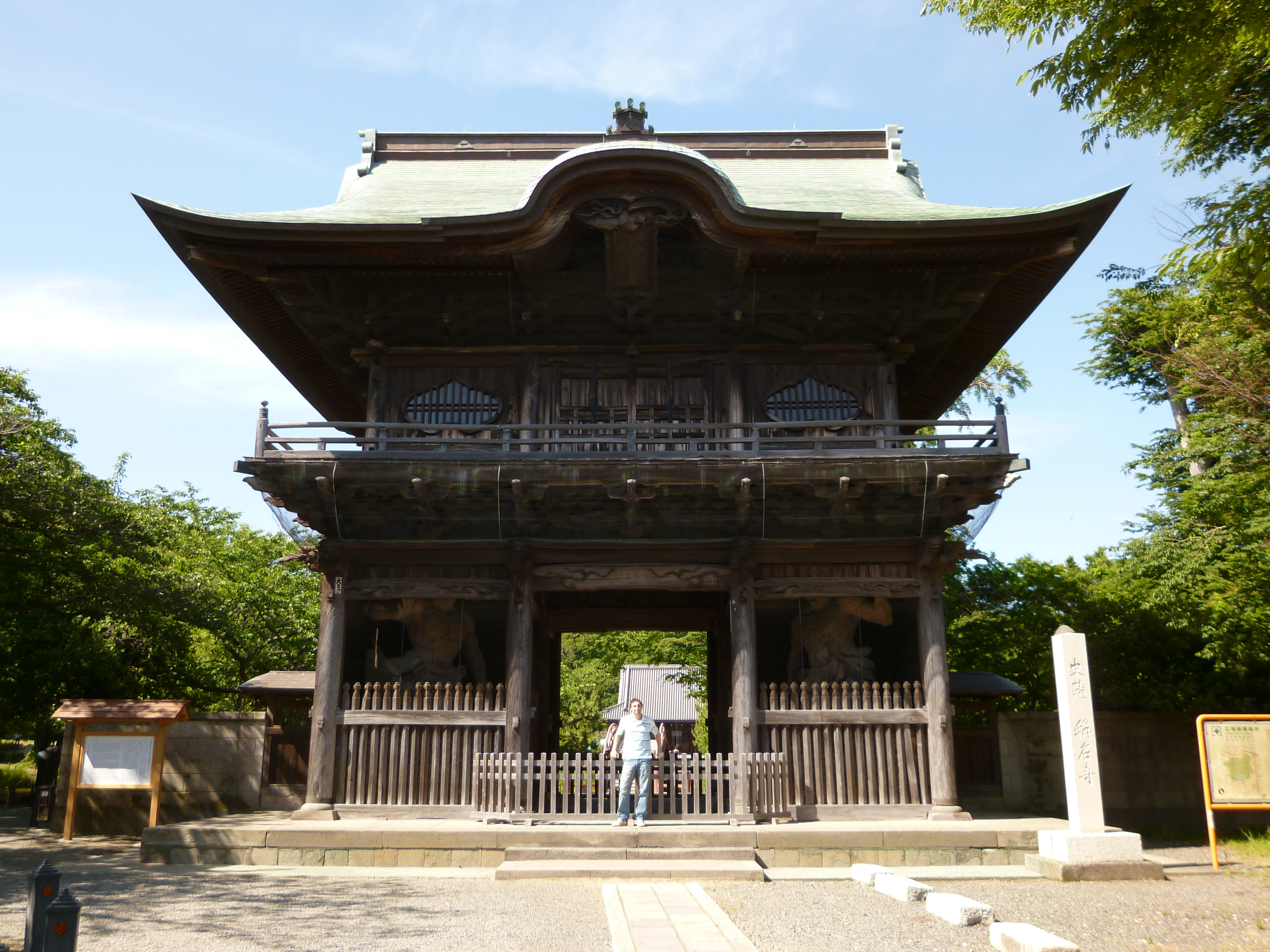
As you go down this path you will see the view below on your left side and just up ahead is the sanmon entrance gate. Shomyoji Temple is open between 9am and 4pm from Tuesday to Sunday.

P1020542  P1020543

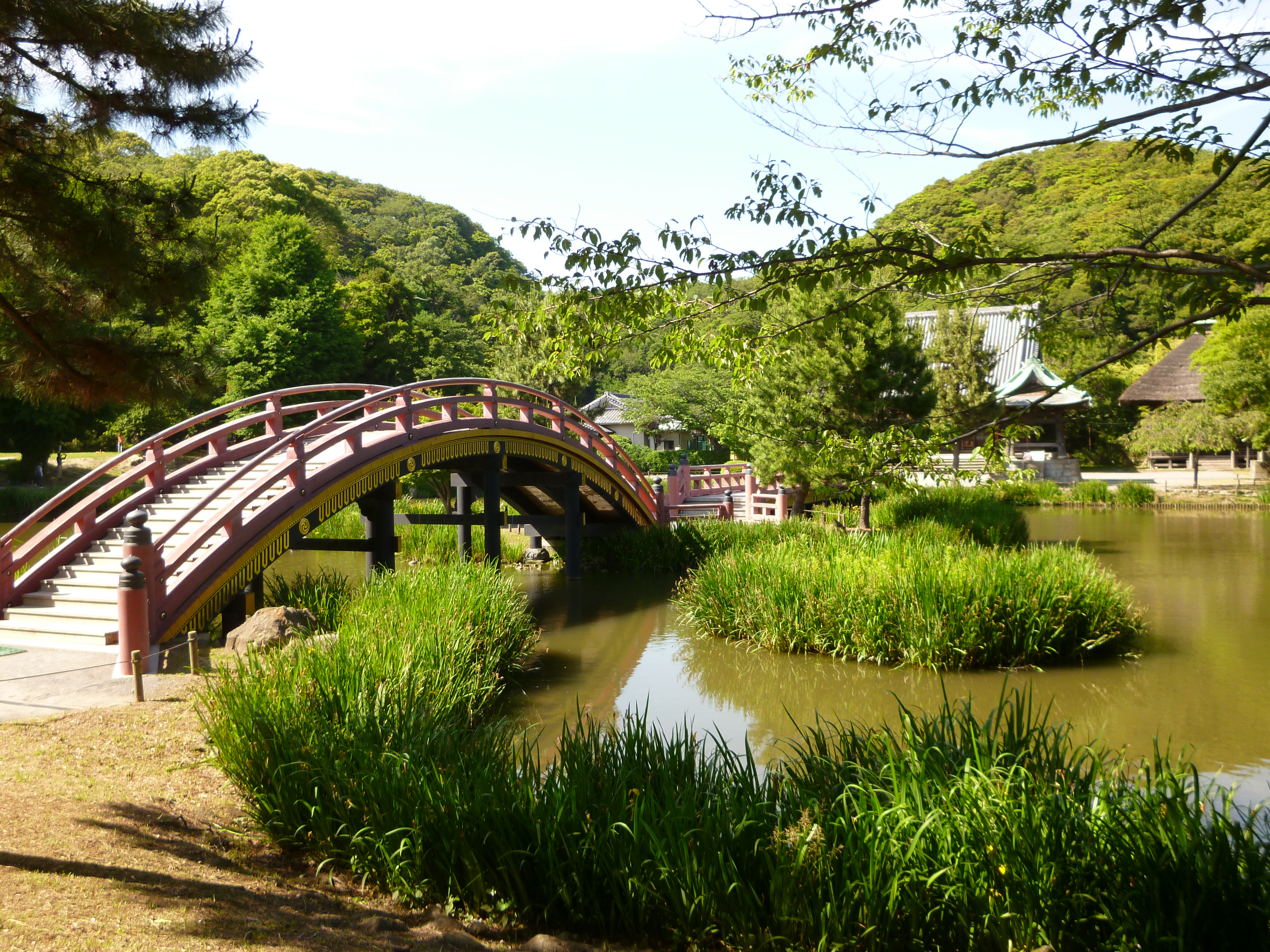
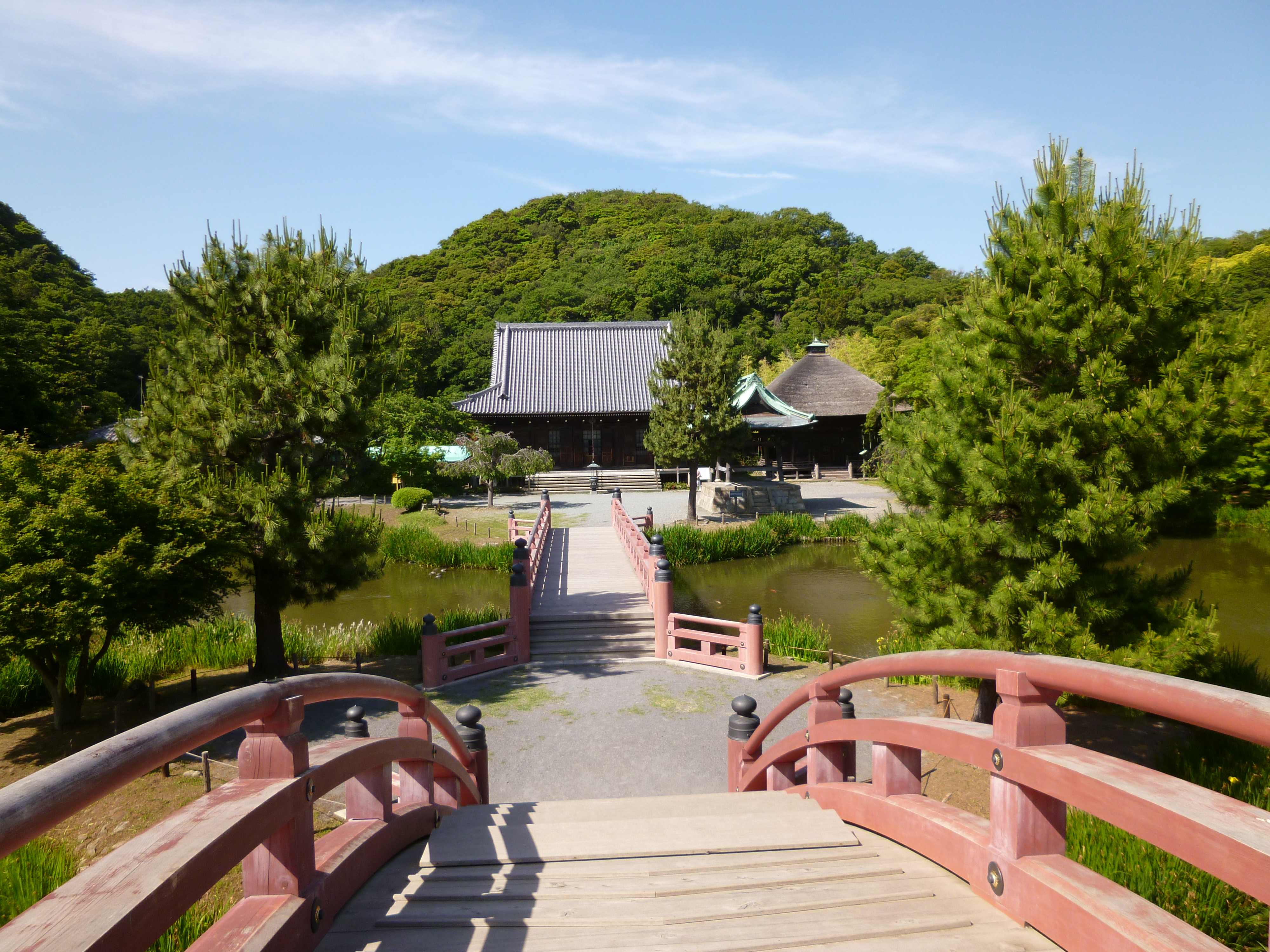
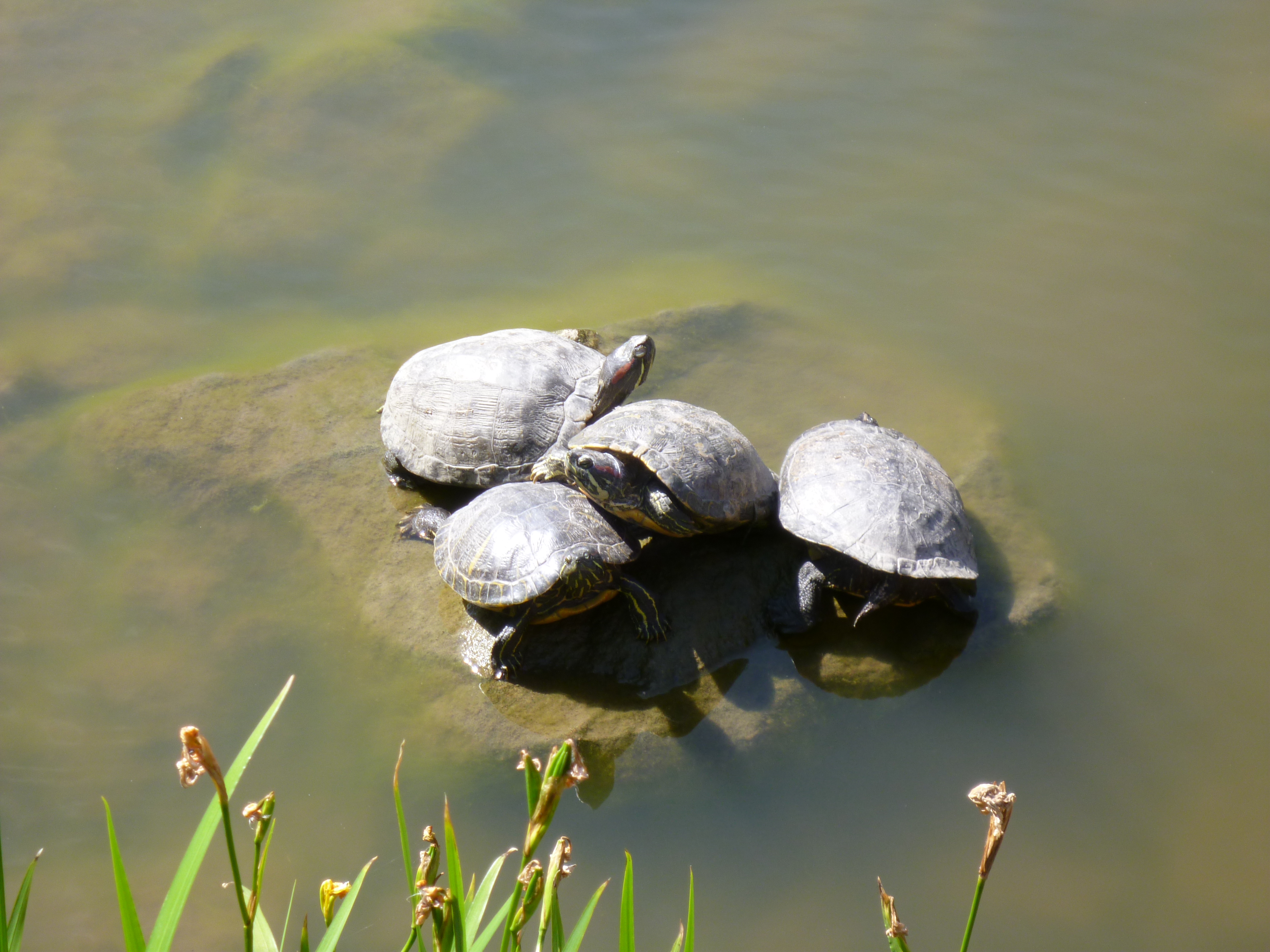
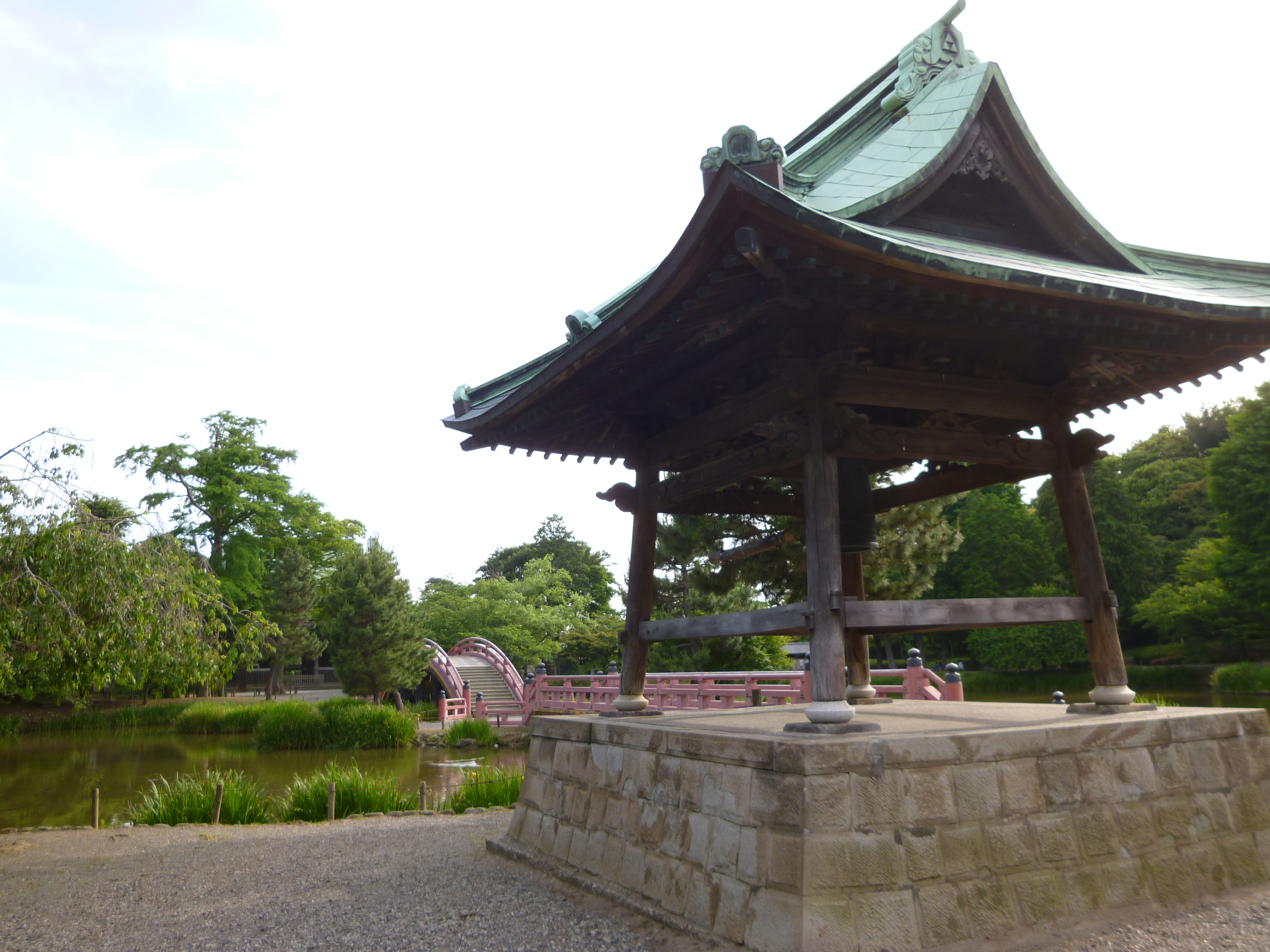
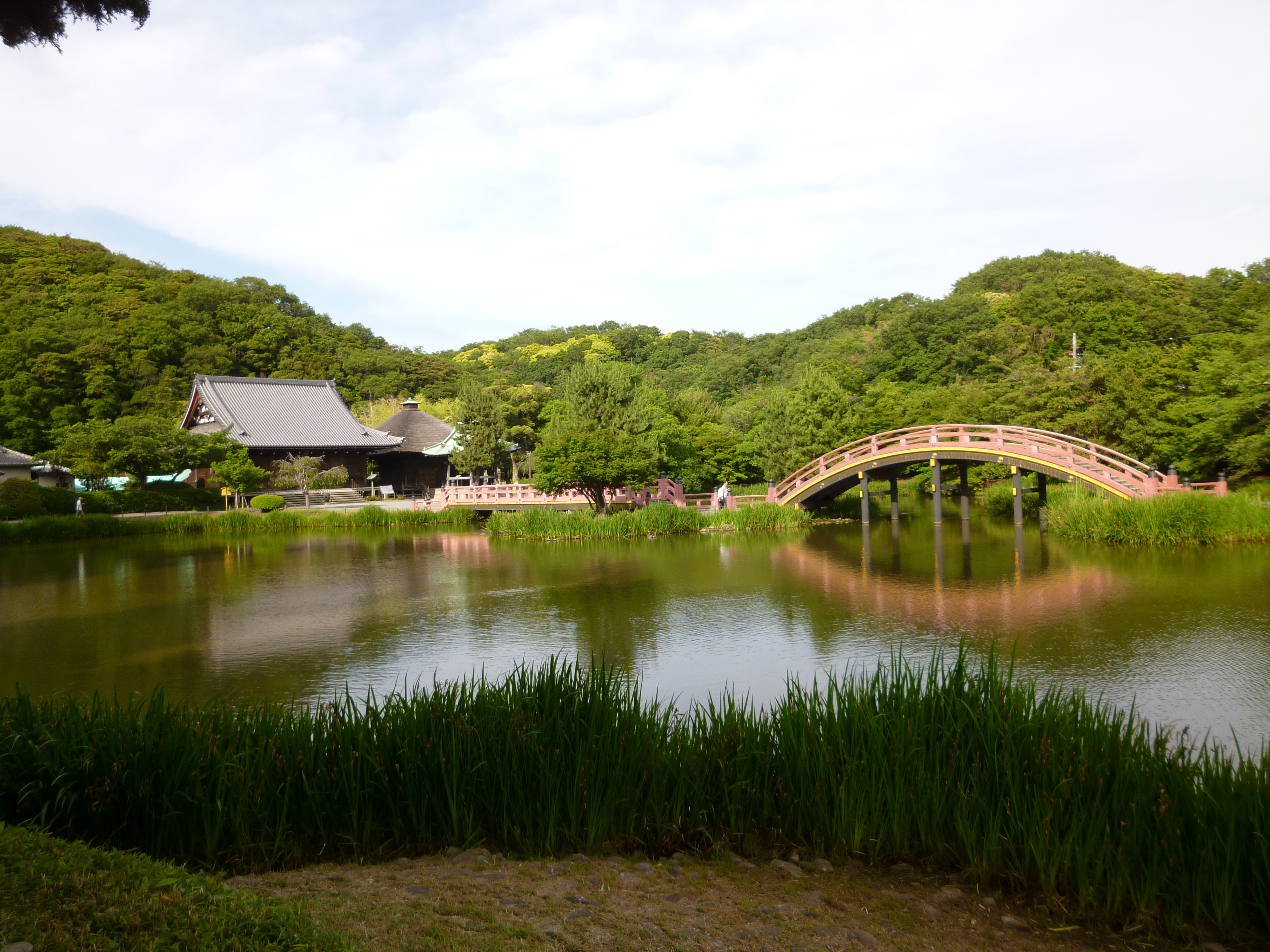
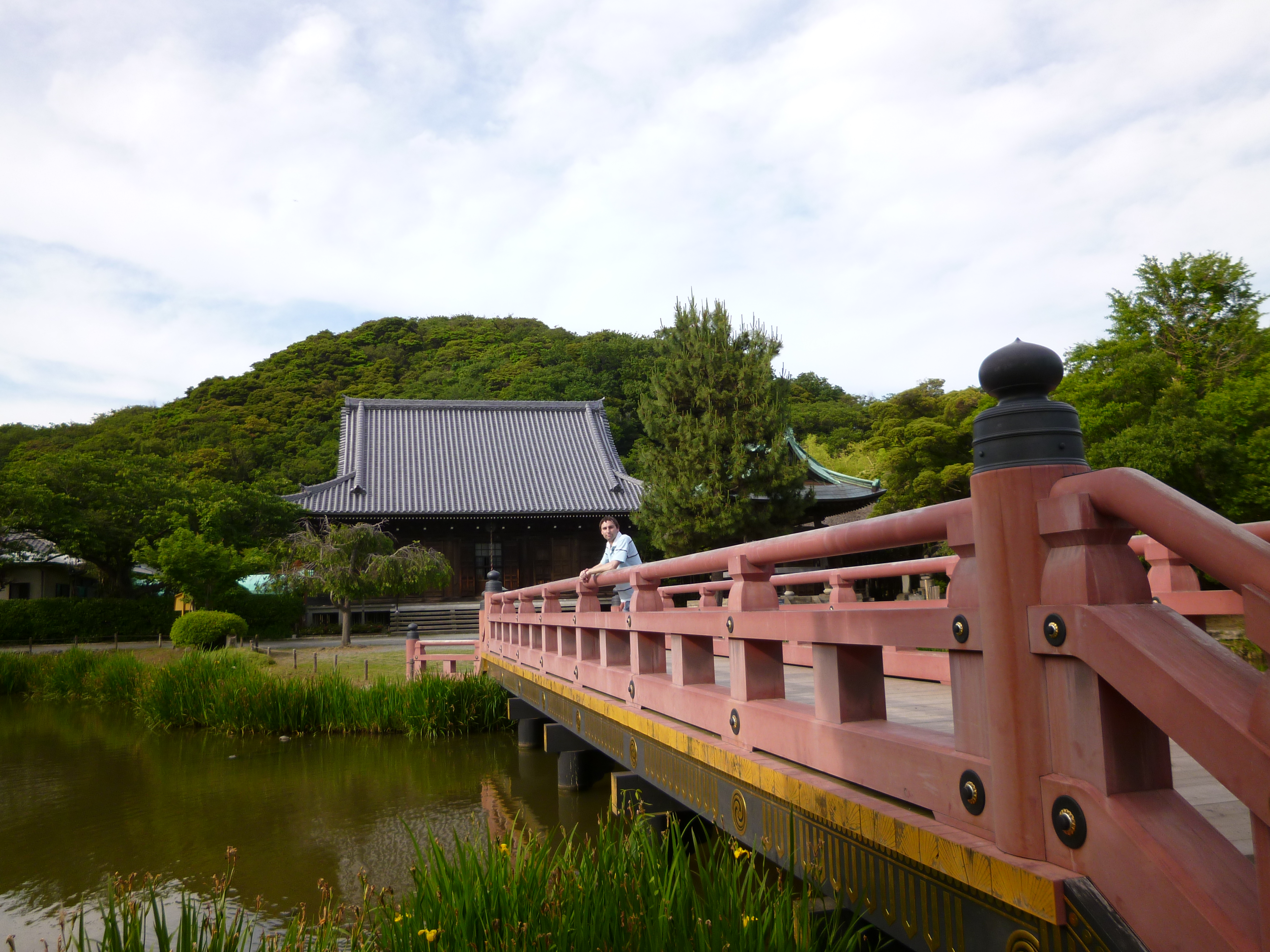
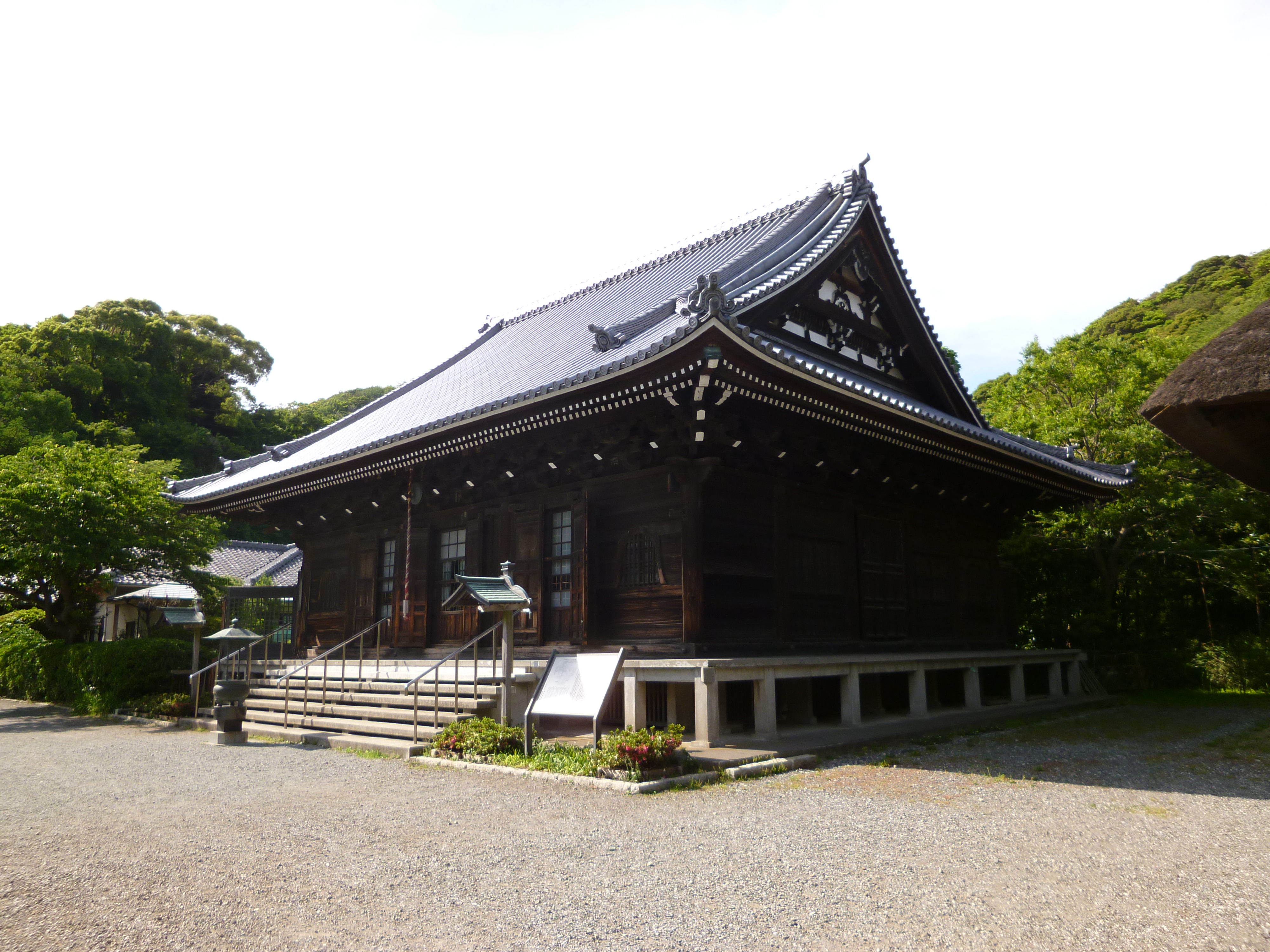
There is no entrance fee to get in this place but there is a small museum/library  somewhere in the vicinity which does charge a few hundred yen. As soon as you enter (by going round the entrance gate rather than through it!) you come across two red bridges  crossing a murky brown coloured pond which is full of turtles and the temple buildings are fringed by some lush green vegetation covering the hills. The Main Hall stands in a straight line connecting the gate to the bridge over the pond.

P1020547  P1020549  P1020550  P1020569

The temple was originally built in 1260 and was at the height of its prosperity in the early 14th century when the Kanazawa district in Yokohama was the eastern gateway to Kamakura. However, when the Kamakura Period ended its one-and-a-half century rule in 1333 the temple began to lose its old glory with no specific patrons. It managed to survive though due to modest government support thereafter and grateful for that we should be.

P1020597  P1020599

Of course all the buildings seen today in the temple’s grounds were reconstructed or repaired after the Great Kanto Earthquake of 1923.

P1020600  P1020583

The beautiful garden with red bridges and pond (called Ajiga-ike or the “Pond of Letter A.”) surrounded by hills on three sides was originally constructed in 1320 and restored in 1987 and somehow took ten years to complete.

P1020610  P1020606

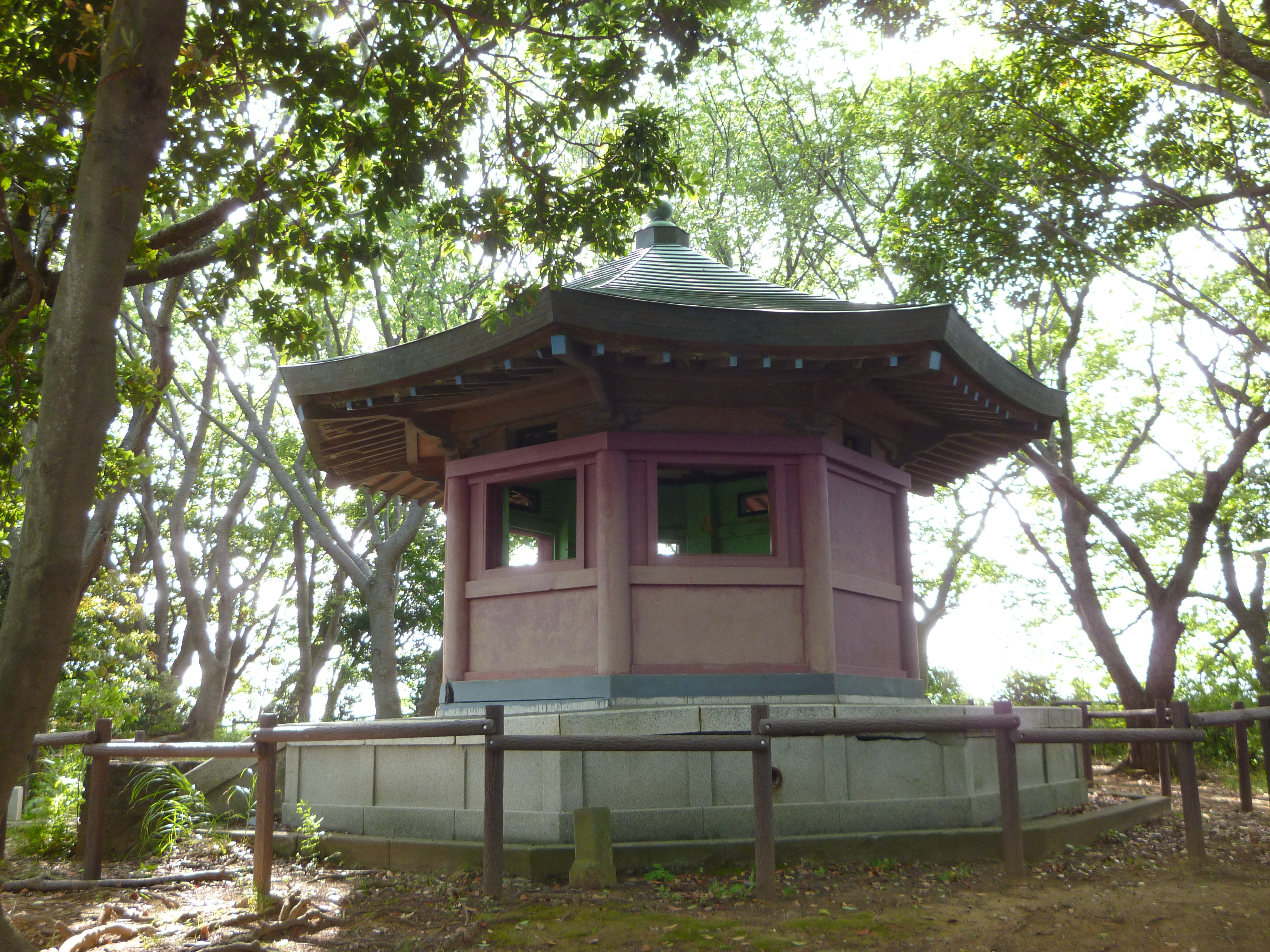
Shakado Hall (below) with its impressive thatched-roof structure lies to the right of the Main Hall and featured quite a bit in the aforementioned rock music video.

IMG_2164  P1020585

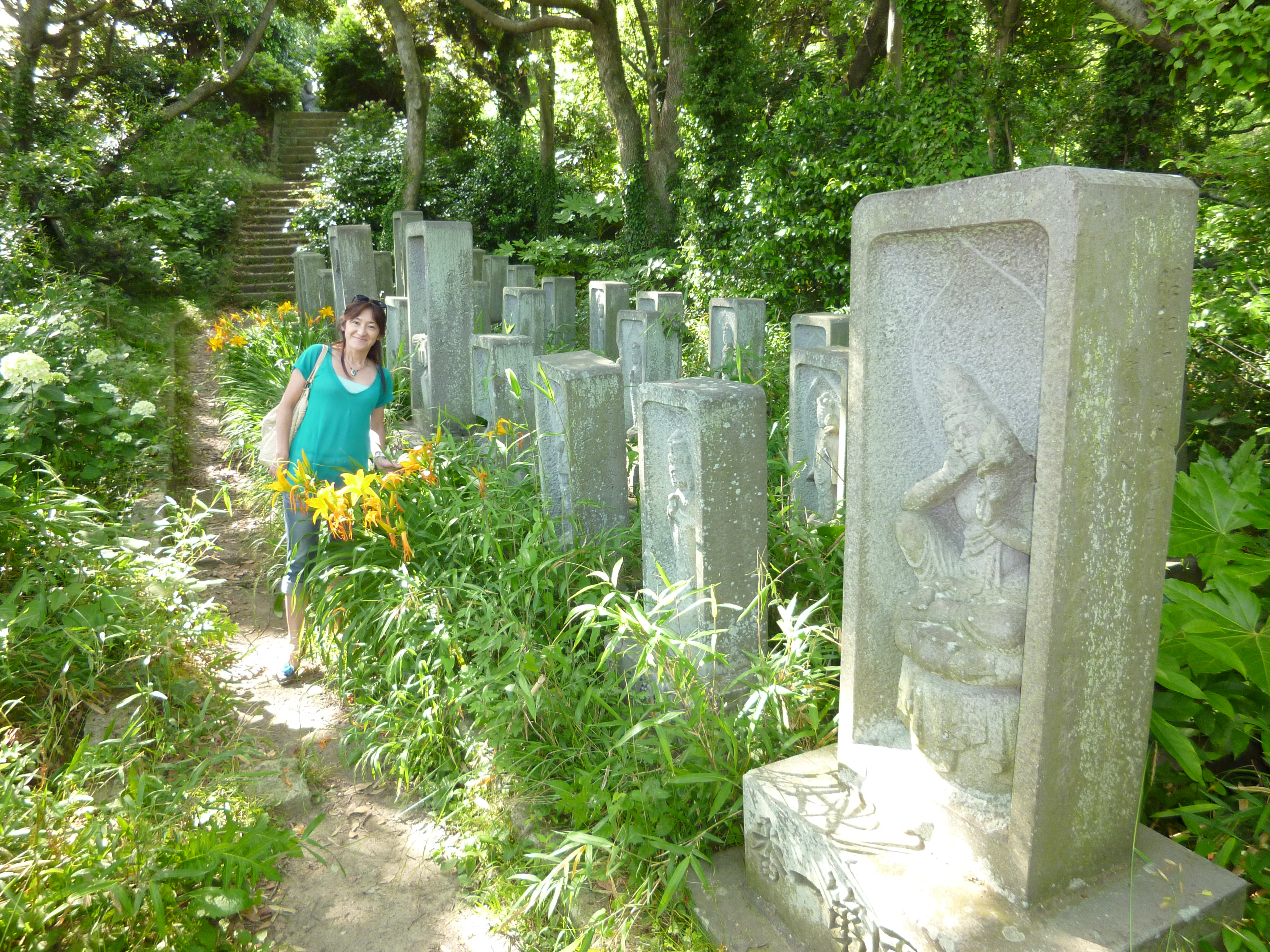
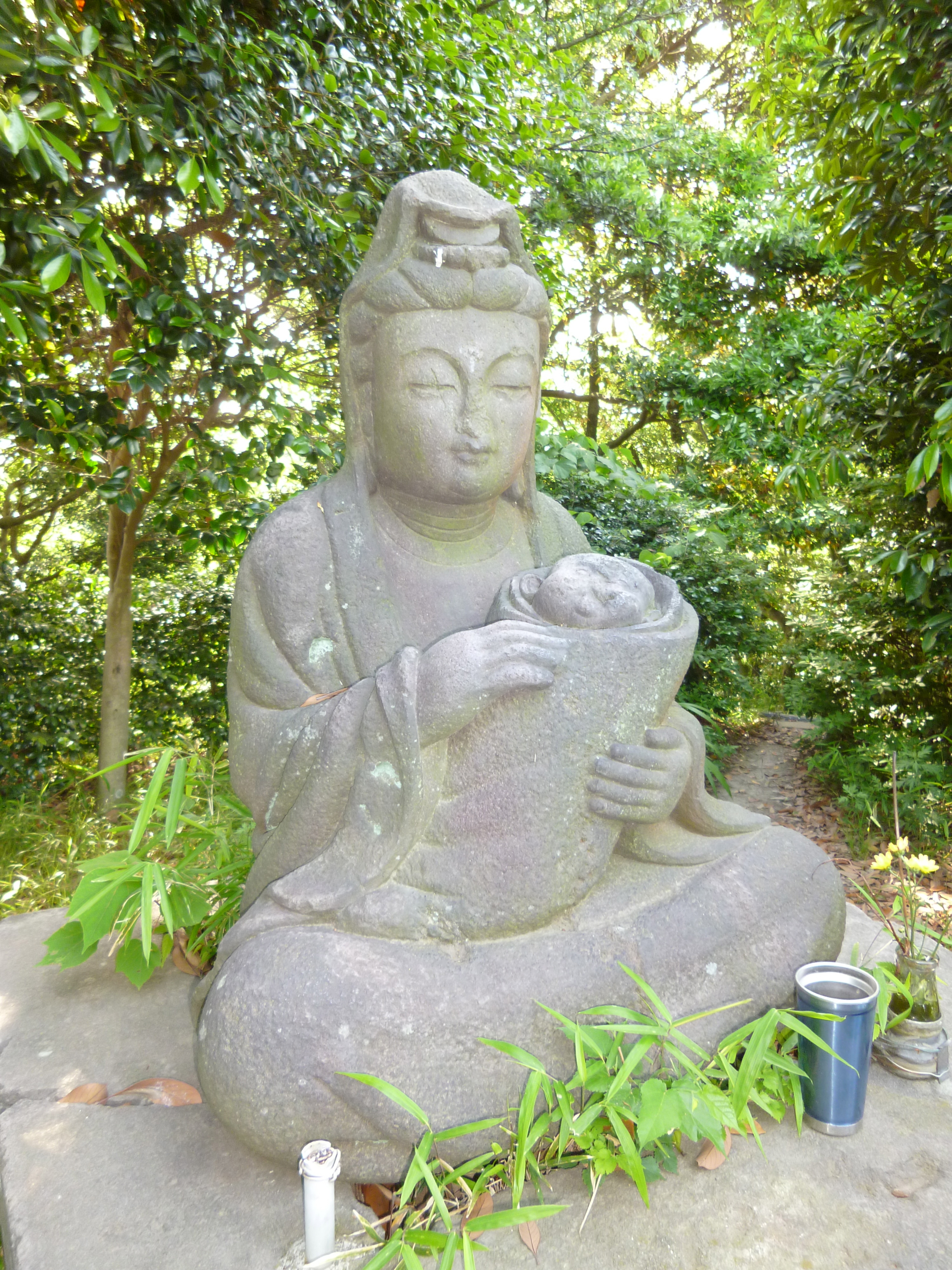
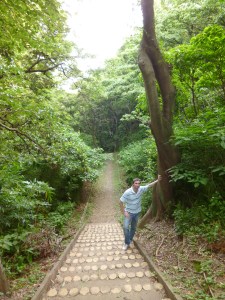
However, Shomyoji is not only worth a visit for the garden and halls but also for the 2km forest walking trail into the hills which is located on the backside of the temple. There are two routes up with (if you’re facing the main temple hall) the steeper, more difficult path to the left. I should add that it is only a 7-8 minute ascend to the top taking you through a couple of graveyards.

P1020588  P1020594  P1020589  P1020591

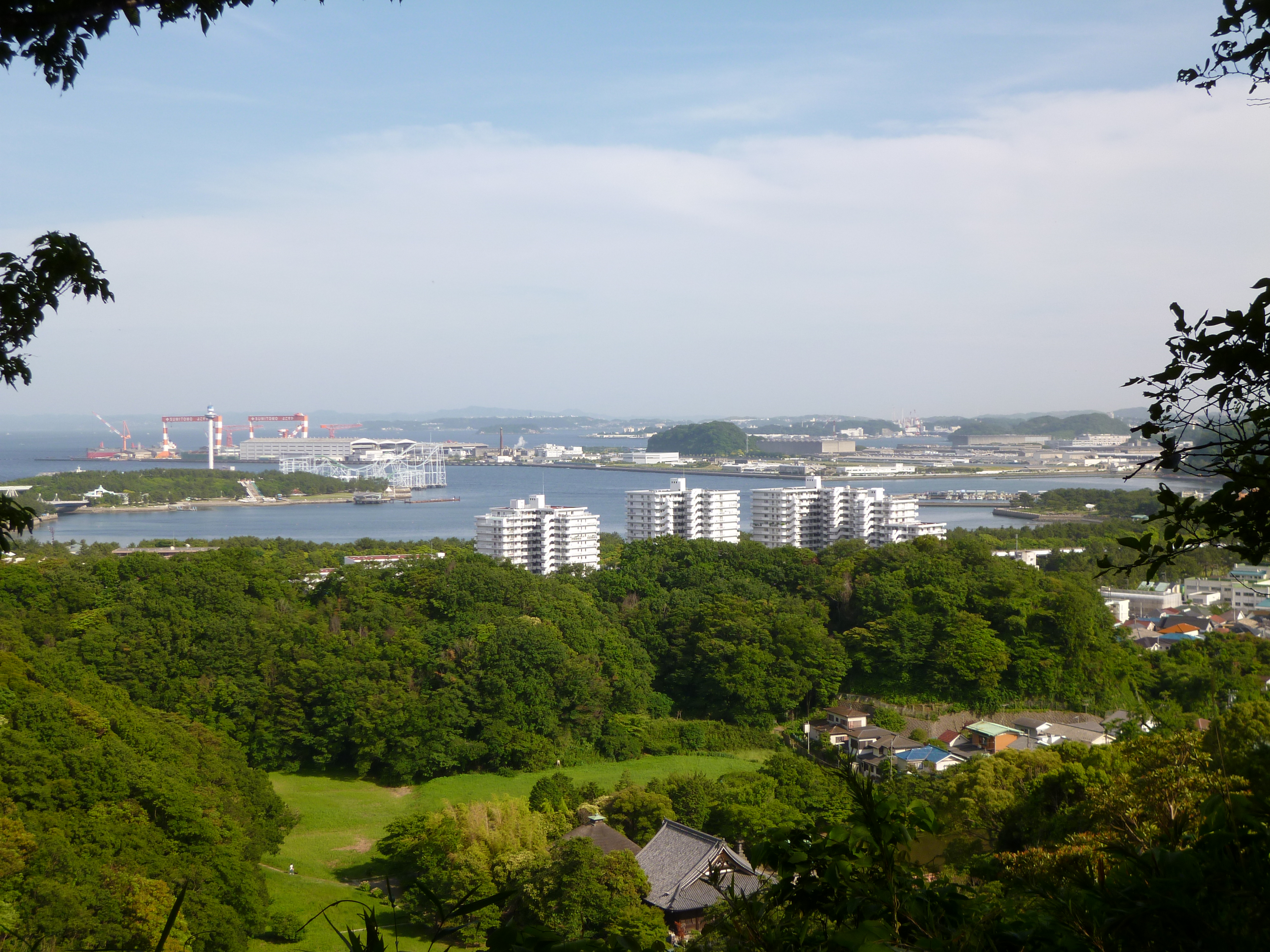
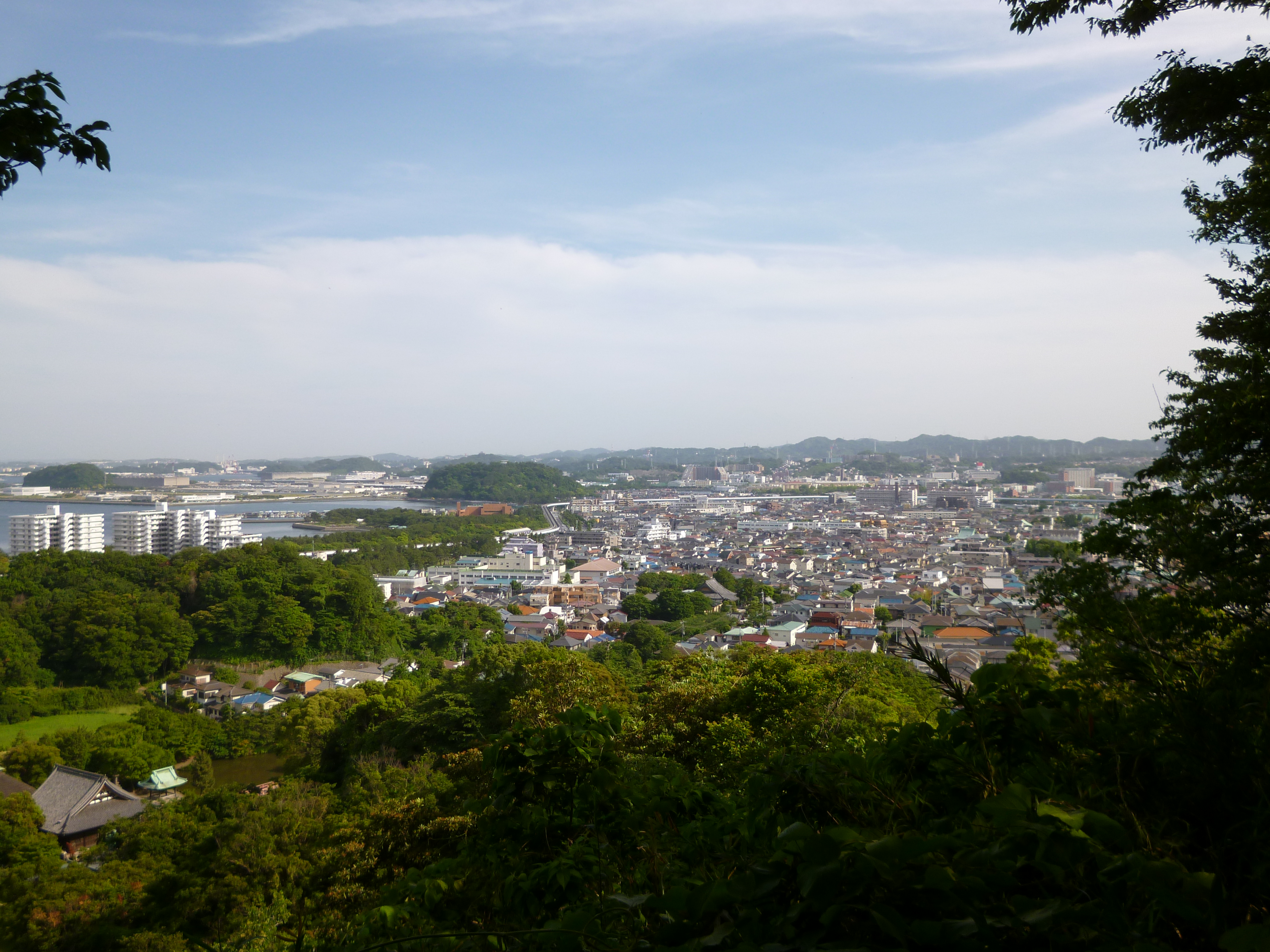
From the top you can see some pretty impressive views across Tokyo Bay including  Yokohama Hakkejima Sea Paradise which is home to the world’s tallest vertical fall amusement ride (107m) as well as Japan’s largest collection of marine life in its aquarium. Although we didn’t, a trip here could easily be combined with this temple.

P1020592  P1020595

It’s fair to say that it won’t take you too long to walk around the 75,000 squared-meter temple area but its a nice place to take a quiet break and relax amid a pleasant setting away from the crowds which can sometimes make living here a frustrating experience.

You can see the Shomyoji filming locations for ‘Motorcycle Emptiness here

Posted in Japan Filming Locations, Japan Travel, Tokyo Daytripper: | Tagged , , , | 2 Comments

On Screen #1 – Vietnam

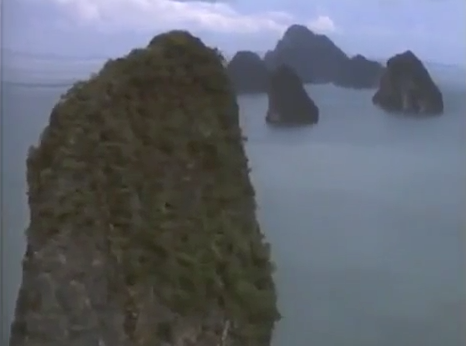
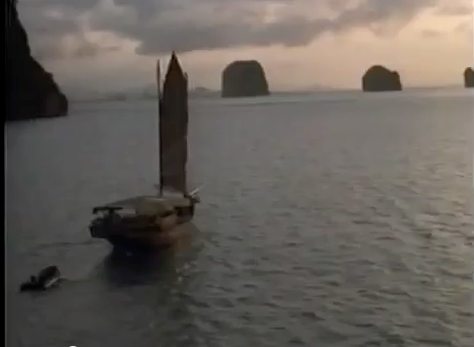
In the 1997 movie ‘Tomorrow Never Dies’, James Bond is seen cruising around a series of limestone rock karsts dramatically jutting out of the sea on the 91 minute mark. We’re led to believe its Halong Bay, Vietnam, and though it looks remarkably like that area in

Screen Shot 2013-05-13 at 18.06.59  Screen Shot 2013-05-13 at 18.07.47

the north-east of the country it is actually Krabbi in Phuket (Thailand) which we see. Lets rewind further back to the most famous films about Vietnam; ‘Apocalypse Now‘ (1979) and ‘Platoon‘ (1986) which also weren’t made in the country they were obviously set in. Luzon in the Philippines filled in on both occasions.

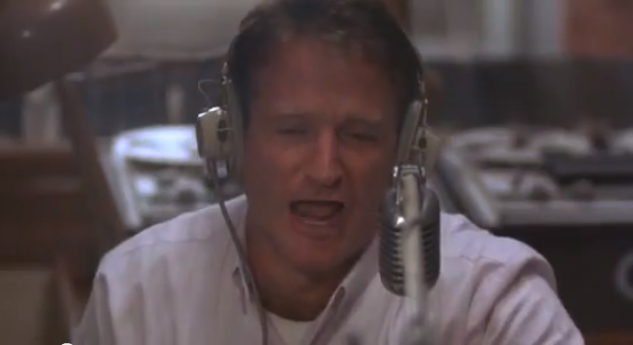
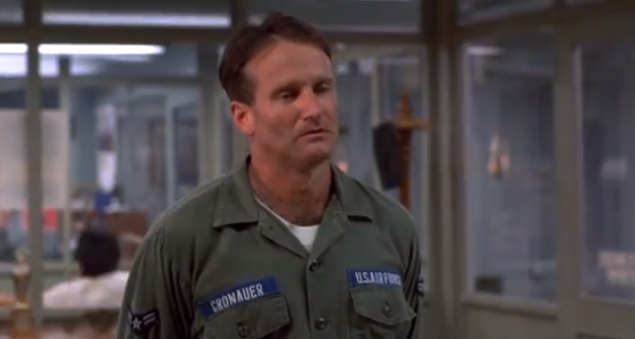
Good Morning, Vietnam‘ (1987) is a film consisting of more than just a catchphrase! I watched this on YouTube recently (You can see it here) and though I’m not the greatest fan of the rubber-faced funnyman Robin Williams, this is a good movie with some spectacular Vietnamese scenery…….or is it? Well, no actually as this one was filmed in Thalang in Phuket province, Thailand. In fact the Thai Parliament Houses are clearly visible on the horizon in an opening shot of a main road.

Screen Shot 2013-05-13 at 13.14.01  Screen Shot 2013-05-13 at 13.15.59

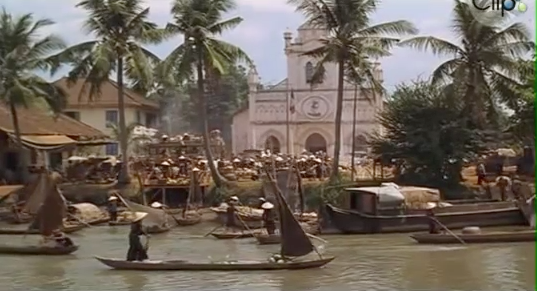
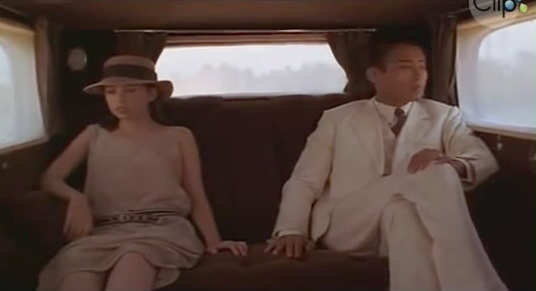
One film which was actually filmed in Vietnam was the 1992 drama romance ‘L’Amant‘ (UK title: ‘The Lover‘) which features Ho Chi Minh City in parts. A student recommended this fairly dark film just before I went on my trip to Vietnam last month and I also managed to catch this one on YouTube (You can see it here)

Screen Shot 2013-05-13 at 14.34.06  Screen Shot 2013-05-13 at 14.36.05

Director Jean Jacques Annaud first flew to Ho Chi Minh City in 1989 to view the original novel’s setting and was at first not happy with the state of the country but after looking at other places to film in South-East Asia he decided that only Ho Chi Minh City could truly represent the “tired museum.” It was the first Western film to be shot in ‘nam since the reunification of the country in 1975. The government provided the crew with a helicopter for use during filming but did demand that all production storyboards be checked by officials before being filmed. All of the film’s sexual scenes had to be shot in Paris as they could not be filmed on location. The film cost $30m to produce due to the importation costs of shooting in Vietnam and it took 135 days to complete filming.

My introduction to Vietnam though came from the 1980’s TV series ‘The A-Team‘ which throughout its five season run featured countless references to Vietnam with the most important one being the “crime they didn’t commit.” Colonel Morrison gave orders for the team to rob the Bank of Hanoi of $1m on the 27th of January, 1971. The mission was supposed to help bring the war to an end by cutting off the money supply to the Viet Cong but on their return to HQ the team discovered it had burned to the ground, and that Morrison was murdered by the Viet Cong. All the evidence that they were acting under orders vanished in the fire. This site has a fascinating rundown of all the ‘nam references from the 98 episodes.

Screen Shot 2013-06-07 at 19.39.24  Screen Shot 2013-06-07 at 19.36.09

As I mentioned in an A-Team TV series article I wrote a few years ago the season four finale (Episode 23) of this cartoon-violence show was very unique in that it actually included a death and was notable for some truly serious dramatic moments with the A-Team members privately reminiscing on their Vietnam war experiences.

This was the only episode ‘set’ in Vietnam but I have no doubt that it, like just about every other episode, was all filmed at Universal Studios in California. Stick a few conical hats on some Asian-American actors and you’ve got something resembling Vietnam…..seems to have often been the attitude when the country is portrayed on screen. In this episode titled ‘The Sound Of Thunder‘ major antagonist General Fulbright wants the team to find and free a group of Vietnam POWs, that supposedly includes the only officer that can clear their names.

During the job Fulbright finds out that Murdock is part of the A-Team, but during their narrow escape under fire Fulbright is killed by Vietnamese troops before telling anyone else. The episode borrows heavily from ‘Apocalypse Now‘ in terms of the team lying under a fan with its sound turning into the ‘nam chopper blade whirring sound.

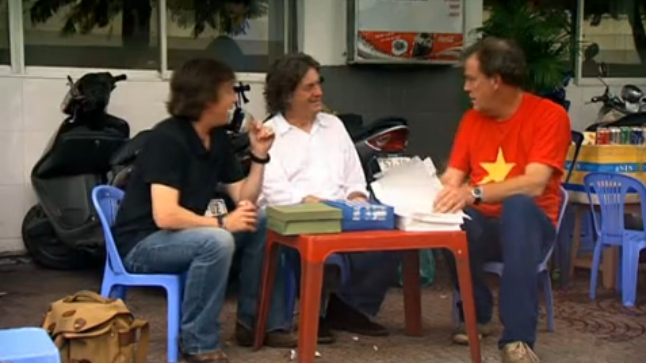
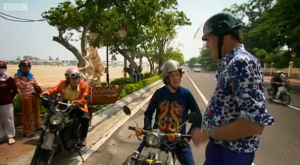
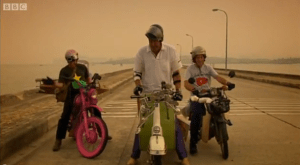
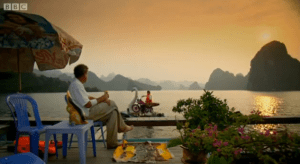
One more memorable TV show I recall watching which was set in Vietnam was a BBC ‘Top Gear‘ special a few years back and this time the only think faked was the scripts and plot of the three presenters as they fell into each situation. The three presenters had $1000 each to spend on a vehicle to get from Ho Chi Minh City to Halong City in 8 days. Naturally, all they could get for that kind of money were some cheap motorbikes and then hilarity and adolescent humour ensues as they made their journey. Now, I’m no car fan and don’t watch this show usually but am always keen to see the special shows.

Screen Shot 2013-05-12 at 17.47.14  Screen Shot 2013-05-13 at 13.03.17  Screen Shot 2013-05-13 at 13.05.39  Screen Shot 2013-05-13 at 13.06.58

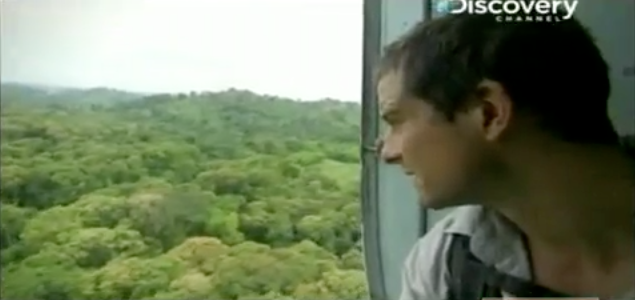
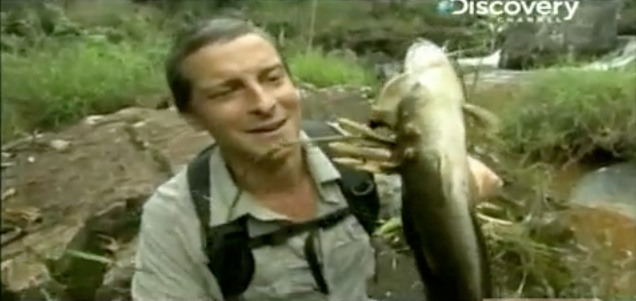
Other tv show’s to have featured Vietnam are ‘Man Vs Wild with Bear Grylls‘ (Season 4 Episode 3) where the chief scout himself demonstrates what it was like for soldiers who had to survive in the jungles of Vietnam, during the Vietnam War.

Screen Shot 2013-05-19 at 11.31.55  Screen Shot 2013-05-19 at 11.34.23

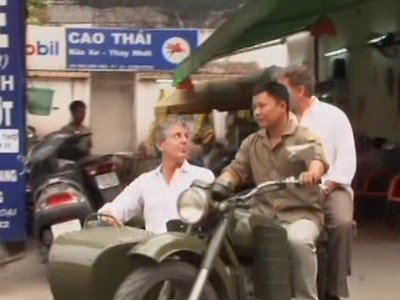
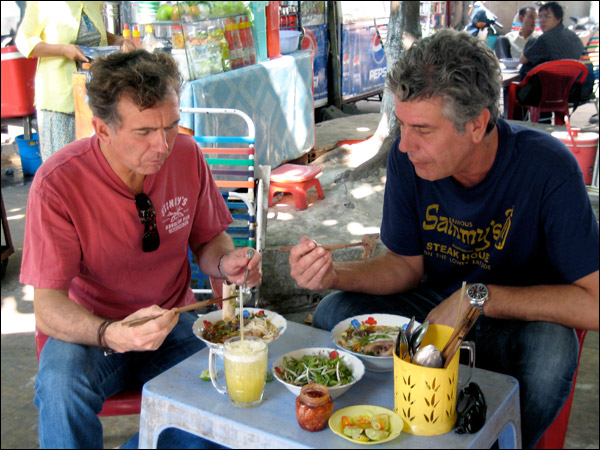
It’s thanks to Anthony Bourdain’s TV series’ ‘No Reservations‘ that I have developed an interest in international cuisine over the last year or so. He’s a big fan of Vietnam and did three shows (S01E04, S05E10, S06E10) there in his seven year run for the Travel Channel.

117766  0001-bourdain_vn

I’m sure there have been plenty of other TV programmes and movies set or made in this beautiful country but this was just a sample and its probably Bourdain’s shows which gave me the most realistic insight into the local culture and cuisine.

Posted in Films, TV Shows | Tagged , , , , , , | 17 Comments

Teaching Kids To Read Via A Penalty Shoot-Out!

You’d think that after the penalty heartbreak suffered by Leicester City in the Play Offs last month that the last thing on my mind would be more penalties but this is a game to be used as an additional resource in English lessons for young learners ranging from Kindergarten to Lower Elementary or Higher Elementary.

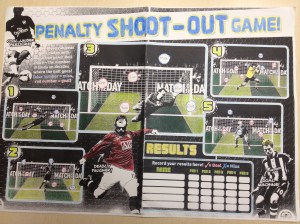
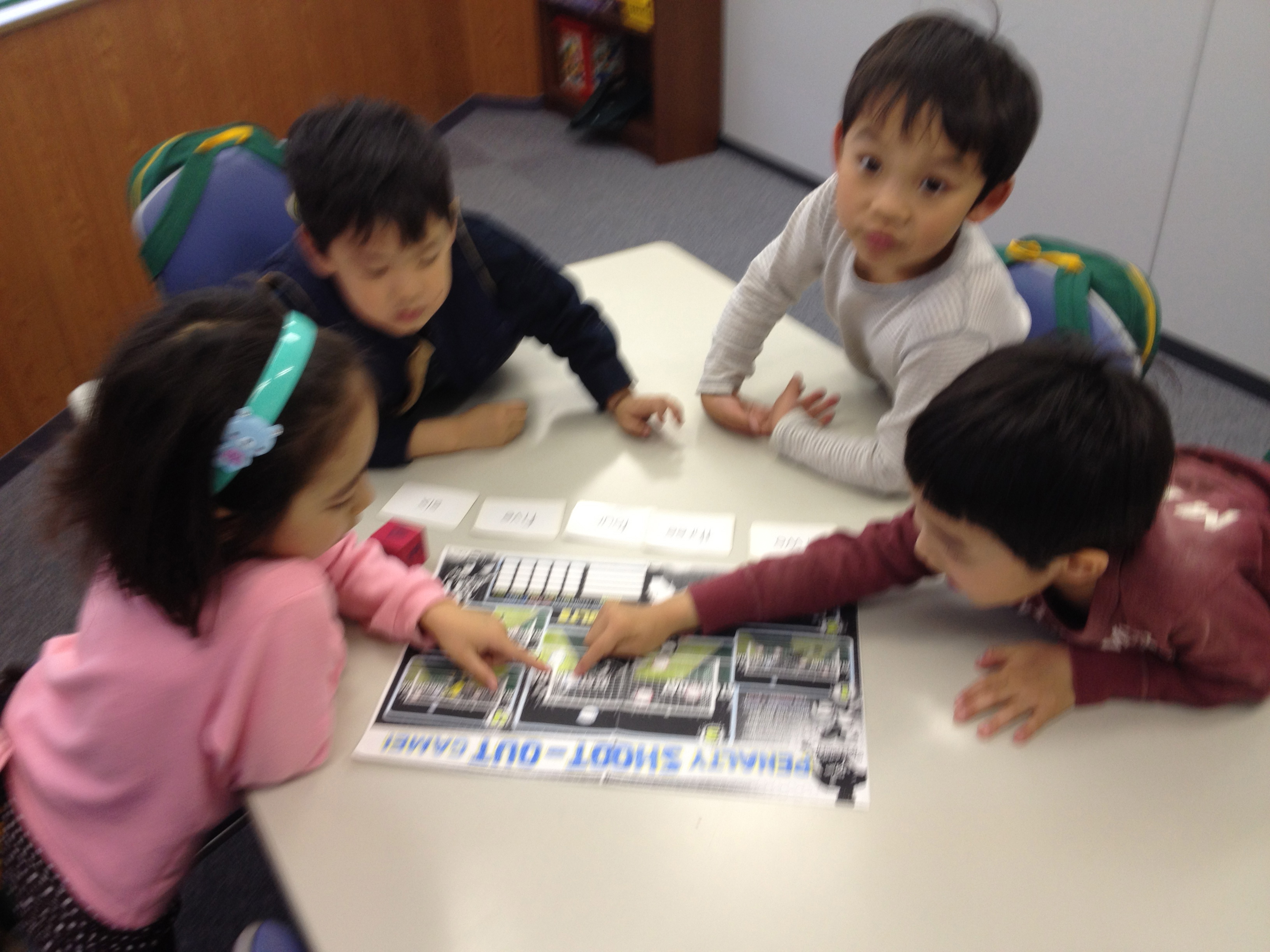
To give you a bit of backstory, I bought a ‘Match Of The Day‘ annual four years ago for one of my students and inside was a game which I photocopied before handing over the gift. The basis of the game was just a dice roll with each number deciding whether its a miss or a goal. My initial thought was that this was a bit too simple and boring but that with a bit of a facelift it could be applied to helping kids learn to read.

IMG_1903  IMG_1933

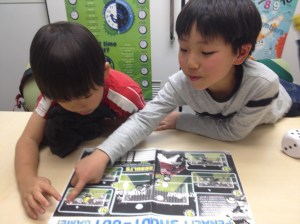
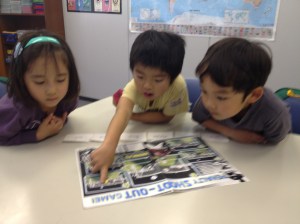
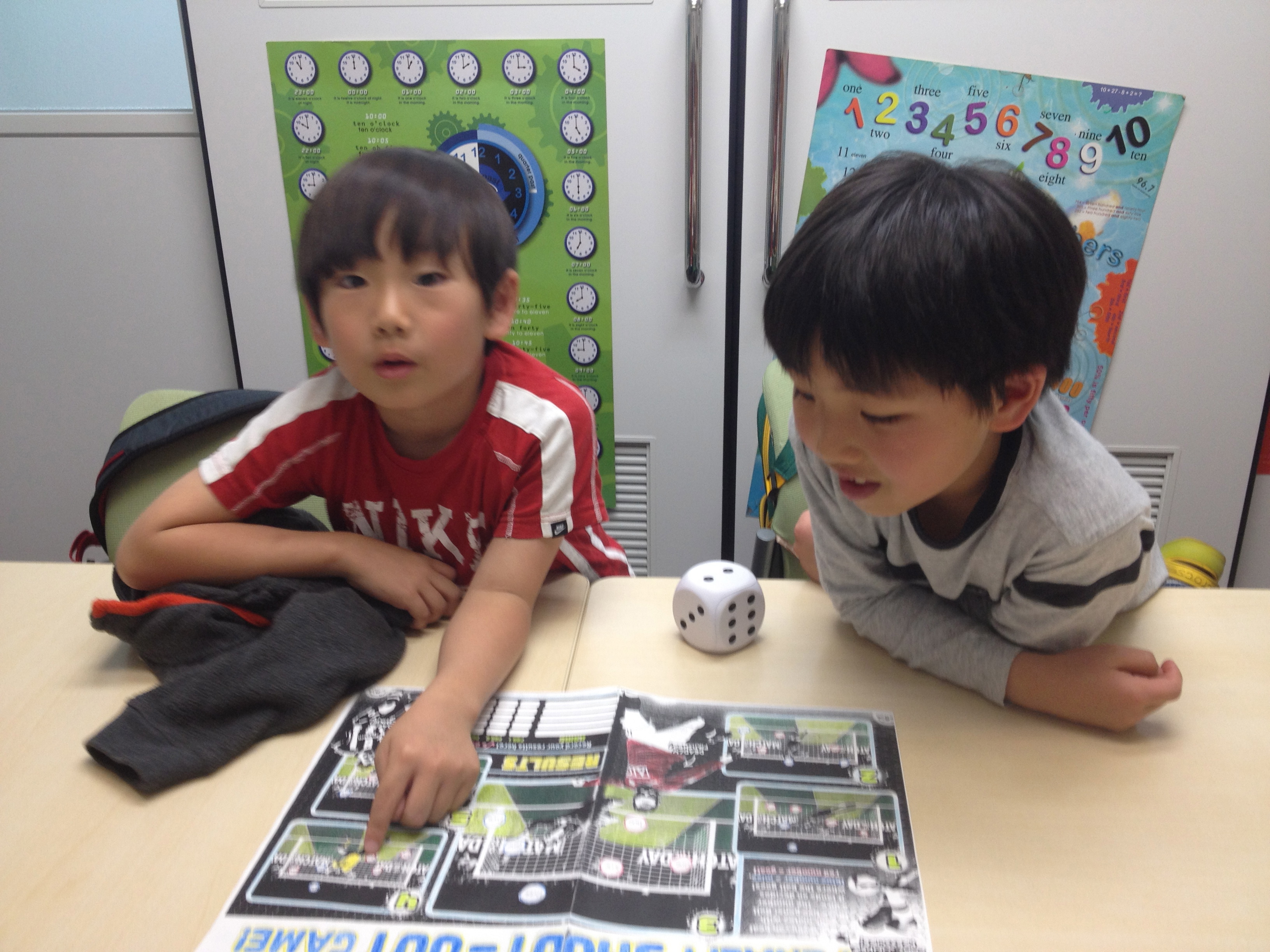
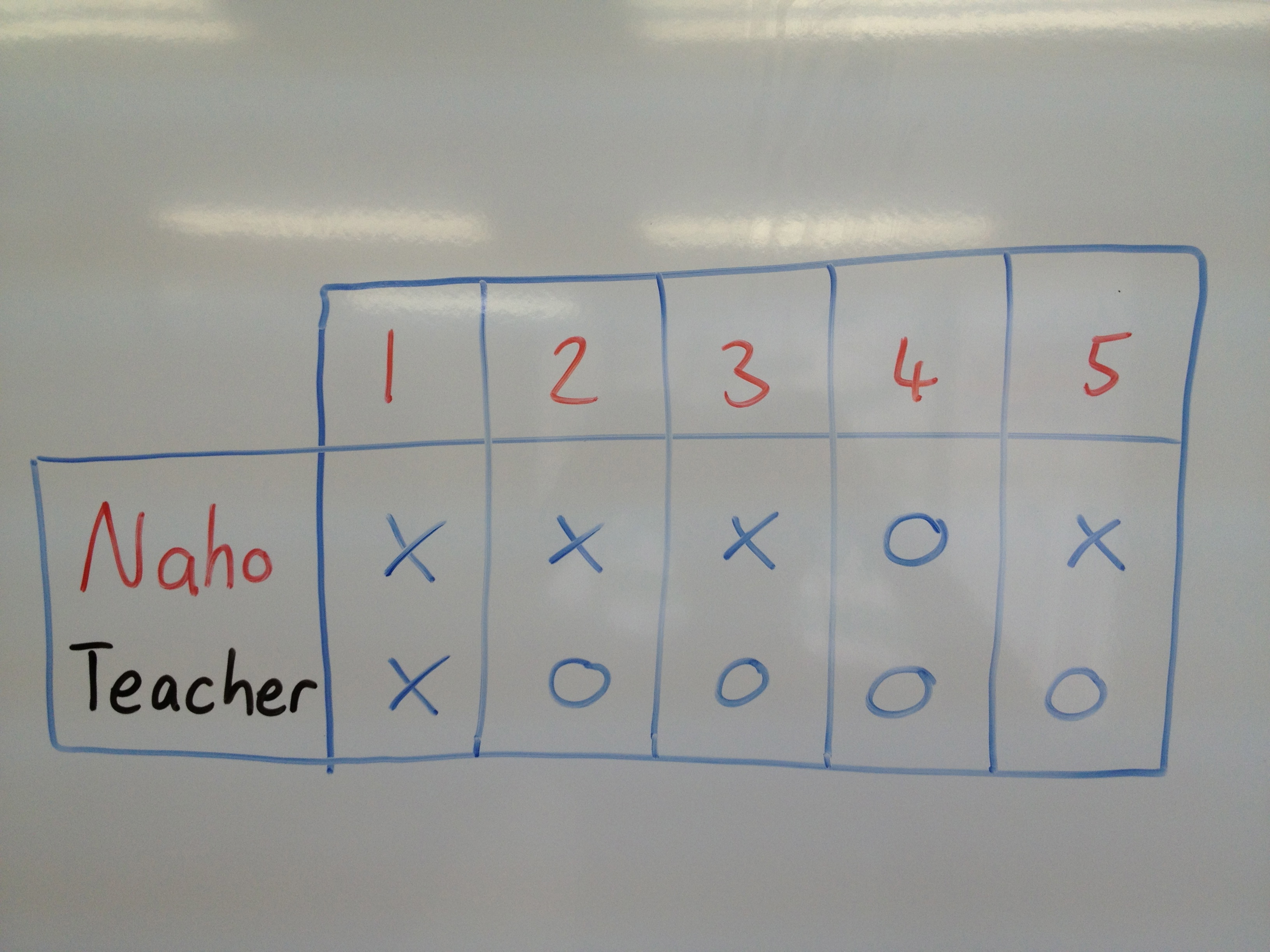
This game features Premiership stars like Manchester United’s Wayne Rooney (pre-hair transplant) and the recently retired Michael Owen in a Newcastle shirt. It can be played on the table, floor or even the board with the students maybe doing their own scoring regarding a tick/circle or cross. If you need to make it slightly easier then you can place  the number word flashcards (in order) under the sheet to help the students with word recognition.

This game may only teach kids how to read or recognise number words one to six but there’s no reason why it can’t be adapted to include colour words, phonemic sounds, adjectives of emotion or any lexical items. More balls could easily be added but remember that a dice only has 6 sides and 12 (2 dice) is an awful lot of balls! Of course you would also need to put a key on the board detailing what each number correlates to! The game could even serve its original purpose which was just numbers and that could be used as a warmer/warm-down activity or to teach playgroup level students how to read numbers. Whilst I always have this copy to hand, it isn’t so necessary, as a simple matchstick and goalposts drawing on the whiteboard can easily be substituted in its place.

IMG_2092  IMG_1934

Naturally, when I have to join in the fun in private one-to-one lessons I invariably try and lose to keep the student happy but its quite hard to fix this game (though I’m sure I still could!) as the result against one of my students below shows!

IMG_2237  IMG_1918

Overall, this simple game has been my most successful game/activity for motivating the young kids to bother taking the effort to try and read or recognise the words. He shoots, he scores! Game on!

Posted in English Teaching, Sport | Tagged , , , , , , | 2 Comments

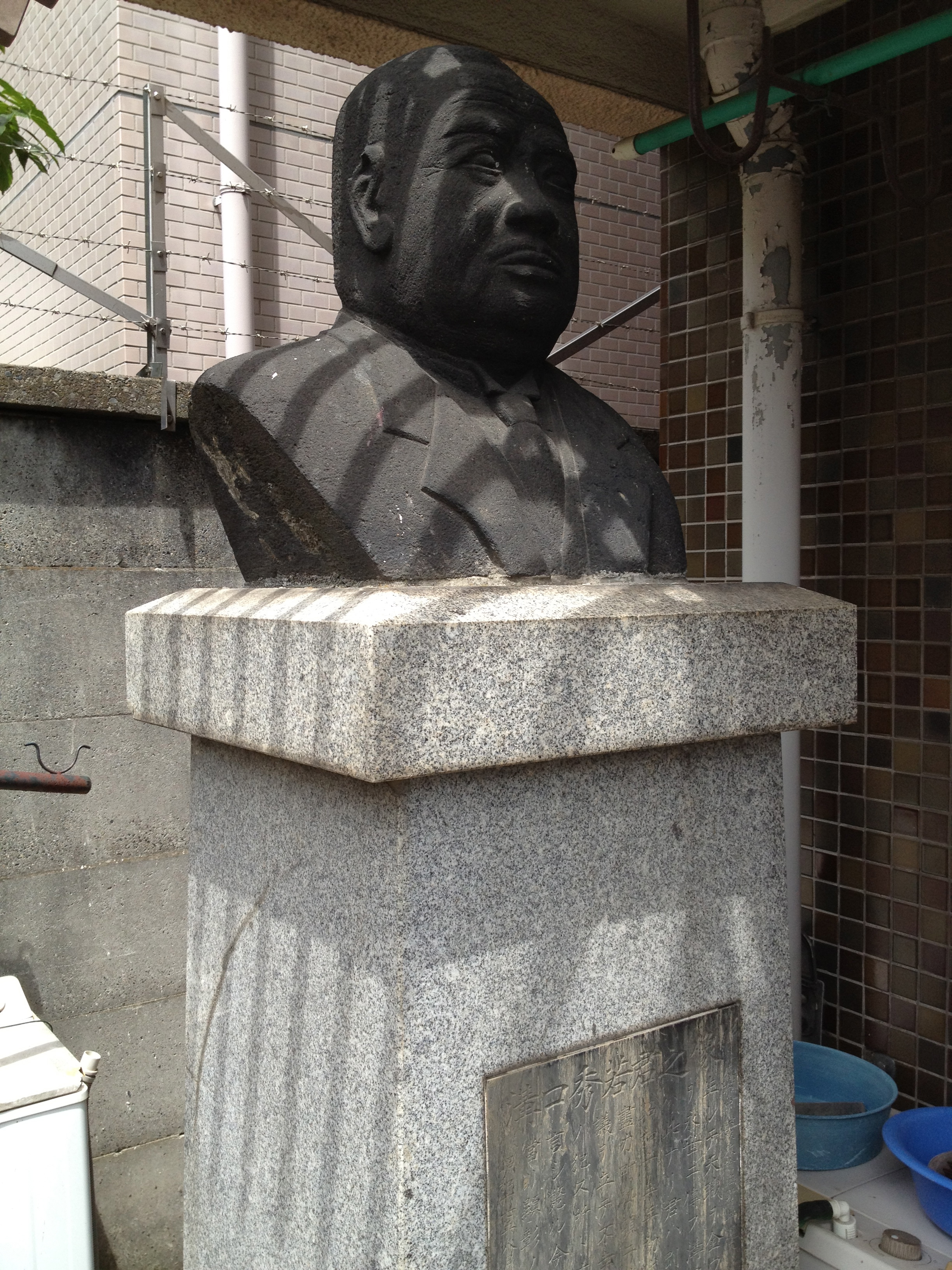
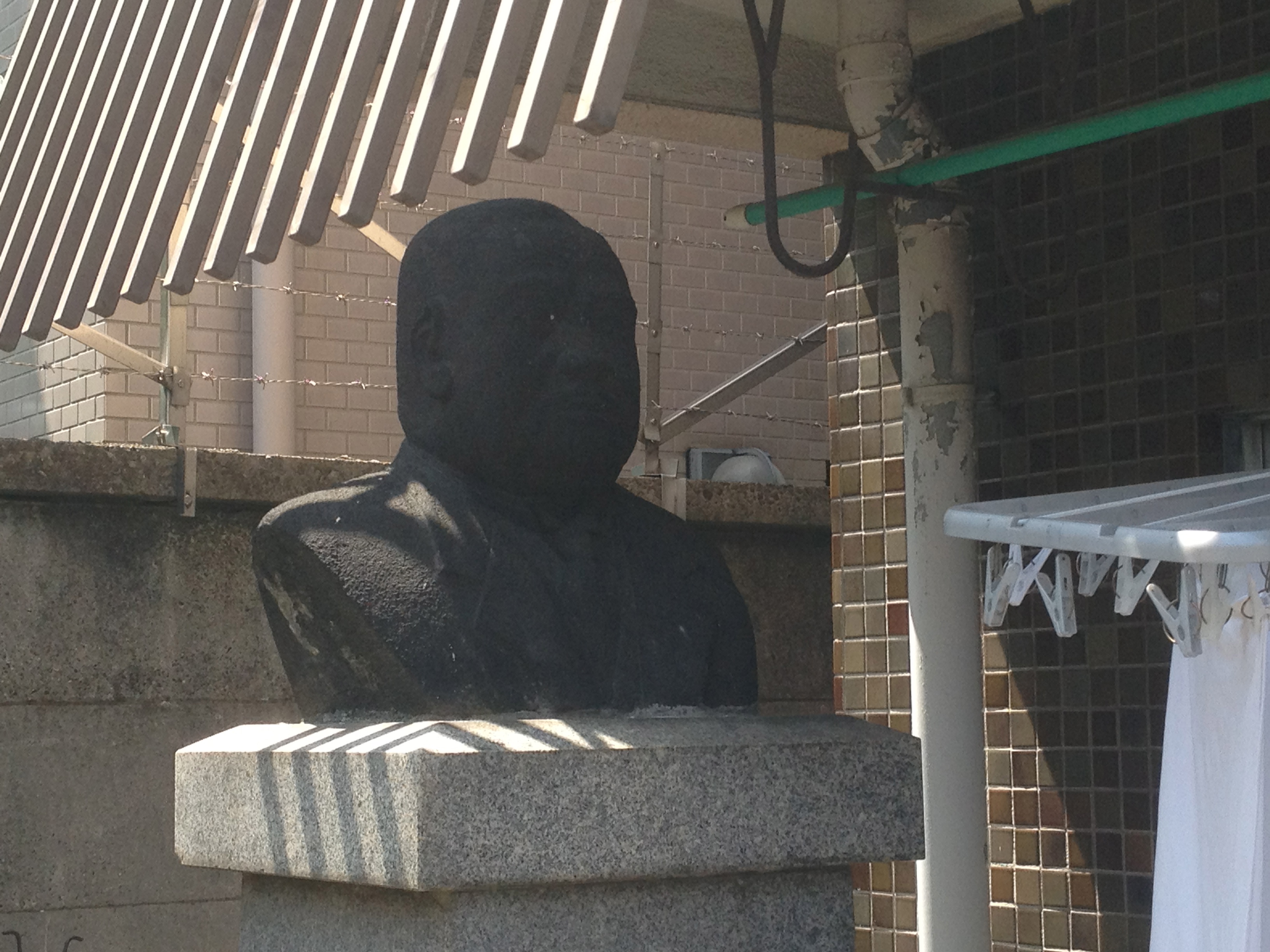
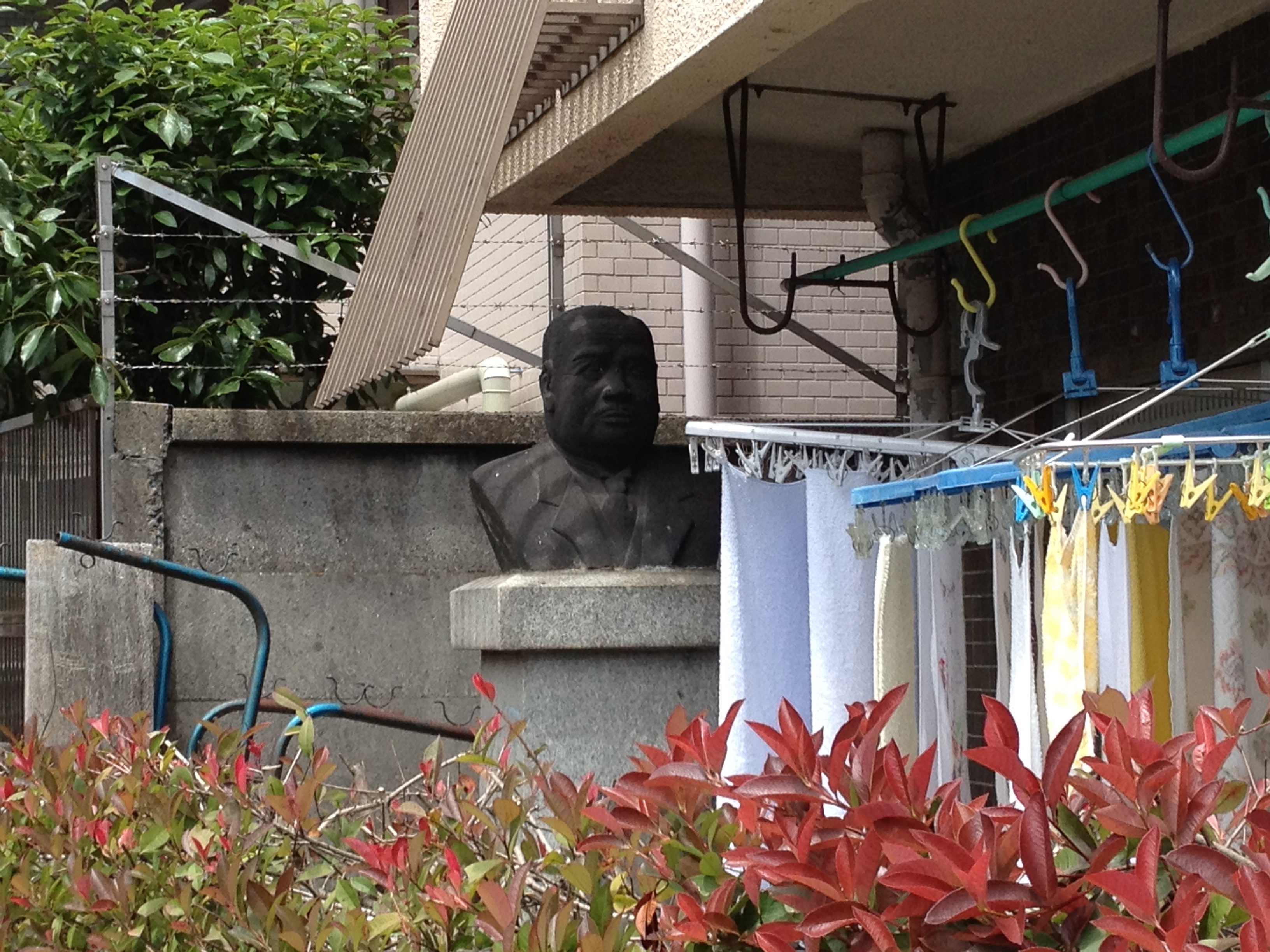
Is This Really A Statue Of ‘Oddjob’ from ‘Goldfinger’?!!

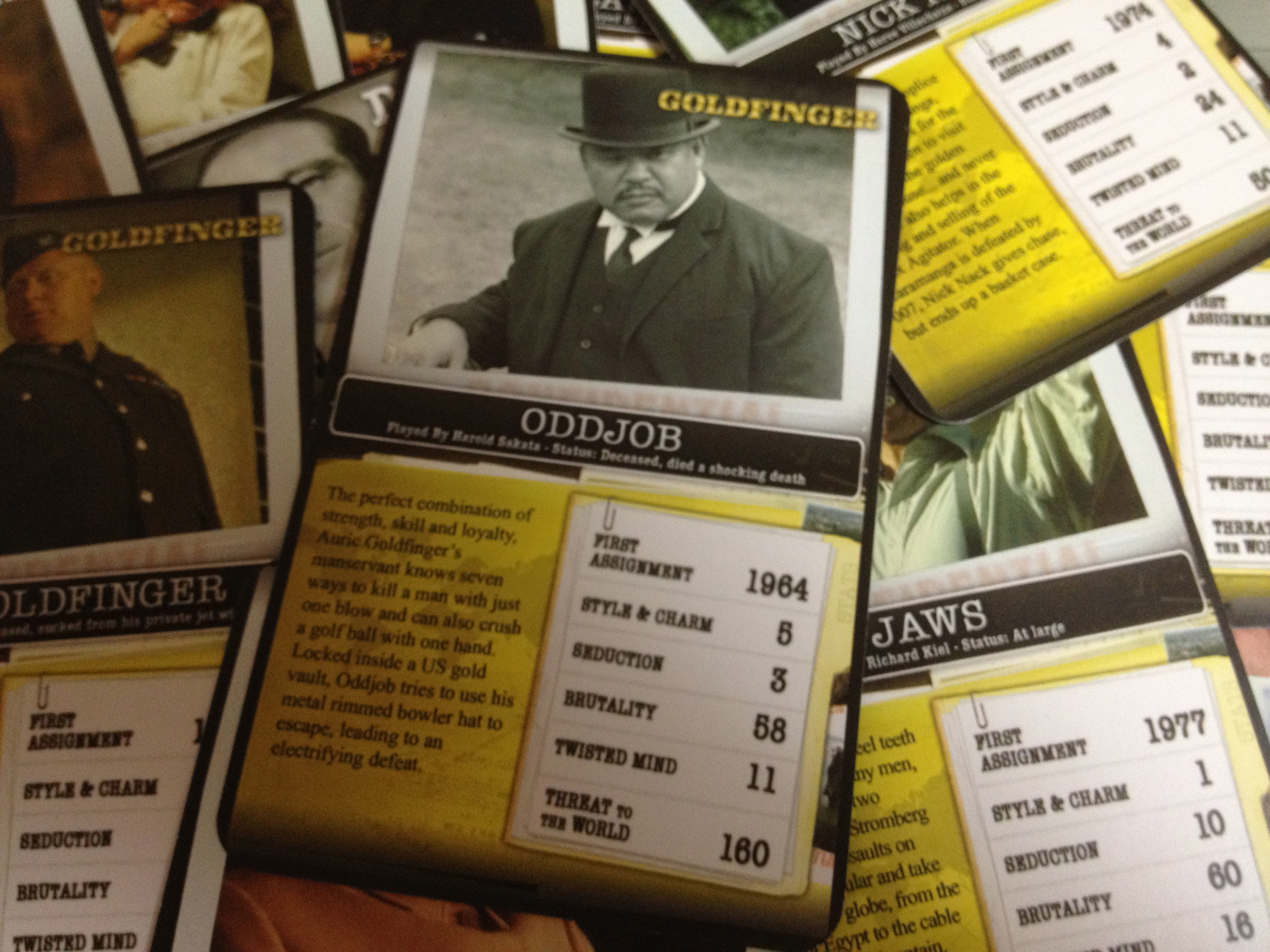
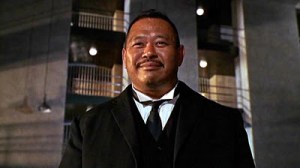
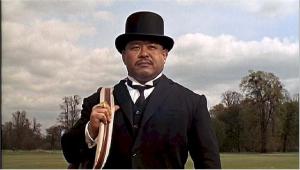
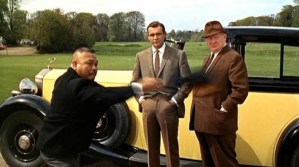
Mention Bond villains and most people probably tend to think of Blofeld (You Only Live Twice), Jaws (The Spy Who Loved Me), Dr No (Dr No), Scaramanga (The Man With The Golden Gun), Nick Nack (The Man With The Golden Gun) and Goldfinger (Goldfinger). There are many other classic bad guys who probably deserve to be on that list and and one of the strongest and most brutal (according to my 007 Top Trump cards information data!) is Oddjob who was Auric Goldfinger’s manservant in the 1964 film ‘Goldfinger‘.

IMG_2134  unbranded-james-bond-rolls-royce-&-odd-job-figure-goldfinger-corgi-classics-ltd

Displaying a perfect combination of strength, skill and loyalty Oddjob knew seven ways to kill a man with just one blow and as well as his unusual appearance and manners he formed the archetype for which many henchmen of the Bond film series were based on. His sharpened, steel-brimmed bowler hat became a famous and much-parodied trademark of the Bond series. Oh and he could also crush a golf ball with one hand!

48  HaroldSakata007  oddjob001  img13

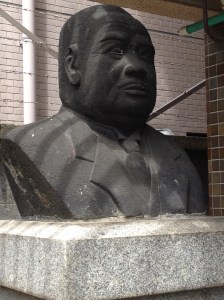
Last month a friend of mine walked alongside the Kanda River one day on a mission reminiscent of when I cycled the length of the river back in 2011. One of the photos which he posted on Facebook particularly fascinated me and that was what appeared to be a rather random statue commemorating Toshiyuki “Harold” Sakata who played the aforementioned ‘Oddjob’ in ‘Goldfinger‘.

IMG_2186  IMG_2184

Although the character is Korean, the actual actor is Japanese-American and was born in the USA where he went on to be an Olympic weightlifter and professional wrestler and then a film actor of Japanese descent.

IMG_2100  IMG_2189

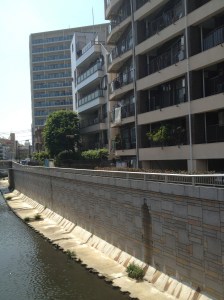
This bizarre statue is located round-about Nishishinjuku 5-1-3 and is just a stones throw away from the temple featured in ‘Lost In Translation (2003). It is on the ground floor of a private apartment (so please respect privacy and all that) just before the second bridge if you follow the Kanda River from Yamate Dori (route 317) heading in the direction of the Sumida-gawa river where the river starts…or ends if you like.

IMG_2102  IMG_2103

Is this really a statue of him? There is some kind of faded inscription on the statue but I couldn’t read it and didn’t really wanna lean too far over the tenants balcony to catch it on film for someone to translate. The sunlight shining through onto the statue didn’t help  make things any clearer. It seems like it has almost been abandoned but given that his nationality it’s not impossible that it could well be him. I’d sure like to think that it is, and given that the third Bond film is one of just a few 007 films to have eluded me so far on the filming locations front, this may be as close as I get to anything  ‘Goldfinger‘ related!

Sakata died of liver cancer in Hawaii in 1982 and Oddjob may have quite literally died a shocking death but in this small statue he lives on in Tokyo overlooking one of Tokyo’s nicest rivers.

Posted in James Bond, Quirky Japan | Tagged , , , , , , , | 4 Comments