Tokyo Daytripper: Out & About In Ota

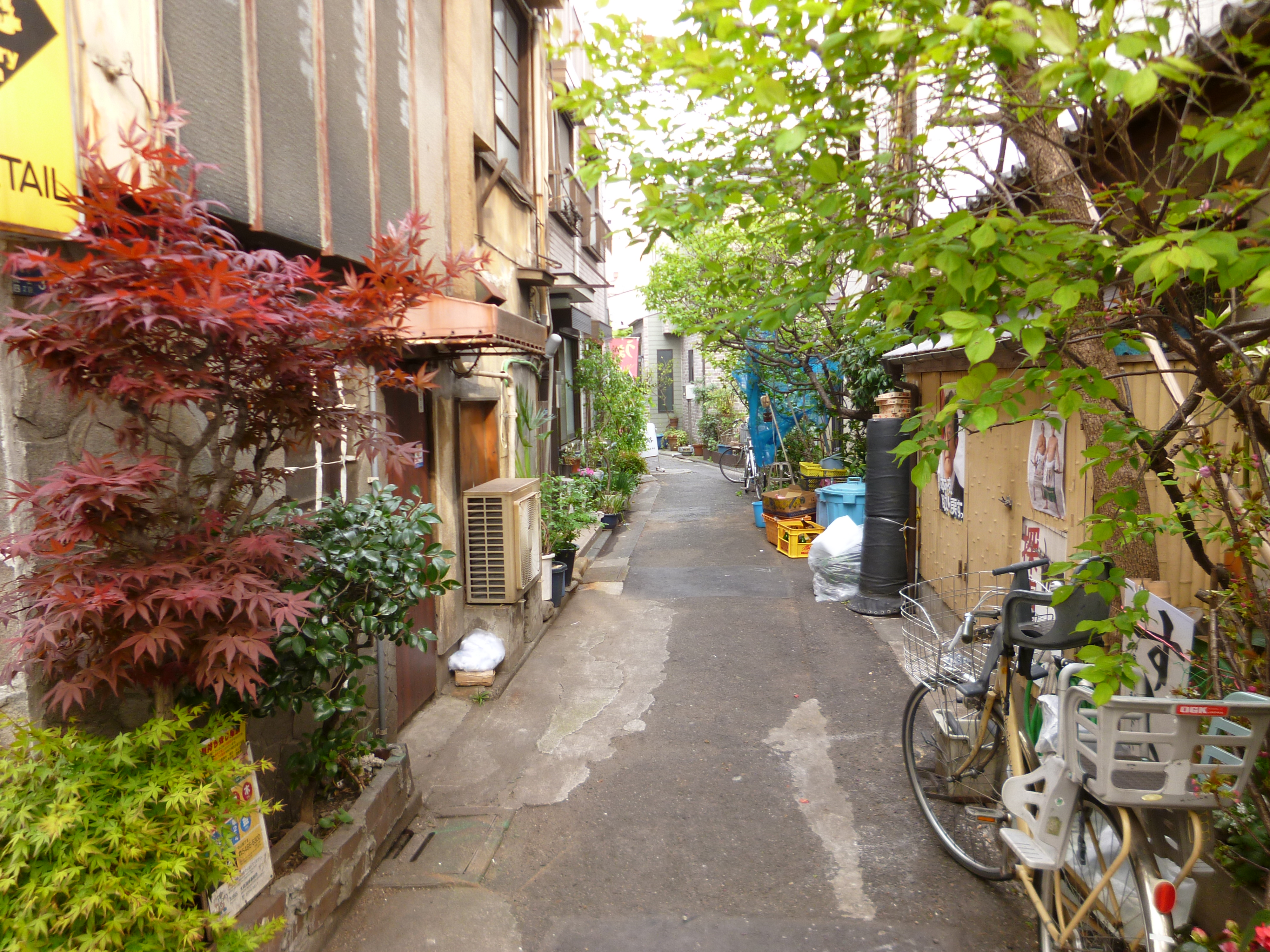
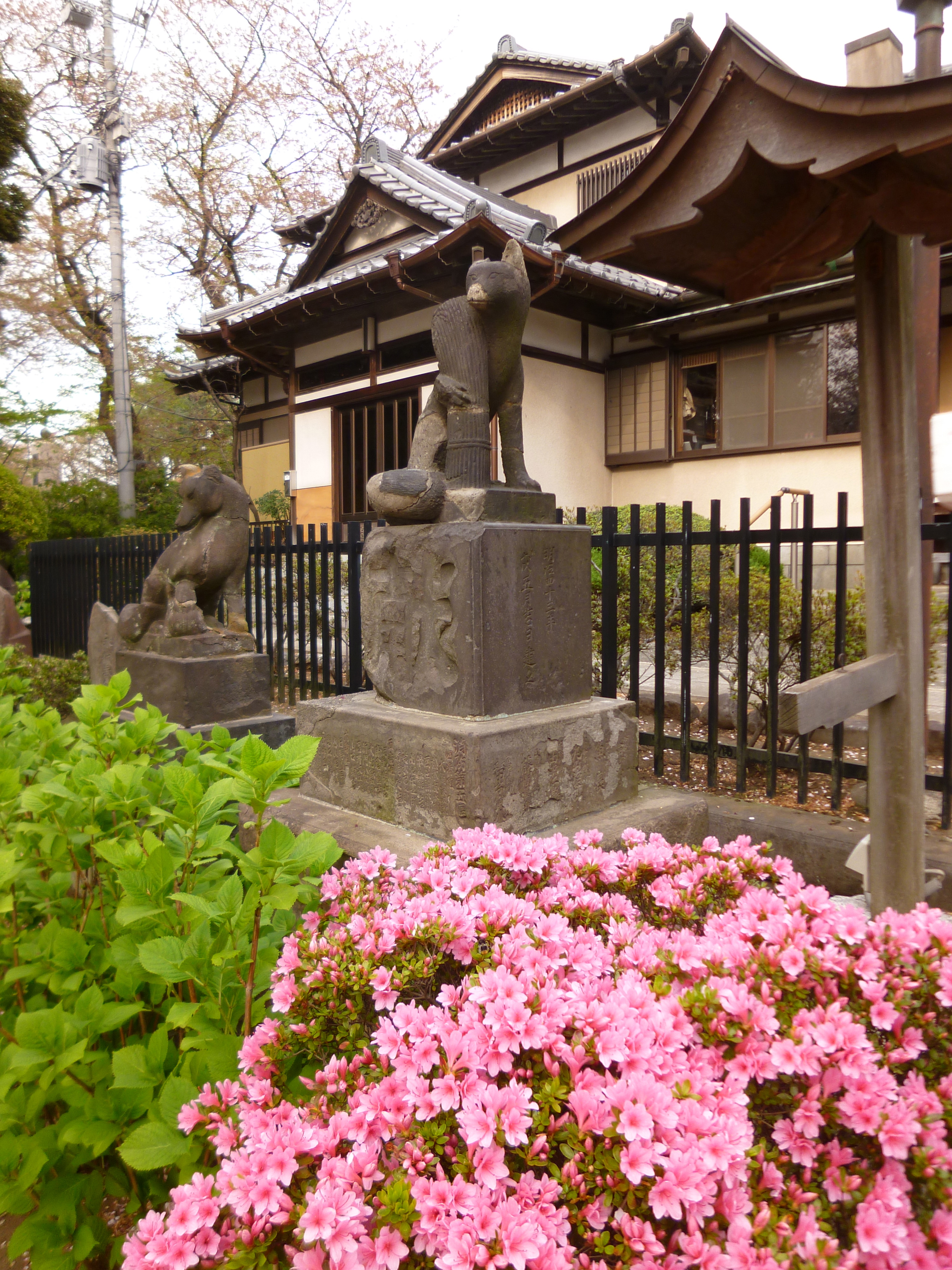
When I first started dating my girlfriend she lived with her parents in Ota-Ku (Ota City) and it wasn’t too long before I was invited to her neck of the woods to meet her family. Apart from the similar wordplay involved in Ota-Ku and otaku (geek or nerd) I knew nothing of this southern part of the capital. Even after a fair few visits down that way I was still none the wiser so a few years on I thought it was time to see if there’s more to the city than just playing host to Haneda Airport!
P1040359  P1040362

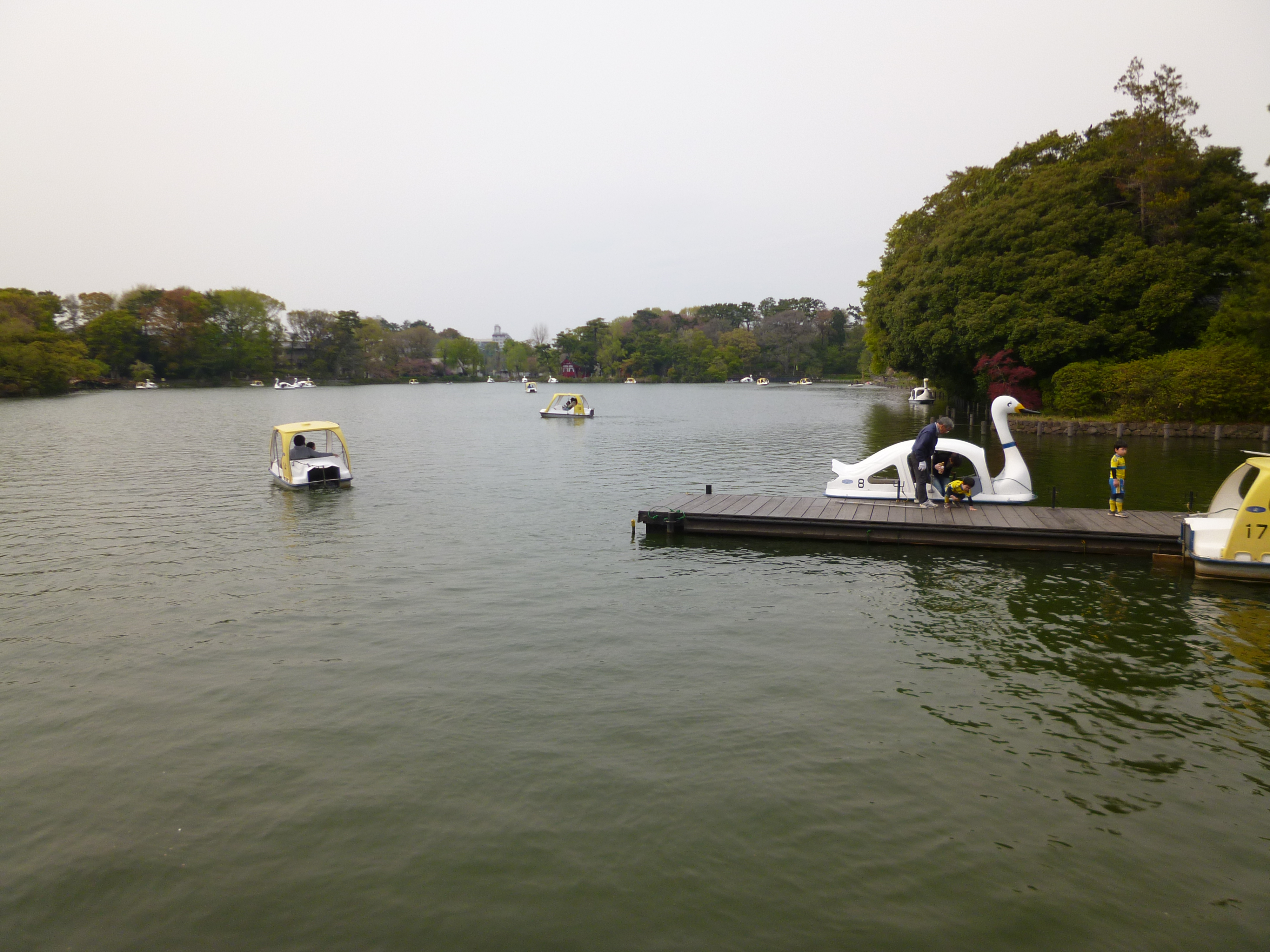
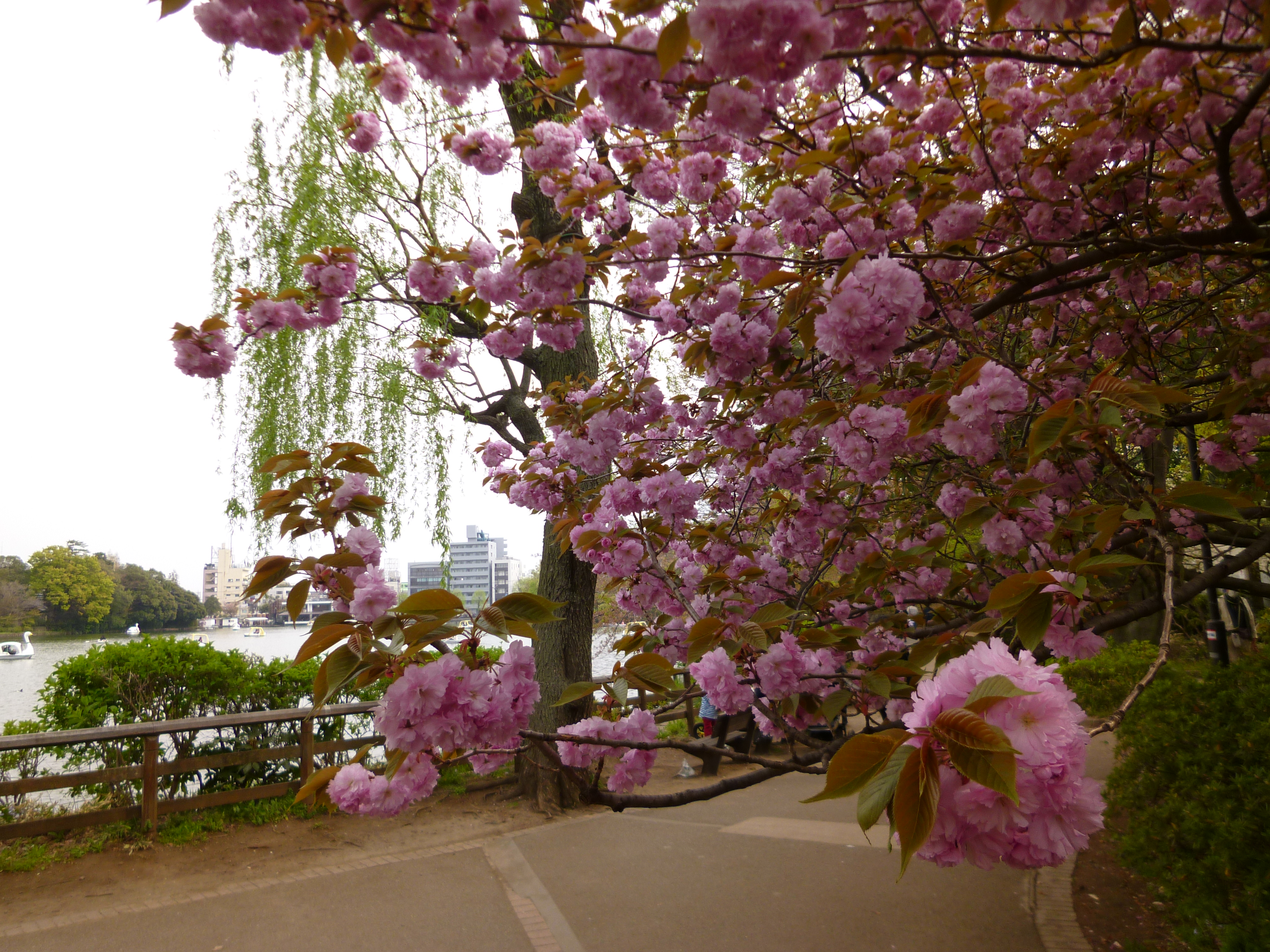
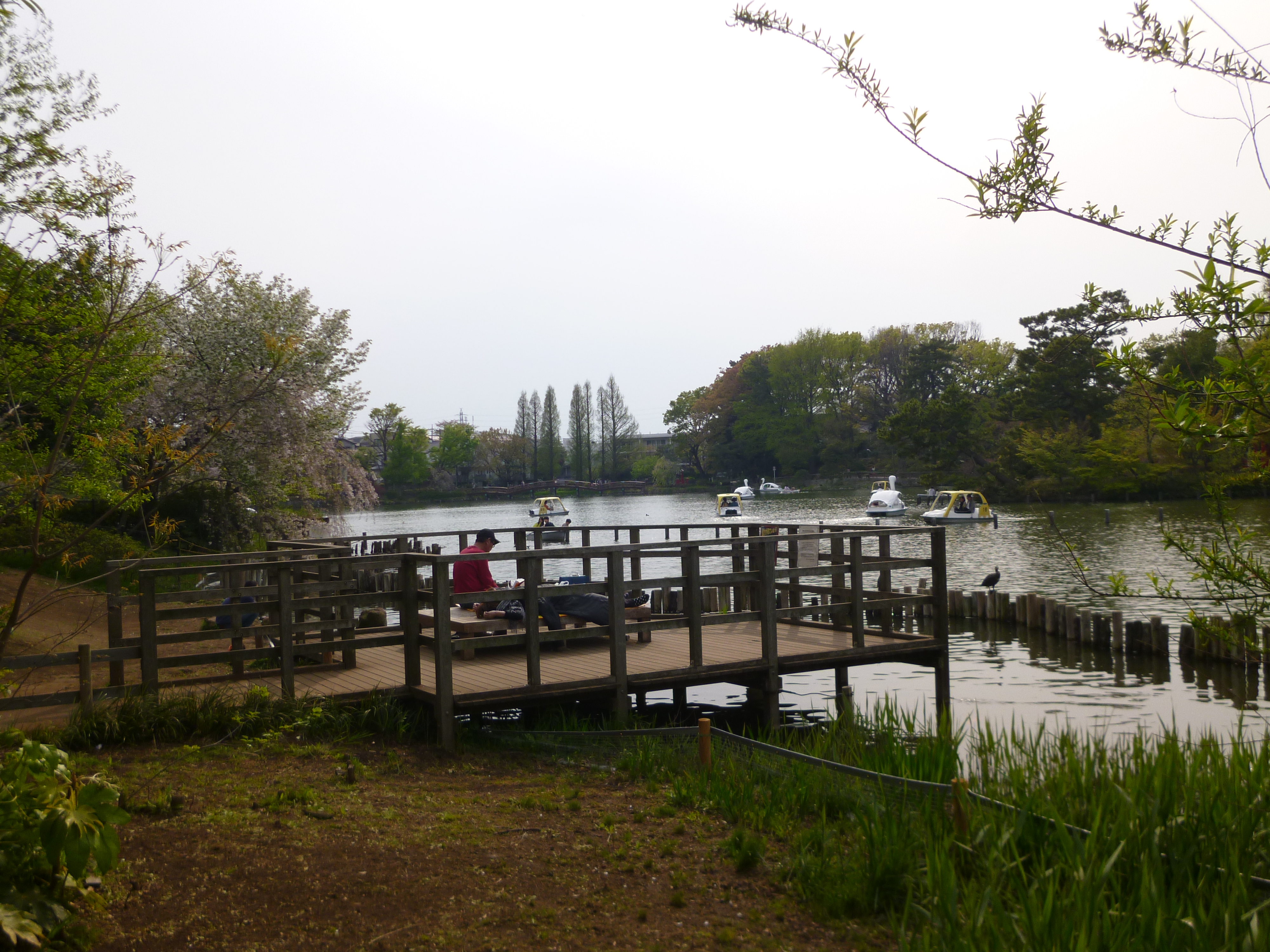
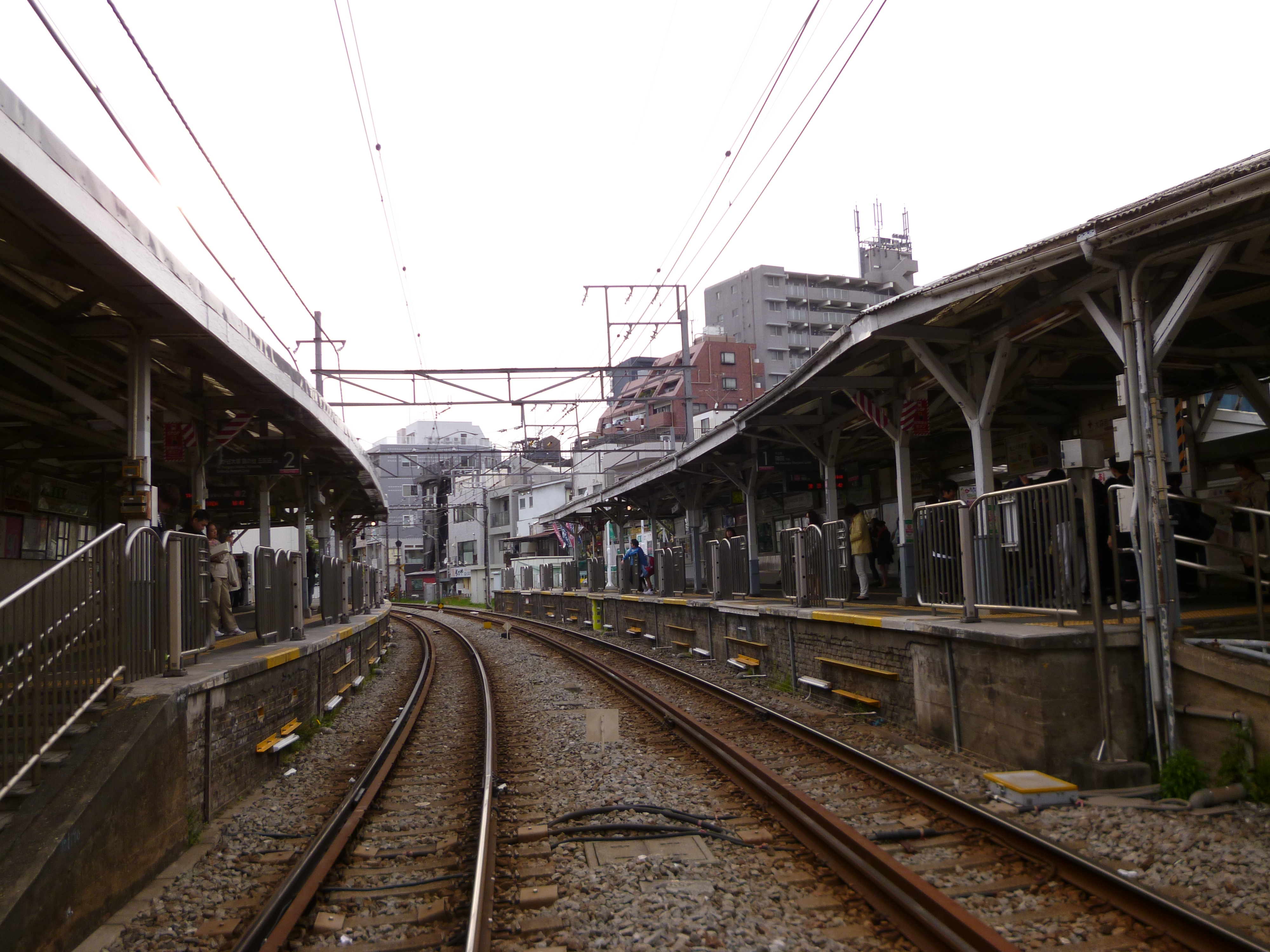
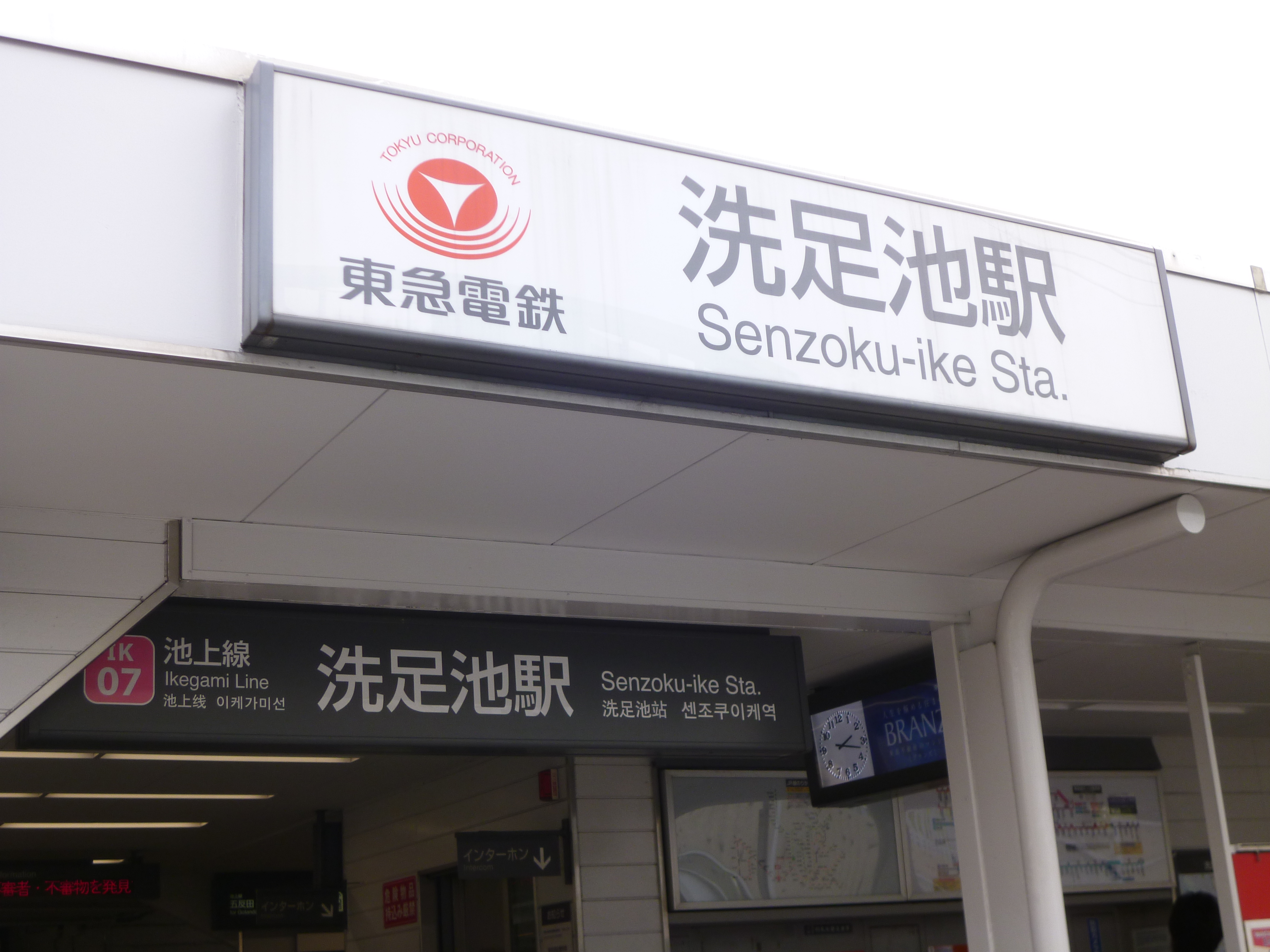
It was on a Sunday back in April that we took a trip to Senzoku-ike which is six stops away from Gotanda on the Tokyu Ikegami line. We walked around its huge scenic pond which is supposed to be something of a “power spot” if you believe in that kind of thing. Senzoku translates literally as “washing feet” and the name was bestowed on it thanks to a legendary monk washing his feet in the pond once!

P1040364  P1040366  P1040368  P1040370

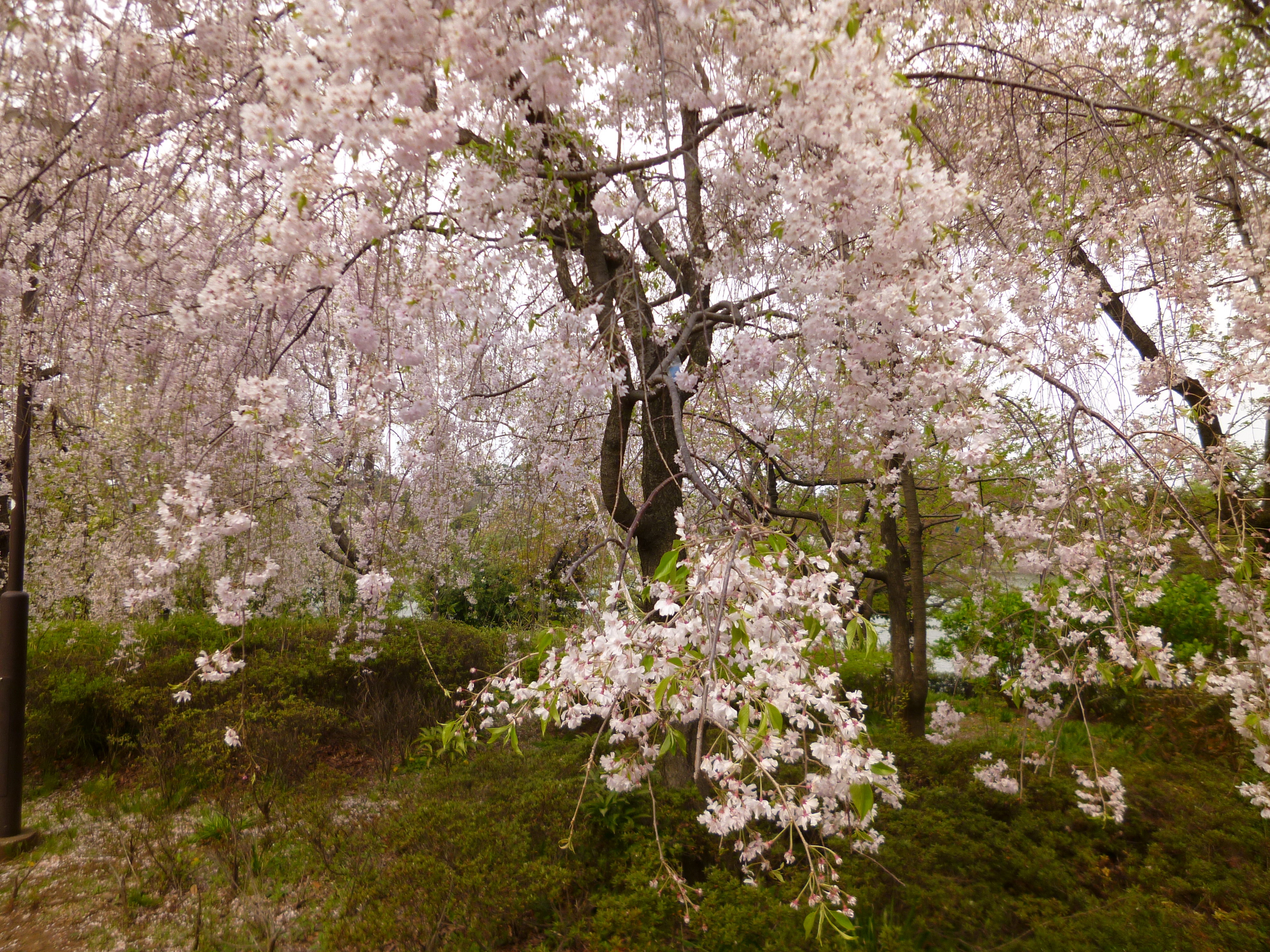
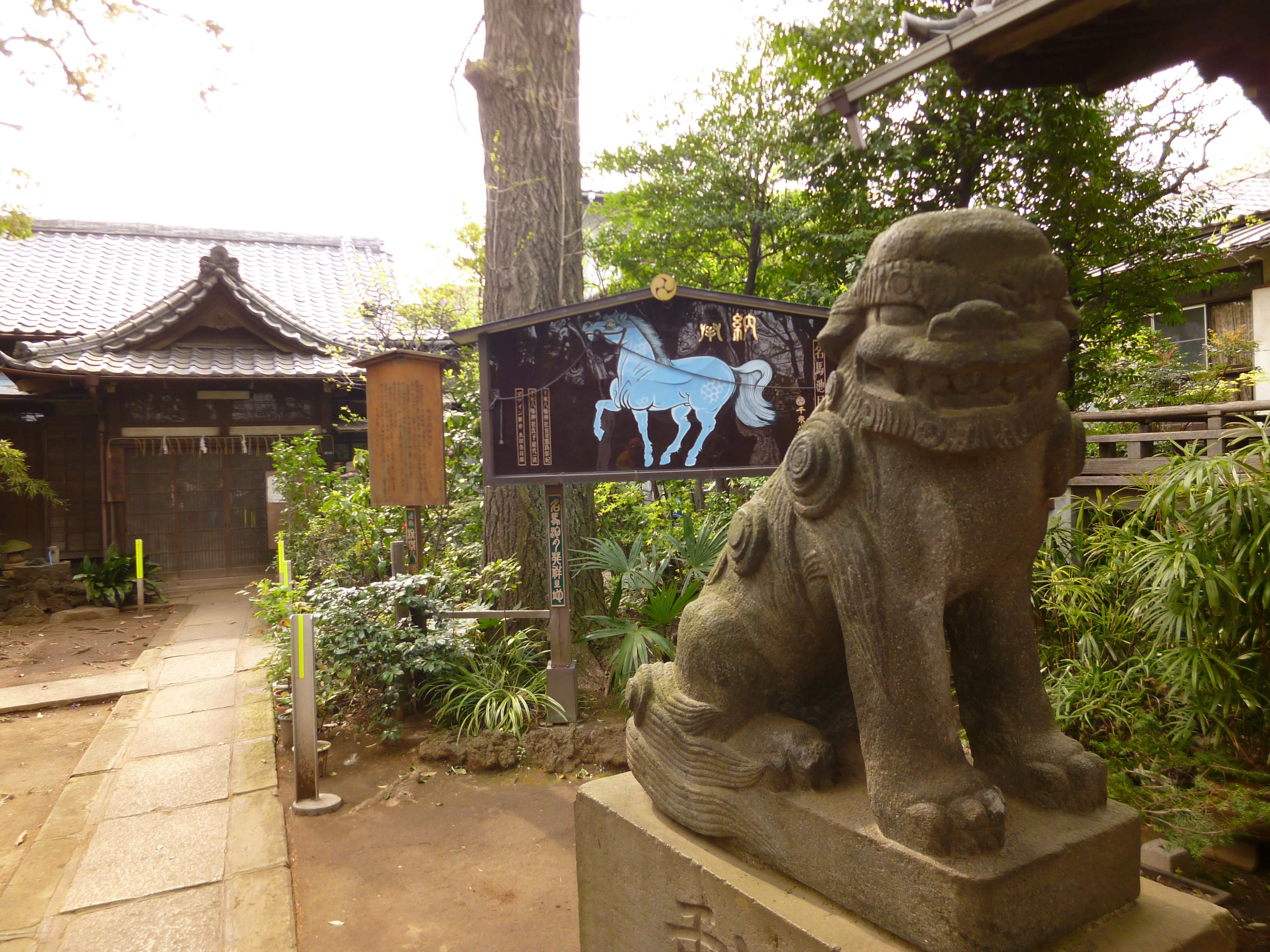
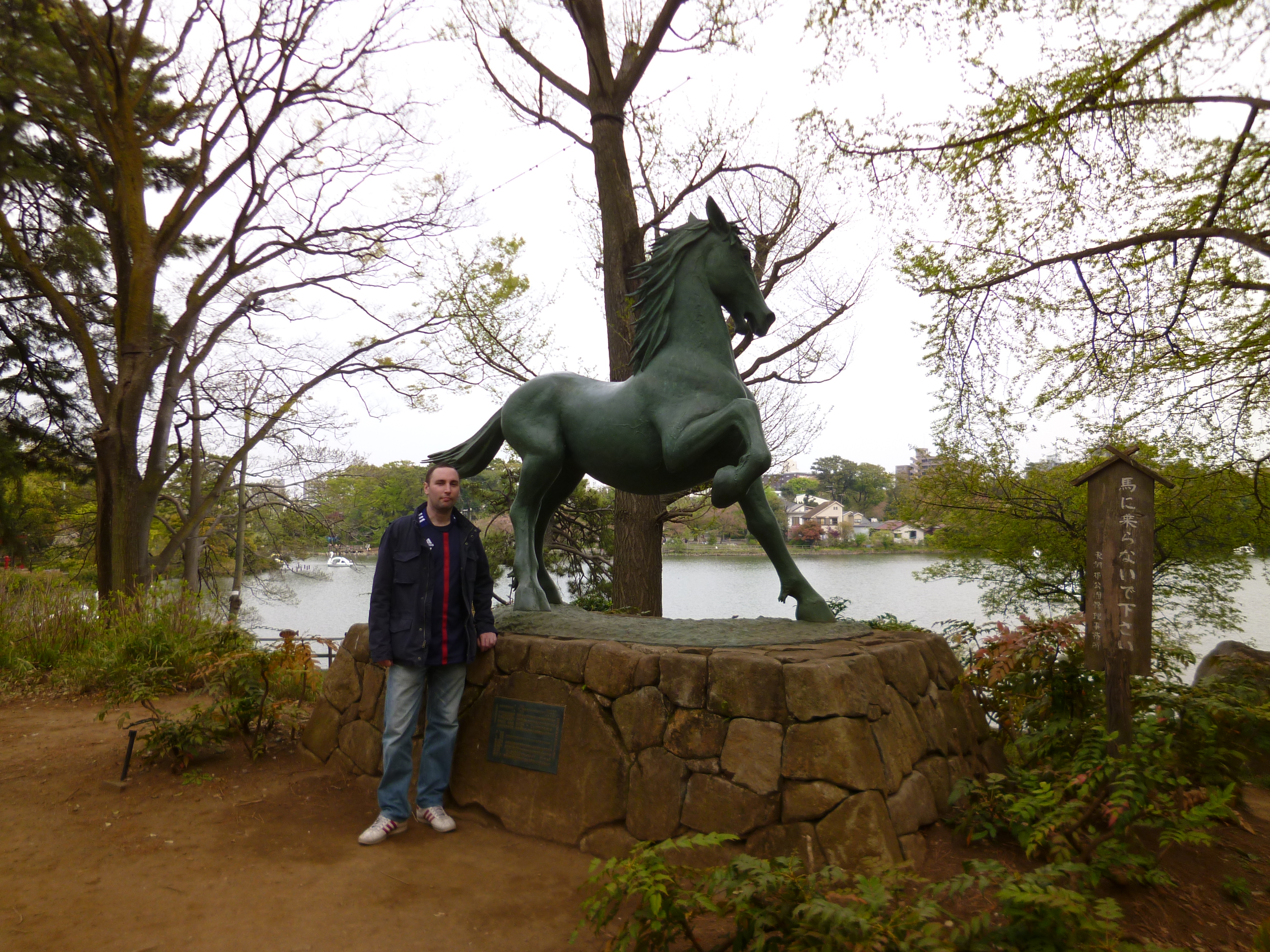
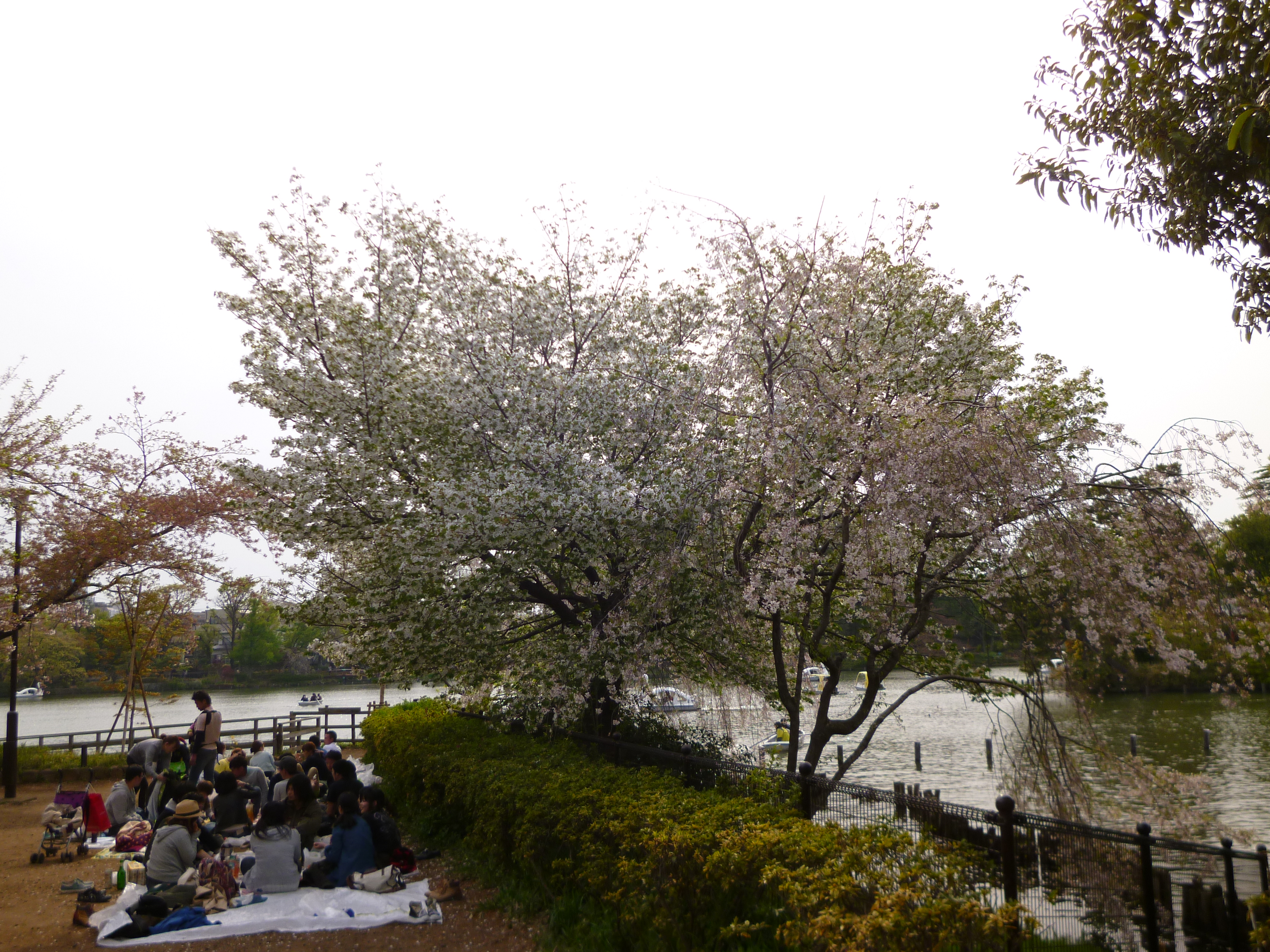
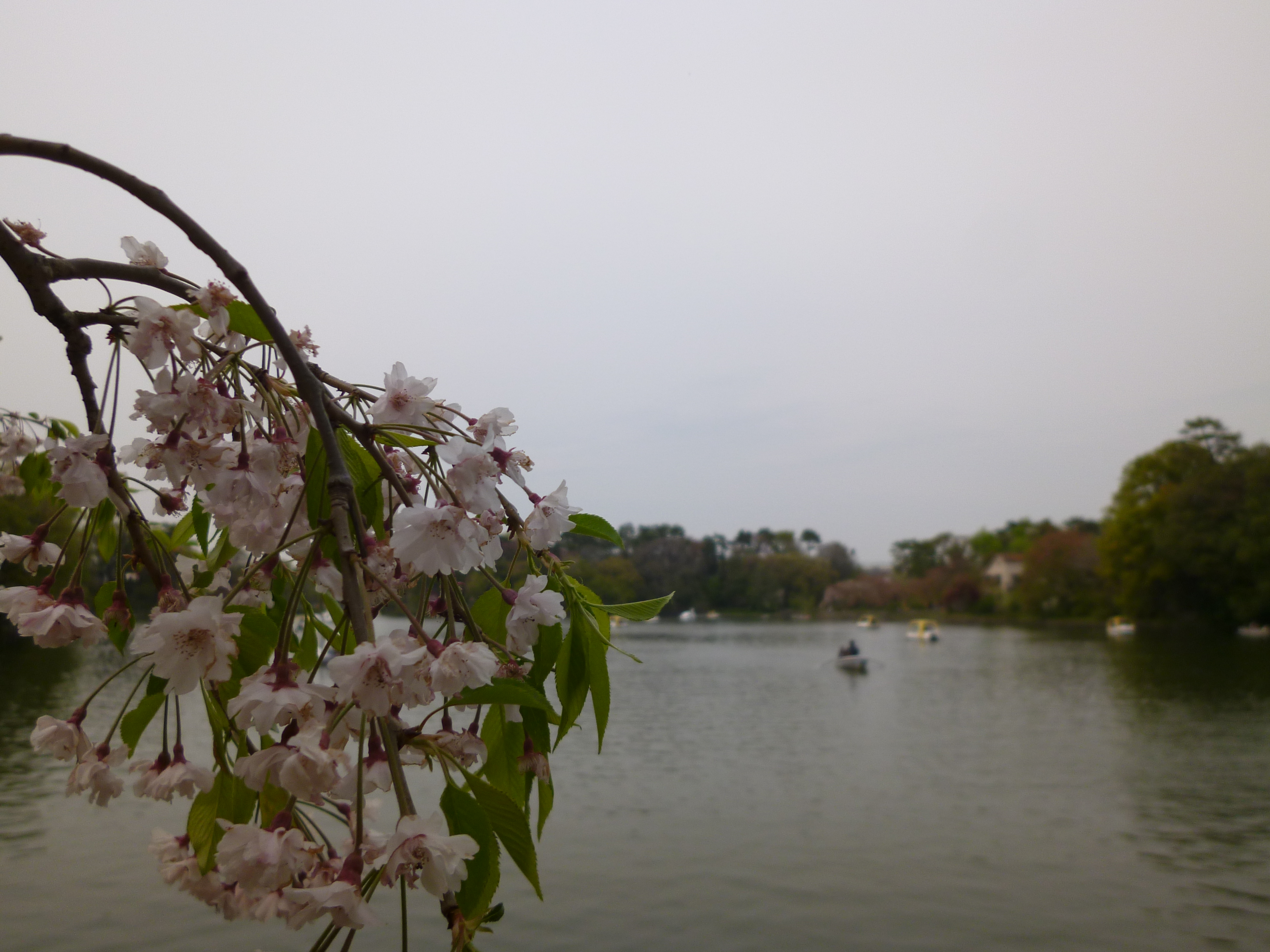
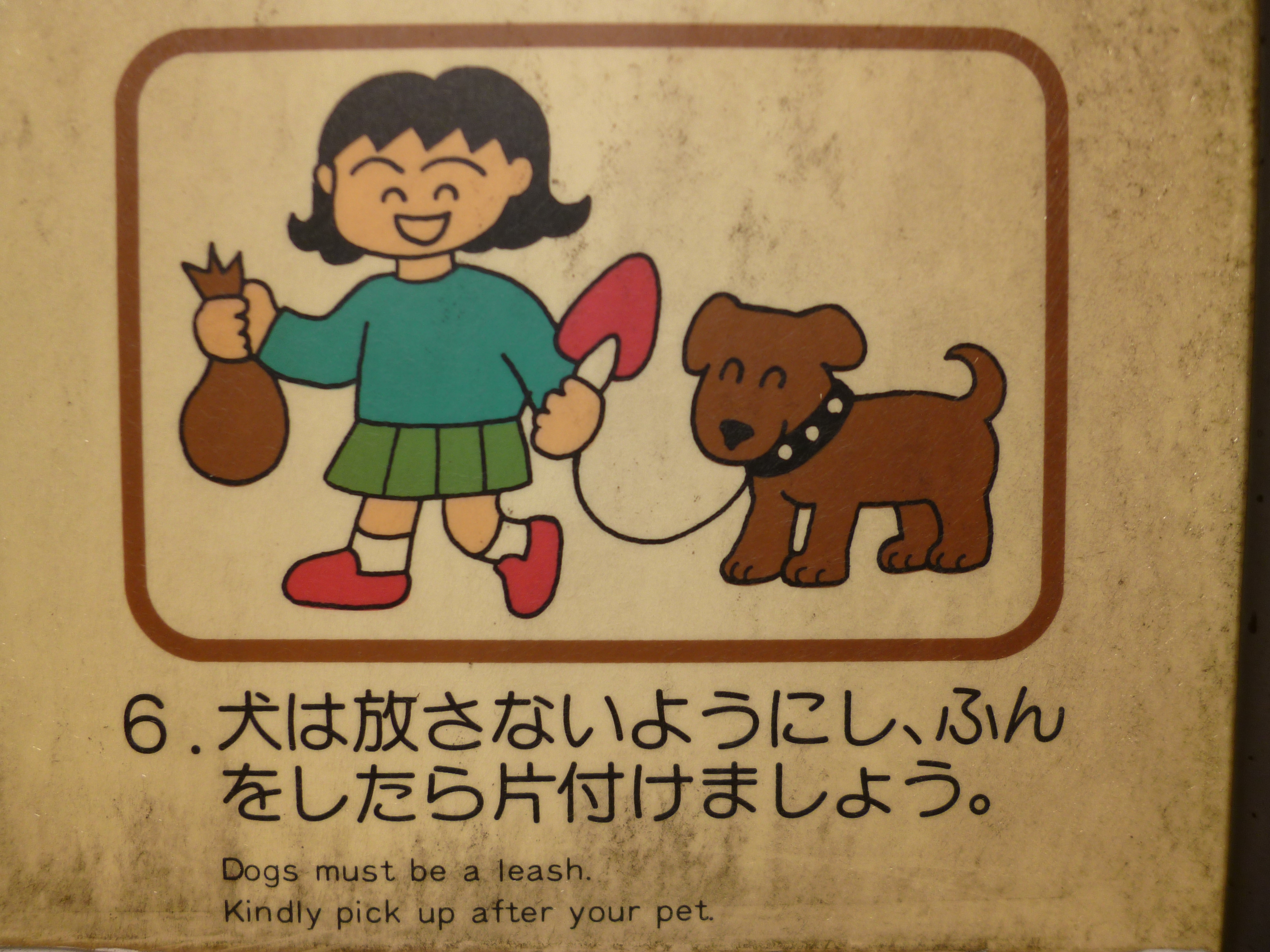
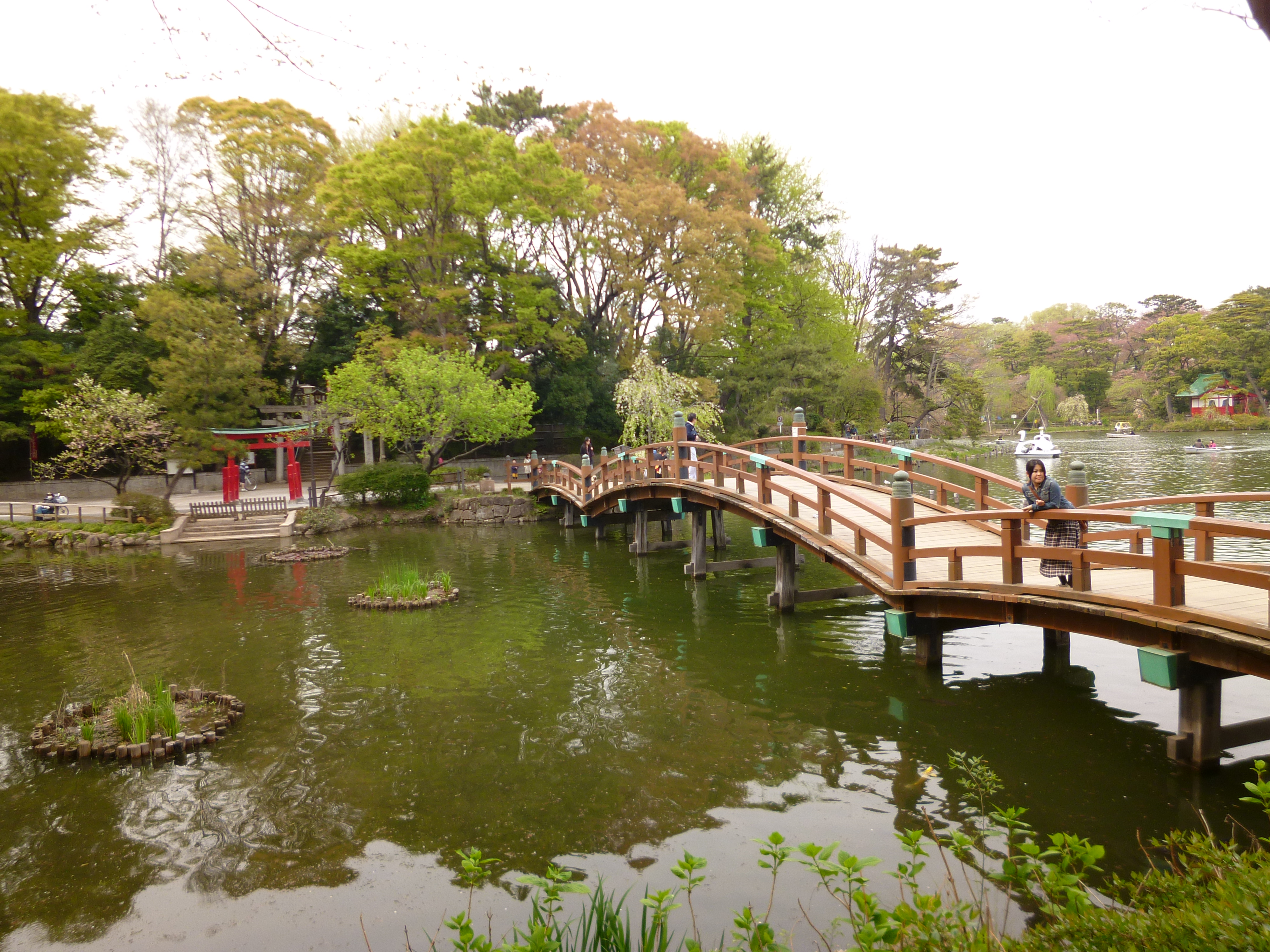
When we were there the cherry blossoms were just starting to dwindle but there were still a few parties taking place in the vicinity. Whilst nothing spectacular, the pond was a pleasant enough area full of enough things (bridges, carp, shrines, strange signs, statues etc) to keep one busy for a nice Sunday afternoon stroll.
P1040372  P1040374  P1040377  P1040380  P1040383  P1040384  P1040387  P1040400  P1040401  P1040403

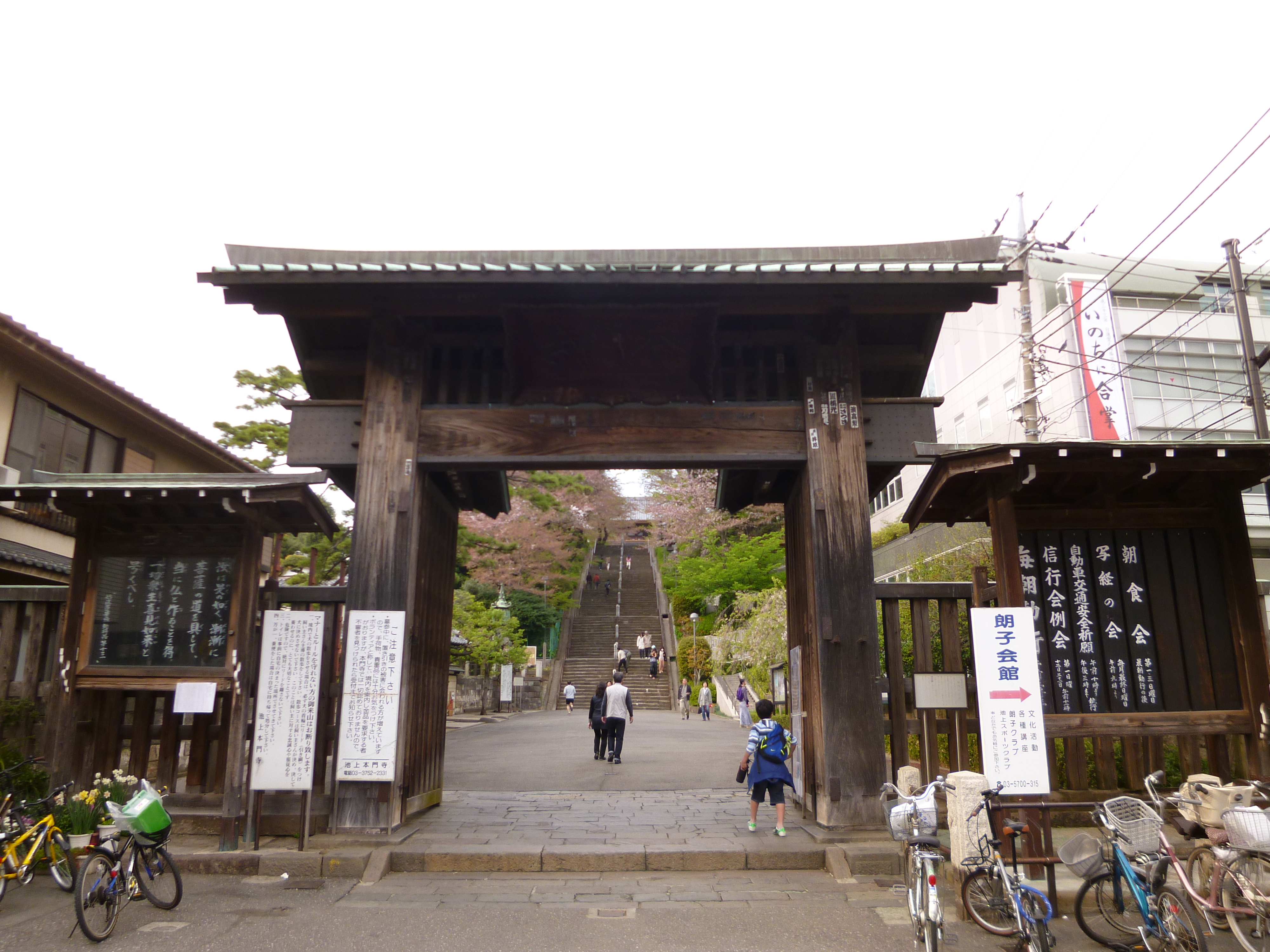
A further six stops along the same local train line is Ikegami station and from there its about a 10 minute walk to its main sight; Ikegami Honmonji Temple. The aforementioned monk spent his final days in this temple (possibly just at this spot as the temple may have been built after his death. I’m not really sure!) which has the oldest five storied pagoda in the Kanto region of Japan.

P1040406  P1040409

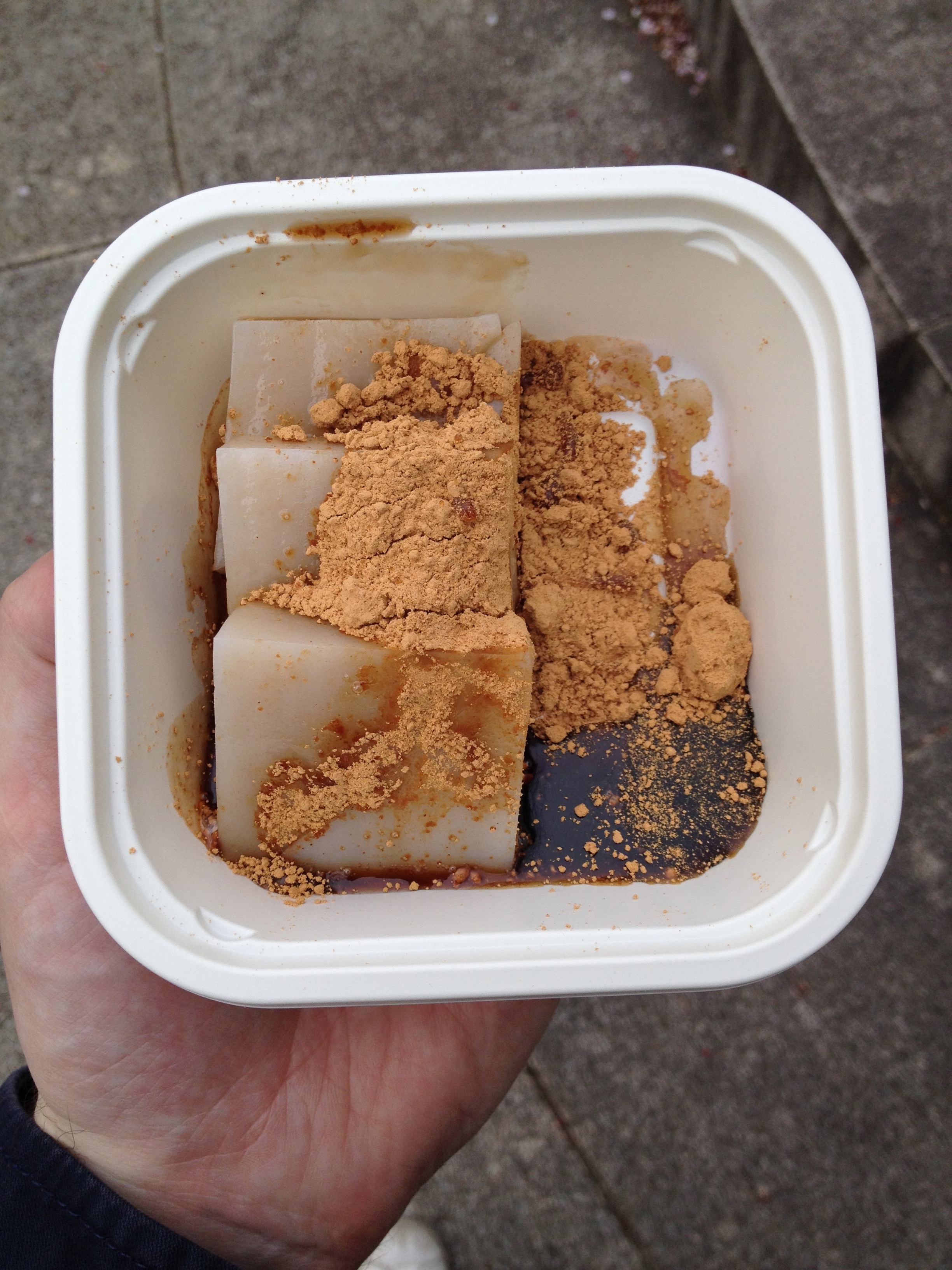
Kuzumochi is a local delicacy and is a sweet Japanese dessert. It’s basically mochi cakes, made of kuzuko (starch from the Japanese Arrowroot plant), then served chilled and topped with kinako and black sugarWe bought some from one of the many shops selling it en-route to the temple which is located at the top of many, many steps! The good news is that entry is free once you have conquered the 96 steps!
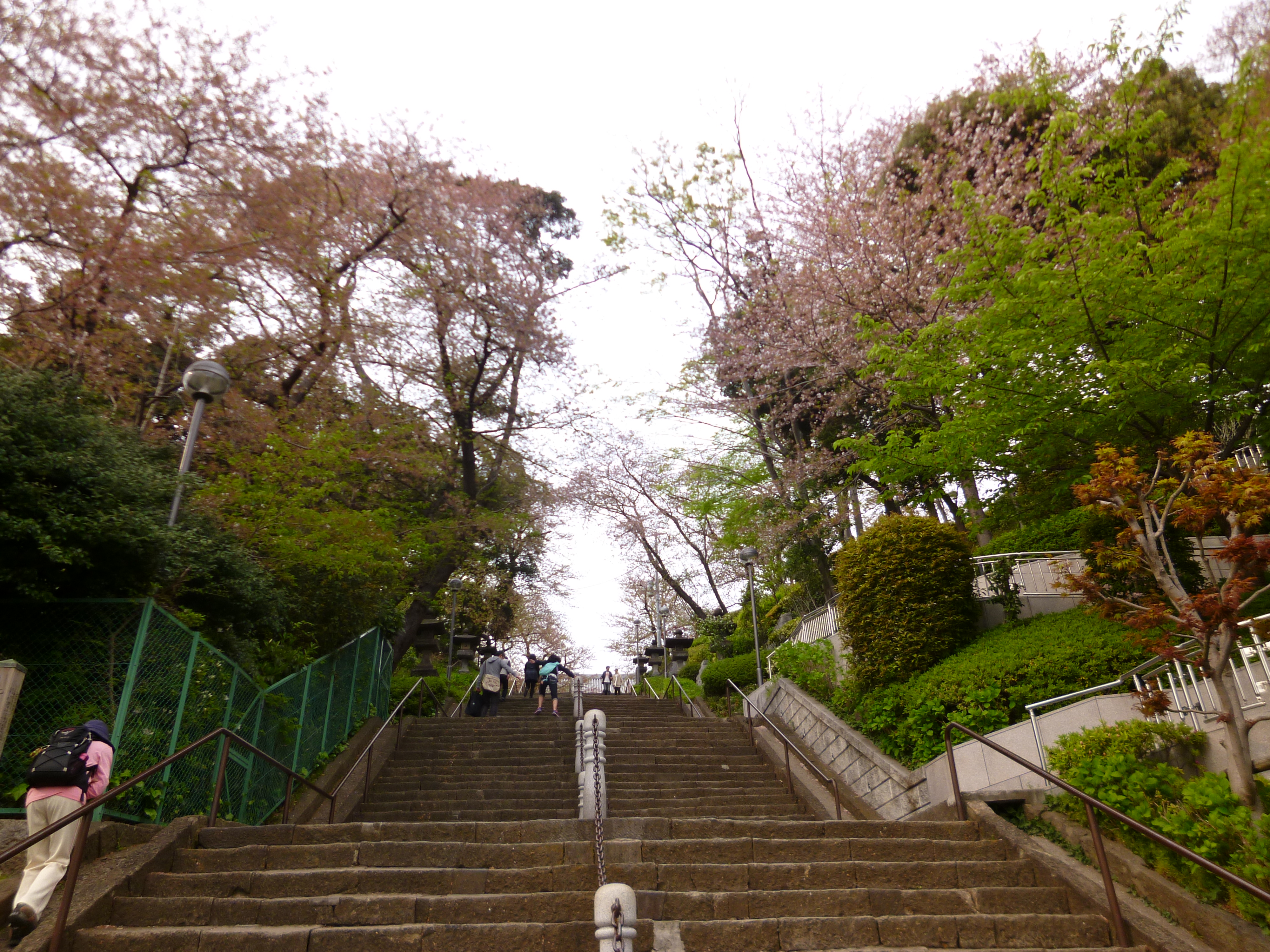
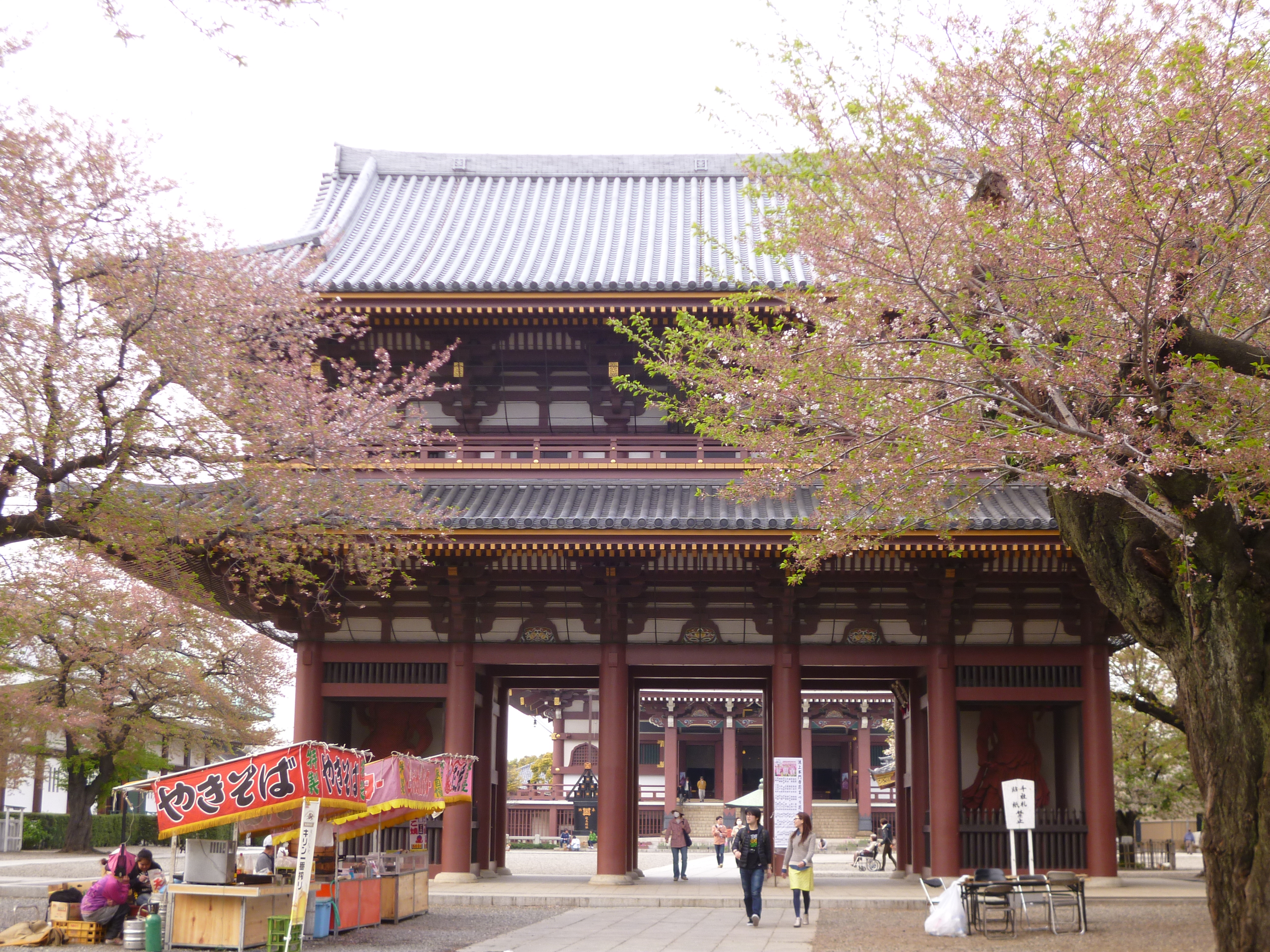
P1040411  P1040412  P1040413  P1040415

Widely spread across the top of a large hill, this temple has a very peaceful and relaxing feeling as well as some nice views of the city below. The humbling 28 metre high Honden (main building) is enormous and stands at the end of a spacious open area. It had to be rebuilt in 1964 as it failed to survive the fires and bombings of Tokyo in World War II.
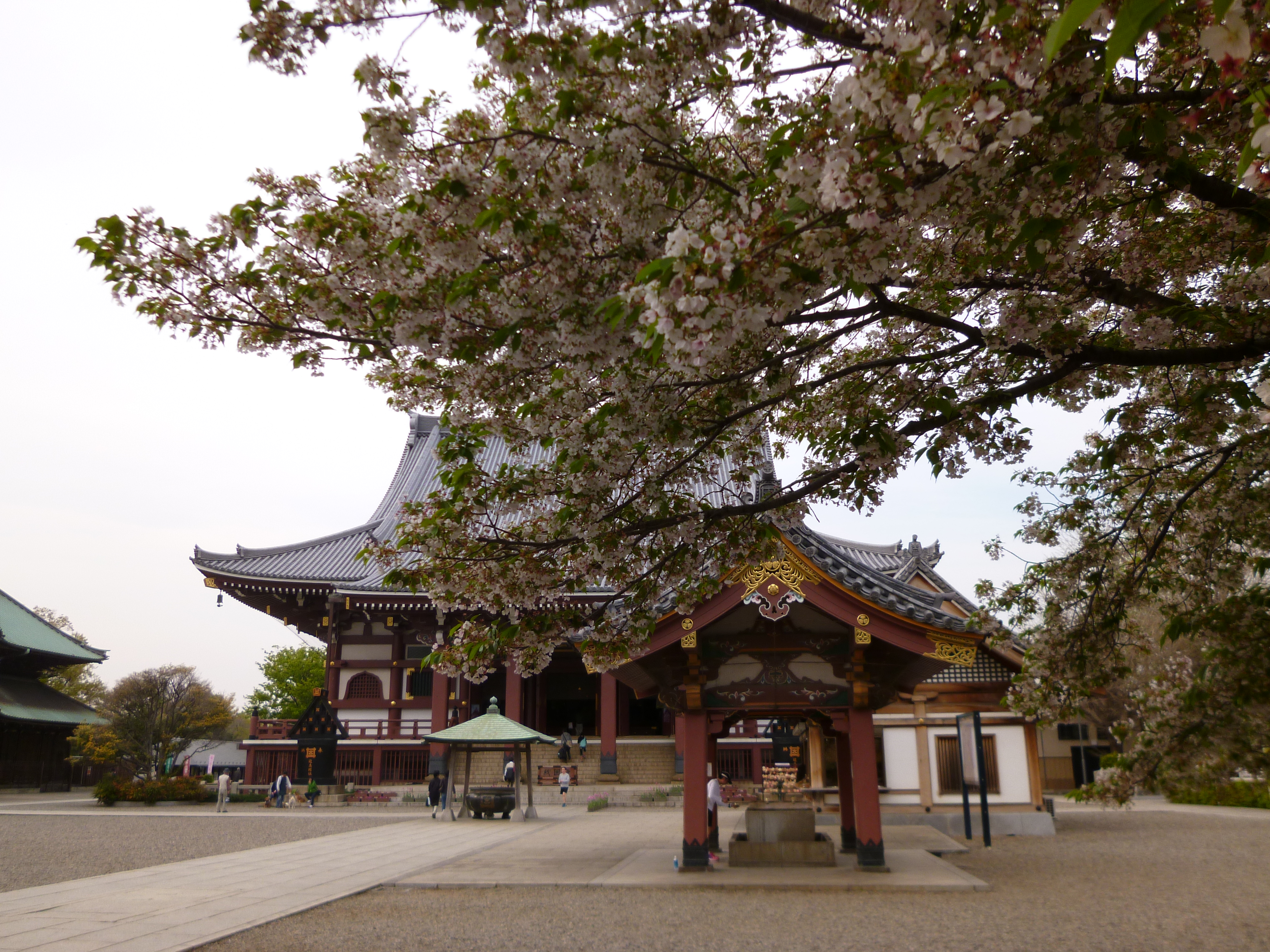
P1040414  P1040416

However, down the path to the right is the red, 5-story pagoda; a precious and old architecturally styled building which miraculously survived the the fires caused by air raids during WWII. It is 29.4 metres high, was built in 1608 and is surrounded by a graveyard full of cherry blossom trees which is quite a famous place for people to come and see in Spring. We sampled the aforementioned Kuzumochi here which was ok but a bit too sweet with me thanks mainly to all the syrup and powder it was buried under.
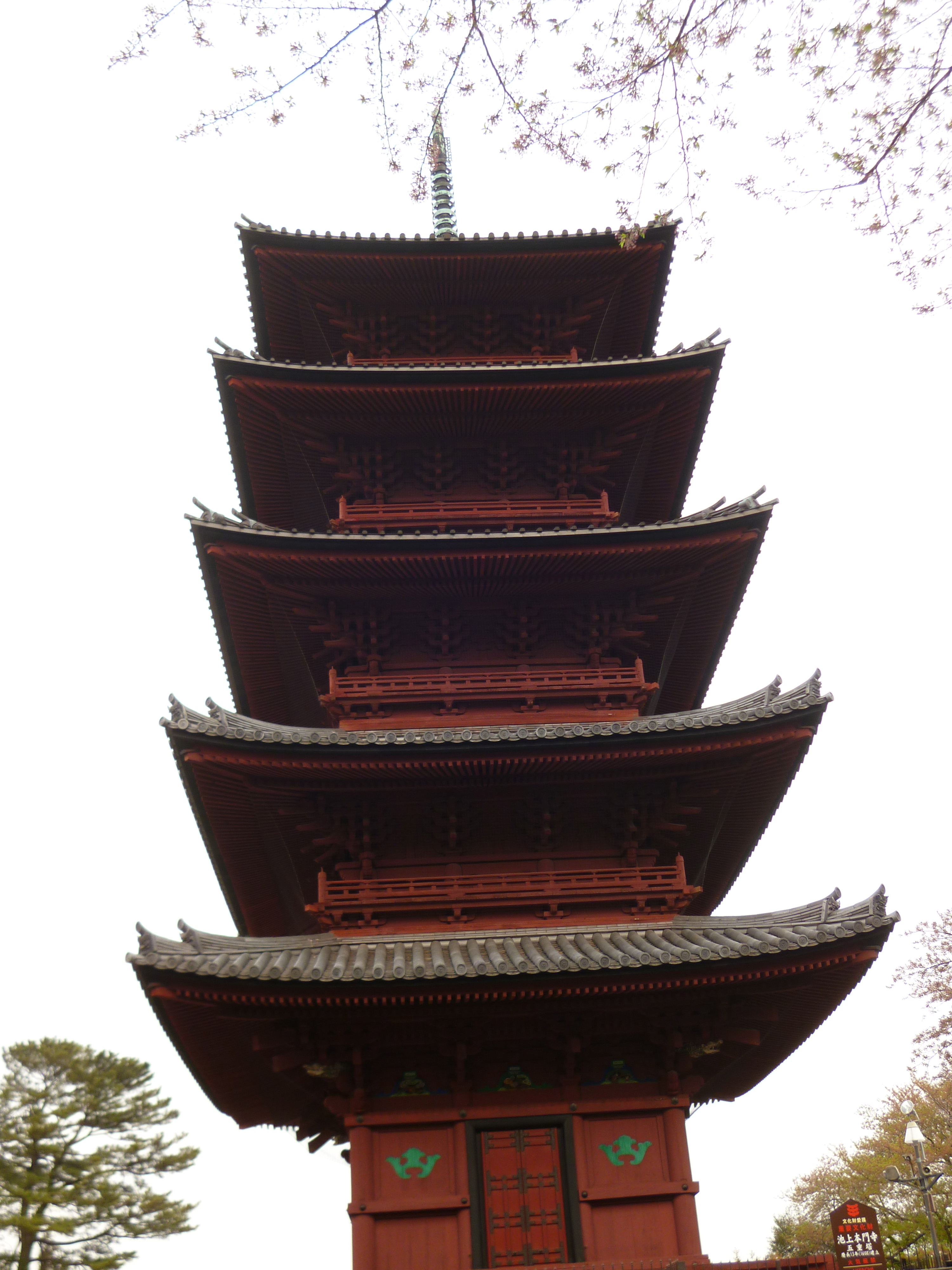
P1040419  P1040420  IMG_4437  P1040422

All in all it was nice to explore these lesser known neighbourhoods and escape the ever-present crowds whilst still remaining in Tokyo. I wanted to go to Kamata Onsen which is famous for its kuroyu (black hot spring water). It’s supposed to be good for your skin but we sadly ran out of time for that as well as trying shio-yakisoba (featuring symbolic Ota-city ingredients seaweed and clams) so that will have to wait for another occasion.

Posted in Tokyo Daytripper: | Tagged , , , , , , , , | 10 Comments

TF Top (Double Oh) 7……Hotels Featured In James Bond Movies

Hotels have played a major part in the James Bond series of films over the last 50+ years with the secret agent going around the world on his many missions whilst splurging on many a fine hotel. Now, everyone’s favourite secret agent hasn’t always stayed in the accommodation listed here but they have all featured in the movies at some point. The cost of spending a night in one of these hotels varies quite a bit and one needs to be seriously minted to afford some of these places! With a slight twist on the usual TF Top 5/10…… series’ we bring you the top (double oh) seven (see what we’ve done there!) places to stay for one to follow in the footsteps of James Bond.

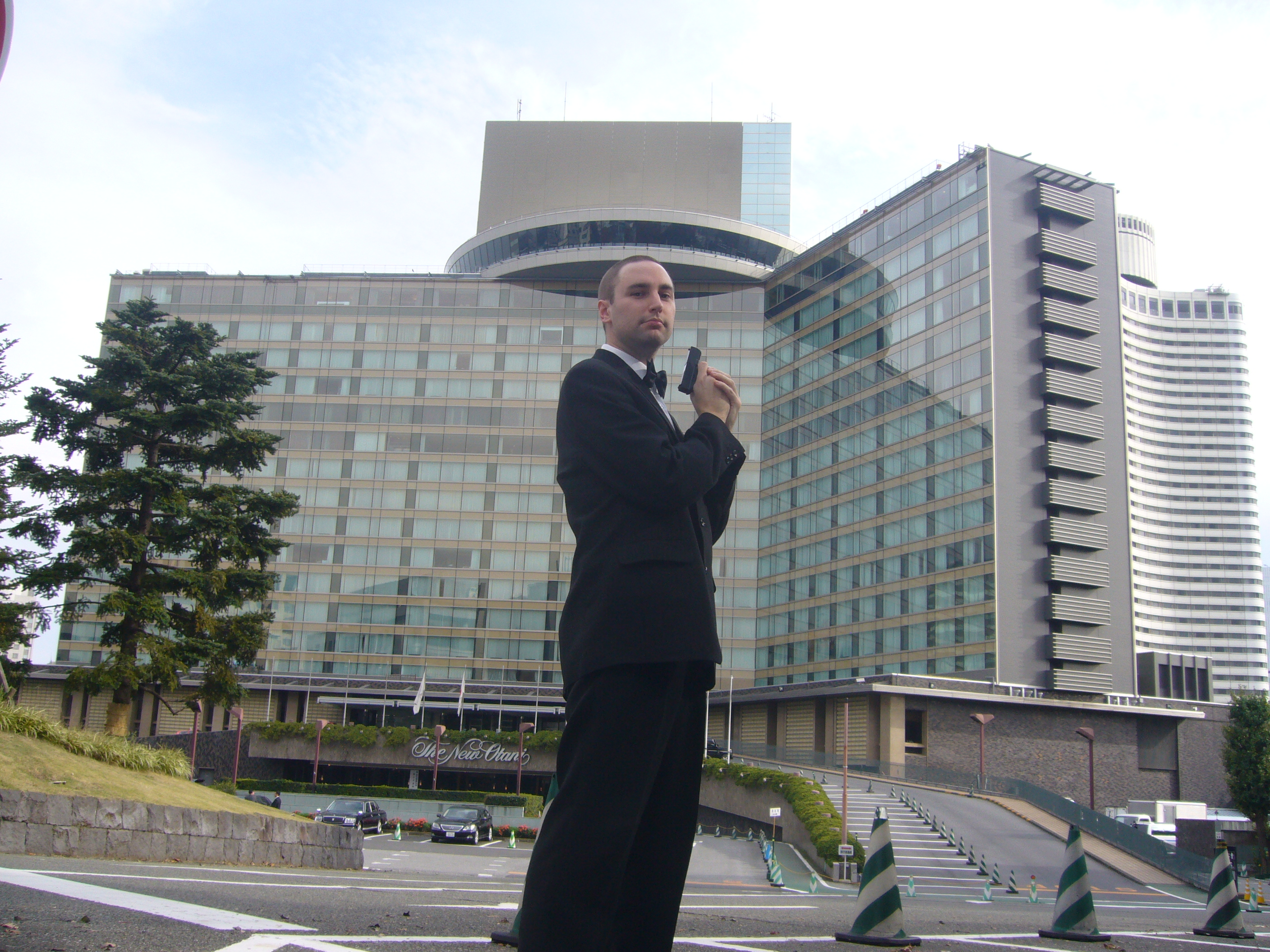
1. Hotel New Otani (from $217 per night), 4-1 Kioicho, Chiyoda, Tokyo 102-0094, Tokyo, JAPAN.

osato3  16Nov2009 020

You Only Live Twice (1967) – This hotel in Chiyoda-ku plays the part of Osato Chemicals exterior for a few brief moments on 24, 28, 36 and 41 minutes respectively. The nearest station is Akasaka-Mitsuke. Its small, but peaceful gardens round the back are worth a visit for anyone wishing to take a break from the concrete jungle. More details here

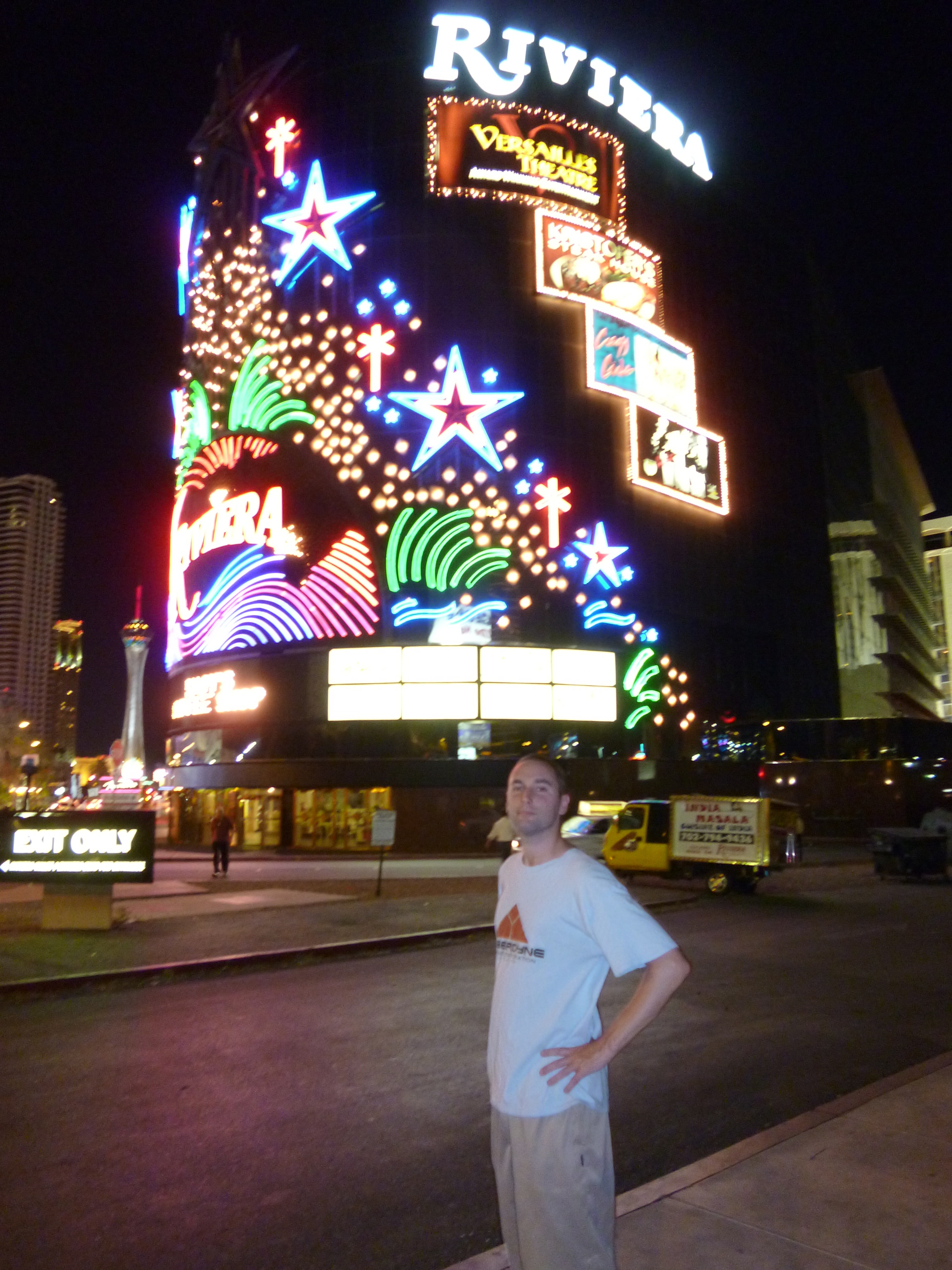
2. Riviera Hotel & Casino (from $21 per night), 2901 Las Vegas Boulevard South, USA.

USA August 2011 426  USA August 2011 428

Diamonds Are Forever (1971) – Bond may have stayed at the Tropicana but its the Riviera which plays a more important part in the film. This is where he wins $50,000 and the opportunistic Plenty O’Toole (Lana Wood) who he takes back to his room where gang members ambush them and throw O’Toole off a high rise balcony into a pool below not that they knew there was a pool there! This has been parodied a couple of times; in ‘The A-Team‘ TV series and more recently in ‘The Wolverine‘ (2013). Martin Scorsese’s ‘Casino‘ (1995) used this place as the fictitious Tangier casino. More details here

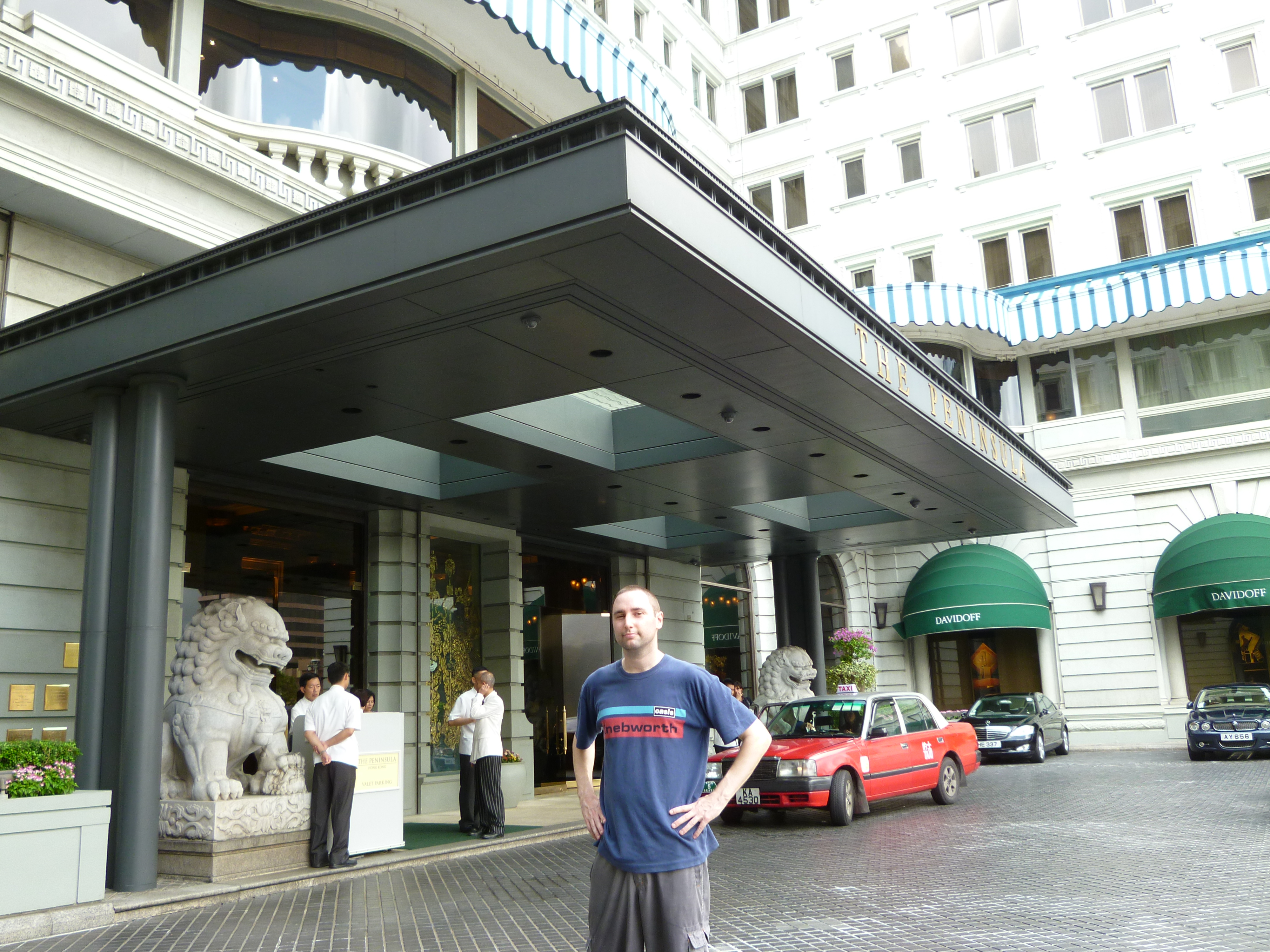
3. The Peninsula (from $604 per night), Salisbury Road, HONG KONG.

007peninsula  Hong Kong 2012 145

The Man With The Golden Gun (1974) – Just a stones throw from the ferry terminal on Kowloon in Tsim Sha Tsui is this hotel (seen on 27 minutes) which is where Bond tracks down Scaramanga’s mistress Miss Andreas Anders’ who had been collecting gold bullets at a Macau casino room. It is room 602 where he puts pressure on her to inform him of Scramanga’s appearance and plans. More details here

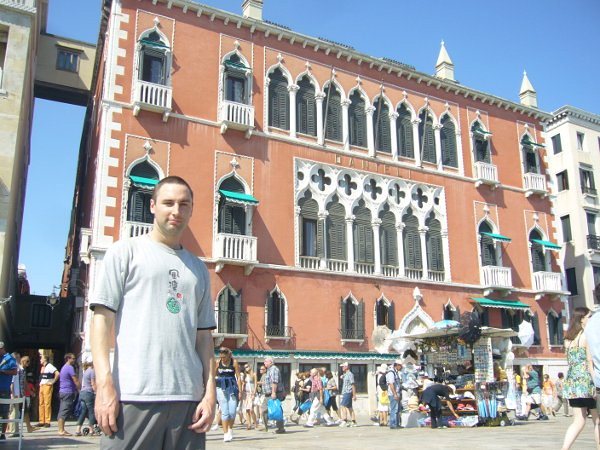
4. Hotel Danieli (from $893 per night), Riva degli Schiavoni, 30122 Venezia, ITALY.

Euro Trip 2010 Pt XI: Venice - James Bond Filming Locations  Euro-Trip 2010 041

Moonraker (1979) –  Situated round the corner from St Mark’s Square, the Hotel Danieli is where Dr Goodhead (Lois Chiles) stayed in Venice. It could also be seen in ‘The Tourist‘ (2010) which featured Johnny Depp and Angelina Jolie as well as former James Bond actor Timothy Dalton. The interior was also the inspiration for the tiny studio-built sinking palazzo used at the end of ‘Casino Royale‘ (2006) which can be seen on the DVD extras. More details here

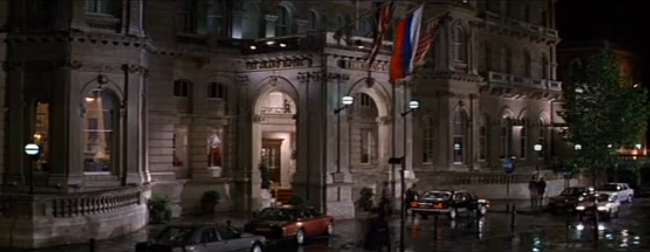
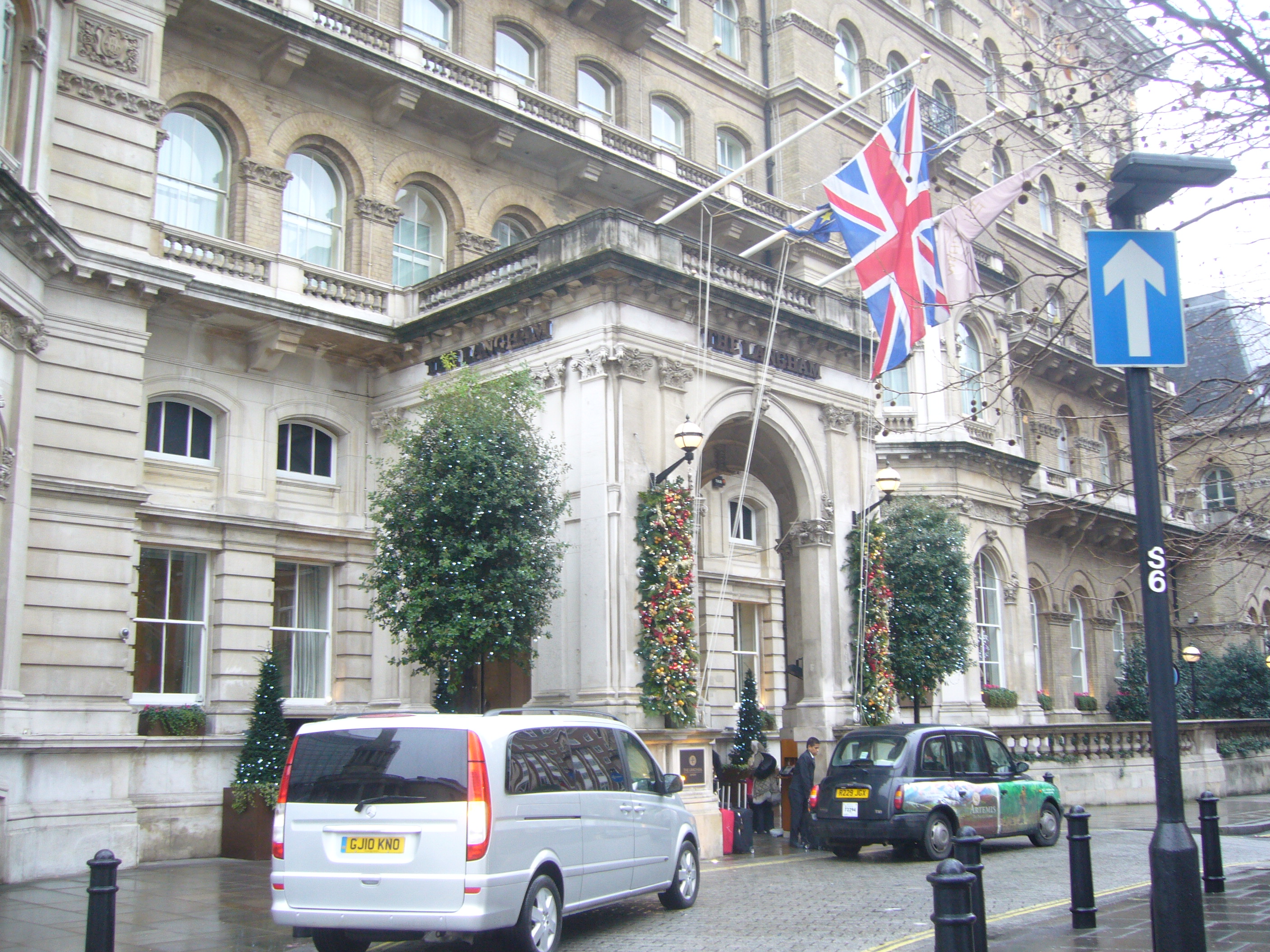
5. Langham Hilton (from $605 per night), 1C Portland Place, Westminster, London W1B, UK.

Screen Shot 2014-03-14 at 00.14.22  Dec2010-Jan2011 027

GoldenEye (1995) – As Tokyo Fox reported back in March many Bond locations have been faked with Russia being a prime example in the first outing for Pierce Brosnan as 007. This hotel in London doubled up as the “Grand Hotel Europe.” More details here

6. Mandarin Oriental Hotel (from $39 per night)48 Oriental Ave Alley, Bang Rak, Bangkok 10500, THAILAND.

Screen Shot 2013-09-11 at 09.37.46  P1030771

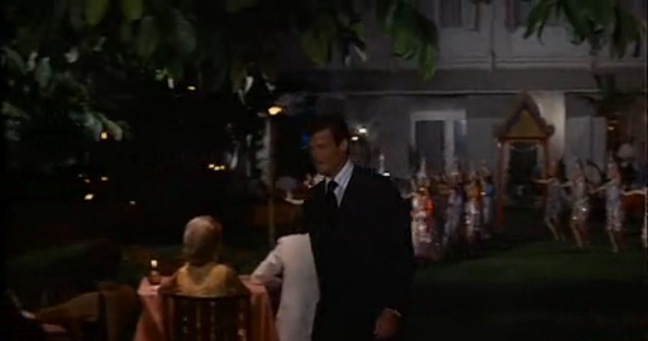
The Man With The Golden Gun (1974) – Bond (Roger Moore) is reunited with his British assistant Mary Goodnight (Britt Ekland) at this place on 65 minutes whereby they share dinner. Inevitably their evening is interrupted! Anders (Maud Adams) tells Bond that she wants him to kill Scaramanga and will pay him at a boxing venue the next day. More details here

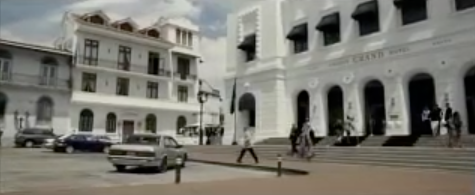
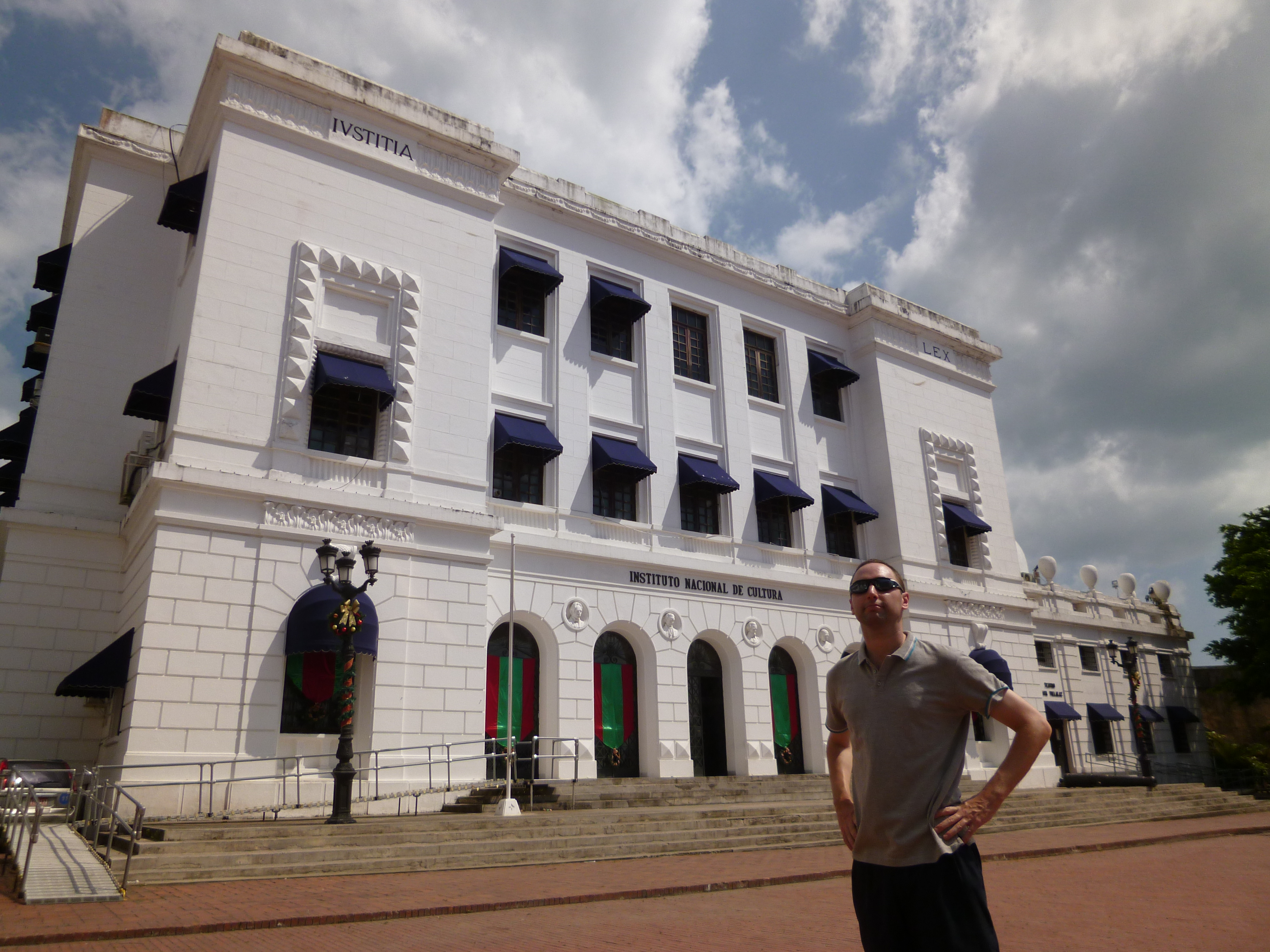
7. Instituto Nacional de Cultura (National Institute of Culture), Calle 1a Oeste, Caso Viejo, Panama City, PANAMA.

Screen Shot 2013-01-20 at 21.32.00  P1010007

Quantum Of Solace (2008) – As you may gather from the name of this one, it isn’t actually a hotel but the “Andean Grand Hotel” in Bolivia where Bond (Daniel Craig) takes MI6 officer Strawberry Fields (Gemma Arterton) to having been unhappy with her original choice as part of their cover. More details here

Posted in James Bond | Tagged , , , , , , , , | 4 Comments

Kyushu Trip 2014 Pt VII: We Got Very Lucky To See The Wonderful Mount Aso On A Rare Clear Day

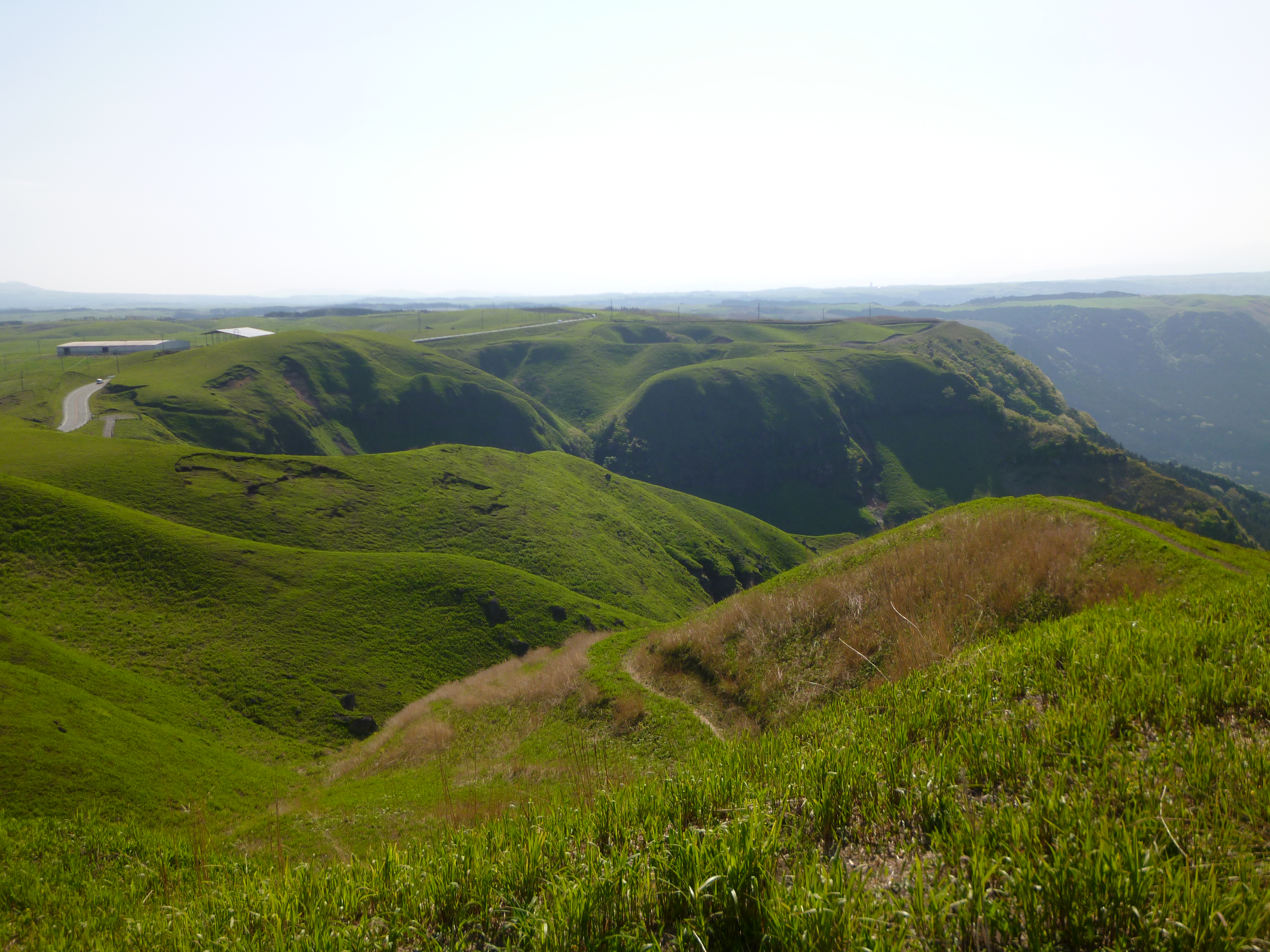
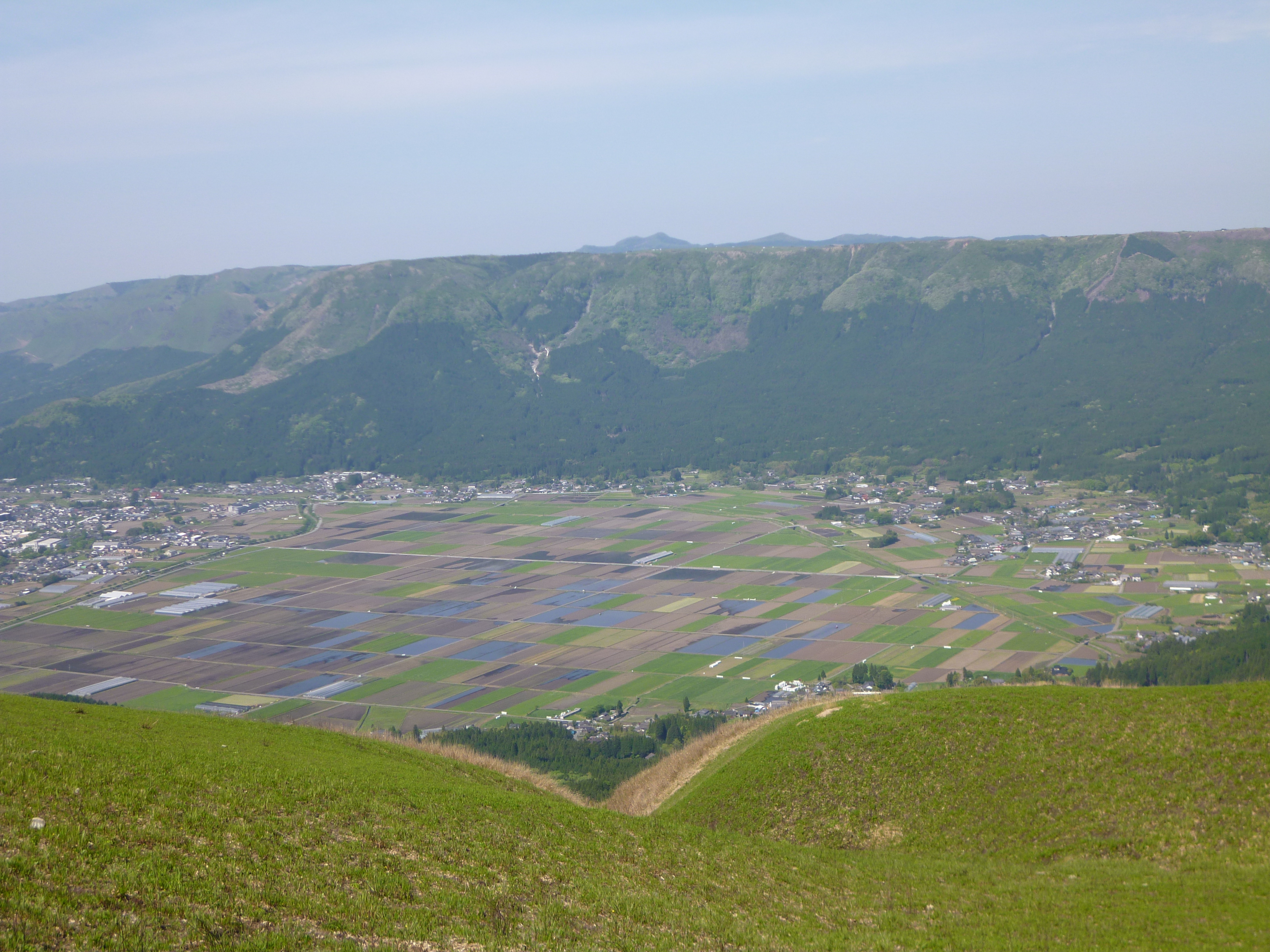
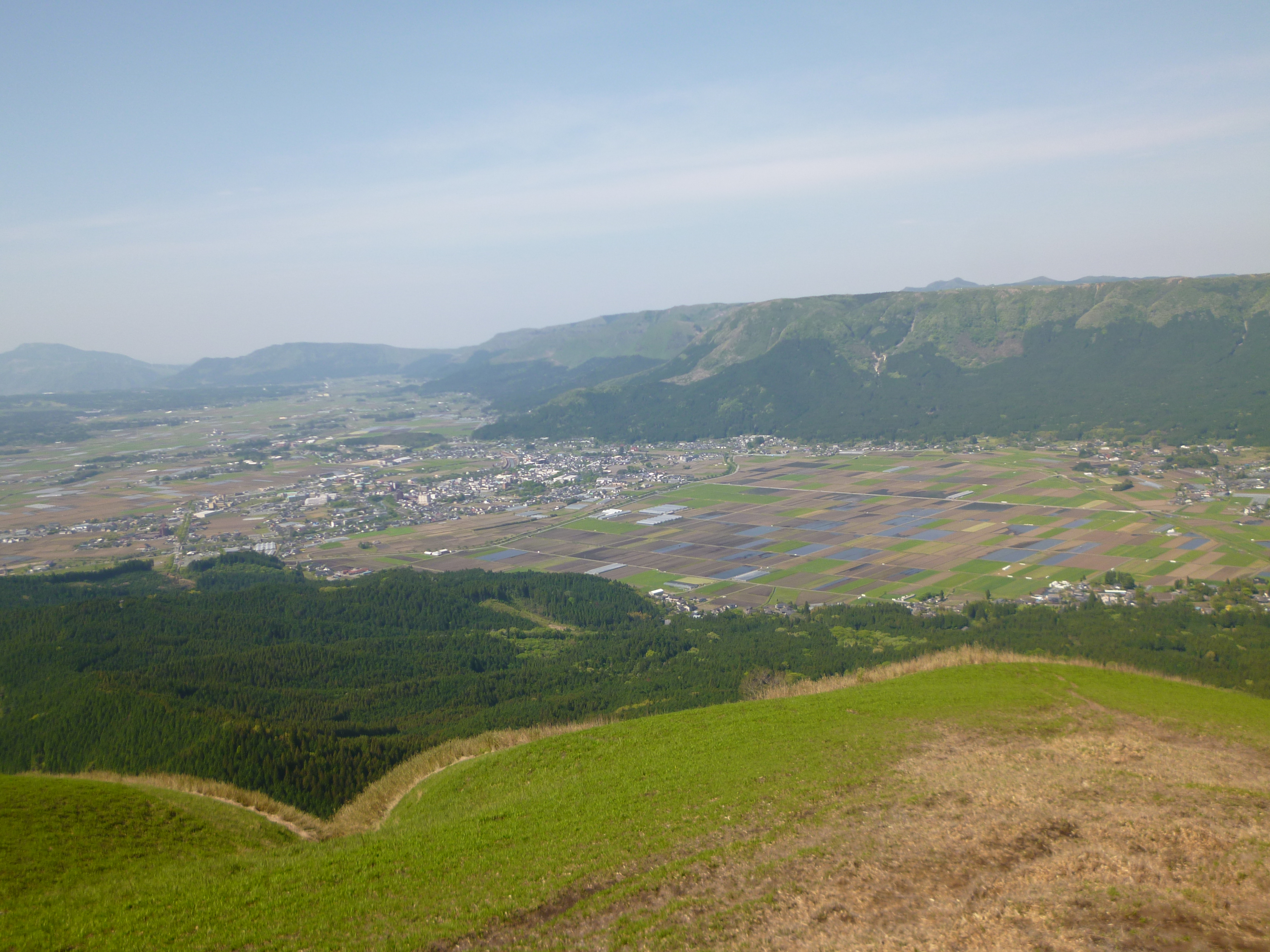
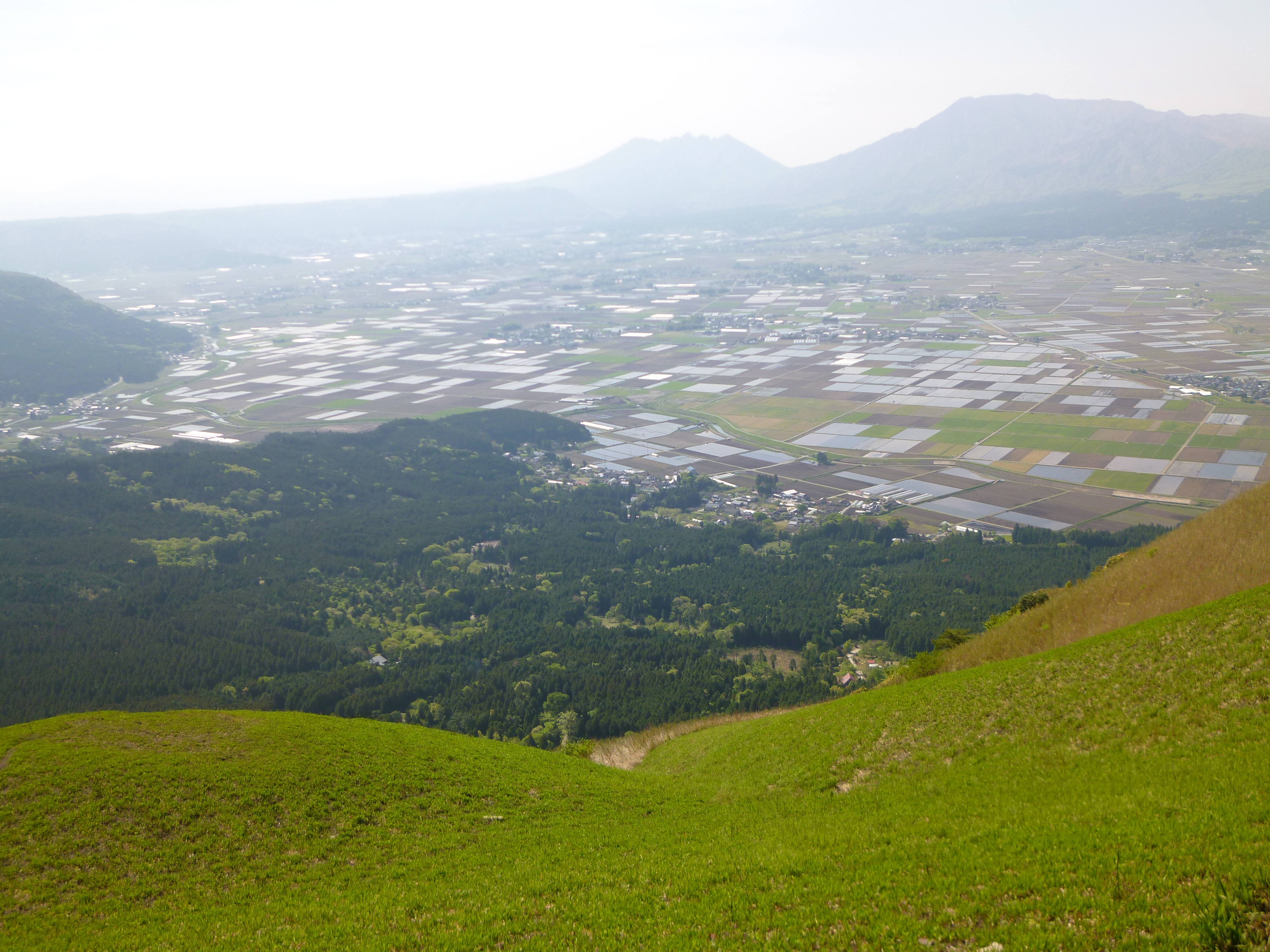
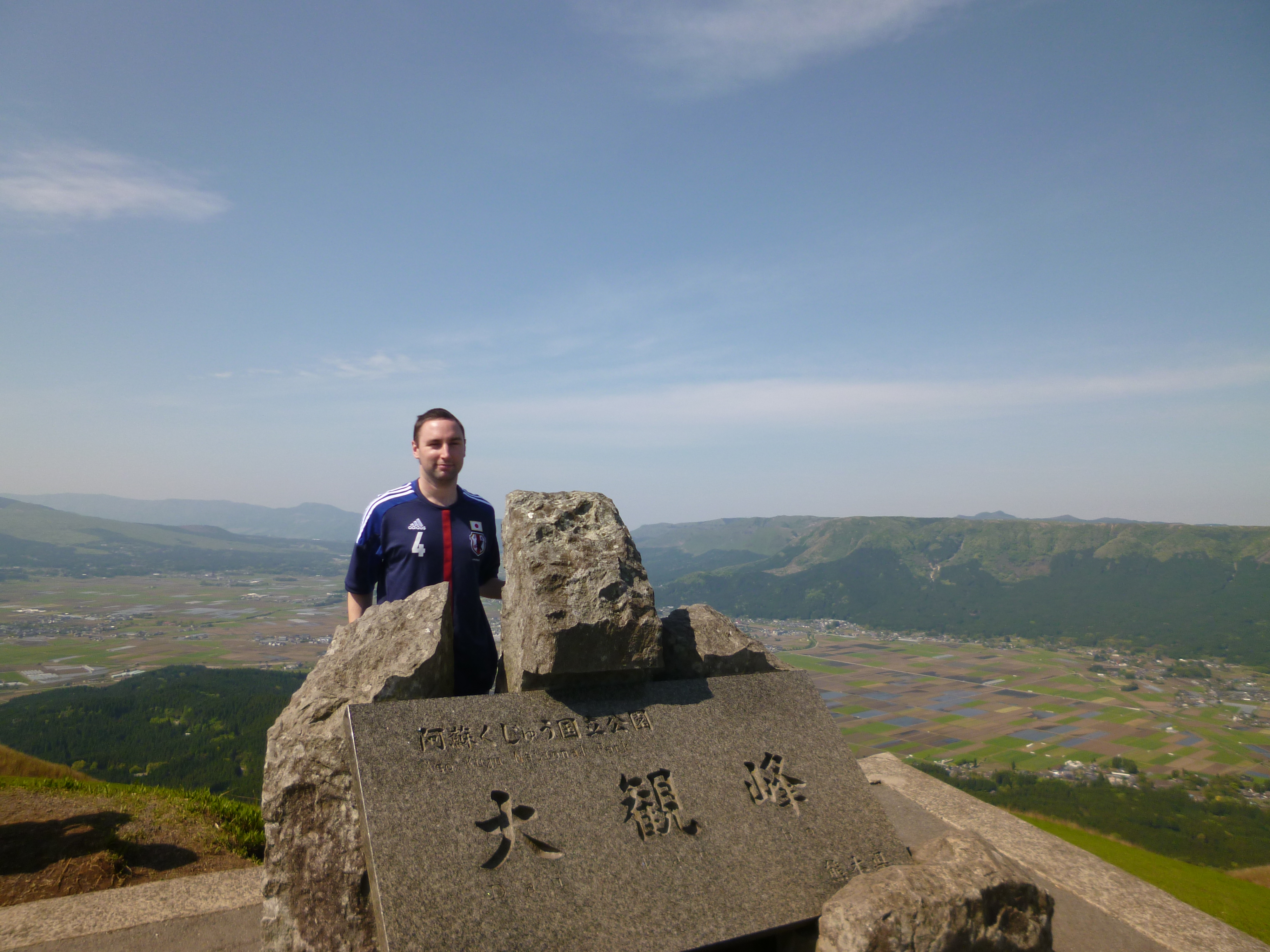
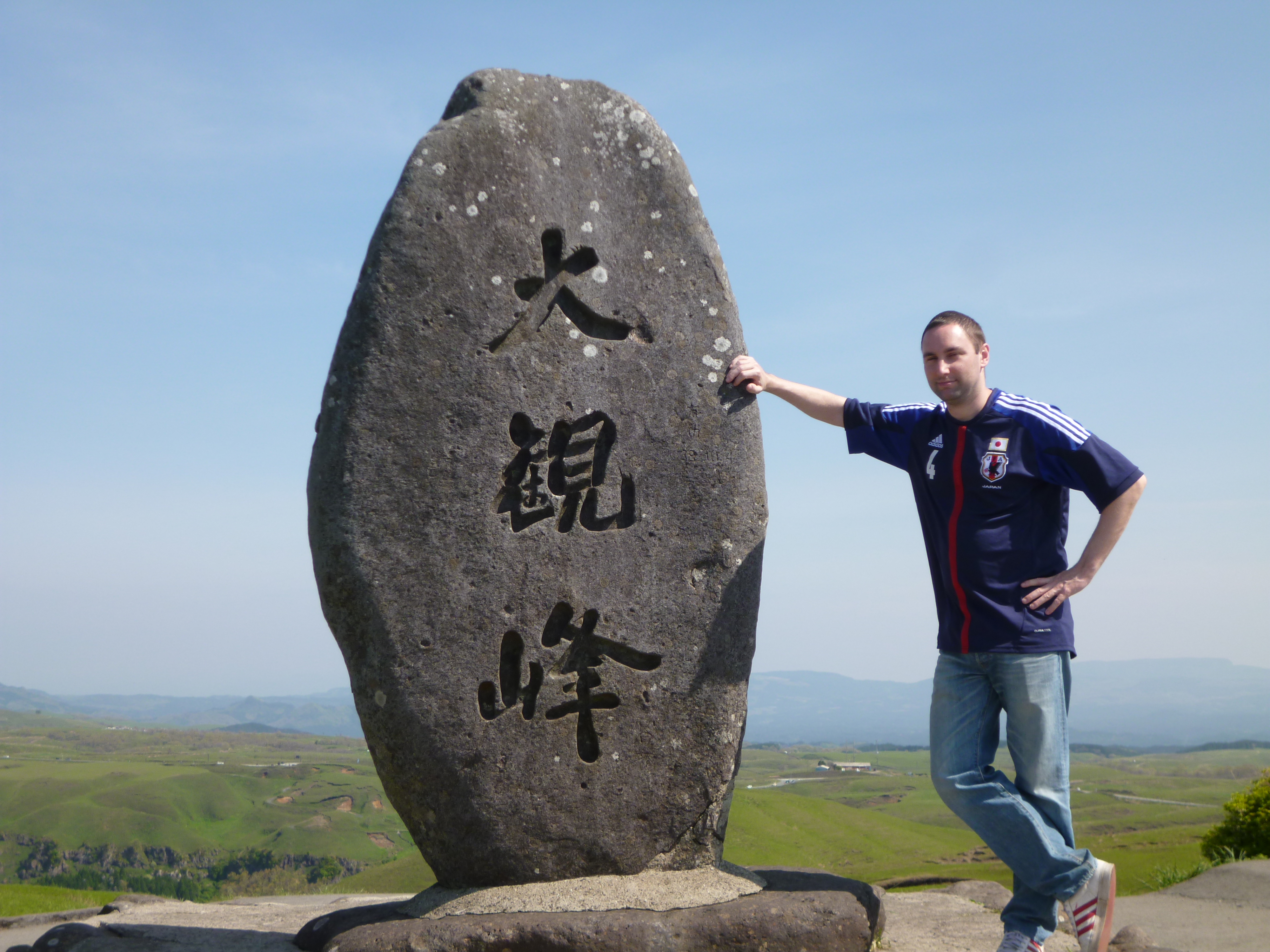
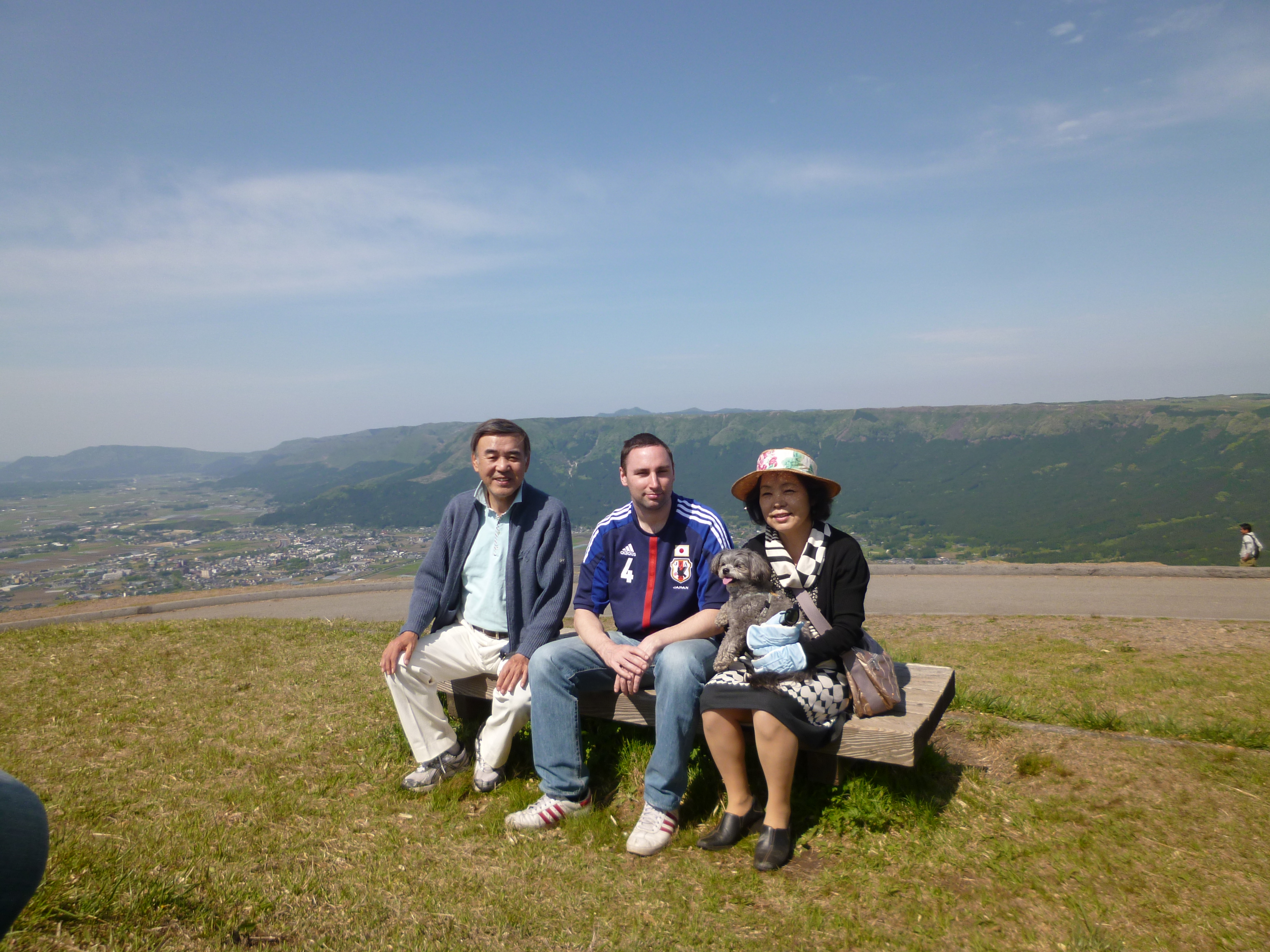
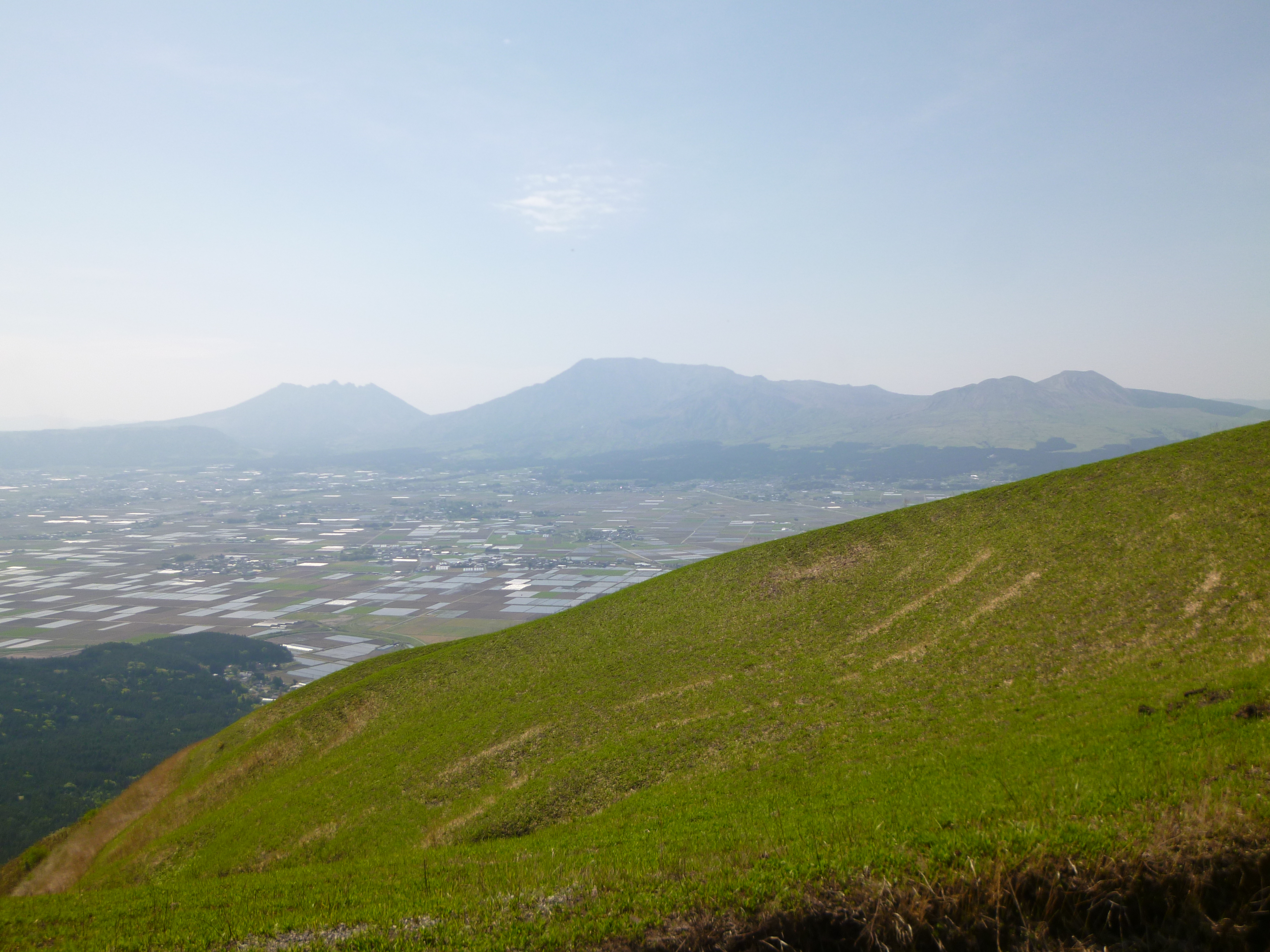
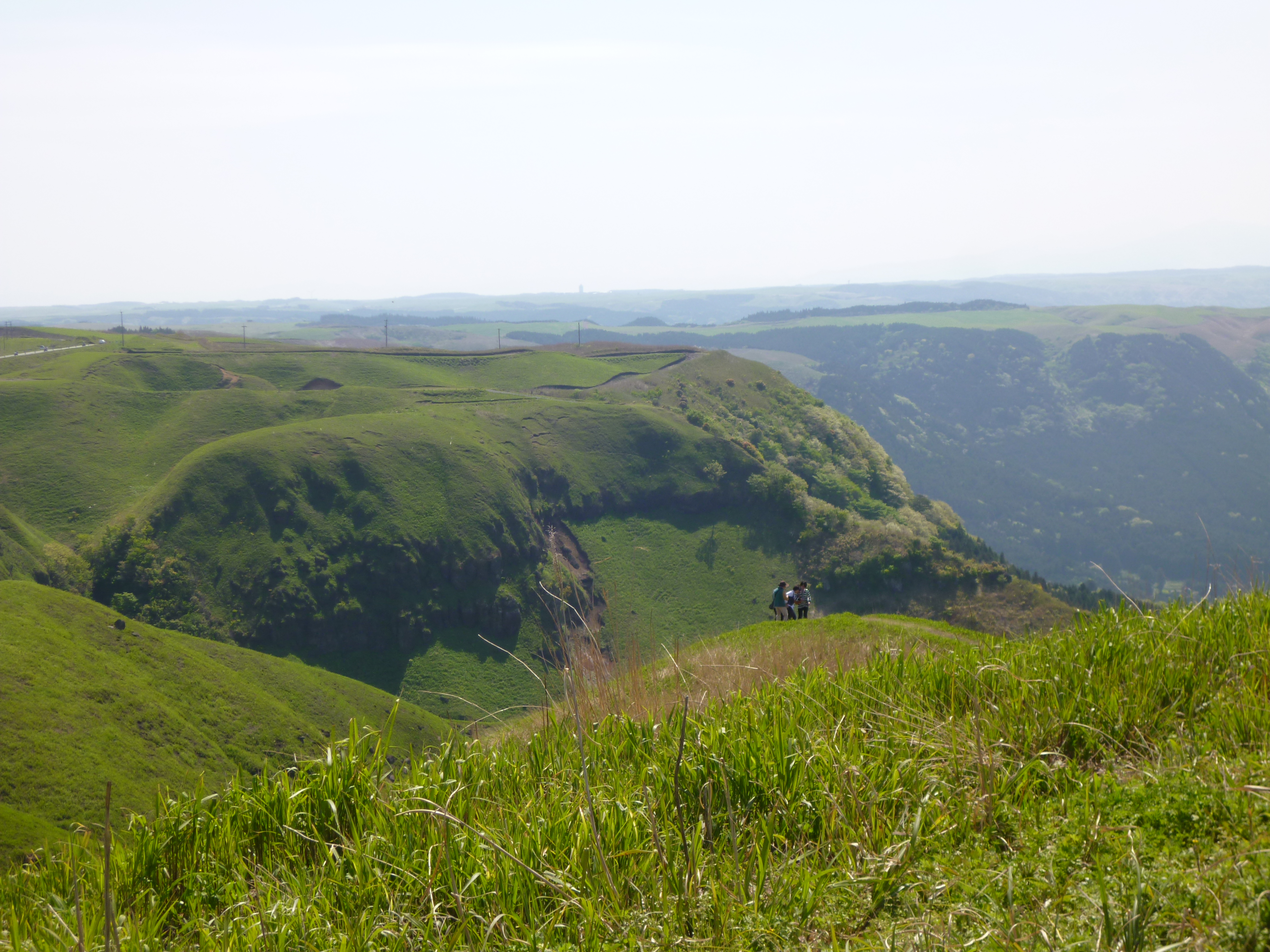
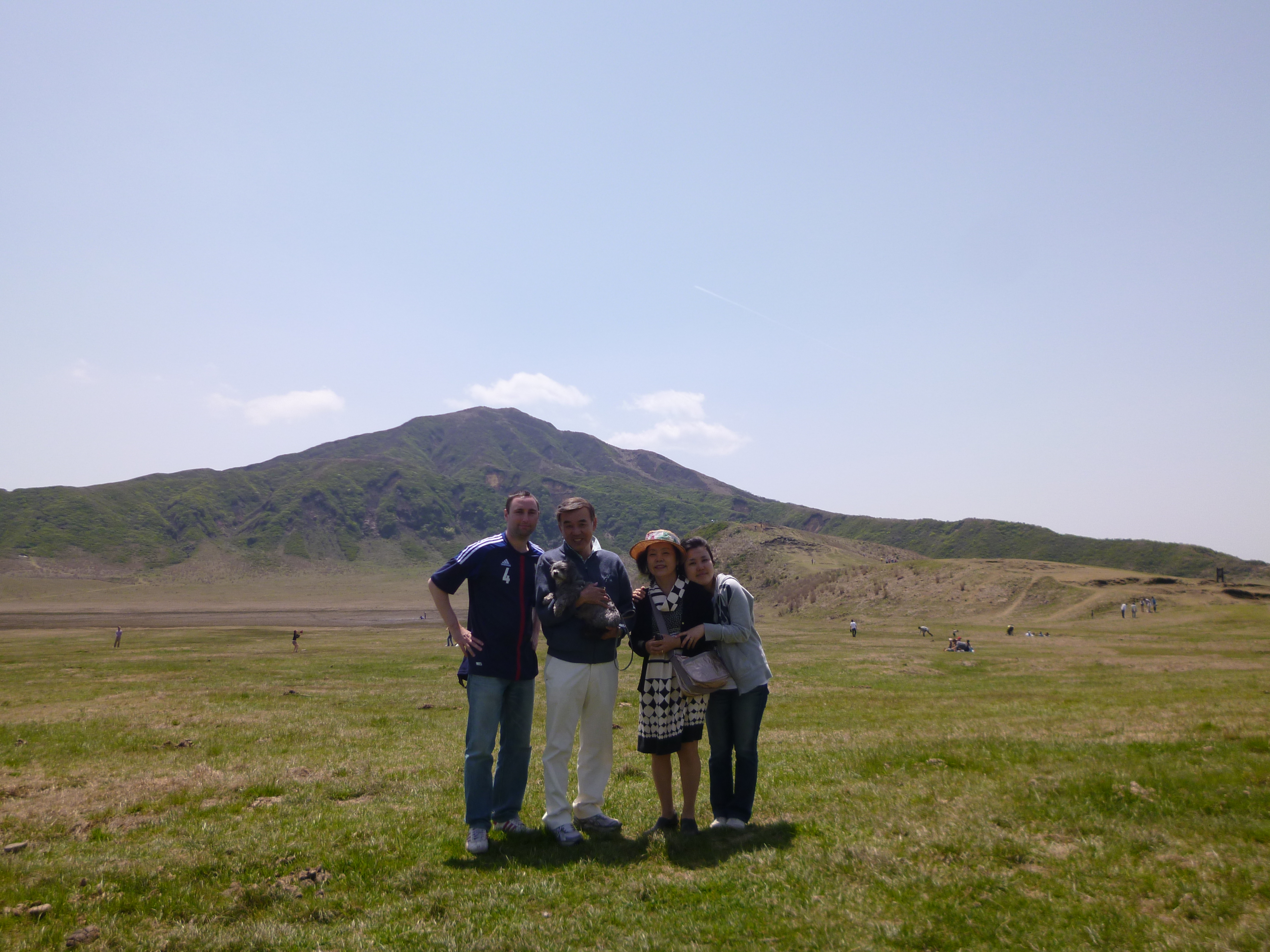
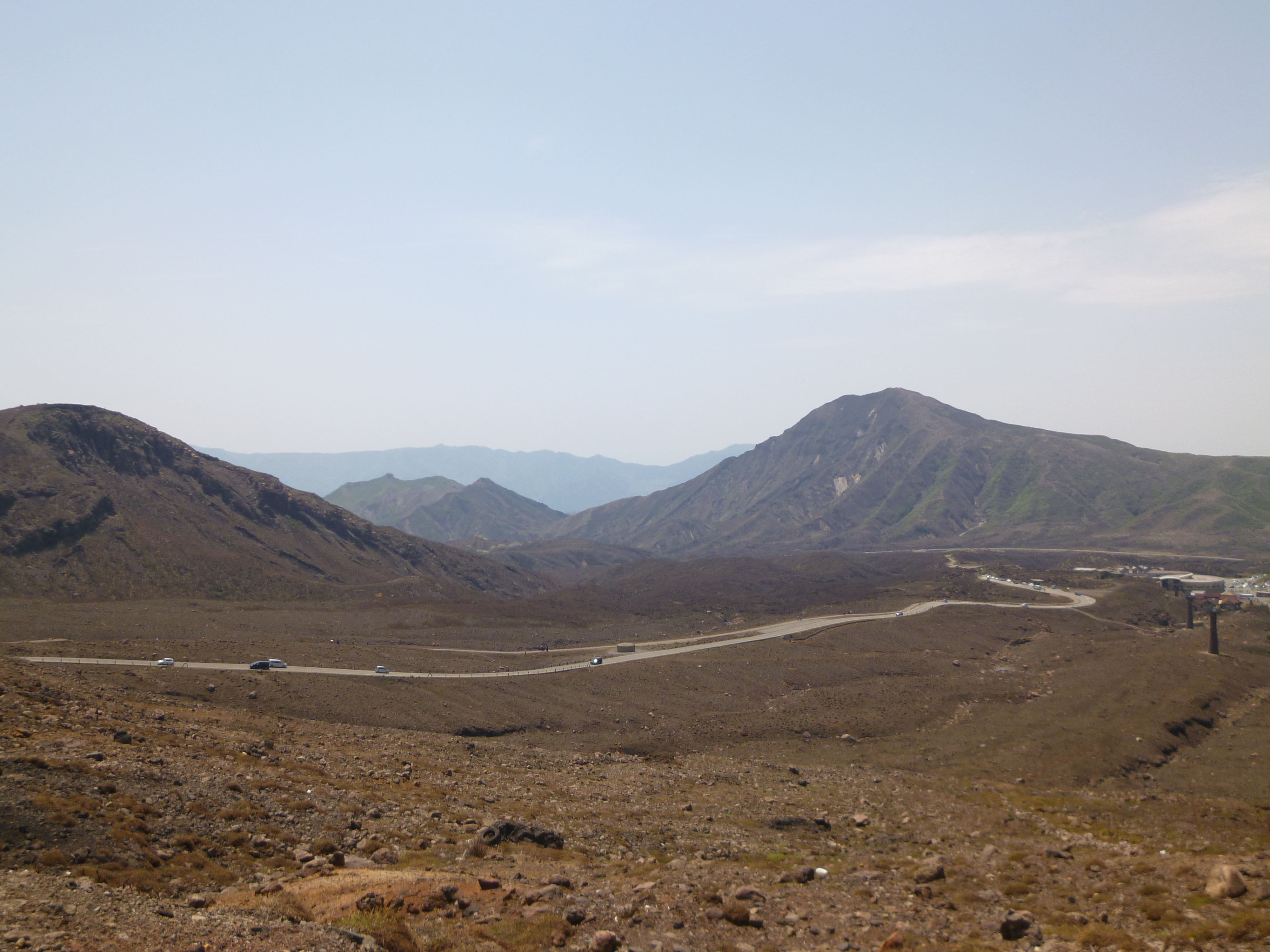
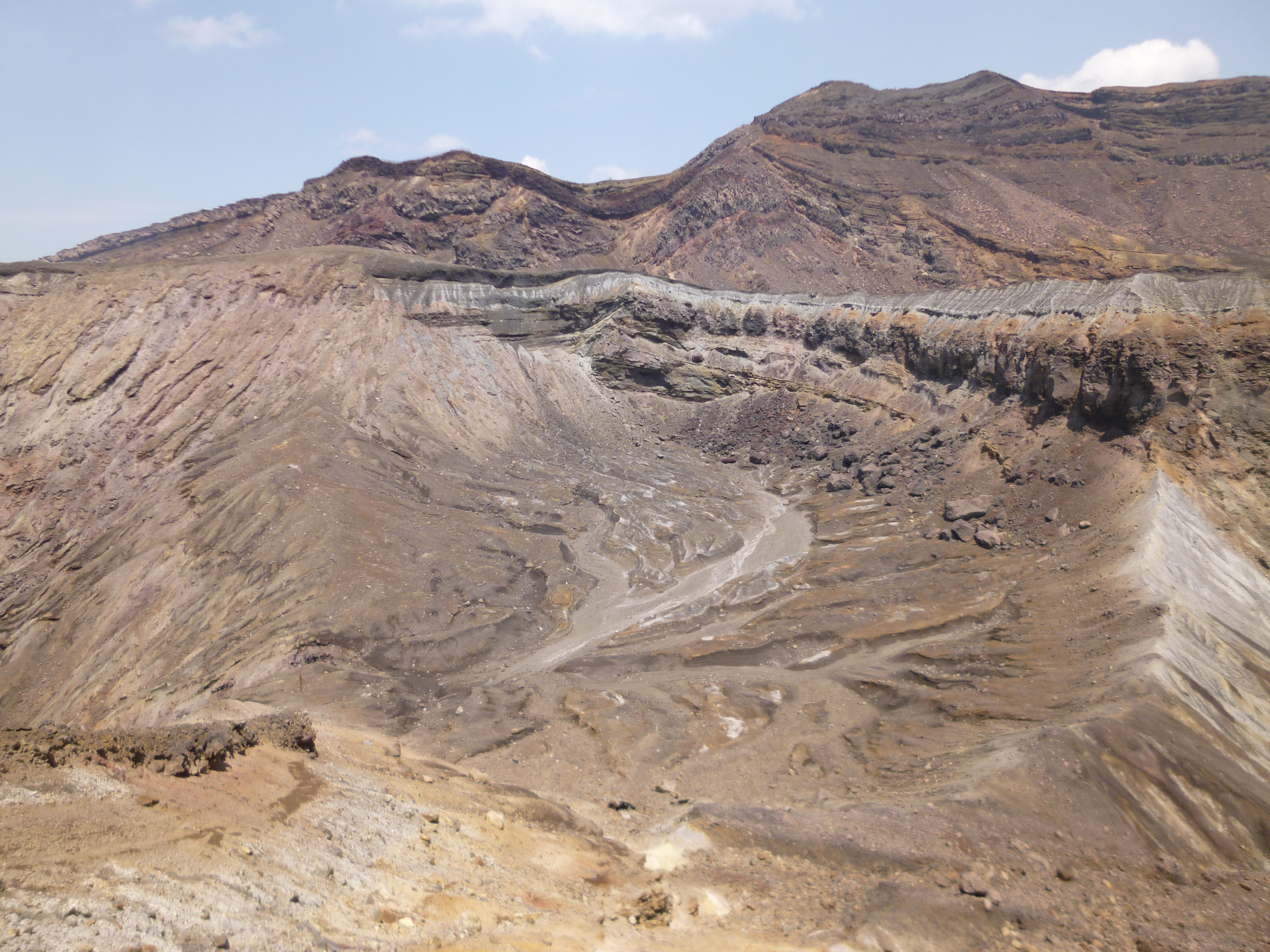
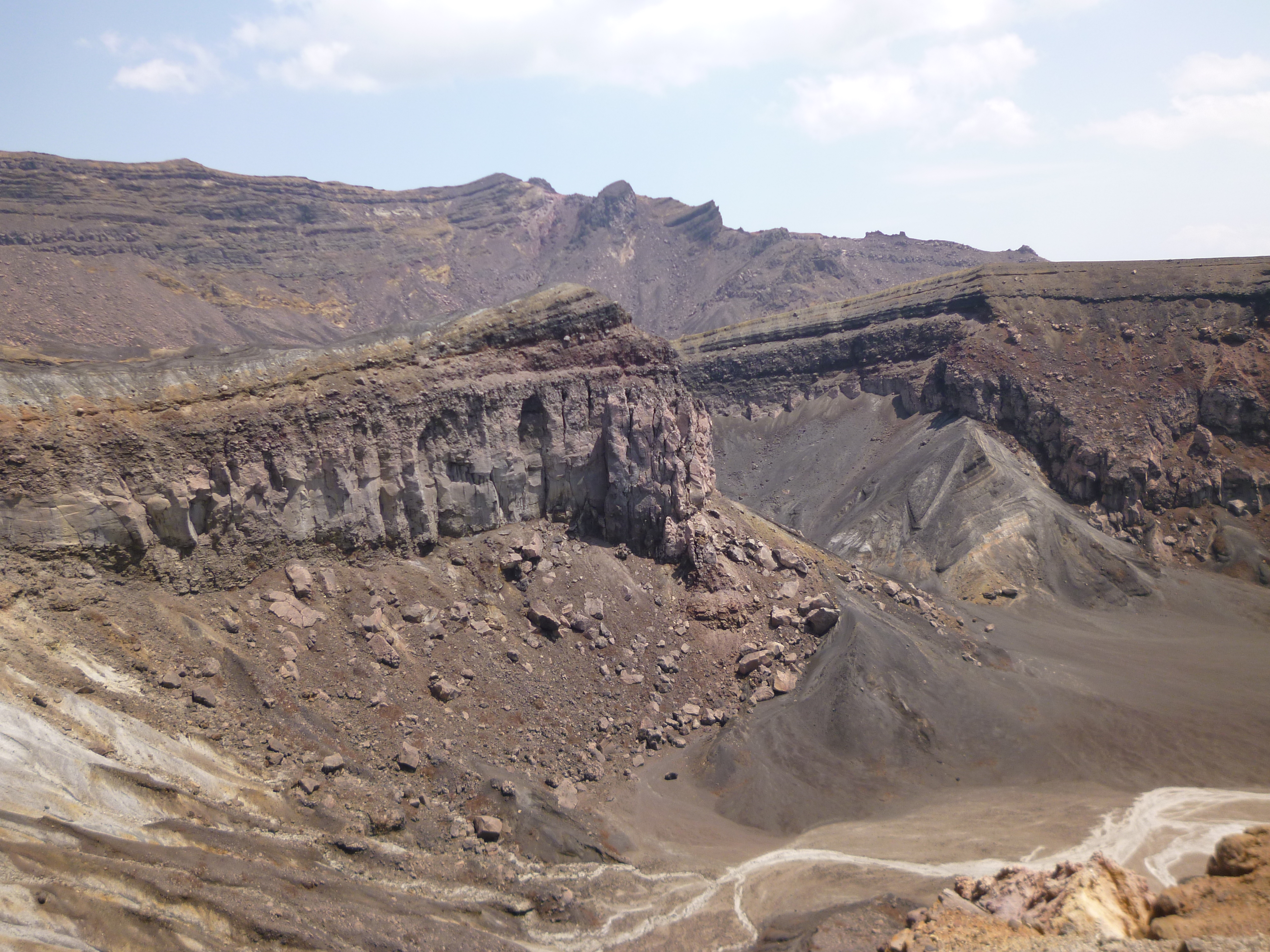
Our final day in Kyushu brought about some great fortune as we were able to see Mount Aso very clearly amid great conditions whereas the day before had been shrouded in mist. Mount Aso is the largest volcano in Japan and among the largest in the world. The first observation lookout was at Daikanpou which is the highest point to be able to view the whole caldera (large volcanic crater). The scenery was awesome with some splendid views of the greenery in the area.

P1040764  P1040766  P1040769  P1040770  P1040775  P1040776  P1040778  P1040781  P1040785  P1040793

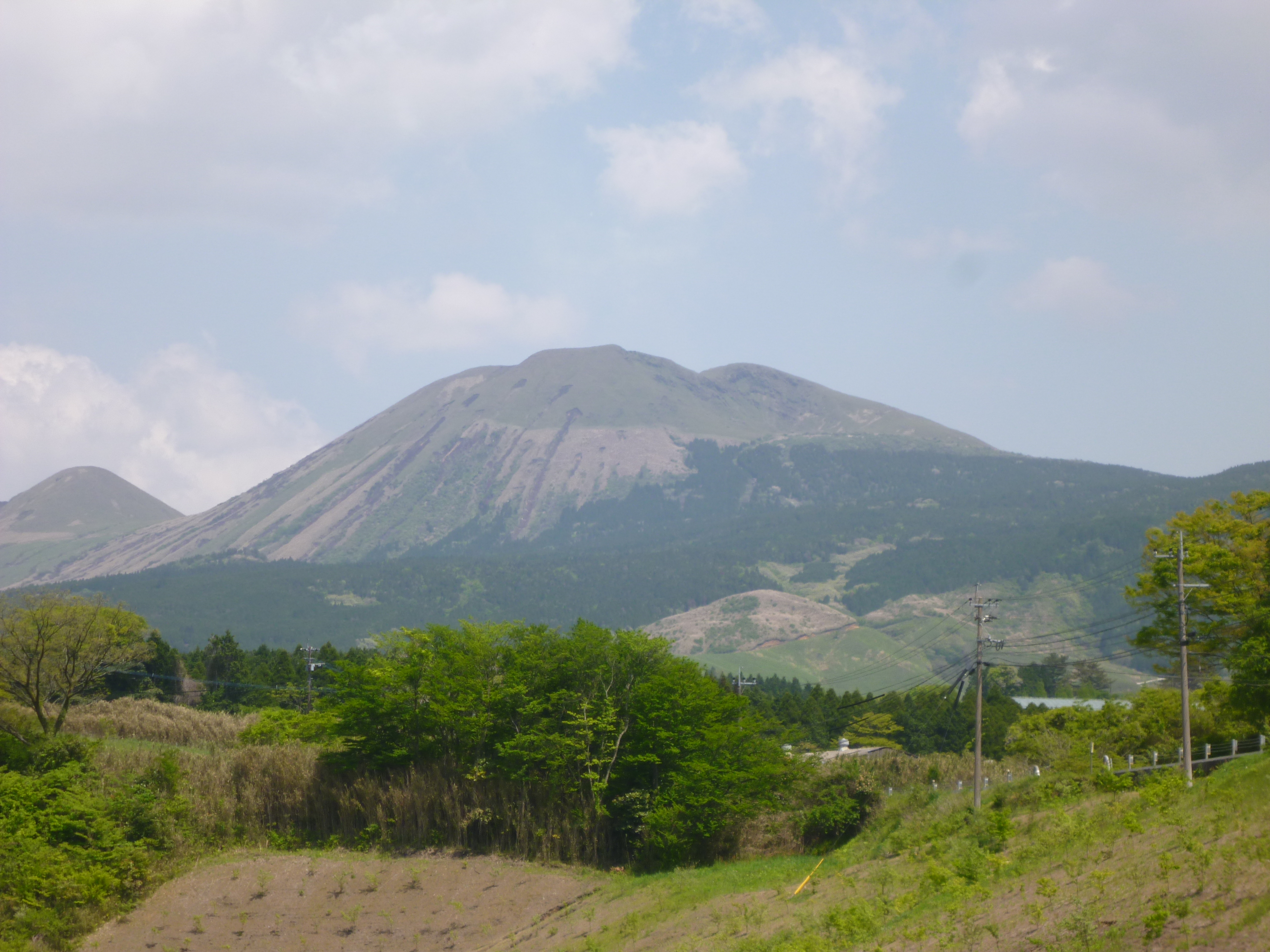
Mount Aso consists of five peaks and the view of the peaks from this place is likened to a buddha lying down to die (Nehan-zo) though why they have to add the dying bit on the end I don’t know! Why can’t it just resemble a buddha just resting?!

P1040798  P1040799

No pictures to show but I did eat horse-meat (ba-niku) as my girlfriend bought a stick of it from a vendor as we returned to the car park at Daikanpou. Whilst there was a huge furore around horse-meat in the UK early last year, the reaction in Japan was one of surprise as its fairly common to eat it here. I’m afraid to say that I liked it a lot but can’t see myself making a habit of eating it too much!

P1040800  P1040847

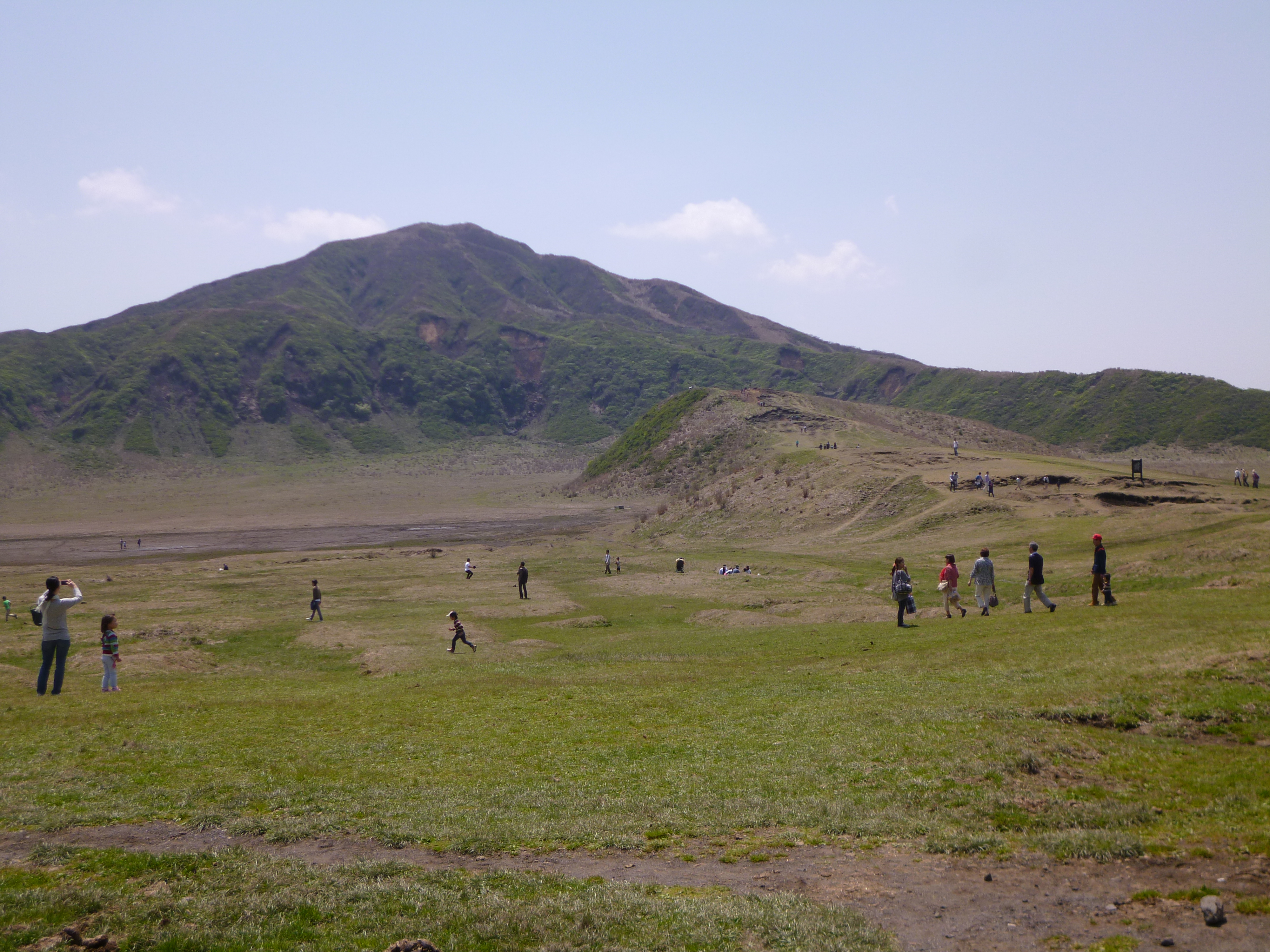
The next stop was across the road from the Aso Volcano Museum. Kusasenri-ga-hama is a vast plain with cows grazing on the grass covering the area. The main attraction here didn’t seem to be the beautiful flattened crater of an ancient volcano but the chance to sit on a horse whilst circling a very short and simple course!

P1040808  P1040810

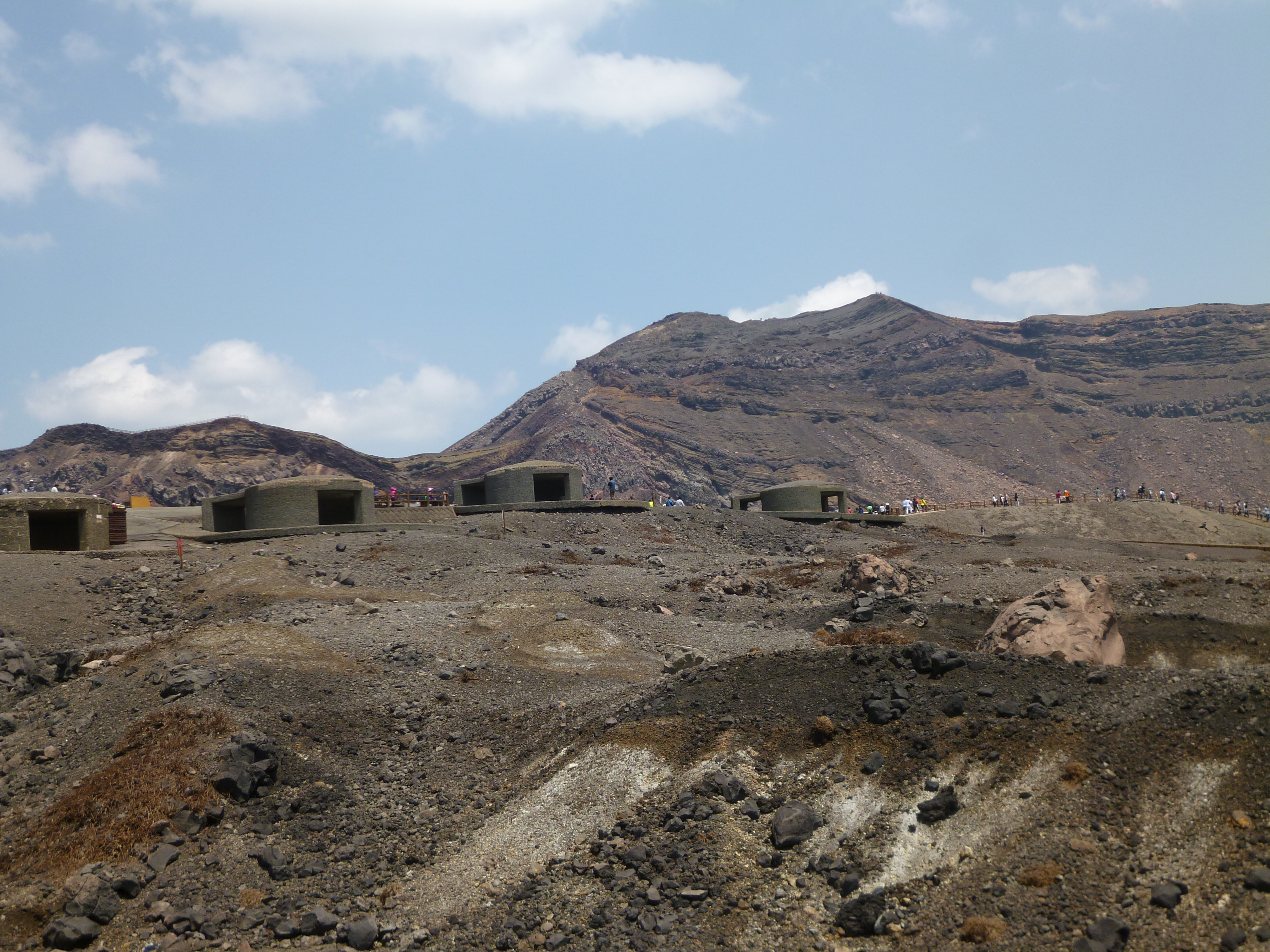
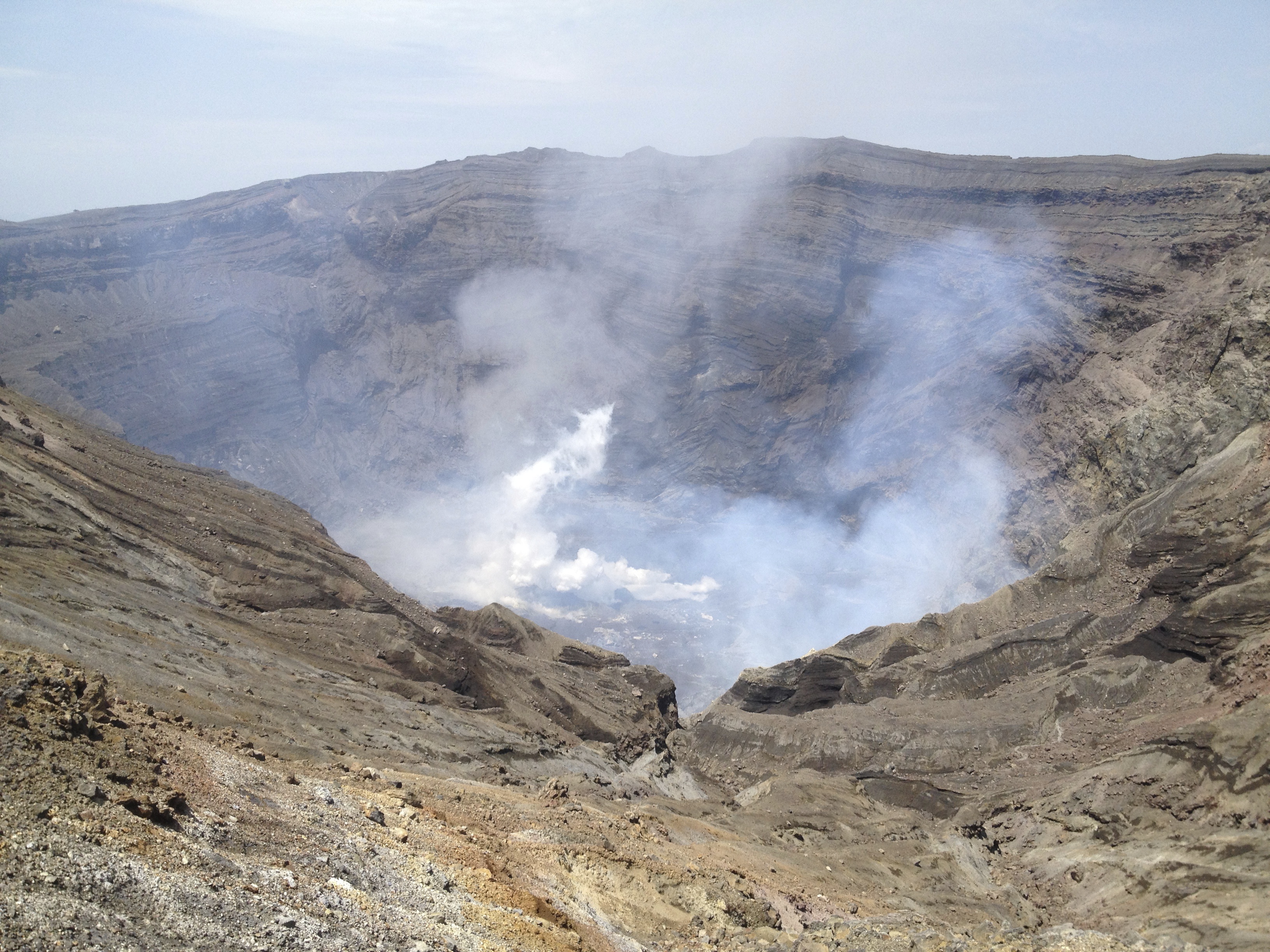
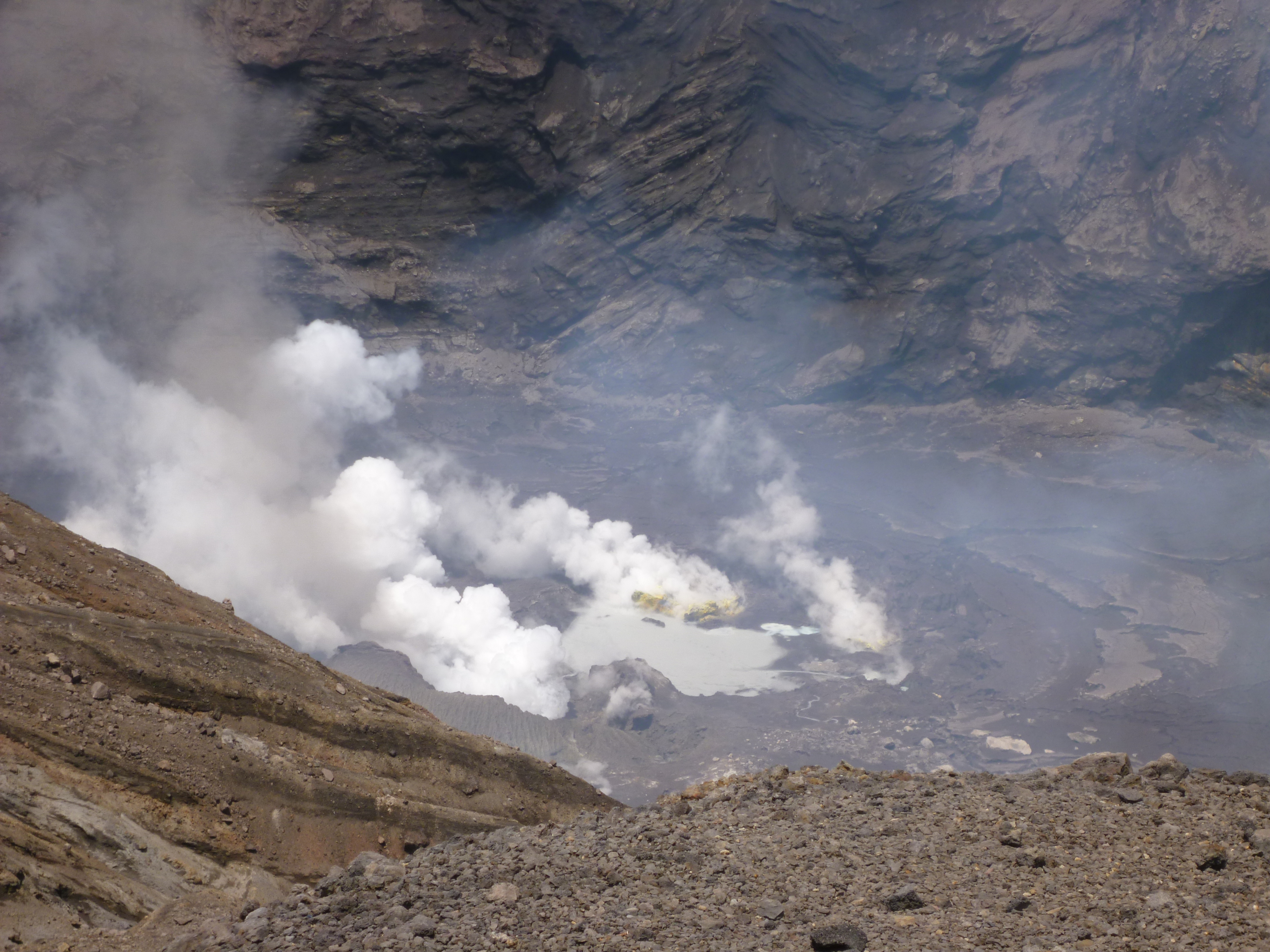
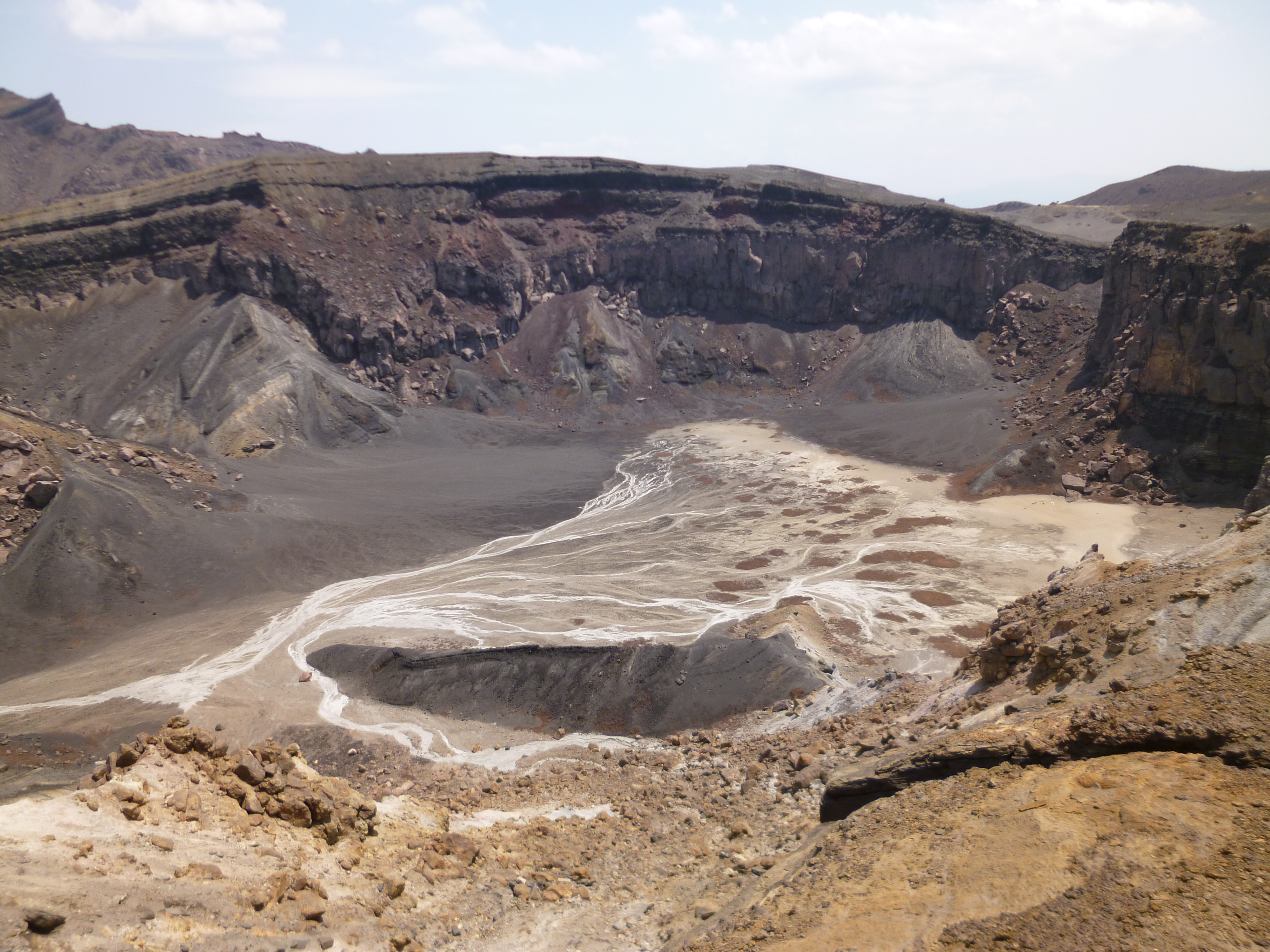
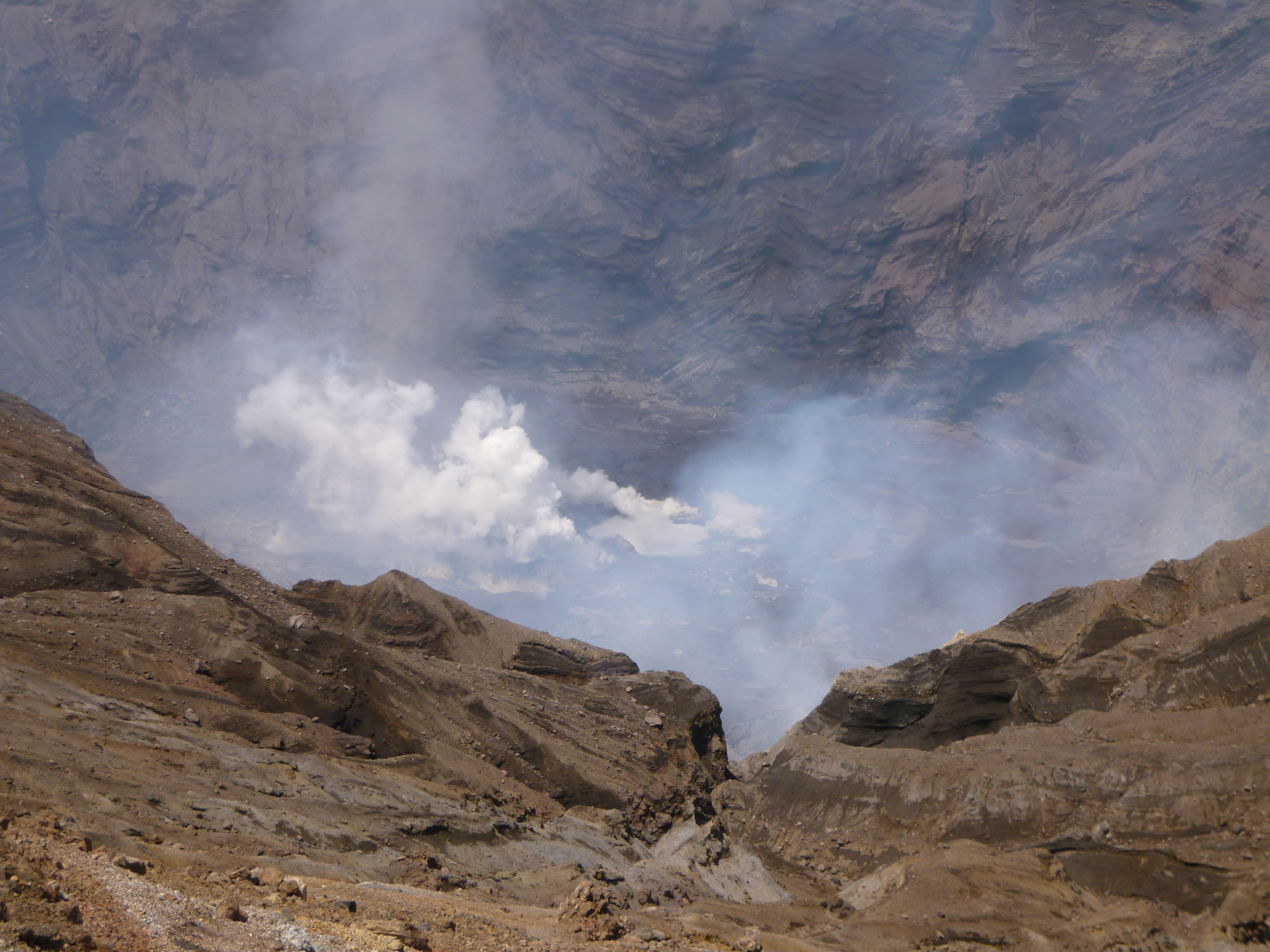
Not far from there was the Nakadake crater which was shaped over 20,000 years ago and was is actually still active! A car park has been built only a minutes walk away which makes things all to convenient not that its such plain sailing as there was a tailback of cars going on and on for ever. We had to wait in traffic quite a while but the queues on our descend were way longer!

P1040812  P1040813

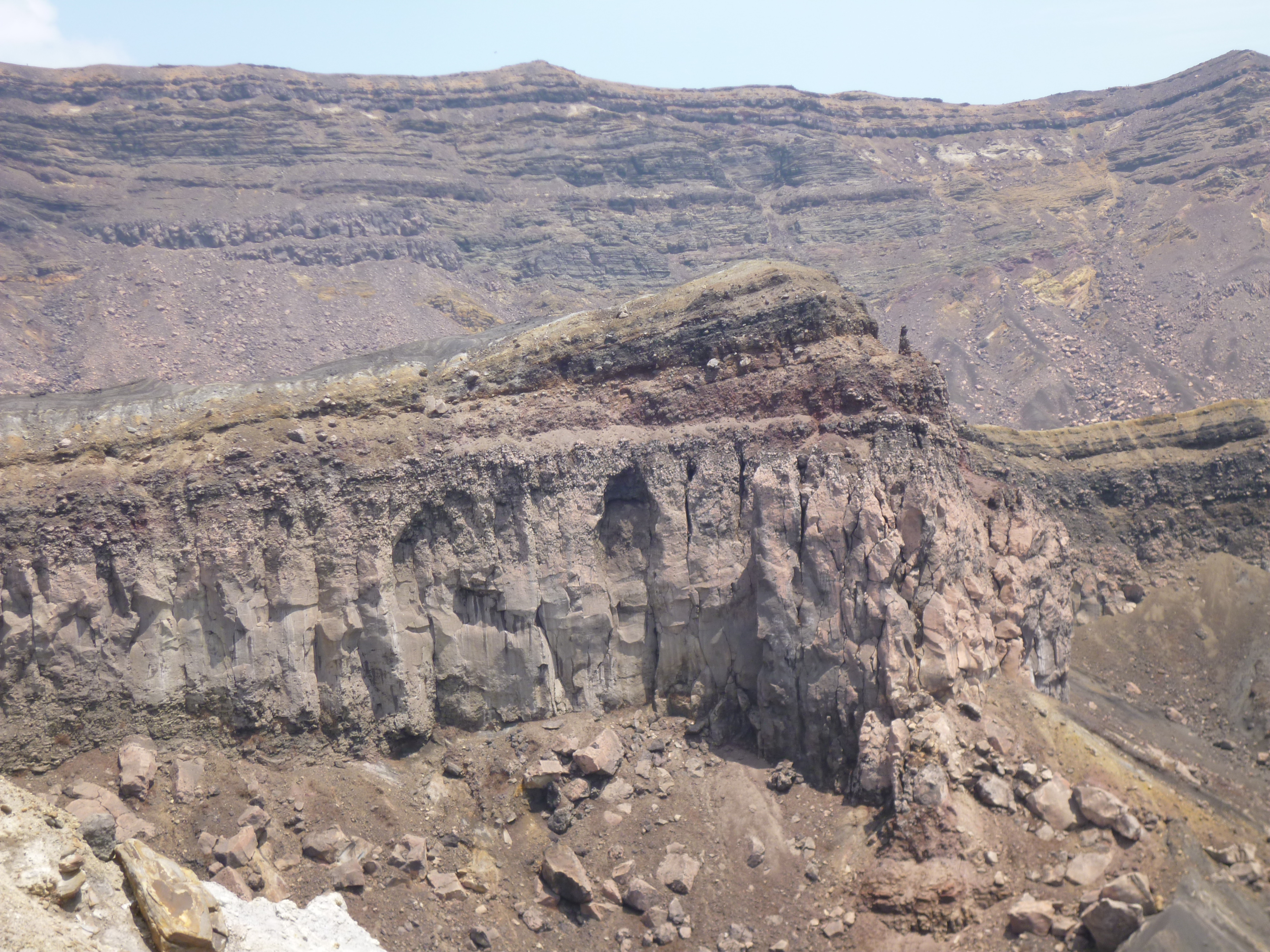
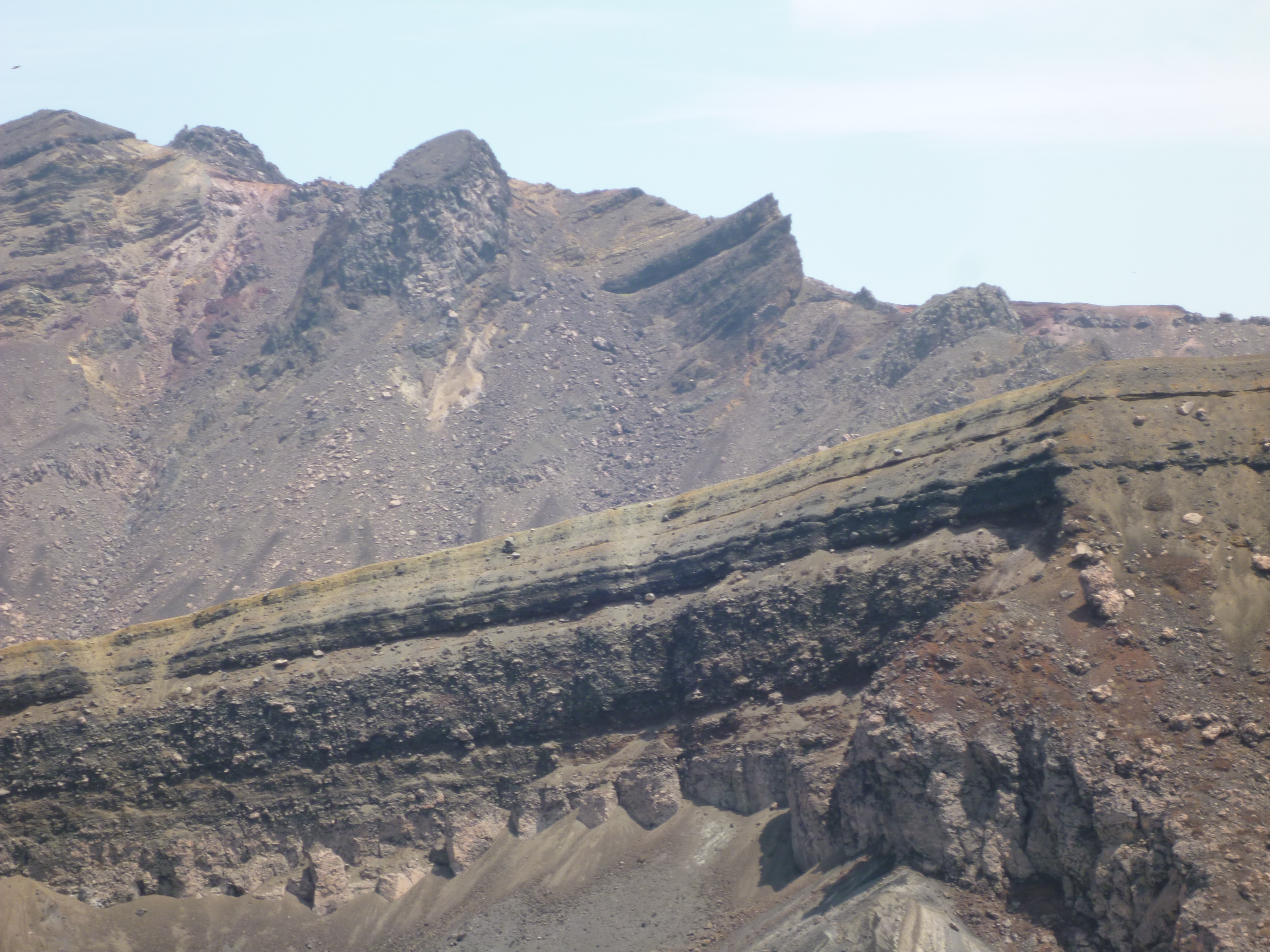
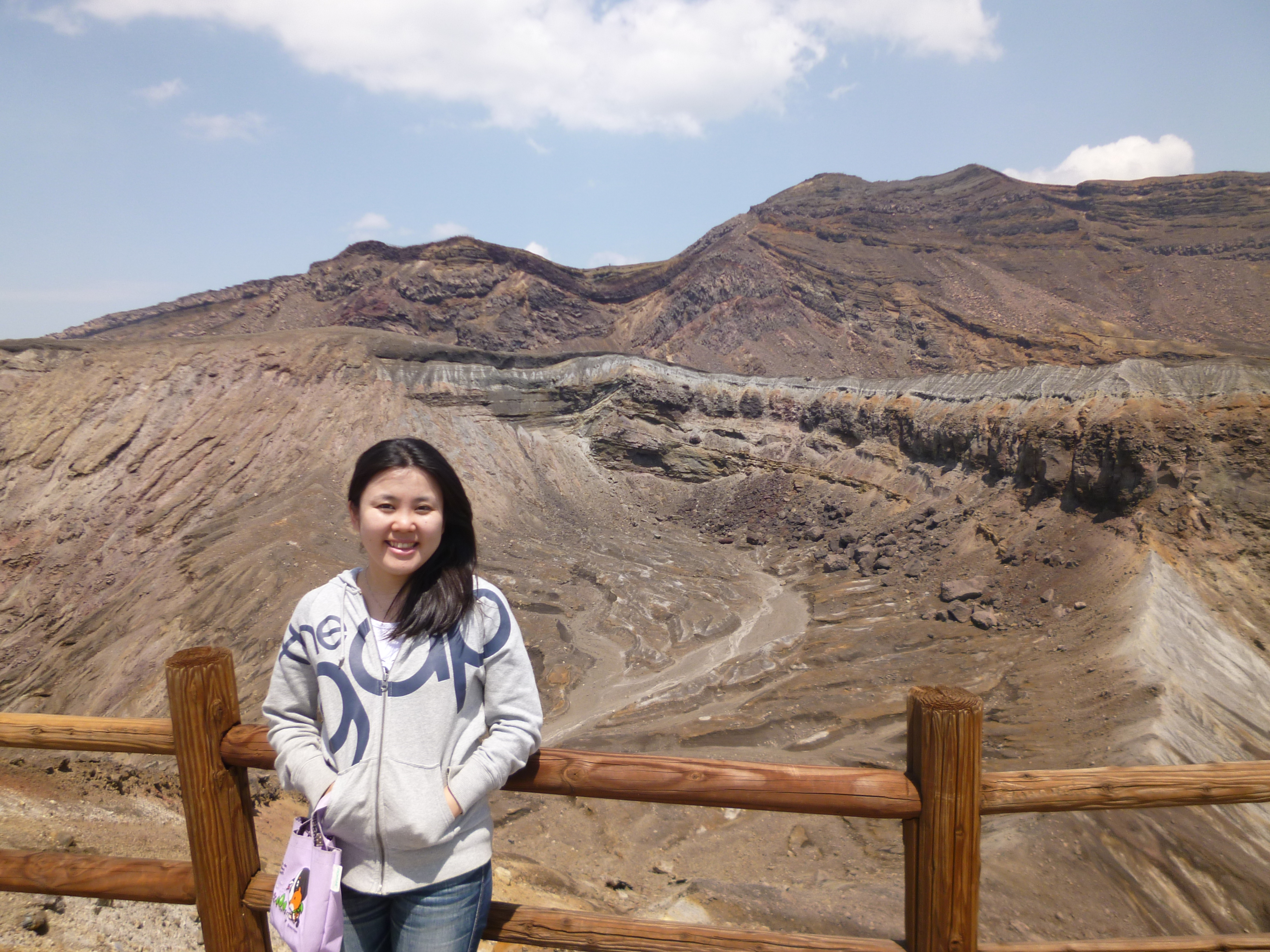
Mt. Nakadake is located within the caldera that is 25 km in diameter. Nakadake’s crater itself is 600 metres in diameter, 130 metres deep and has a circumference of 4 km. This Grand Canyon-esque place emits smoke and due to the presence of toxic volcanic gas the crater is sometimes restricted. People with respiratory problems such as me with asthma, are actually told to refrain from approaching the crater at any time but of course I ignored that warning which I guess is just a disclaimer to save them from law suits.

IMG_4563  P1040818

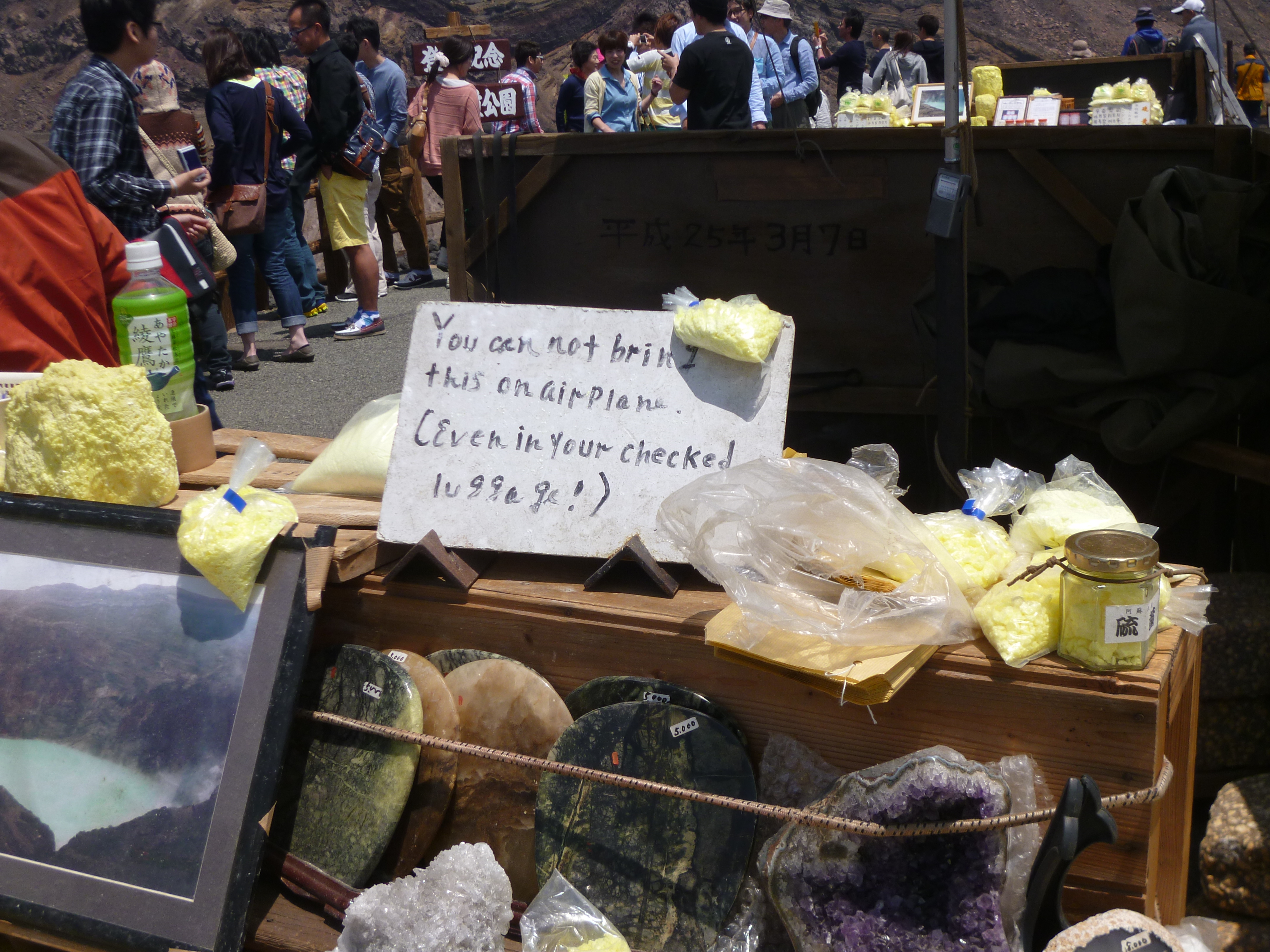
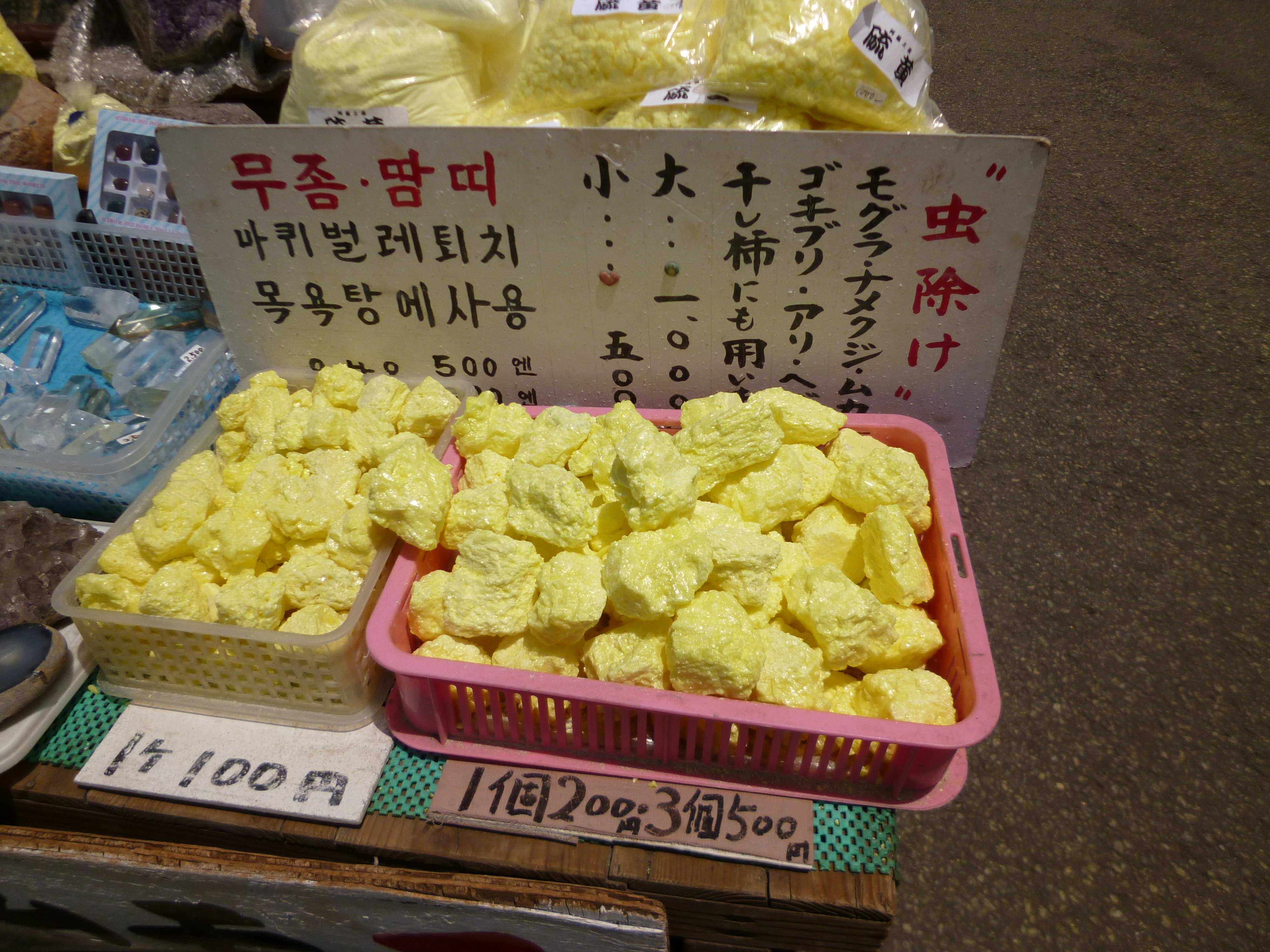
The yellow rock-looking things below, which are supposedly good for preventing cockroaches, bugs, ants and so on, were being sold at a stall for 200 yen a piece. Maybe an interesting souvenir but as there was a sign saying that they couldn’t be taken on a plane (even in checked luggage) it certainly wasn’t worth bothering with.

P1040816  P1040817

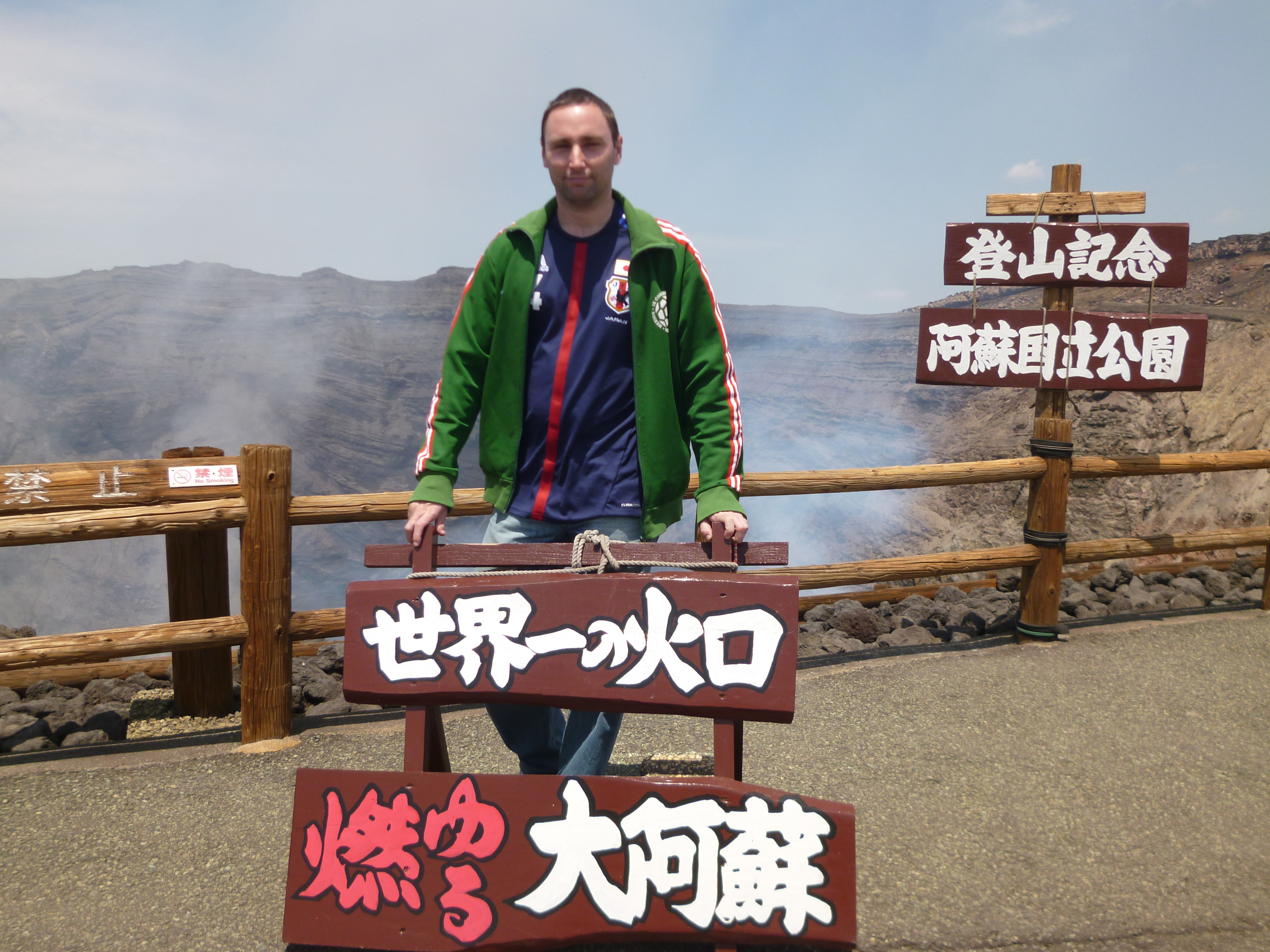
The sign below says worlds number one volcano although I’m not exactly sure what its referring to! Biggest? Best?! For me, it was certainly a spectacular place and given what we were told about the previous days visibility being pretty much non-existent, we felt very lucky to have seen it in such glorious conditions.

P1040822  P1040833  P1040831  P1040832  P1040835  P1040837  P1040839  P1040840  P1040841  P1040842

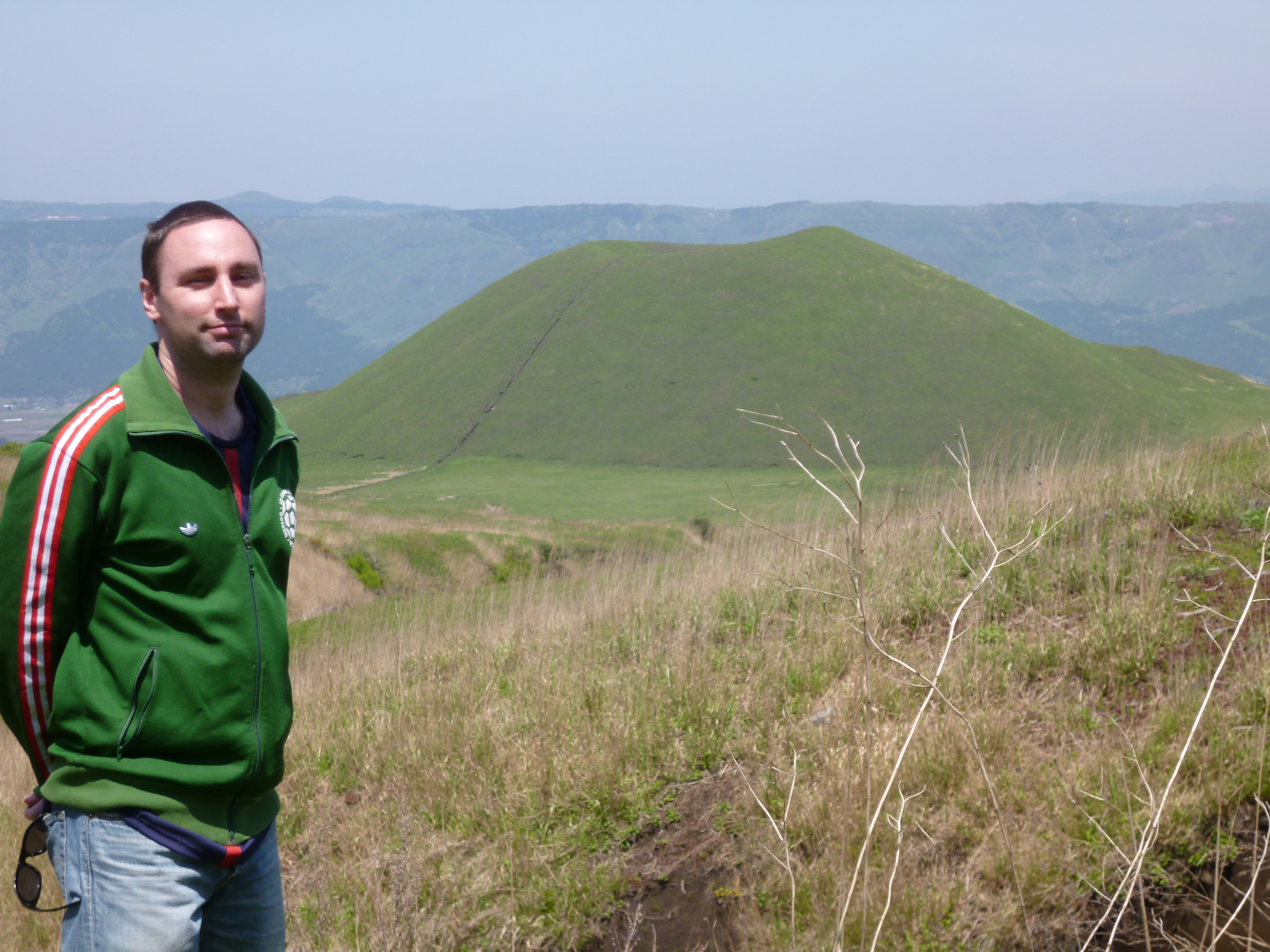
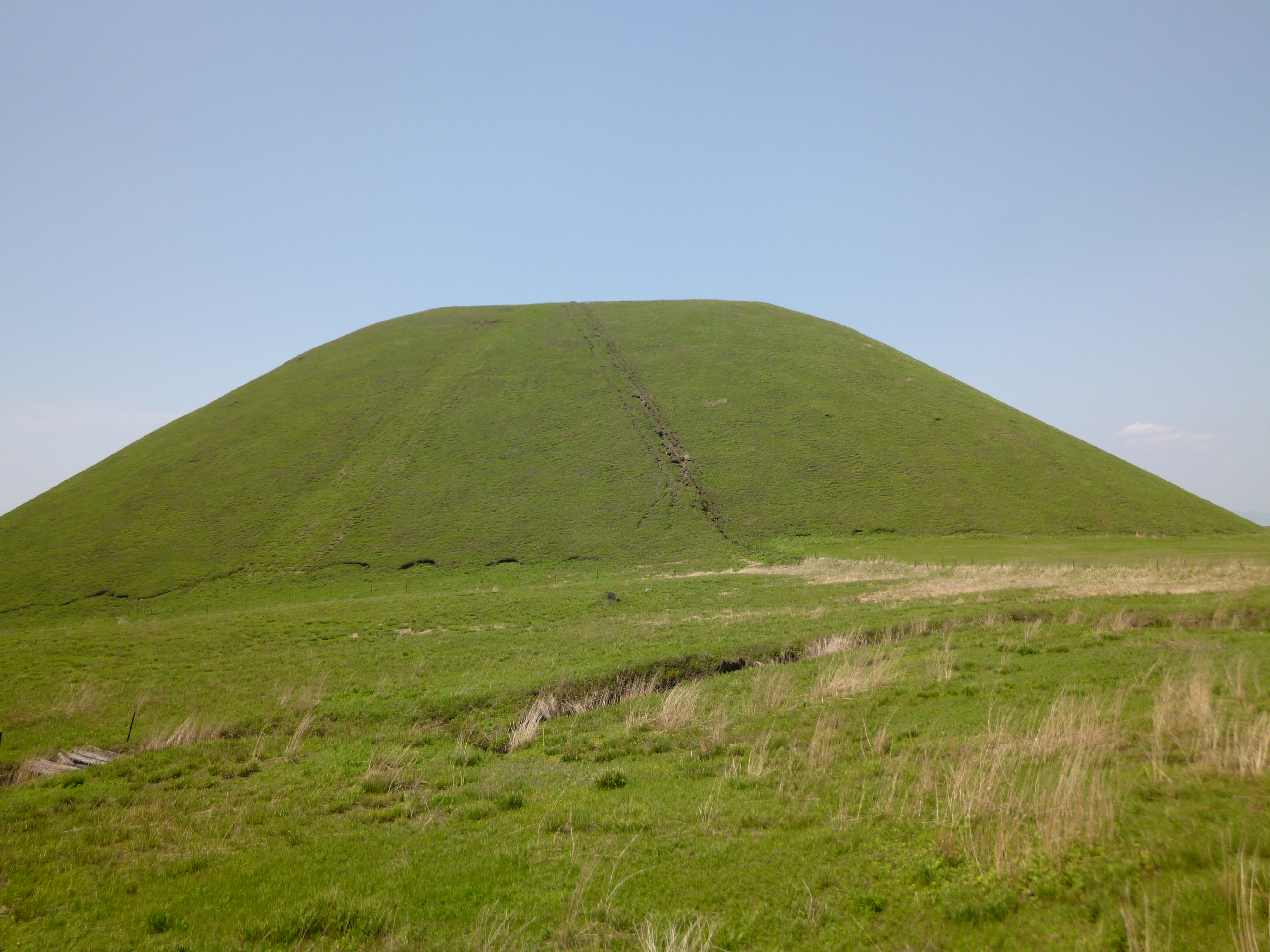
The small, picturesque, green volcanic cone shaped slope (below) of Kome-zuka (954m) was seen a few times throughout the day and as we exited the Nakadake area we pulled over to catch a final glimpse of its beauty. The name actually means ‘rice mound’ and its another extinct volcano.

P1040803  P1040846

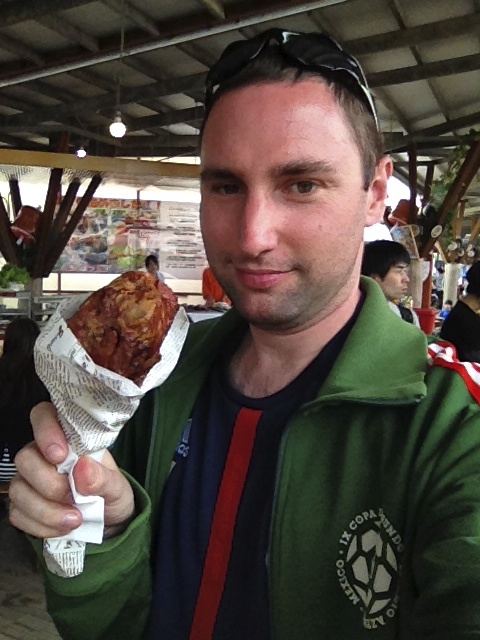
We then went to Aso Farm Land which was ultimately very disappointing for all of us, especially my girlfriends dad who said that it had change a lot since he last went many many years earlier. This was a health theme resort with huge massive crowds of people, restaurants galore, souvenir shops aplenty, many photo opportunities, lots of baths, spas and other such amenities. Basically, it had all the makings of your typical Japanese tourist trap but I couldn’t quite get why this place was so popular! As we had Momiji with us it was a tad difficult to find somewhere to have lunch so we ended up just buying some yaki-soba, beer and the huge turkey drumstick (below) which we consumed at one of the many outside tables. It was still nice enough but not quite what we had in mind!

IMG_4565  IMG_4570

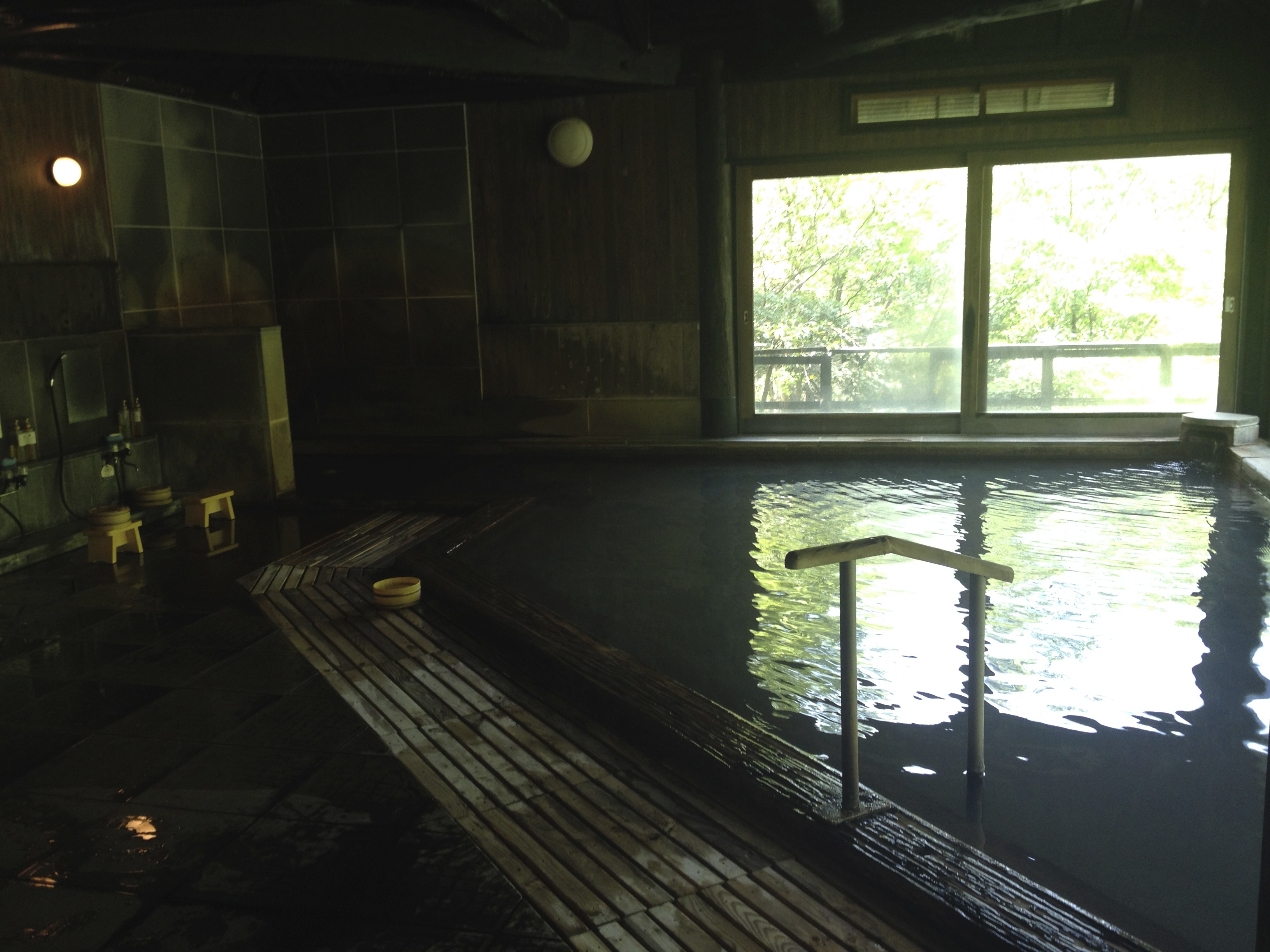
There was time for one more onsen at Uinasu hot springs (400 yen entry) in the early evening before dinner which meant leaving Momiji alone at the hotel. Whilst the previous onsen had been fairly small, quiet affairs this one was a busy place with a sauna, two outdoor and four indoor pools (both electric and herb ones) and there was even an ice-cold pool which I managed to brave for a few seconds before returning to the hot baths. A nice relaxing way to bring the curtain down on a great trip around a part of the country I’d never seen but hope to visit again.

Posted in Japan Travel | Tagged , , , , , , , , , | 3 Comments

Kyushu Trip 2014 Pt VI: Aso-san Area

I think its fair to say that the western attitude to bathing fully naked in public with strangers is different to that of Asian people who have grown up with such customs like onsen (hot springs) and sento (public bathhouses). Japanese people don’t seem to have any problems with seeing colleagues, friends and family (of the same sex) without their clothes on but the British stance on going au natural with other members of the same sex (in non-gay ways) isn’t quite the same. With that in mind I can’t say I was ever too keen to share a bath with my prospective father-in-law but having dodged one bullet in Amakusa I knew it was only a matter of time before it happened.

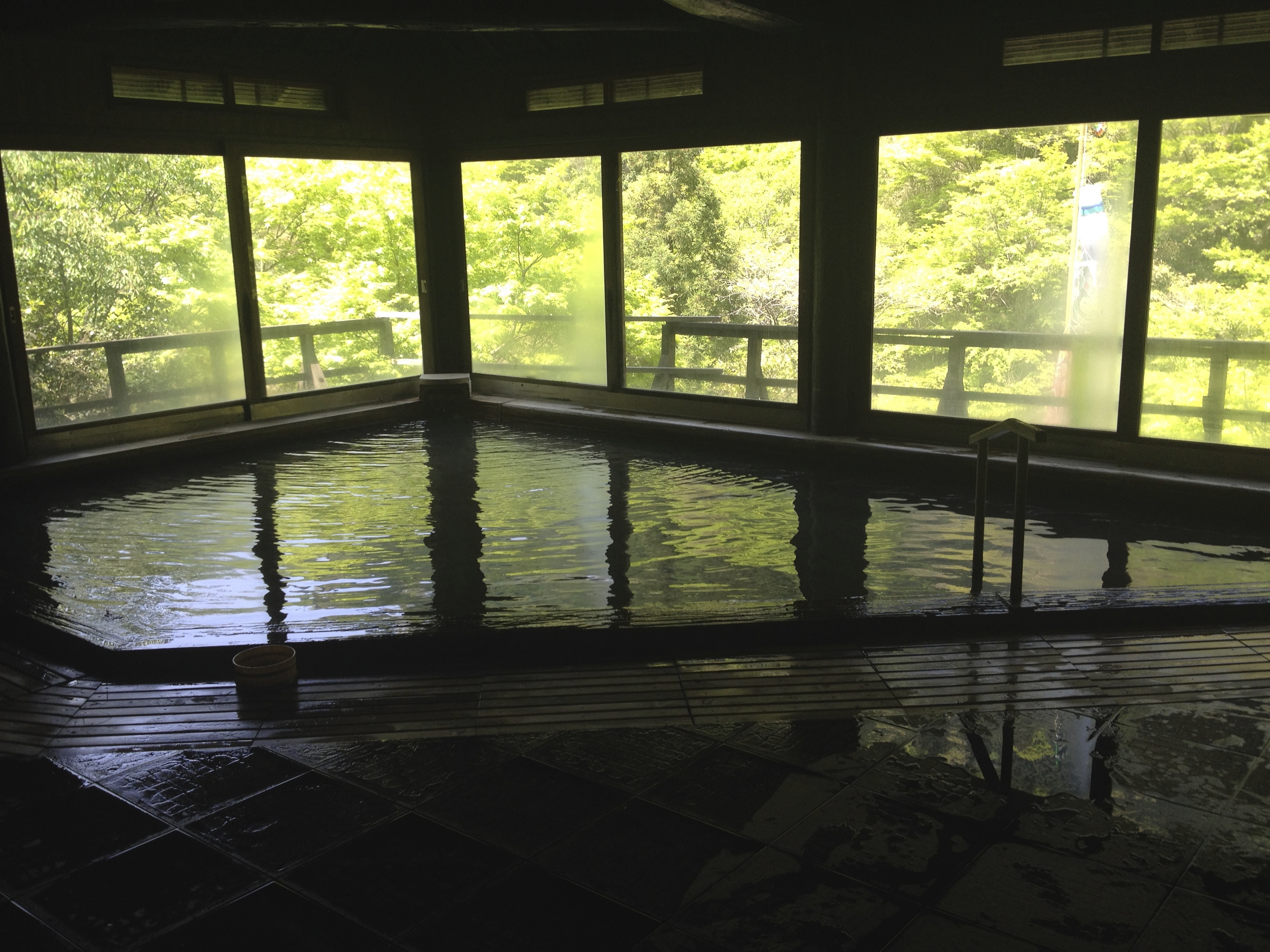
So having started the day in Amakusa we arrived in the beautifully landscaped Aso-san area late morning and on discovering that the restaurant my father-in-law wanted to visit had actually been closed for five years, we made alternative plans. A quick sauna and onsen was taken where we were the only ones present and all my pre-conecpetions about being naked alongside the man whose daughter I’m marrying were laid to rest. I really needn’t have worried about it at all.

IMG_4550  IMG_4551

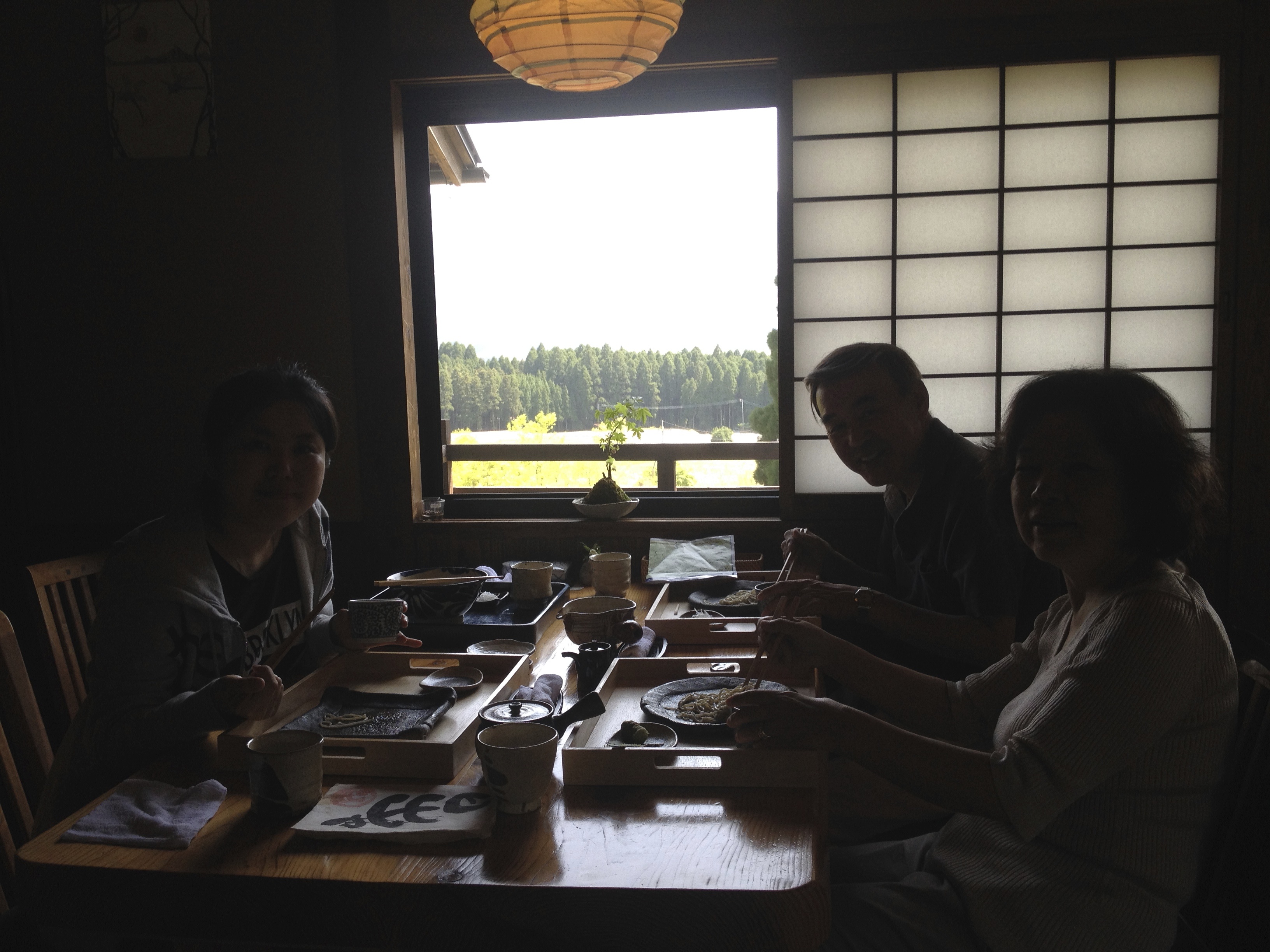
We were all absolutely starving by the time we arrived at a local soba (noodles) restaurant in the middle of nowhere. With some wonderful views outside the window we sucked up the delicious noodles in no time and then moved on to our next destination.
IMG_4552  IMG_4554

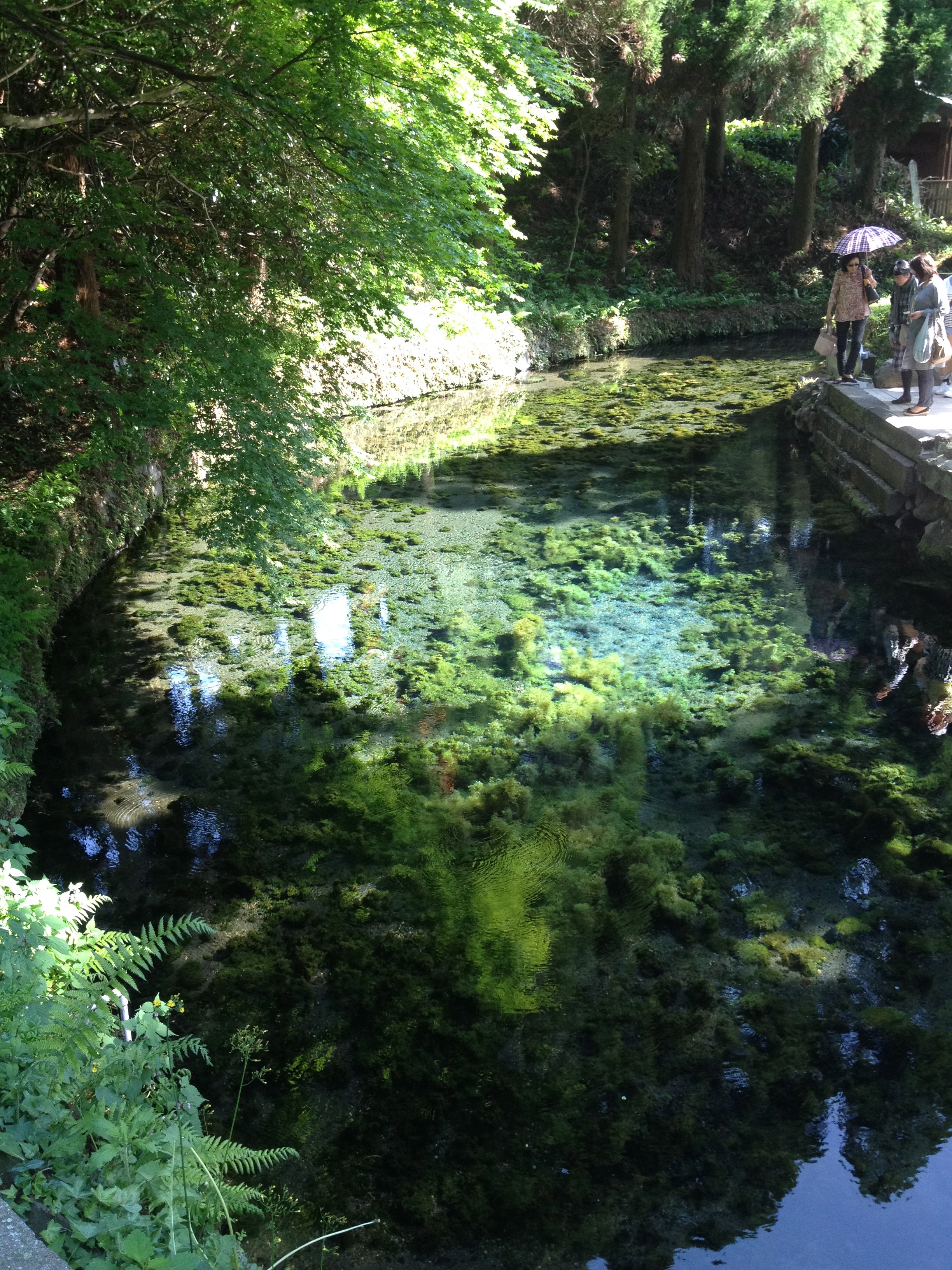
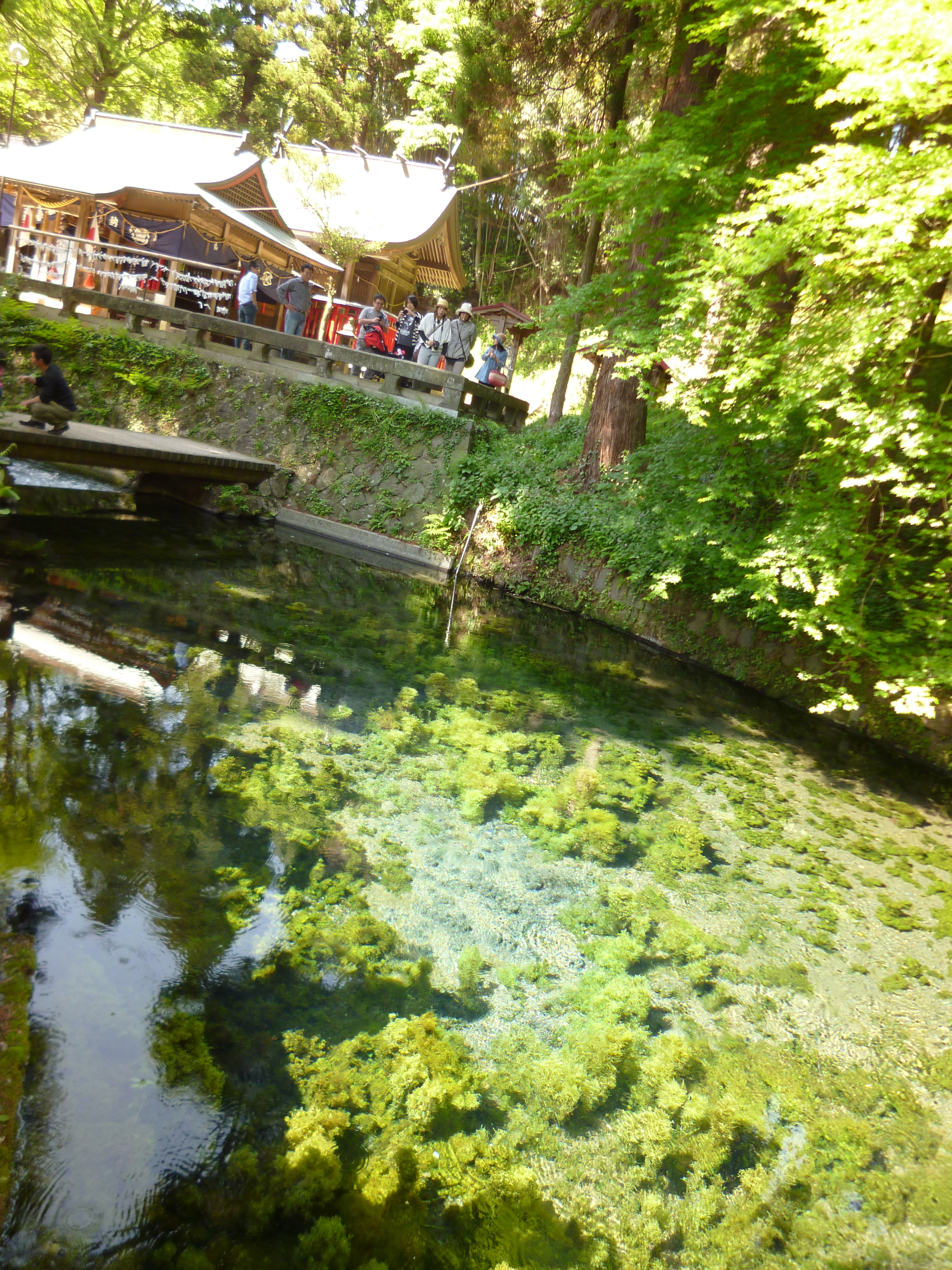
Shirakawa Yoshimi-jinja is far more than a nice little shrine tucked away amid plenty of greenery for it possesses the Shirakawa-Suigen fountainhead (or is it the fountainhead which possesses the shrine?!) which is an amazing pond yielding an abundance of good, clear, quality water. It really is amazing that you can actually drink the water and they even sell empty bottles (which you can properly cap like a bottle bought in a shop) that you can fill with the water using the funnels which are provided.

IMG_4556  P1040742

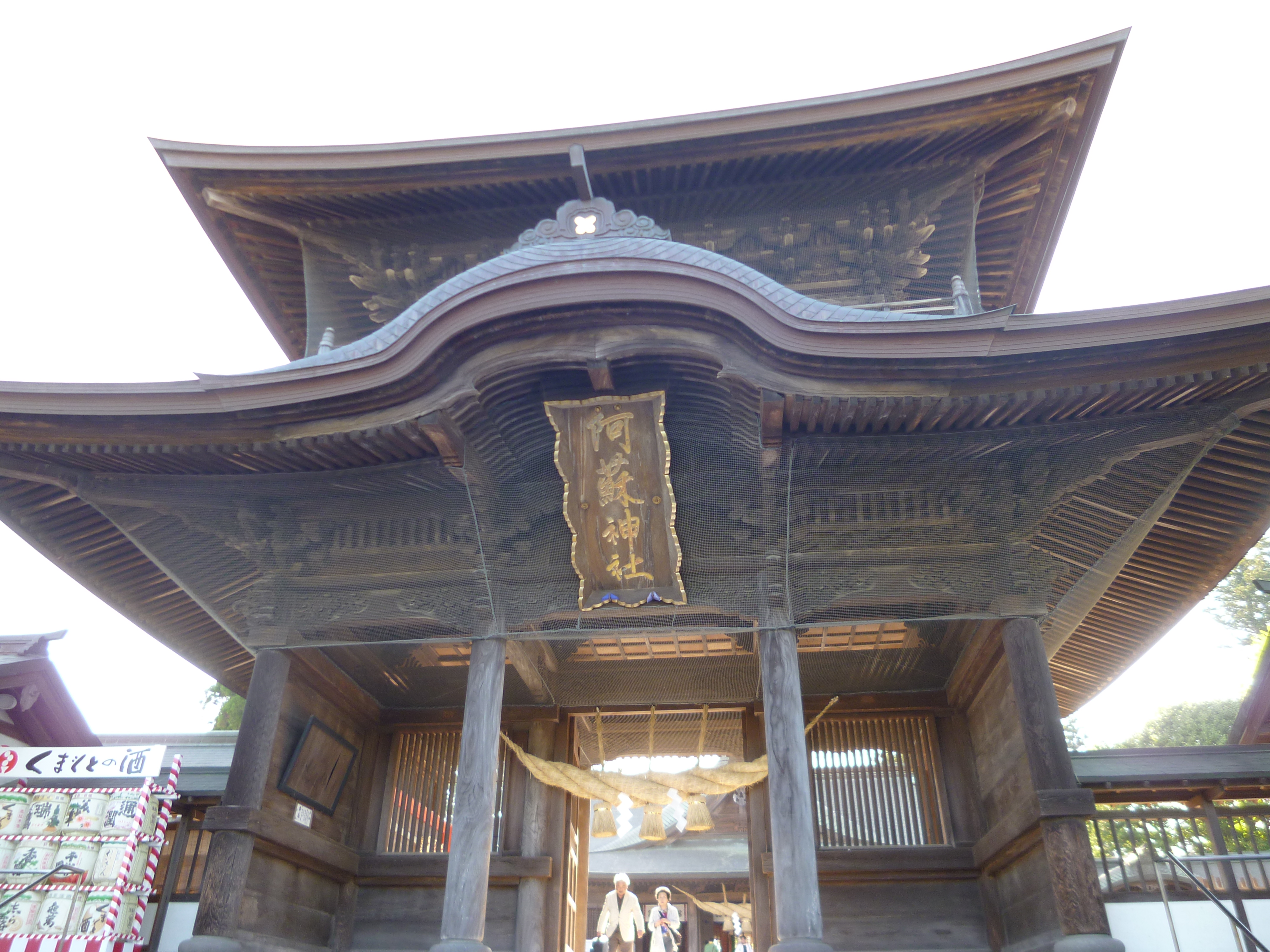
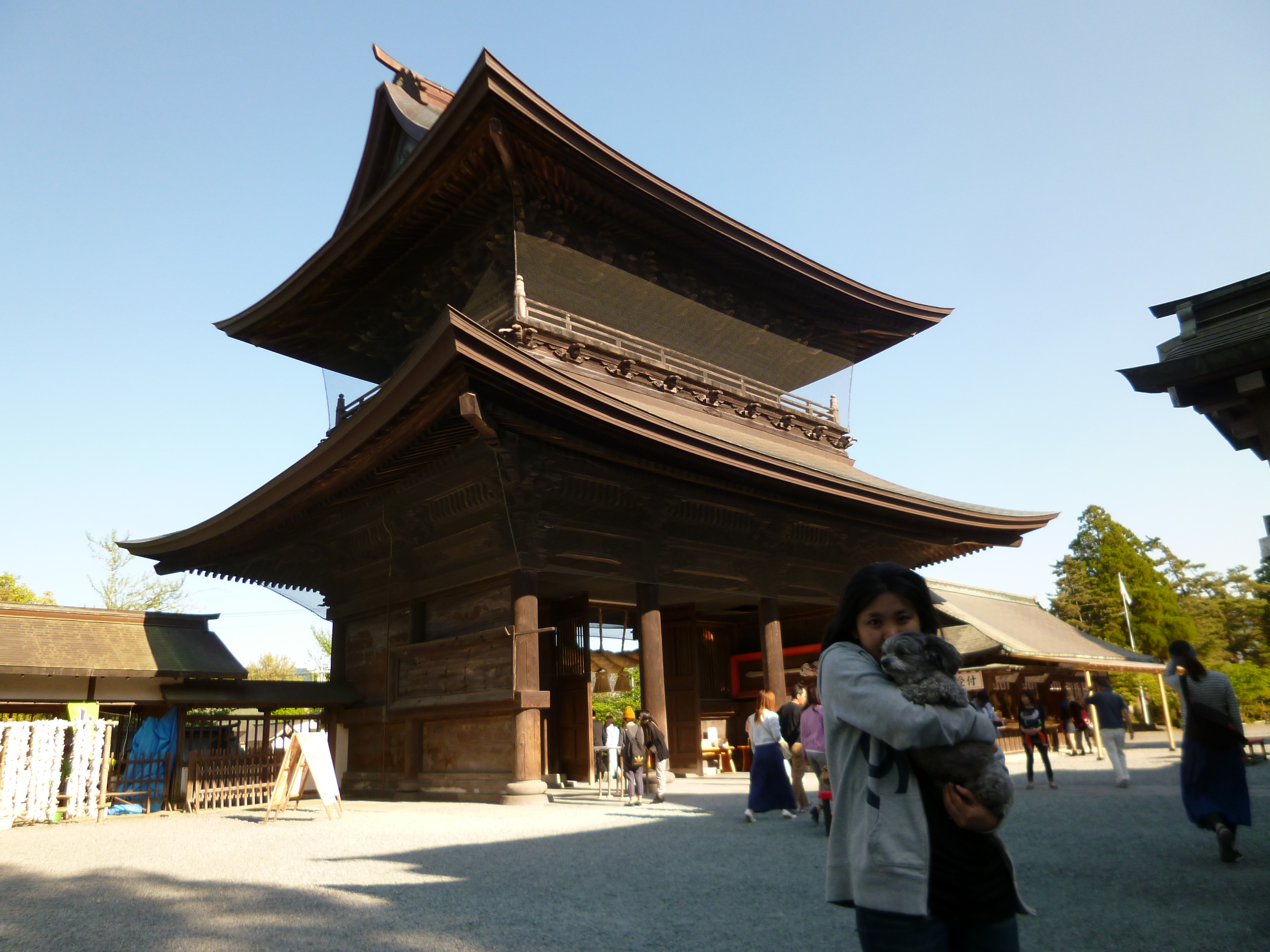
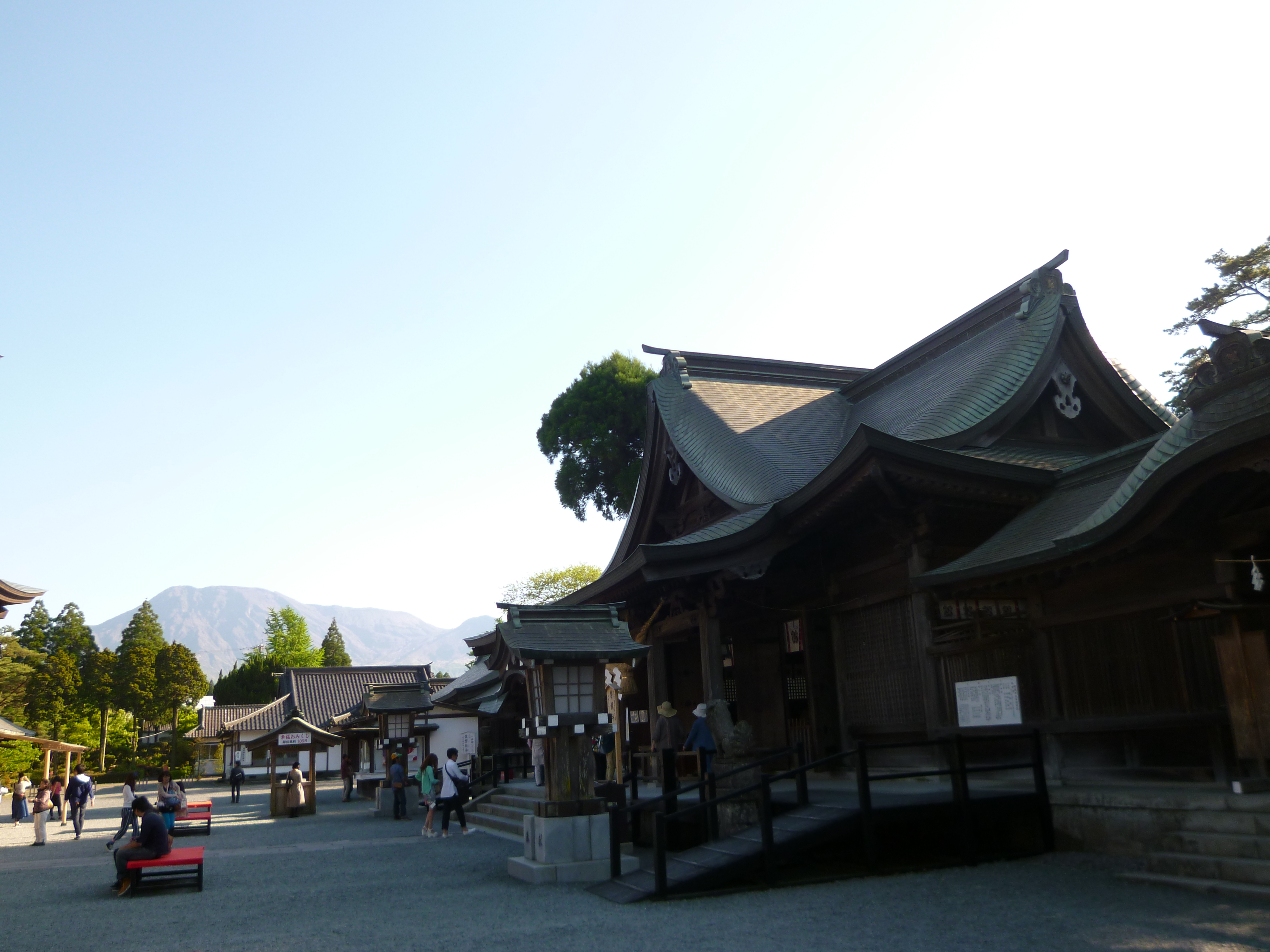
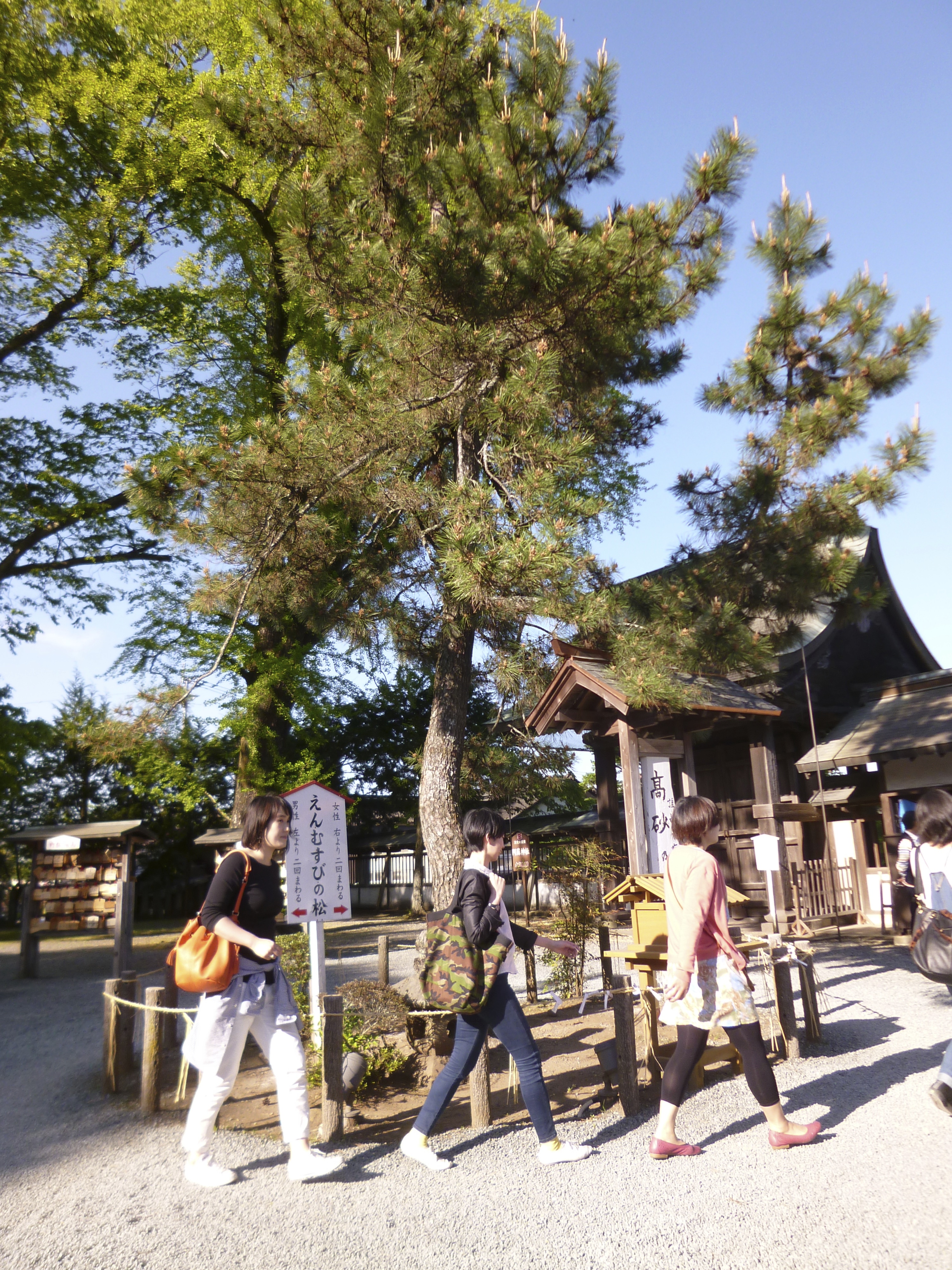
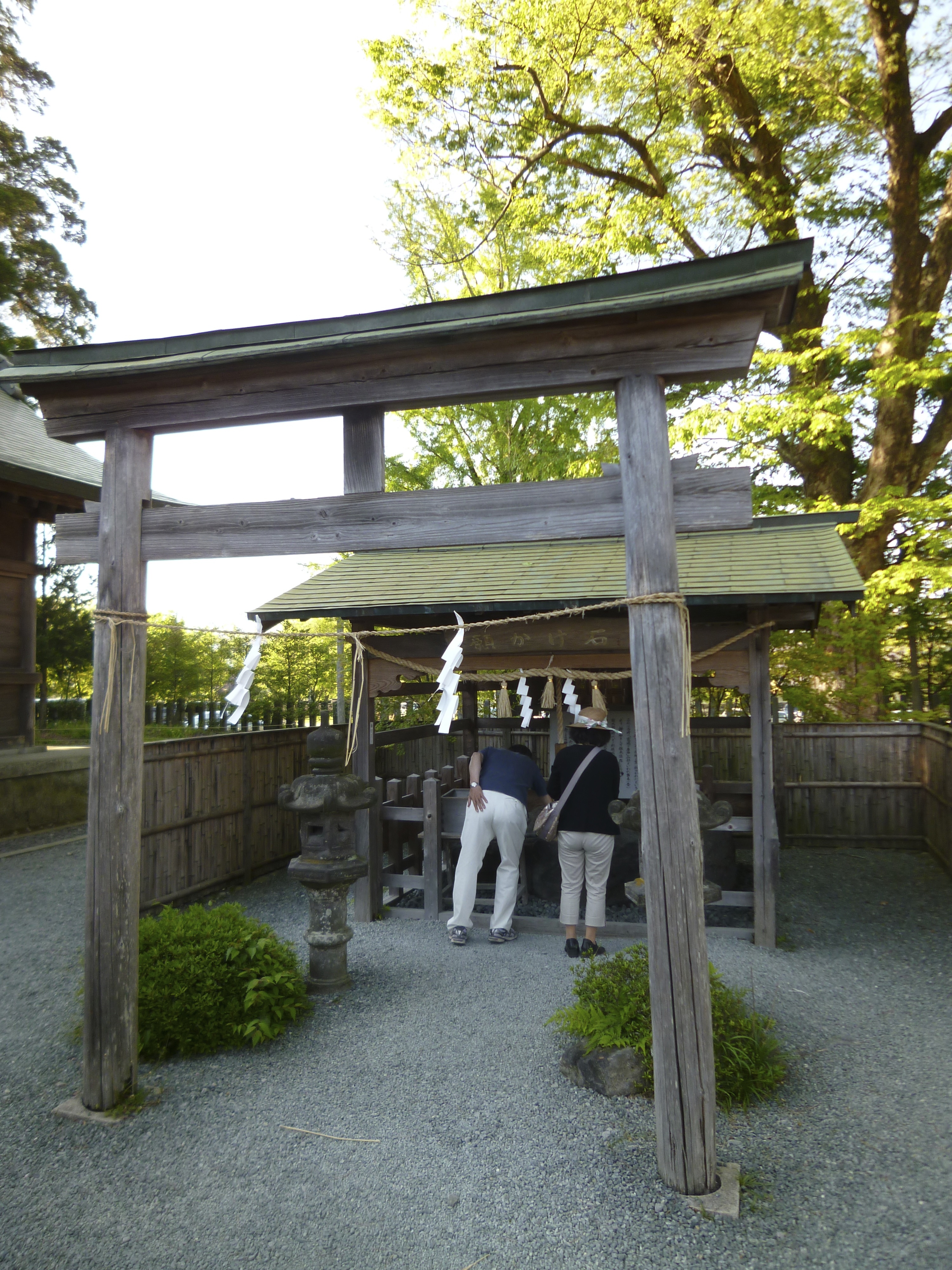
My hot-spring bathing accomplice really wanted to take me and his daughter (a.k.a. my fiancée) to Tatta Aso Sannomiya jinja (more commonly known simply as Aso Shrine) which is the most noted Shinto shrine in Kumamoto prefecture.

P1040759  P1040747  P1040750  P1040753

It’s been a place of worship going back to the 600’s and many visitors come to appeal to the local deity for a number of things. Our main reason for visiting was that it has a pine tree that is believed to bestow good fortune in marriage. For this to truly work we had to walk around the tree twice as you can see some girls doing in the picture below.

P1040752  P1040756

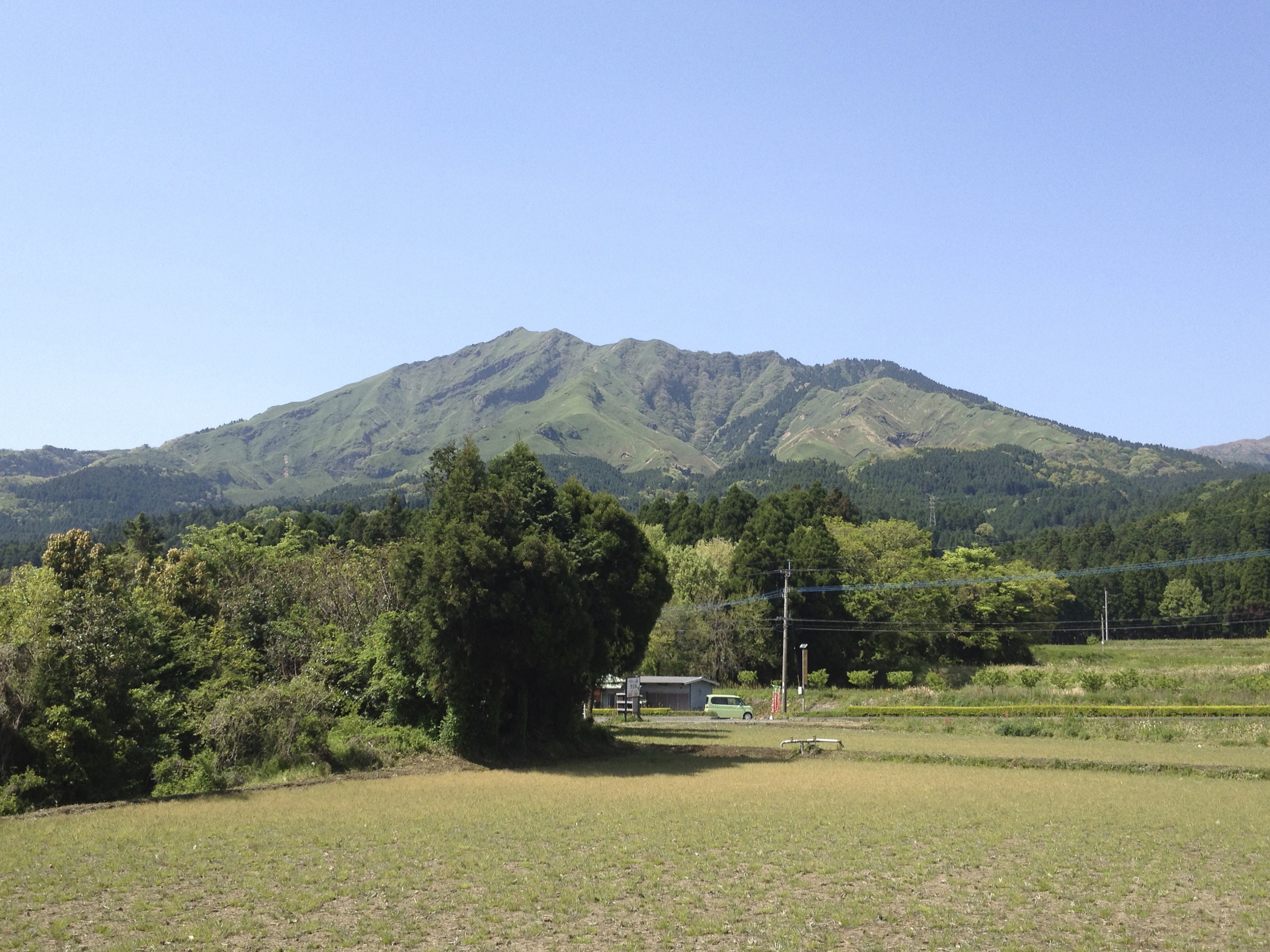
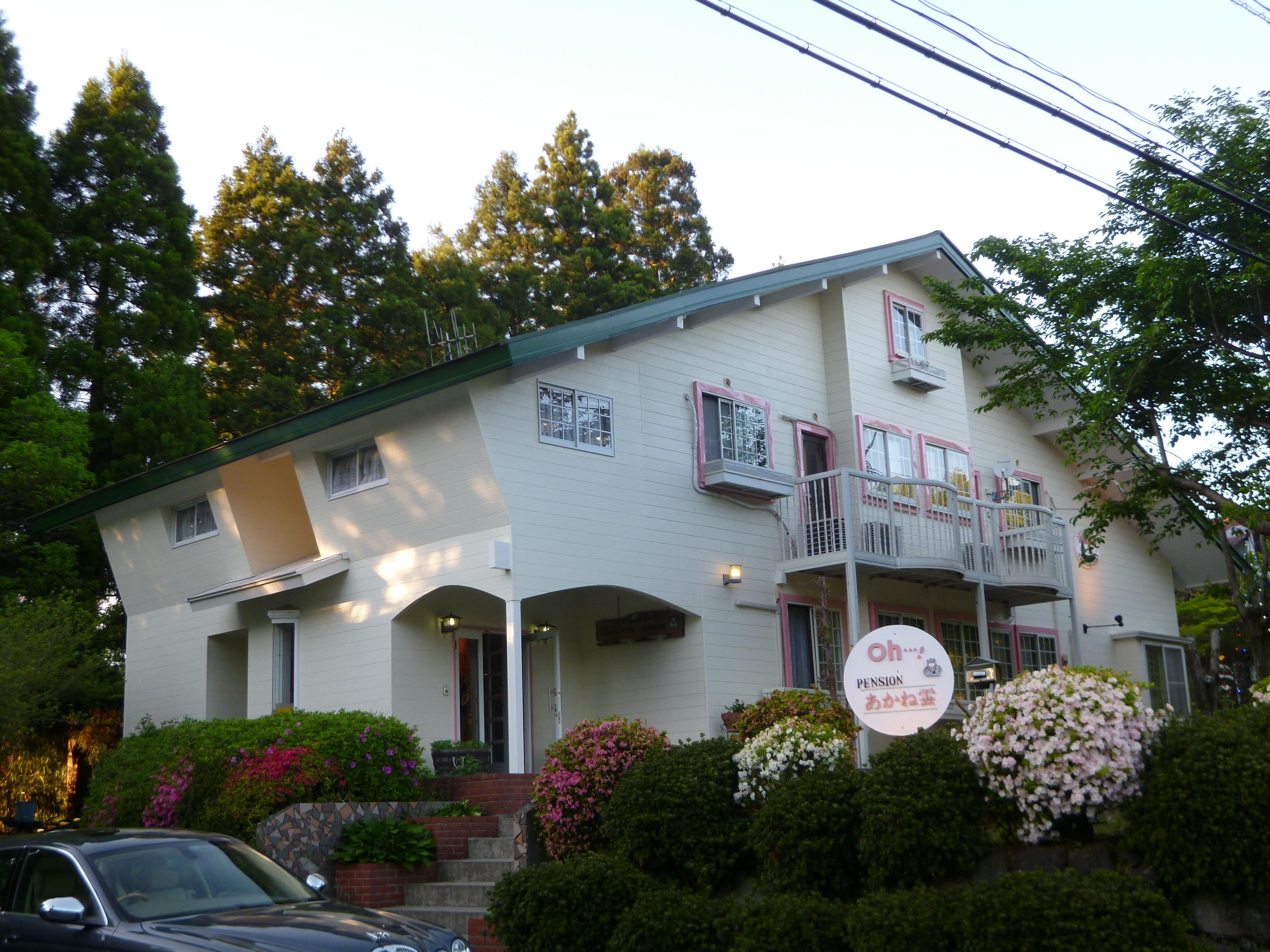
After that we headed off to our lodgings for the night amid some spectacular scenery. I was keen to stop for photographs but knew that I would have to hold tight and wait for the following day when we’d get to see Mount Aso up close.

P1040762  P1040763

Posted in Japan Life | Tagged , , , , , , , | 1 Comment

Kyushu Trip 2014 Pt V: Lavish Seafood & Sights In The City of The 17th Century Christian Rebellion

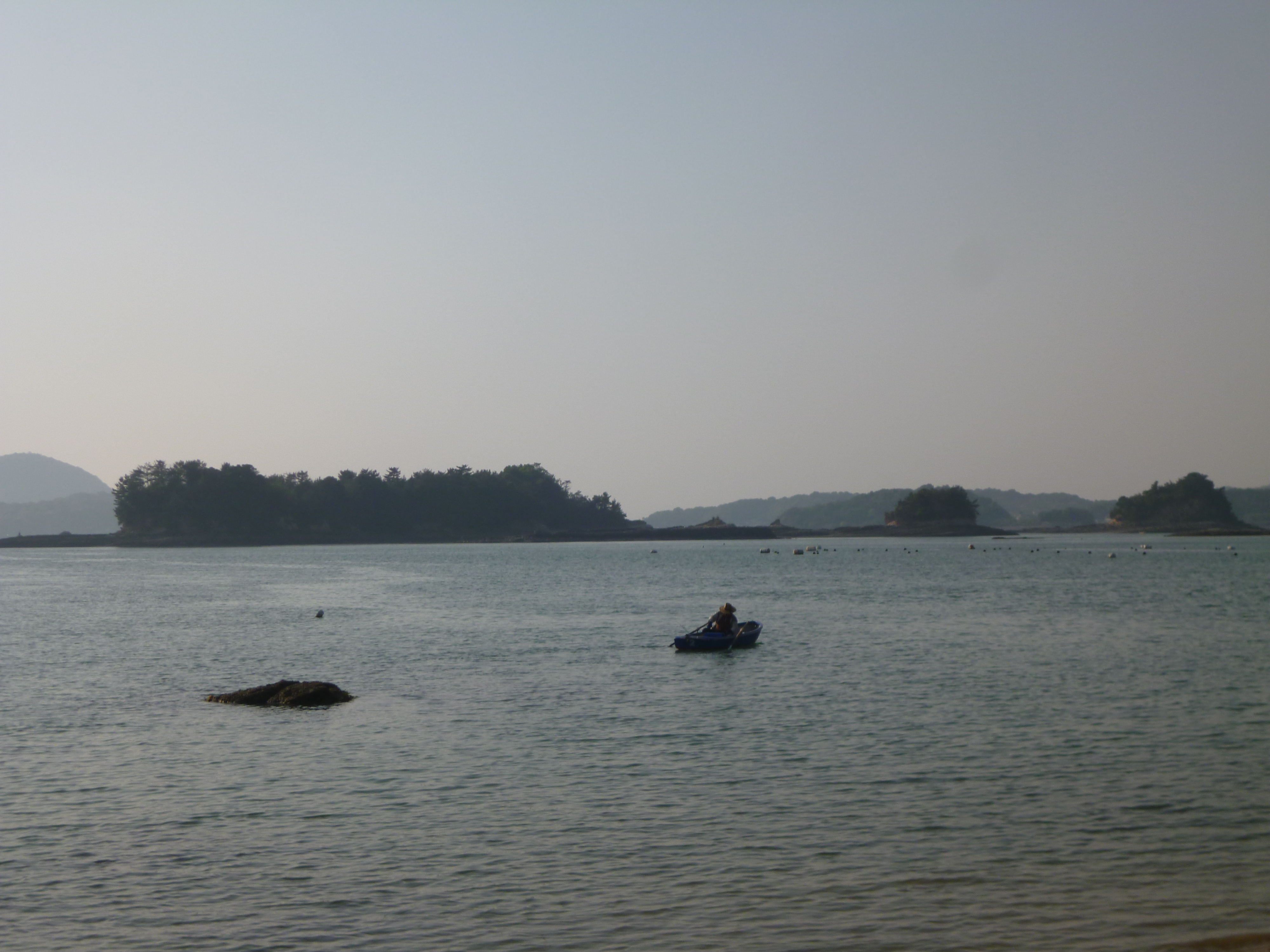
On leaving Kumamoto City behind we headed south to on to Amakusa to stay at a ryokan (traditional Japanese inn) for the night. This place is a series of islands off the west coast of Kyushu and the drive there was particularly nice as we drove over a number of bridges which connect the islands. Sadly, there’s no photos to prove that as the beauty was only seen from the car window!

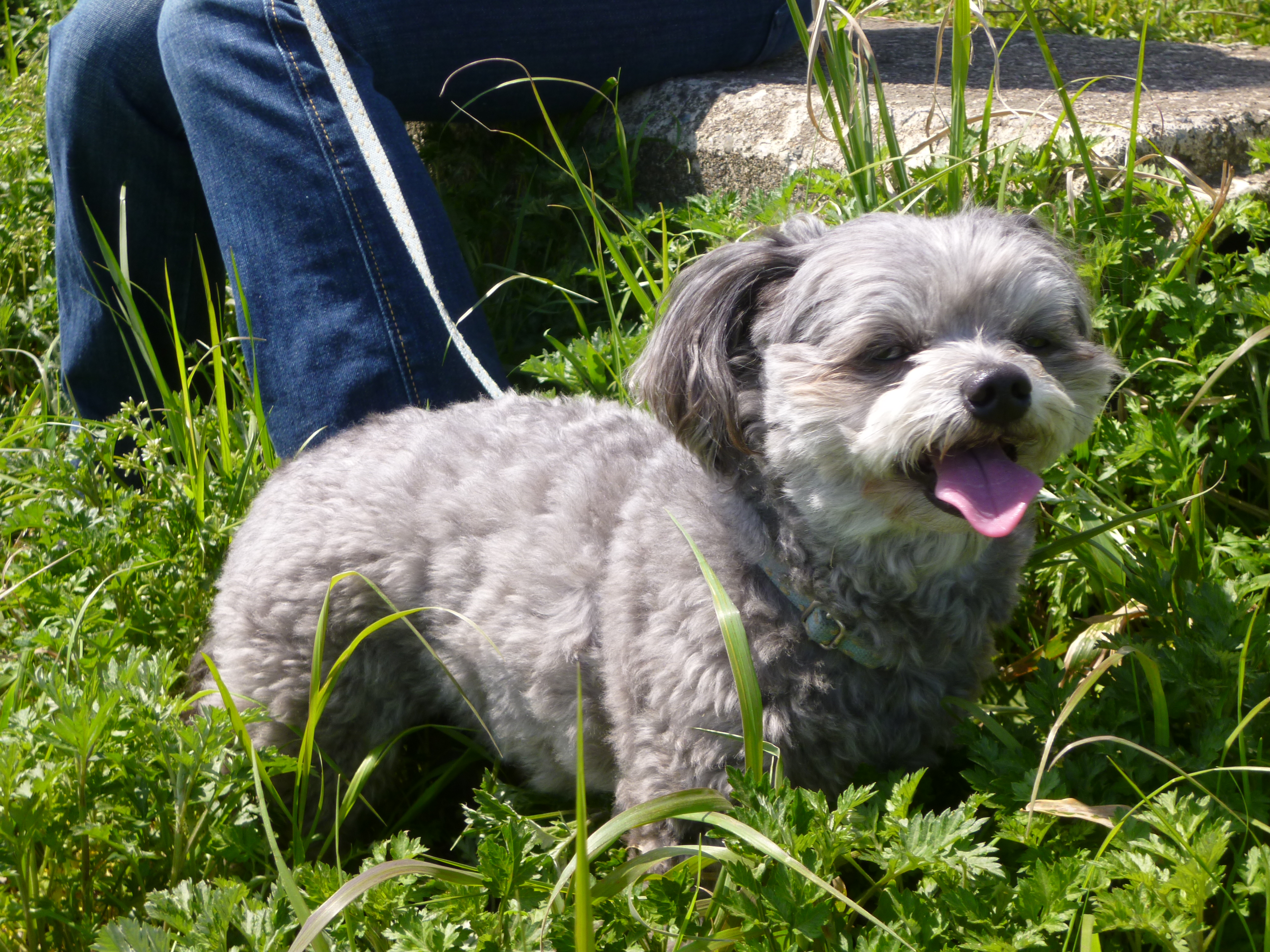
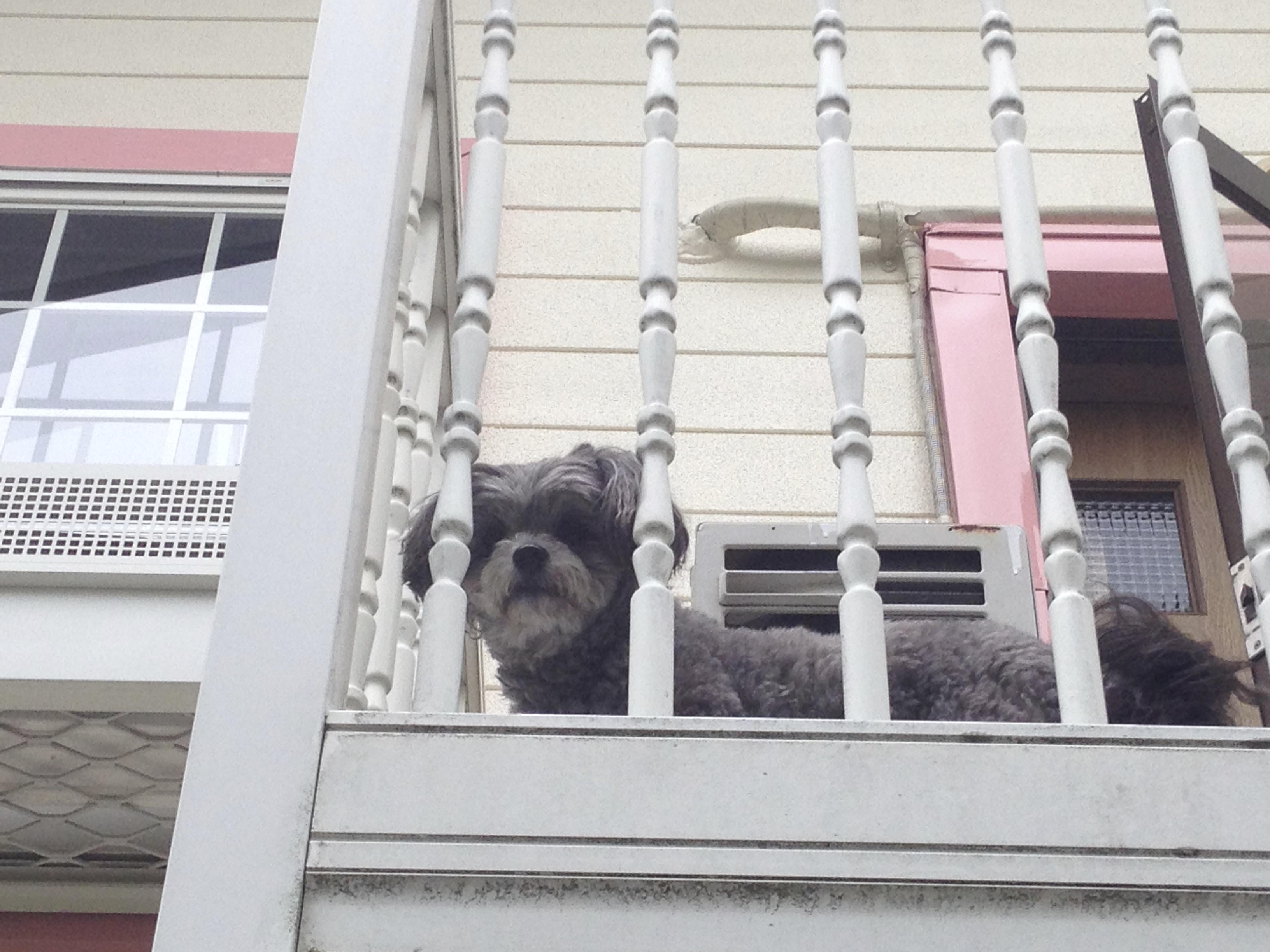
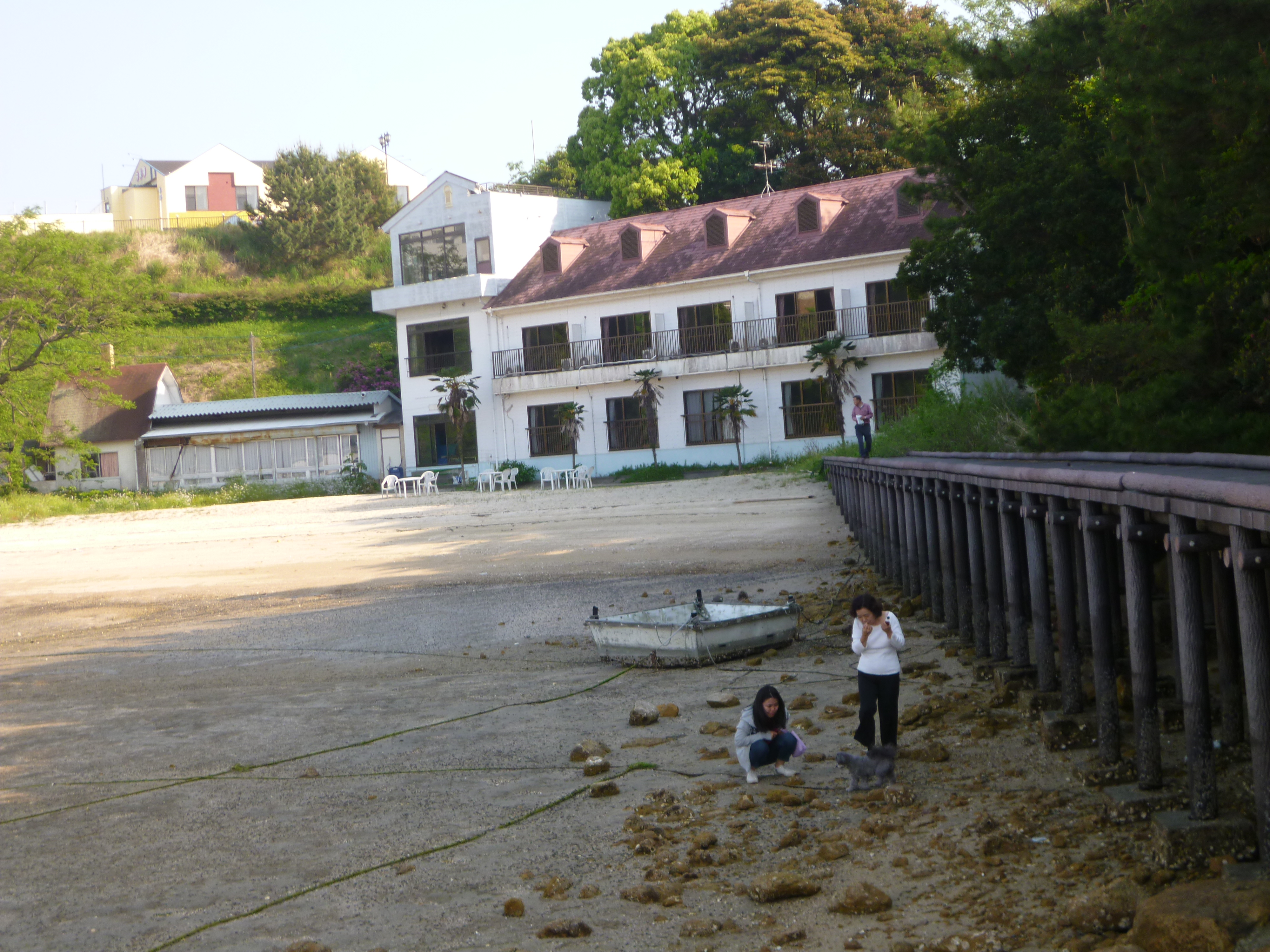
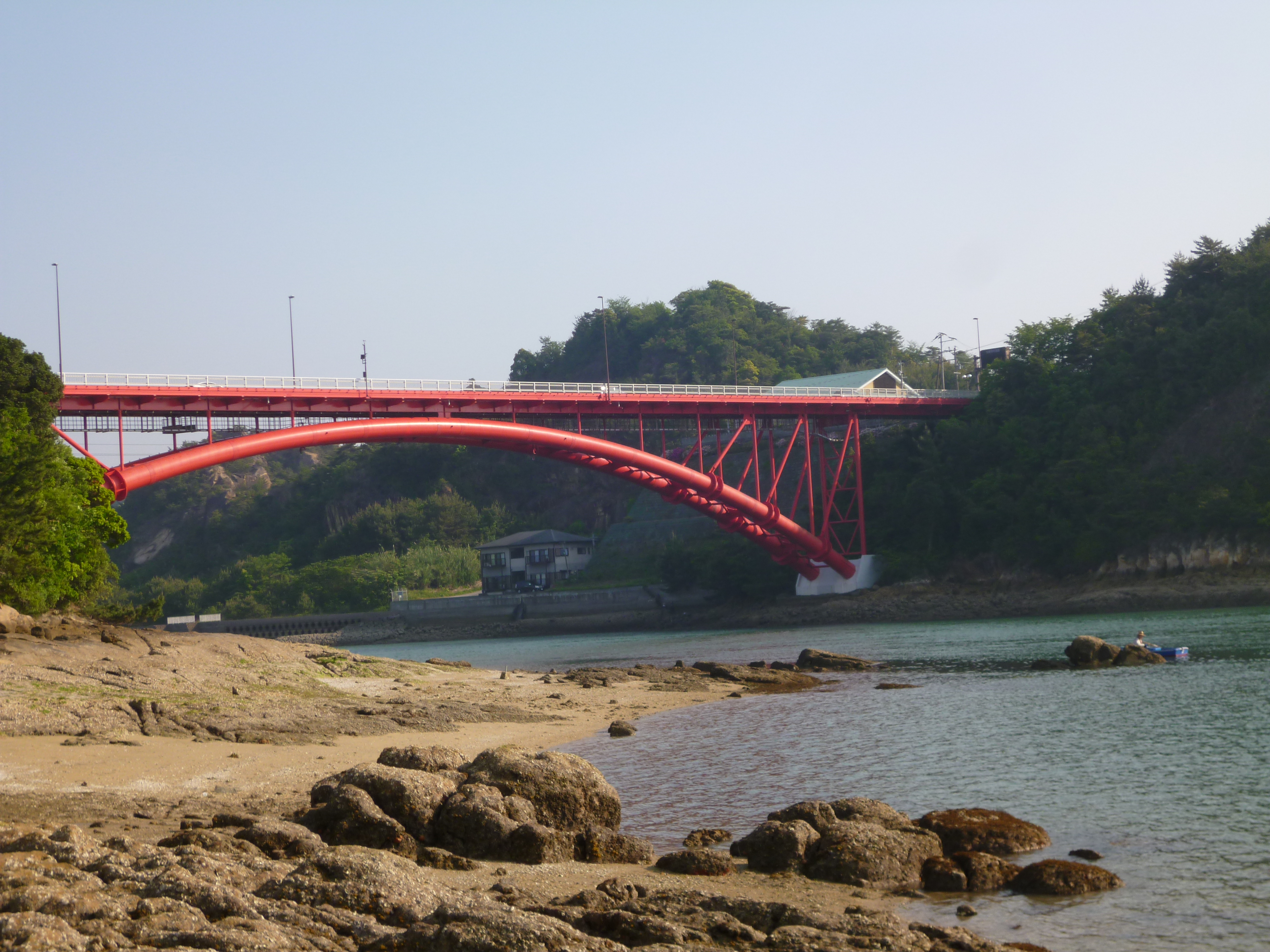
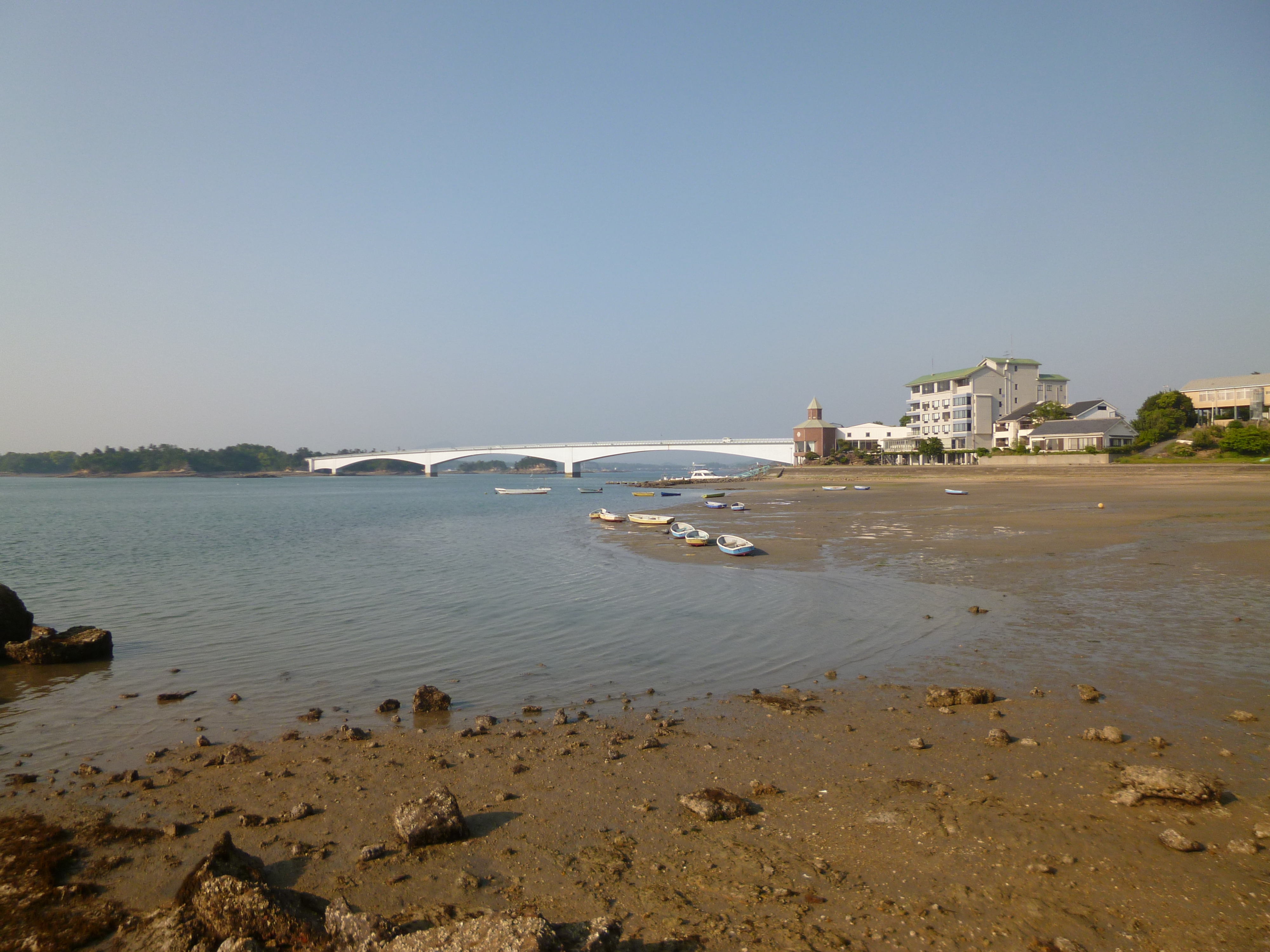
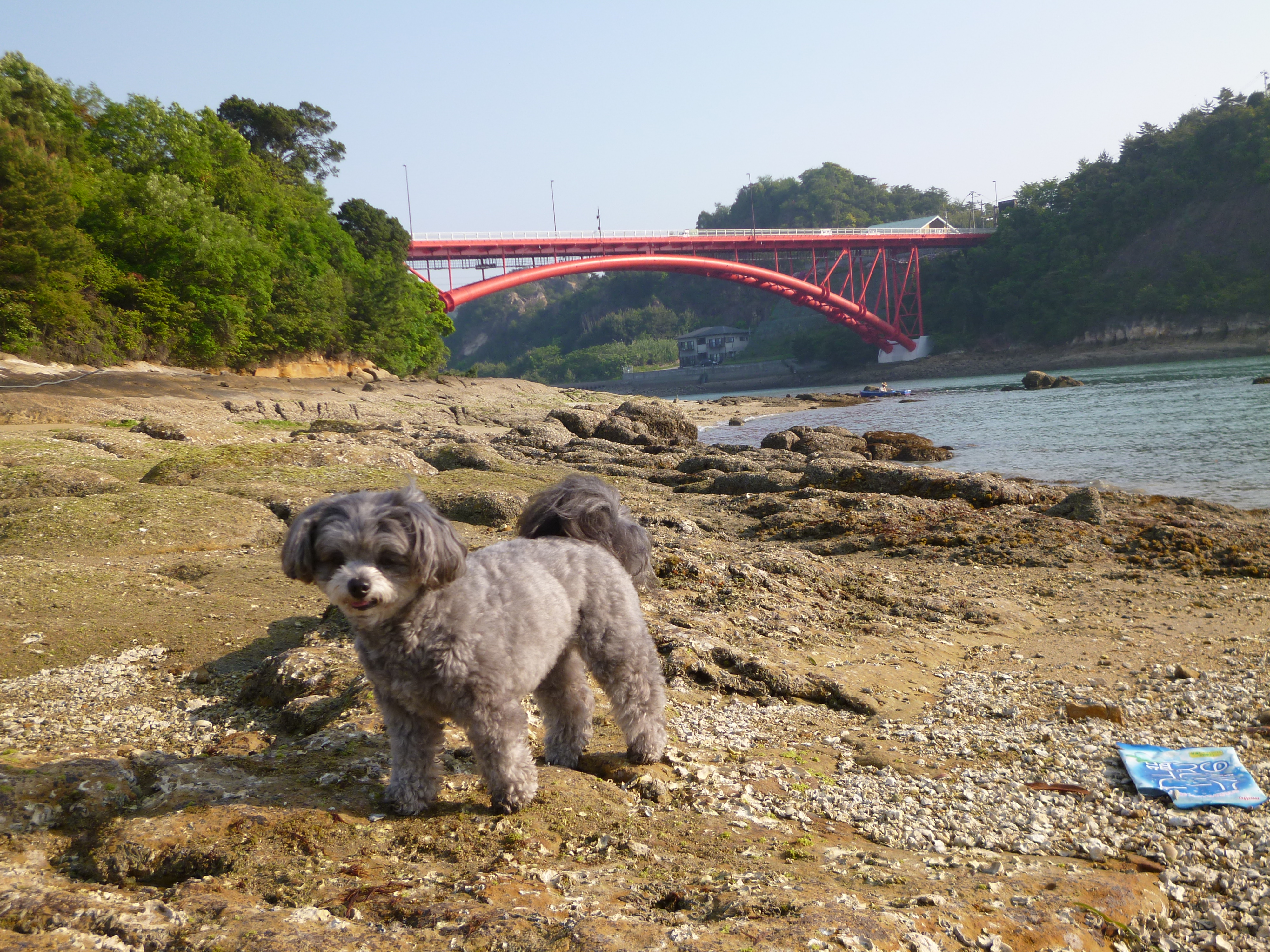
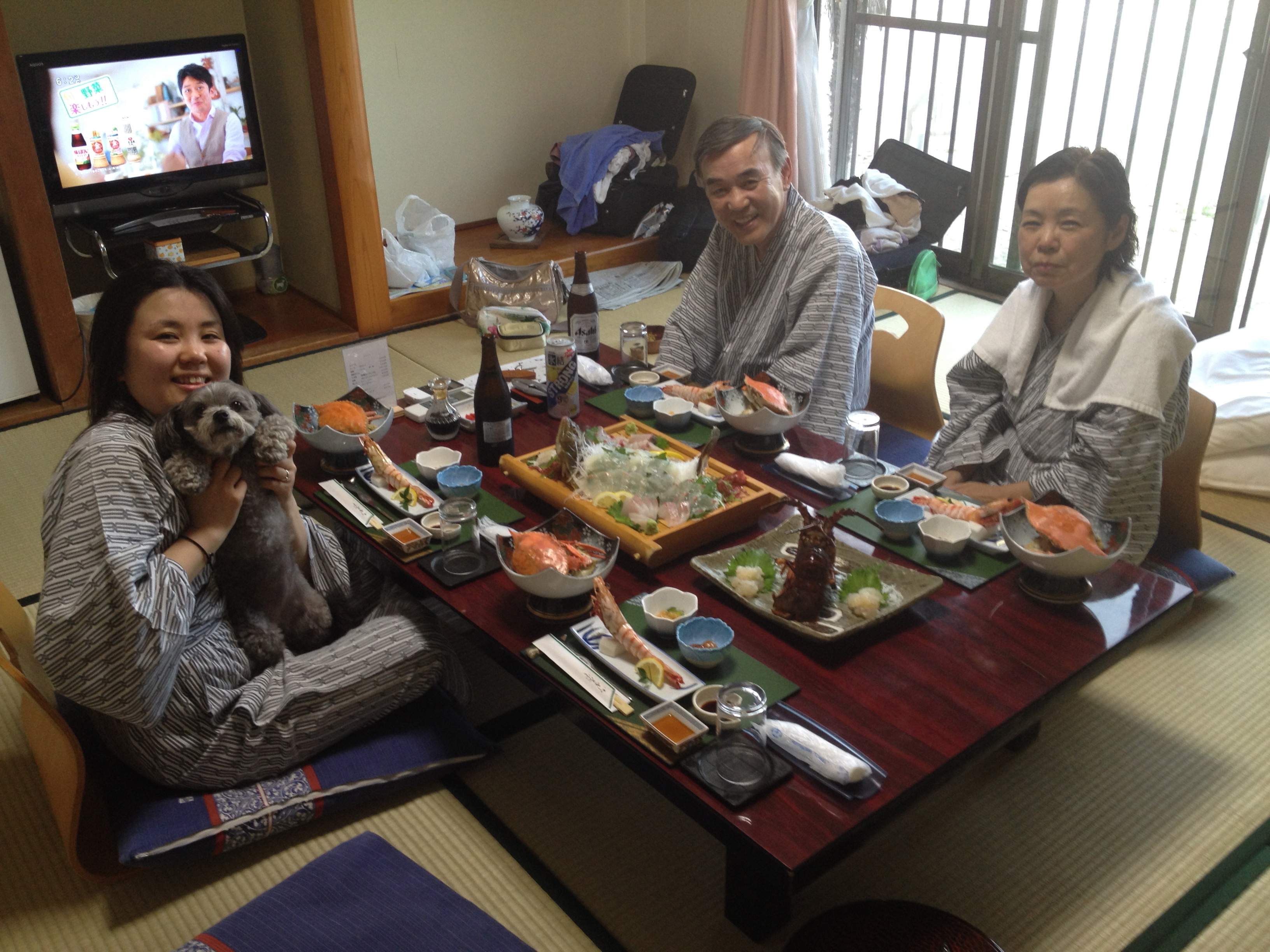
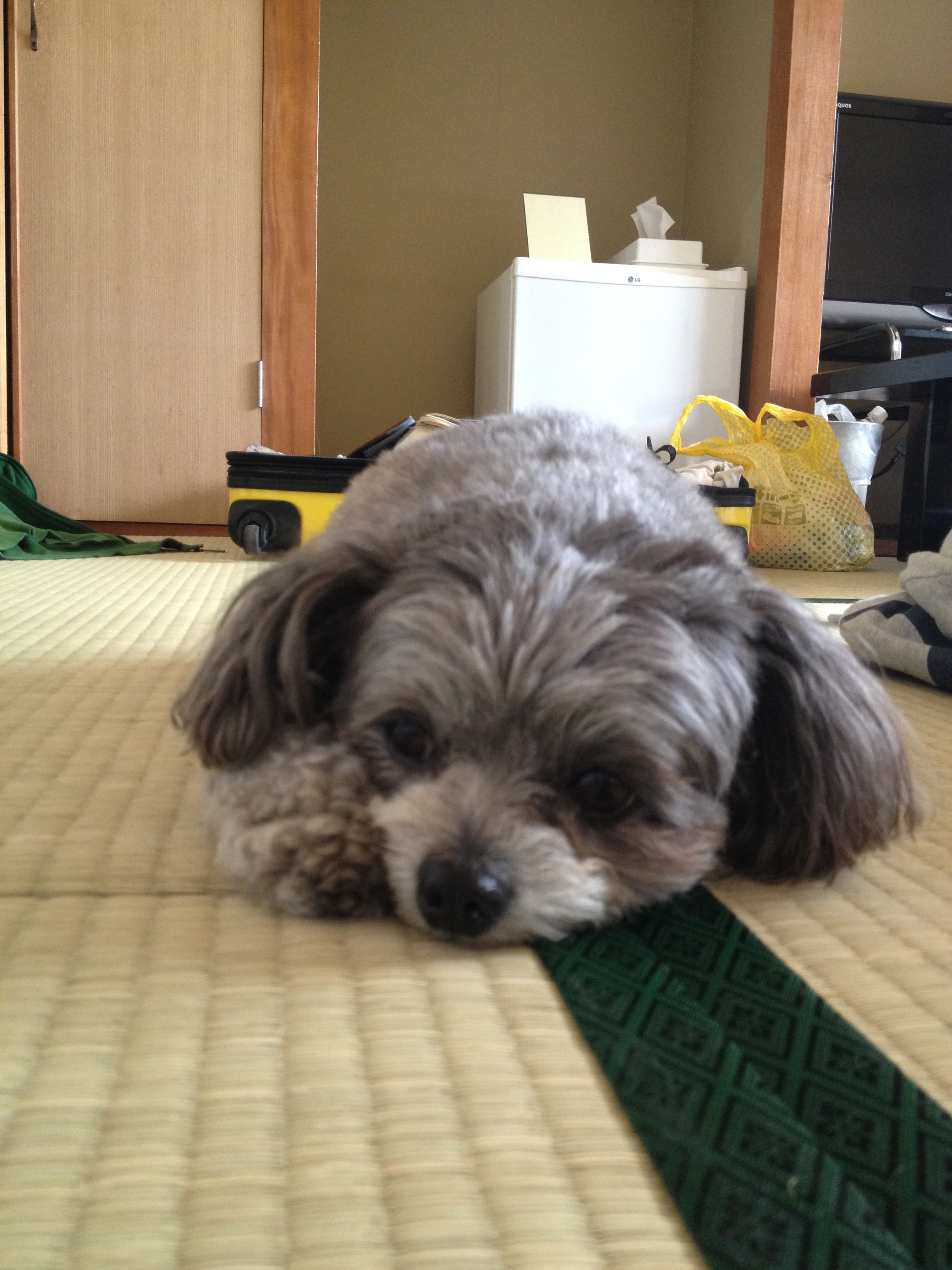
My girlfriends parents had booked us (including Momiji the dog) all in to a place which is mean feat in itself as dogs are rarely ever allowed to stay in these places. This particular ryokan had it’s own private beach (of sorts) which allowed for a late afternoon amble over  the rocks that lay between the red bridge and our lodgings for the night.

P1040730  P1040731  P1040732  P1040733  P1040735  P1040737

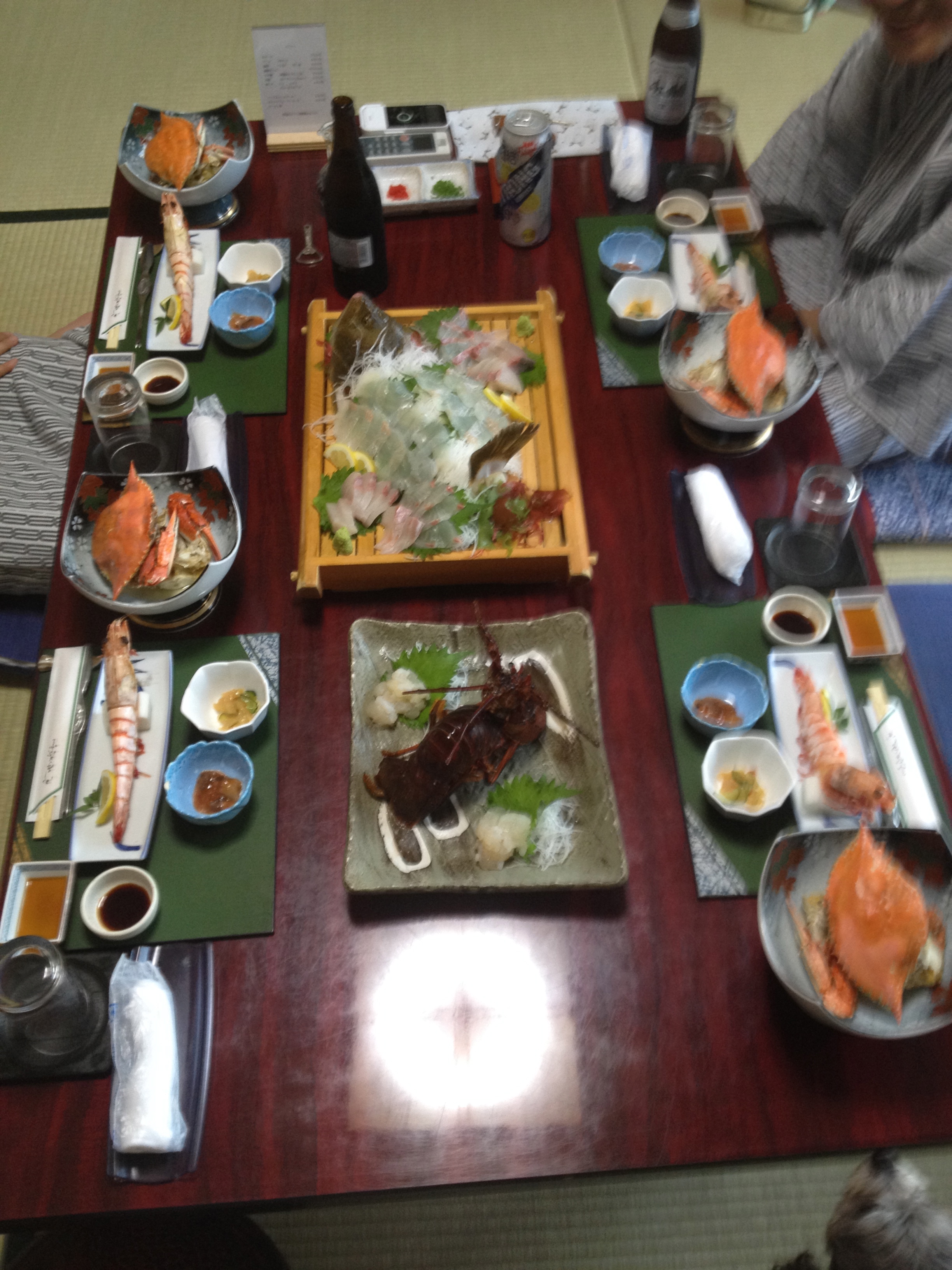
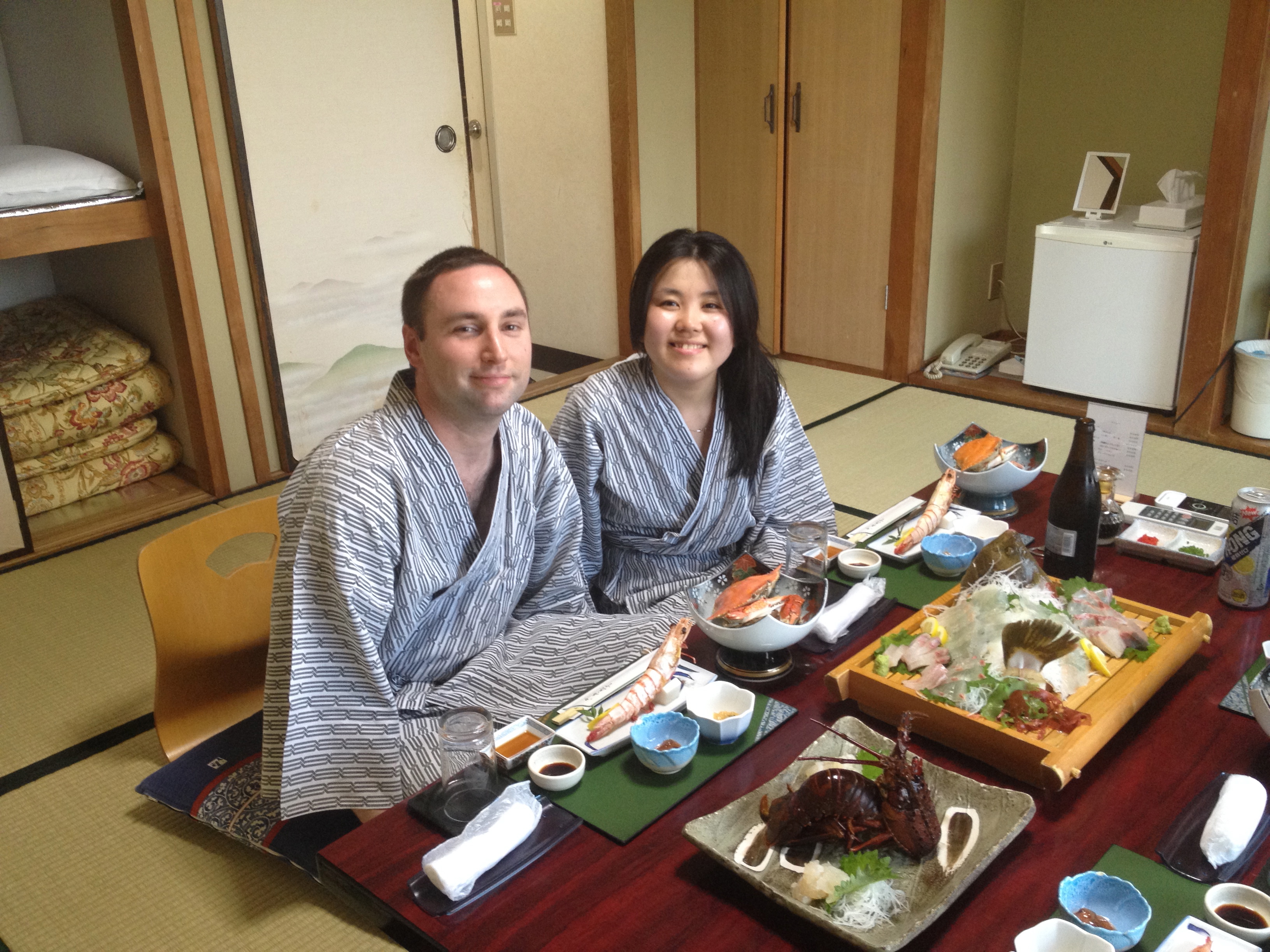
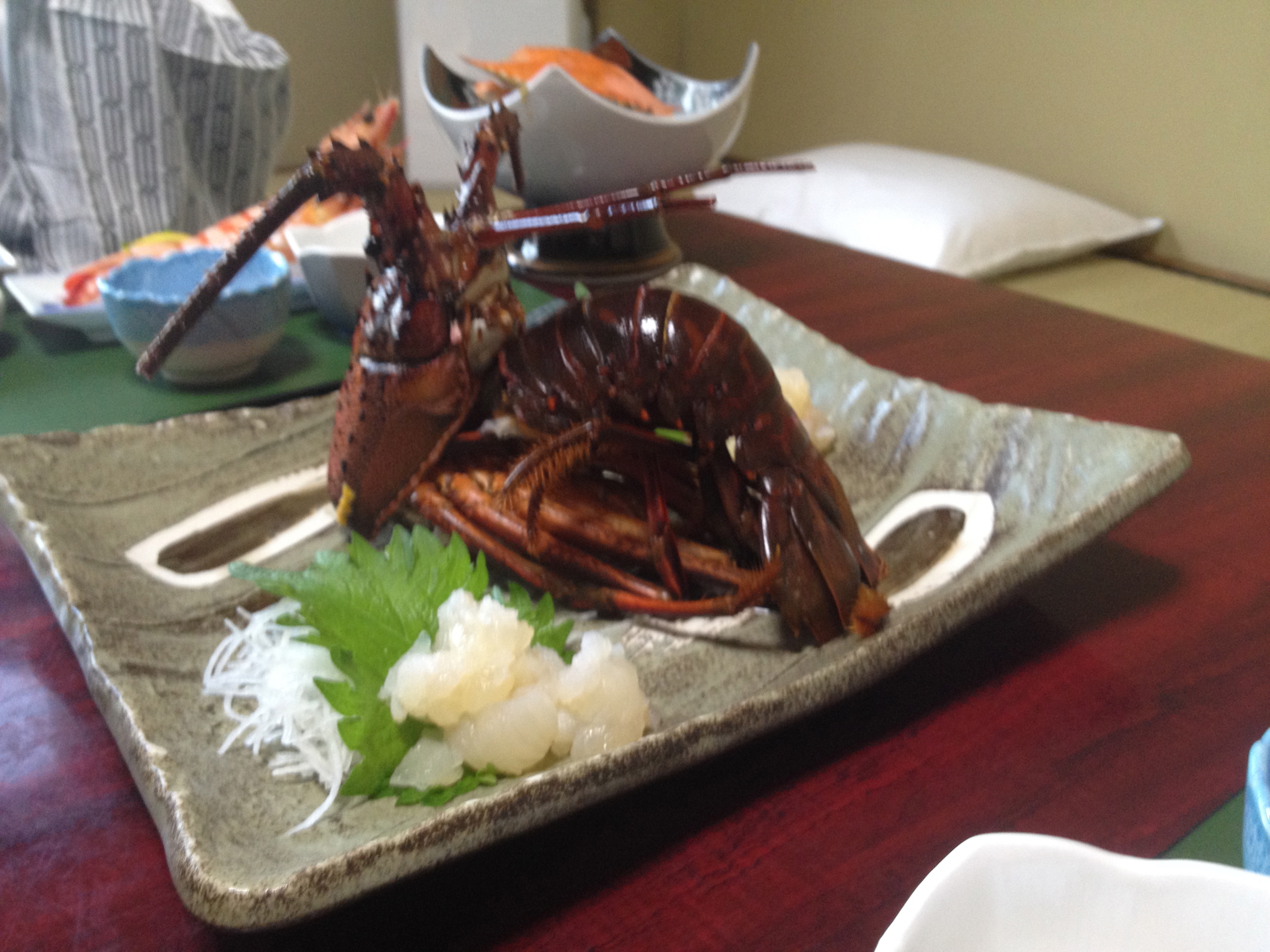
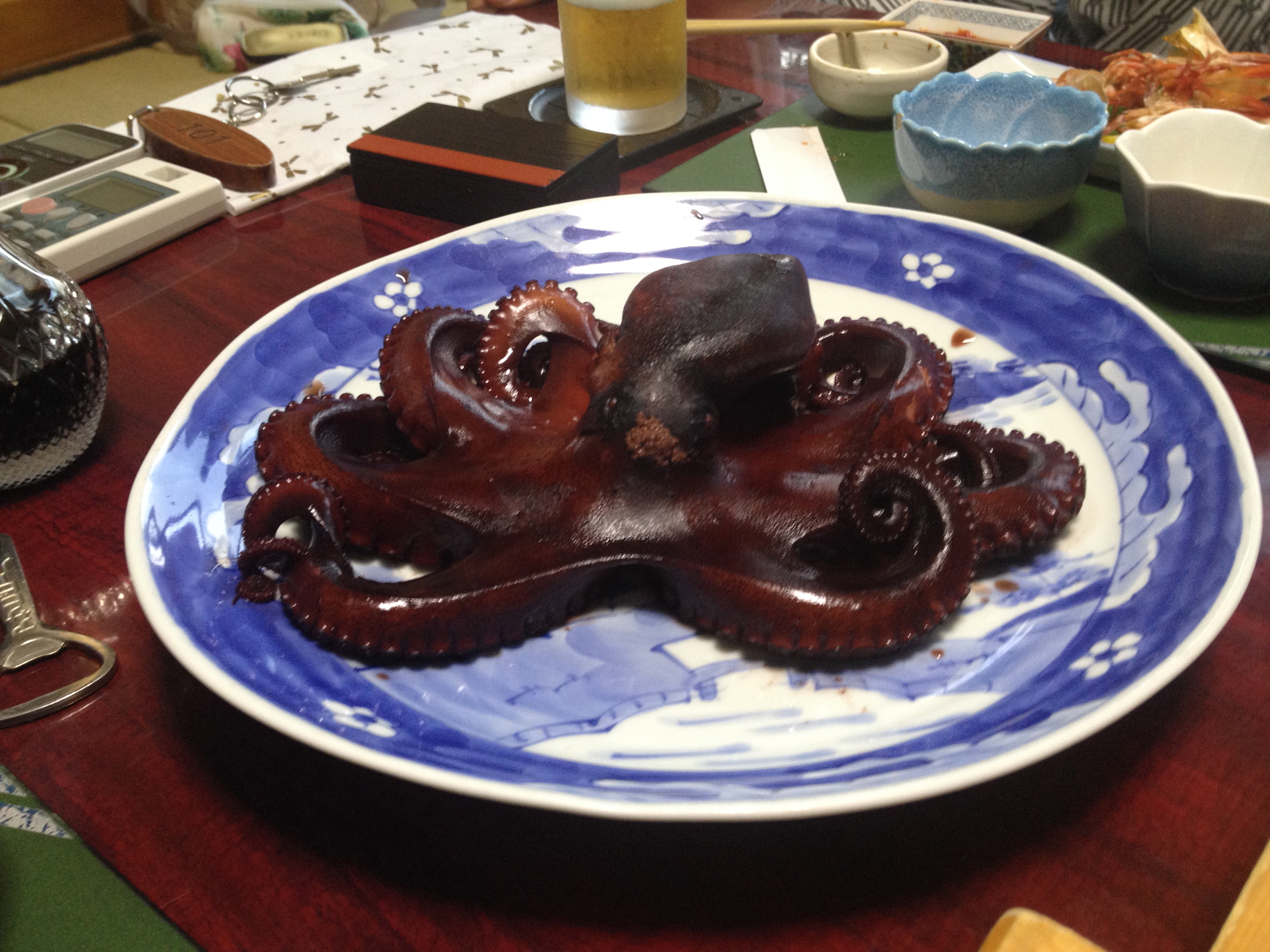
The highlight of our stay was the lavish seafood evening meal featuring a full octopus, giant-sized shrimp, ise-ebi (big lobster), extravagantly decorated hirame (halibut) and some other types of sashimi. I’m pretty sure I’ve never eaten such delicacies and I’m very grateful to my future in-laws for treating us to this.

IMG_4534  IMG_4539  IMG_4535  IMG_4543

It’s customary in Japanese ryokan to have an onsen or two (or just a communal bath if there’s no natural hot spring water in the area) and that means changing into the yukata afterwards which we’re all wearing in the photos.

IMG_4538  IMG_4540  IMG_4541  IMG_4548

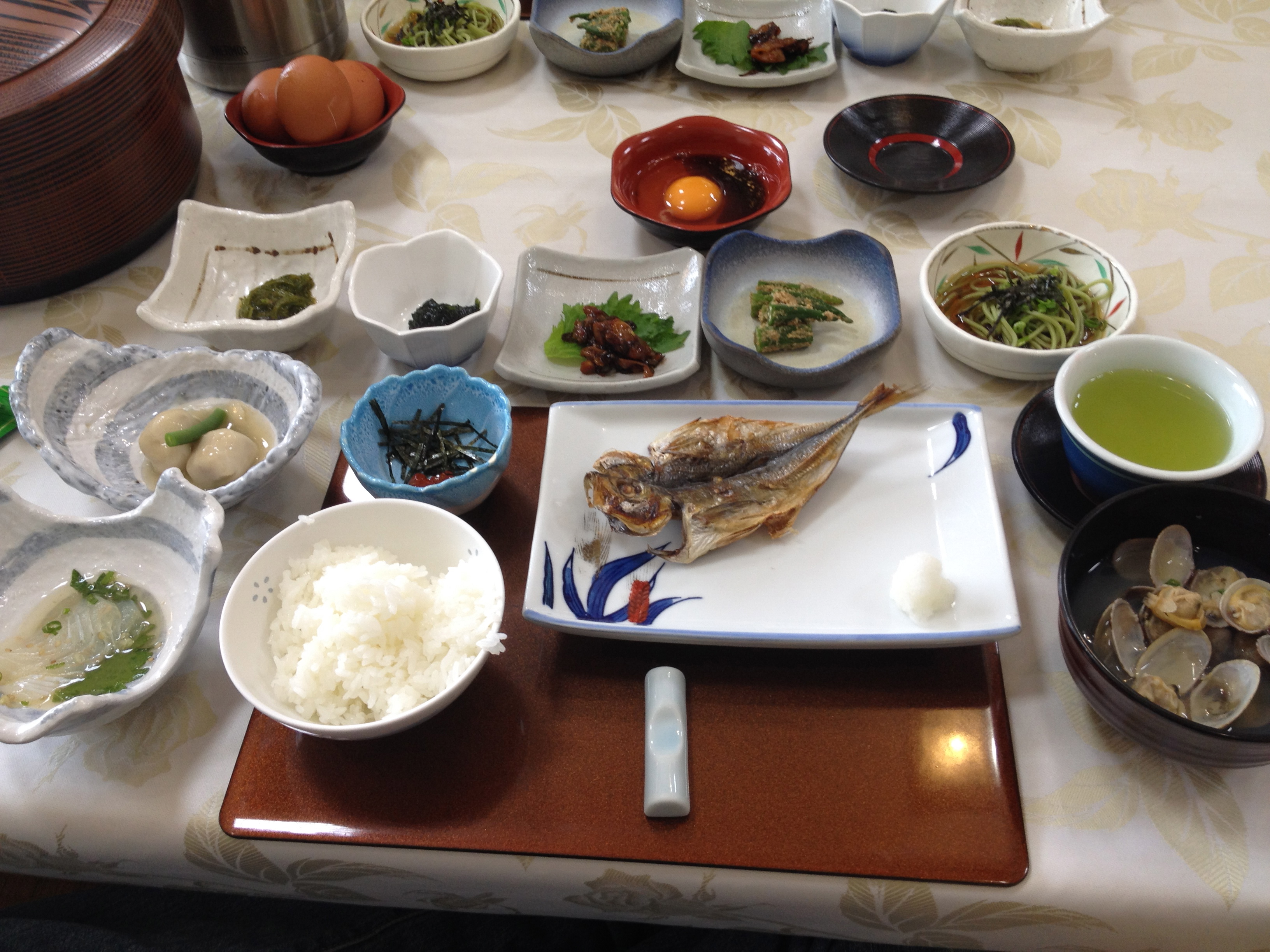
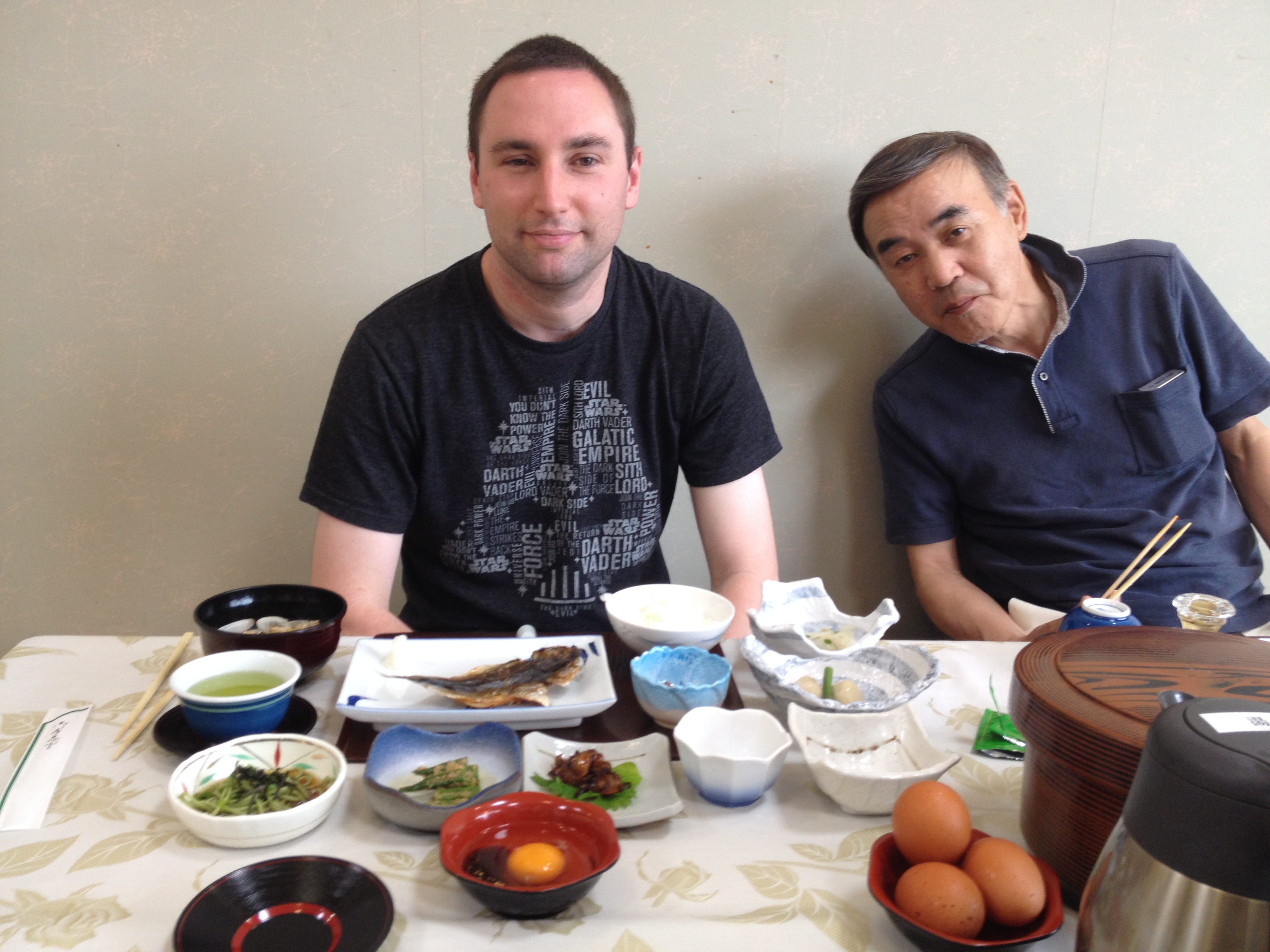
Breakfast the following morning was a very traditional Japanese one and though dishwashers are fairly common place these days (not in our house though for it is me who is the dish-washer!) I pity those who used to have to wash-up the dozens of dishes that each and every person used! I had a quick onsen (hot spring) after that and then we departed as there was one stop to make before heading north to the Aso-san area.

IMG_4545  IMG_4546

Amakusa Shiro Memorial Hall was an expensive (600 yen entry) place to enter but actually quite interesting as the city is the site of the Christian rebellion in the 17th century whereby the surviving Christians continued to practice their faith in secret despite persecution.
IMG_4544  P1040741

Posted in Japan Travel | Tagged , , , , , , | 2 Comments

Kyushu Trip 2014 Pt IV: Kumamoto Castle

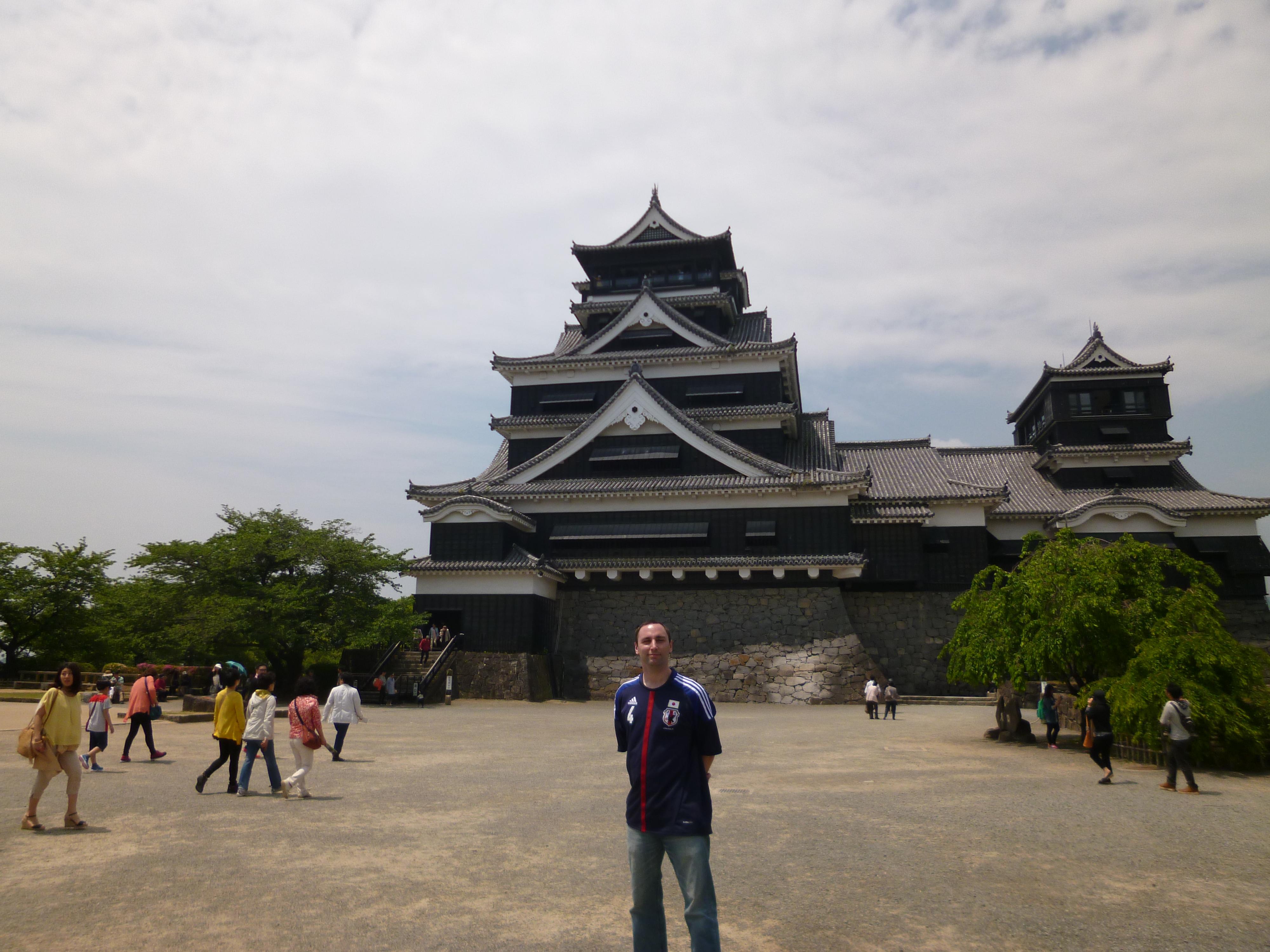
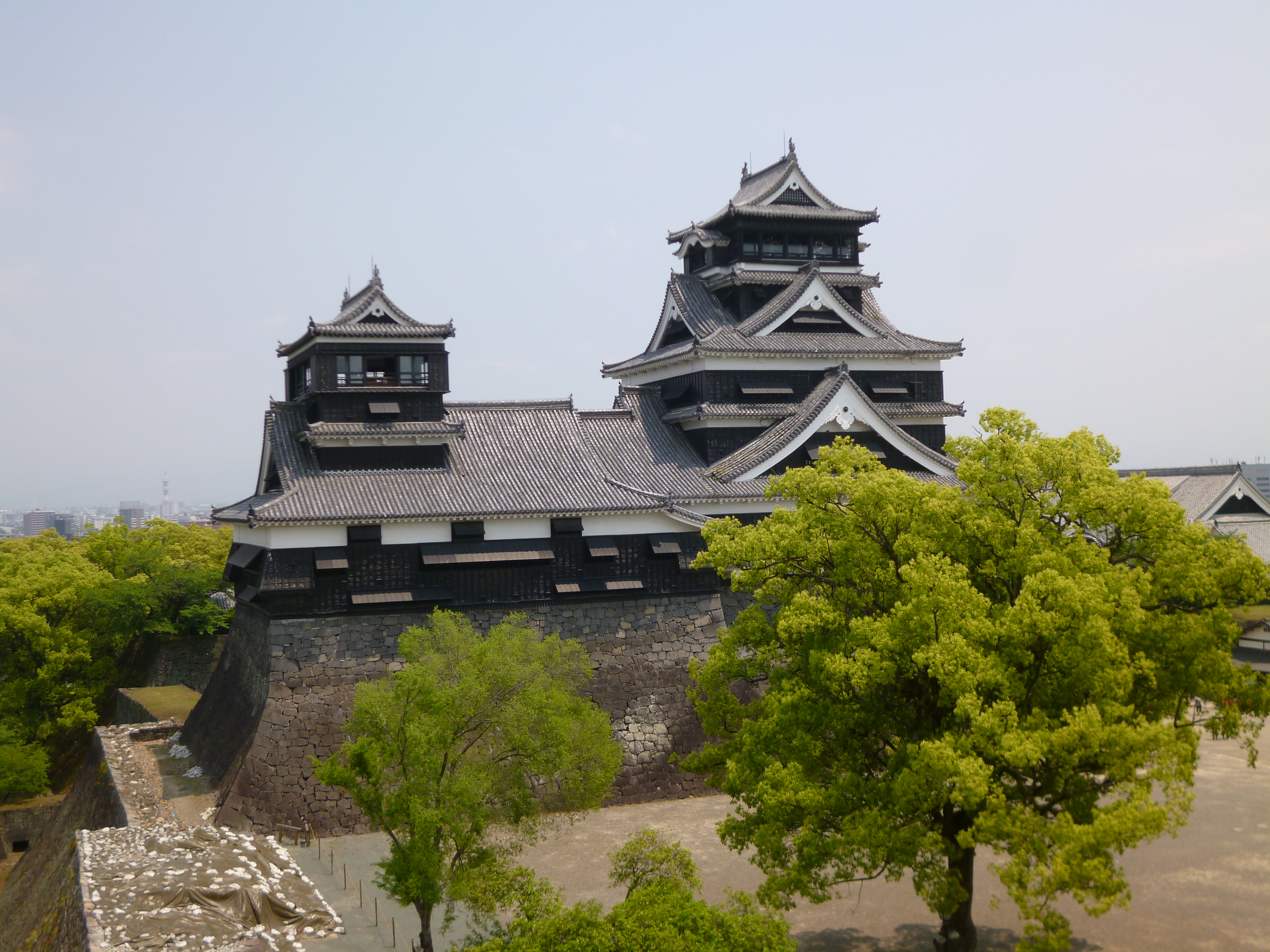
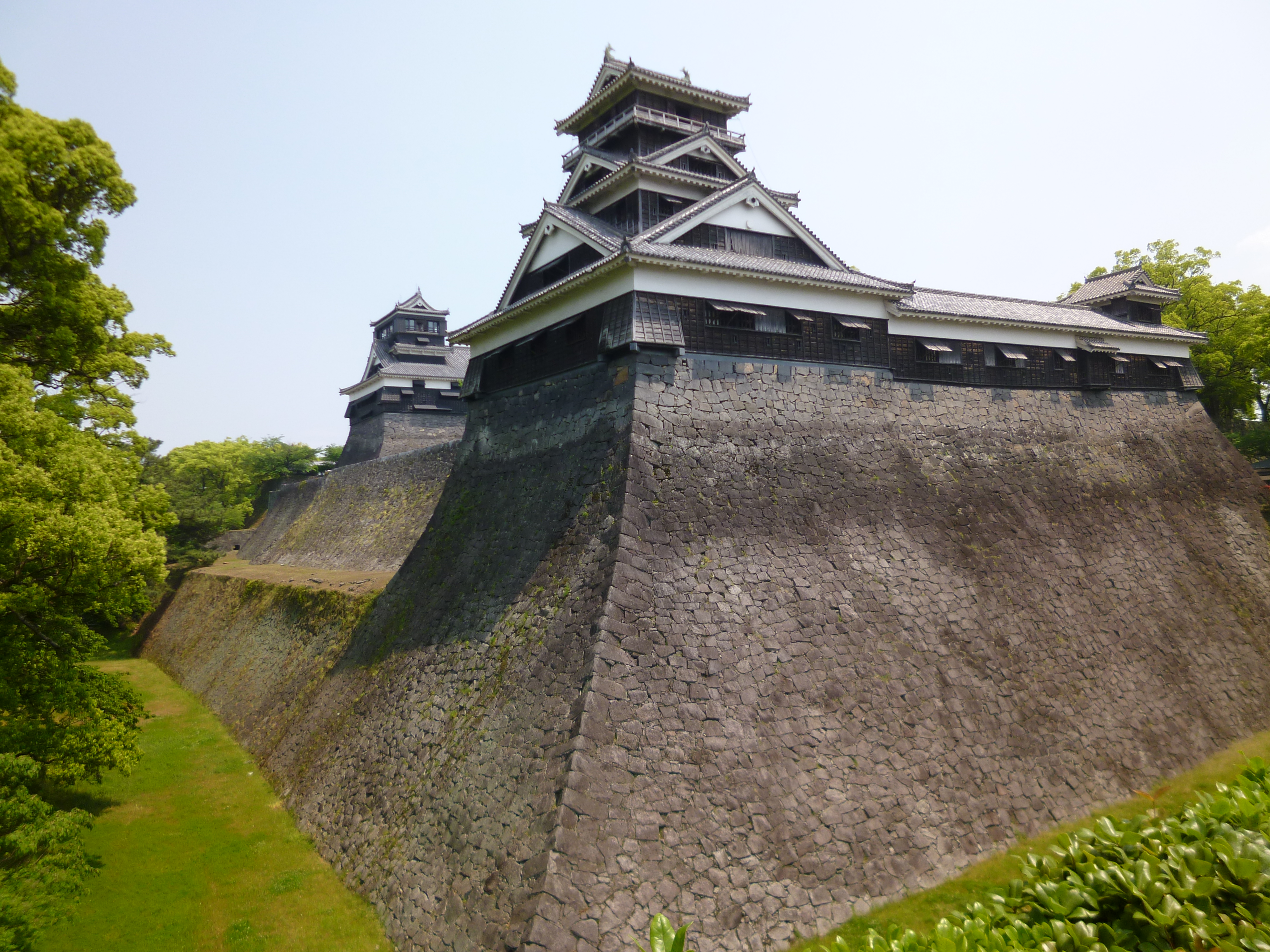
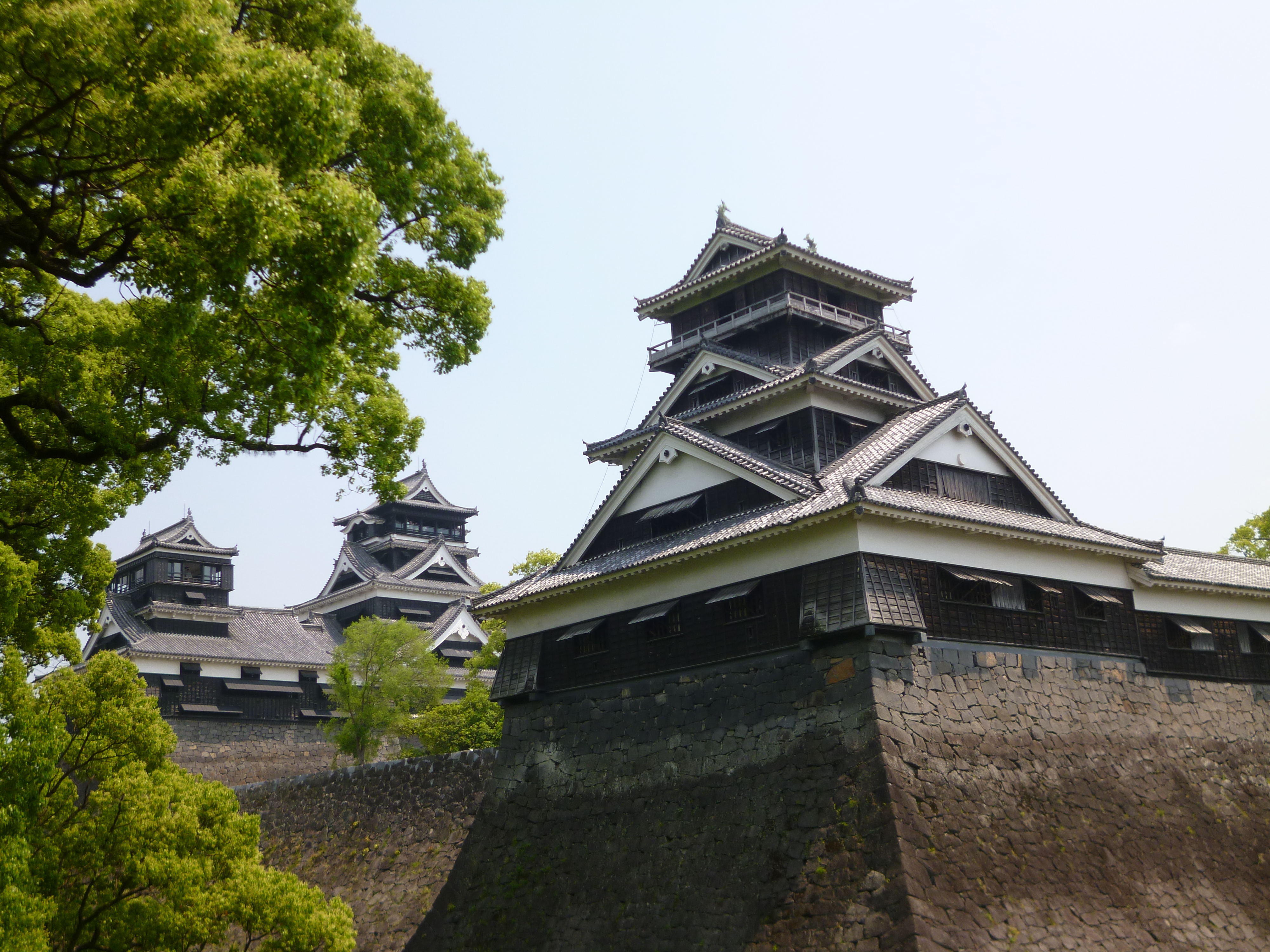
Over the years in Japan I’ve racked up a number of castles on my visits and the one in Kumamoto is certainly up there as one of the most impressive. Kumamoto Castle is considered one of the three premier castles in Japan, along with Matsumoto Castle and Himeji CastleDue to its appearances in the likes of ‘You Only Live Twice‘ (1967) and Akira Kurosawa’s ‘Kagemusha‘ (1980) the one in Himeji is likely to always be my personal favourite but Kumamoto is a close second thanks to the beautiful scenery surrounding this modern reproduction. It also has its own part in movie history as the legendary Kurosawa filmed a lot of the King Lear inspired ‘Ran‘ (1985) in Kumamoto prefecture including its castle in the city of the same name. 
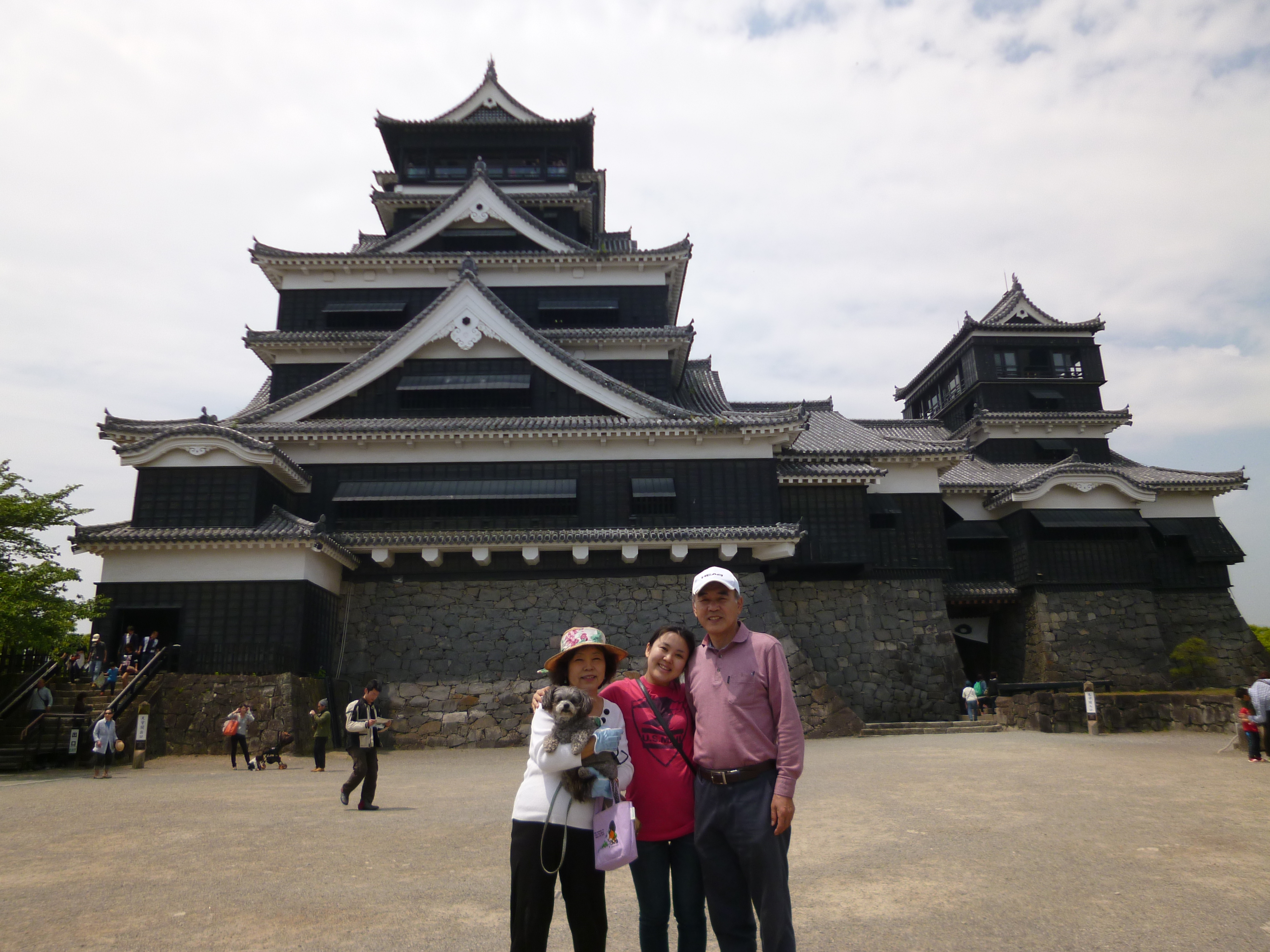
Yet again it was another early start as we took a couple of bullet train rides from Nagasaki to Kumamoto station via Tosu. Like Hachiko waiting to meet its master in Shibuya all those years ago, Momiji (the family dog) was standing by to meet us at our destination alongside my girlfriends parents of course!

P1040691  P1040696

It was to only be a brief stop in Kumamoto to see the vast castle area which dominates the city. The outer area is free for all to roam around but it’s 500 yen to enter the inner area that hosts the main towers which were rebuilt in 1960. The largest tower stands about 30 metres tall (on top of the stone wall) and is a six-storied one whilst the smaller one next to it has four stories.

P1040697  P1040700  P1040703  P1040708  P1040713  P1040712

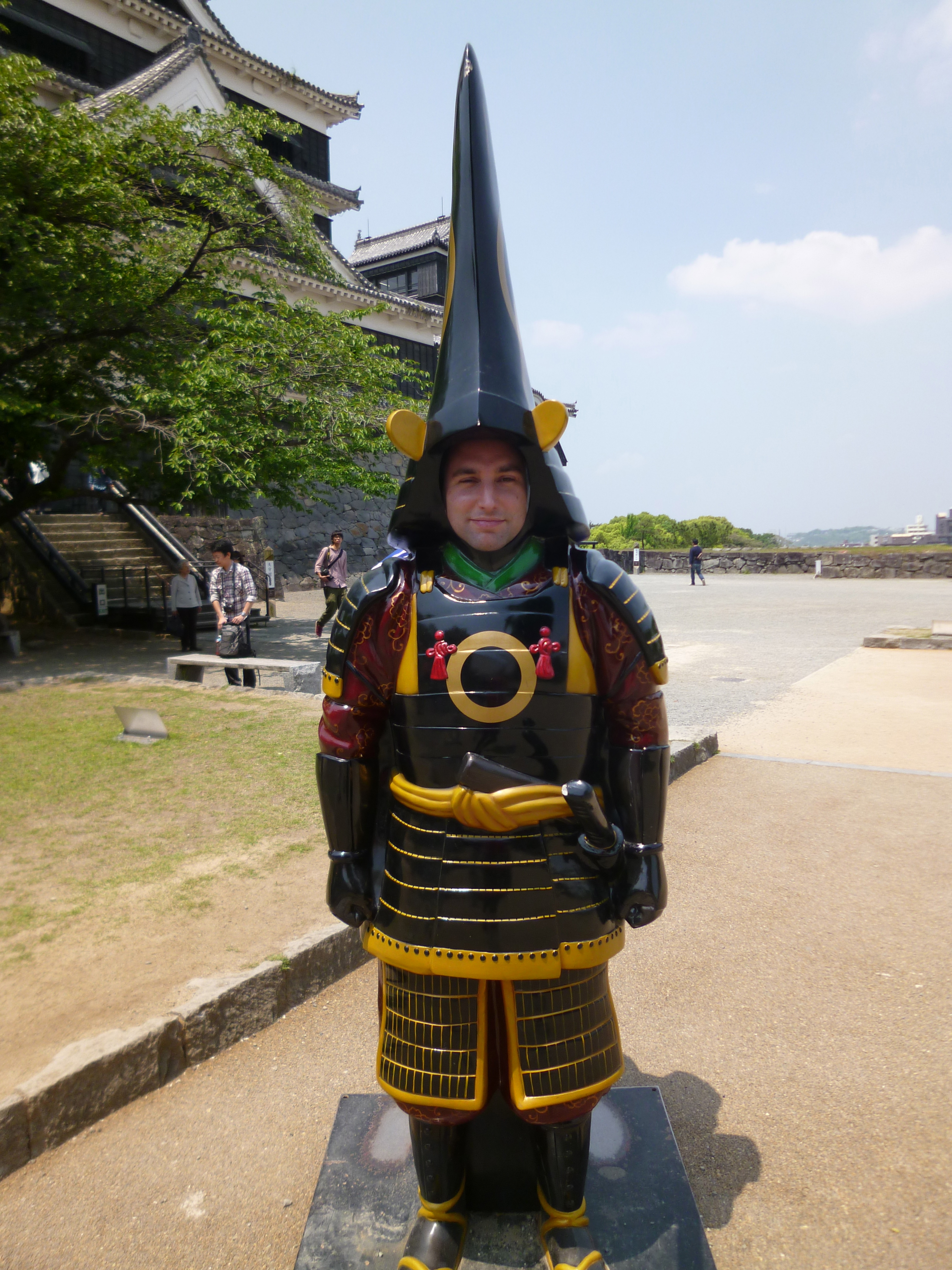
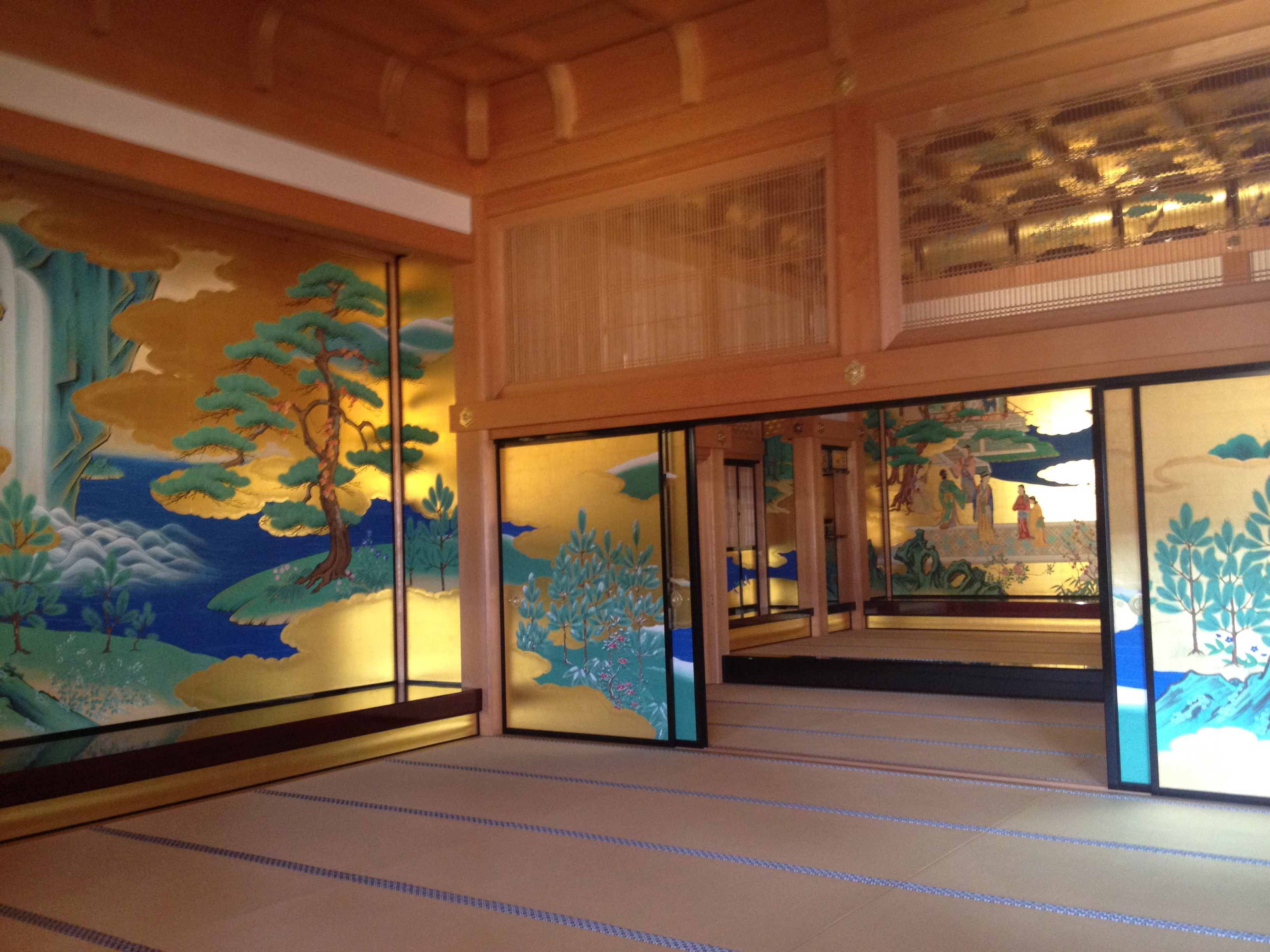
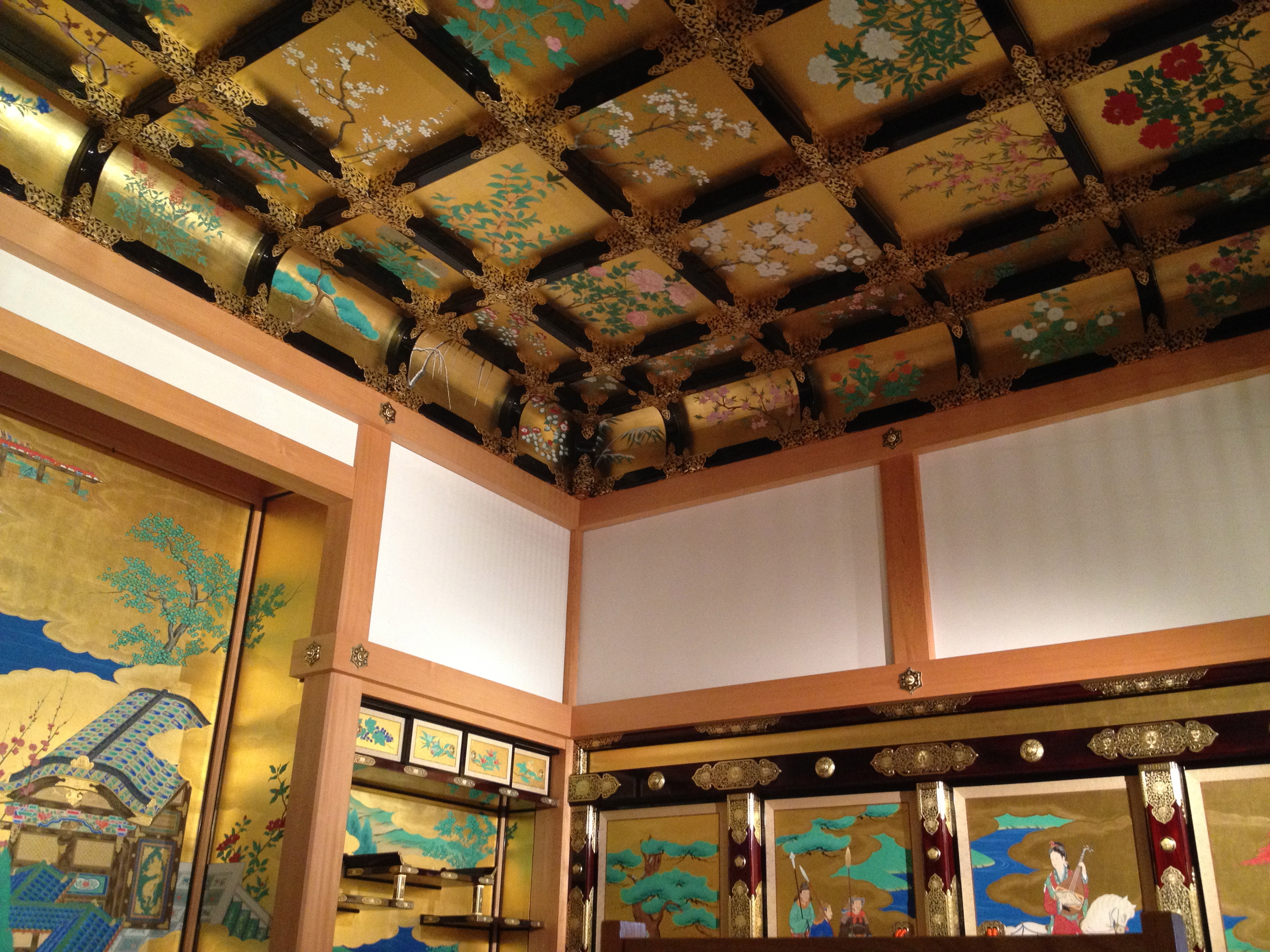
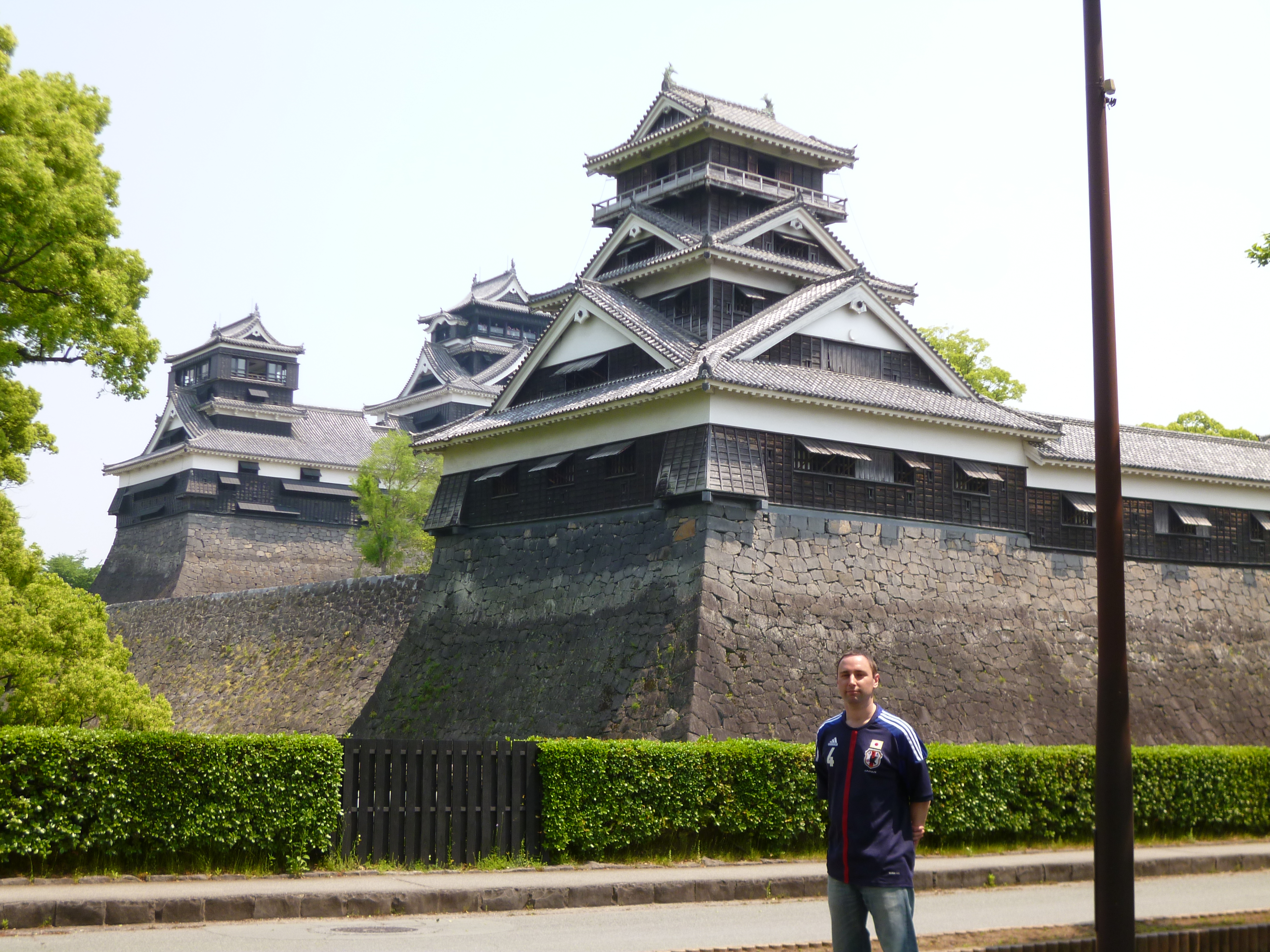
After a couple of cheesy photo shots outside the castle we went inside Hon-maru Goten Grand Hall which is a reconstruction of the original palace’s living quarters that were destroyed during the Seinan Civil War of 1877.

P1040714  IMG_4525  IMG_4526  P1040723

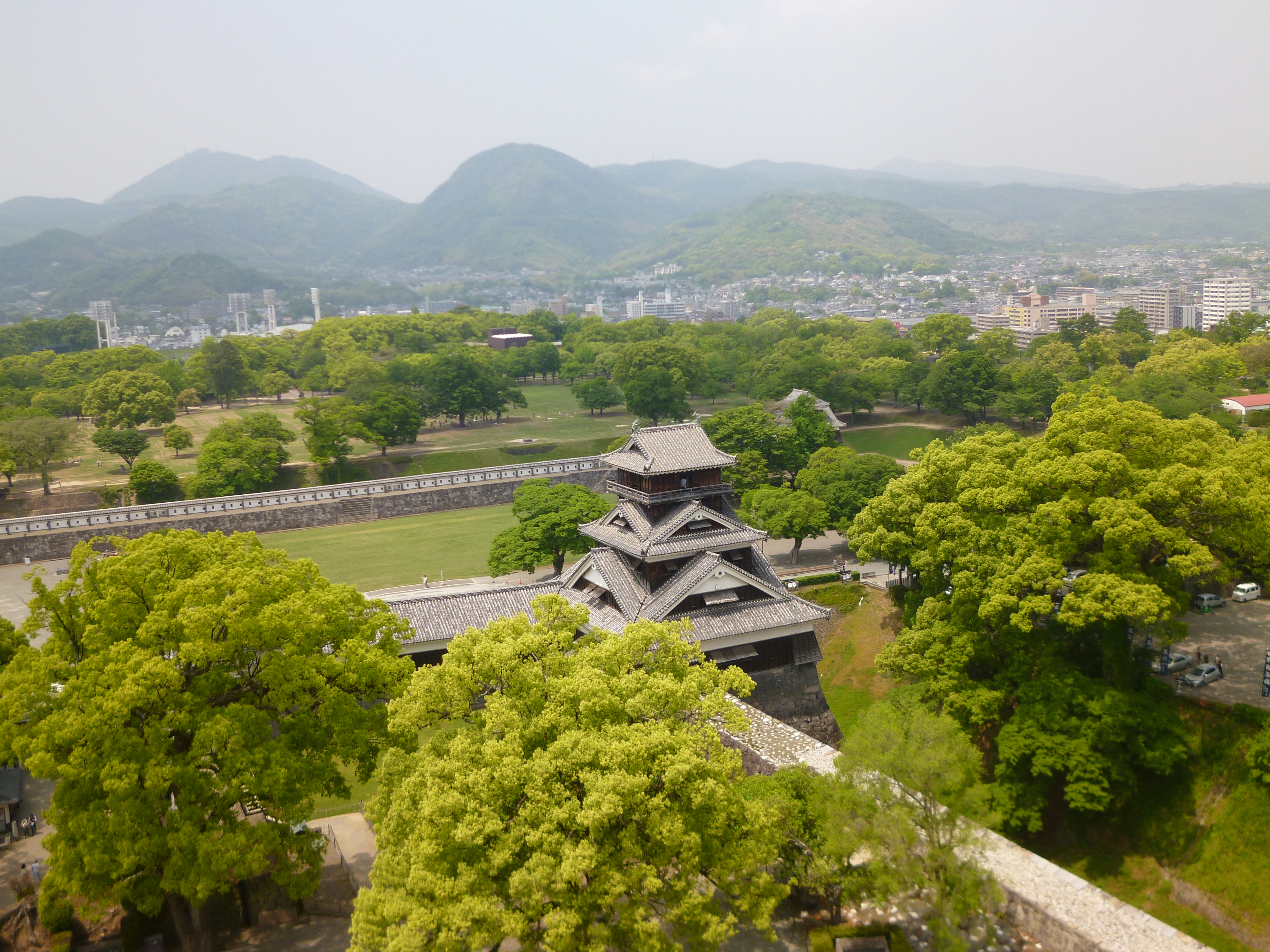
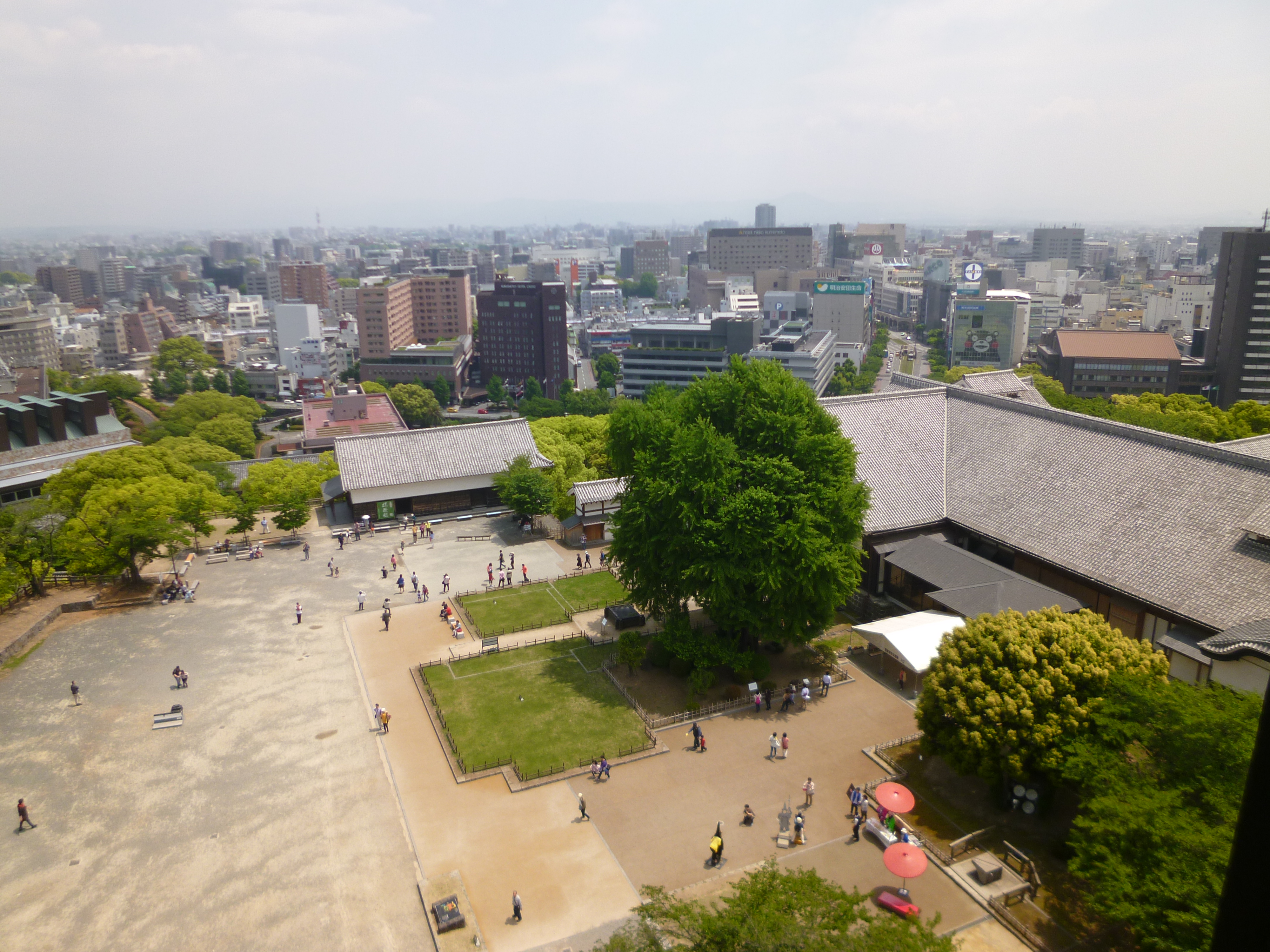
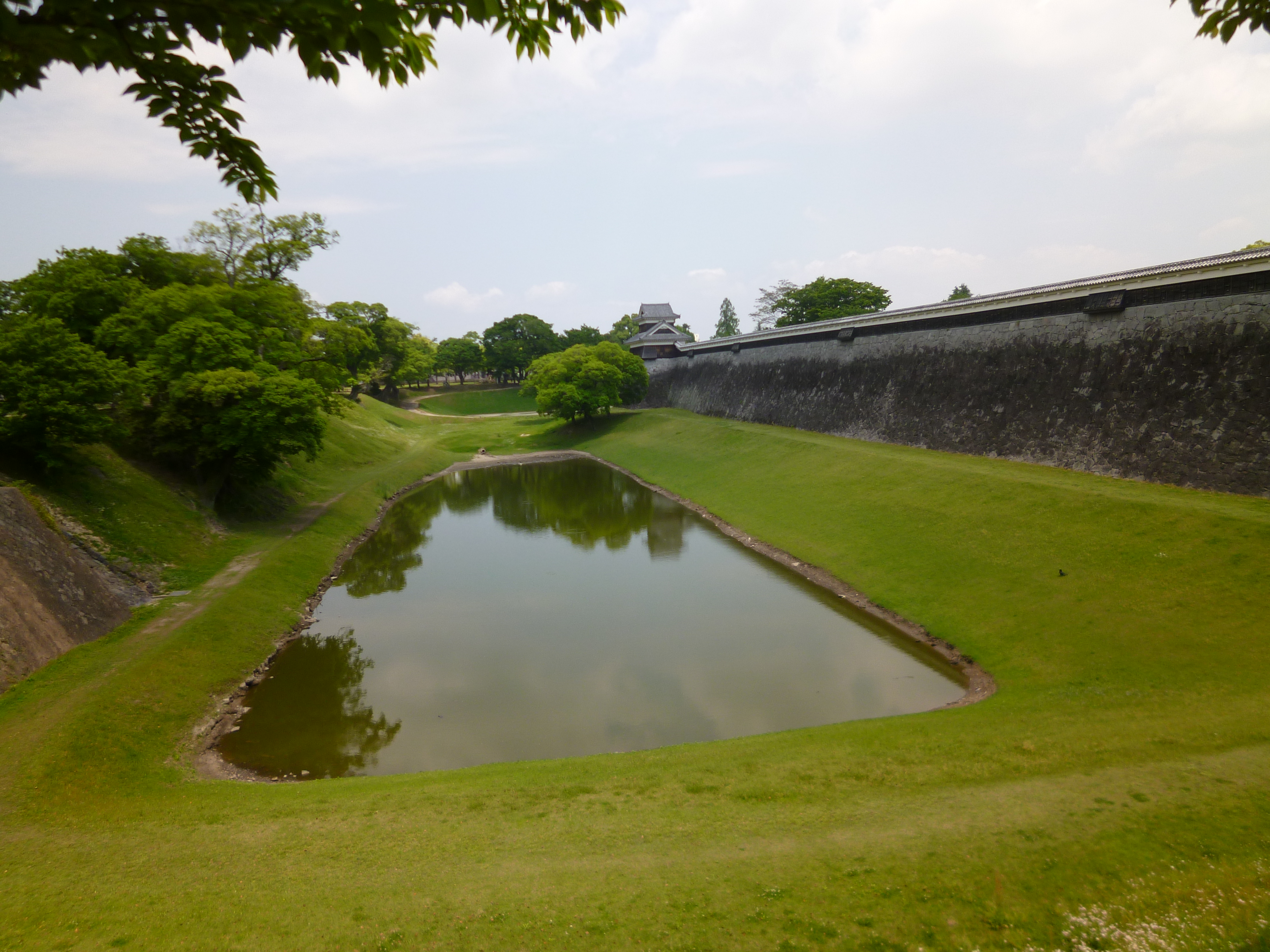
The 5-storied Uto Turret however is a survivor of that siege and dates back to the period of the castle’s construction. We ascended the steps of this place and were yet again rewarded with some pretty awesome views of the main tower and the mountains in the distance of some beautiful green countryside.

P1040720  P1040721

The signature of this castle is its steep curved stone walls which were designed to prevent attackers from penetrating the castle. It was constructed in 1607 and was designed by Kato Kiyomasa; a very knowledgable feudal lord who ruled the area. It seemed like my prospective father-in-law had a lot of respect and admiration for the experienced Kiyomasa as he proudly told me of how these fortifications are highly regarded for their strategic effectiveness.

P1040724  P1040726  P1040728  P1040688

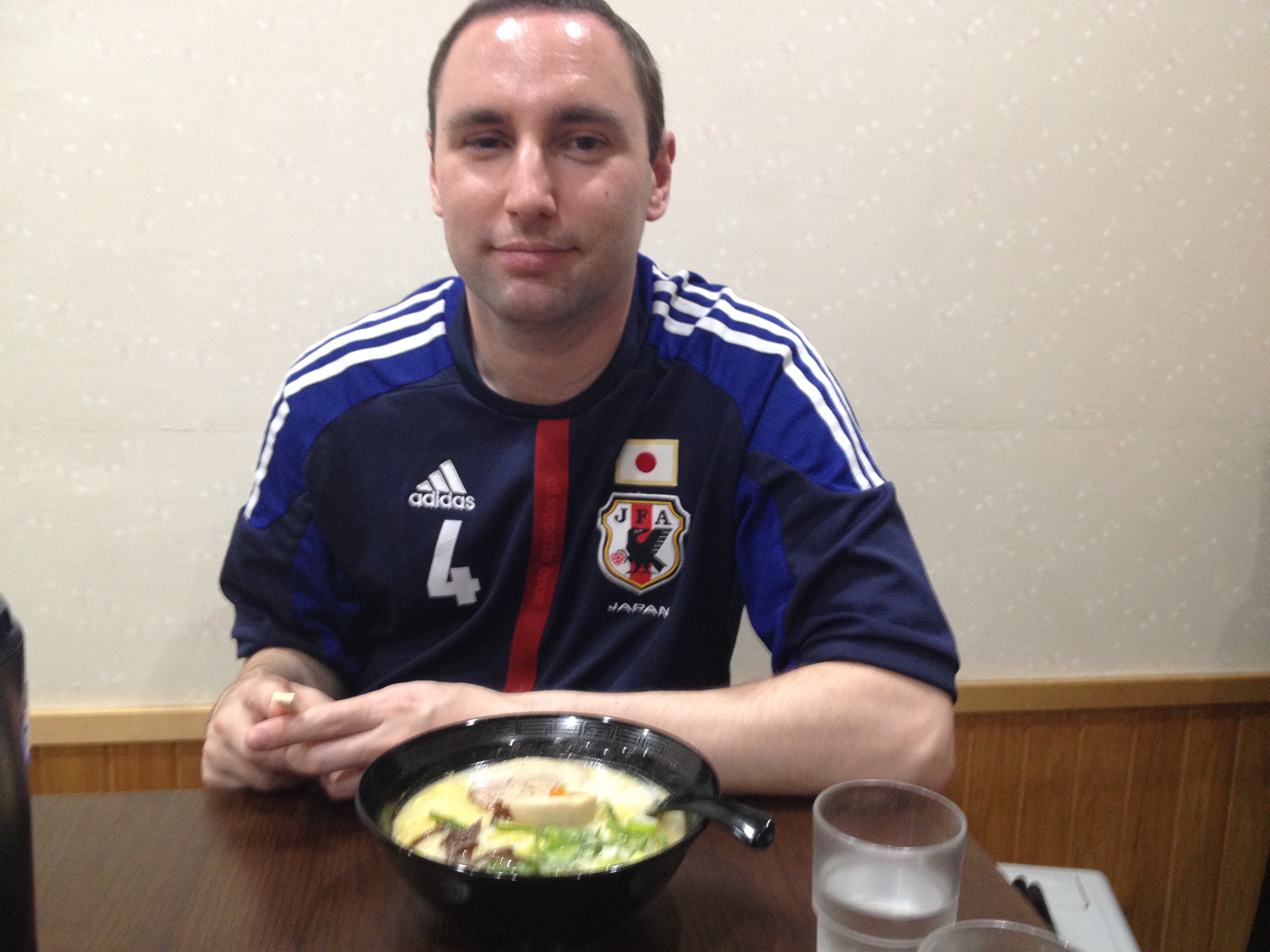
There was just enough time to sample a local dish by way of Kumamoto ramen at a local restaurant. There are of course many types of ramen all over Japan and this particular one is a variation of tonkotsu ramen with decidedly thicker noodles and a soup that was a bit more mild and lighter than its usual sort. After that it was time to move on to our next destination in Kyushu.

IMG_4530  IMG_4531

Posted in Japan Travel | Tagged , , , , , , , , | 3 Comments

Kyushu Trip 2014 Pt III: Day Trip To Gunkanjima a.k.a. Battleship Island

Ever since I saw some haikyo websites a fair few years ago giving details about this island I have wanted to go there and see it for myself. That dream finally came true in Nagasaki on the first day of this month when I treated my girlfriend to a trip to Gunkanjima a.k.a. Battleship Island as its appearance resembles the warship Tosa due to its surrounding sea walls and multi-storey concrete buildings.

P1040636  P1040631

This place was brought to the mass attention of the public when it featured in the most recent 007 film ‘Skyfall‘ (2012) but as Tokyo Fox explained in this article from last year it was sadly all faked on a Continue reading

Posted in James Bond, Japan Travel | Tagged , , , , , , , , | 14 Comments

Kyushu Trip 2014 Pt II: Old Nagasaki Prison & South Nagasaki City Area

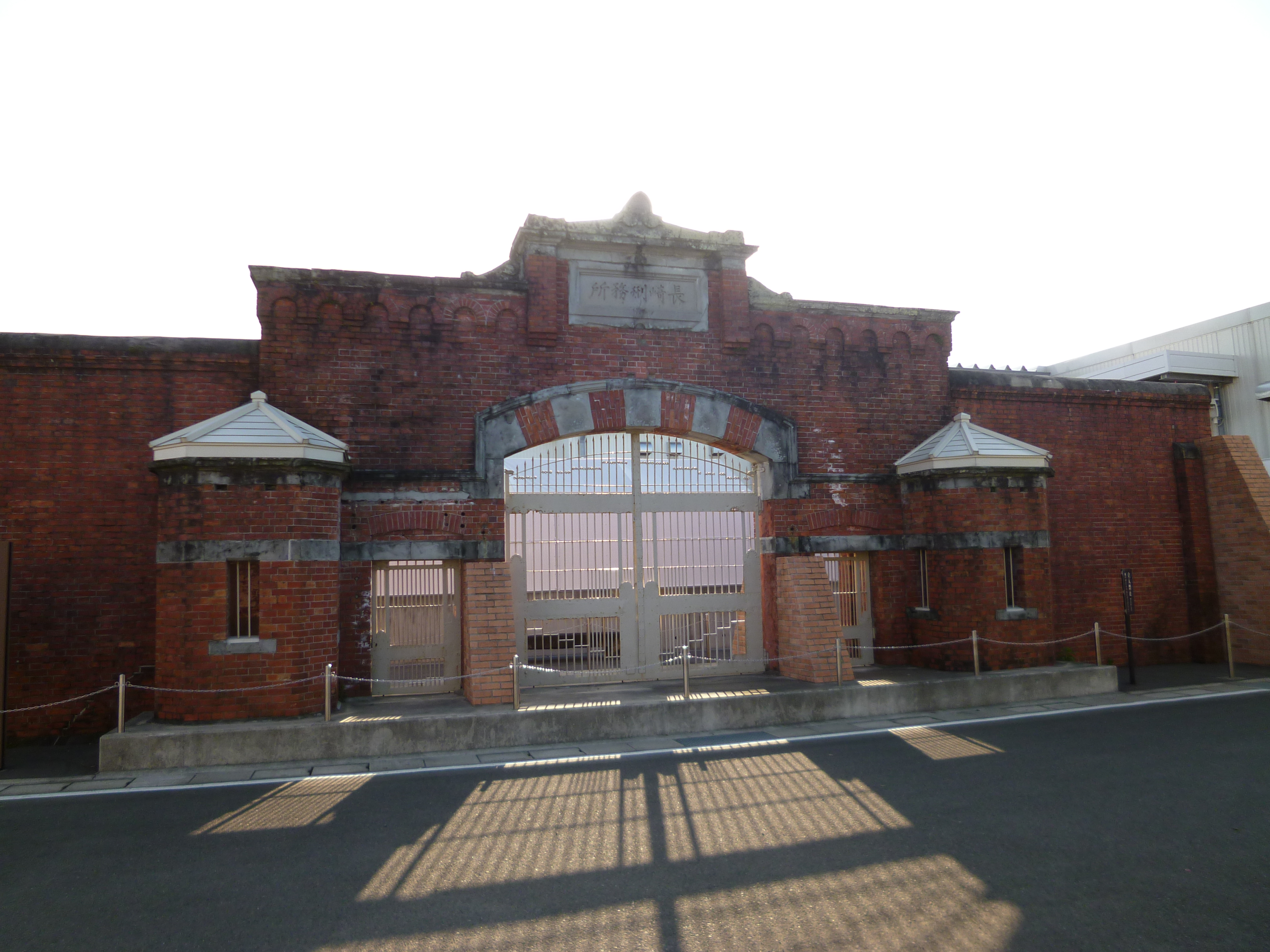
A few months ago I came across some very interesting pictures online of the old Nagasaki Prison which really caught my attention and made me want to visit the abandoned ruins on some kind of haikyo adventure. The prison in question is a 10 minute walk away from Hon-Isahaya station and during the afternoon on our second day I left my girlfriend behind to seek out the place. From JR Nagasaki station it took about 30 minutes to get to Isahaya station where I changed to the Shimabara Railway Line to go to Hon-Isahaya which was only three minutes from there and the first stop on the line. What I failed to do beforehand was read the articles on the place properly as I didn’t realise till earlier in the day that, apart from its front gate, it was knocked down in 2007! However, I was still intrigued enough to make the effort to check out what remained.

P1040680  P1040685  IMG_4514  IMG_4515

It was a long round trip due to having a long wait at Isahaya station on the return journey and in all honesty probably not worth it but I am glad that I did it and found out rather than not knowing! At the gate there are a couple of boards detailing a little about the history and geography of the old prison. Details of how to get there are at the bottom of this page.
P1040679  P1040687

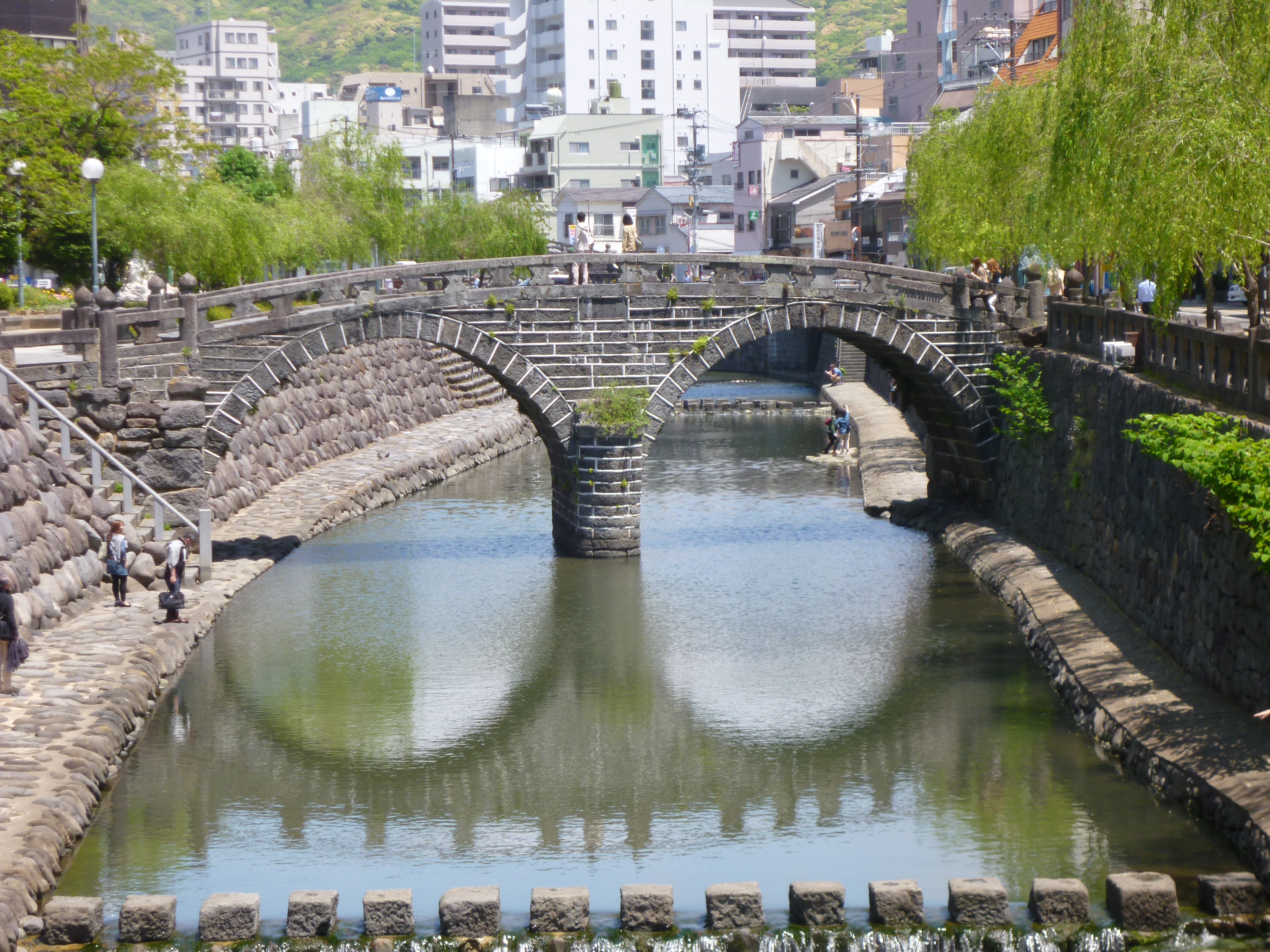
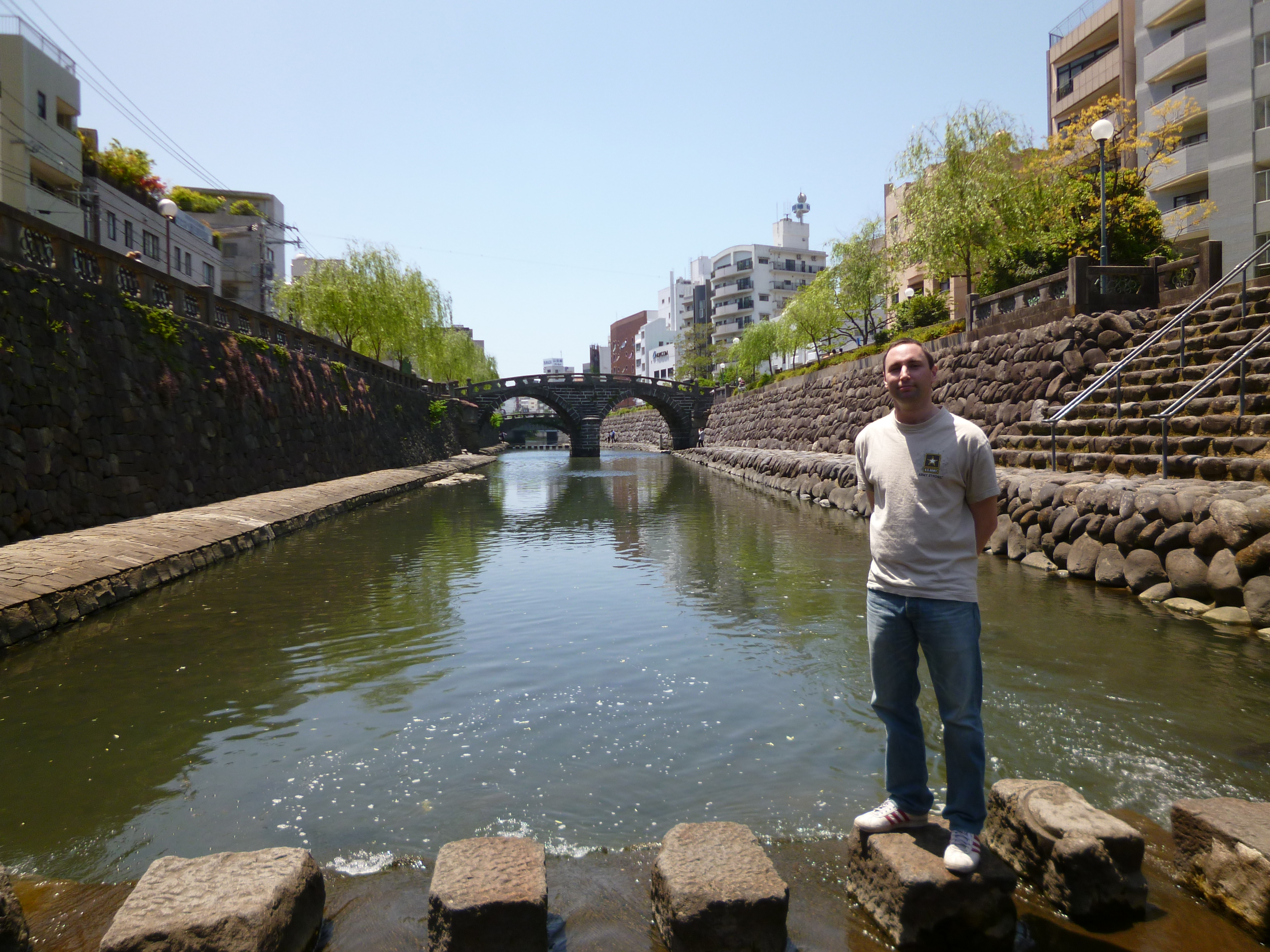
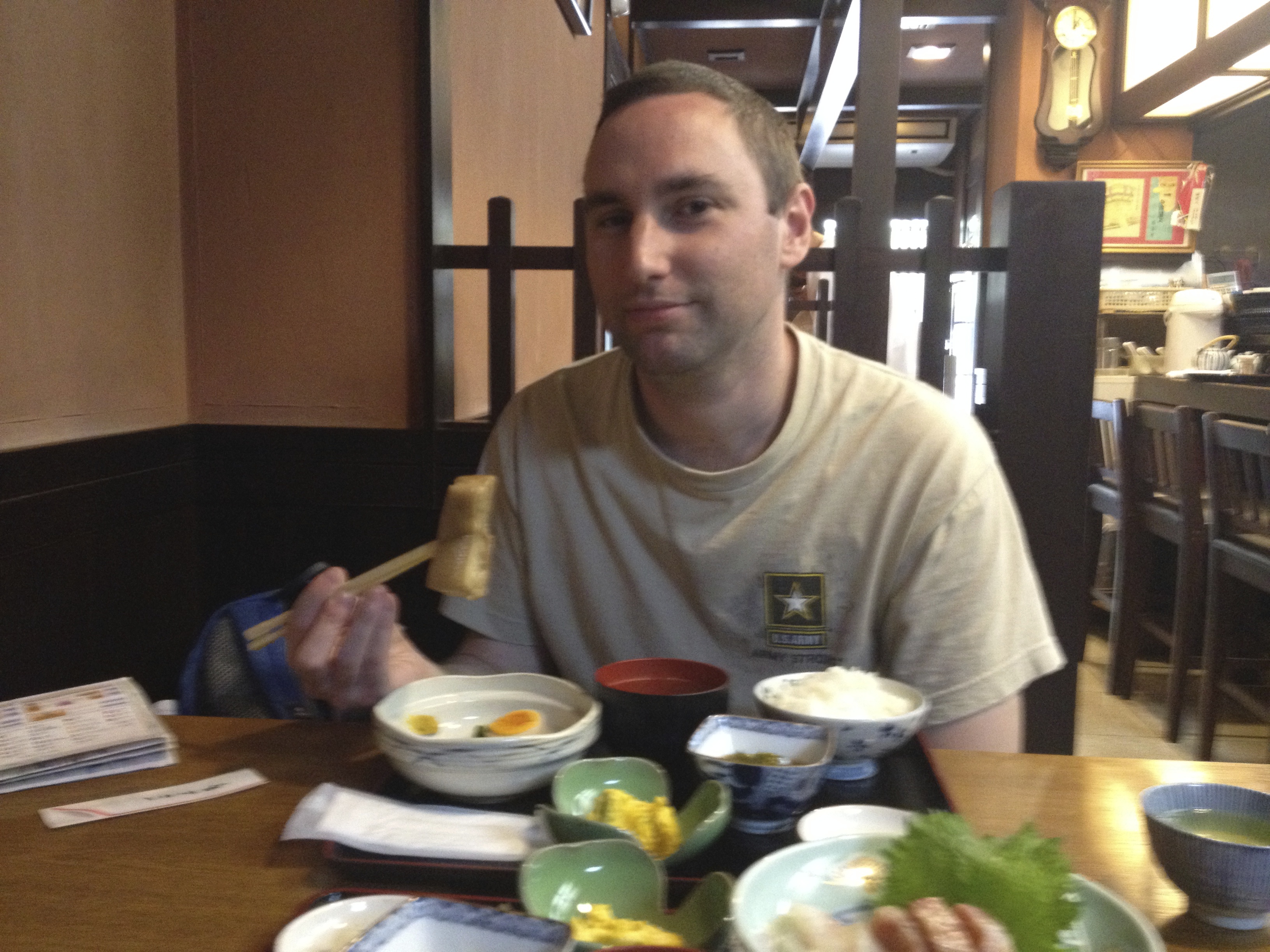
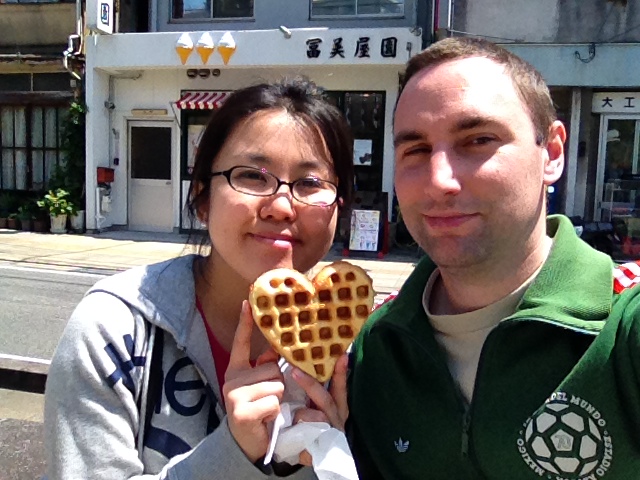
Earlier that afternoon we had gone to Megane-bashi a.k.a. spectacles bridge due to the shape made by the arches in the reflected waters. We had lunch right by the bridge at a traditional place serving up teishoku followed by a heart-shaped waffle at a nearby place which resulted in the cheesy shot seen below!

P1040650  P1040656  P1040655  IMG_4502  IMG_4506  IMG_4507

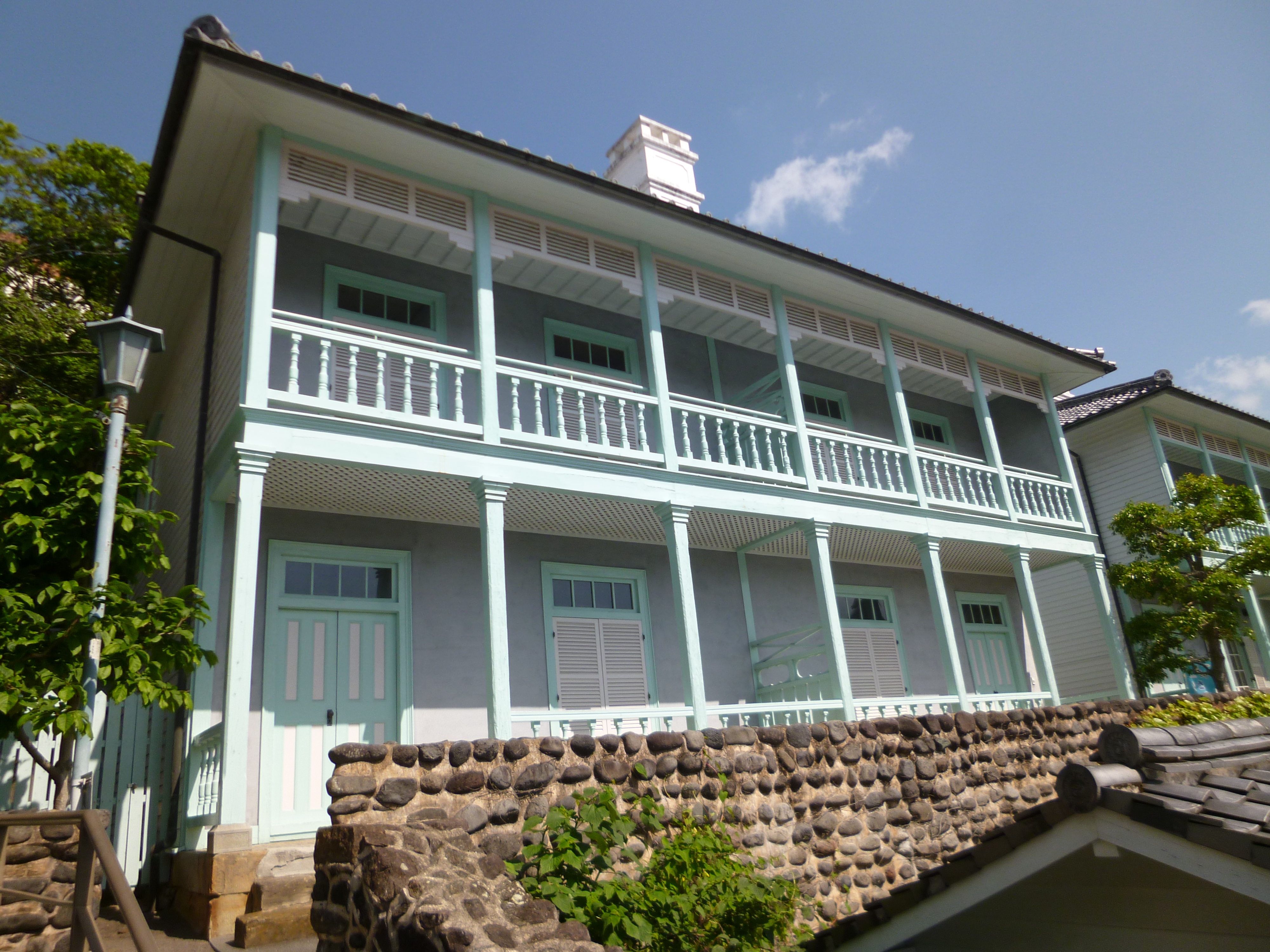
We then took another tram to the Glover Garden area but we didn’t go in the actual gardens. I’m sure they’re absolutely wonderful, and Glover may have played a huge part in modernising Japan, but we didn’t wanna spend the time or money (600 yen entry) looking around western-style houses and gardens when there were a few of the former on the nearby Dutch Slope area. Besides, western-houses aren’t exactly exciting for a western man like me to see when he’s in Asia!

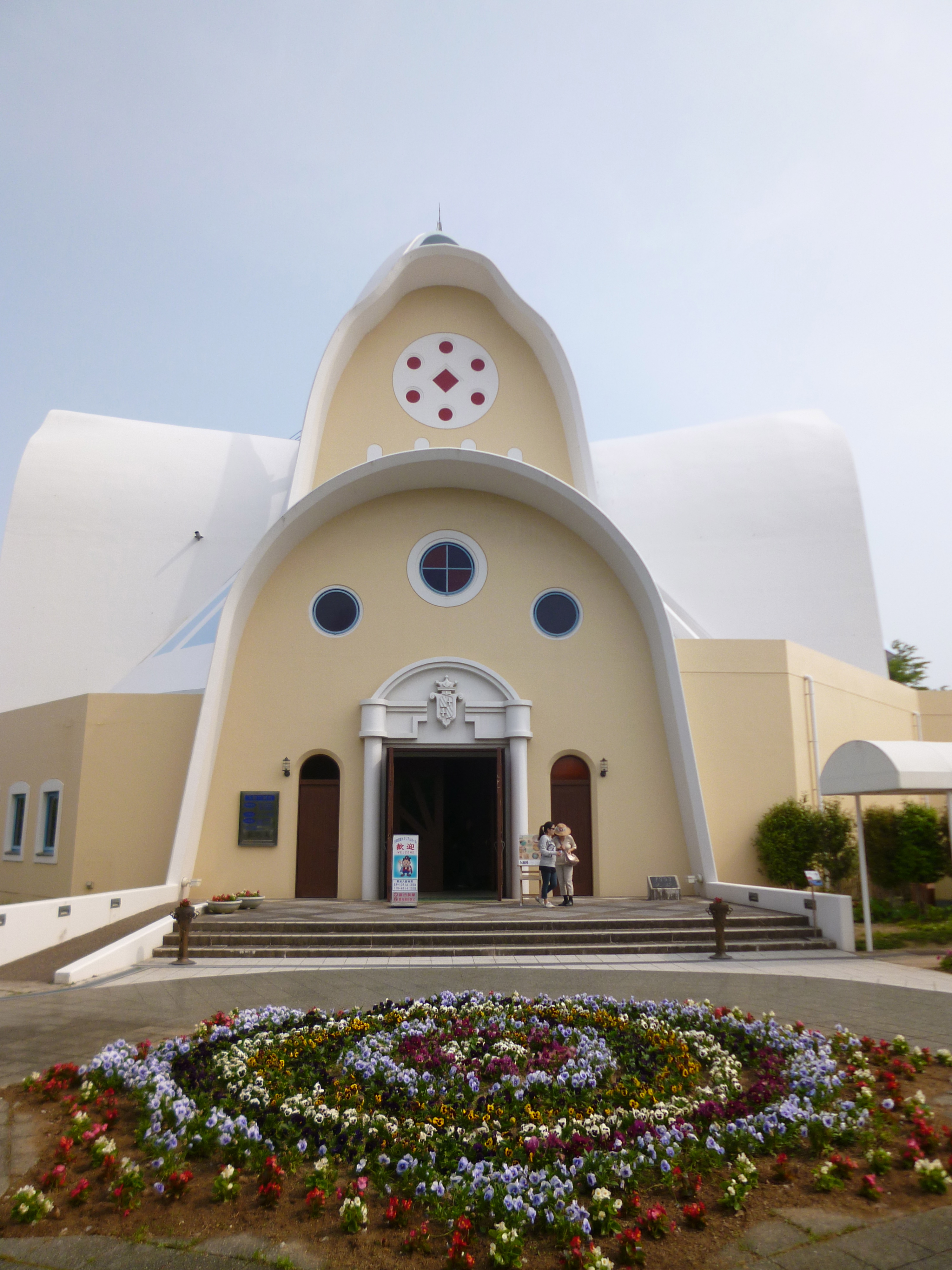
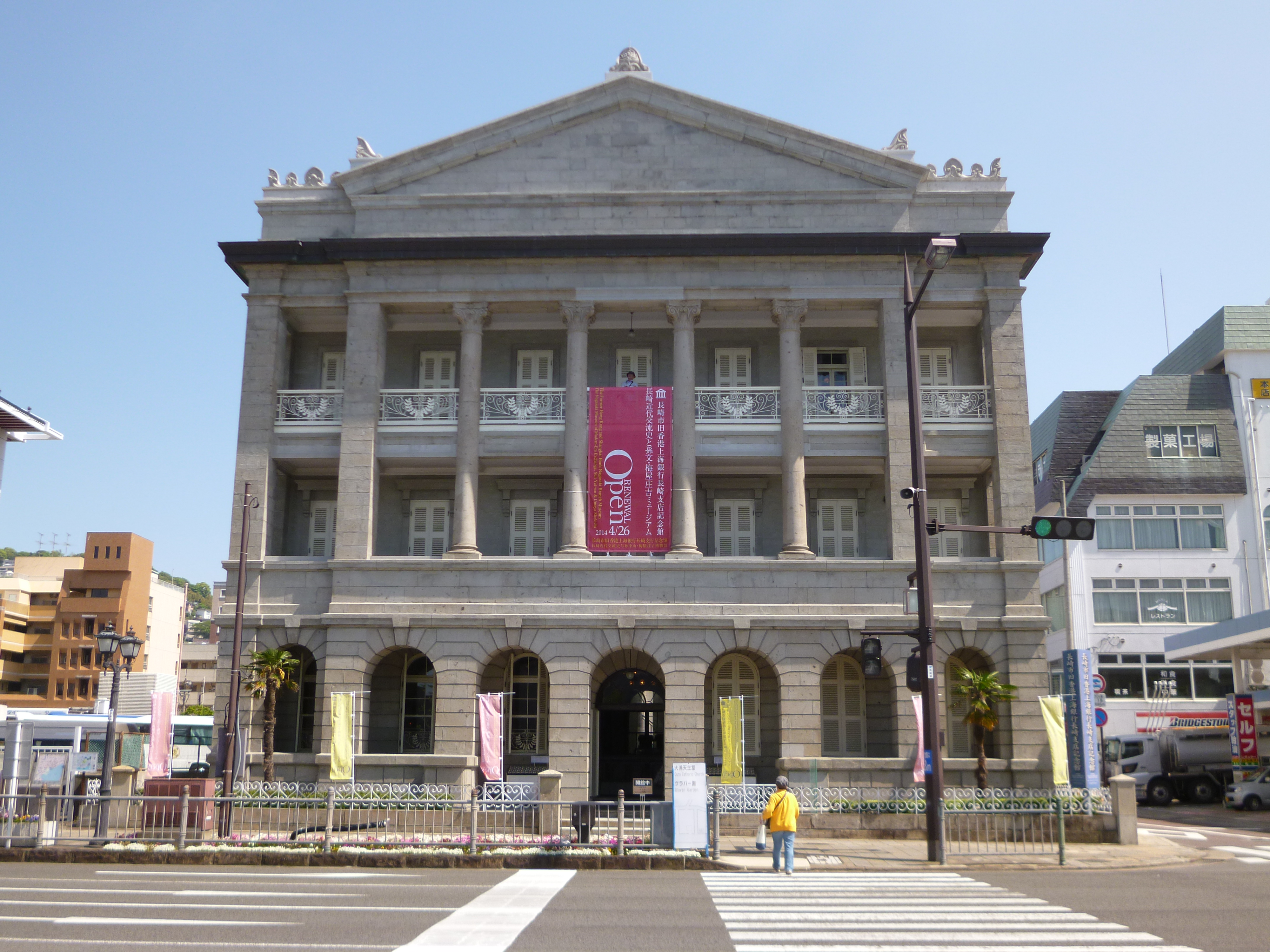
Beneath Glover Garden is Oura Catholic Cathedral which is Japan’s oldest remaining gothic-style wooden church. Nagasaki has an interesting history that goes beyond its bombing and that is its principal links to the west, particularly Portugal and Holland, with the former playing a major part in opening Japan up to Christianity (as well as firearms) which then got banned with 26 foreign priests and Japanese converts crucified in 1597. The religion continued to be practised in secret until it was made legal again at the end of the 19th century. This church (below) is dedicated to those 26 Christians. The former HSBC Nagasaki Branch Museum (below) was located at the bottom of the hill and is an interesting looking building.

P1040662  P1040664

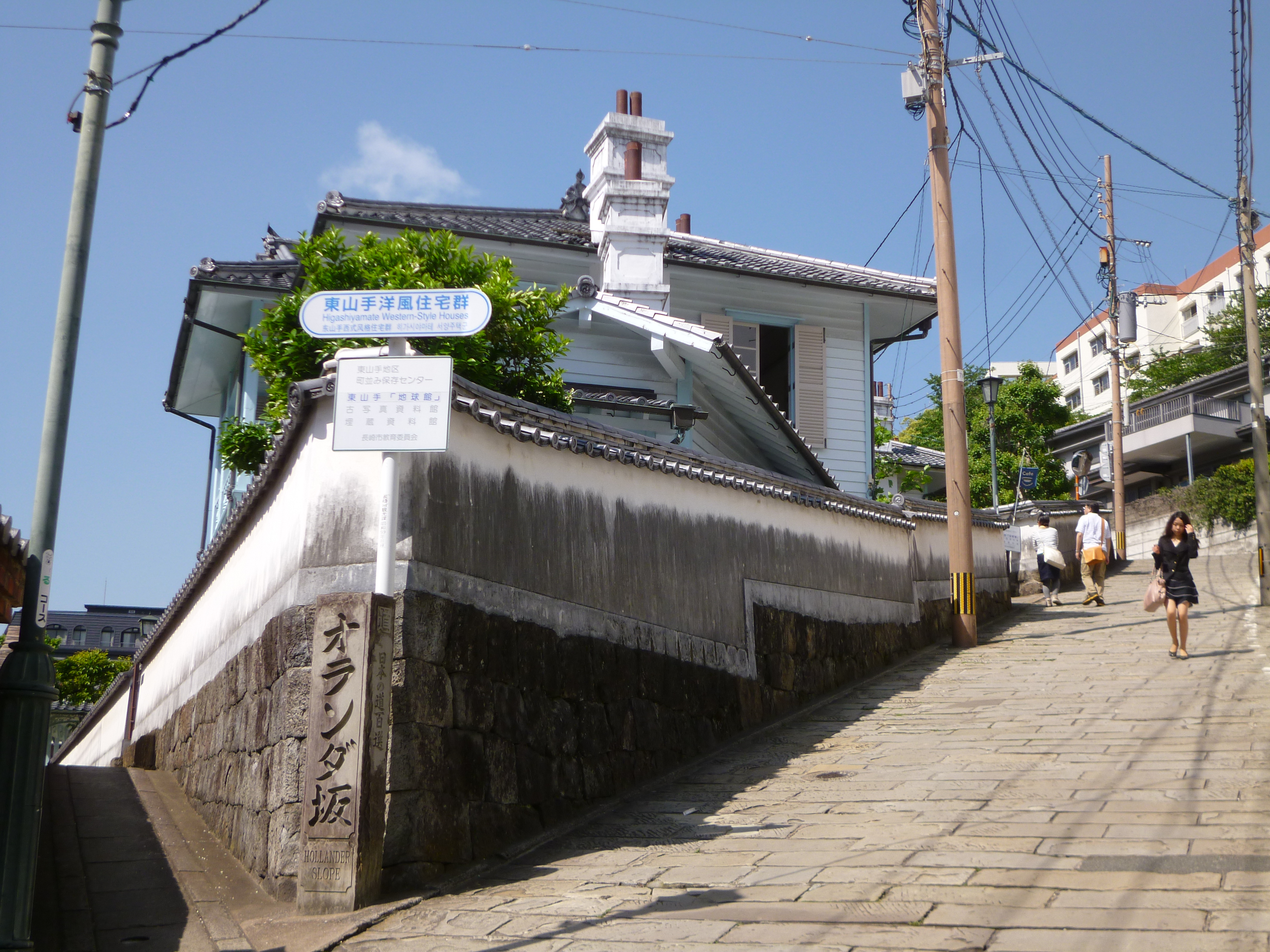
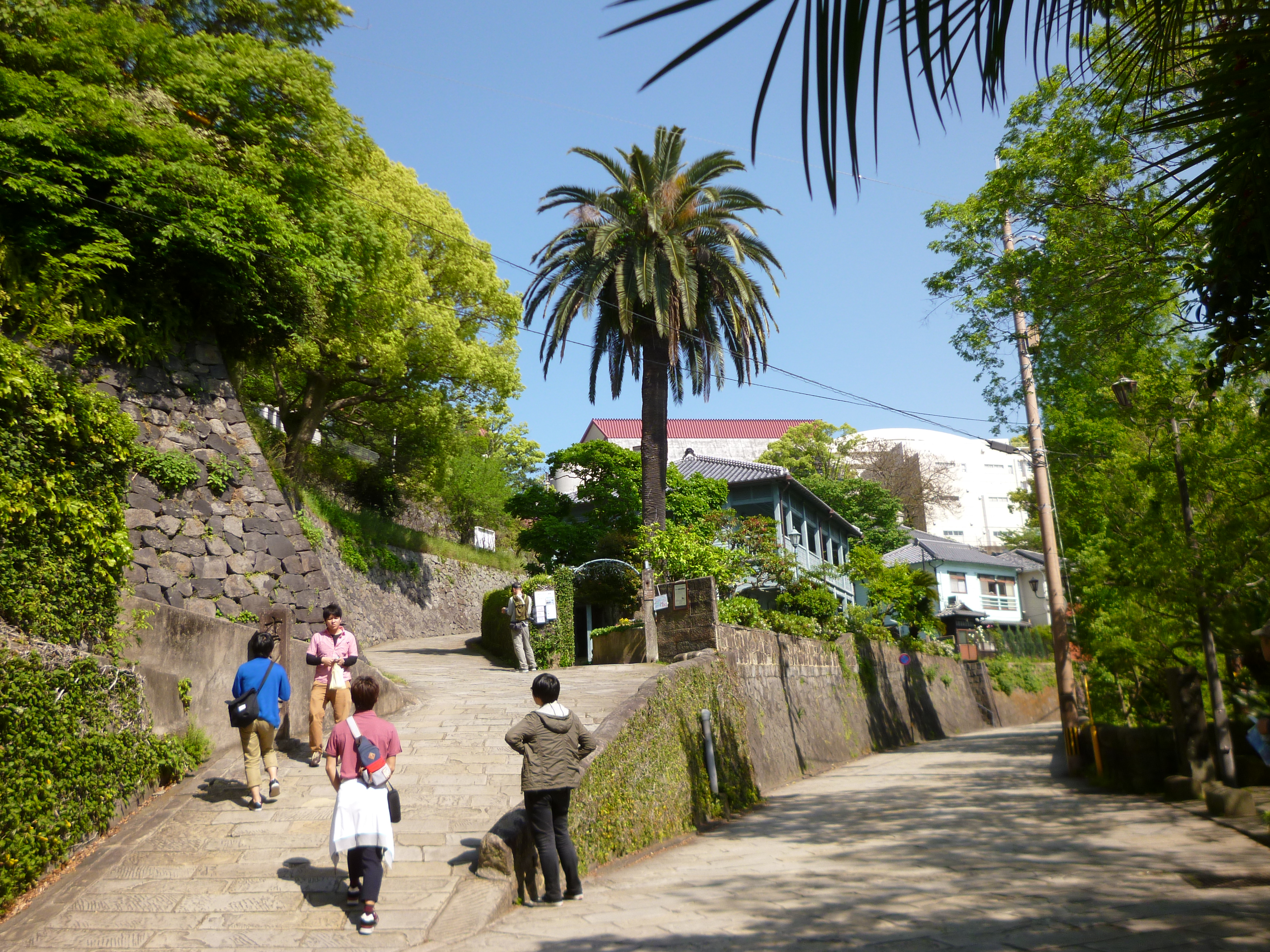
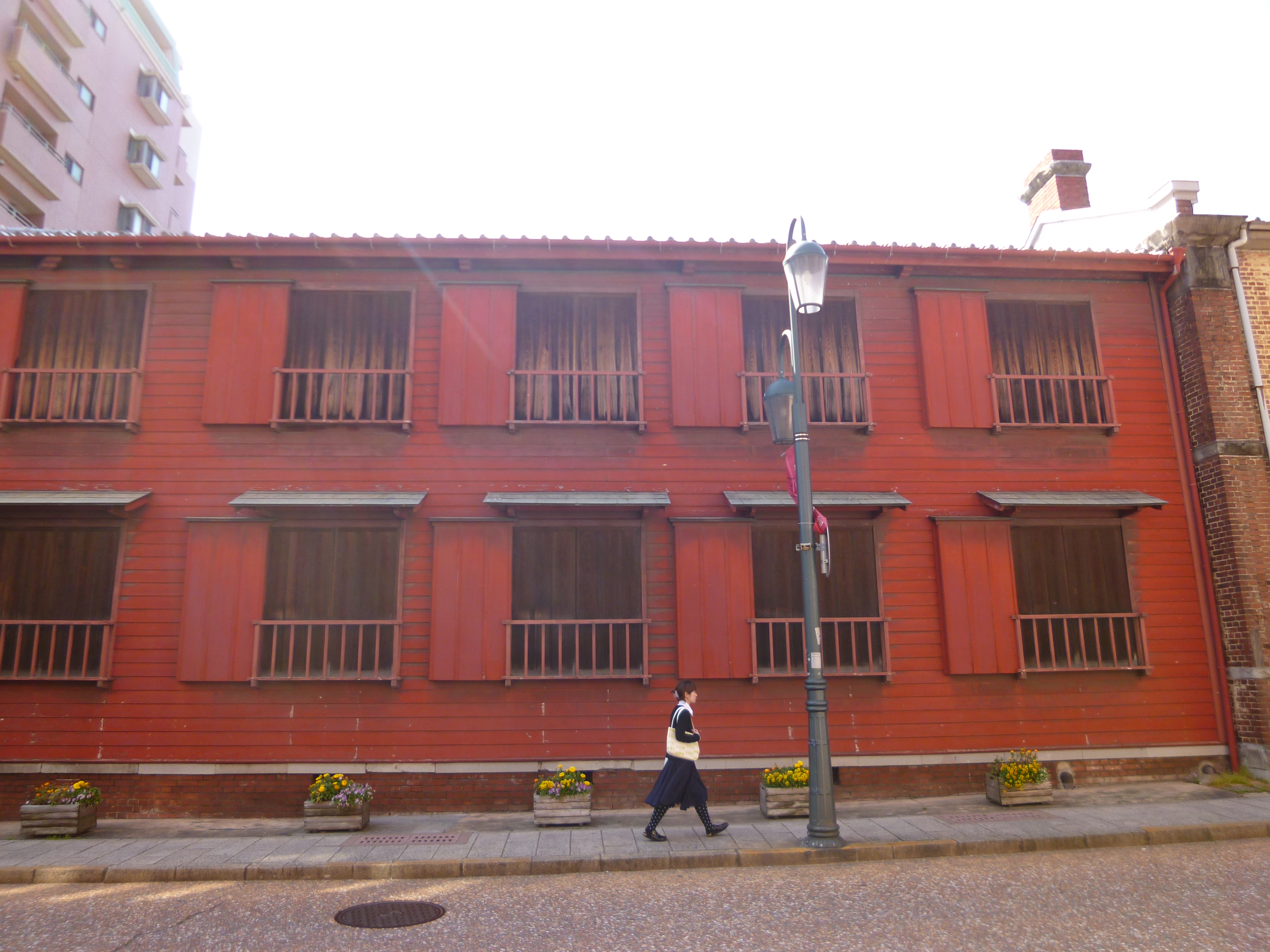
Hollander (Dutch) Slope (below) was intended to be the final part of our walking tour. Not so much of a slope but a gentle incline with a few western-style homes lining it amid a setting not too often seen in Japan. More interesting for me was the old rusty orange/brown coloured building just round the corner which used to be the British embassy.
P1040665  P1040668  P1040671  P1040677

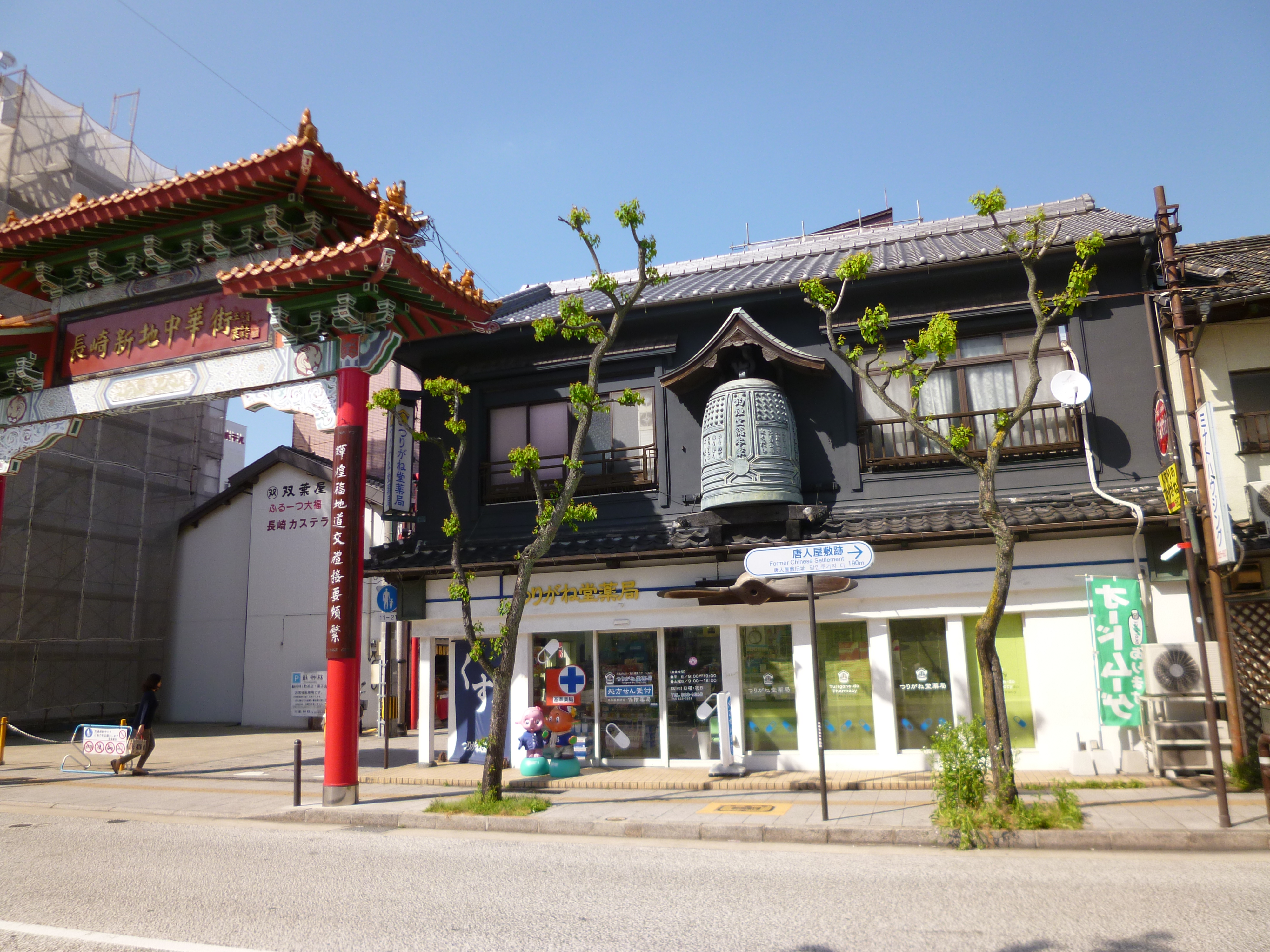
As it was quite close by we decided to continue on and had a quick wander through Shinchi Chinatown which was basically just one street and later on that evening we had another Nagasaki speciality; sara-udon (literally ‘plate noodles) which in this instance was chanpon noodles (as opposed to the more common thinner crispy noodles) with a topping of fried cabbage, bean sprouts, squid, prawns, pork and so on.

P1040678  IMG_4517

How to get to old Nagasaki Prison: Exit the station and turn right following the road for a couple of minutes. You then turn right at the point where there’s a shopping arcade going the opposite way on the left. Walk up the road for about five minutes and turn right when you see a sign for MaxValu supermarket. Hidden away behind the supermarket is the Old Prison gate and nothing much else!

Posted in Japan Travel | Tagged , , , , , , , | 5 Comments

Kyushu Trip 2014 Pt I: Nagasaki (Urakami Area)

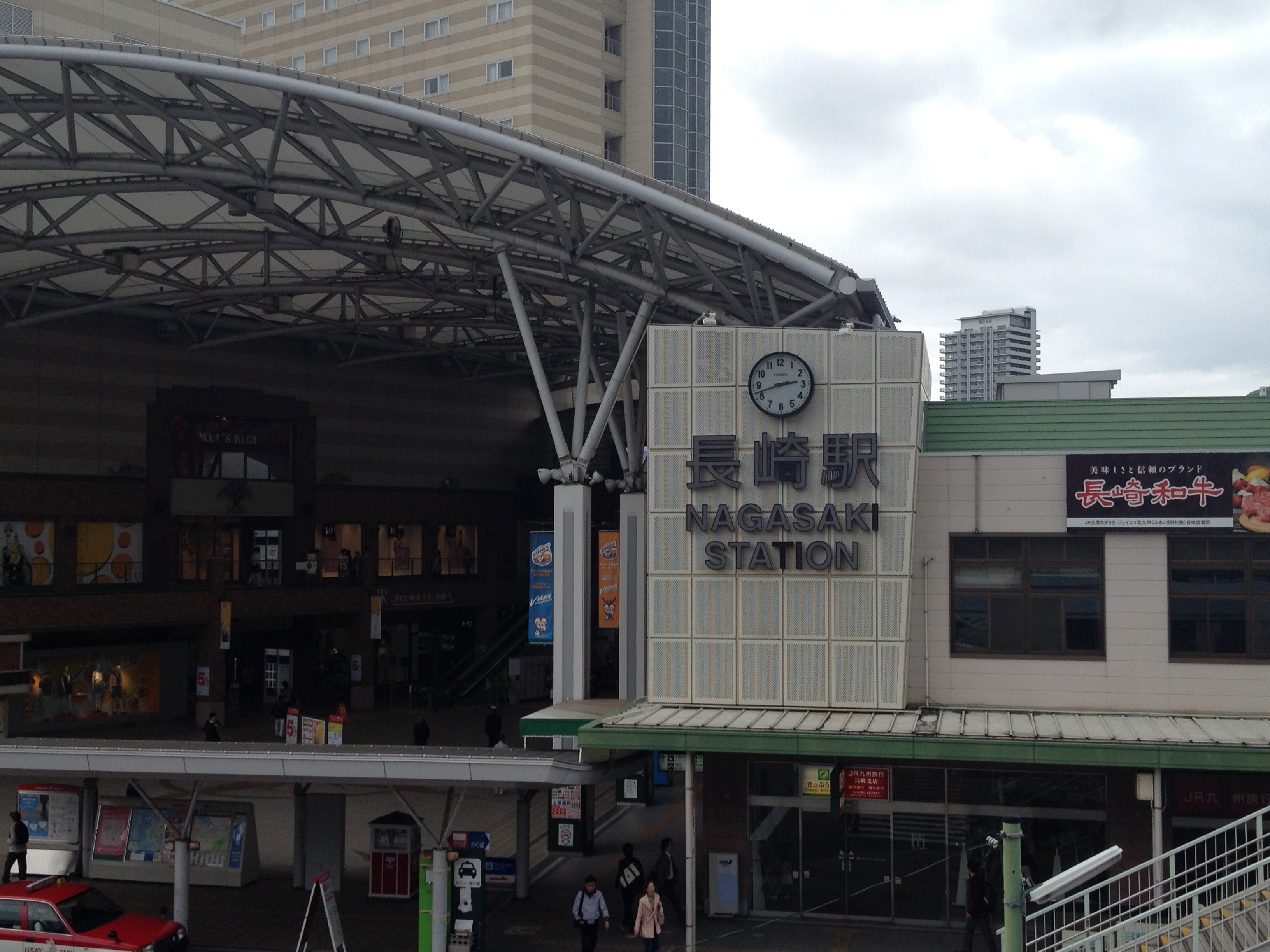
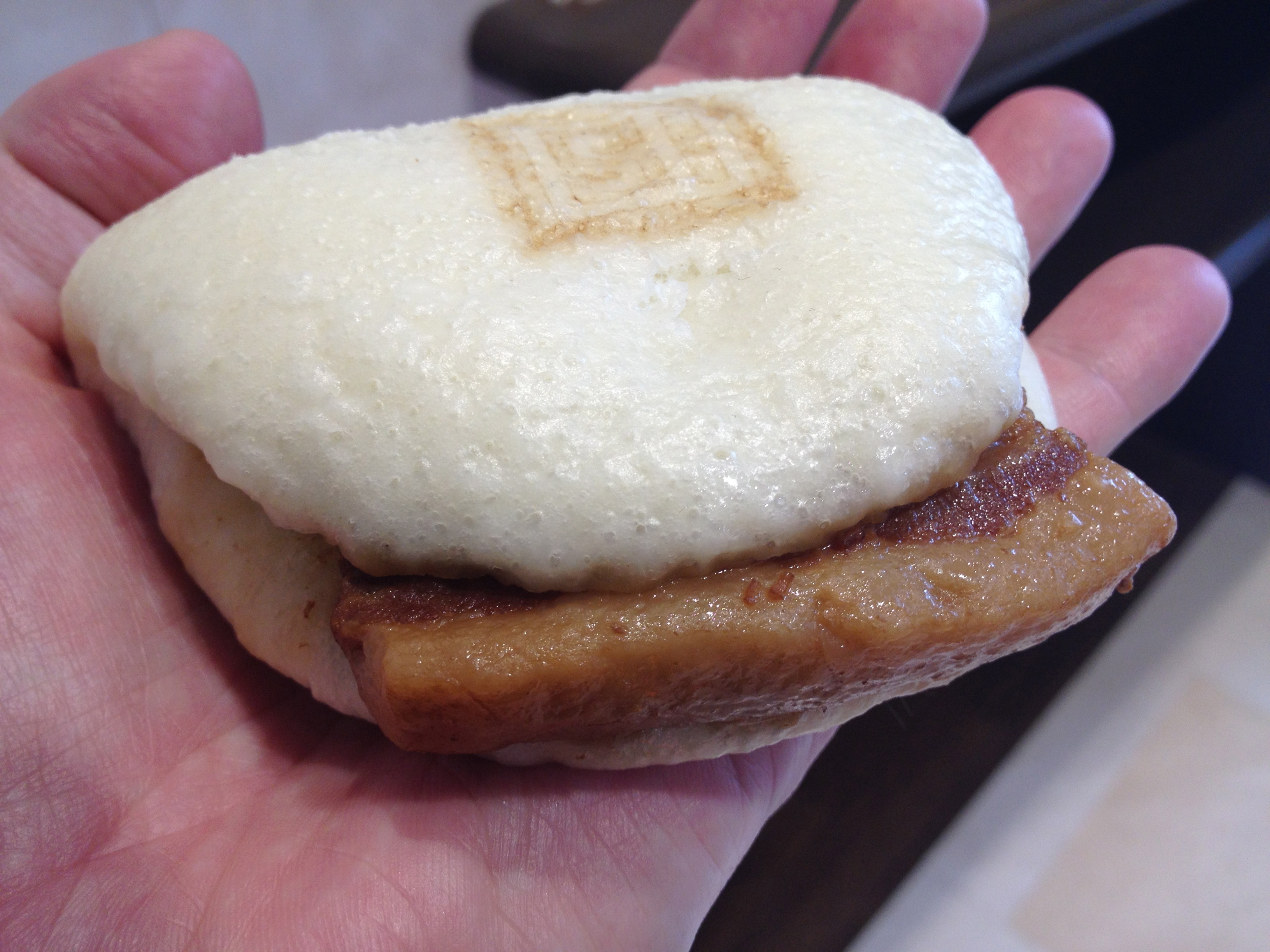
When thinking of Nagasaki first thoughts sadly but inevitably turn to the atomic bomb that was dropped on the place on August 9th, 1945. The ideal place to start our Kyushu adventure then was in Urukami; the hypocentre of the explosion which was a grave reminder of the past. First things first though and some food at Nagasaki station which the area is famed for. Kakuni manjyu is basically a bun with a very fatty chunk of cooked pork inside it and was so delicious that I went back for a second one despite its price being a little steep at 360 yen a pop.

IMG_4472  IMG_4470

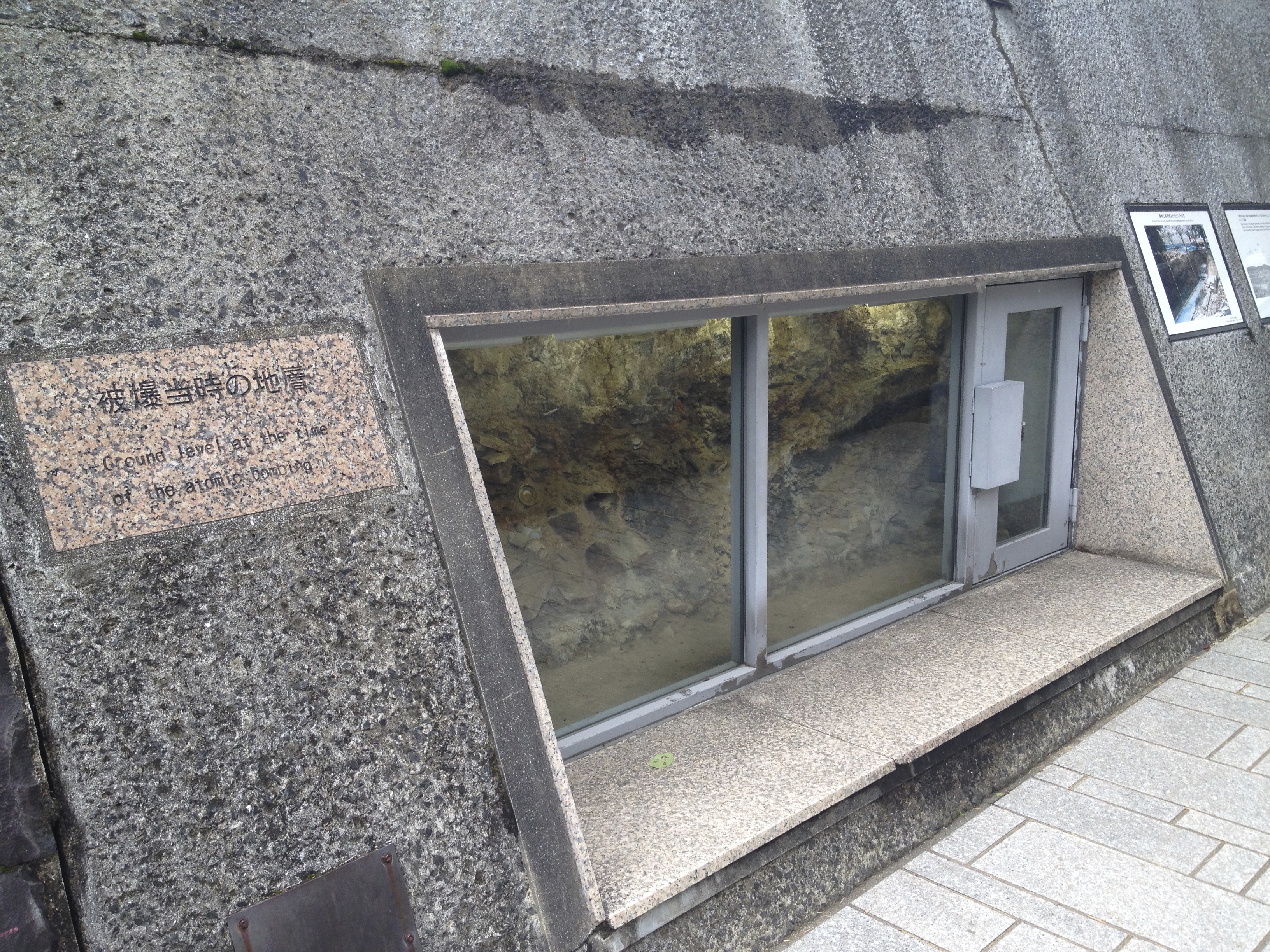
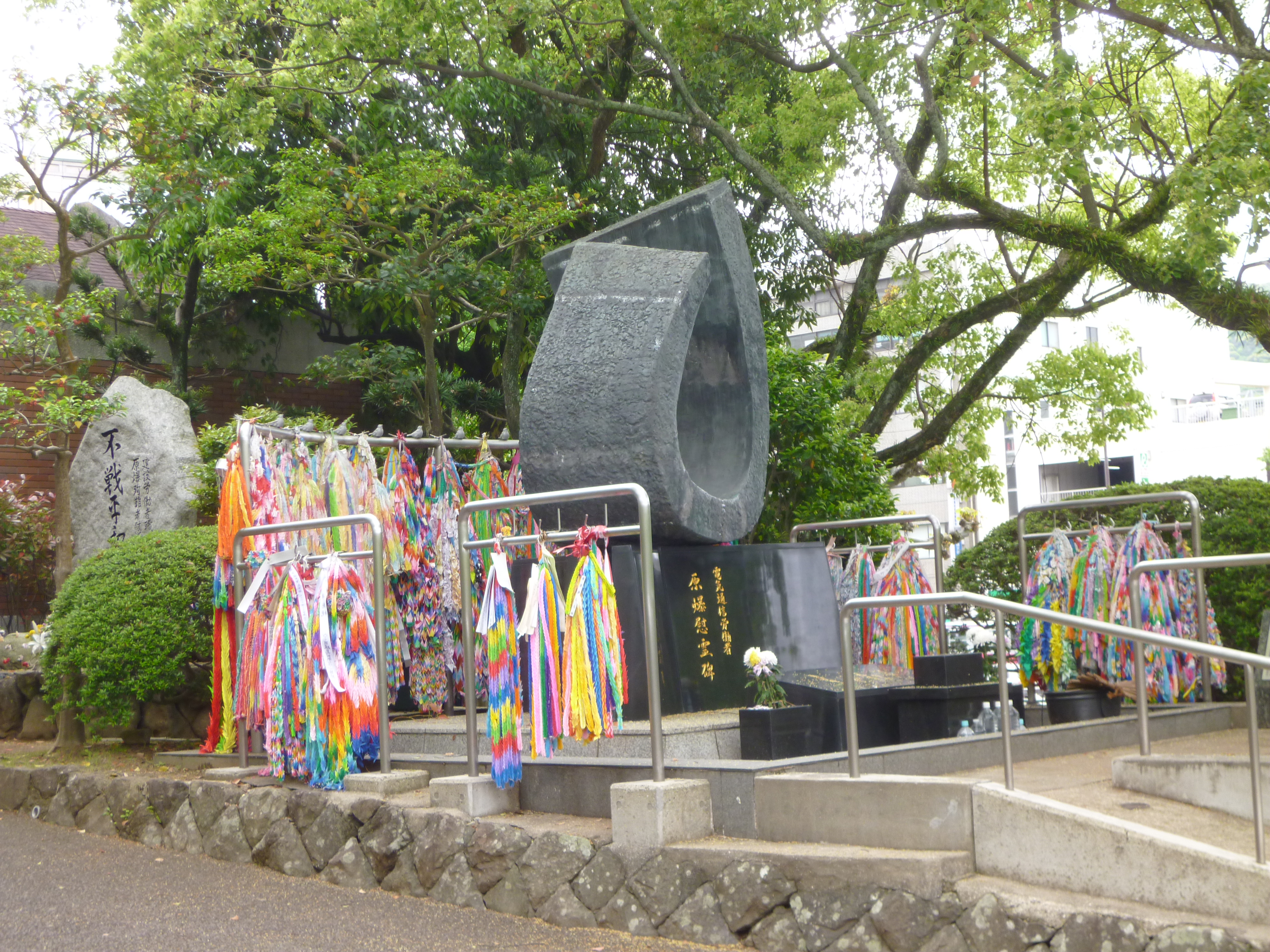
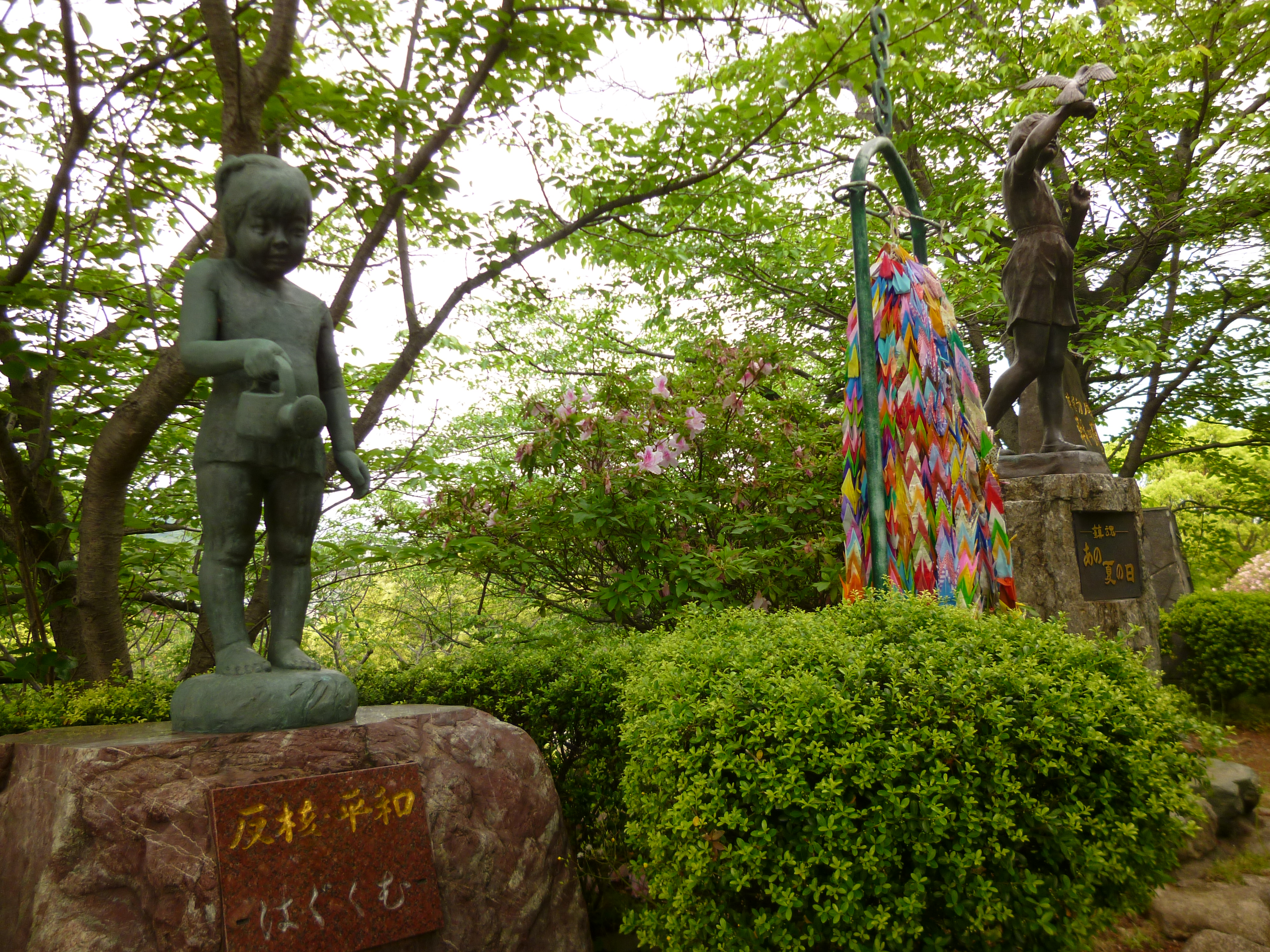
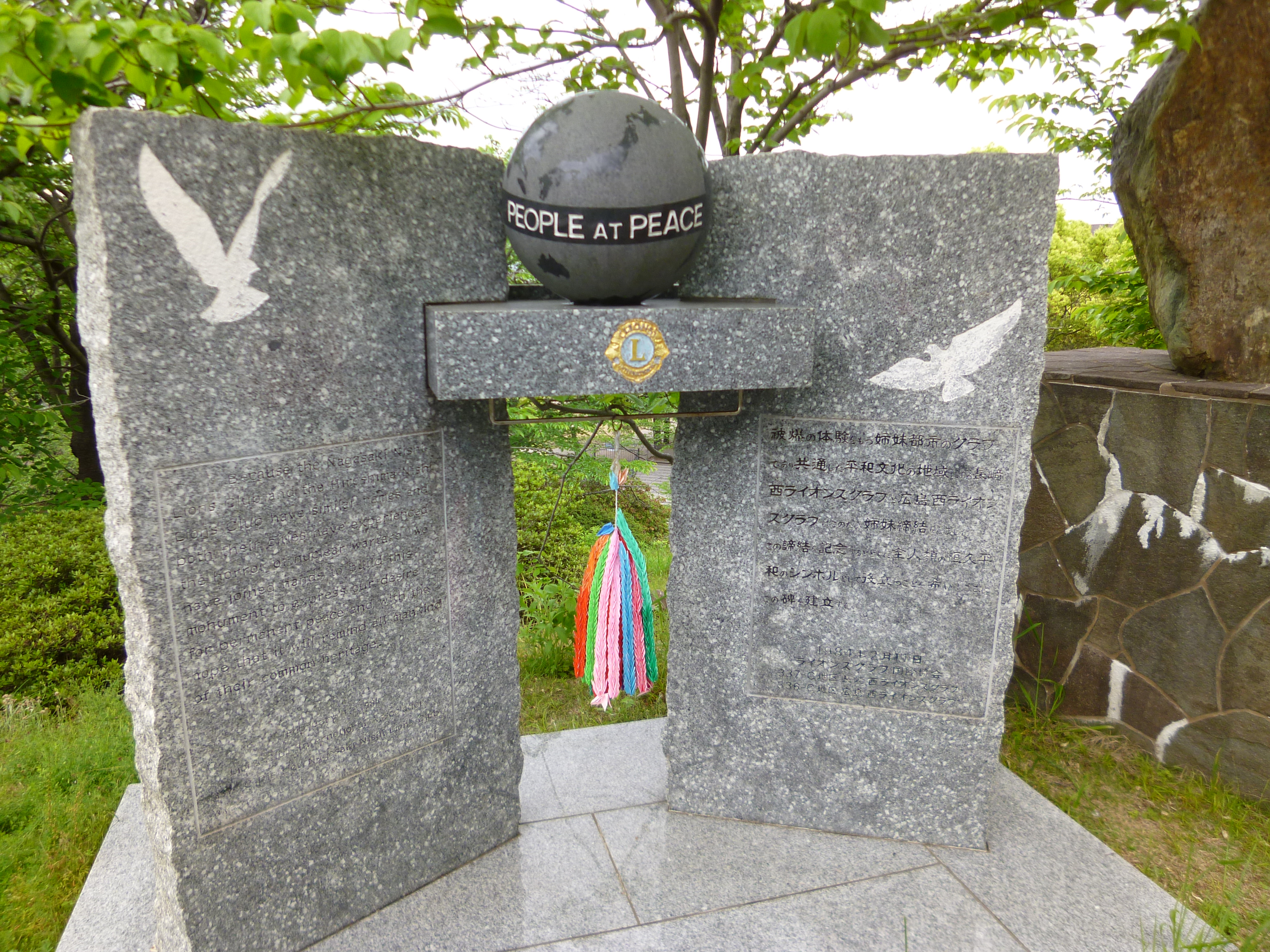
With full stomachs we took the tram up to Matsuyama-Machi beginning at the Hypocentre Park which is the point where the atomic bomb exploded at an altitude of 500m. There are a few bomb-blasted relics, monuments, paper cranes and so on in the spacious concrete park situated alongside the Urakami River.

IMG_4473  P1040482

Its probably quite sad that the events at the start of last years movie, ‘The Wolverine‘  (where Logan is held in a Japanese POW camp near Nagasaki and protects an officer named Yashida from the blast) heightened my interest in learning more details of the city’s destruction and loss of human life. What is perhaps more surprising is that Japan’s 15 years of military aggression prior to 1945 is actually referred to and there is even an apology on a plaque to the thousands of Korean labourers who also lost their lives.

P1040484  P1040485

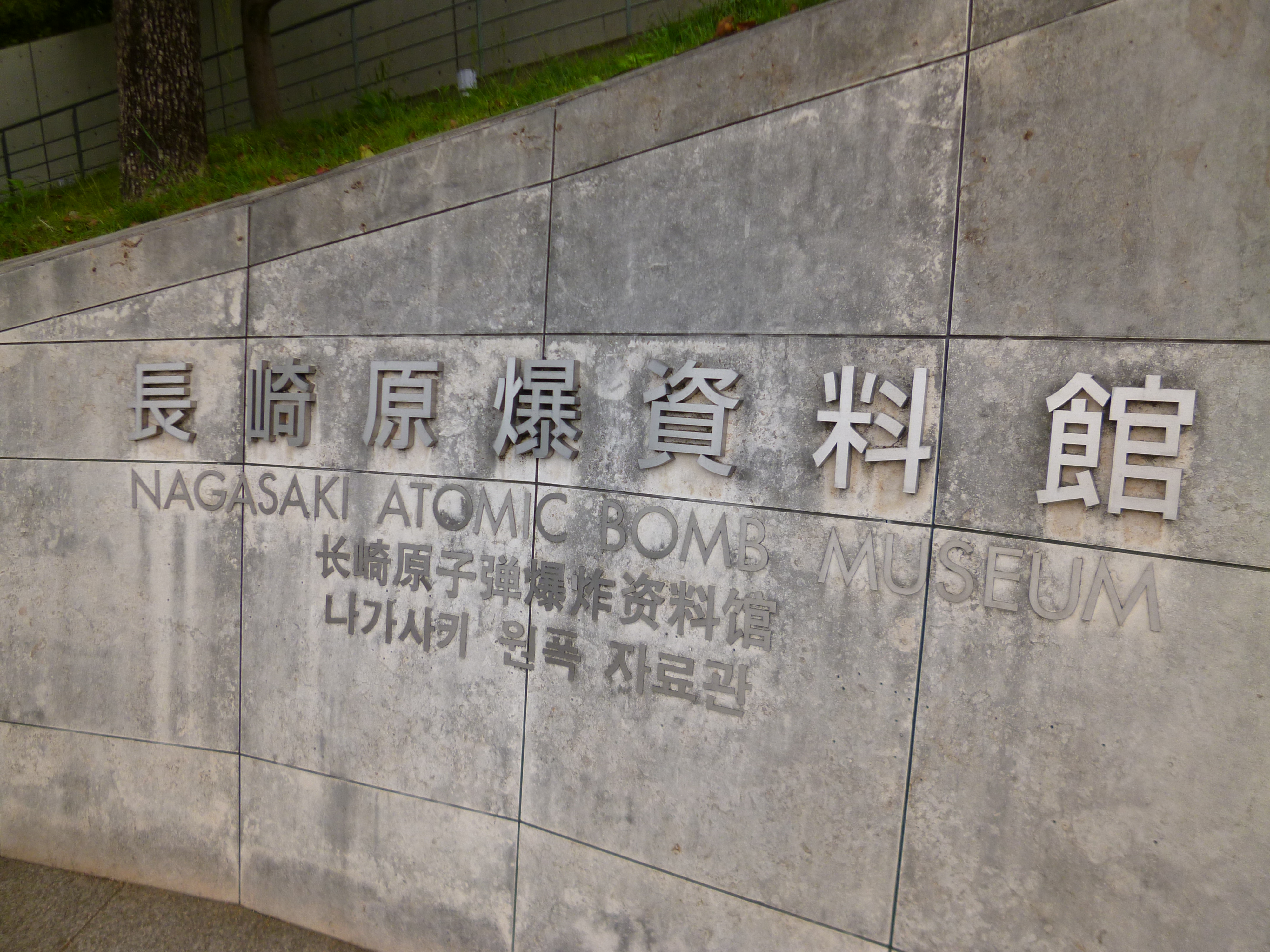
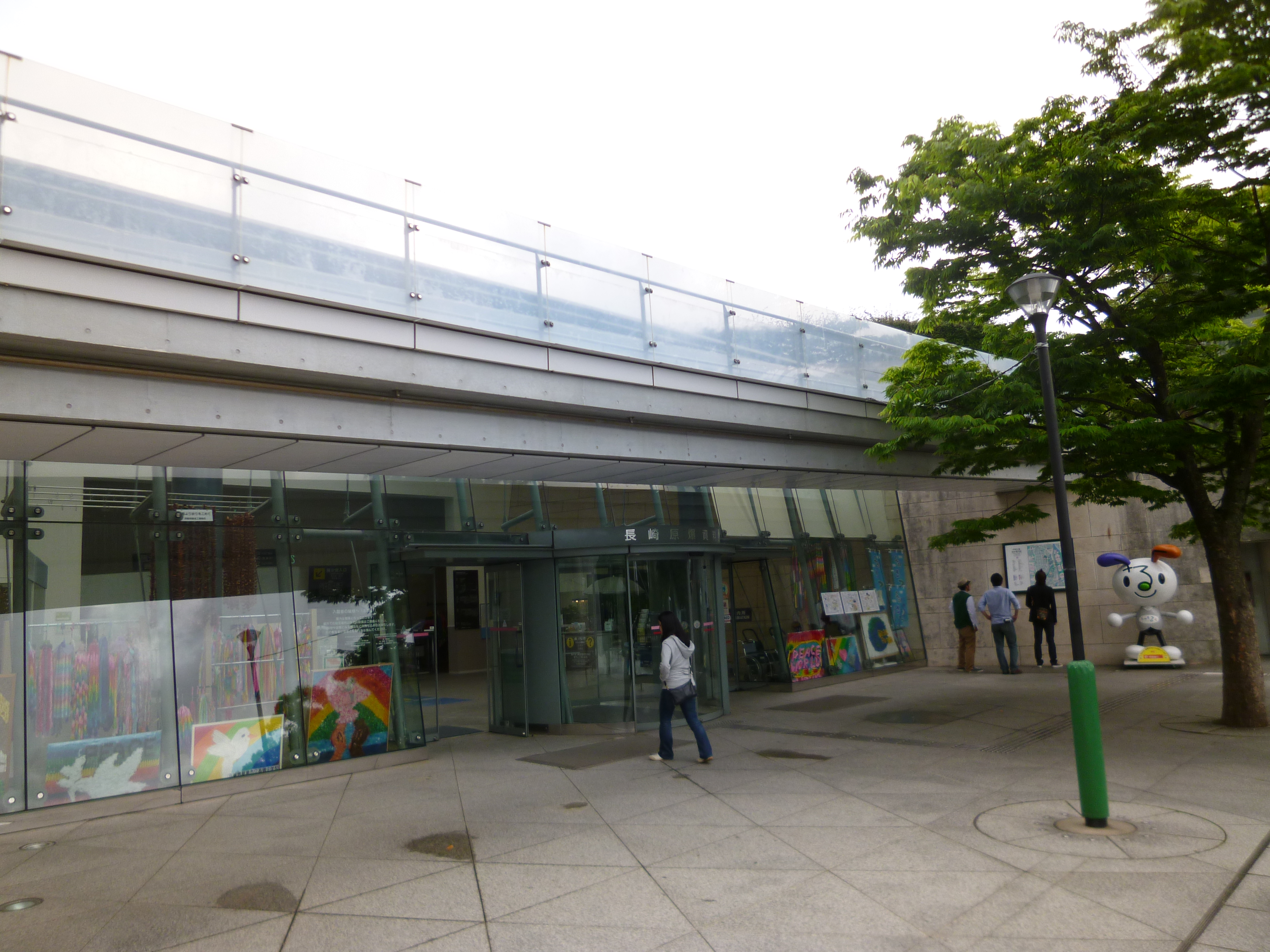
The Nagasaki Atomic Bomb Museum (below) was next and, like the one in Hiroshima (which we visited a year ago), was a chilling reminder at times of how atomic bombing can cause such devastation. Some of the relics, informative materials and photographs depicting the tragedy were fascinating viewing for me albeit a bit depressing of course.

P1040486  P1040487

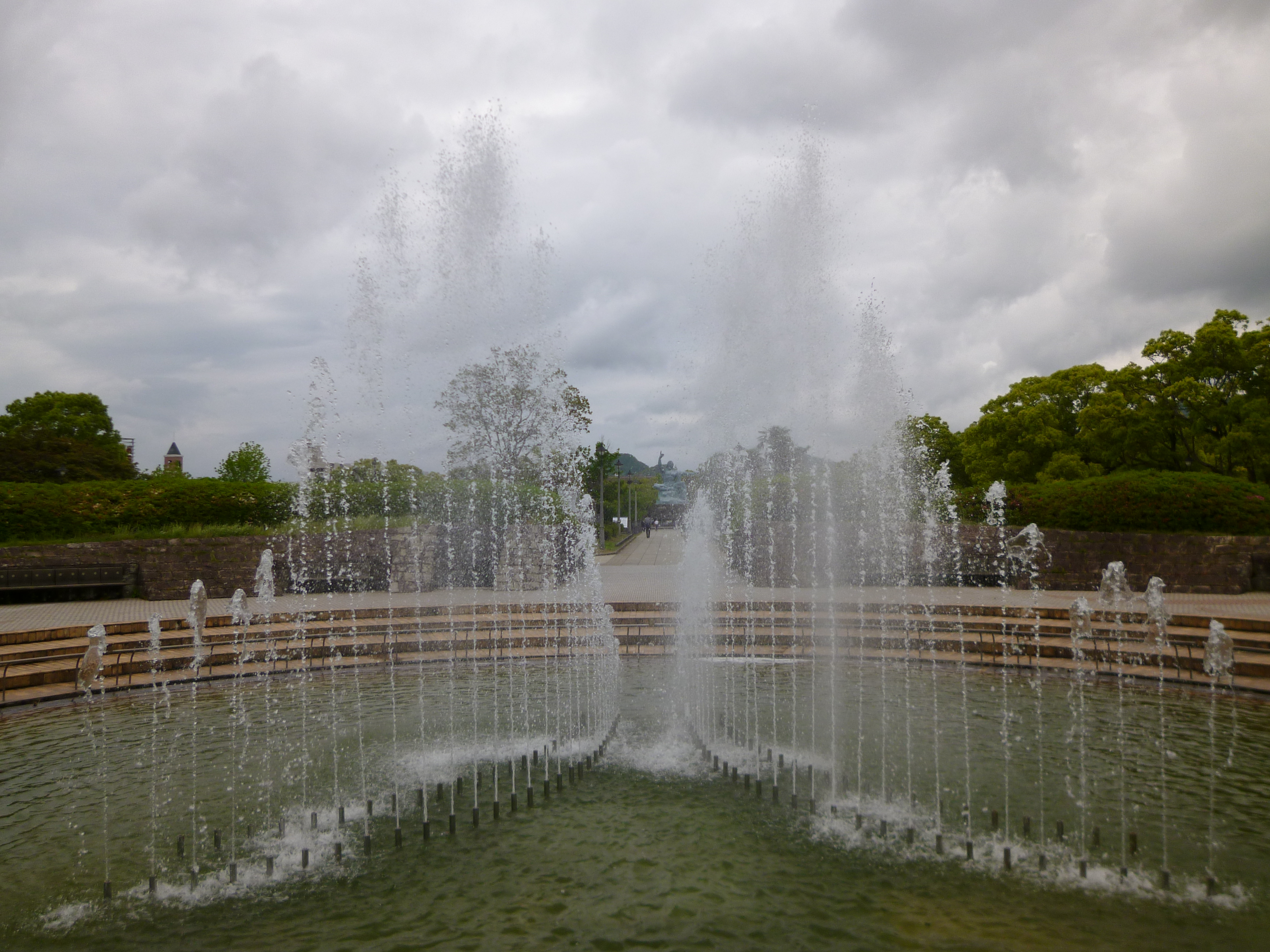
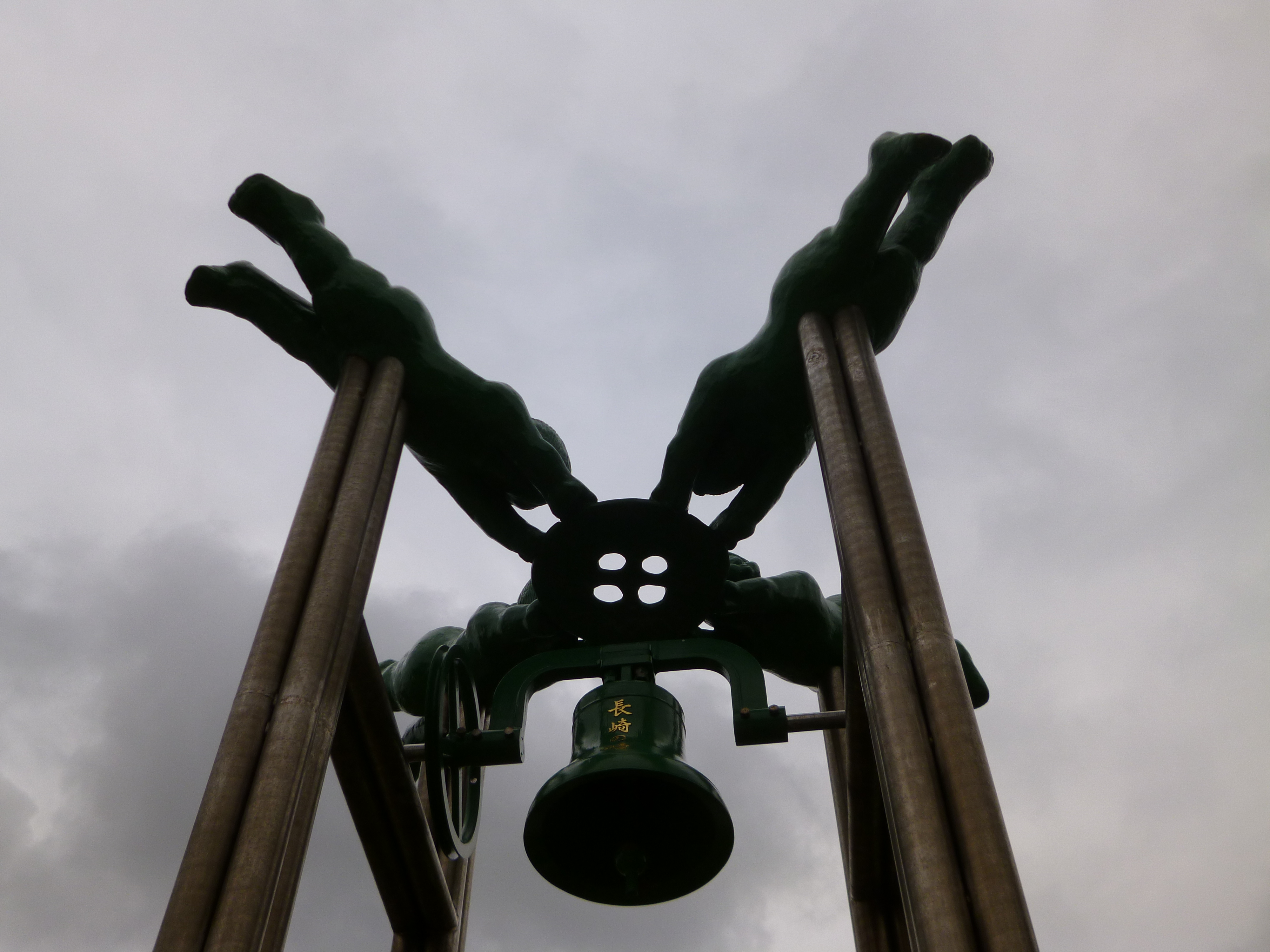
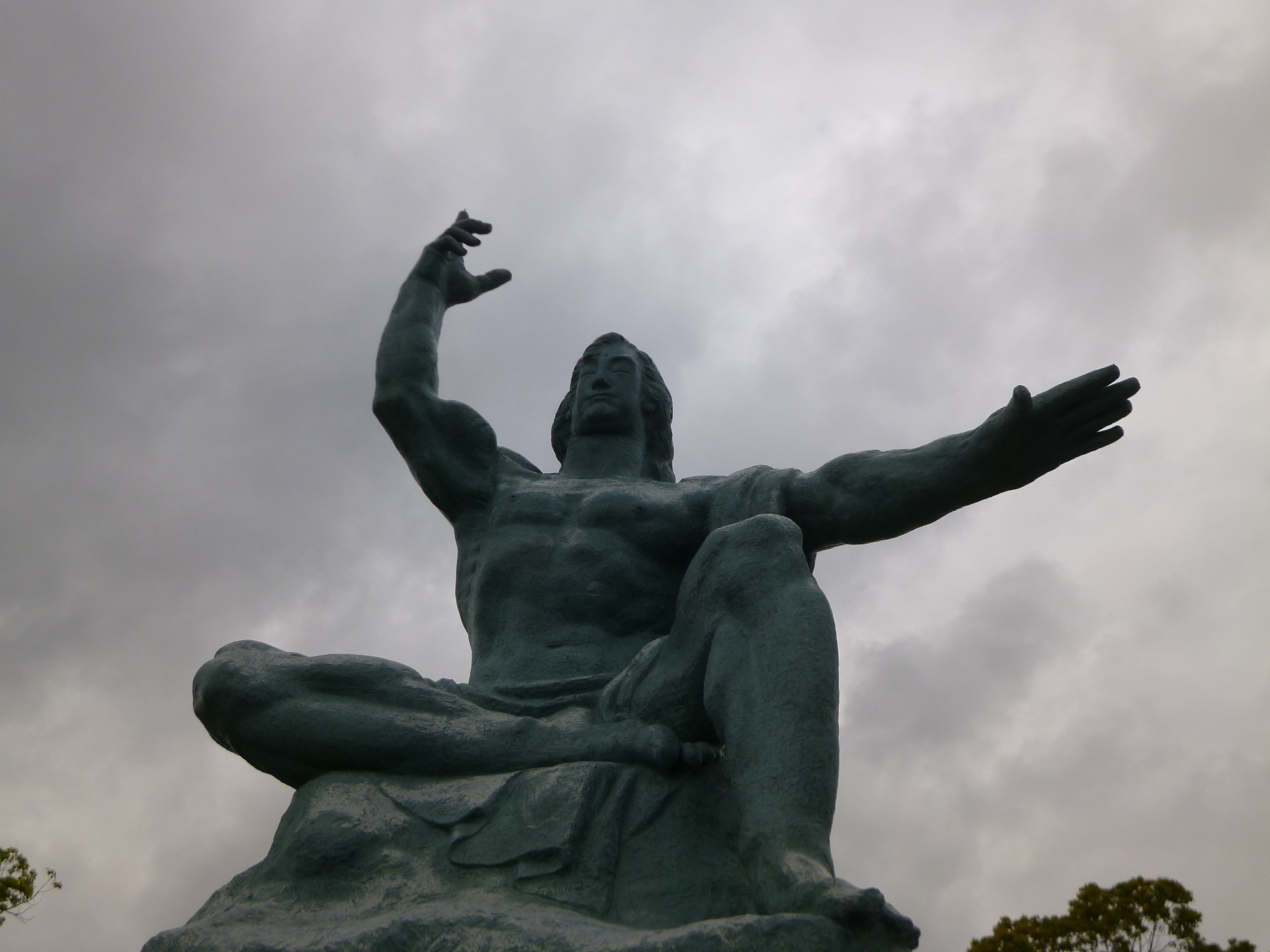
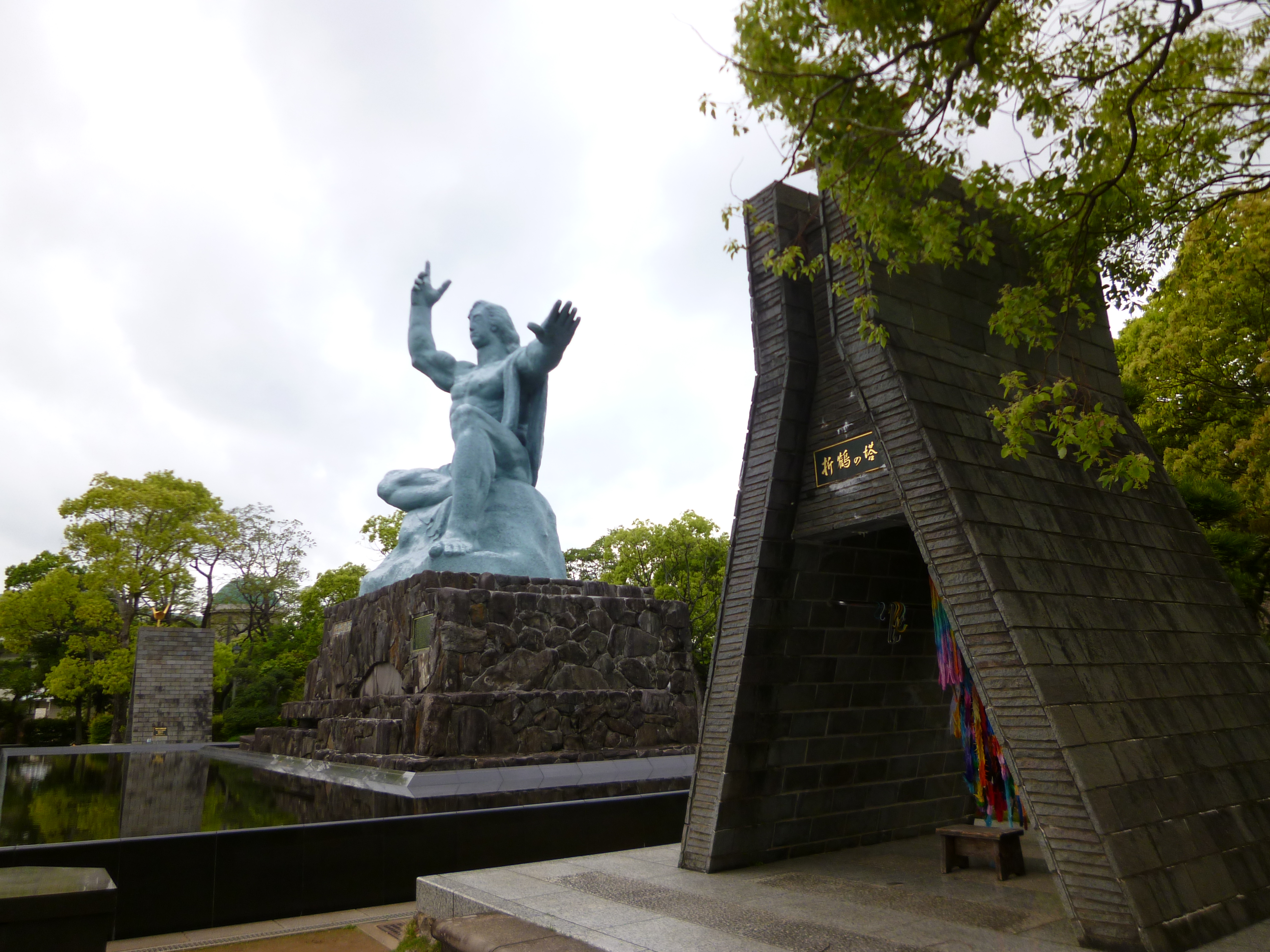
The Peace Park (below) is a short walk from the museum and has the Fountain of Peace (shaped like a dove’s wings) and the Peace Statue with its flat outstretched left hand symbolising eternal peace. The right hand points to the sky to represent nuclear threat.

P1040493  P1040494  P1040498  P1040499

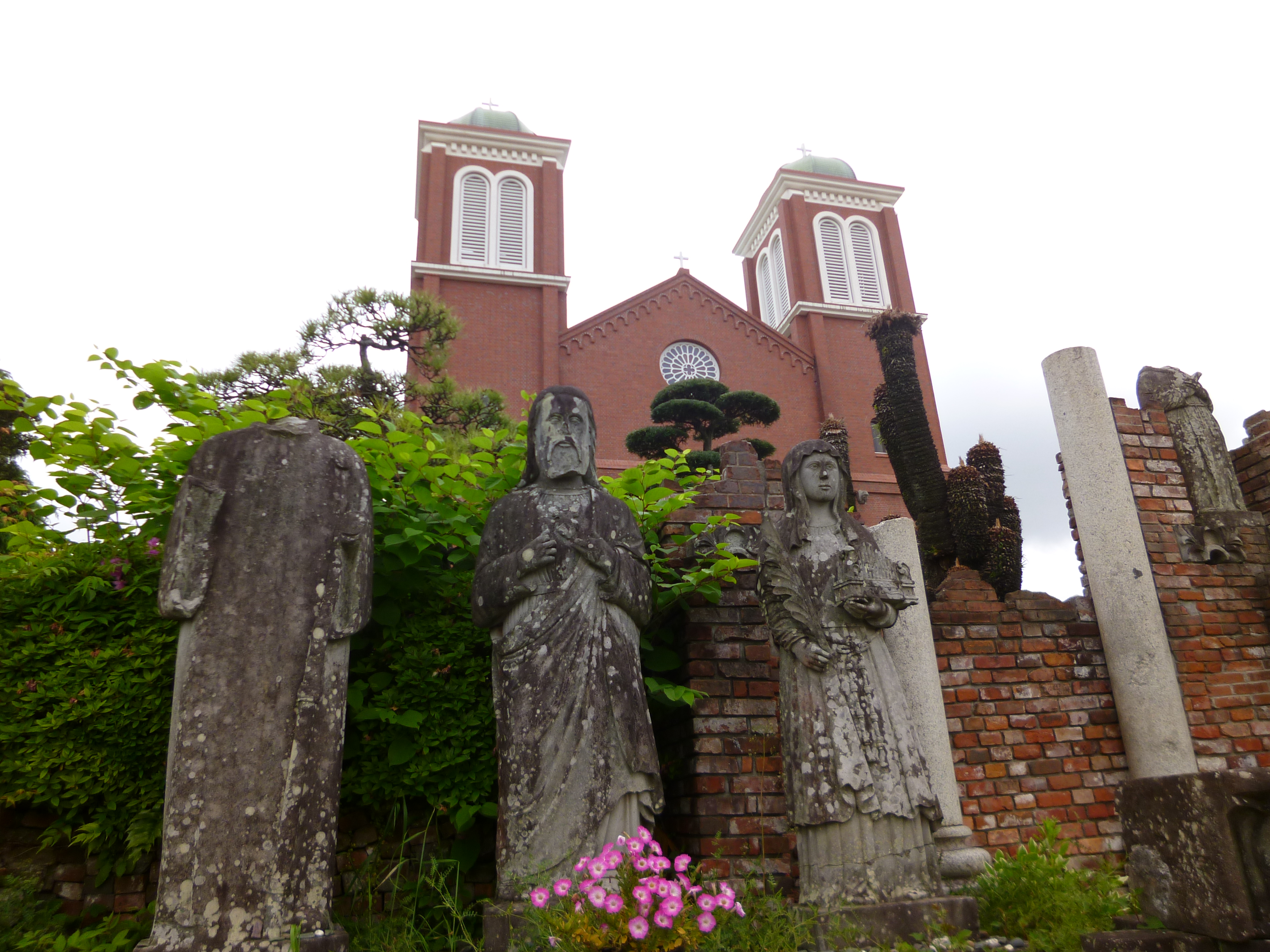
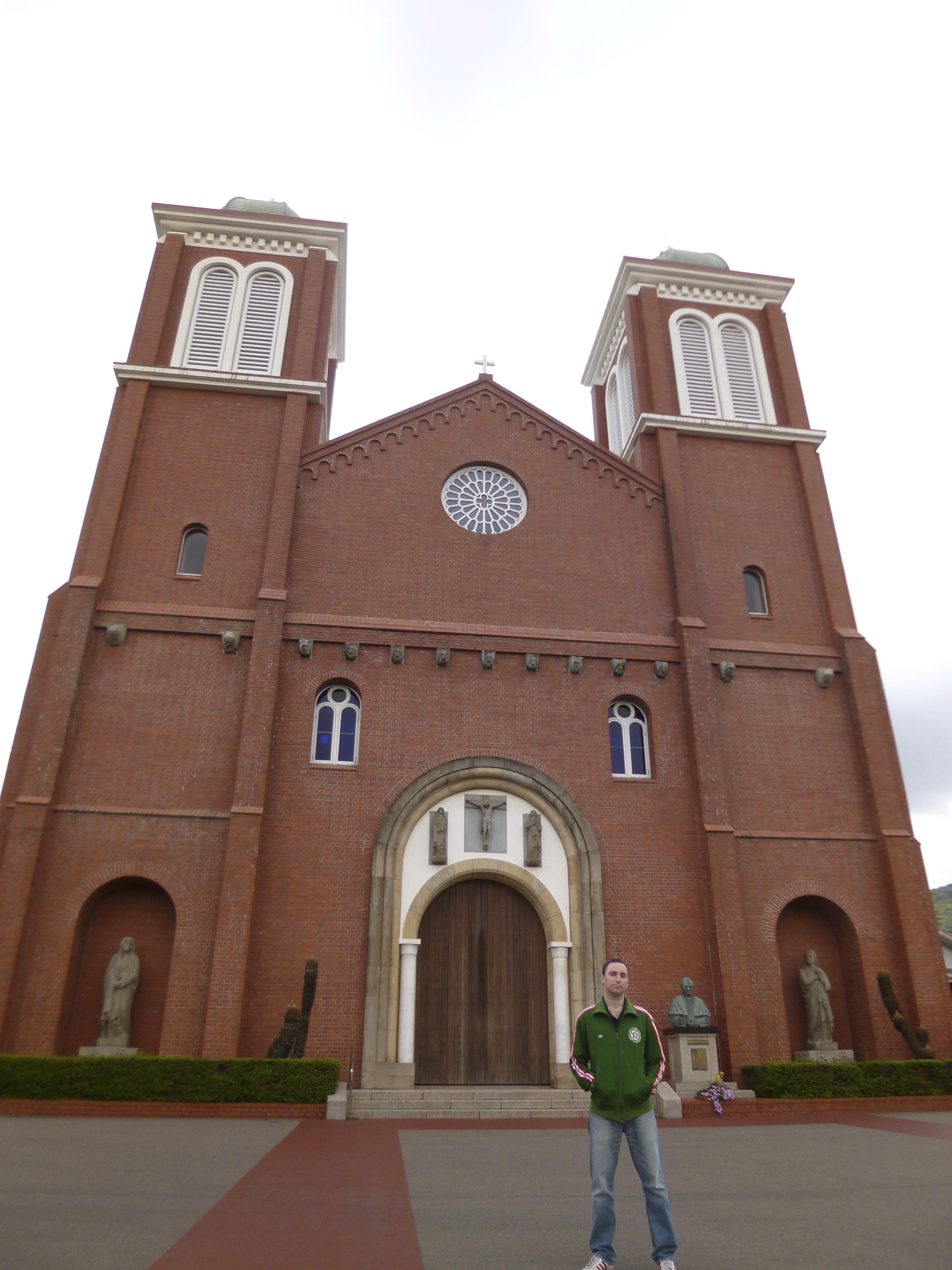
From there we walked on to a couple of spots which were basically just photo stops. First up was Urakami Cathedral (below) which is a replica of the original that was of course destroyed by the bomb at 11.02am on that fateful day in 1945.

P1040500  P1040503

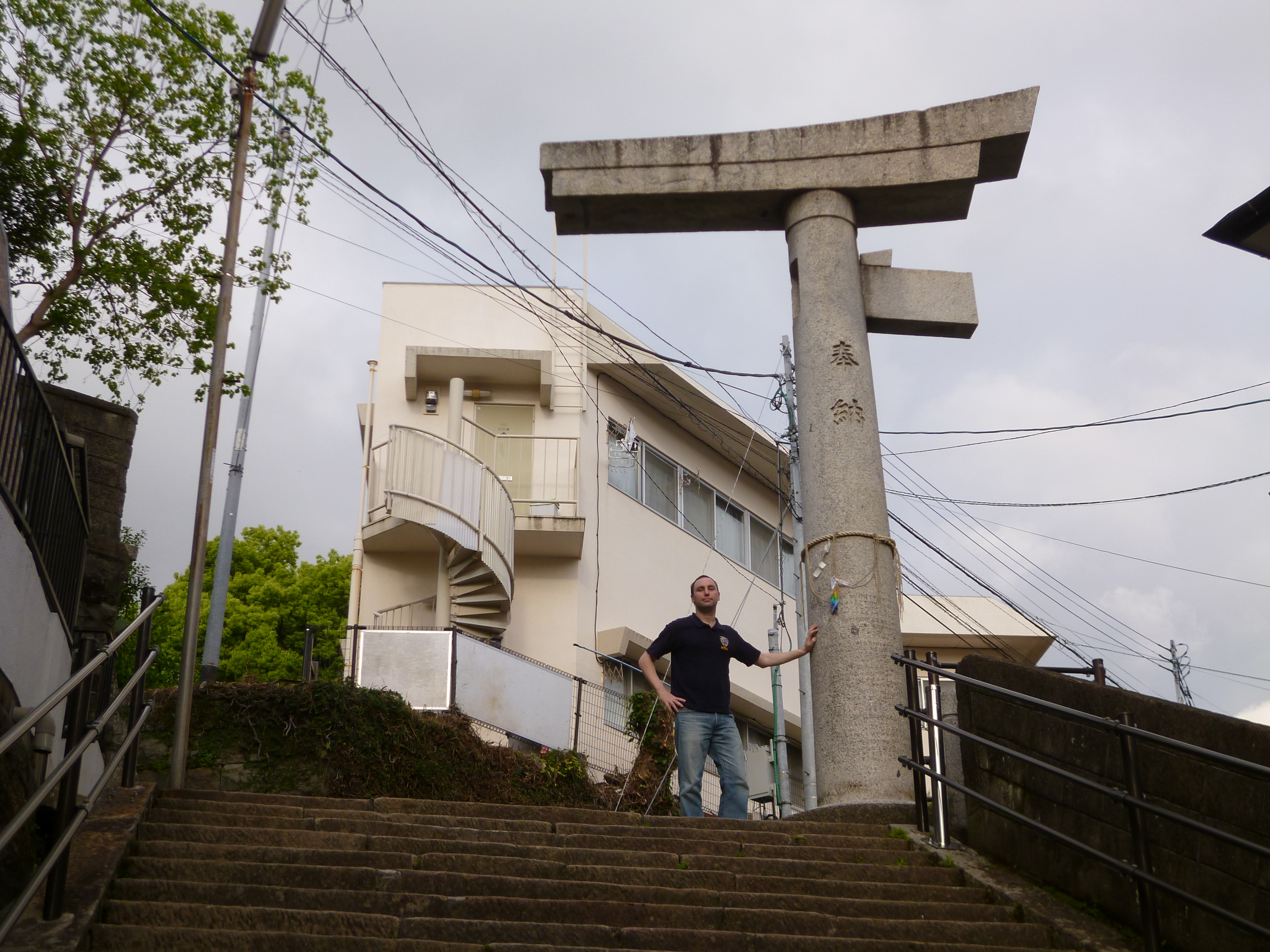
A 15 minute walk down the road is Sanno-jinja Shrine (below) which is more commonly known as one-legged torii (gate) following the loss of its other one during the blast.

P1040518  P1040514

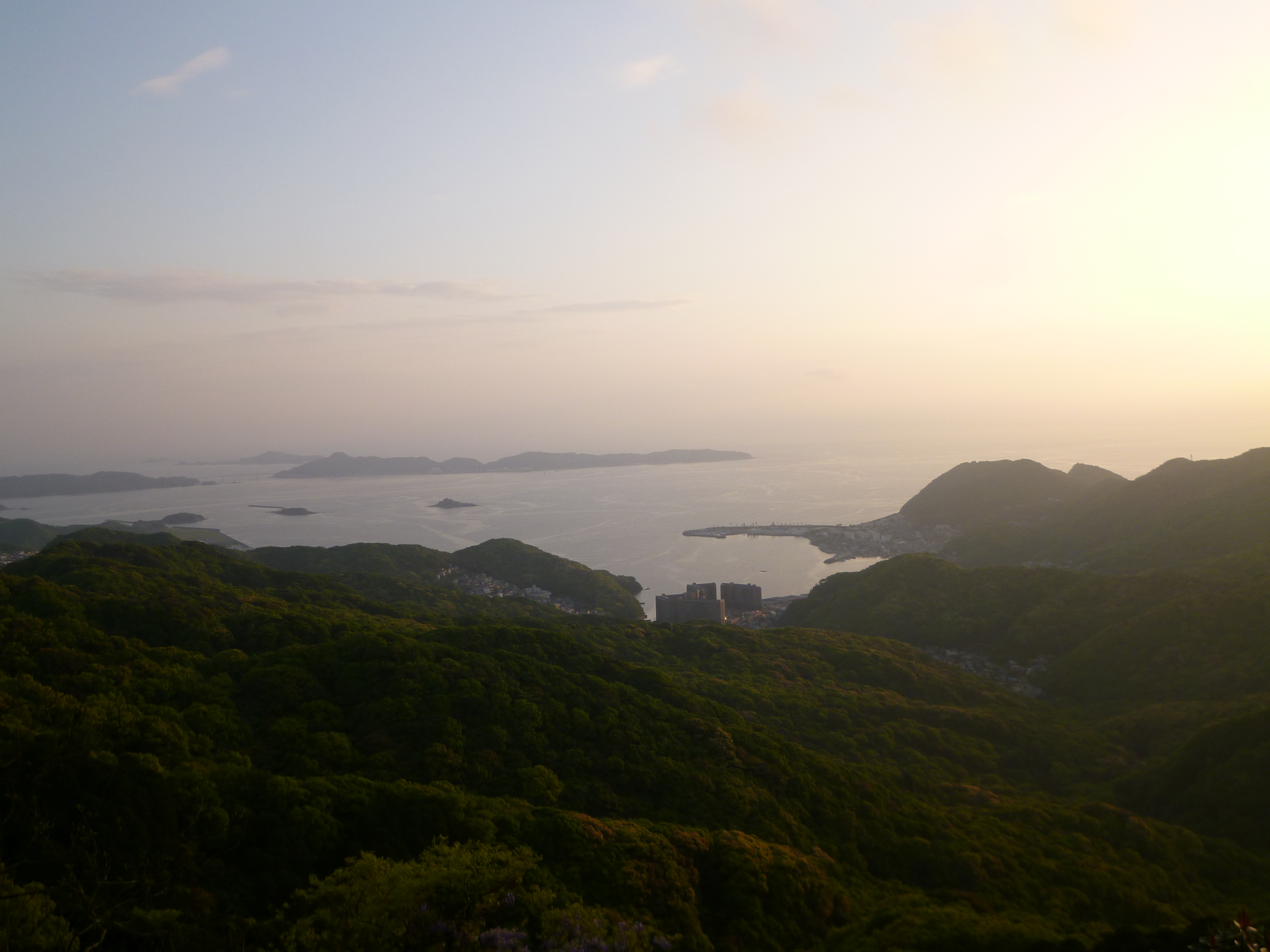
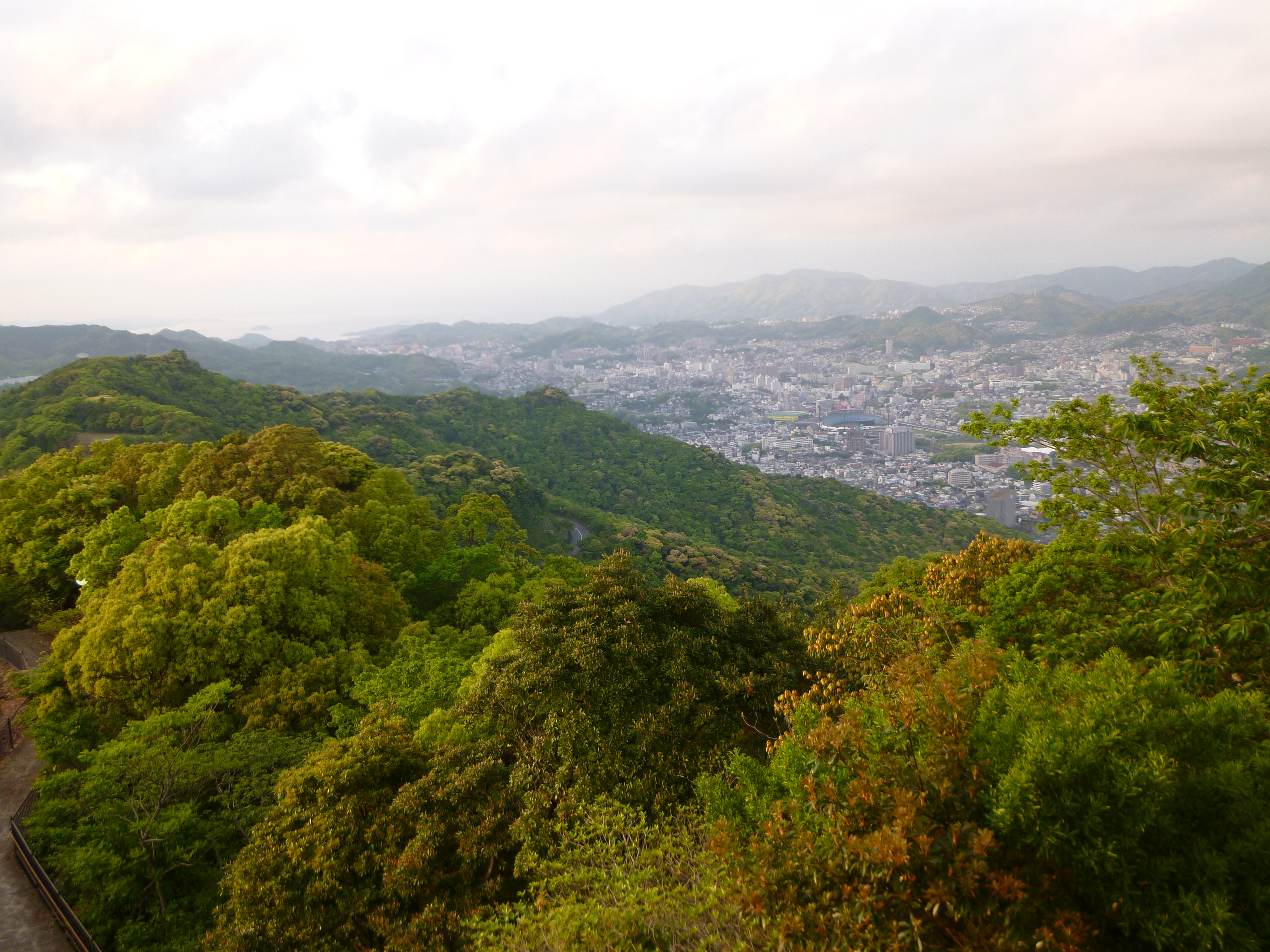
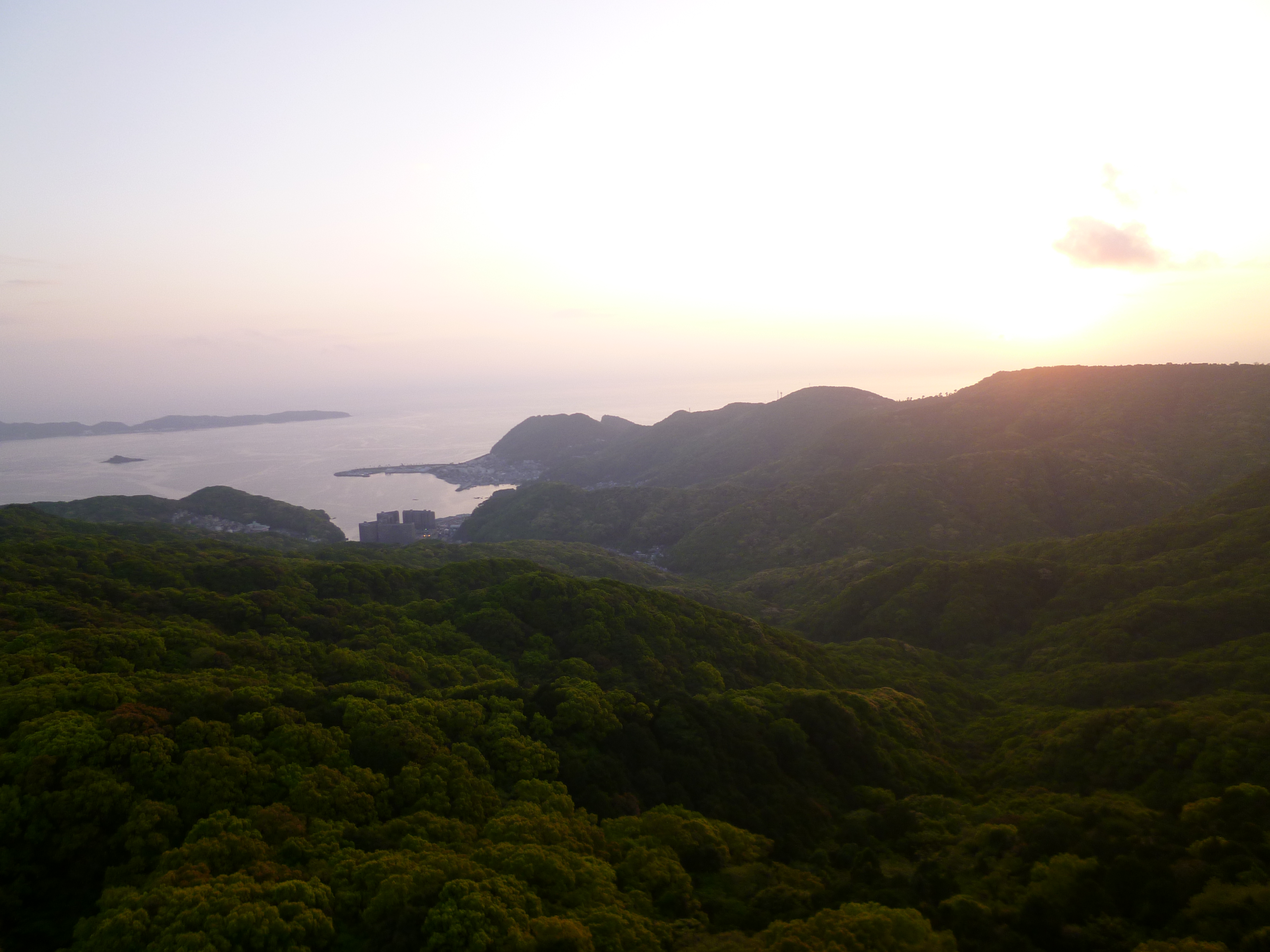
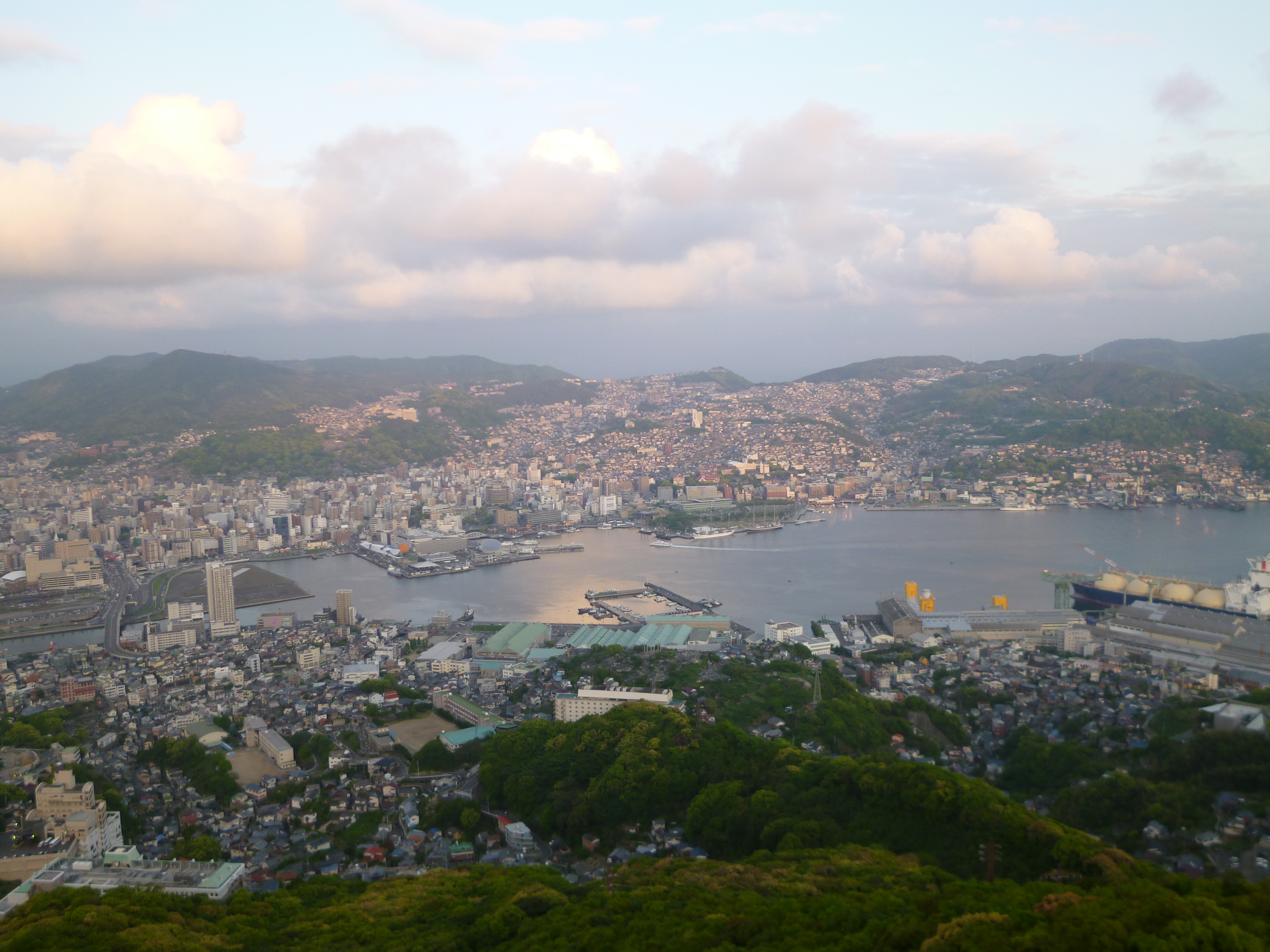
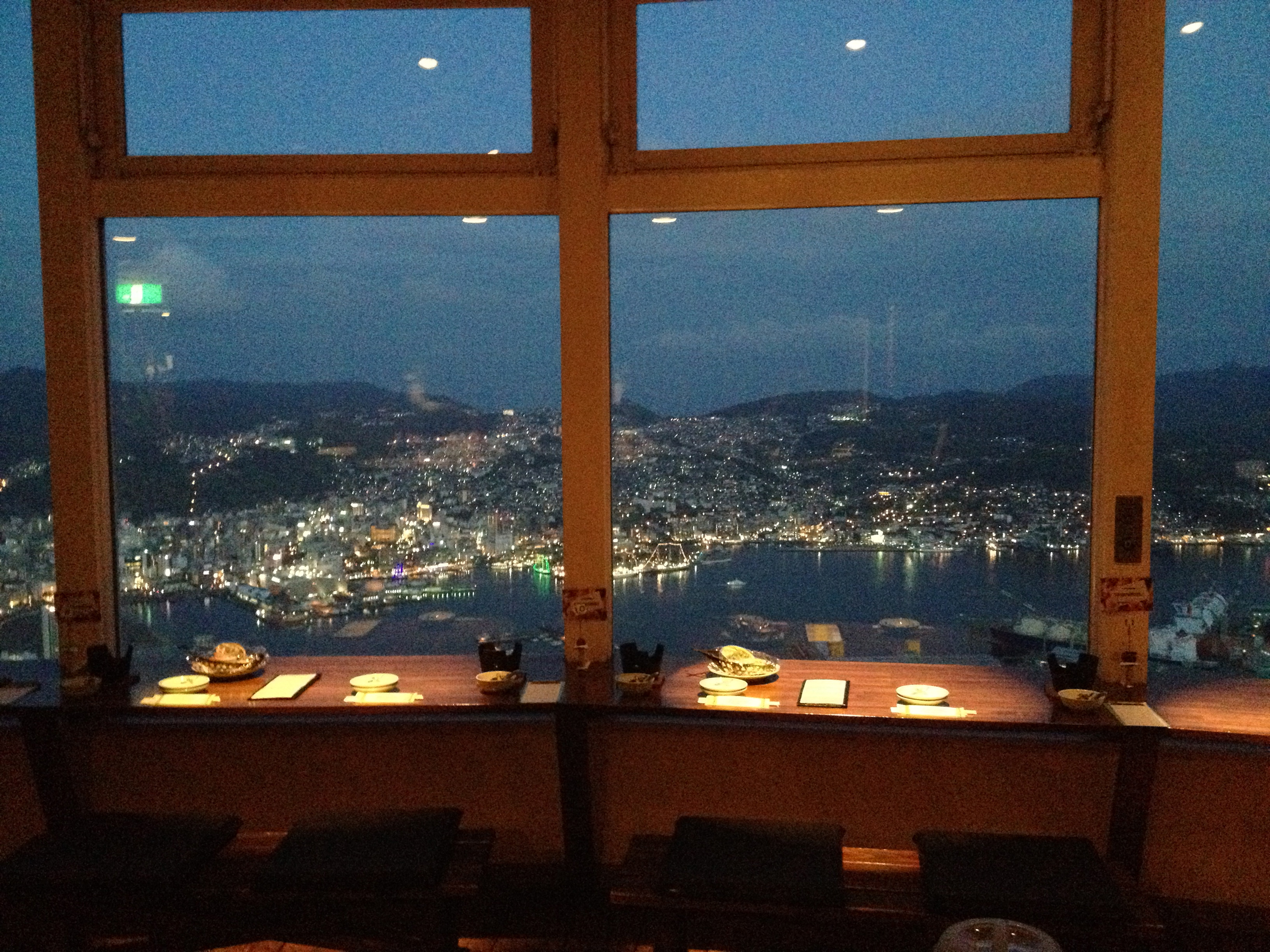
In my mind I thought doing all the aforementioned sights in one afternoon following an early flight that morning would be enough. However, as sunset was an hour later than I thought (7pm in Nagasaki) we decided to do one final sight whilst in the vicinity. We took the ropeway up to Mt Inasa observation platform for a view (below) which is considered to be one of the three best night views in the world.

P1040525  P1040527  P1040536  P1040533

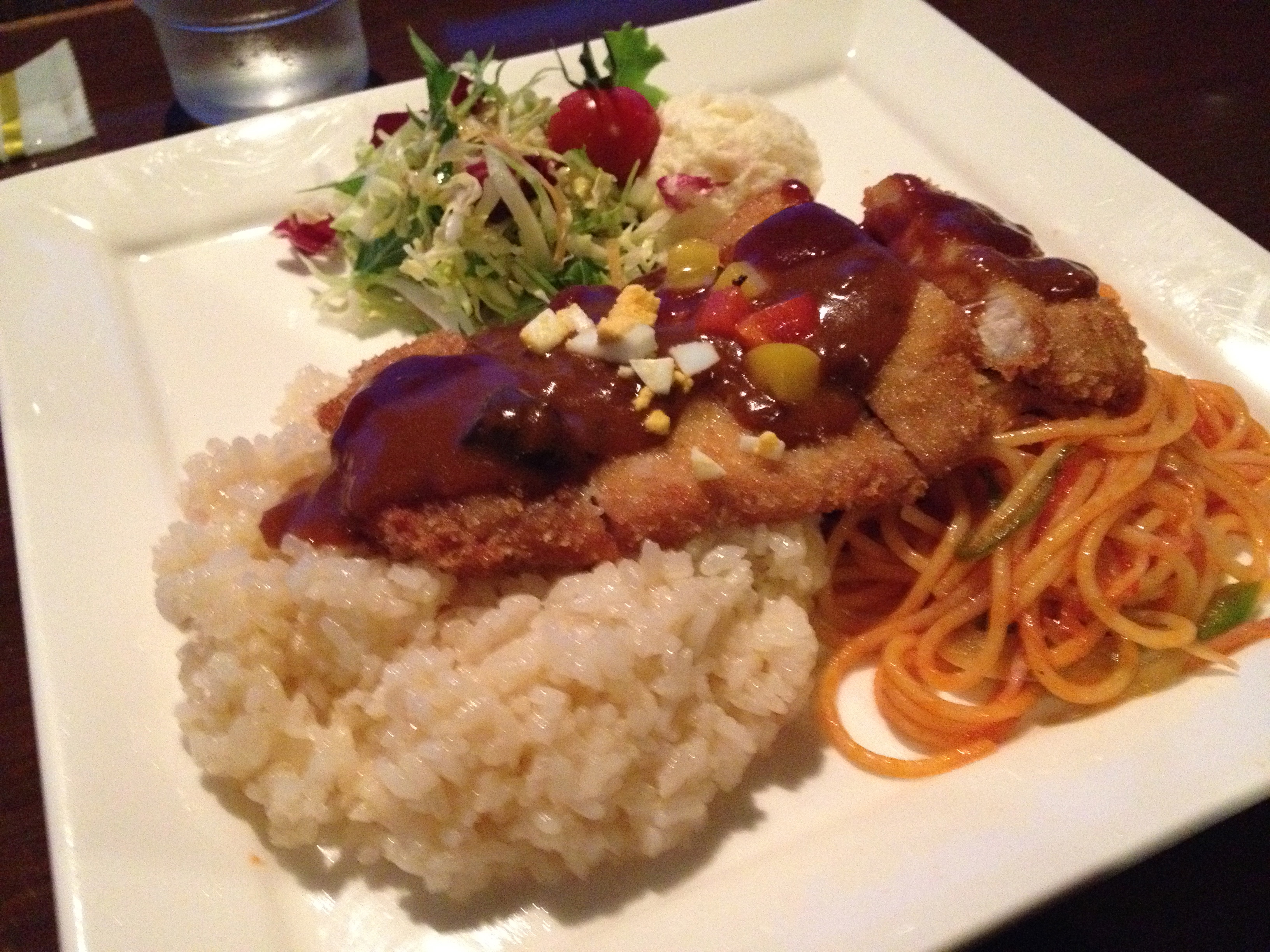
Whilst up there I thought it might be nice to enjoy the view from the restaurant with its amazing views. The prices were fairly reasonable too so we had a couple of similar Nagasaki food dishes; beef steak turkey rice (Nagasaki beef steak, pilaff, spaghetti and salad) and turkey rice (pork cutlet, pilaff , spaghetti and salad) of which the latter is pictured below.

IMG_4484  IMG_4478

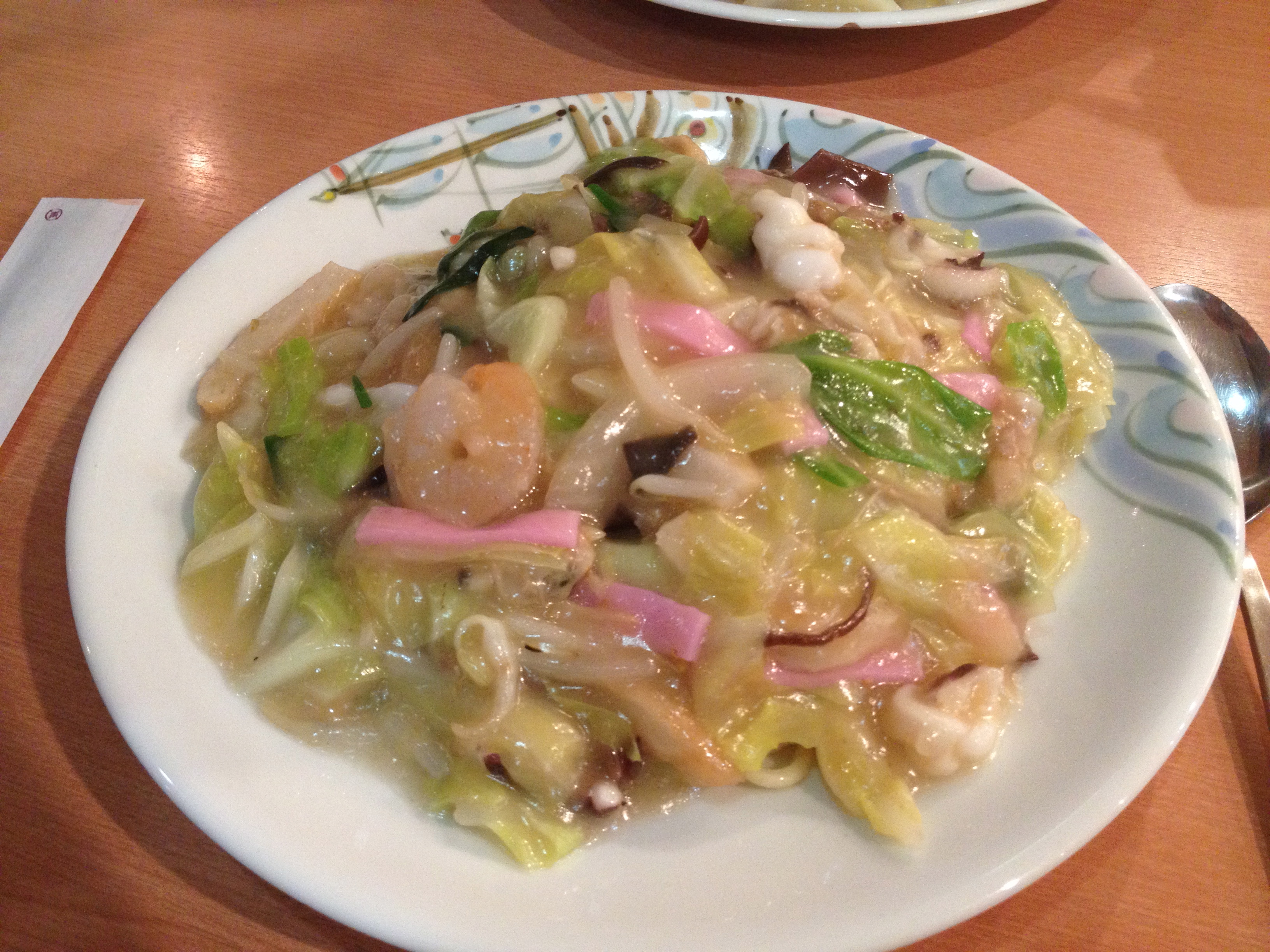
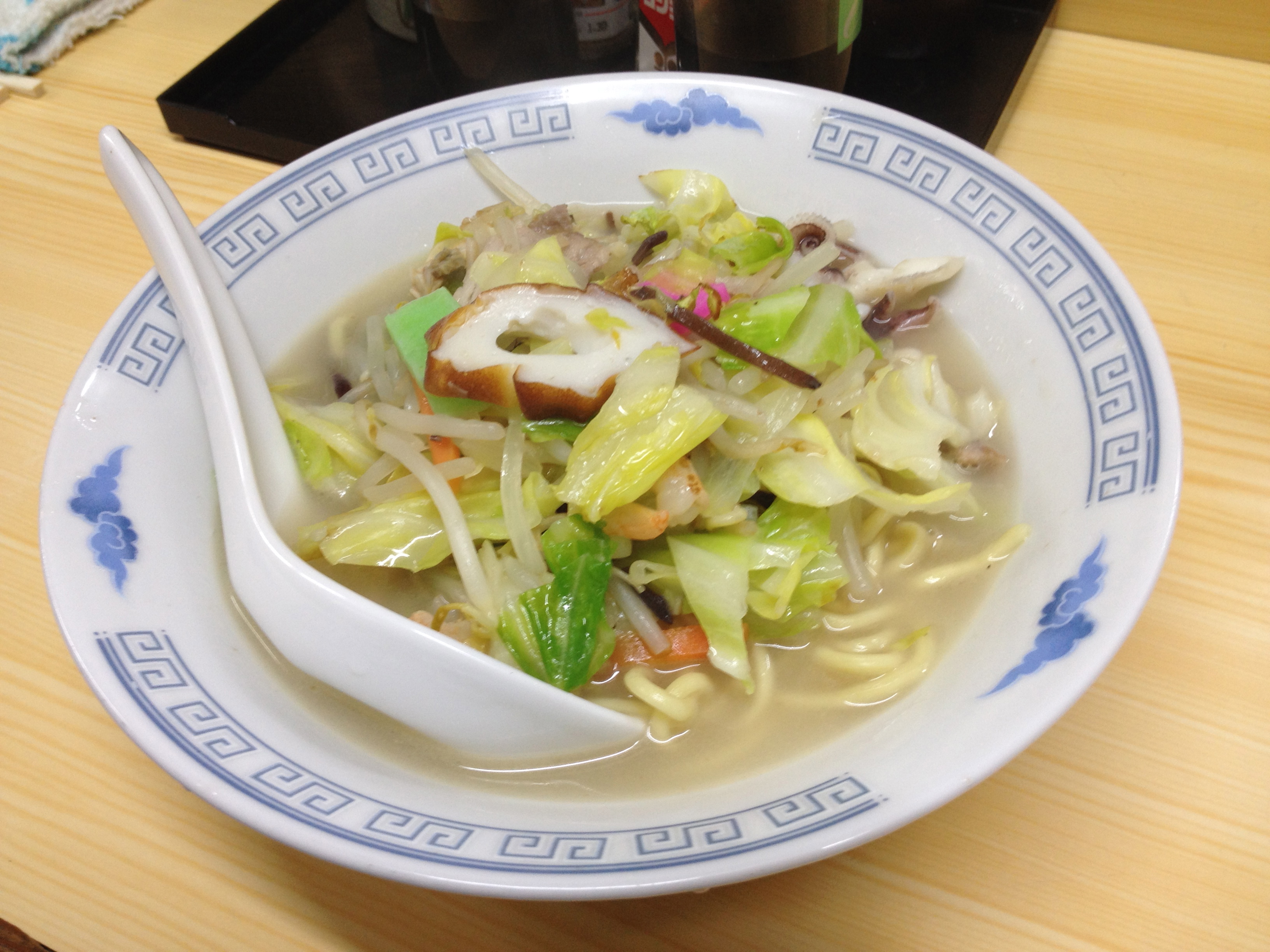
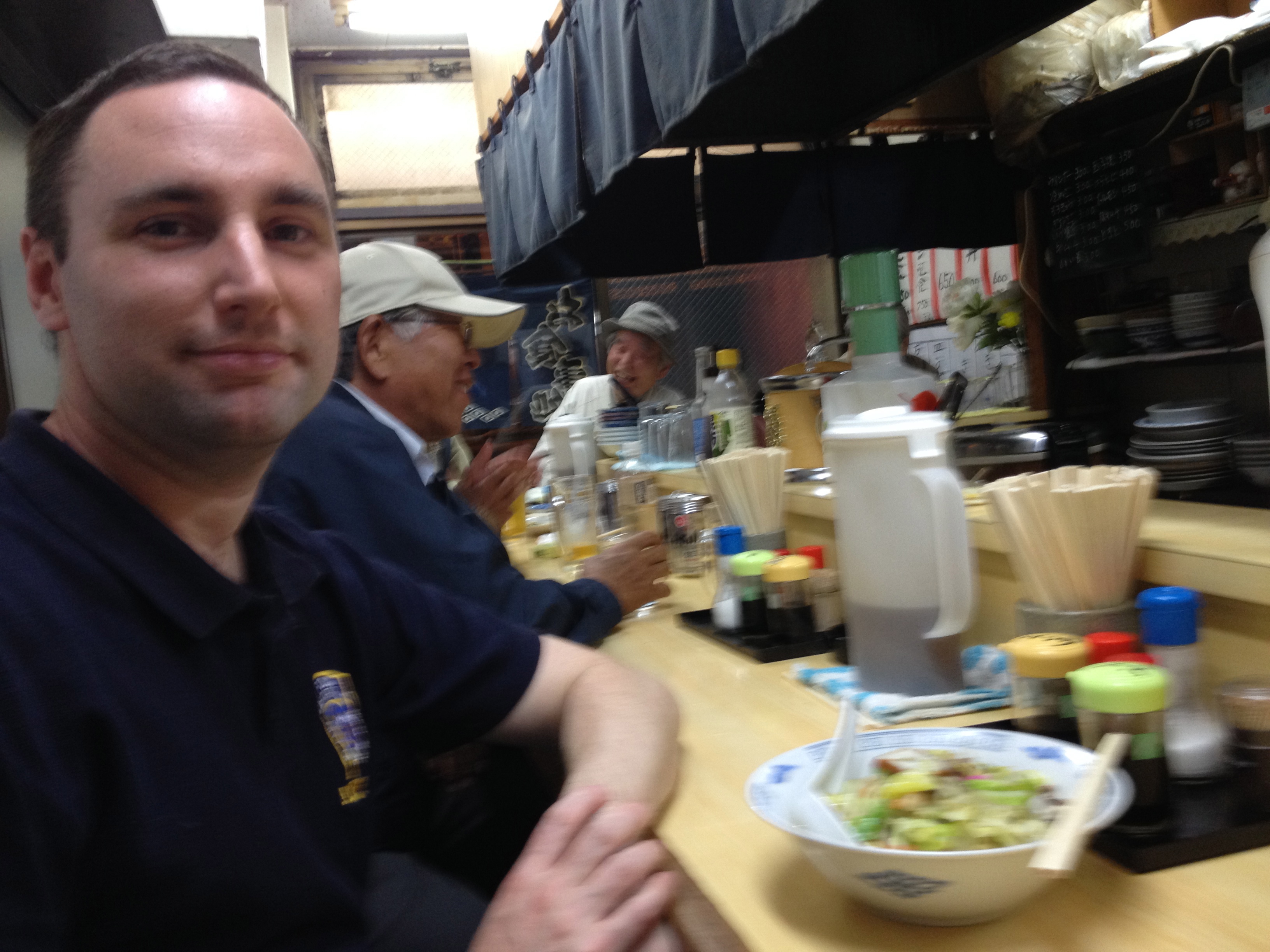
That wasn’t the end of the local cuisine for us though as we popped into a very local place near our hotel and had chanpon (below) which is perhaps the most famous of Nagasaki’s dishes.

IMG_4487  IMG_4488

Champon is the local ramen speciality consisting of octopus, squid, kamaboko (white and pink fish-based patty), pork and vegetables in a white, salt-based broth. It only cost us 600 yen each and was the perfect way to fill up for the night and cross off another must-do item from our list.

Posted in Japan Travel | Tagged , , , , , , , | 10 Comments

Review: Films Set In Japan – Godzilla (1954)

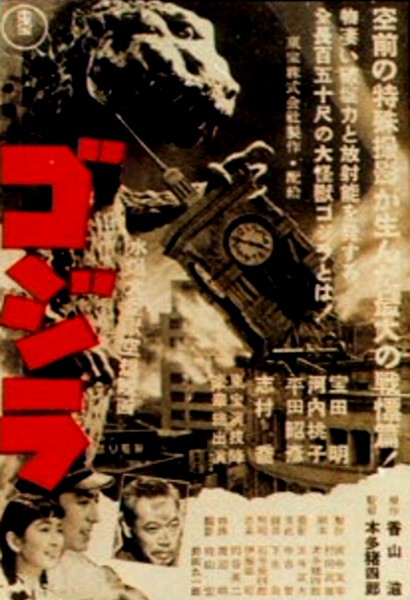
With the latest incarnation of Godzilla getting nearer it seems a fitting time to go back 60 years and take a closer look at the original Japanese movie which launched the iconic monster onto our screens. Released nine years after the U.S. dropped the atomic bomb on Hiroshima and Nagasaki the opportunity was seized to use this radioactive lizard from beneath Tokyo Bay to serve as a symbol for the horrors of nuclear holocaust.

Godzilla has come and gone in many guises but nothing can get close to beating this original black and white Toho Studios version which, as an English speaker, needs to be watched with subtitles for maximum impact of the Japanese perspective. There’s no messing about from the offset and it’s straight into the action with fear and panic hitting Japan as an “underwater volcanic eruption” happens in the sea causing some fishing boats to capsize near Odo Island.

A research team led by Dr Yamane head to this pacific island off the Izu Peninsula; a fictitious isle with the scenes actually filmed around Toba city at the entrance to Ise-Shima National Park on the Shima peninsula. On discovering huge radiation emitting reptilian footprints in the sand, rumours abound that it must be Godzilla to which a woman replies saying its just a legend. Little did she know how true her words would become as Godzilla morphed into a worldwide cultural icon.

The gigantic amphibious bipedal dinosaur lives in caverns under the sea and comes ashore to prey on humans when it can’t find fish in the sea and many young virgin girls were sacrificed to appease his hunger and keep him from coming ashore. However, hydrogen bomb tests disturbed its peace and so it looked for a safer place which happened to be Shinagawa and Ginza!!

Affected by the radiation, it managed to gain an unbelievable destructive power and strength as well as white-hot atomic breath; an archetype which followed in the form of many on-screen monsters both good and bad with perhaps the worst featuring in  Monster‘ (2008). Two Zillo Beast episodes in ‘Star Wars: The Clone Wars‘ (S02E18/19) played homage to what the Japanese call ‘Gojira‘.

Dr Yamane senses that atomic testing is behind Godzilla’s emergence and he (and he only!) thinks that it should be isolated and studied. The eye-patch wearing Dr Serizawa and his oxygen destroyer are key to sending Godzilla back to the depths of the ocean. He  is arranged to be married to Emiko, but she is in love with some naval officer and it’s this love triangle which is pivotal in the monster plot.

I think I’ve been quite critical in the past about this film but on watching it again for this feature I have actually grown much fonder of it. It’s duration is an ideal length (90 minutes) and it’s quite a dramatic film with all the monster movie elements we now take for granted; a fire-breathing creature, stormy oceans, tanks and officers, mad scientists, frantic decision making, government officials, flames, fleeing citizens running for their lives and buildings being toppled. Of course, it was just three metre high miniature set pieces that were used to replicate the capital city whilst a man wearing a heavy rubber suit stomped all over them. Having most of Godzilla’s scenes at night probably helped make it a bit more convincing. I think, given the age of the film and its budget, the effects are pretty good and the sequence where Godzilla goes on the rampage in Tokyo is still superb both technically and artistically,with a genuine sense of dread. The residents run for their life, as they do throughout, which has parallels to the real life horror and devastation in Japan by way of atomic bombings, tsunami and earthquakes.

gojira-japanese-b2_style_c-1954  Unknown  gojira-japanese-b2_style_e-1954

‘Godzilla’ rightfully deserves to be called a classic despite the ending which is perhaps one of the most blatant examples of not-quite finishing a movie and leaving it open to a sequel as Dr Yamane stands aboard a ship and says “I don’t think that was the only Godzilla. If they keep experimenting with deadly weapons….another Godzilla may appear…somewhere in the world!” The perfect way to set up the potential of another movie and what do you know but only half a year later there was another one by the name of ‘Godzilla Raids Again‘ (1955) and the series limped on for an incredible 26 more Toho-made films as well as four American productions including the forthcoming one directed by British filmmaker Gareth Edwards.

If you thought Tokyo Fox was running out of films ‘set’ in Japan to review then using the original Godzilla film (a Japanese production of course but included in this series due to its huge impact on the Western world) opens up the possibility of extending it for another few years with reviews of the never-ending dross churned out in this franchise.

Tokyo Fox Rating 7/10

Posted in Review: Films Set In Japan | Tagged , , , , , , , , | 10 Comments